On Agency and the Female Gaze

On Agency and the Female Gaze

Writers, Artists, Filmmakers & Activists Share Their Stories

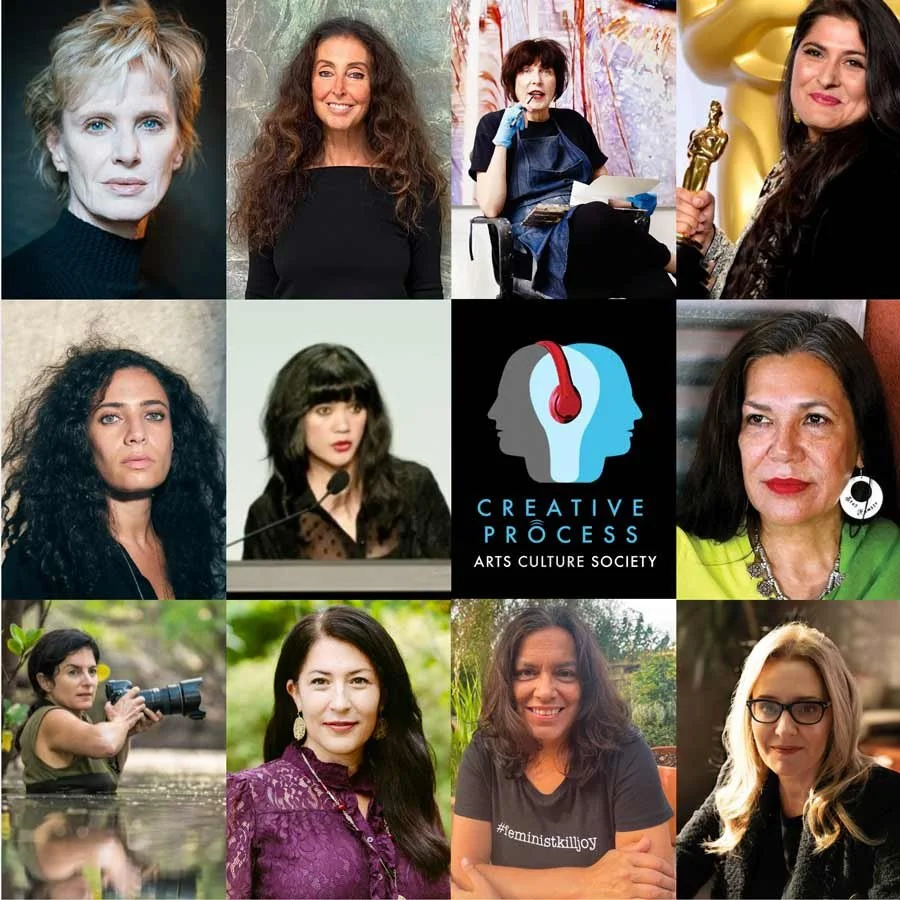
Manuela Luca-Dazio, Siri Hustvedt, Hala Alyan, Ana Castillo, Sharmeen Obaid-Chinoy, Sara Ahmed, Marilyn Minter, Ellen Rapoport, Intan Paramaditha, Ada Limón and Ami Vitale discuss art and storytelling as a tool for political solidarity, legal change and exploring freedom.

Finding Humanity Through Storytelling

Finding Humanity Through Storytelling

A Conversation with Author · Filmmaker ETGAR KERET
Winner of Cannes Film Festival’s Caméra d’Or · Charles Bronfman Prize & Sapir Prize

When I write my stories, I don't want to solve things in life. I just want to persuade myself that there is a way out. Maybe I am in a cell, maybe I'm trapped. Maybe I won't make it, but if I can imagine a plan for escape, then I'll be less trapped because at least in my mind, there is a way. I think that my parents are survivors. They always talked about this idea of humanity. My parents always said to me, when you look at people, don't look at their political views; that's not important. Look at the way that they look at you. If they see you, if they listen to you, if they can understand your intention, even if it's a failing one, they're your people. And if they can't, it doesn't matter.

I think that when I came with my mother and father, they thought there are people, there are human beings, and there are people who want to be human beings but are still struggling. And you go with humanity; you go with the person who can go against his ideology if his heart tells him something.

How AI is Shaping Perception

How AI is Shaping Perception

How Deception is Sculpting Our Reality
A Conversation with Artist · Geographer · Author TREVOR PAGLEN

At the core of the work is that sense of curiosity, that sense of joy, that sense of beauty, and that sense of learning. I've been fortunate to have all kinds of strange and interesting experiences, whether that's seeing weird things in the sky over secret military bases in the middle of the Nevada desert, going scuba diving and finding internet cables on the bottom of the ocean, or tracking spy satellites in the sky and being able to predict when they'll appear in a flash against the backdrop of stars. The world around us is extraordinary and embodied, right? It is not on screens, and I’m very privileged to have that be so much a part of my process.

A Life in Acting

A Life in Acting

A Conversation with Emmy Award-winning Actor, Director, Writer CADY McCLAIN

I won my first Emmy when I was 21, which was the result of absolutely devoting myself day and night for two years to doing all the scene work. I attended classes simultaneously and did plays until my mother died. I studied with Michael Howard for eight years. Even when I was so tired I couldn't get up to do a scene, he would say, "Get up and do a poem." It helped me enormously; it saved me. The way I was trained and how I train others is that you know when you’re in the zone. Oh God, it feels so good. It feels like flying. And that's what you want. You want to be so unselfaware that you're on liftoff?

Reimagining Longevity with Muse Stem Cells

Reimagining Longevity with Muse Stem Cells

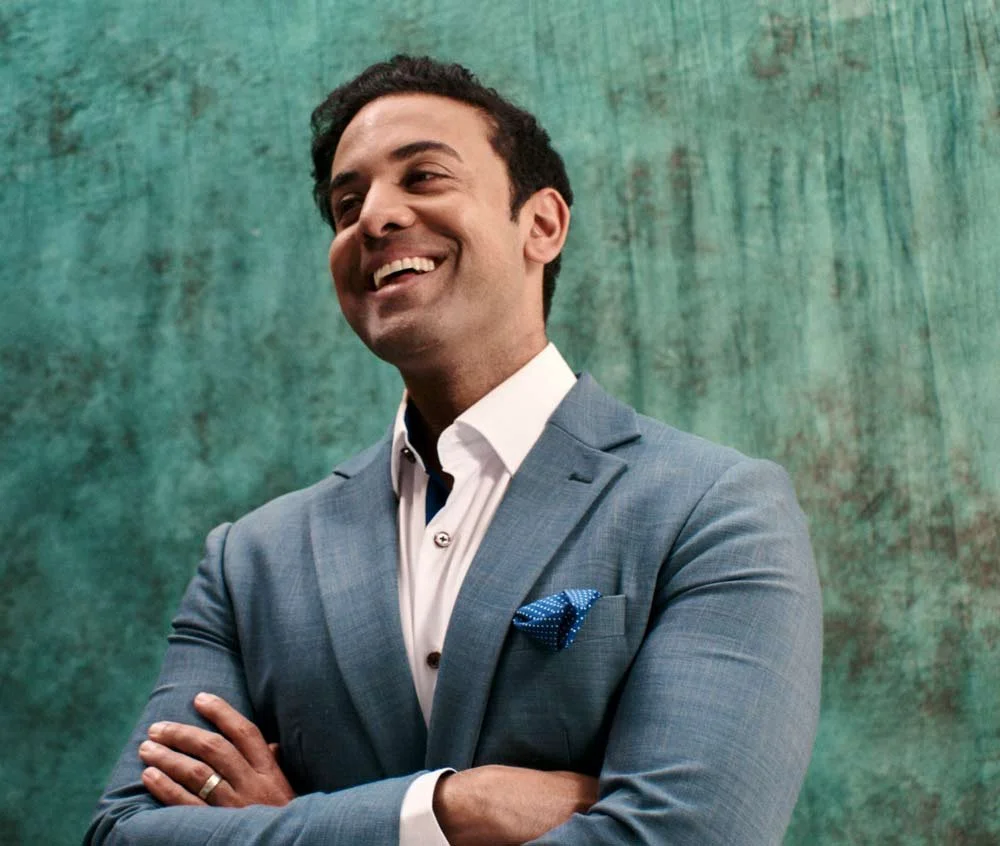
DR. ADEEL KHAN on the Future of Regenerative Medicine

I think the most important thing that I've learned through this whole journey is that we are ultimately here to help one another. And as a doctor, my job is to try to help as many people as I can with the technologies and kind of the gifts I have. I think everyone has their own unique gift and finding that and knowing how you can share that with the world is really what you should focus on. I think a lot of people have heard the word "stem cells"—it’s kind of become part of the zeitgeist almost, where people are just like, "Oh yeah, I think I've heard of stem cells." And when people think about it, I think they think regeneration. They think healing, which is kind of the whole idea behind stem cells.

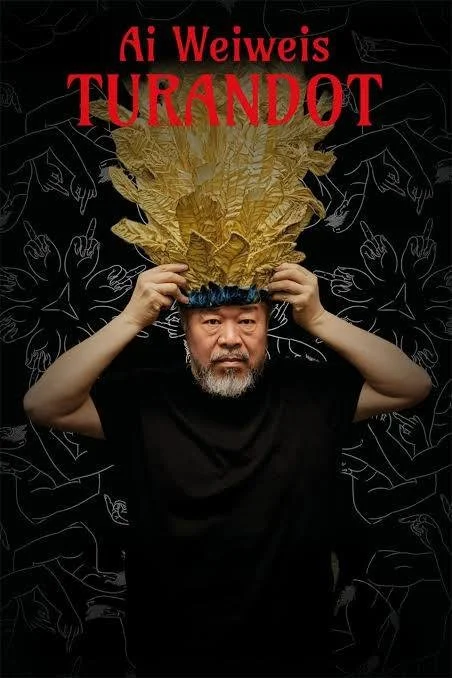
Ai Weiwei's Turandot

Ai Weiwei's Turandot

Everything is Art. Everything is Politics.
I think art competes with reality. And art will give you the last words.
–AI WEIWEI

The Future of Museums

The Future of Museums

A Conversation with MARIE NIPPER
Director of the ARKEN MUSEUM OF CONTEMPORARY ART · Denmark

We don't need to find an end solution, but it's a space where we can speculate, imagine, and practice our foresight. We can be part of a bigger imagination together with an institutional framework, which is really what we try to motivate as well when we communicate these exhibitions to our audience and speak with our guests about these works. 

We can also sense that it's really a place where a lot of people like to enter these days. When you turn on a TV, look at a newspaper, listen to your radio, or speak with your friends, it seems like the world is falling apart on so many levels. It's such a challenging time. I think we can also offer this space for reflection and hopefully provide a reflection that gives some idea or feeling of agency. I think that is one of the places where we are really challenged, especially when we speak to kids and young people, as they often feel they have little agency in creating a better future for themselves. So, I believe we can really give that space to our audiences by showcasing some of these groundbreaking practices that are out there right now in contemporary art.

For me, it's this awe that I feel every time I meet an artist who has the courage to deal with what it means to be in the world as a human being and to tackle it from different ways and through different media. I always feel that through the collaborations I have with artists, I learn a little bit more about the world.
The Beast in Me

The Beast in Me

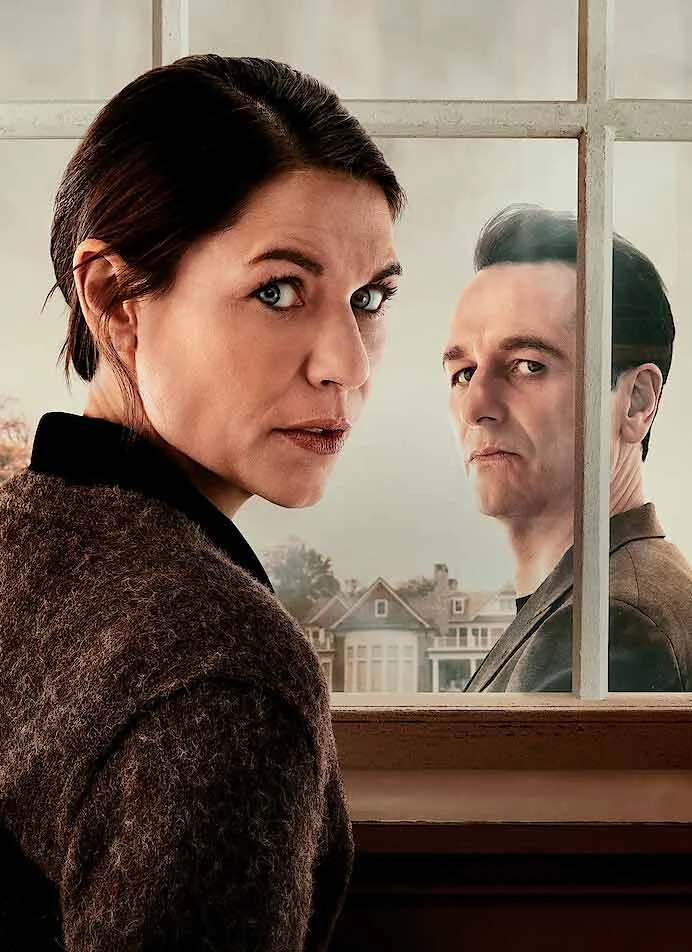
Starring CLAIRE DANES & MATTHEW RHYS · A Conversation with Showrunner, Exec. Producer HOWARD GORDON & Exec. Producer Writer DANIEL PEARLE

I think there's also something about an unfettered or uncensored id that is so captivating. We all have that fantasy of doing exactly what we want with no consequences and sort of letting that go. I think when you see an athlete at the peak of their game and living that dream, or when someone has actually done horrible things that you would never allow yourself to do, there is a fascination there.

The Salt Stones: Seasons of a Shepherd’s Life

The Salt Stones: Seasons of a Shepherd’s Life

HELEN WHYBROW
Writer · Shepherd · Organic Farmer

There are two ways that I measure diminishment in the natural world, a world we all have the ability to see and sense no matter where we live. The first is ecological: a loss of vitality, complexity and stability. This can be studied and measured, but it can also be perceived by simply listening and noticing. Nature has a voice that sings in different registers and in those registers you can hear health or struggle, presence or absence. The second way I measured diminishment is in the human experience-- loss of beauty, of meaning, of pattern language these also become more available to us as we watch and listen take in what surrounds us.  

Exile, Empire & Resistance

Exile, Empire & Resistance

YURI HERRERA on Benito Juarez and Today's Political Crises

Benito Juarez is a really important figure in Mexican culture, politics and history. He is probably the most respected figure in that sense in Mexico, only akin to what Lincoln is in American culture. Juarez was an orphan in the state of Oaxaca who spoke a variant of Zapotec, an indigenous language. He was sent to a seminary and was going to become a priest, but in his own words, he felt repulsed by the way the priests were manipulating the people in Oaxaca.

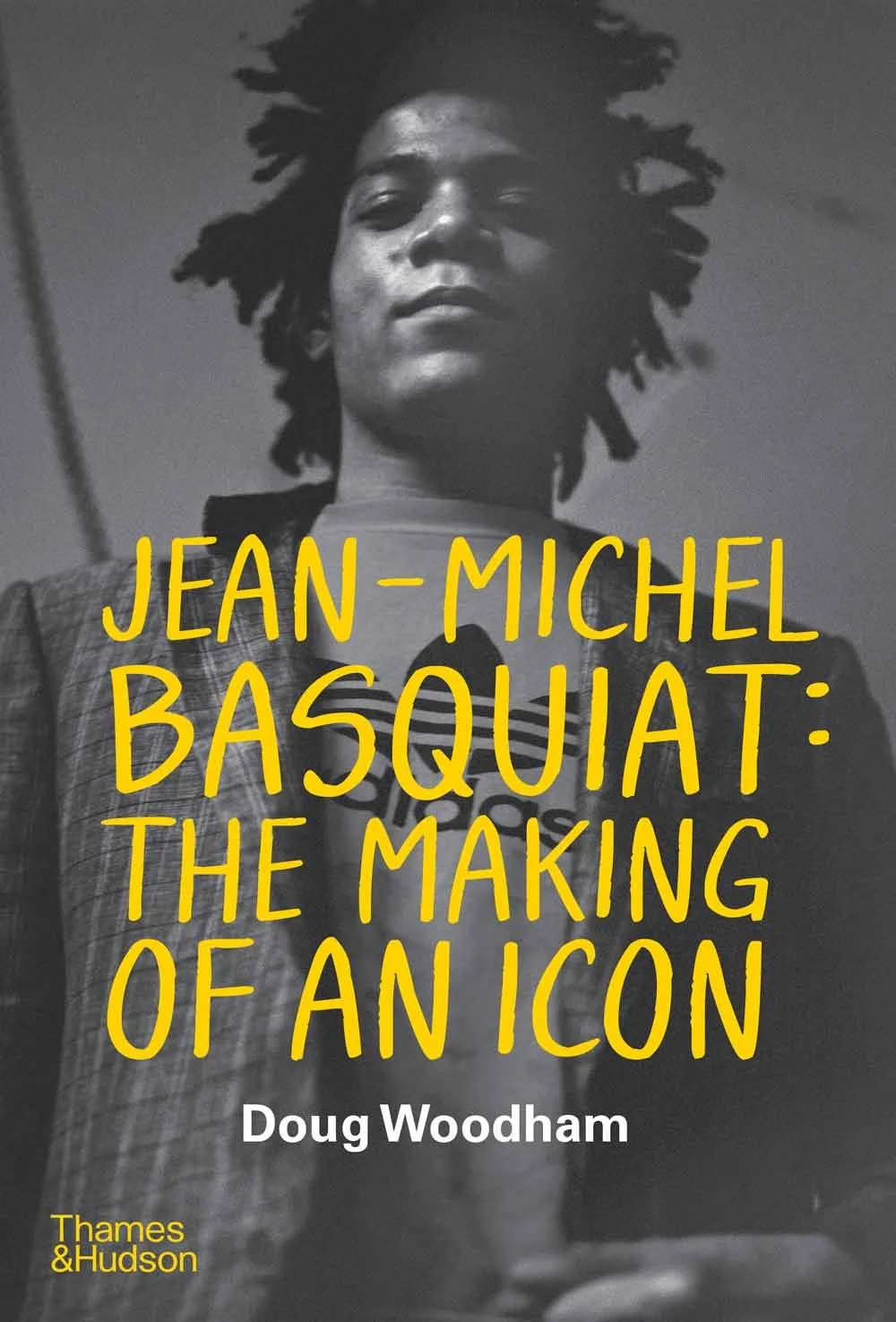
Basquiat: The Making of an Icon

Basquiat: The Making of an Icon

A Conversation with Author DOUG WOODHAM
Fmr. President of the Americas at Christie’s · Managing Partner, Art Fiduciary Partners

All of the great artists are there for a reason: because they rebelled in some way. They created a visual vocabulary that felt fresh and new, which excited people. So, the great artists are not built on sort of anthills of sand. They're built on things of substance and of meaning. Though this is not a sufficient condition to become an icon, it's a necessary but not sufficient condition. I think you have to have an interesting and vivid personality or personal narrative that makes you interesting for people to talk about and want to learn about. I think you also have to have a support network of galleries, curators, and collectors who are excited about your work and want to push it forward, not wanting it to be forgotten. Basquiat's visual vocabulary is distinctive and stands out relative to what was being done in the 1980s. That's the sort of strong hill on which his reputation is built. Basquiat benefited from being the first black artist of note who got pushed forward. As in many things, the first benefits.

The Art of Disruption with Pearl Lam

The Art of Disruption with Pearl Lam

A Conversation with International Gallerist, Curator & Podcast Host

Today, the world is very divided, lots of fractures. It is the time for art and culture to come into play because art is about soft power. If we want to resolve misunderstandings, art is the best, best, best way to communicate. So use this.

.sqs-block-summary-v2 .summary-block-setting-text-size-small .summary-excerpt p { font-size: 10px; display: -webkit-box; /* Enable webkit box model */ -webkit-box-orient: vertical; /* Make the box orientation vertical */ overflow: hidden; /* Hide overflow text */ -webkit-line-clamp: 13 !important; /* Limit text to 13 lines */ text-overflow: ellipsis; /* Show ellipsis (...) when text overflows */ }
In the Presence of the Dalai Lama

In the Presence of the Dalai Lama

 Everybody wants happiness, joyfulness, peaceful world. Our 21st century will not be easy century… I can change my mind. I can reduce anger, hatred. Nothing to do with religion. All religions carry the message of love, loving kindness, and tolerance. This century should be century of compassion, century of peace. No more bloodshed. We should develop a big “we,” rather than “we” or “they.” With these wings, you can fly. -THE DALAI LAMA, Wisdom of Happiness

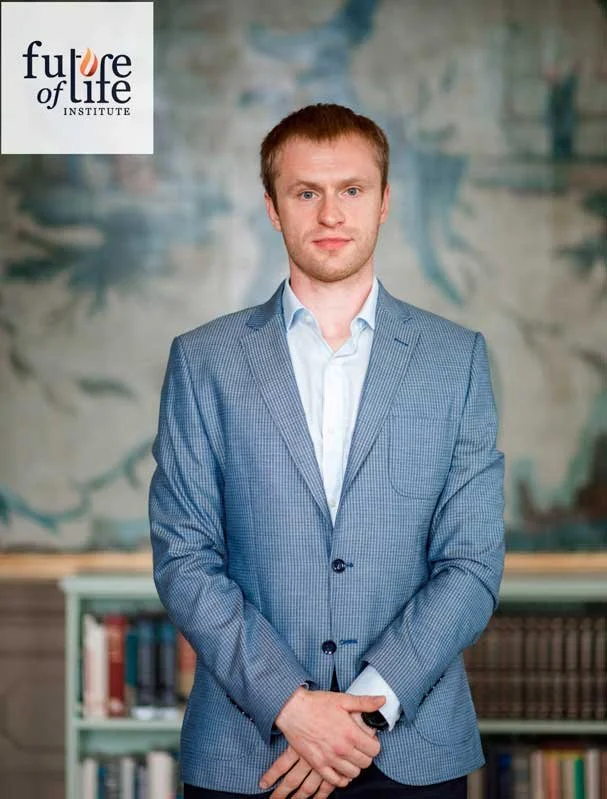
AI & The Future of Life

AI & The Future of Life

A Conversation with RISTO UUK · Head of EU Policy & Research · FUTURE OF LIFE INSTITUTE

The Future of Life Institute has been working on AI governance-related issues for the last decade. We're already over 10 years old, and our mission is to steer very powerful technology away from large-scale harm and toward very beneficial outcomes. You could think about any kind of extreme risks from AI, all the way to existential or extinction risk, the worst kinds of risks and the benefits. You can think about any kind of large benefits that humans could achieve from technology, all the way through to utopia, right? Utopia is the biggest benefit you can get from technology. Historically, that has meant we have focused on climate change, for example, and the impact of climate change. We have also focused on bio-related risks, pandemics and nuclear security issues. If things go well, we will be able to avoid these really bad downsides in terms of existential risk, extinction risks, mass surveillance, and really disturbing futures. We can avoid that very harmful side of AI or technology, and we can achieve some of the benefits.

The Art of Fiction · Democracy & Truth

The Art of Fiction · Democracy & Truth

Author · Activist ·  Stand-Up Comedian AL KENNEDY · Author of Alive in the Merciful Country

The thing that puzzled him was why people don't agree to be fully expressed while they're alive. Why does it only happen in their last moment? Why wouldn't you live being fully expressed? If you have love, eventually you're going to win. It's not that people aren't going to die. It's not terrible things aren't going to happen. But if you stay with that and you stay centered in that, you'll get through and you will not have turned into a monster in order to overcome monsters.”

The Score: How to Stop Playing Somebody Else's Game

The Score: How to Stop Playing Somebody Else's Game

A Conversation with Philosopher C. THI NGUYEN · Author of The Score · Games: Agency as Art

To be in the process of making things, to be in the process of talking to people about what things mean… The creative process is actually, I think, the most meaningful part of life, but it's very hard to measure. When we get shoved towards a world that demands easy measurables, it's very hard to optimize away from the creative process and optimize towards things that are more static.

.sqs-block-summary-v2 .summary-block-setting-text-size-small .summary-excerpt p { font-size: 10px; display: -webkit-box; /* Enable webkit box model */ -webkit-box-orient: vertical; /* Make the box orientation vertical */ overflow: hidden; /* Hide overflow text */ -webkit-line-clamp: 13 !important; /* Limit text to 13 lines */ text-overflow: ellipsis; /* Show ellipsis (...) when text overflows */ }
How the Arts Can Transform Our Health

How the Arts Can Transform Our Health

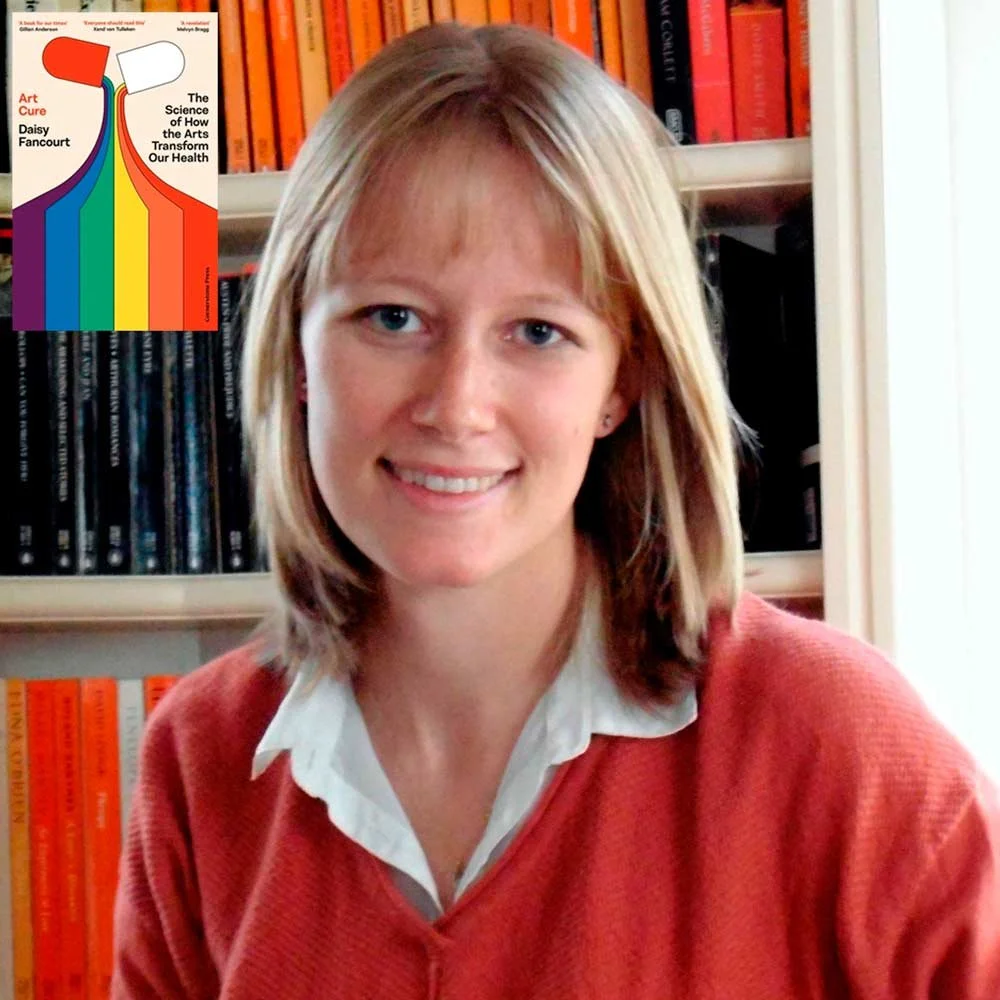
DAISY FANCOURT · Author of Art Cure · Director of WHO Collaborating Centre on Arts & Health · Prof. Psychobiology & Epidemiology at UCL

Within society we seem to have separated the arts out, so they’re not so much a part of our daily lives. As I’ve become a mother and I have children now, it’s been really eye-opening to rediscover lots of arts things that I’d stopped doing in my own childhood. But now coming back to them I think probably the most meaningful one for me is one I describe in the book, which is about my younger daughter, Daphne, who was premature and unfortunately got incredibly ill with meningitis and was in intensive care when she was just a few days old.