"Note from Non-People" : Examining Kurdish History, Language & Culture

"Note from Non-People" : Examining Kurdish History, Language & Culture

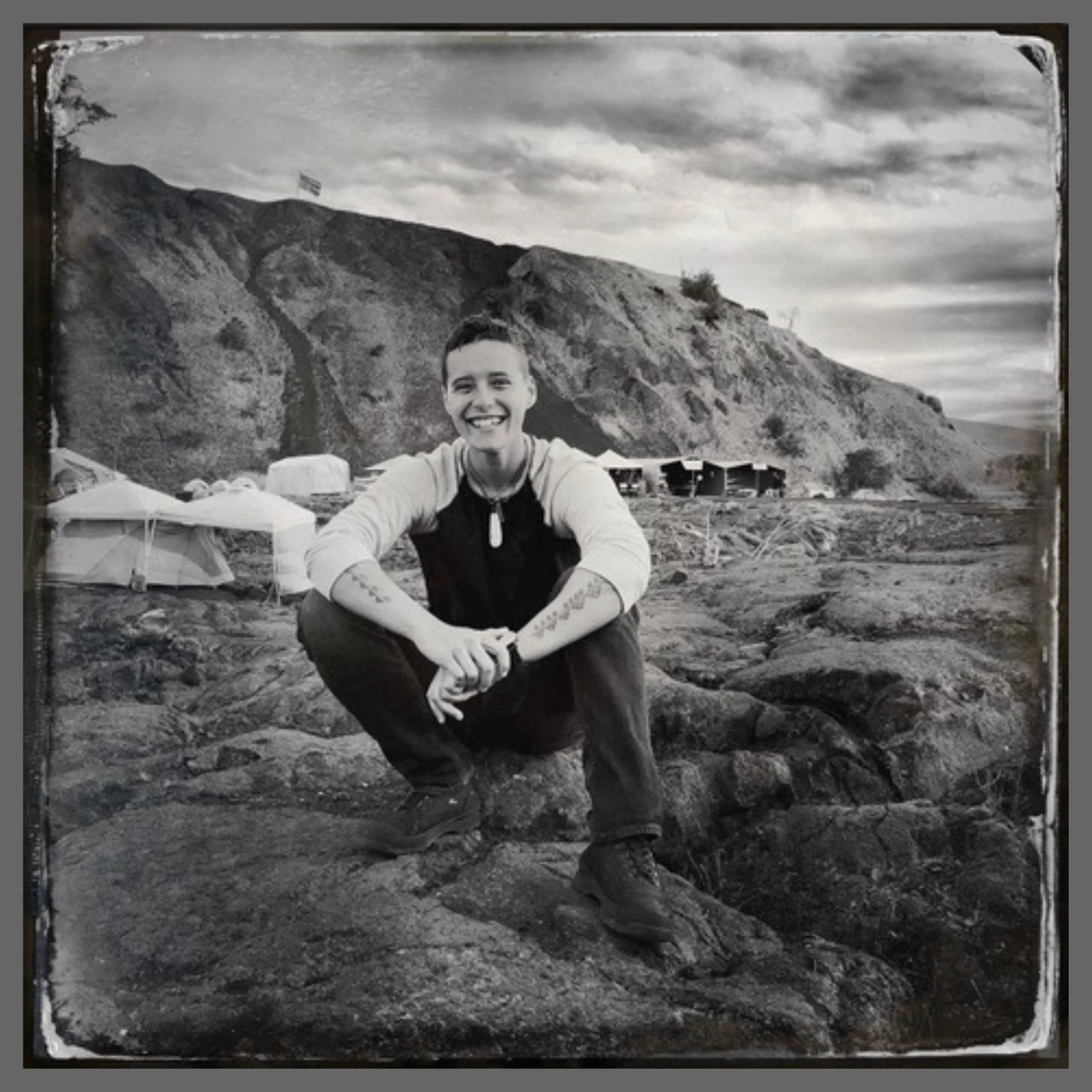
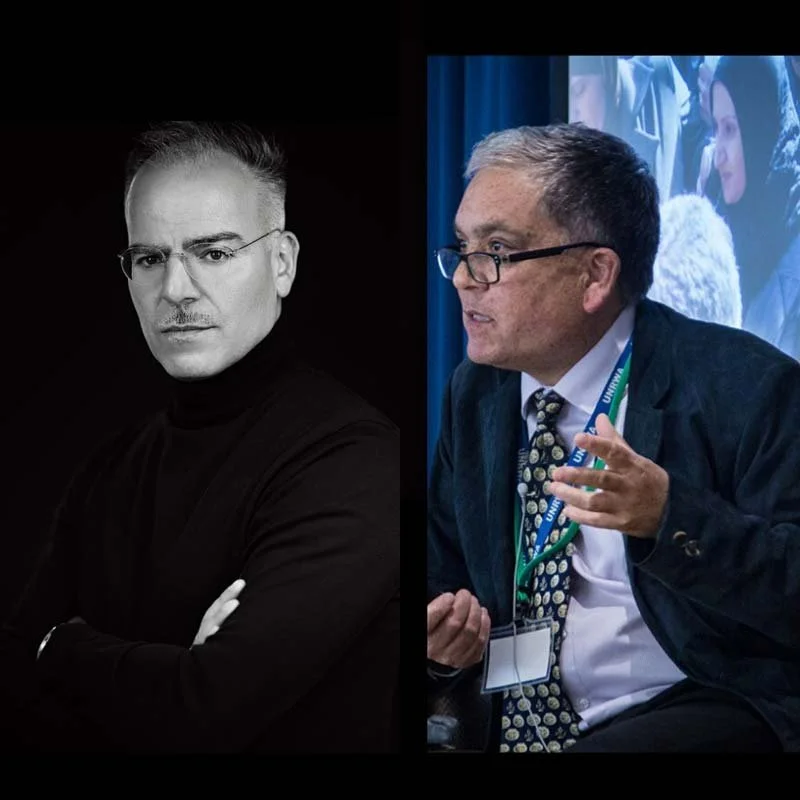
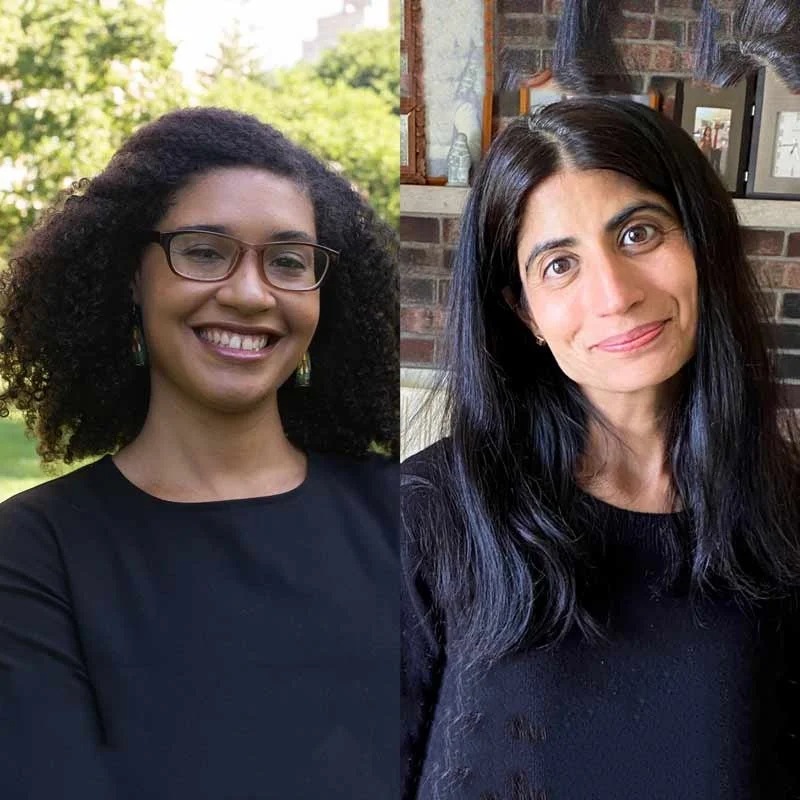
A Conversation with Scholars SERHAT TUTKAL & HEVIN KARAKURT

I prefer to be considered a particular person, although I’m from Nowhere.  Where I come from doesn’t exist. This creates a confusing situation since logic dictates that everyone come from somewhere. It looks like I defy logic. I come from Nowhere. It has been told to me many times, by many authorities, and government officials, and all sorts of serious people… Strangely, I don’t have a language. People where I’m from speak in a nonexistent language. I speak some existing languages, but I cannot call any of them my native language. As a result, I have no language of my own. To me, every language is a foreign language. Every word I utter is borrowed. I have no words of my own.
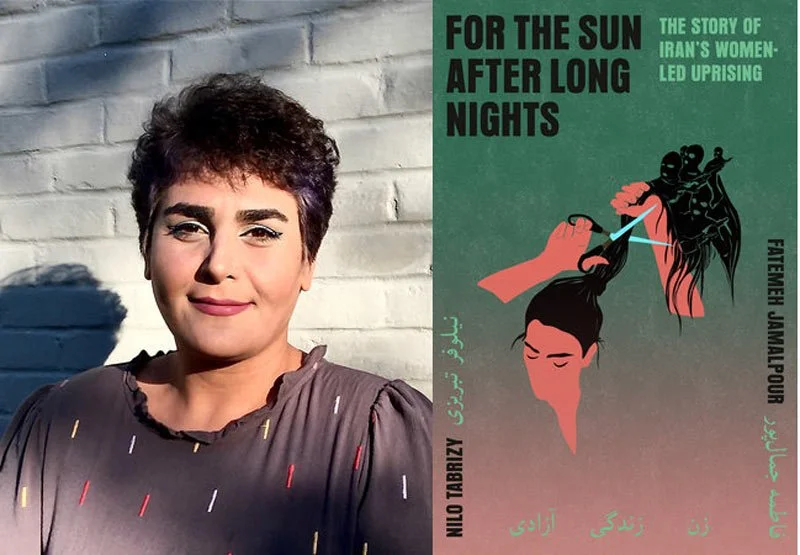

For the Sun After Long Nights: Iranian Women Leading Fight for Freedom

For the Sun After Long Nights: Iranian Women Leading Fight for Freedom

Journalist FATEMEH JAMALPOUR

Then I started to write about the interrogation sessions. I knew that writing is jumping over the death row. I knew they couldn't shut down my mind. I had all these notes about returning and the interrogation sessions because I was facing the whole ideological core of the regime. We realized that to tell the full, human side of the story of our people, we needed a book.

Much Worse than McCarthyism: Resisting the Right-Wing War on Academic Freedom

Much Worse than McCarthyism: Resisting the Right-Wing War on Academic Freedom

Historian ELLEN SCHRECKER

What McCarthyism did was focused on individuals who had once been in or near the Communist Party and who were refusing to cooperate with the witch hunt. That was it. Today, what we're seeing is an attack on everything. Within higher education, within society, all immigrants are under attack. Academics are under attack. LGBTQ people are under attack. Women are under attack.

Poems on Gaza · Being Steadfast in Solidarity

Poems on Gaza · Being Steadfast in Solidarity

JAMAICA OSORIO · Kanaka Maoli Wahine Poet · Activist · Scholar

I have no conception of how we could have allowed / A world quite like this to exist / Where somewhere thousands of miles away and yet close all the same / A beautiful Palestinian child could be dancing / while her grandfather sings a song written long before the birth of our occupiers… of these overlapping worlds / They are both mine / To know / and to hold / I dare not look away

The Politics of Collecting: Race & the Aestheticization of Property

The Politics of Collecting: Race & the Aestheticization of Property

EUNSONG KIM Explains How Our Great Art Collections are Based on Debasing and Erasing Labor

I think through the ways in which you do not have the rise of the museum form... without the acceleration, the mutations of racial capitalism and settler colonialism. I'm really thinking about the ways in which art spaces, in particular cultural spaces... advertise themselves to be an exceptional site, a site that's removed from the world, but it's actually in those very spaces that you can so clearly see the ways in which the trenchant dynamics of racial capitalism, but also colonialism manifest.

The Salt Stones: Seasons of a Shepherd’s Life

The Salt Stones: Seasons of a Shepherd’s Life

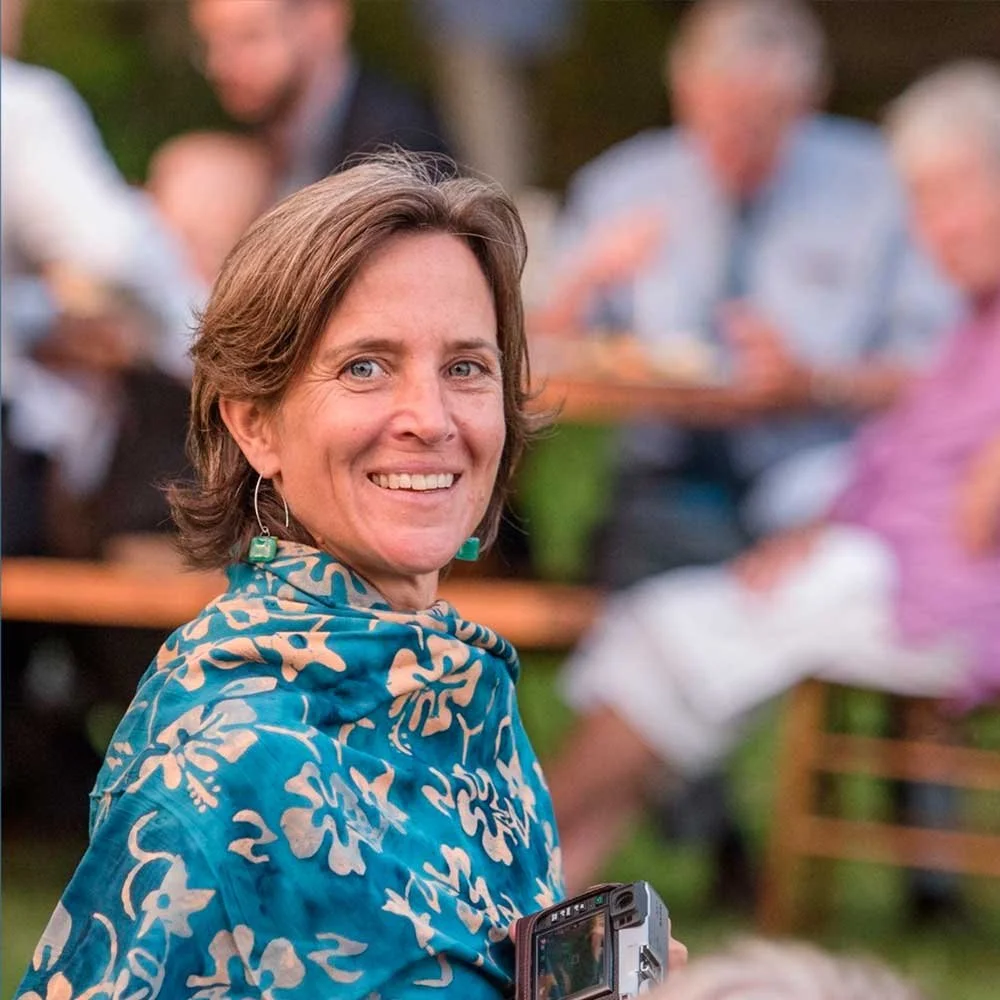
HELEN WHYBROW
Writer · Shepherd · Organic Farmer

There are two ways that I measure diminishment in the natural world, a world we all have the ability to see and sense no matter where we live. The first is ecological: a loss of vitality, complexity and stability. This can be studied and measured, but it can also be perceived by simply listening and noticing. Nature has a voice that sings in different registers and in those registers you can hear health or struggle, presence or absence. The second way I measured diminishment is in the human experience-- loss of beauty, of meaning, of pattern language these also become more available to us as we watch and listen take in what surrounds us.  

Exile, Empire & Resistance

Exile, Empire & Resistance

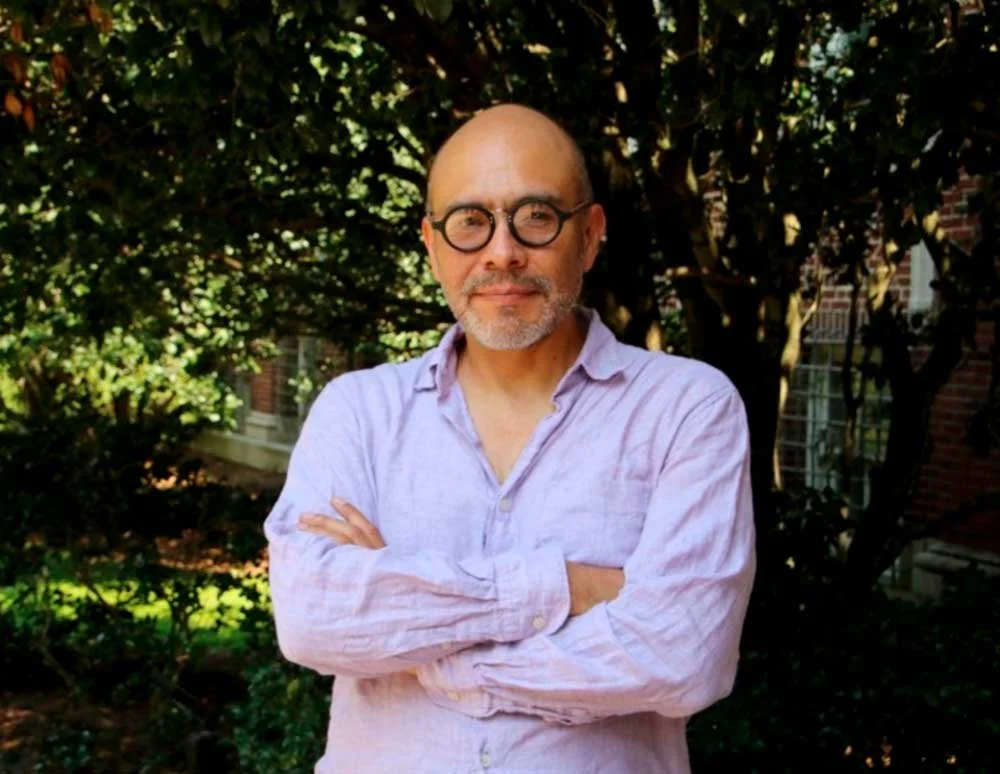
YURI HERRERA on Benito Juarez and Today's Political Crises

Benito Juarez is a really important figure in Mexican culture, politics and history. He is probably the most respected figure in that sense in Mexico, only akin to what Lincoln is in American culture. Juarez was an orphan in the state of Oaxaca who spoke a variant of Zapotec, an indigenous language. He was sent to a seminary and was going to become a priest, but in his own words, he felt repulsed by the way the priests were manipulating the people in Oaxaca.

The Arrogant Ape: The Myth of Human Exceptionalism & Why it Matters

The Arrogant Ape: The Myth of Human Exceptionalism & Why it Matters

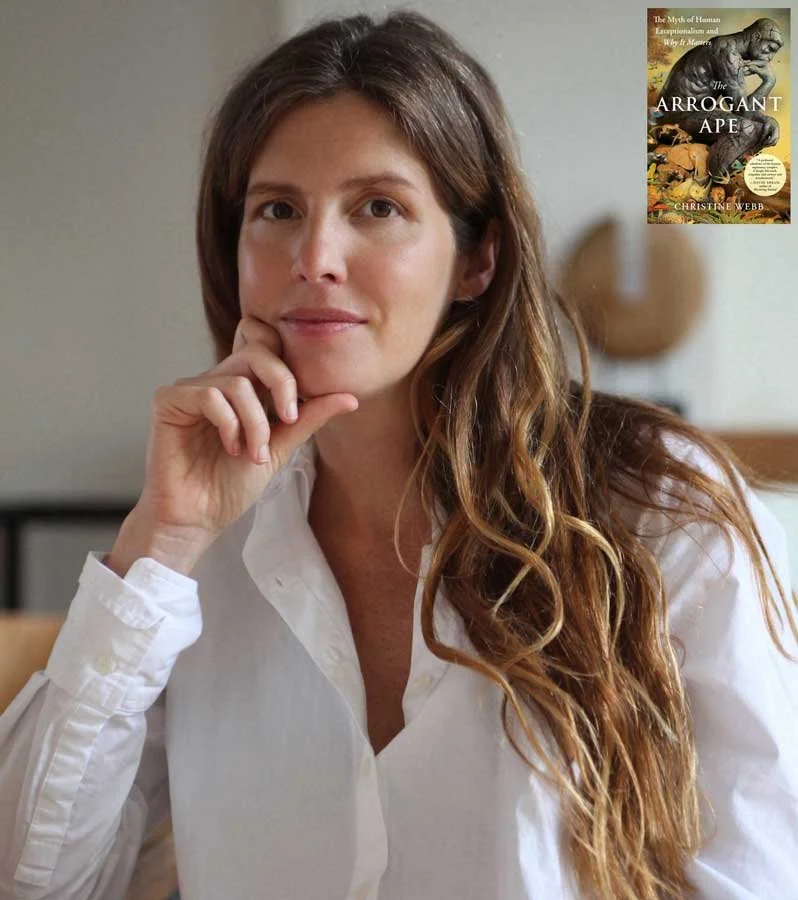
A Conversation with Primatologist CHRISTINE WEBB

There are many ways in which I think human exceptionalism has seeped into the sciences, but one of the many ways is through the methodologies we use when we compare the intelligence of humans and other species. In particular, in my field, I’m a primatologist by training, comparing the cognitive abilities of humans with the abilities of our closest living relatives, the great apes. Many times, those studies compare the intelligence of captive chimpanzees who are living in highly restricted, manmade environments. Often, these chimpanzees have been separated from their biological mothers at birth. They're often separated from the group during testing. They're subjected to very human-centric experimental paradigms, like playing with plastic puzzle boxes or computer touchscreens, and we're measuring how they perform on these tasks.

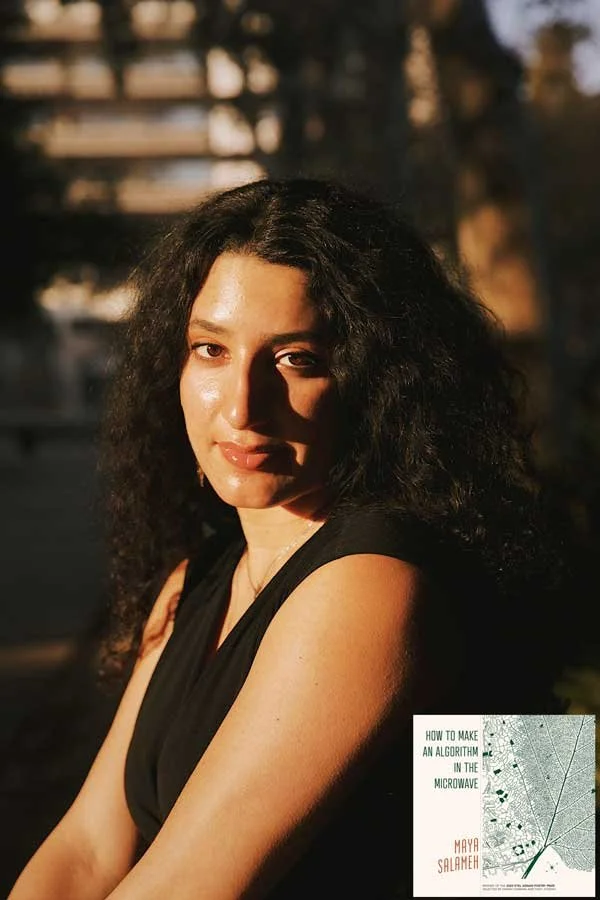
How to Make an Algorithm in the Microwave

How to Make an Algorithm in the Microwave

A Conversation with Poet MAYA SALAMEH

Poetry is like one of the great loves of my life, and I think it's probably the longest relationship I'll ever have. I read a lot of poetry. I also wrote these short stories even when I was pretty young, like in second grade, and the stories kept getting shorter and shorter. My family used to go to Damascus in Syria and Lebanon every summer for three months until 2011, when the Civil War broke out in Syria. In 2015, we made our first return after that gap, and my father and I went to Lebanon for two weeks. It's the first time I felt that I belong. To the extent that was true or not, I'm obviously irrevocably American. I speak broken Arabic. I don't think I could ever live in Lebanon or Syria. But for what it was worth at 15 years old, it was a life-changing trip. I wrote my first official poem on the plane back to San Diego from that trip, and I feel that was a formative moment for me. I felt that I had a story to tell and wanted to put it to paper in the form of poetry.

In 2015, we made our first return after that gap, and my father and I went to Lebanon for two weeks. Being back in one of my two homelands as a more fully formed person and not like a young child, I thought, "Wow, this is the first time I've been in an Arabic-speaking Arab place as a teenager." 

What International Law Demands of Israel & Third States

What International Law Demands of Israel & Third States

A Conversation with ARDI IMSEIS & CHRIS GUNNESS

When one looks at the relative power imbalance between the Palestinian people on one hand, including the paramilitaries that are clearly existing in Gaza, and the Israeli armed forces, they have been bombarded from land, sea, and air. They have been starved and are being starved. They have been chased from pillar to post by the hundreds of thousands, up and down this very small strip of land.

All of it can be attributed to a scorched-earth policy of these Israelis to destroy every aspect of civilian life that we are all familiar with: schools, homes, roads, religious buildings, governmental offices, hospitals, medical centers, and so on. The idea is not new by any means. Anyone familiar with Israel's settler colonial endeavor in Palestine, particularly around 1947, 1948, and 1949, will know that scorched earth tactics are a policy.

 Empire of AI: Dreams & Nightmares

 Empire of AI: Dreams & Nightmares

in Sam Altman's Open AI
A Conversation with KAREN HAO

My book is called Empire of AI because I'm trying to articulate this argument and illustrate that these companies operate exactly like empires of old. I highlight four features that essentially encapsulate the three things you read. However, I started talking about it in a different way after writing the book.

The four features are: they lay claim to resources that are not their own, which is the centralization of resources; they exploit an extraordinary amount of labor, both in the development of the technology and the fact that they're producing labor-automating technologies that then suppress workers' ability to bargain for better rights; they monopolize knowledge production, which comes when they centralize talent.

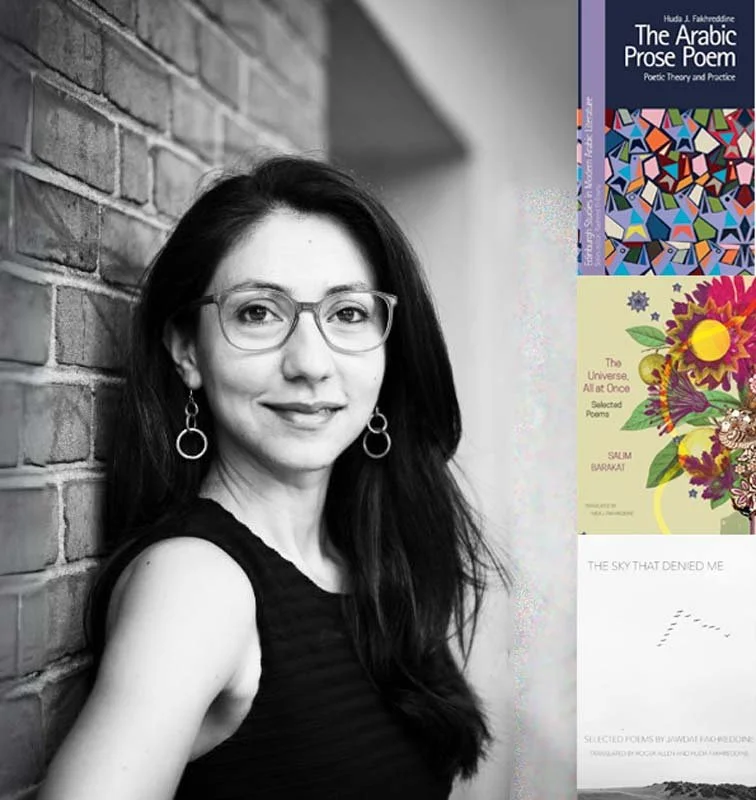
Arabic Literature, Palestine & The Art of Translation

Arabic Literature, Palestine & The Art of Translation

A Conversation with HUDA FAKHREDDINE
Writer · Translator · Associate Professor of Arabic Literature · University of Pennsylvania

I'm Lebanese. I grew up in Lebanon during the Civil War, and I came to the United States as a graduate student with the intention of going back. I never wanted to stay here. I really thought that my life would happen in Beirut, in a city that I loved and hated in the healthiest of ways. My investments, both literary and intellectual, were rooted there. I came here as a graduate student and joined the PhD program, and then the events continued to unfold there, making life more and more of a risk, building a life in a place like Lebanon. The most important counterpoint in my life was meeting my partner, Ahmad Almallah, who is Palestinian. So immediately, my life became the life of a Palestinian by association. Of course, the past two years—almost two years—have been surreal. I sometimes don't believe that we're going through what we're going through because, as security concerns have become something we think about at home, when we walk from home to campus or my office, I'm constantly anxious to open my mail because often there are things that will require a lot of energy, time, emotion, and are emotionally taxing. There’s a lot of rage now in many aspects of my life, but all that aside, my personal experience—both professional and personal, and at home, familial—are not exceptional. Many other people are experiencing intimidation, silencing, and feeling cornered, censored, and oppressed just because they took a stand—a very decent, normal, basic human stand against genocide.

What's Left: Three Paths Through the Planetary Crisis

What's Left: Three Paths Through the Planetary Crisis

A Conversation with Author MALCOLM HARRIS

One day, I woke up with this concept of oil being tied up in our lives in ways that we don't talk about. It’s sort of a value-theoretical approach to climate change and the climate crisis. Something that's impersonal and goes to the root of our entire social metabolic structure.

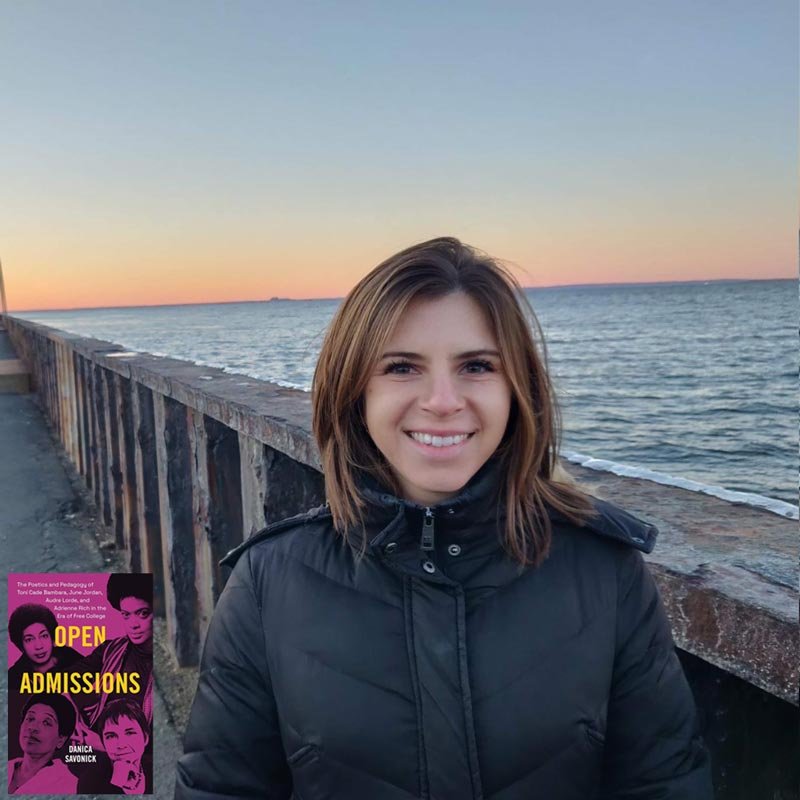
The Poetics & Pedagogy

The Poetics & Pedagogy

A Conversation with DANICA SAVONICK about her book Open Admissions: The Poetics and Pedagogy of Toni Cade Bambara, June Jordan, Audre Lorde, and Adrienne Rich in the Era of Free College

As I was reading Hooks and Freire, a colleague recommended Adrian Rich's essay "Teaching Language in Open Admissions." It was in that essay that I first read about her experiences teaching at CUNY during open admissions, learning that she taught alongside June Jordan, Audre Lorde, and Toni Cade Bambara. Eventually, that essay led me to their archival teaching materials. I was really excited because I found in those materials concrete teaching methods, things they were doing in their own classrooms that I then started trying in my classrooms as well. I also really liked their educational philosophies, thinking about what it means for college to be free and the fact that they were teaching during this revolutionary era. What would that look like today? What would it mean? What could free college bring to our society? What does free college make possible? All of those things coming together led me to the project.

Hayek’s Bastards

Hayek’s Bastards

Race, Gold, IQ & the Capitalism of the Far Right
A Conversation with QUINN SLOBODIAN

The origin was really trying to make sense of that 2016-2017 moment and to ask whether the alt-right was, as we were being told, a return to the 1930s, a kind of awakening of the sleeping beast of white supremacy armed in the streets in the United States. There are many explanations, but I decided to take this kind of curious route in with the distorted readings and reinterpretations of the works of people like Ludwig von Mises and Friedrich Hayek. As a scholar of comparative literature, I wanted to write a revision based on Crack-Up Capitalism.

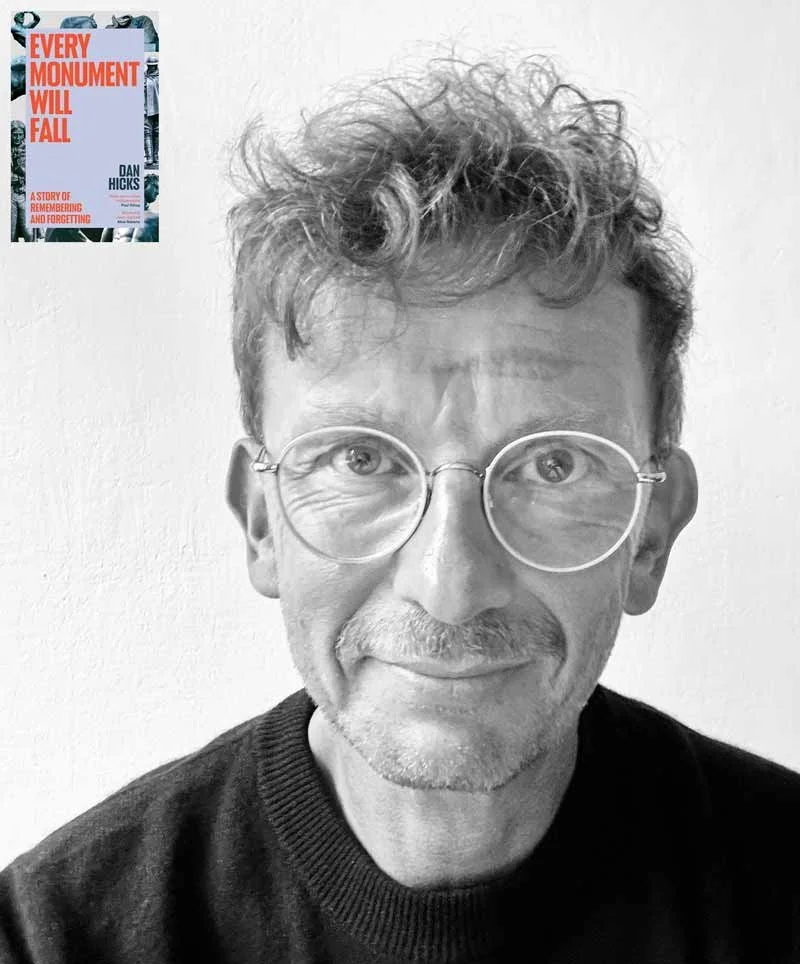
Every Monument Will Fall

Every Monument Will Fall

A Conversation with DAN HICKS on Remembering & Forgetting

I work in between archeology and anthropology in this field called either historical archeology or contemporary archeology. At the heart of that is the relationship between objects and humans. How do we write about the past or the present in terms of listening to human voices or evidence from things where maybe human voices have been erased or haven't left as much of a mark on the written records as others? Wrapped up with that, though, is always the risk of dehumanization, of the treatment of human lives as if the boundary between a subject and an object is one that is permeable, not in a sort of positive way, but in a more sinister way. There is a long history of people being treated as things. 

Fighting Back Against ICE

Fighting Back Against ICE

Grupo Auto Defensa’s Courage & Love
A Conversation with DANIELA NAVIN, JEANETTE DE LA RIVA & MAXMILLIAN ALVAREZ

I think the community came together more when we started getting those notices about people being swept up by these supposedly ICE agents who are just covered up. So that was the thing that made us come out there and start defending everyone who doesn't want to come out to defend themselves.

Abolish Silicon Valley—How to Liberate Technology from Capitalism

Abolish Silicon Valley—How to Liberate Technology from Capitalism

A Conversation with WENDY LIU

Abolishing Silicon Valley means freeing the development of technology from a system that will always relegate it to a subordinate role, that of entrenching existing power relations. It means designing a new system that isn't deluged in the logic of the bucket. It means liberating our worlds from the illegitimate ring of capital. Perhaps this sounds unfair to capital. Perhaps I sound like I'm not grateful enough for everything that capital has given us, but we don't owe capital anything; the things we attribute to capital were built by workers. People can labor and sometimes die in a process. Their contributions are unrecognized in death as in life. So don't thank capital. It doesn't deserve our gratitude, and it doesn't need it. Thank the people who created everything that capital always takes credit for. Capital is a means of accounting for wealth ownership, not its creation. And that means it's perpetually shrouded in a fundamental untruth; we can leap the swamp of capital behind and start over with something new. 

In this episode on Speaking Out of Place podcast Professor David Palumbo-Liutalks with Wendy Liu. Ever since its publication, Abolish Silicon Valley—How to Liberate Technology from Capitalism has proven to be more urgent and insightful. Today, he talks with author Wendy Liu about how developments like AI and LLM, further erosions of intellectual property, and increased invasions of privacy make the case for abolishing Silicon Valley even more important. They talk about how abolition is critical at a time when more and more the private sector has come to eviscerate the public good. Turning to the genocide in Gaza, they discuss the ways Capital has enlisted technology in deadly and horrific manners. They end with a meditation on the commons and how one can live with fewer commodities and find value in common projects to make life more valuable and worthwhile outside of the logic of the market.

ICE’s “Photo-Op” Military Attack on MacArthur Park & Community Pushback

ICE’s “Photo-Op” Military Attack on MacArthur Park & Community Pushback

Conversation with Journalist MEL BUER

From my perspective, it just seemed like a way to terrorize a neighborhood and intimidate the people living there, and intimidate the city in a way that they've been trying to accomplish for the last six weeks, and it wasn't fun. So were there orders? There were no orders to disperse.

Disspelling the Myths & Correcting the Record About Haitian Migrants

Disspelling the Myths & Correcting the Record About Haitian Migrants

A Conversation with Human Rights Activists GABRIELLE APOLLON & POOJA BHATIA

There were two major periods during which Haitians began to arrive: in Springfield, in 2021 and then again in 2023. They really revitalized the economy of Springfield and they made it feel a lot livelier. I think that there were two things. One is that there was the feeling, like the vibe; it just became a lot more energized. A lot of immigrants would come, and they would rent and, in some cases, buy these magnificent old houses and restore them. They basically brought them back to life. The other aspect of the revitalization came indirectly through income tax revenues. Just last night, the Springfield City Commission had a meeting.