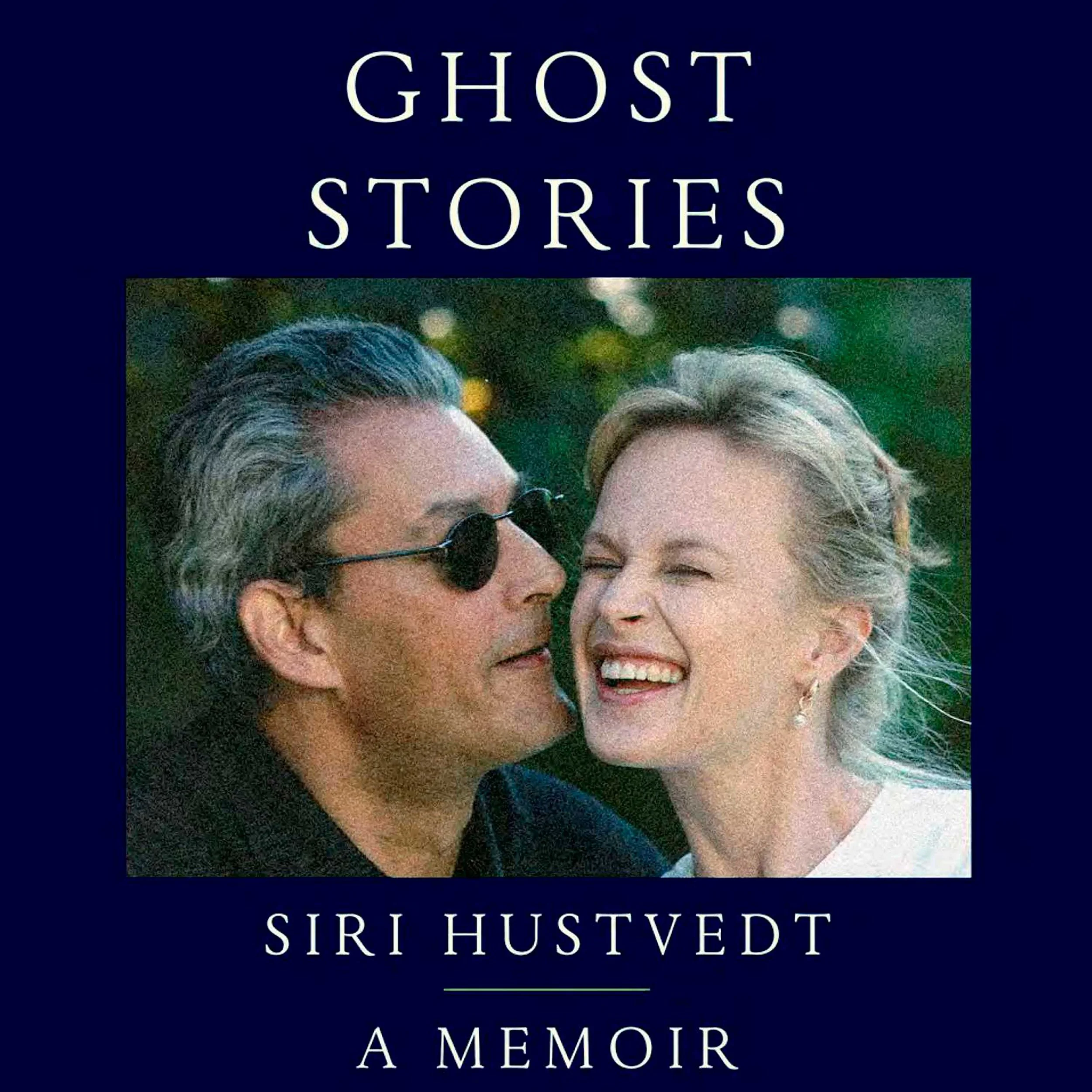
SIRI HUSTVEDT on Love, Grief & Her Late Husband PAUL AUSTER - Highlights

SIRI HUSTVEDT on Love, Grief & Her Late Husband PAUL AUSTER - Highlights

Author SIRI HUSTVEDT Remembers Her Late Husband, PAUL AUSTER

Grief happens because you don't stop loving the person who died. The person doesn't exist in your reality anymore. The everyday is not colored and shaped by this other human being, but you don't stop loving the person. So grief is a particular kind of unrequited love. And probably without that dynamic relationship with this person, I would be someone else. And he would've been someone else. I mean, Paul died before me. But we were, I think, hugely important to the drama of becoming in our own lives.
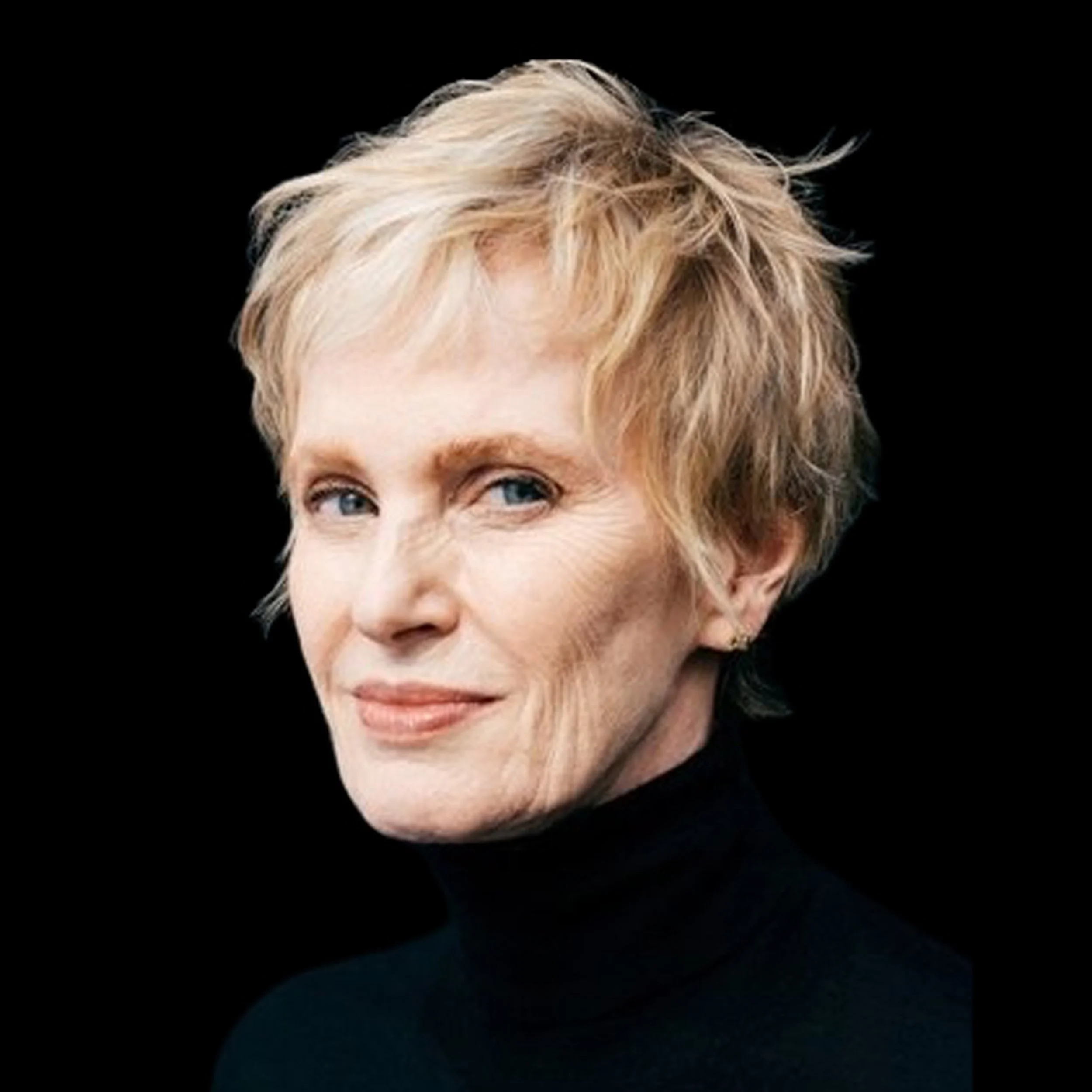
Ghost Stories · A Memoir of Love & Grief

Ghost Stories · A Memoir of Love & Grief

Author SIRI HUSTVEDT Remembers Her Late Husband, PAUL AUSTER

Grief happens because you don't stop loving the person who died. The person doesn't exist in your reality anymore. The everyday is not colored and shaped by this other human being, but you don't stop loving the person. So grief is a particular kind of unrequited love. And probably without that dynamic relationship with this person, I would be someone else. And he would've been someone else. I mean, Paul died before me. But we were, I think, hugely important to the drama of becoming in our own lives.
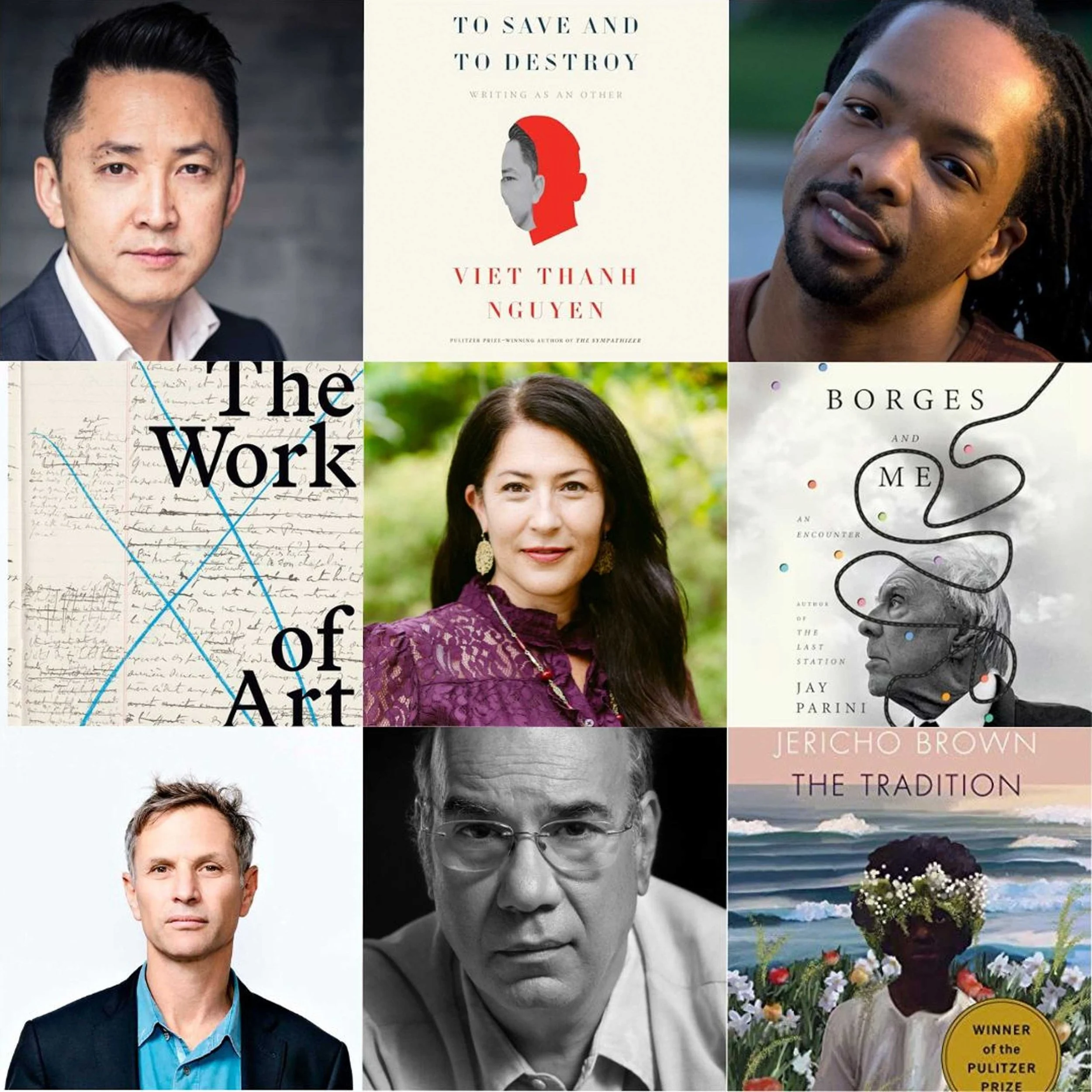
The Writer's Voice: Novelists, Poets, Memoirists & Editors Share Their Stories

The Writer's Voice: Novelists, Poets, Memoirists & Editors Share Their Stories

VIET THANH NGUYEN, ADA LIMÓN, JAY PARINI, JERICHO BROWN & ADAM MOSS Share Their Stories

How do writers develop their voice? How are writing and the arts paths back to the self, showing us what is important in life?

Writers on Memory, Language & the Power of the Unconscious

Writers on Memory, Language & the Power of the Unconscious

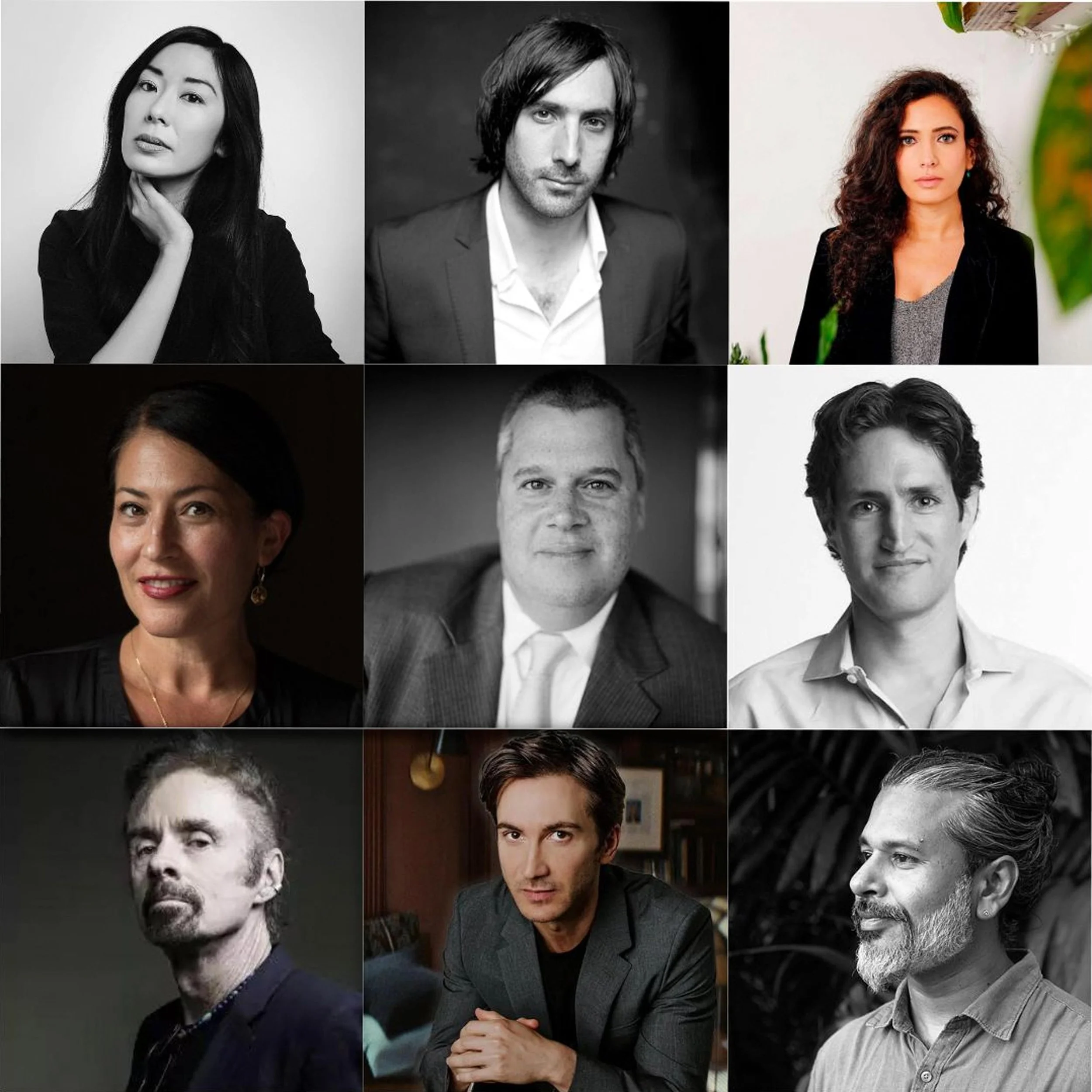
Katie Kitamura, Paul Lynch, Daniel Pearle, Hala Alyan, T.C. Boyle, Adam Alter, Shehan Karunatilaka, Daniel Handler a.k.a Lemony Snicket, and Ada Limón share their stories

How can we use negative spaces in fiction to engage with readers’ imaginations? How are memory and trauma passed onto us through language? How do we become more than the stories we tell ourselves?

Why We Need Stories in Times of Crisis: ETGAR KERET on Healing, Connection & Creativity in the Age of AI - Highlights

Why We Need Stories in Times of Crisis: ETGAR KERET on Healing, Connection & Creativity in the Age of AI - Highlights

A Conversation with Author · Filmmaker ETGAR KERET
Winner of Cannes Film Festival’s Caméra d’Or · Charles Bronfman Prize & Sapir Prize

When I write my stories, I don't want to solve things in life. I just want to persuade myself that there is a way out. Maybe I am in a cell, maybe I'm trapped. Maybe I won't make it, but if I can imagine a plan for escape, then I'll be less trapped because at least in my mind, there is a way. I think that my parents are survivors. They always talked about this idea of humanity. My parents always said to me, when you look at people, don't look at their political views; that's not important. Look at the way that they look at you. If they see you, if they listen to you, if they can understand your intention, even if it's a failing one, they're your people. And if they can't, it doesn't matter.

I think that when I came with my mother and father, they thought there are people, there are human beings, and there are people who want to be human beings but are still struggling. And you go with humanity; you go with the person who can go against his ideology if his heart tells him something.

Finding Humanity Through Storytelling with Author & Filmmaker ETGAR KERET

Finding Humanity Through Storytelling with Author & Filmmaker ETGAR KERET

A Conversation with Author · Filmmaker ETGAR KERET
Winner of Cannes Film Festival’s Caméra d’Or · Charles Bronfman Prize & Sapir Prize

When I write my stories, I don't want to solve things in life. I just want to persuade myself that there is a way out. Maybe I am in a cell, maybe I'm trapped. Maybe I won't make it, but if I can imagine a plan for escape, then I'll be less trapped because at least in my mind, there is a way. I think that my parents are survivors. They always talked about this idea of humanity. My parents always said to me, when you look at people, don't look at their political views; that's not important. Look at the way that they look at you. If they see you, if they listen to you, if they can understand your intention, even if it's a failing one, they're your people. And if they can't, it doesn't matter.

I think that when I came with my mother and father, they thought there are people, there are human beings, and there are people who want to be human beings but are still struggling. And you go with humanity; you go with the person who can go against his ideology if his heart tells him something.

THE DREAM HOTEL with LAILA LALAMI

THE DREAM HOTEL with LAILA LALAMI

A Conversation with Author LAILA LALAMI
on Dreaming Beyond the Algorithmic State

What happens when the state, with the pretext of protecting public safety, can detain indefinitely certain individuals whose dreams seem to indicate they may be capable of committing a crime?  Set in a precarious world where sleep-enhancing devices and algorithms provide the tools and formulae for making one’s unconscious a witness to one’s possible waking life, this novel touches on a myriad of political, philosophical, and moral concerns as they particularly connect to issues of gender, race, ethnicity, privacy, and the security state.

KATIE KITAMURA on Language, Identity & the Search for Agency - Highlights

KATIE KITAMURA on Language, Identity & the Search for Agency - Highlights

Author of Audition · Intimacies · A Separation

I'm really interested in the formal aspect of characters who are channeling language, who are speaking the words of other people, and in characters who are aware of how little agency they actually have, who have passivity forced upon them, who perhaps even embrace their passivity to a certain extent but eventually seek out where they can enact their agency.

Art, Performance & the Illusion of Agency - KATIE KITAMURA on her new novel AUDITION

Art, Performance & the Illusion of Agency - KATIE KITAMURA on her new novel AUDITION

Author of Audition · Intimacies · A Separation

I'm really interested in the formal aspect of characters who are channeling language, who are speaking the words of other people, and in characters who are aware of how little agency they actually have, who have passivity forced upon them, who perhaps even embrace their passivity to a certain extent but eventually seek out where they can enact their agency.

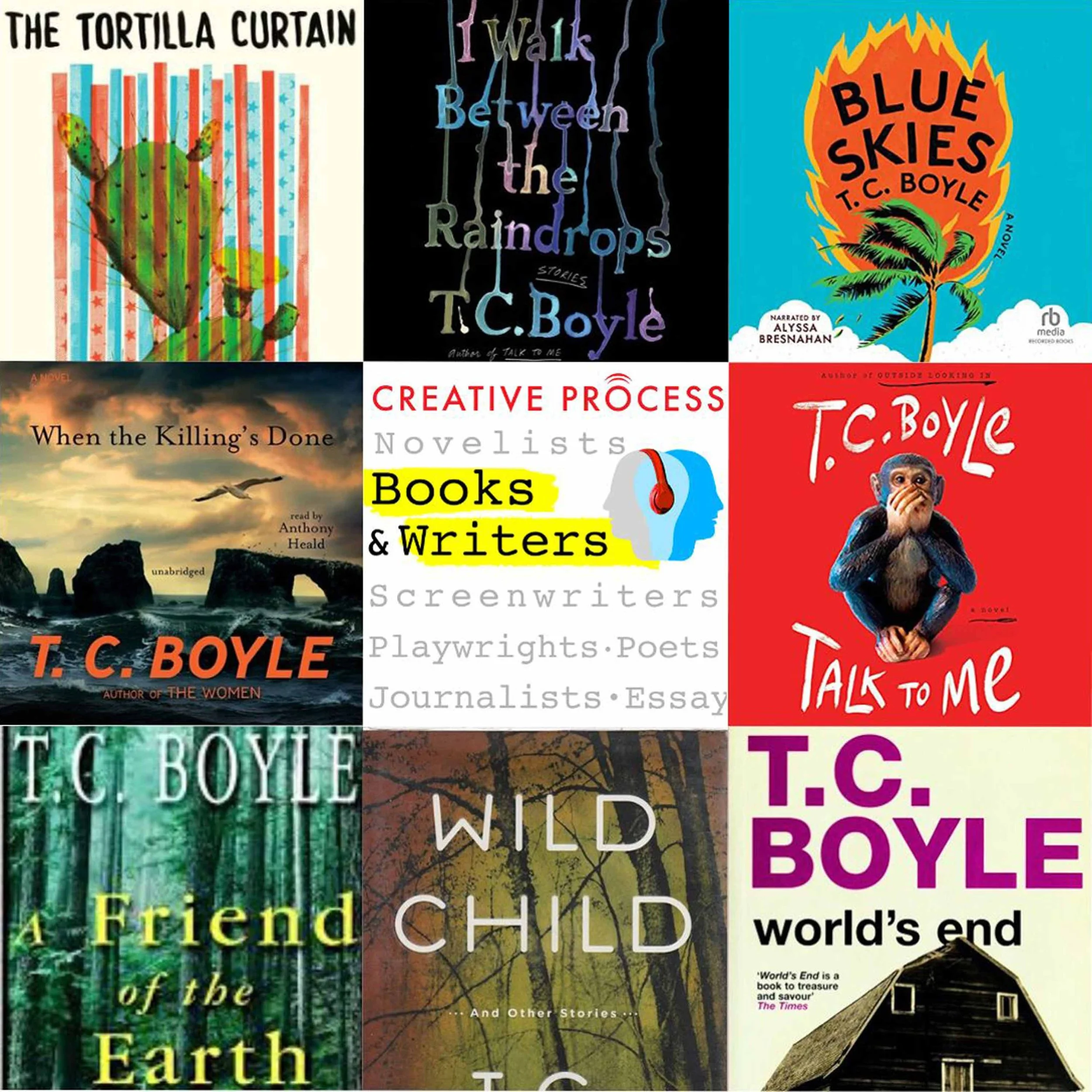
The Art of Fiction with Author, Musician, Satirist T.C. BOYLE - Highlights

The Art of Fiction with Author, Musician, Satirist T.C. BOYLE - Highlights

Novelist · Short Story Writer

What I have done in my career is just try to assess who we are, what we are, why we are here, and how come we, as animals, are able to walk around and wear pants and dresses and talk on the internet, while the other animals are not. It's been my obsession since I was young. I think if I hadn't become a novelist, I might have been happy to be a naturalist or a field biologist.

A Life in Writing with T.C. BOYLE

A Life in Writing with T.C. BOYLE

Novelist · Short Story Writer

What I have done in my career is just try to assess who we are, what we are, why we are here, and how come we, as animals, are able to walk around and wear pants and dresses and talk on the internet, while the other animals are not. It's been my obsession since I was young. I think if I hadn't become a novelist, I might have been happy to be a naturalist or a field biologist.

Language, Music, Memory with Writer, Philosopher PATRICK HEALY - Highlights

Language, Music, Memory with Writer, Philosopher PATRICK HEALY - Highlights

Writer · Philosopher · Independent Scholar

You have all the different languages interplaying with each other. Little scraps of Irish languages and idioms have stories that have been told, but how Ireland actually comes about as an idea, as to where the Irish come from. A lot of these kinds of debates are just placed, you know, in day-to-day conversation, and then they trail off. People start something; they trail off and might come back to it later. That phenomenon of speaking over each other, tales that are known and not known, I always found very interesting. It was literally like a radio that was kept on all day in the kitchen.

You would come in and out, and you would hear certain things, and you'd have to work out the context and the conversation and the speakers. In some way, one of the big personalities in the book is just a radio that’s playing, and some of these conversations are not actually taking place between characters in real-time. They're just snippets that have been overheard on radios.

Beyond the Pale with Writer, Philosopher PATRCK HEALY

Beyond the Pale with Writer, Philosopher PATRCK HEALY

Writer · Philosopher · Independent Scholar

You have all the different languages interplaying with each other. Little scraps of Irish languages and idioms have stories that have been told, but how Ireland actually comes about as an idea, as to where the Irish come from. A lot of these kinds of debates are just placed, you know, in day-to-day conversation, and then they trail off. People start something; they trail off and might come back to it later. That phenomenon of speaking over each other, tales that are known and not known, I always found very interesting. It was literally like a radio that was kept on all day in the kitchen.

You would come in and out, and you would hear certain things, and you'd have to work out the context and the conversation and the speakers. In some way, one of the big personalities in the book is just a radio that’s playing, and some of these conversations are not actually taking place between characters in real-time. They're just snippets that have been overheard on radios.

The Art of Writing w/ Neil Gaiman, Ada Limón, Jericho Brown, E.J. Koh, Marge Piercy & Max Stossel

The Art of Writing w/ Neil Gaiman, Ada Limón, Jericho Brown, E.J. Koh, Marge Piercy & Max Stossel

This episode explores the enduring power of storytelling to shape our world and illuminate the human experience. Writers Neil Gaiman, Ada Limón, Jericho Brown, E.J. Koh, Marge Piercy, and Max Stossel discuss creativity, resilience, and the power of words to heal and bring people together.

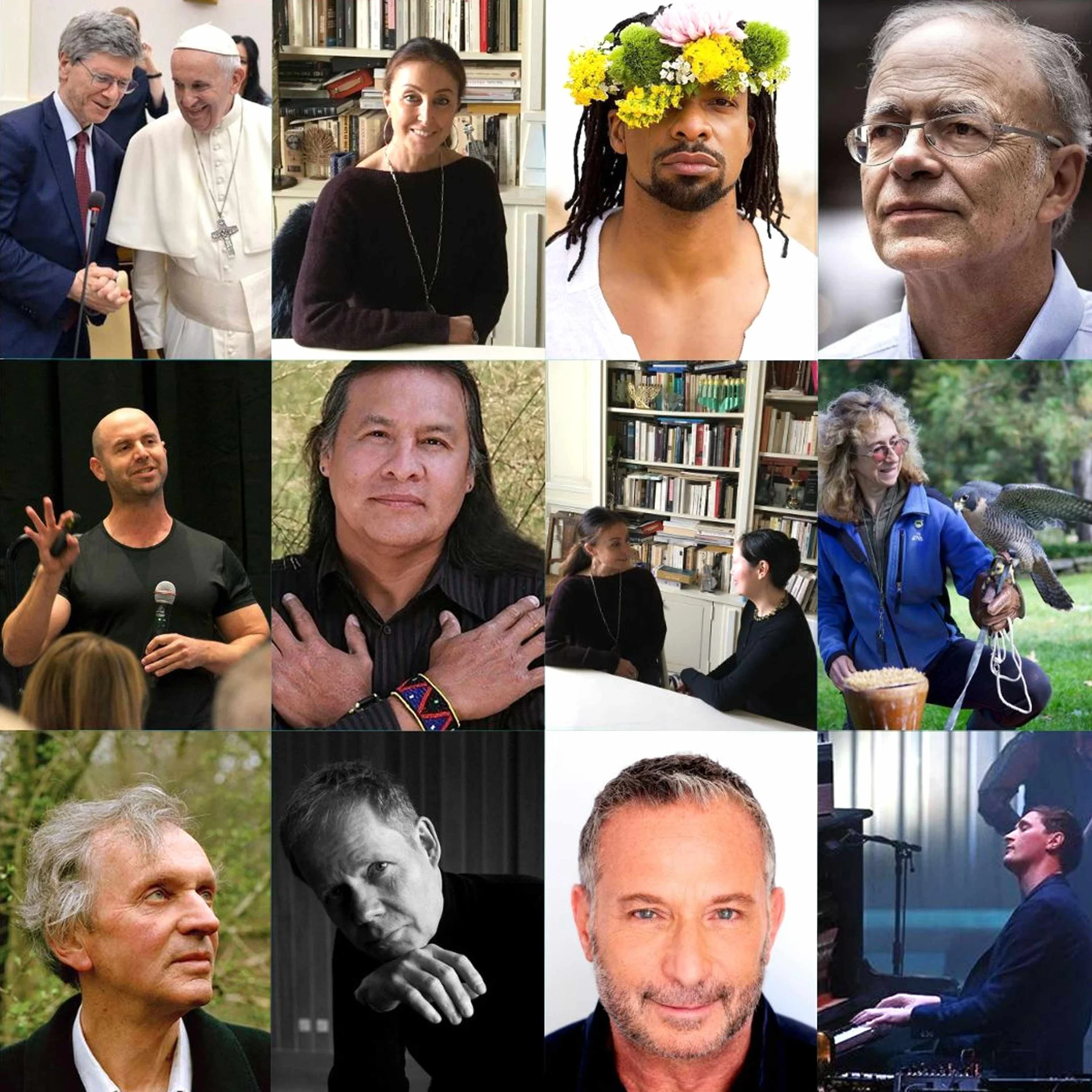
What Does It Mean to Live a Good Life? Artists, Writers, Visionaries & Educators Share their Stories

What Does It Mean to Live a Good Life? Artists, Writers, Visionaries & Educators Share their Stories

Artists, Writers, Visionaries & Educators Share their Stories

How can the arts help us learn to speak the language of the Earth and cultivate our intuitive intelligence? What is the power of mentorship for forging character and creative vision? How can we hold onto our cultural heritage and traditions, while preparing students for the needs of the 21st century?

Tell Me Lies w/ Creator, Writer, Exec. Producer MEAGHAN OPPENHEIMER

Tell Me Lies w/ Creator, Writer, Exec. Producer MEAGHAN OPPENHEIMER

Screenwriter · Exec. Producer · Showrunner
Creator of Hulu's Tell Me Lies · Queen America

Often when people write or make movies about romances with young adults, I think they are very flippant about it and don't take it seriously. But I think that those friendships and romantic relationships are some of the most important ones because they really set the stage for the rest of our lives. If your first relationship is incredibly toxic and damaging, it can take you years to  figure out that that's not normal, and that that's not actually how relationships are meant to be.

How Toxic Relationships Shape Us - MEAGHAN OPPENHEIMER - Highlights

How Toxic Relationships Shape Us - MEAGHAN OPPENHEIMER - Highlights

Screenwriter · Exec. Producer · Showrunner
Creator of Hulu's Tell Me Lies · Queen America

Often when people write or make movies about romances with young adults, I think they are very flippant about it and don't take it seriously. But I think that those friendships and romantic relationships are some of the most important ones because they really set the stage for the rest of our lives. If your first relationship is incredibly toxic and damaging, it can take you years to  figure out that that's not normal, and that that's not actually how relationships are meant to be.

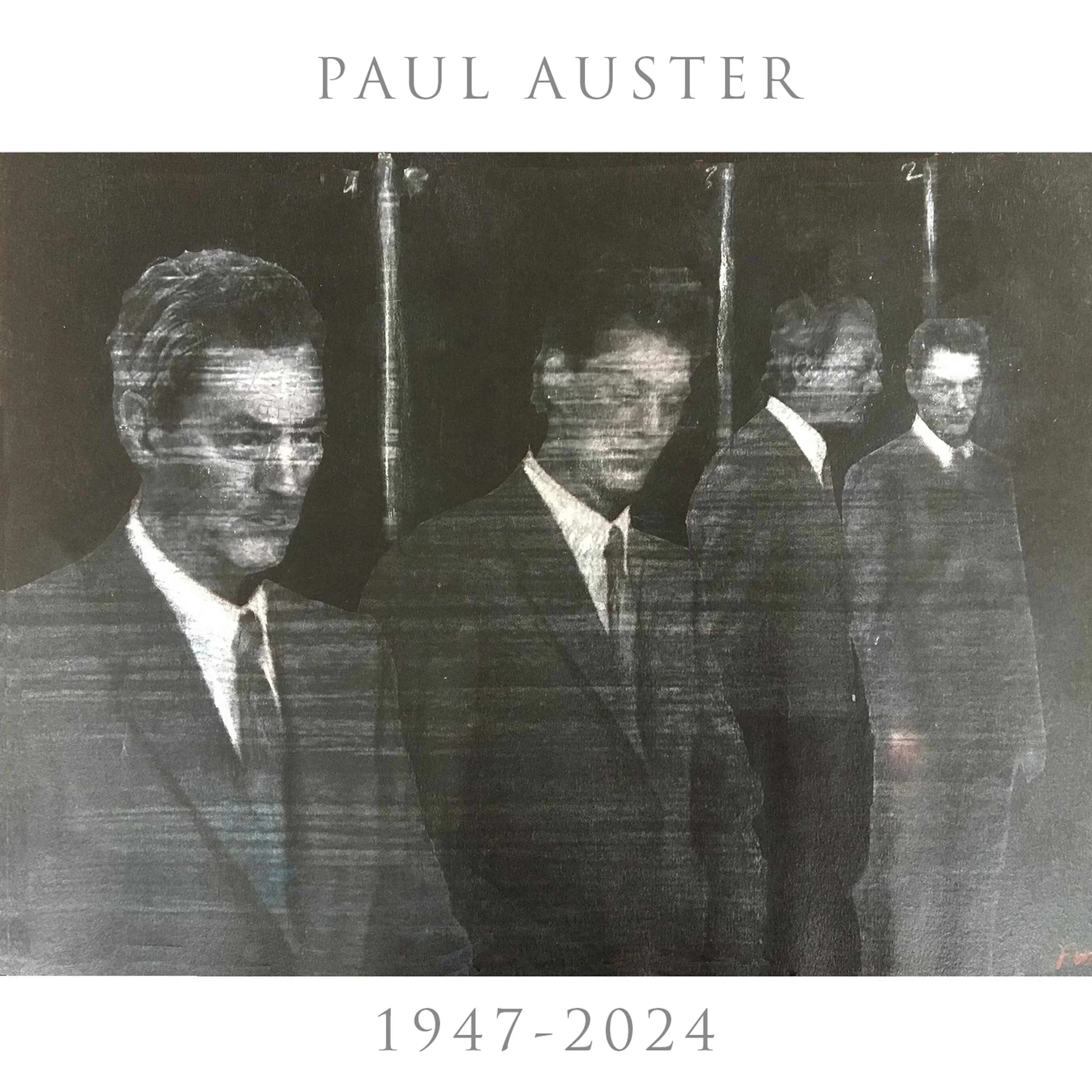
Remembering PAUL AUSTER - Writer, Director (1947-2024)

Remembering PAUL AUSTER - Writer, Director (1947-2024)

Writer · Director 1947-2024

What happens is a space is created. And maybe it’s the only space of its kind in the world in which two absolute strangers can meet each other on terms of absolute intimacy. I think this is what is at the heart of the experience and why once you become a reader that you want to repeat that experience, that very deep total communication with that invisible stranger who has written the book that you’re holding in your hands. And that’s why I think, in spite of everything, novels are not going to stop being written, no matter what the circumstances. We need stories. We’re all human beings, and it’s stories from the moment we’re able to talk.

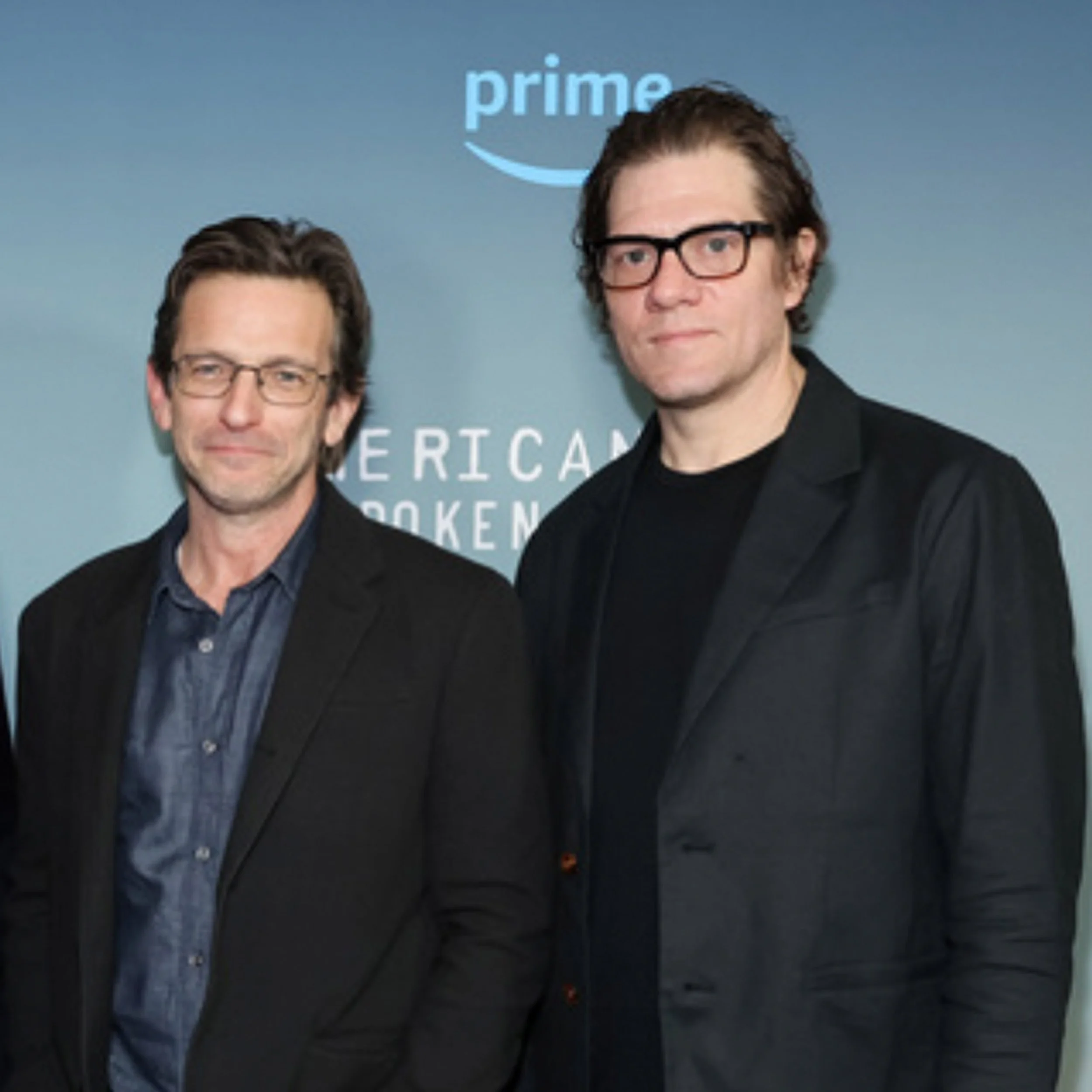
Do good deeds offset bad deeds? How do our families shape who we become?- Highlights - DAN FUTTERMAN & ADAM RAPP

Do good deeds offset bad deeds? How do our families shape who we become?- Highlights - DAN FUTTERMAN & ADAM RAPP

Award-winning Screenwriters · Exec. Producers · Directors
American Rust · The Looming Tower
Capote · The Outsiders musical

We're all culpable in some way of being both good and bad, being virtuous and also questionable at times in our own lives. And I think when you start answering questions on either side of that too firmly, I think it allows the audience to disconnect from it. And then you just have this sort of a good and bad guy narrative that is oversimplified all too often in our culture. I think viewers will relate to this nature versus nurture versus DNA, raising all the questions of psychological and biological inheritance.

Exploring American Rust: Broken Justice w/ DAN FUTTERMAN & ADAM RAPP - Award-winning Screenwriters/EPs

Exploring American Rust: Broken Justice w/ DAN FUTTERMAN & ADAM RAPP - Award-winning Screenwriters/EPs

Award-winning Screenwriters · Exec. Producers · Directors
American Rust · The Looming Tower
Capote · The Outsiders musical

We're all culpable in some way of being both good and bad, being virtuous and also questionable at times in our own lives. And I think when you start answering questions on either side of that too firmly, I think it allows the audience to disconnect from it. And then you just have this sort of a good and bad guy narrative that is oversimplified all too often in our culture. I think viewers will relate to this nature versus nurture versus DNA, raising all the questions of psychological and biological inheritance.