(Highlights) KYLE HARPER

(Highlights) KYLE HARPER

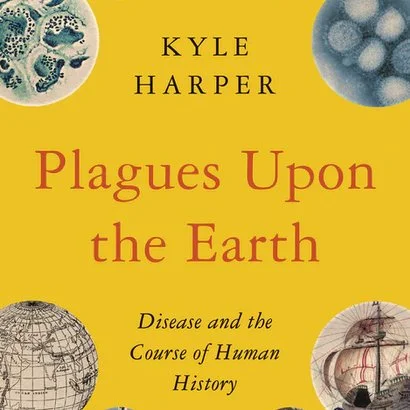
Author of Plagues upon the Earth: Disease and the Course of Human History
G.T. & Libby Blankenship Chair in the History of Liberty, Professor of Classics & Letters, University of Oklahoma

Human well-being is both a question of social development in a very holistic sense that people have jobs that provide adequate food and clean water as well as the elimination of dangerous microbes, and so the question is how do societies continue to develop in a way that's globally equitable and sustainable and that's really one of wicked hardest problems on the planet is how do we continue to experience growth without having carbon emissions that make growth and impossible, that continue to hold societies in poverty, and that continue to imperil human health.

KYLE HARPER

KYLE HARPER

Author of Plagues upon the Earth: Disease and the Course of Human History
G.T. & Libby Blankenship Chair in the History of Liberty, Professor of Classics & Letters, University of Oklahoma

Human well-being is both a question of social development in a very holistic sense that people have jobs that provide adequate food and clean water as well as the elimination of dangerous microbes, and so the question is how do societies continue to develop in a way that's globally equitable and sustainable and that's really one of wicked hardest problems on the planet is how do we continue to experience growth without having carbon emissions that make growth and impossible, that continue to hold societies in poverty, and that continue to imperil human health.

(Highlights) BRUCE PIASECKI, PhD

(Highlights) BRUCE PIASECKI, PhD

NYT Bestselling Author of A New Way to Wealth · Doing More with Teams
Founder of AHC Group

Each day you wake up you make decisions that shape your own fate, your ascent, position, your own creativity. I like to think of it as fate is a personal construct. When I was at Cornell they had me teach an Emerson essay called “Freedom and Fate” where he said that fate was so overwhelming in some traditions that it’s as though we were each involved in a shipwreck and we were each thrown off the ship and all we had a chance to do was look at each other. I’ve come to believe is that not only is the future near you can design your own life.

BRUCE PIASECKI, PhD

BRUCE PIASECKI, PhD

NYT Bestselling Author of A New Way to Wealth · Doing More with Teams
Founder of AHC Group

Each day you wake up you make decisions that shape your own fate, your ascent, position, your own creativity. I like to think of it as fate is a personal construct. When I was at Cornell they had me teach an Emerson essay called “Freedom and Fate” where he said that fate was so overwhelming in some traditions that it’s as though we were each involved in a shipwreck and we were each thrown off the ship and all we had a chance to do was look at each other. I’ve come to believe is that not only is the future near you can design your own life.

(Highlights) MICHAEL MAREN

(Highlights) MICHAEL MAREN

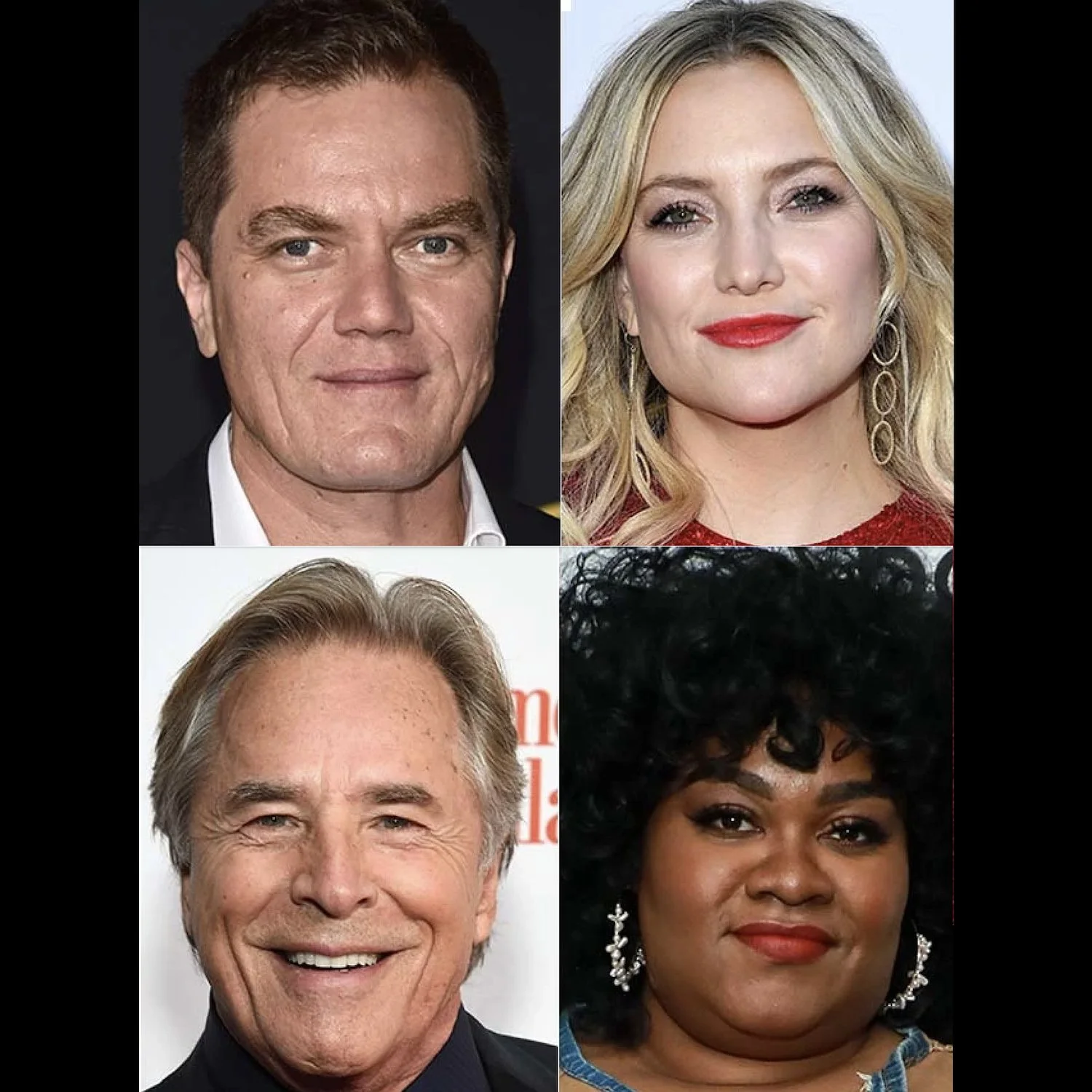
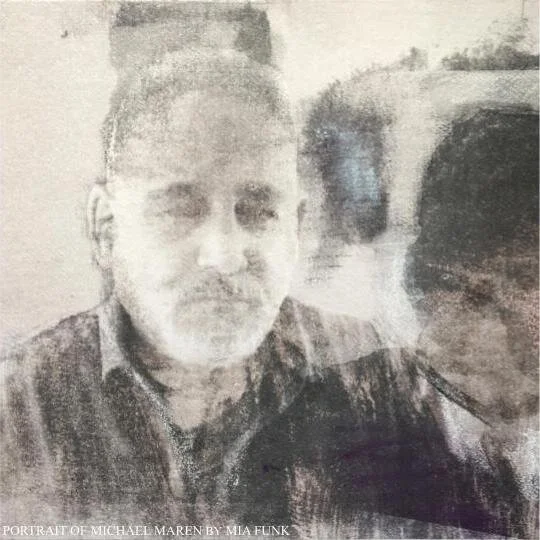
Michael Maren is a journalist, filmmaker and former aid worker. He’s written scripts for HBO, Sony Pictures, and many independent producers. His film, A Short History of Decay was a funny and moving examination of a writer  Bryan Greenberg visiting his ailing parents, played by Linda Lavin and  Harris Yulin. His forthcoming film is an adaptation of Chris Belden’s novel Shriver. It’s a comedy set at a writers conference and stars Michael Shannon, Kate Hudson, Don Johnson, and Zach Braff.  Maren has taught screenwriting at Wesleyan University, Provincetown Fine Arts Work Center, Taos Summer Writers’ Workshop, and co-directs the Sirenland Writers Conference. He created the film screening/discussion series Under the Influence: Writers on Film.

THE CREATIVE PROCESS

I don't know how you like to define yourself, you're a writer, you're a director. You came up as a foreign war correspondent, as a volunteer. It's quite an interesting trajectory, I think, for anyone who might want to become a director. Could you describe how you fell in love with telling stories?

MICHAEL MAREN

When I was in fifth grade. We used to have a little creative writing class, and people would write stories. And I don't know why I did this, but I remember when I was in the class, they started their student stories with–so I woke up in the morning and I went to the... I just thought, I'm nine years old, I just cut to the chase and talked about being in the air with the go-cart rolling over, and the teacher was blown away. In fifth grade, she said, "You're a really good writer." And I never forgot that.

-

So, I'm very, very much a natural journalist in that way. I had a lot of opportunities to get involved in things overseas, whether it was to stay in aid work or to work for, when I got out of graduate school, offers to like join financial institutions and World Bank kind of stuff or investment banking. I have a masters from Columbia, but I took a job for seventeen thousand dollars a year writing for this little magazine about Africa.

And it gave me the opportunity to keep traveling and keep reporting. And I just loved it. I loved it for years and years. And part of my interest in Africa came from watching movies set in Africa as a kid. And I actually tried my hand at writing screenplays during the 1980s a couple of times just by myself and actually trying to option them. I was reporting out of Uganda in the mid-80s when Yoweri Museveni, who's now the president, was still a guerrilla leader fighting against the regime.

And during that time, I was sort of sleeping outside and doing a lot of stuff. I read a copy of Patricia Highsmith's The Talented Mr. Ripley, and I thought, "Wow, this would make a great movie." When I got back to New York, I at one point I called, but I ended up realizing that the rights had been owned for many, many years, and I wasn't about to get the rights to make the screenplay.

My mentor in journalism was it was a guy named Richard Ben Cramer, one of the great journalists of all time. And I met Richard in Africa in the early 1980s. And Richard taught me one thing. He said every five minutes as a journalist, stop and ask yourself, what's the story? What's the story? And the point is, you can walk into any world and kind of get lost in the details. But when you know the story you're trying to tell, you know what the details are and pay attention to them.

This interview was conducted by Mia Funk with the participation of collaborating universities and students. Associate Interviews Producer on this podcast was Katherine Vasiliev. Digital Media Coordinator is Yu Young Lee. “Winter Time” was composed by Nikolas Anadolis* and performed by the Athenian Trio.

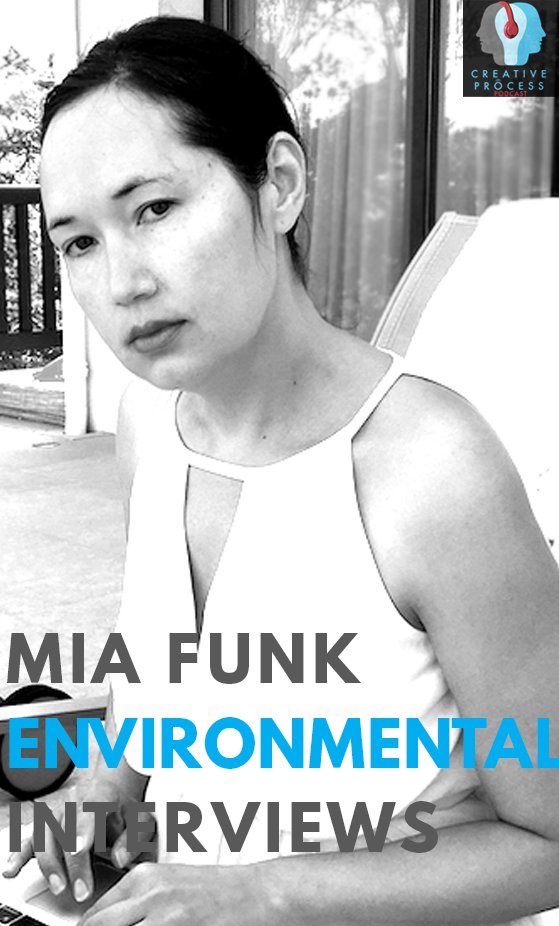
Mia Funk is an artist, interviewer and founder of The Creative Process.
 
MICHAEL MAREN

MICHAEL MAREN

Michael Maren is a journalist, filmmaker and former aid worker. He’s written scripts for HBO, Sony Pictures, and many independent producers. His film, A Short History of Decay was a funny and moving examination of a writer  Bryan Greenberg visiting his ailing parents, played by Linda Lavin and  Harris Yulin. His forthcoming film is an adaptation of Chris Belden’s novel Shriver. It’s a comedy set at a writers conference and stars Michael Shannon, Kate Hudson, Don Johnson, and Zach Braff.  Maren has taught screenwriting at Wesleyan University, Provincetown Fine Arts Work Center, Taos Summer Writers’ Workshop, and co-directs the Sirenland Writers Conference. He created the film screening/discussion series Under the Influence: Writers on Film.

THE CREATIVE PROCESS

I don't know how you like to define yourself, you're a writer, you're a director. You came up as a foreign war correspondent, as a volunteer. It's quite an interesting trajectory, I think, for anyone who might want to become a director. Could you describe how you fell in love with telling stories?

MICHAEL MAREN

When I was in fifth grade. We used to have a little creative writing class, and people would write stories. And I don't know why I did this, but I remember when I was in the class, they started their student stories with–so I woke up in the morning and I went to the... I just thought, I'm nine years old, I just cut to the chase and talked about being in the air with the go-cart rolling over, and the teacher was blown away. In fifth grade, she said, "You're a really good writer." And I never forgot that.

-

So, I'm very, very much a natural journalist in that way. I had a lot of opportunities to get involved in things overseas, whether it was to stay in aid work or to work for, when I got out of graduate school, offers to like join financial institutions and World Bank kind of stuff or investment banking. I have a masters from Columbia, but I took a job for seventeen thousand dollars a year writing for this little magazine about Africa.

And it gave me the opportunity to keep traveling and keep reporting. And I just loved it. I loved it for years and years. And part of my interest in Africa came from watching movies set in Africa as a kid. And I actually tried my hand at writing screenplays during the 1980s a couple of times just by myself and actually trying to option them. I was reporting out of Uganda in the mid-80s when Yoweri Museveni, who's now the president, was still a guerrilla leader fighting against the regime.

And during that time, I was sort of sleeping outside and doing a lot of stuff. I read a copy of Patricia Highsmith's The Talented Mr. Ripley, and I thought, "Wow, this would make a great movie." When I got back to New York, I at one point I called, but I ended up realizing that the rights had been owned for many, many years, and I wasn't about to get the rights to make the screenplay.

My mentor in journalism was it was a guy named Richard Ben Cramer, one of the great journalists of all time. And I met Richard in Africa in the early 1980s. And Richard taught me one thing. He said every five minutes as a journalist, stop and ask yourself, what's the story? What's the story? And the point is, you can walk into any world and kind of get lost in the details. But when you know the story you're trying to tell, you know what the details are and pay attention to them.

This interview was conducted by Mia Funk with the participation of collaborating universities and students. Associate Interviews Producer on this podcast was Katherine Vasiliev. Digital Media Coordinator is Yu Young Lee. “Winter Time” was composed by Nikolas Anadolis* and performed by the Athenian Trio.

Mia Funk is an artist, interviewer and founder of The Creative Process.

 
(Highlights) GEORGE ELLIS

(Highlights) GEORGE ELLIS

Cosmologist, Theoretical physicist & Star of South Africa Medal Recipient

Artistic creativity and it’s crucial to artistic creativity amongst many other things. In artistic creativity, from my viewpoint, is that you start off with an idea and you’re shaping and you’re totally in control and it doesn’t matter if it's music or sculpture or painting or a novel, eventually the thing sparks its own life, becomes itself, and at that point, the role of the artist is to stand back and let it become what its got to become. And that’s where you get the great art.

GEORGE ELLIS

GEORGE ELLIS

Cosmologist, Theoretical physicist & Star of South Africa Medal Recipient

Artistic creativity and it’s crucial to artistic creativity amongst many other things. In artistic creativity, from my viewpoint, is that you start off with an idea and you’re shaping and you’re totally in control and it doesn’t matter if it's music or sculpture or painting or a novel, eventually the thing sparks its own life, becomes itself, and at that point, the role of the artist is to stand back and let it become what its got to become. And that’s where you get the great art.

(Highlights) GAURAV GUPTA

(Highlights) GAURAV GUPTA

Director of Kotter International · Co-author of Change: How Organizations Achieve Hard to Imagine Results in Uncertain & Volatile Times

How do you get people to have a sense of urgency to actually take action and do something different? What we're finding is the learnings from business very much do apply to other spheres and also more generally do challenges like climate change. We’re facing the question of how do you get more people to actually be willing to take real meaningful action.

GAURAV GUPTA

GAURAV GUPTA

Director of Kotter International · Co-author of Change: How Organizations Achieve Hard to Imagine Results in Uncertain & Volatile Times

How do you get people to have a sense of urgency to actually take action and do something different? What we're finding is the learnings from business very much do apply to other spheres and also more generally do challenges like climate change. We’re facing the question of how do you get more people to actually be willing to take real meaningful action.

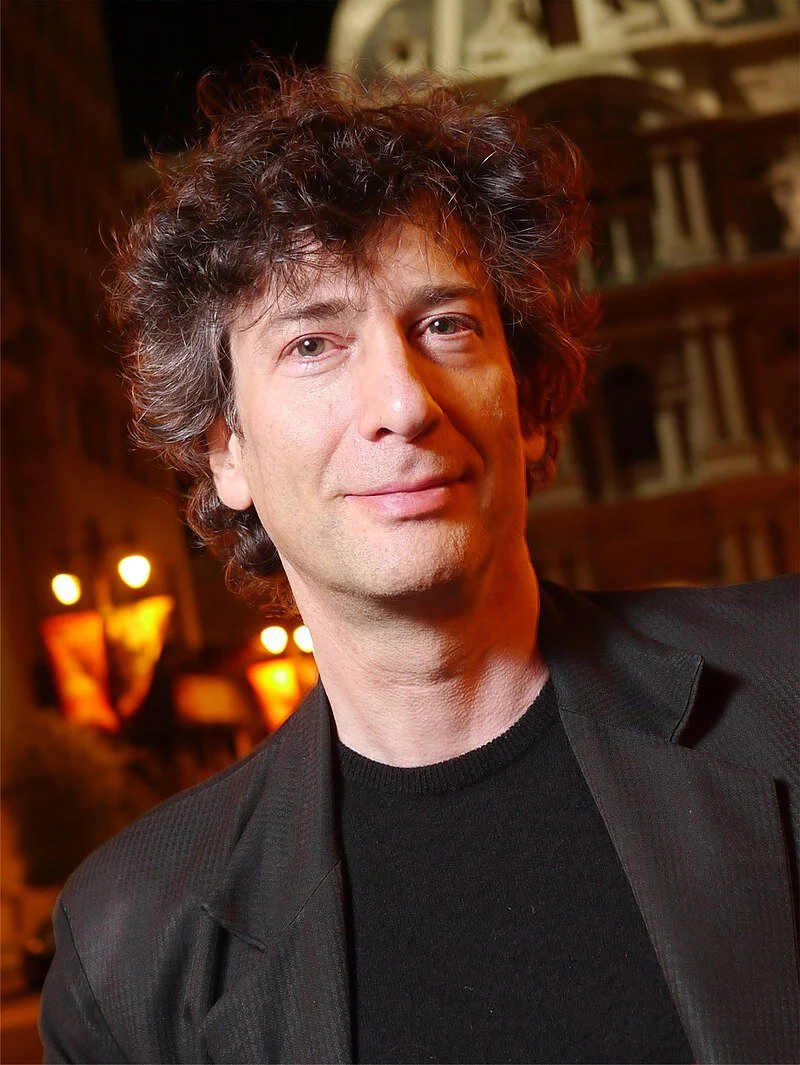
NEIL GAIMAN

NEIL GAIMAN

Writer · Graphic Novelist · Producer

The idea that anything could be a door, the idea that the back of the wardrobe could open up unto a world in which it was winter and there were other worlds inches away from us, became just part of the way that I saw the world, that was how I assumed the way the world worked, when I was a kid that was the way that I saw.

(Highlights) NEIL GAIMAN

(Highlights) NEIL GAIMAN

Interview Highlights

I've always, pretty much from the beginning, I've always wanted to write as if I were paying by the word to be published. So that's always gone in there. Whether it's film or television, whether it's comics, whether it's novels, and especially short stories. I want everything to count. I want every word to count.

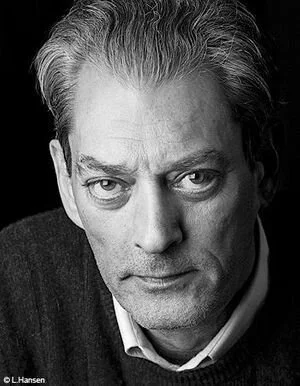
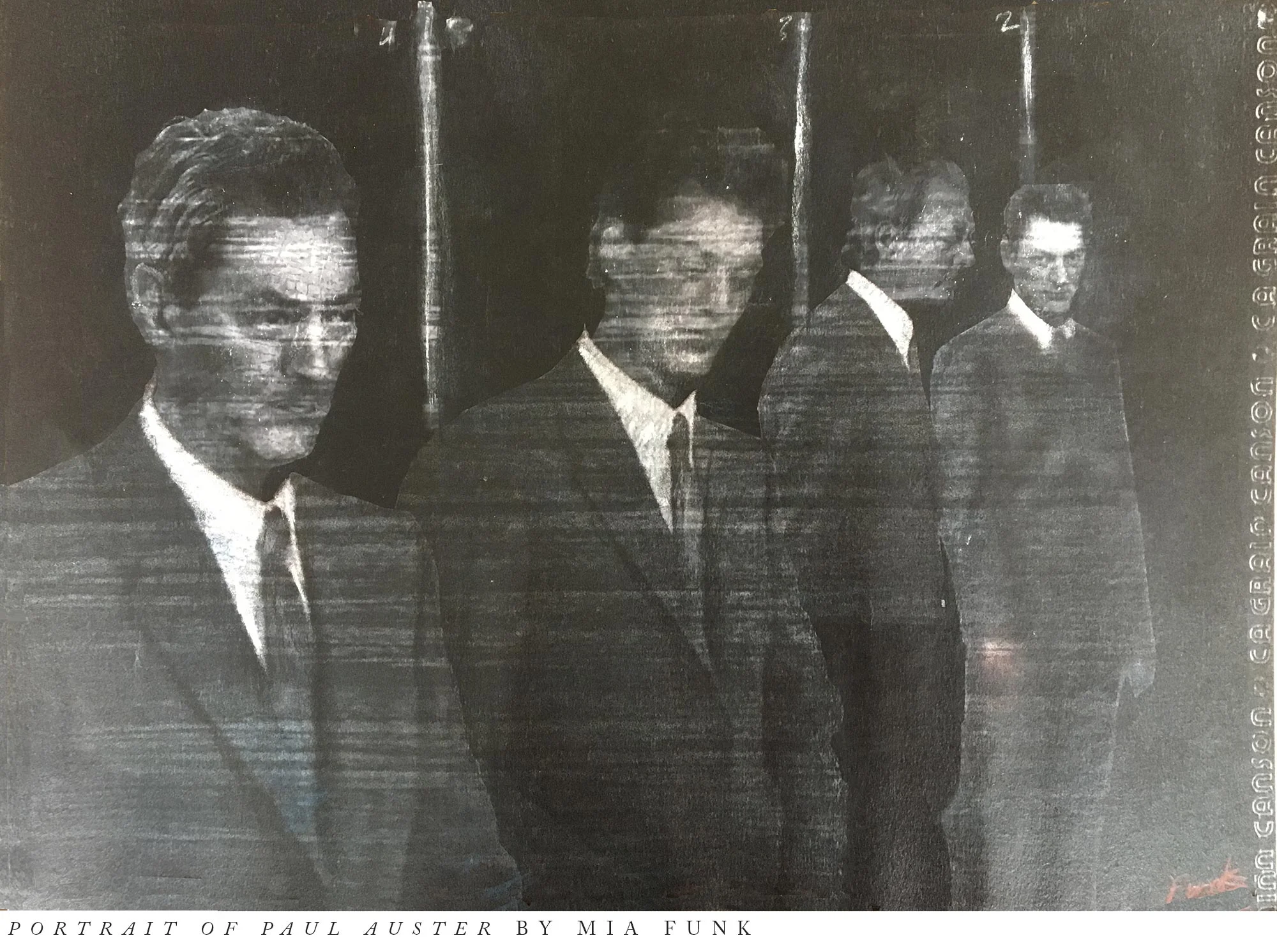
(Highlights) PAUL AUSTER
PAUL AUSTER
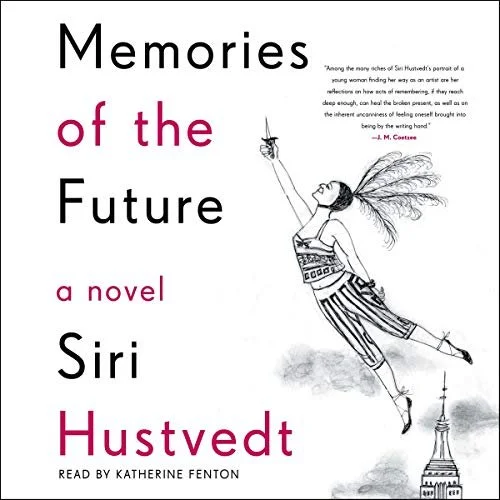
(Highlights) SIRI HUSTVEDT

(Highlights) SIRI HUSTVEDT

Novelist and Essayist

The reason I think you should read in these other disciplines is because it will help you in your own work. Now I really mean that. I think what has happened with the fragmentation of disciplines is that when problems arise. ...the people working in the discipline are unable to see avenues out of the problem that they would easily see if they had worked through problems in other disciplines.

SIRI HUSTVEDT

SIRI HUSTVEDT

Novelist and Essayist

The reason I think you should read in these other disciplines is because it will help you in your own work. Now I really mean that. I think what has happened with the fragmentation of disciplines is that when problems arise. ...the people working in the discipline are unable to see avenues out of the problem that they would easily see if they had worked through problems in other disciplines.

(Highlights) ROB NIXON

(Highlights) ROB NIXON

Author of Slow Violence and the Environmentalism of the Poor
Professor Environmental Humanities at Princeton

There are some recurrent threads in indigenous cultures across the world. One of those is–We don’t own the land. The land owns us. It’s not seen as property first. It’s seen as inalienable in that sense because you don’t own it in the first place. What we’re seeing now is a kind of movement where more and more indigenous people are living kind of amphibious lives. On the one hand, they have their indigenous cosmologies. And the other hand, in order to increase the likelihood that they can keep out big corporations, mining, logging, and so forth, their presence on the land needs to be bureaucratically recognized is to have recognition that “this is your property.” So in one sense many of these communities I find are both inside and outside private property regimes.

ROB NIXON

ROB NIXON

Rob Nixon is a nonfiction writer and the Barron Family Professor in Environmental Humanities at Princeton University. He is the author of four books, most recently Slow Violence and the Environmentalism of the Poor. Nixon is currently writing a book on environmental martyrs and the defense of the great tropical forests. He writes frequently for the New York Times. His writing has also appeared in The New Yorker, Atlantic Monthly, The Guardian, The Nation, London Review of Books, The Village Voice, Aeon and elsewhere. Much of his writing engages environmental justice struggles in the global South. He has a particular interest in understanding the roles that artists can play in effecting change at the interface with social movements.

ROB NIXON

There are some recurrent threads in indigenous cultures across the world. One of those is–We don’t own the land. The land owns us. It’s not seen as property first. It’s seen as inalienable in that sense because you don’t own it in the first place. What we’re seeing now is a kind of movement where more and more indigenous people are living kind of amphibious lives. On the one hand, they have their indigenous cosmologies. And the other hand, in order to increase the likelihood that they can keep out big corporations, mining, logging, and so forth, their presence on the land needs to be bureaucratically recognized is to have recognition that “this is your property.” So in one sense many of these communities I find are both inside and outside private property regimes.

This interview was conducted by Mia Funk & Phil Kehoe with the participation of collaborating universities and students. Associate Interviews Producer on this podcast was Phil Kehoe. Digital Media Coordinator is Phoebe Brous.

Mia Funk is an artist, interviewer and founder of The Creative Process & One Planet Podcast (Conversations about Climate Change & Environmental Solutions).

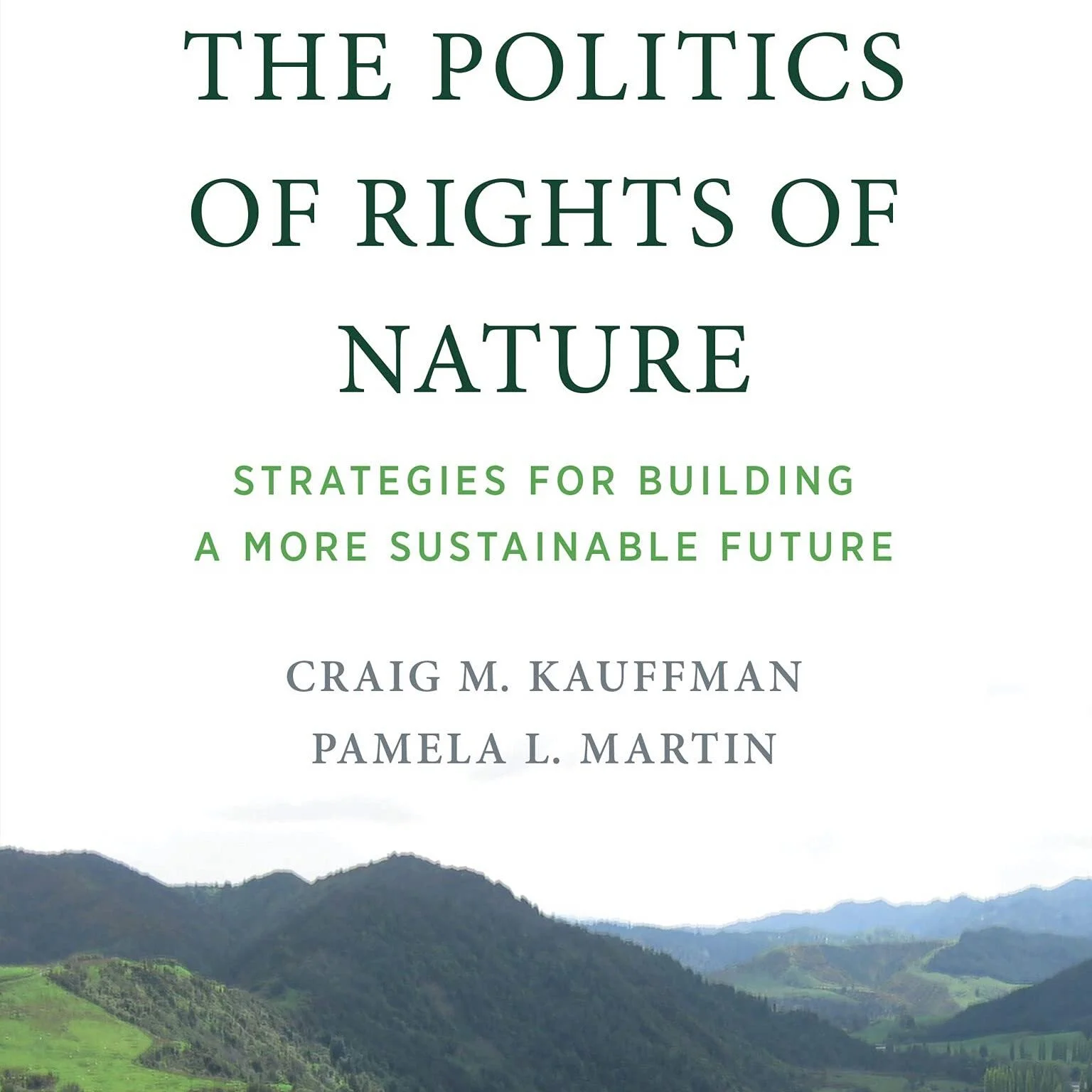
(Highlights) CRAIG KAUFFMAN

(Highlights) CRAIG KAUFFMAN

Associate Professor of Political Science at the University of Oregon
Member of the United Nations Knowledge Network on Harmony with Nature

The term Rights of Nature tends to be applied to two different things. One is this underlying legal philosophy that is actually broader than just Rights of Nature, that’s probably better understood as ecological jurisprudence that may or may not be expressed in terms of rights, but because Rights of Nature is getting a lot of attention that term tends to be applied to represent this broader underlying philosophy. Of course, the other way it’s used it to refer to the legal provisions that explicitly recognize Rights for ecosystems.

CRAIG KAUFFMAN

CRAIG KAUFFMAN

Associate Professor of Political Science at the University of Oregon
Member of the United Nations Knowledge Network on Harmony with Nature

The term Rights of Nature tends to be applied to two different things. One is this underlying legal philosophy that is actually broader than just Rights of Nature, that’s probably better understood as ecological jurisprudence that may or may not be expressed in terms of rights, but because Rights of Nature is getting a lot of attention that term tends to be applied to represent this broader underlying philosophy. Of course, the other way it’s used it to refer to the legal provisions that explicitly recognize Rights for ecosystems.