The Spirulina Revolution

The Spirulina Revolution

A Conversation with Co-Founder of FUL Foods JULIA STREULI & Founder of Creative Agency My Young Auntie OBERON SINCLAIR

Spirulina does everything. If you extract protein, there's a huge booming market and human need for protein. If you extract fats, omegas, etc., if you look at the recent FDA ruling around the color transition, every food and beverage company now is looking for a natural source of color. Spirulina can provide that. It's about looking at this ancient substance and seeing how it can plug into our future food system in a way that works for people and the planet. 

Listening to the Planet

Listening to the Planet

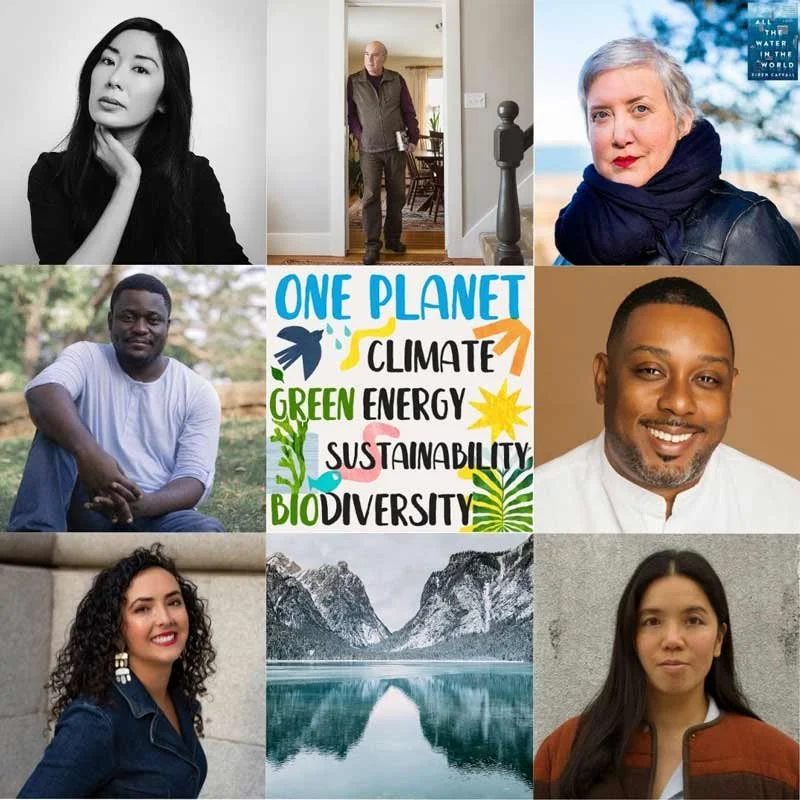
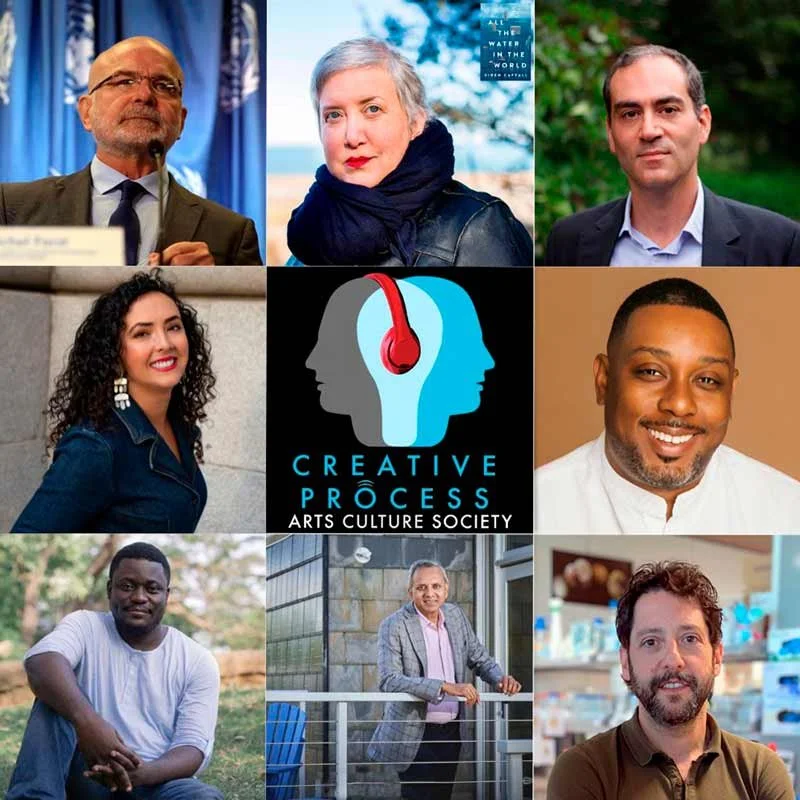
Katie Kitamura, Eiren Caffall, Jay Parini, Irvin Weathersby Jr., Natasha Hakimi Zapata, Audrea Lim & Dr. Bayo Akomolafe share their stories

How do our environments shape who we are and how we care for the world and each other? There are many solutions to climate change, inequality, and poverty around the world. How can we learn from them and transform our society?

The Arrogant Ape: The Myth of Human Exceptionalism & Why it Matters

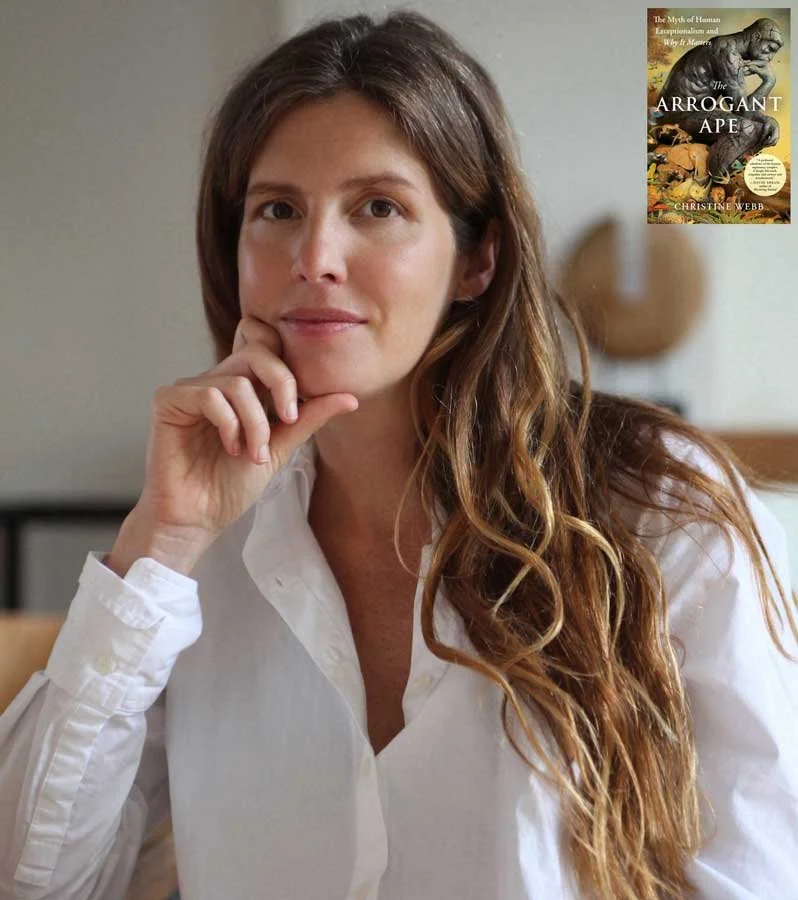
The Arrogant Ape: The Myth of Human Exceptionalism & Why it Matters

A Conversation with Primatologist CHRISTINE WEBB

There are many ways in which I think human exceptionalism has seeped into the sciences, but one of the many ways is through the methodologies we use when we compare the intelligence of humans and other species. In particular, in my field, I’m a primatologist by training, comparing the cognitive abilities of humans with the abilities of our closest living relatives, the great apes. Many times, those studies compare the intelligence of captive chimpanzees who are living in highly restricted, manmade environments. Often, these chimpanzees have been separated from their biological mothers at birth. They're often separated from the group during testing. They're subjected to very human-centric experimental paradigms, like playing with plastic puzzle boxes or computer touchscreens, and we're measuring how they perform on these tasks.

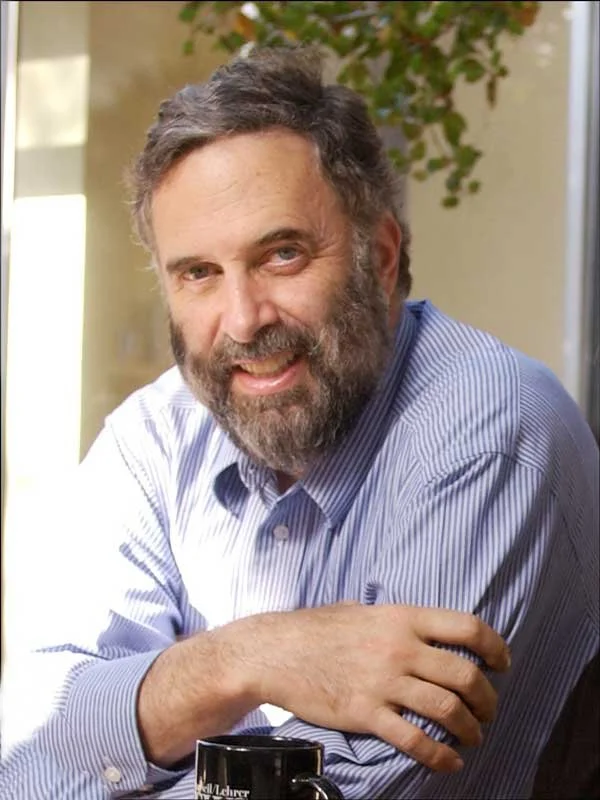
What is Deliberative Democracy & How Can it Serve Society?
From RoboCop to the Renaissance

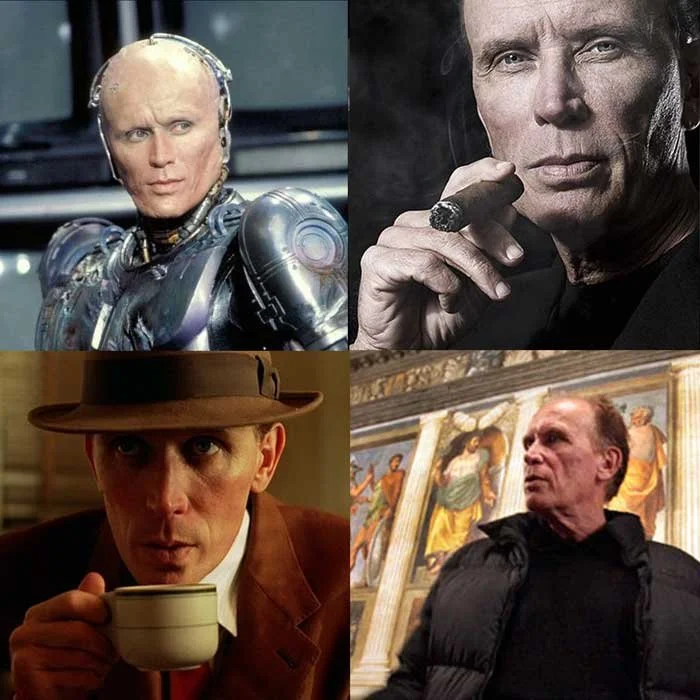
From RoboCop to the Renaissance

with Actor, Art Historian, Director, Musician, Author PETER WELLER

Art transcends time and culture—the beauty of it. People worry about the world now. I remind them to go live in 1968, a time of preparing to go to the moon while people died for their beliefs. This is a difficult time in a republic that’s supposed to be free, but music was leading the way. Whether it was Miles, Coltrane, Aretha, Leonard Cohen, Dylan, the music was extraordinarily influential and cutting-edge… Leon Battista Alberti is an interesting figure because he was a poet, painter, architect, and particularly an architect, writer, and humanist. He wrote this amazing book on painting that everyone has to read.

Art is a Fundamental Element of Life

Art is a Fundamental Element of Life

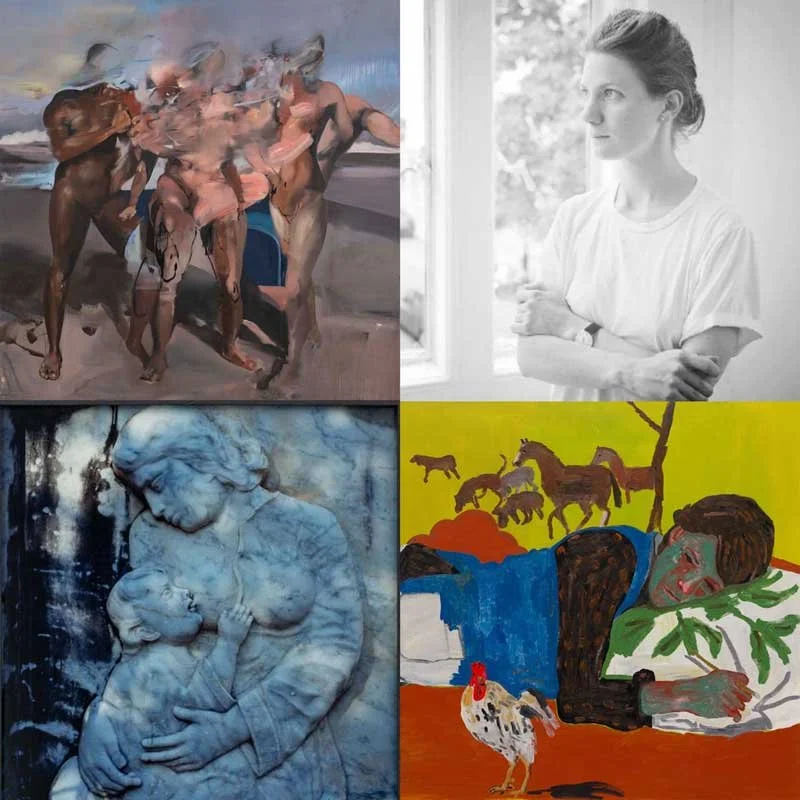
A Conversation with Gallerist HANNAH BARRY

There's something fundamental about the value of art and culture. Not just being integrated for vocational reasons, but because the experience of art and having a cultural element in one's life brings enjoyment, learning, relief, or any of the many experiences and feelings that art provides. I think this is quite fundamental as an element of life. Creativity is key in any career and also in personal life, especially in terms of problem-solving, relationships, kindness, compassion, and empathy. The arts, creativity, and the cultural world at large are not just nice to have; they are essential. Their value is fundamental, although sometimes it's extremely difficult to define in a way that aligns with what people might prefer. To see the arts lost from the developmental moments in one's life is tragic. Developmental moments in life come at all points in the arc of one's existence. To see that taken or diminished is unfortunate. Everyone involved in working with artists, artists themselves, or those who are creative knows this and believes in it.

THE DIPLOMAT

THE DIPLOMAT

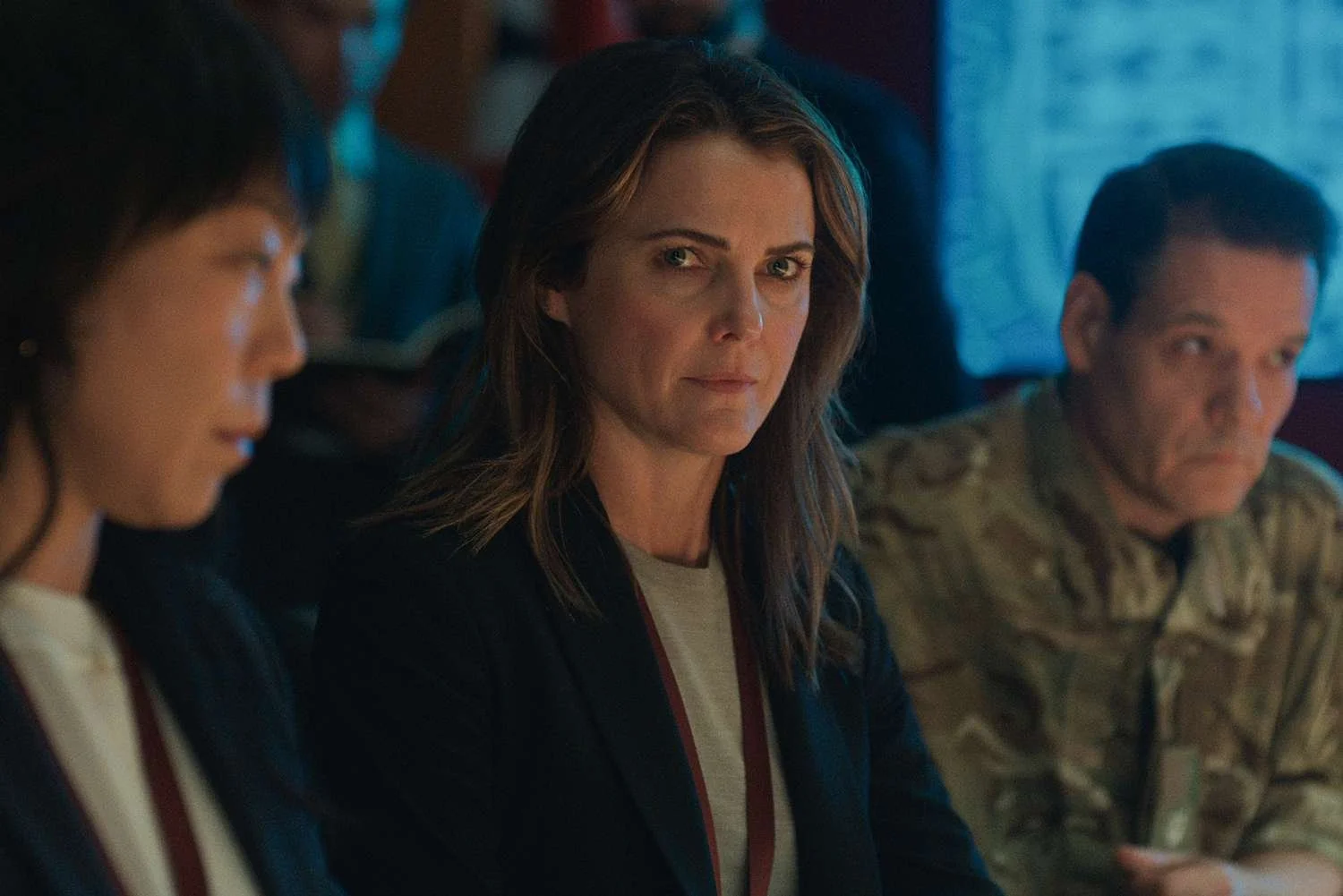
Conversation with Showrunner · Creator · Head Writer
DEBORA CAHN

I feel very fortunate that the medium I’m in is television, which is a very long form of storytelling. You're not telling a single story; you're telling a world. You're inviting people into a world and asking them to live there with you and these characters for a period of time. The best I can do is build a world where people grapple with these important questions and try their best. All I can expect from people and from myself is that we're trying to do something larger than ourselves.

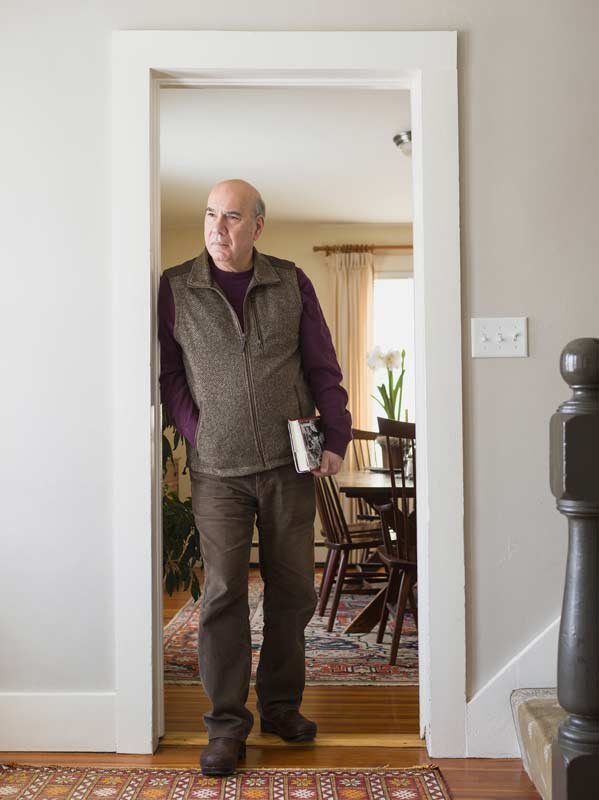
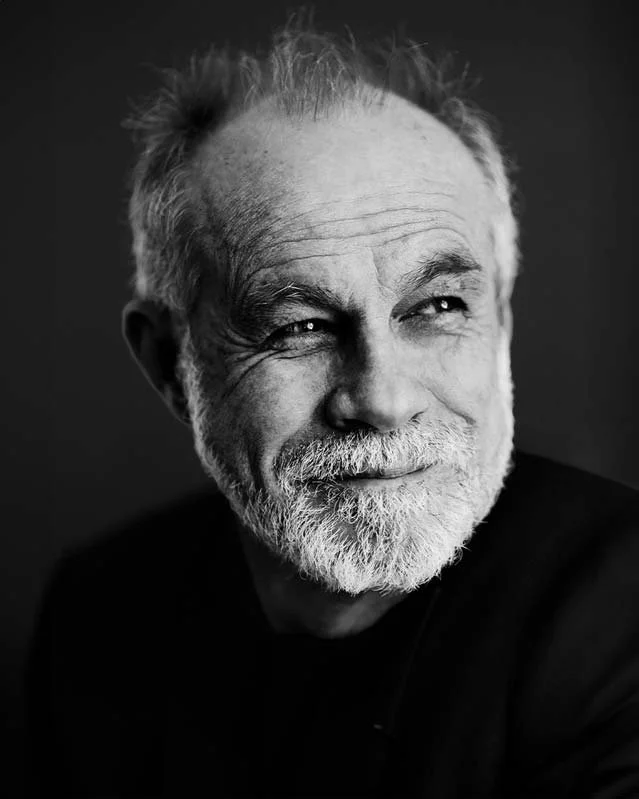
On Borges, Gore Vidal, Robert Frost & The Writing Life

On Borges, Gore Vidal, Robert Frost & The Writing Life

A Conversation with Author & Filmmaker JAY PARINI

Poetry is the prince of the literary arts to me. It's at the very top because it's language refined to its apex of memorability. I am interested in poetry as memorability and poetry as something you live by. These are the words you live by. These words stay in your brain and guide your life. That's what I am interested in. My memoir slash autofiction is called Borges and Me, and as you know, it's a story of my time in 1970 when my best friend Billy was drafted for the Vietnam War, and so was I. He went to Vietnam, and I went to Scotland to hide out and do my graduate work. I spent nearly seven years in Scotland, but I certainly spent the next five years definitely in Scotland. I was there before as an undergraduate for a bit, too. During that time, Billy was killed in Vietnam, and I was a nervous wreck. My memoir talks about my depression, my anxieties, and then, through my friend Alastair Reid, I met Borges, the great Argentine writer. We went on a little road trip through the Highlands, and this conversation with Borges really restored me back to myself and what was important in life. I felt that I owed a huge amount to that contact with Borges… I was lucky that suddenly, out of nowhere, came a wonderful director-producer named Mark Turtletaub. He had read my book and loved it, and he approached me. We had a conversation, and he said, "Look, I want to make this movie." So off we went.

CARLOS MORENO

CARLOS MORENO

Originator of the 15-Minute City Concept · Author of The 15-Minute City: A Solution to Saving Our Time & Our Planet

It all starts at home. As a university professor, I have observed the process of transformation of different generations. We need to find a sense of life. We need to find a sense of belonging to our humanity, but to have this sense of life, we need to find a sense in our local communities.

Art Without Borders

Art Without Borders

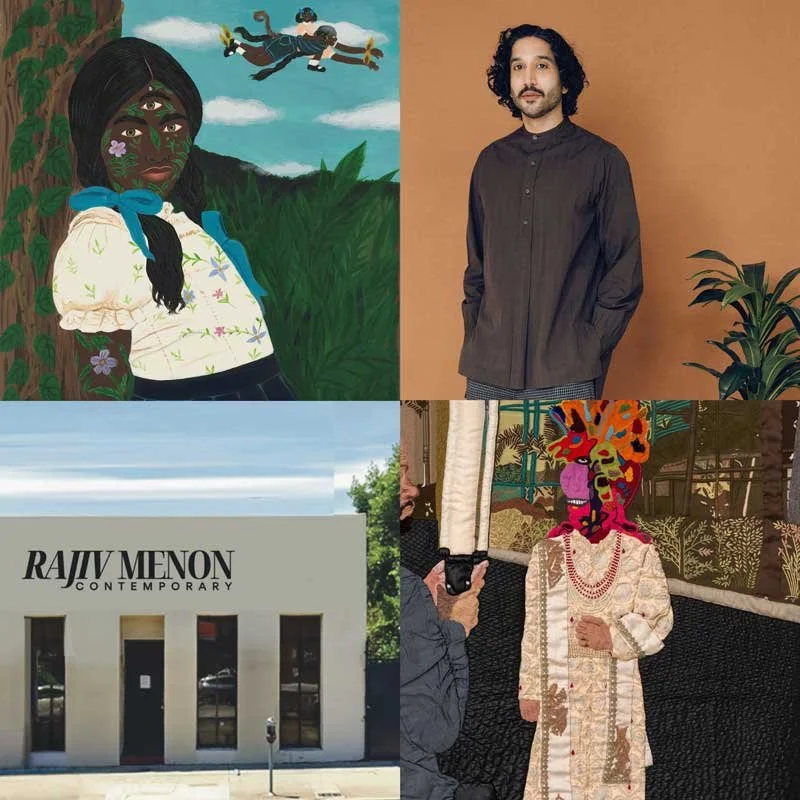
A Conversation with Gallerist · Curator RAJIV MENON
Founder of RAJIV MENON CONTEMPORARY

I want people to understand South Asian art as broader than a single gallery or a single artist, but as a larger cultural movement. I want people to encounter art in all parts of their lives, and I’m constantly thinking about new ways to achieve that. I was very aware, as someone launching a South Asia-focused gallery, that this was the cultural dynamic that undergirded the way that most people in the West were thinking about art from the region. Taking that on directly and inviting artists to work with that theme was a really important ground for setting the ethos of the gallery and the types of critical questions we wanted to tackle with the work we were doing.

What Do We Do with the One Life We’re Given?

What Do We Do with the One Life We’re Given?

Scientists, Writers, Philosophers & Changemakers Share their Stories

In this time of rapid technological change, how do we hold onto our humanity? How do stories, traditions, and community help us find meaning in loss and face an uncertain future? How can science, art, and spirituality open new pathways to understanding ourselves and the human experience?

Creative Ireland

Creative Ireland

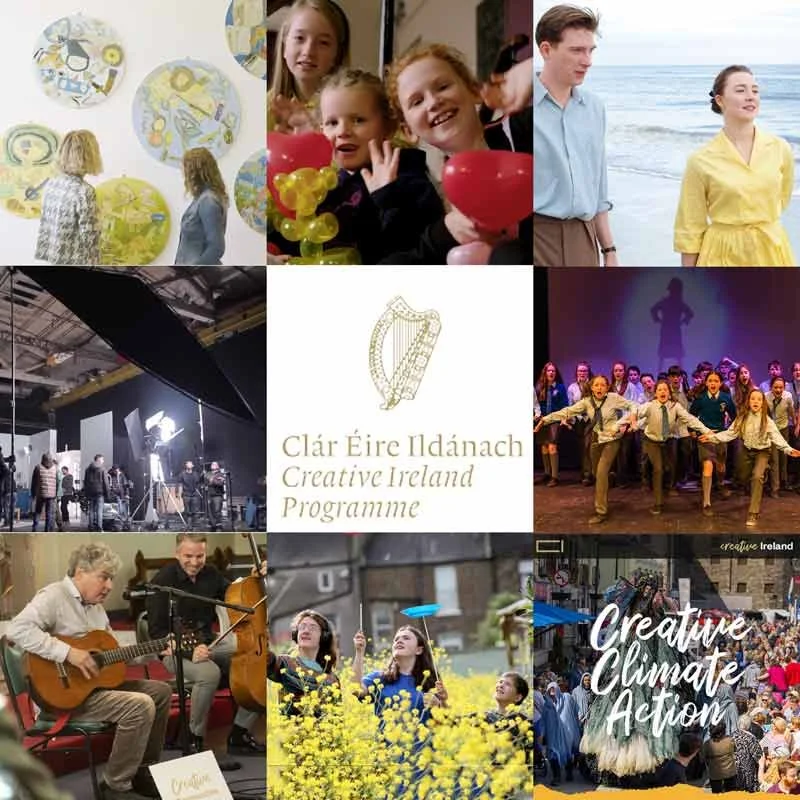
How Ireland Is Harnessing Creativity as National Strategy with SHEILA DEEGAN

I left the local environment to pursue Creative Ireland because I really believe in this broader approach. Let's try not to silo things. Let’s try and get people working collaboratively for the benefit of everybody, not just one program over the other. I really hope that young people can hold a sense of social justice as we move forward into a very complicated world. They need to remember that we're all just people and that we all just need each other, whether that's creatively or within the landscape or within the economics.

Sleep, The Nocturnal Brain & The Biology of Being Human

Sleep, The Nocturnal Brain & The Biology of Being Human

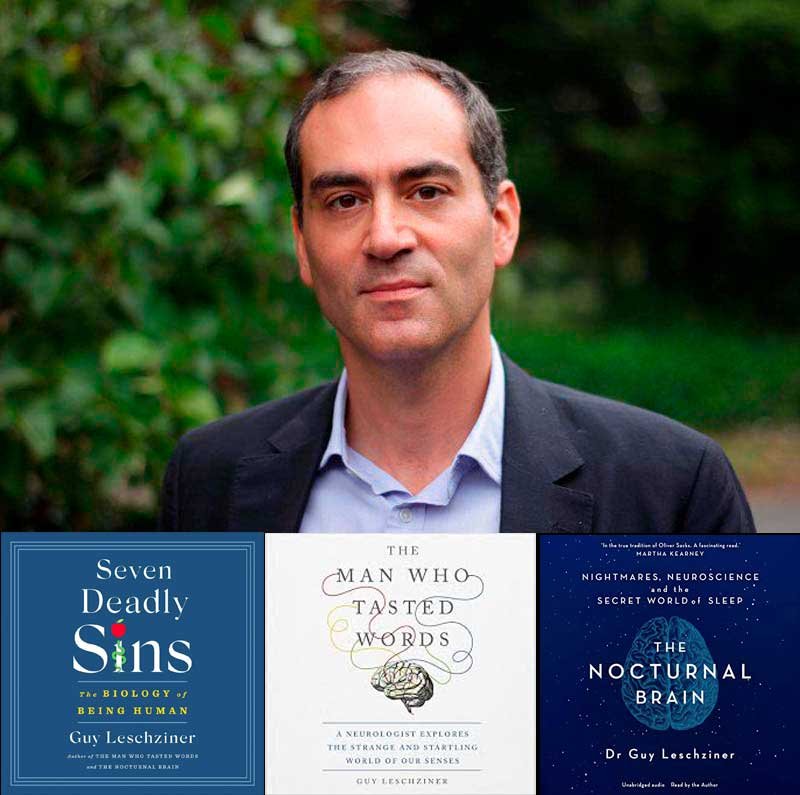
with Neurologist · DR. GUY LESCHZINER
Professor of Neurology & Sleep Medicine · King's College London
Author of Seven Deadly Sins · The Nocturnal Brain · The Man Who Tasted Words

 I'm fascinated by the extremes of the human experience, partly because it is so far removed from our own experience of life. In another way, when you look at people who have neurological disorders or diseases, these are really nature's experiments. They are ways of trying to understand how the brain works for all of us. By extrapolation from looking at these extremes, we can learn about the workings of our own brains. That's very much the case across all the areas of my work, whether it be sleep disorders, neurology, or epilepsy—how we regulate our emotions, how we move, how we experience the world.

OUR PLANET · OUR FUTURE

OUR PLANET · OUR FUTURE

Environmentalists, Artists, Scientists & Earth Defenders Share their Stories

We are privileged to present the voices of individuals dedicated to effecting change and mitigating the harm inflicted upon our precious planet. These are individuals deeply committed to the core values that drive positive transformation: Max Richter, Ingrid Newkirk, Julian Lennon, Bertrand Piccard, Carl Safina, Nan Hauser, Claire Potter, Ada Limón, David Farrier, Cynthia Daniels, Oded Galor, Kathleen Rogers, Joelle Gergis, Sir Geoff Mulgan, Alain Robert, Noah Wilson-Rich, Chris Funk, Suzanne Simard, Peter Singer, and Jennifer Morgan.

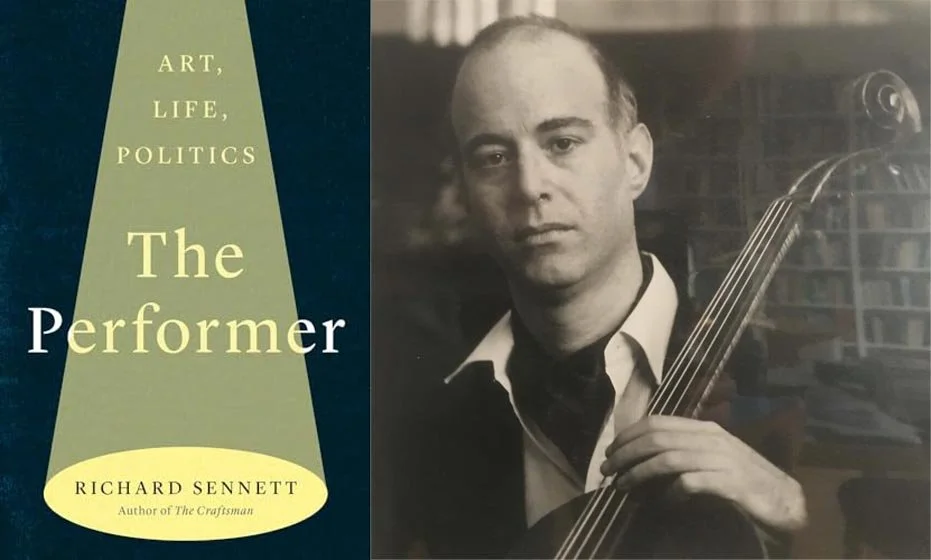
The Performer: Art · Life · Politics

The Performer: Art · Life · Politics

RICHARD SENNETT Centennial Professor of Sociology · London School of Economics · Fmr. Humanities Professor · NYU
Author of The Performer · The Fall of Public Man · The Culture of the New Capitalism · The Craftsman

We look at creative work as though the very creative process itself is something good. These are tools of expression, and like any tool, you can use them to damage something or to make something. They can be turned to very malign purposes, for instance, in the operas of Wagner. So I wanted to do this set of books, I want to show what is kind of the basic DNA that people use for good or for ill. What are the tools they use, if you like, of expression that they use in the creative process?

The Future of Activism

The Future of Activism

When Solutions Become Problems with BAYO AKOMOLAFE
Philosopher · Psychologist Public Intellectual · Author · Founder of the Emergence Network

I learn more than anything else from my children. My son, he's seven, he's autistic, and I call him my prophet for a reason. He teaches me to meet myself in ways that are usually very stunning. I can get information from other people; I can read a book here and there, but it's very rare to come across such an embodiment of grace, possibility, and futurity, all wrapped up in a tiny seven-year-old boy's body. My son has given me lots of gifts.

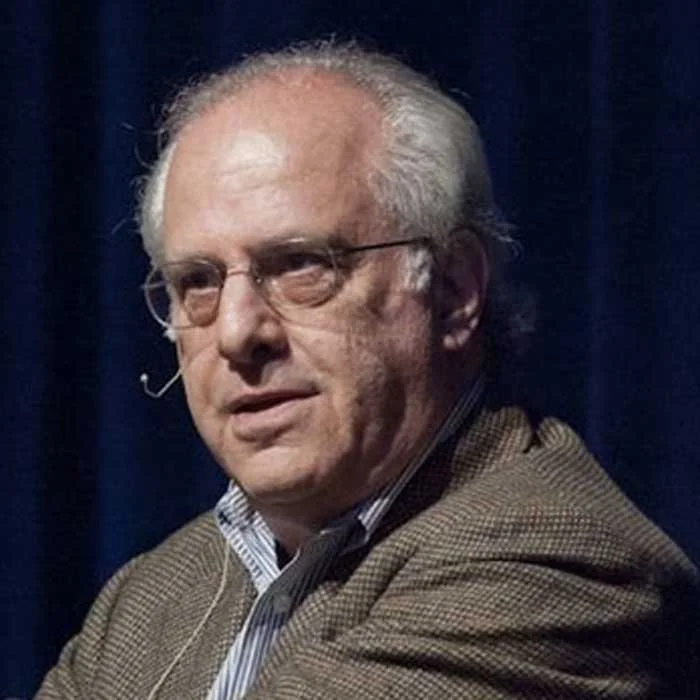
Understanding Capitalism

Understanding Capitalism

w/ Economist RICHARD D. WOLFF
Co-founder of Democracy at Work
Author · Host of Economic Update

The position of the United States in the world, economically and politically, is the weakest it has been in my lifetime. I was born in the middle of the 20th century, so I have watched the rise of the American empire and the success of American capitalism in the second half of the 20th century. However, over the last 20 years, I have watched that turn into its opposite—a decline. The decline is visible everywhere. Unless you live in the United States and consume mainstream media, there is a level of denial that will be recorded historically as one of the great examples, not just of a declining empire, which typically has people who cannot face it and who refuse to see it. You can go to Great Britain today and find quite a few people who think we still have the British Empire, even though everyone who isn't crazy knows that is silly. But we are earlier in the decline phase than the British are; they have had to endure it for a century while we have just had to do it for a couple of decades. It is fresh.

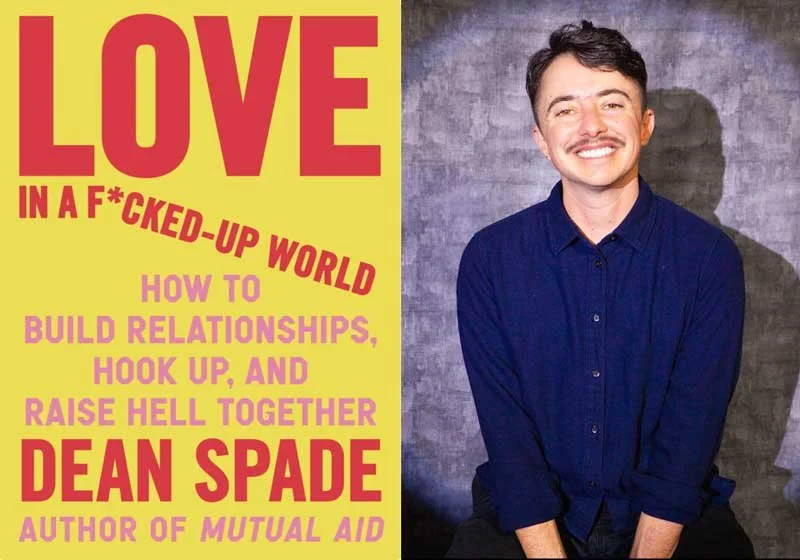
LOVE in a F*cked-Up World

LOVE in a F*cked-Up World

Conversation with DEAN SPADE about How to Build Relationships, Hook Up, and Raise Hell Together

This book has a lot of the wisdom of things that feminists and queers have learned in the community about sexuality, but the book is really for anybody who is political, even those just starting out and beginning to realize that there is something wrong with the systems they live under. I want to be in movements. Our movements are made of relationships. So, if you're just getting into our movements, or if you've been here for years and have been watching the ways we hurt each other and fall apart relationally, this book is about identifying these common patterns.

Can Finance Revolutionize Climate Action?

Can Finance Revolutionize Climate Action?

A Conversation with MARK CAMPANALE · Founder of Carbon Tracker

Carbon Tracker is a non-profit financial think tank focused on change and the energy transition. I set it up because I spent 20 years working in the financial world, and I noticed that a lot of coal, oil, and gas projects, even with all the evidence we know about climate change, were getting financed through banks and the stock market. It was almost as if investors were completely disregarding what climate change was going to do within our lifetime. What I wanted to do was challenge that, challenge the way people think, and challenge the financial operators, the bankers, stock exchange regulators, and investors to think about what climate change was going to do and what we could do about it. We're saying to the owners of these companies, the shareholders, "Why don't you think about what the world will look like in 50 years, and why are you putting these young people's pensions into coal, which we know is going to destroy the planet?"