

Writers’ Perspectives on Nature, Place, and Interconnectedness
How do our environments shape who we are and how we care for the world and each other? There are many solutions to climate change, inequality, and poverty around the world. How can we learn from them and transform our society?
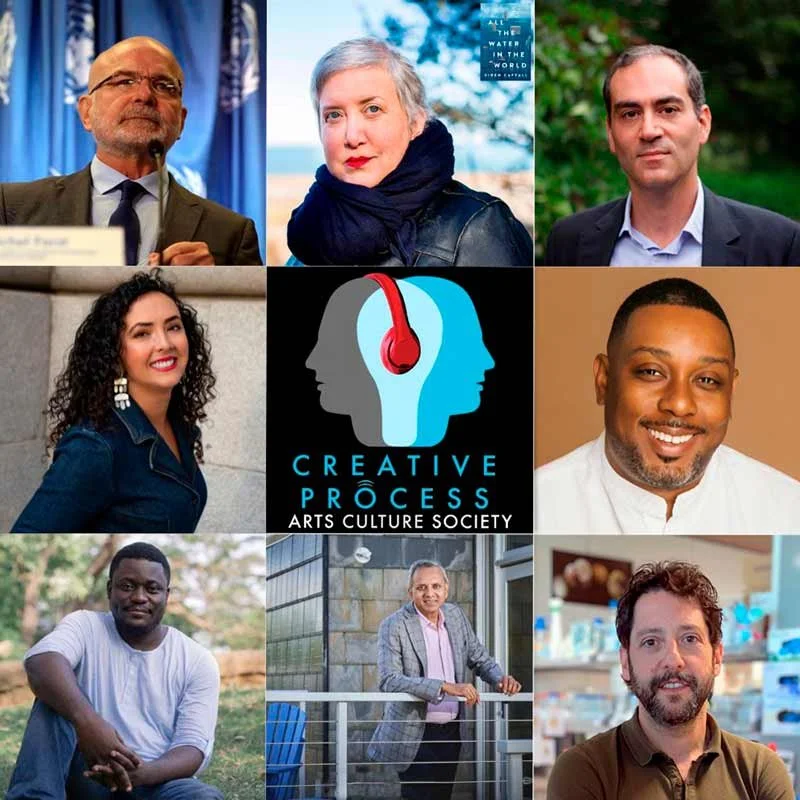
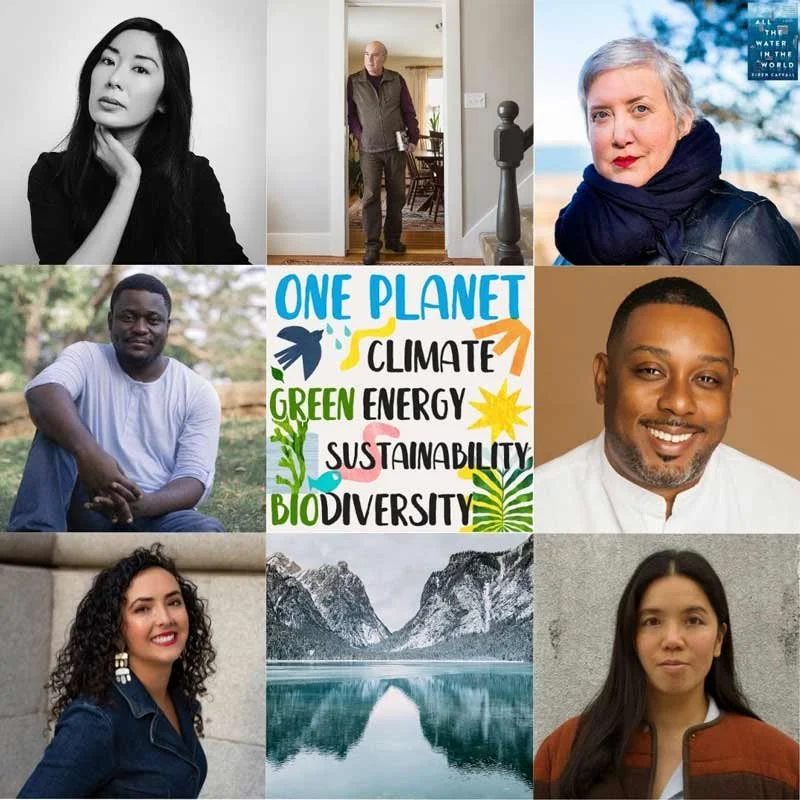
Eiren Caffall (Author of All the Water in the World, Musician) shares how interconnectedness with the planet shapes our stories and actions, emphasizing the importance of embracing complexity and emotional flexibility in facing ecological grief. 00:03, 03:27, 07:19
Irvin Weathersby Jr. (Author of In Open Contempt: Confronting White Supremacy in Art and Public Space) discusses the transformative power of meditation and nature, drawing inspiration from transcendentalists like Emerson and Thoreau. 01:24
Jay Parini (Author of biographies of John Steinbeck, Robert Frost, William Faulkner, Gore Vidal; Filmmaker) highlights the significance of place in literature and life, encouraging young people to find meaning in nature and embrace humility. 01:43
Natasha Hakimi Zapata (Journalist, Another World Is Possible: Lessons for America From Around the Globe) explores the generosity and hope she finds in people’s efforts to build better societies, and the deep connection she feels to nature, especially near water. 02:13
Audrea Lim (Author of Free The Land: How We Can Fight Poverty and Climate Chaos) analyzes how personal experiences with public lands influence our views on conservation, reflecting on childhood memories and the broader implications for stewardship. 04:31
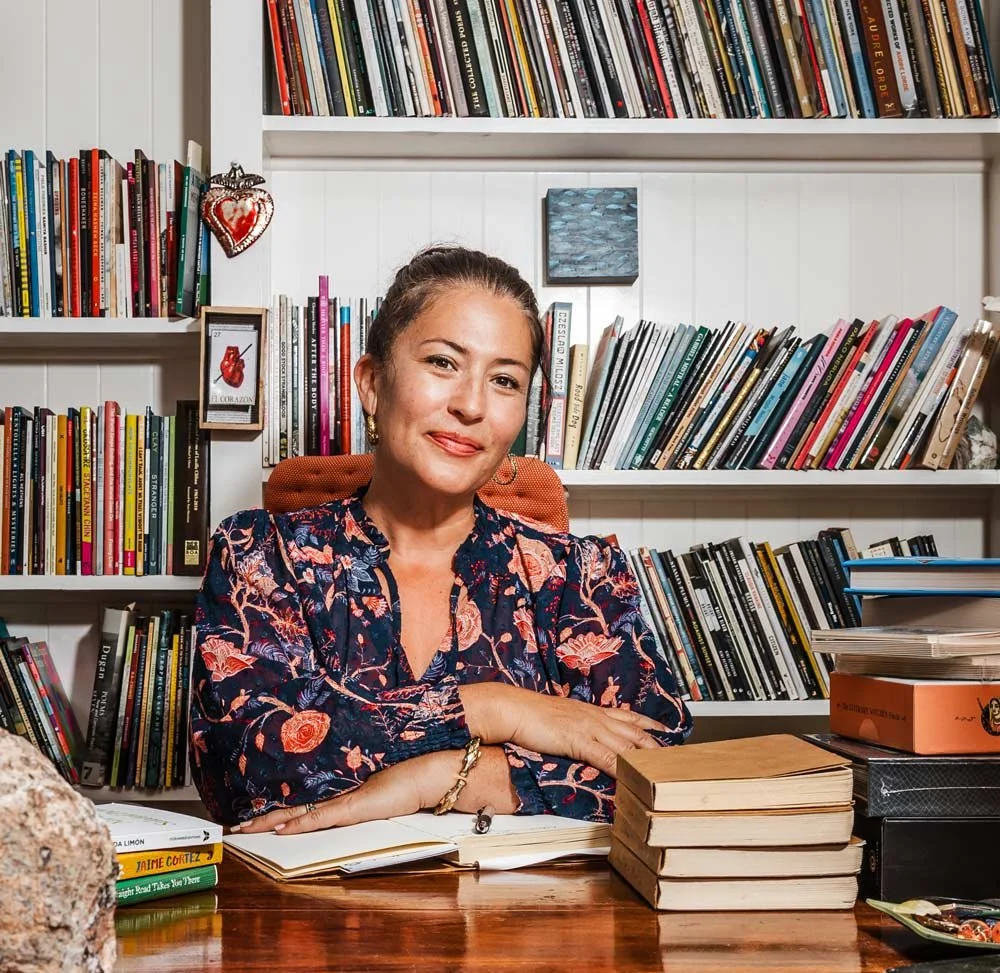
Katie Kitamura (Author of Audition, Intimacies) reflects on the role of landscape and memory in her novels, illustrating how physical places anchor emotional experiences and personal history. 08:36
Dr. Bayo Akomolafe (Philosopher, Psychologist, Writer, Founder of the Emergence Network) discusses his awe for mountains, using them as a metaphor for humility and the search for meaning beyond oneself. 11:20