There's a word for this brain rot, right? I think that's very real. There are studies coming out now that are showing that the more and more of our cognitive labor we offload to AI systems, the less creative we become, the less critical we become, and the less of our human faculties for reason we use. There's something sad about that, but there’s also something dangerous about it because that leaves us very open to being manipulated. The surveillance capitalism kind of economy of extracting data from every possible moment of everyday life in order to extract value. The sensor systems that we're surrounded with are not simply passive devices that are recording us; they are increasingly becoming active sculptors of our experience of reality. Playing dirty.
If we look at the entire history of the human experience, if you saw some text or you heard some spoken language, you could 100 percent reliably infer that there was a human who created that. Our experience of having that text or that image generated for us is very akin to the experience of a magic trick, and we sort of pre-subconsciously want to attribute some kind of intelligence to what's going on on the other side.
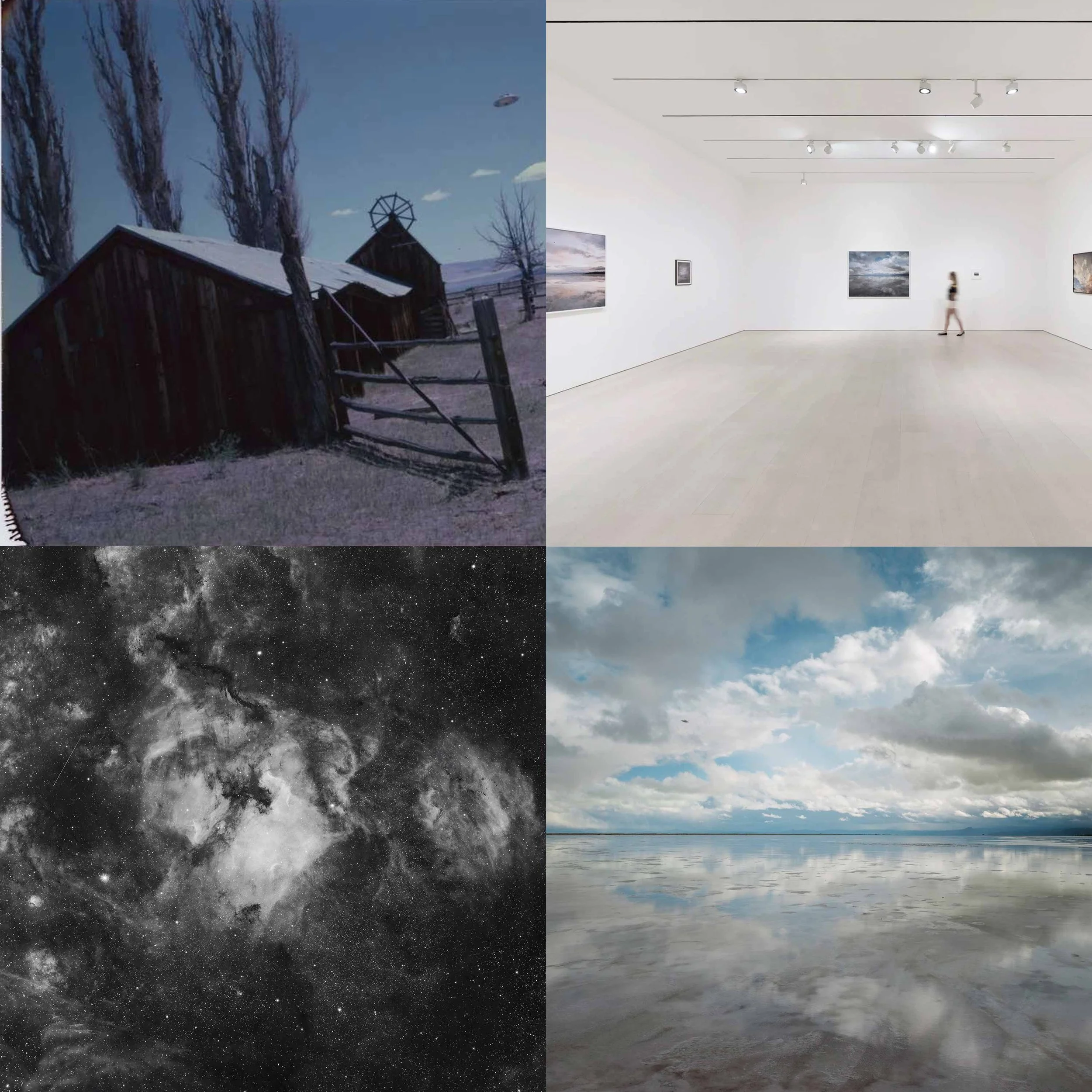
I’m trying to think about these other media strategies, whether that's UFO photography, psychological operations, magic, or neuroscience, and take them seriously as contributing factors to the changing visual culture. With the collection at Pace Gallery, (New York, Jun 26–Aug 15) it was really just to put those images together and show them. They’re all photographed on film. A lot of them are photographed on instant film. They’re not images that are made with AI; they're not images that are photoshopped. What I really wanted to get at was thinking about the ways in which what we see in an image is very often what we're predisposed to see. I am playing with these mechanics of perception and proposing that as a way of thinking about images now.
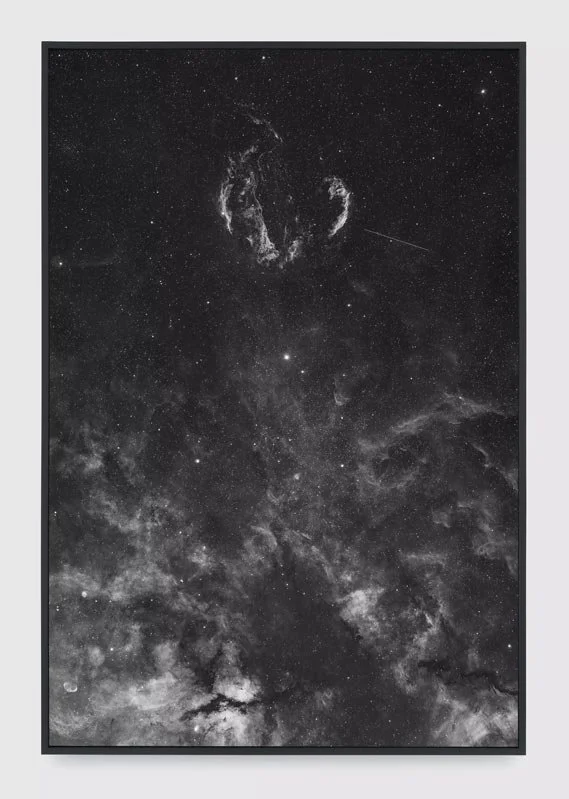
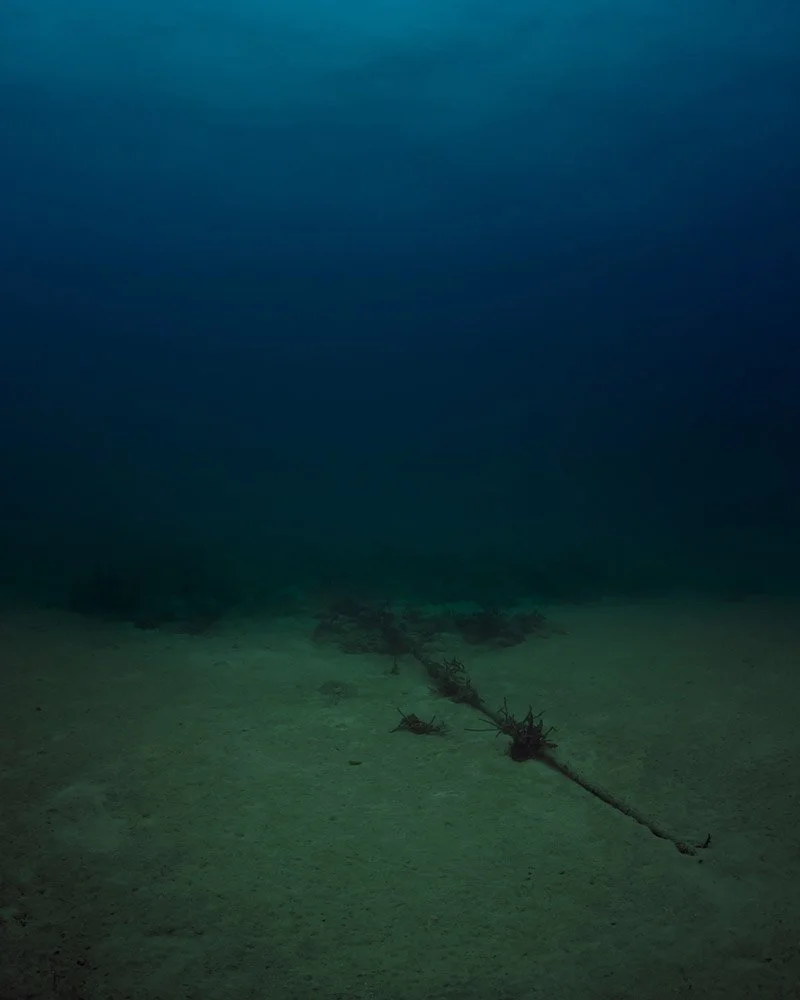
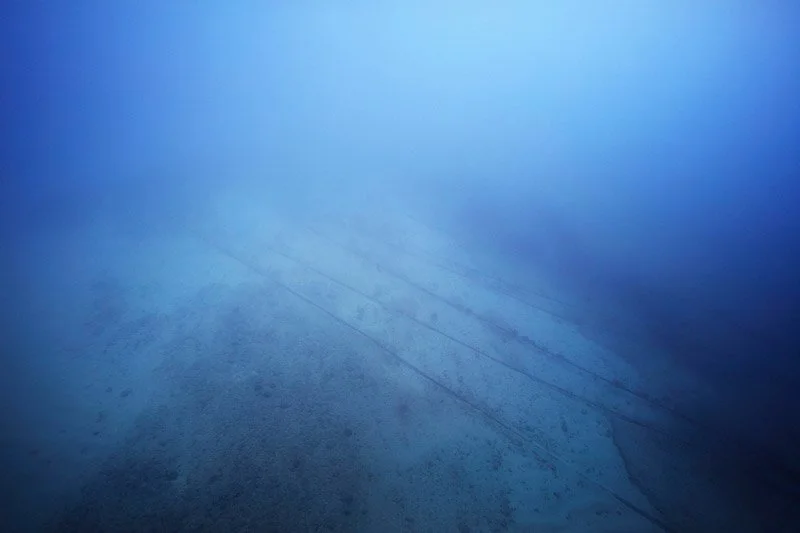
At the core of the work is that sense of curiosity, that sense of joy, that sense of beauty, and that sense of learning. I've been fortunate to have all kinds of strange and interesting experiences, whether that's seeing weird things in the sky over secret military bases in the middle of the Nevada desert, going scuba diving and finding internet cables on the bottom of the ocean, or tracking spy satellites in the sky and being able to predict when they'll appear in a flash against the backdrop of stars. The world around us is extraordinary and embodied, right? It is not on screens, and I’m very privileged to have that be so much a part of my process.
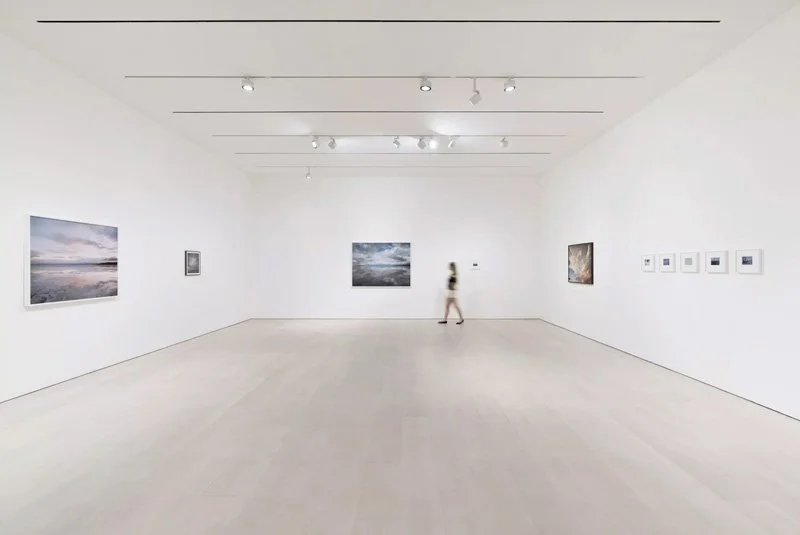
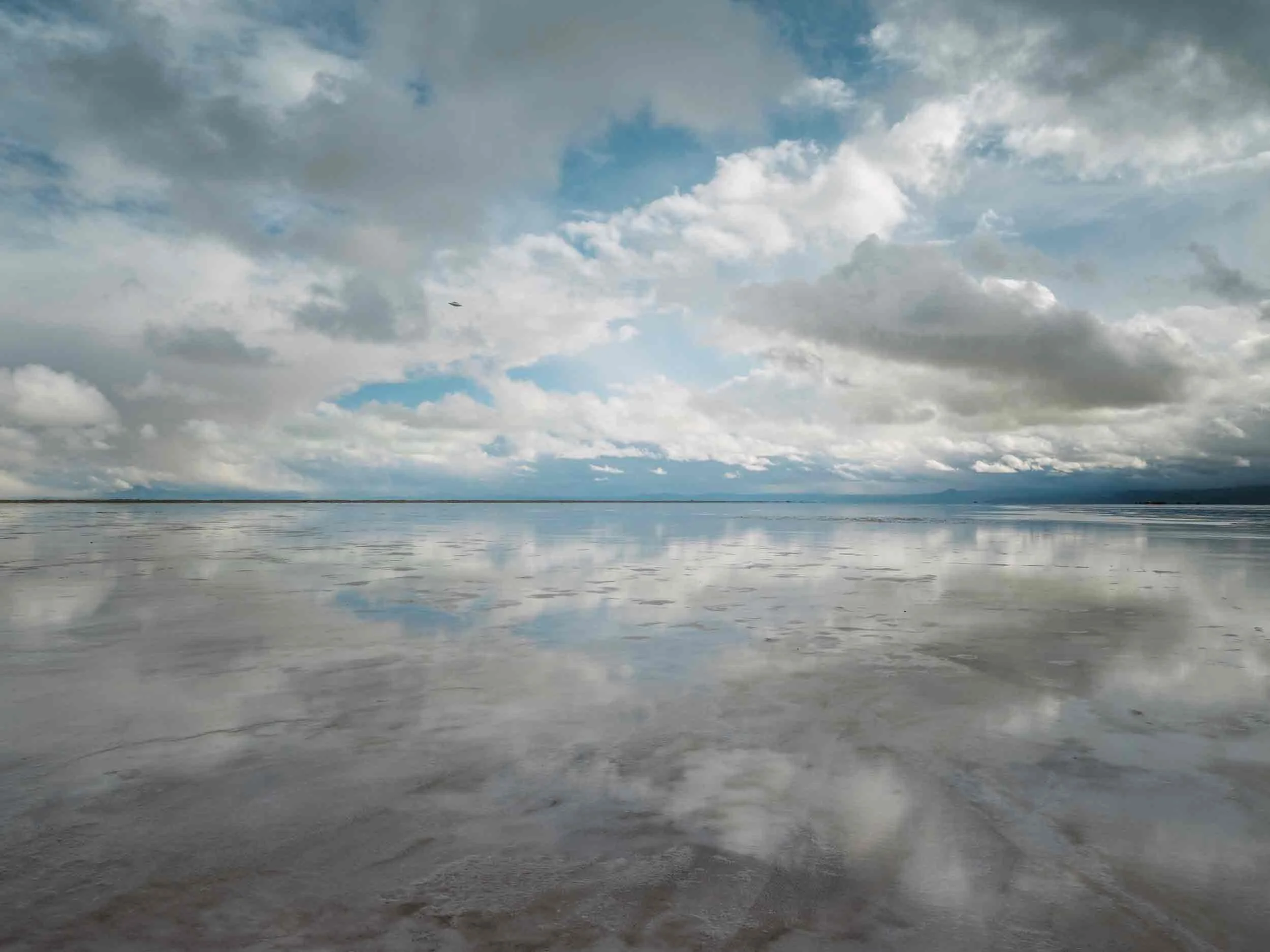
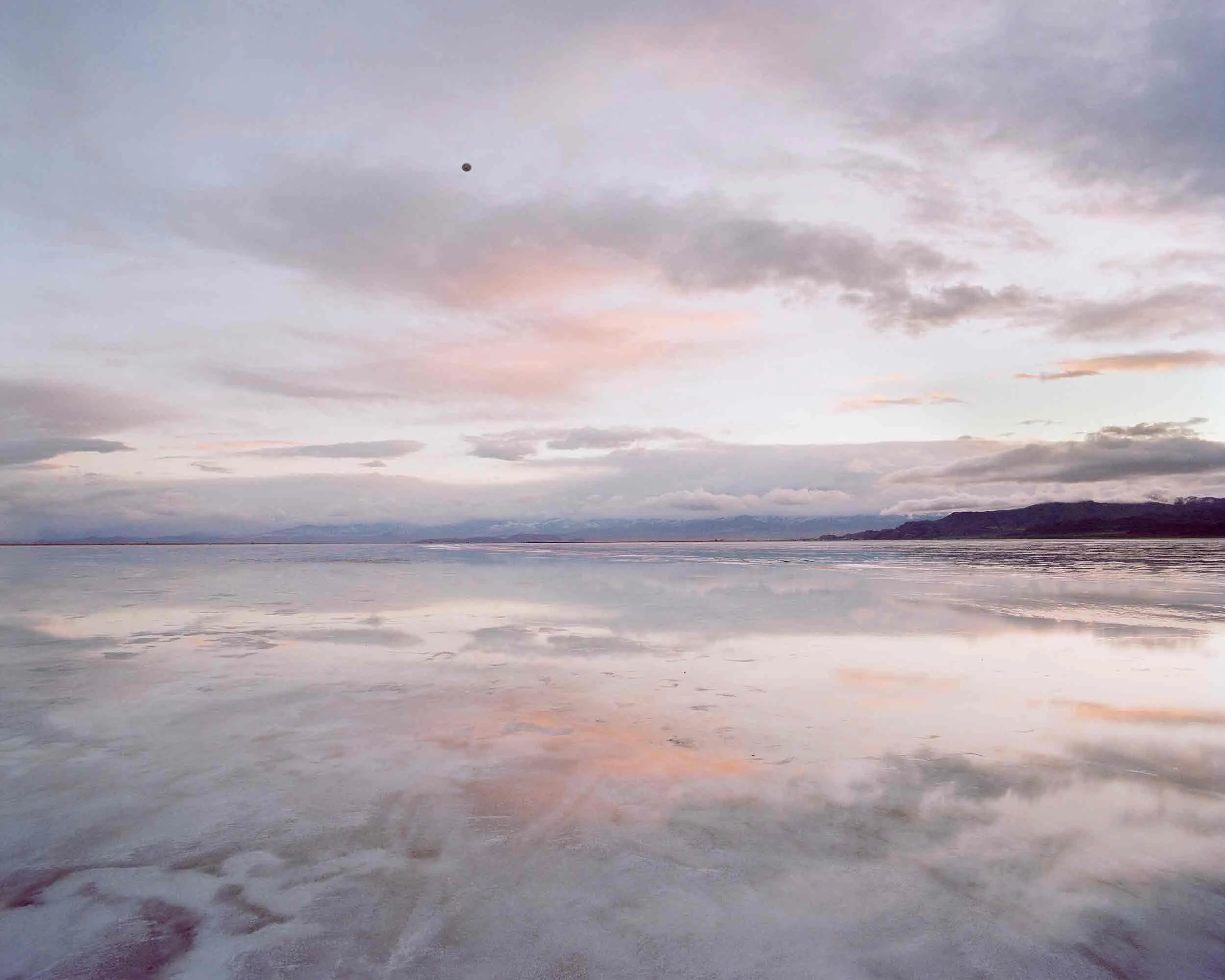
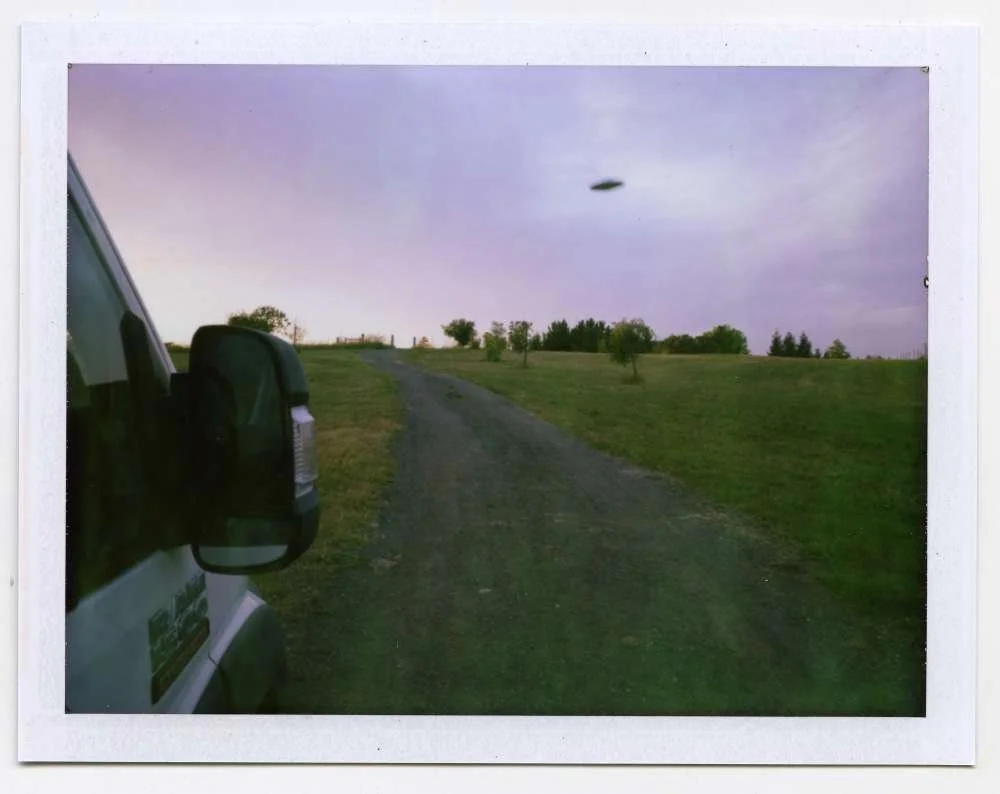
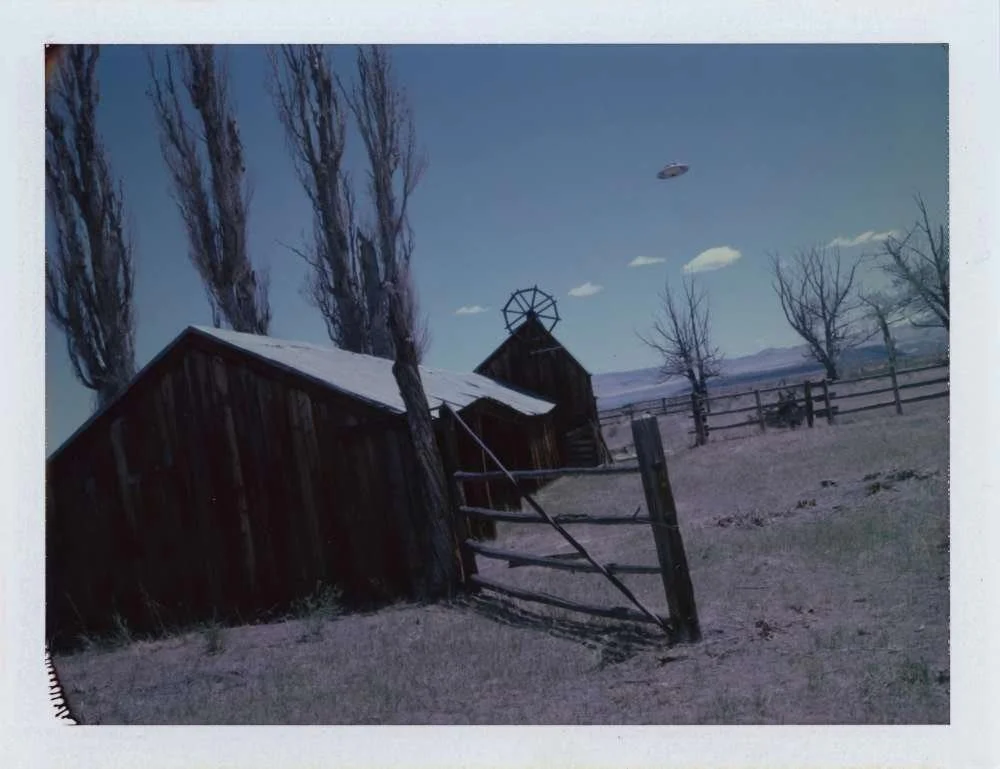
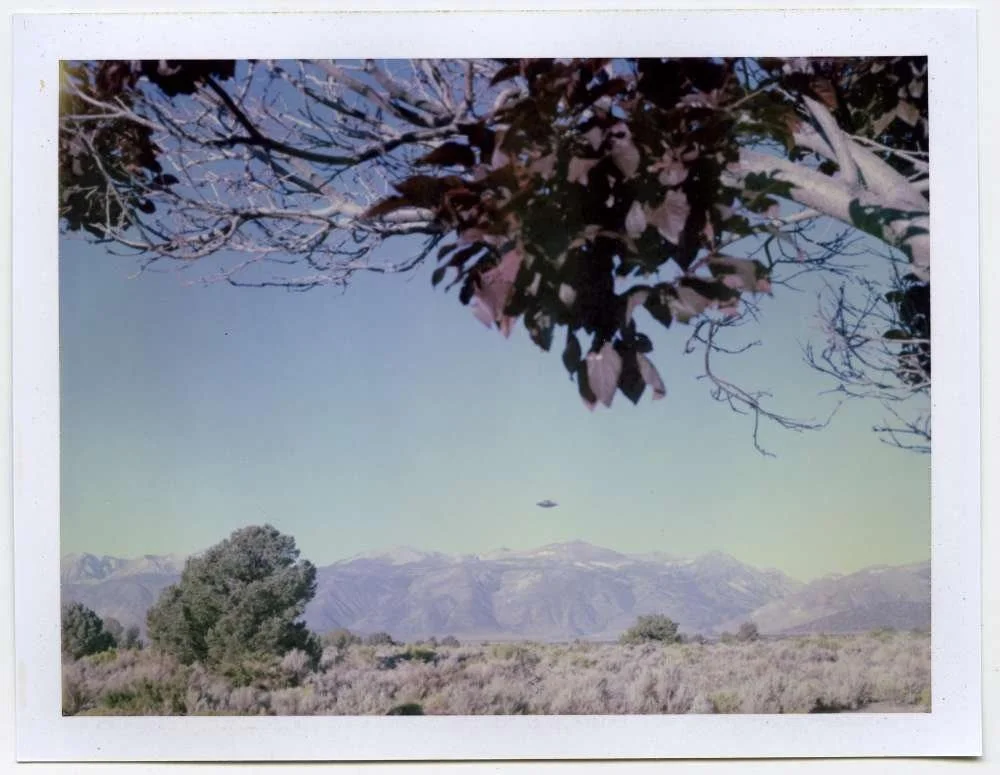
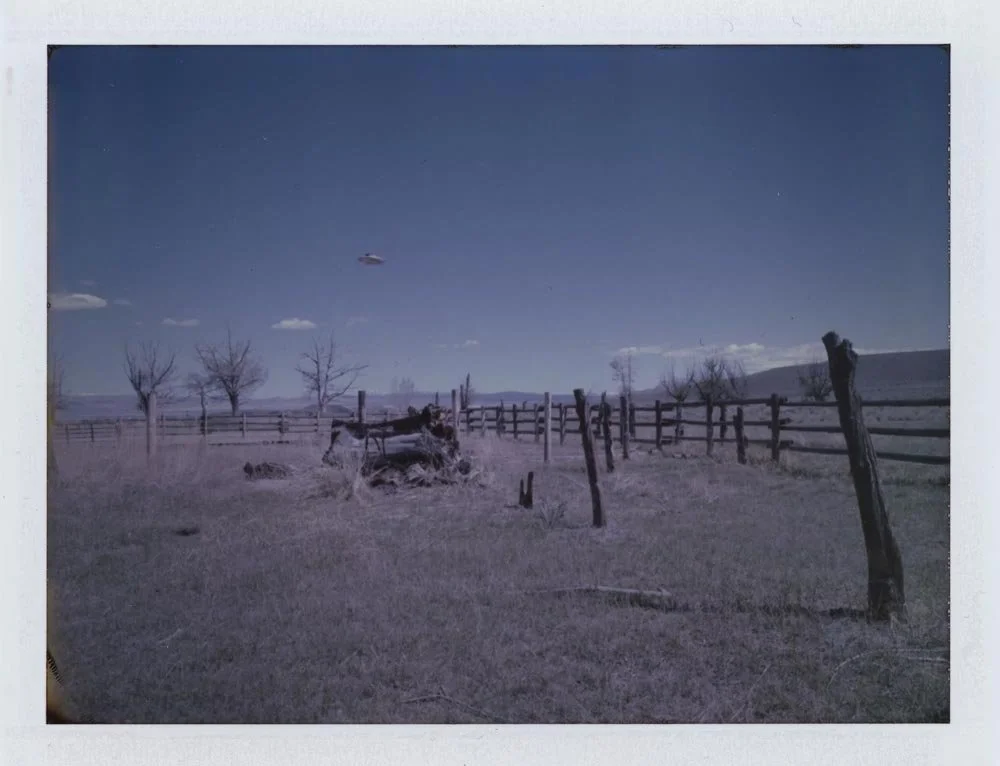
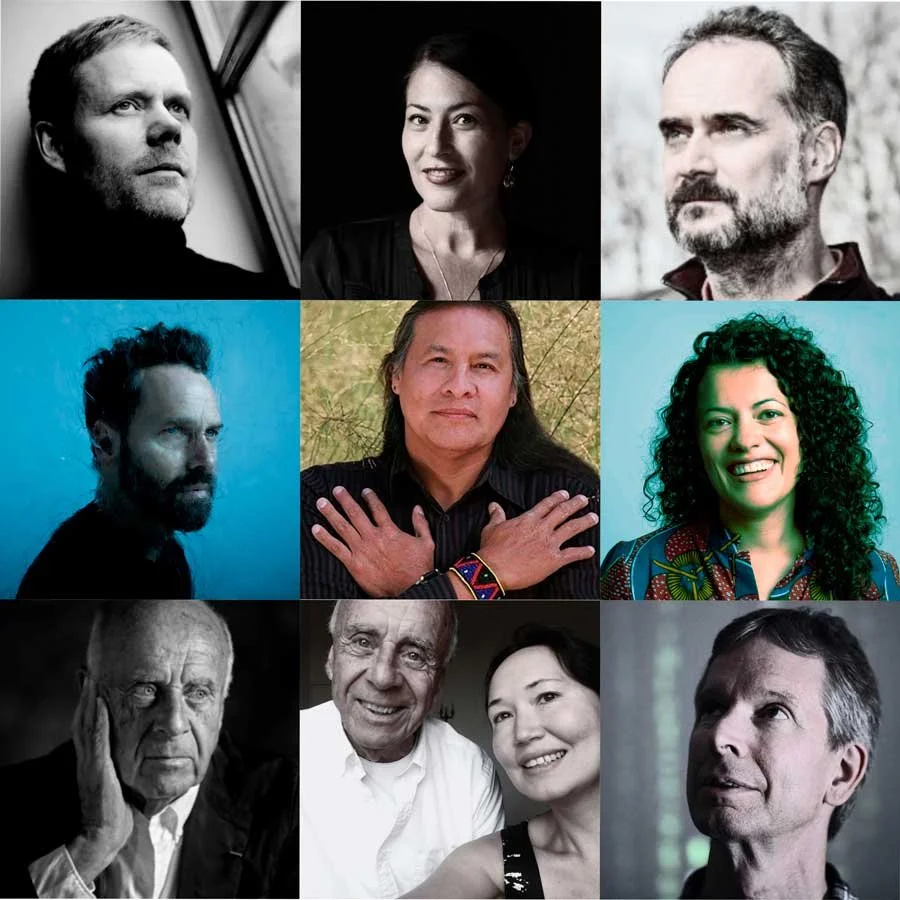
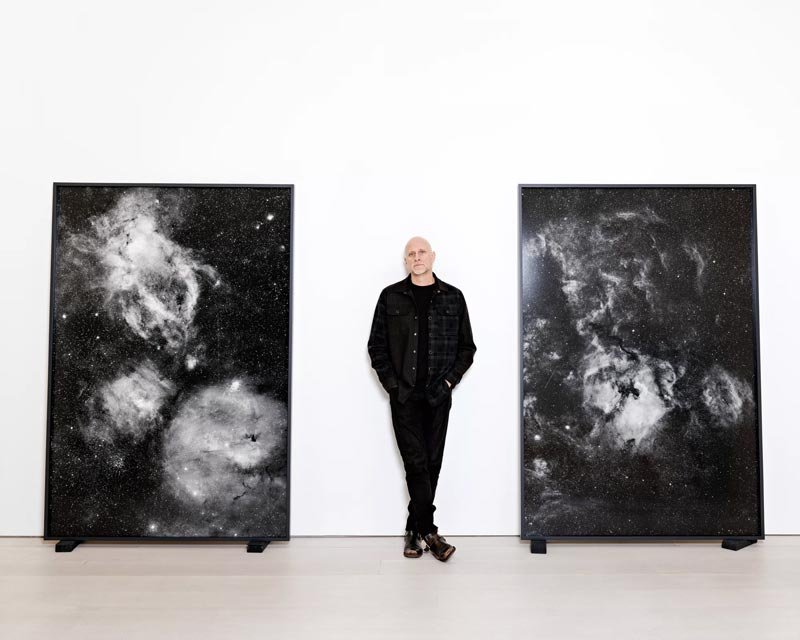
Trevor Paglen is an artist whose work makes the invisible visible, whether he's photographing secret government sites from miles away or revealing the hidden infrastructures of mass surveillance. He's a geographer by training, and he combines investigative journalism with his art practice to explore the hidden power structures of our time, including military technology and artificial intelligence. His work has been exhibited in major museums around the world, and he's also an award-winning author. His exhibitions, like 'The Black Sites' and 'Limit Tele-photography,’ have earned him critical acclaim, including a MacArthur Fellowship. He's recently opened a new exhibition at Pace Gallery in New York called Cardinals, which delves into the intriguing connections between UFO sightings, AI, and the spread of disinformation.
THE CREATIVE PROCESS
We were discussing a little bit before we started recording about how your work really embraces the whole world. It reflects on how art allows us to communicate with ourselves and each other and consider the deep societal shifts. We look back at the last 30 years of social media and see the polarization of politics and how it's shaping our identity. Before we begin to discuss your latest exhibition, Cardinals, how do you envision the next 30 years of humanity as we enter this age of AI, where machines not only generate art, but also influence emotion, culture, and truth itself?
A lot of us are asking what it means to remain human in a world increasingly shaped by intelligent systems designed to reflect, persuade, and seduce us.
PAGLEN
Well, that's a tremendously complicated question to answer. I have a few initial thoughts. The first thought is that I think we're in the middle of a revolution in our relationship to images that is definitely a bigger deal than the invention of perspective and almost certainly a bigger deal than the invention of photography. Those are two literally world-changing moments in our collective visual culture.
In the last 15 to 20 years, we've had two of these revolutions. The first is the advent of computer vision, where computers are getting good at recognizing everything from faces to oranges and apples. The second would be the generative turn that we've seen over the last few years.
When we project forward, I think 30 years is too long. Having just gone through 15 and having these two historical revolutions happening in our relationship to images, who knows what happens next, but there are many different things going on. On one hand, we're seeing the rise of a visual culture constituted by images and technologies that are not only about us looking at them, but are also about looking at us.
You can think about an obvious example, which would be a computer vision system. A second example would be algorithmic recommendations, something like media that you're interacting with, profiling you and showing you images designed to maximally engage you. The third piece is a kind of affective modulation, meaning media that is trying to influence you in one way or another.
That's the background, and that's new. While there’s precedence to these features in the past, that has become the kind of dominant paradigm now. This is happening in real time with a lot of A/B testing and behavioral feedback.
There's another question that has to do with the degree to which the images we see are tethered to reality, for lack of a better word. When we think about the image culture we've lived with since the later part of the 19th century, we could reasonably conclude that an image that looked like a photograph had something to do with something that happened in the world. We can dispute the details of that, but there is a kind of collective common sense that assumes many of the images we see, particularly photographic ones, are evidentiary in one way or another.
I wonder what happens when that disappears. I think we're already seeing much of that. It’s very easy now to dismiss images as being fake or photoshopped. However, I think we're moving toward a world in which we simply cannot trust much of the media that we see, and we don't trust it on an intuitive level.
That can have enormous consequences. On one hand, you can have a crisis of reality, which begs the question of what are the means through which we decide to trust certain forms of media and not others. My fear is that the mechanism we use to trust images then becomes vibes, basically. We want to trust images or media that show us things we're predisposed to believe, and that furthers this fracturing of reality, for lack of a better word.
THE CREATIVE PROCESS
There are many interesting points in that and in your body of work. You mentioned the experience of going into a cathedral, which was a kind of magic. They knew it wasn't quite real, but it was a collective image-making experience. As you compare that to AI, it is a kind of collective image-making, but we can't see into the black box.
We're contributing to it; we've definitely been scraped. But we don't have that sense of community that we can feel and touch. They have these vast digital communities, but it doesn't have that sense of trust because it doesn't come from us. It's not the many hands that made a cathedral. The sense of a shared mythology is just so muddied.
There's also the issue of churches raising money. You know about the wealth of a church; it's designed to make profit. With AI, jobs are being lost. There's a profit motive that doesn't consider humanity. Art has always been aligned with commerce, but it feels like it's simply being used to make money for these mega-corporations that are dominating the space.
We also need to talk about the pre-digital images, the pre-AI images, which represent a certain purity. In the last hundred years, especially the last 50 years, the situation has changed drastically. If we make an analogy to food, we can look at what fast food has done to our bodies and the rise in diseases like inflammation and cancer.
In wealthy countries, people are dying now because they're consuming too many calories but not being nourished. Visually, we're consuming so much, yet we're facing the loss of trust, misinformation, and disinformation. It's not just funny videos on TikTok; it's influencing elections and many other dangerous movements. We don't understand the consequences.
Now, the situation in the U.S. has changed because of the executive order on the safe, secure, and trustworthy development and use of artificial intelligence under Biden, but that's been dissolved under Trump. It raises questions about guardrails being put in place to protect humans. Cars were being driven for over half a century without seat belts until 1961 when the first legislation made them mandatory. Trump has now effectively removed any protections for AI users. We're sort of the guinea pigs in this turbo-tech experiment. For me, this seems reckless, and what I love about your work...
PAGLEN
It's funny that you brought up the example of industrialized food products. We have a code name for different projects in the studio, but one of them is Monkey Doritos. This project looks specifically at how images and visual culture are kind of neurologically engineered to be maximally exciting to both cognitive and precognitive parts of your brain. This is very analogous to the ways in which industrial products, like Doritos, are made.
They're objects that look like food, but they're not actually food. They're industrial products designed to maximally stimulate different parts of your sensory system. I think you can see something analogous happening in the visual culture.
THE CREATIVE PROCESS
So, let's talk about Cardinals. You're presenting these photographs at the Pace Gallery, and you've described this moment where our relationship to images and truth is being entirely upended. Could you tell us a little bit about the genesis of Cardinals, that particular body of work, and how it engages with your broader body of work?
PAGLEN
As you mentioned in the introduction, I have spent a lot of time out in the desert around weird military bases, looking at the sky. Over the course of doing that throughout my career, I’ve seen lots of weird things in the sky and photographed them. I've kind of built up this collection of UFO photos, for lack of a better word.
Some of these photographs are things I genuinely don't know what they are, while others are things that I do know what they are, but I photograph them in such a way that makes them appear much more ambiguous. I've had this body of work kind of in my back pocket, and I've been thinking a lot about how we are now in a media environment where photographic images have become detached from reality.
I've also been considering the earlier forms of that. One obvious earlier form is UFO photography. There are photographs that carry the promise of being attached to the real world, but at the same time, they're also very ambiguous. You don't know exactly what you're looking at, and you have very little context.
I have thought about things like UFO photography, spirit photography, and cryptozoological photographs as early forms of what is now the paradigm of all images. The collection at Pace is really just putting those archives together, showing those images. They're all photographed on film, many of them on instant film. They're not images made with AI or photoshopped.
What I wanted to get at was thinking about the ways in which what we see in an image is often what we're predisposed to see. What we imagine we see is often much more important than what it is that we're actually seeing. I'm proposing that as a way of thinking about images now.
THE CREATIVE PROCESS
It's interesting. It goes back to that engagement with magic, the sense of wonder. I mean, I haven't delved deeply into these matters, but you've gone deeper. You've looked at whether some of these were military objects. I keep an open mind because I believe the universe is alive.
I think we can only see so much based on our biological limitations. Beyond that, there is life on other planets. We’re learning how the soil is teeming with life, something people weren't even considering before. I think there are definitely possibilities. I haven't had those encounters, but it's intriguing, the psychology of people who embrace the pursuit of UFOs or nature, or who look to alternative religions to explain the world to them. In a confusing world, having one narrative that makes sense of it all can be quite comforting.
PAGLEN
Yeah, all of those factors are around the UFO phenomena. You have a prompt that asks you to consider very big questions about who we are in the universe. There’s also a religious prompt; for example, you can think about UFOs akin to angels or sightings being akin to experiences of the sacred.
Then you have the endless debates about the veracity of one image or another—whether they're real or not. There’s the social prompt as well; the UFO community is notoriously filled with infighting, bickering, and attacking one another. It thrives off that kind of attention.
You also have the disinformation piece. Historically, UFOs have been used by intelligence agencies and militaries to divert attention and carry out deception operations. All of these factors are present when looking at that world of UFOs, and I believe they mirror our current relationship to reality.
THE CREATIVE PROCESS
This is not a foreign world, so I wonder what first sparked your attention to look under the hood of how we do business, both at home and abroad.
PAGLEN
I started poking around military bases to understand what kinds of new technologies might be developed there. This project goes back quite far. A long time ago, I wrote a PhD dissertation about military secrecy in a geography department. The question I was asking was: if you're the military and want to create a place that doesn't exist, how do you do that? How do you make a secret Air Force base or a secret intelligence-gathering operation?
In doing that work, I regularly encountered places that felt like disinformation, where there was something very weird going on. There's an aspect of this world that is about manufacturing upside-down visions of reality. At that time, I had to bracket that out and say, whenever I get near this space, I’ll ignore it because it's psychologically very difficult to deal with—intentionally manipulative.
In the last few years, as we observe this changing media environment, those questions that I didn't want to confront have become important to explore.
THE CREATIVE PROCESS
The psychological operations element feeds into the development of AI and different algorithms, which are gathering big data. It's gathering all sorts of information about us, predicting not just our text but our actions. It's pretty sinister. What are some of the more surprising and alarming things you've discovered about that?
PAGLEN
Yeah, I participated in a larger project of trying to make sense of the kind of algorithmic, AI-fueled media environment we’re in. I was looking for historical precedents—fields from the past that can help us make sense of it. I mentioned magic and UFO photography before; another thread is psychological operations. These are military deception or influence operations that manipulate our sense of reality, either at a societal level or targeted at individuals.
I’ve gone back to read many how-to manuals from that field and looked at that history, revealing many different threads. One thread definitely relates to magic. When you examine the history of CIA mind control programs, like MK Ultra, one of the first people they hired for that project was a magician named John Mulholland.
They brought a magician in because stage magic is based on understanding how perception doesn't completely align with reality. The art of stage magic plays with the fact that I can make gestures that you perceive differently. The effect can feel supernatural; you may even feel the laws of physics are being defied. Magic excites us for that reason.
There's also a strong correlation with early AI research, funded by programs meant to develop techniques for influencing perception or conducting surveillance.
You can view our experience using AI as somewhat magical as well. When we input a prompt into a system like ChatGPT, and it generates language back, it feels extraordinary. For all of human history, if you saw or heard text, you could reliably infer that a human created it. But now, when we have text or images generated for us by AI, we attribute intelligence to what's happening on the other side.
This situation has historical roots going back to the 1960s with the creation of the first chatbot by Joseph Weizenbaum at MIT. It was a simple chatbot that took the form of a therapist, and even by today's standards, it was crude but was perceived as intelligent.
We have that historical thread, and another neurological thread aims to measure cognitive and pre-cognitive responses to different images. There are early experiments from the 1960s involving implanting electrodes in people’s brains to control movements and emotions. There’s also a history of subliminal messaging and overt communication forms.
I’m trying to think about these media strategies—psychology, UFO photography, psychological operations, magic, neuroscience—and take them seriously as contributing factors to this changing visual culture.
THE CREATIVE PROCESS
Today, we're witnessing the decline of the American Empire. Despite having seen a military upbringing and the American military being spread across the globe, economically, it's not as powerful with the rise of BRICS nations. The idea of a unipolar world is on shaky ground. So, AI opens up a new area for dominance.
We observe similar language and tactics in the AI arena, almost like a new great race, and America is determined not to lose to China. It’s still dangerous, though. The fallout may be less fatal, but we’re talking about surveillance as the greatest surveillance manipulation tool we’ve ever had access to.
How do you see that playing out? Is it replacing American dominance on one level, while also opening up this new area?
PAGLEN
We are surrounded by devices that continuously collect very precise measurements of our activities, not happening in a vacuum. There's a whole economy built around that. The industry is trying to figure out how to extract maximum value from moments in time that, previously, there was no efficient way to access.
In the 1960s, you could have installed a sleep monitor in everyone's house and sold that data to health insurance companies, but it would have been too expensive. Now that it has become cheaper, we're seeing the rise of industries designed to extract such data.
What does that mean for us? It means new industries are emerging, but it also means that our everyday life is being extracted from, as we’re now essentially paying rent on many things we weren’t paying rent for before.
This "rent" can come in various forms; for example, your health insurance premiums might be affected by micro-measurements of your behavior. This is what internal literature in insurance companies expresses as a goal. The point is, we should think about how AI transforms the economy and our daily lives, making them increasingly extractive.
THE CREATIVE PROCESS
Yet it's those dreaming spaces that many artists, creative thinkers, and leaders depend on for inspiration—the things that don't have a price tag. We need to rest. Animals rest most of the time and summon their energy only when needed. Yet, we're not allowing ourselves to rest. So, where do we get a chance to rest?
PAGLEN
I think there's a term for this—brain rot. I think that's very real. Studies show that offloading more cognitive labor to AI systems like ChatGPT leads to decreased creativity and critical thinking. We become less likely to use our human faculties for reason.
There's something sad about that, but it’s also dangerous because it opens us up to manipulation. This connects back to the surveillance capitalism economy, where we extract data from every possible moment of our lives to gain value from us. The sensor systems surrounding us aren’t just passive recording devices; they’re becoming active sculptors of our reality, all in the name of profit.
THE CREATIVE PROCESS
What are your reflections on the future of military technology and warfare? I hate to think that we as consumers are inadvertently training or enabling that.
PAGLEN
It's interesting; in my mind, the distinction between military and consumer technology has collapsed so much that I struggle to identify those differences. There are, of course, differences between warfare and everyday life.
Yet, in many ways—it might sound hyperbolic—we're waging war upon ourselves. That is something that keeps me up at night more than considering military applications of AI in traditional contexts.
THE CREATIVE PROCESS
You've mentioned hallucinations, and you had an exhibit titled Necessarily Evolved Hallucinations. How did this evolve, and how are these works in conversation with each other?
PAGLEN
That project came out in 2017. In my studio in the mid-2010s, we started building various AI applications, including a substantial computer vision framework for our art-making.
As I observed the development in that field, I thought it was such a crude way of understanding vision. The idea that a program looks at a picture of an orange and just labels it "orange" seems philosophically impoverished. Throughout human culture, it's very rare for an image simply to be about what it appears to be. Images are often allegorical or metaphorical, and visual perception is slippery and strange.
I wanted to see whether I could build classifiers that interpreted the world through different taxonomies that humans historically used to categorize images— for example, through Freudian psychoanalysis. When you visit your therapist and talk about a dream involving your teeth falling out, your therapist won't simply tell you to improve your dental hygiene. They will see it as a representation of something else happening in your mind.
I tried to build a classifier to interpret the world through the lenses of various historical categorization methods, such as Dante's guiding through the circles of hell or the Monsters of Capital, where the classifier interpreted everything as a monster symbolizing a capitalist moment—like a vampire sucking the blood of the working class or a zombie representing mindless consumption.
This project represents a very early version of what we now refer to as generative AI. Even back then, we were using terms like “hallucinations” and "synthetic activations" to describe the processes in the black box of these systems and to start defining the kinds of media emerging from them.
THE CREATIVE PROCESS
As someone who has deeply engaged with experimental geographies—documenting the skies, marveling at the natural world, and even sending works into outer space—I wonder if you could share some experiences highlighting the beauty and wonder of nature and how they inspire your current work.
PAGLEN
At the core of my work is that sense of curiosity, joy, and beauty that comes from learning about the wonders of the world. I've been fortunate enough to have many strange and interesting experiences, whether seeing odd phenomena in the sky over secret military bases in the Nevada desert, scuba diving and discovering internet cables on the ocean floor, or tracking satellites and predicting their appearances against a backdrop of stars.
The world around us is extraordinary and embodied; it is not confined to screens. I'm privileged to have these experiences as such a vital part of my artistic process.