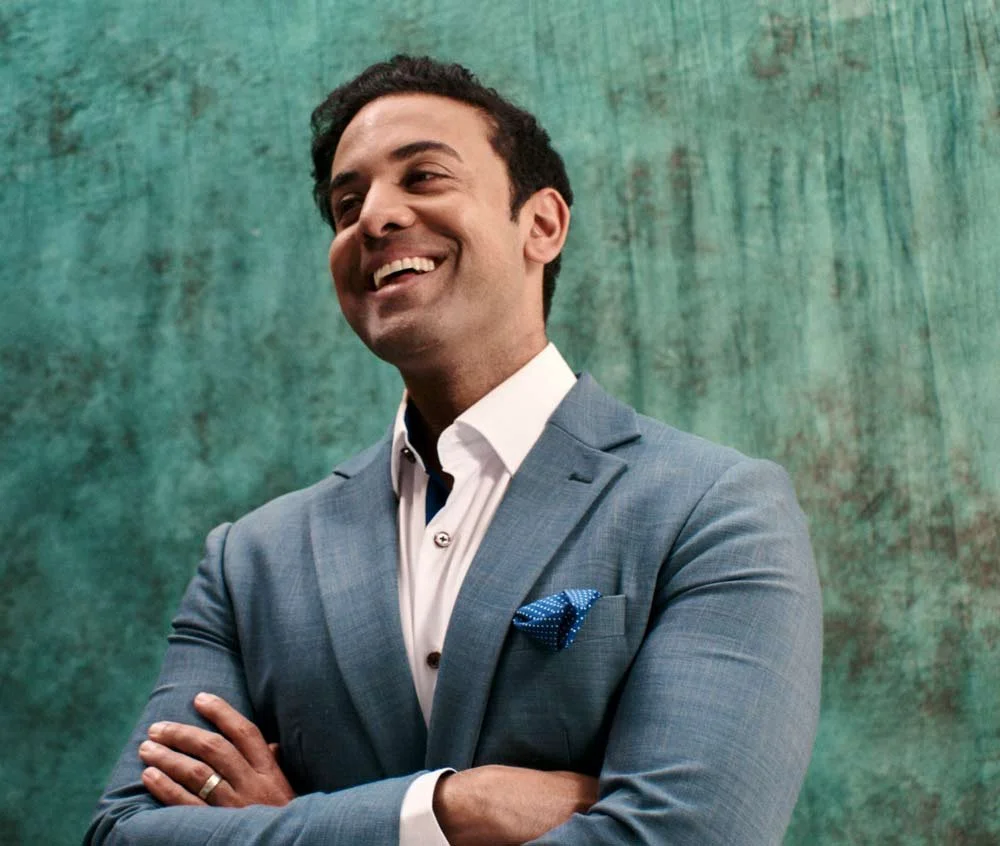


Dr. Adeel Khan on Muse Cells and the Future of Regenerative Medicine
I think the most important thing that I've learned through this whole journey is that we are ultimately here to help one another. And as a doctor, my job is to try to help as many people as I can with the technologies and kind of the gifts I have, so to speak. And I think everyone has their own unique gift and finding that and knowing how you can share that with the world is really what you should focus on. I think a lot of people have heard the word "stem cells"—it’s kind of become part of the zeitgeist almost, where people are just like, "Oh yeah, I think I've heard of stem cells." And when people think about it, I think they think regeneration. They think healing, which is kind of the whole idea behind stem cells.
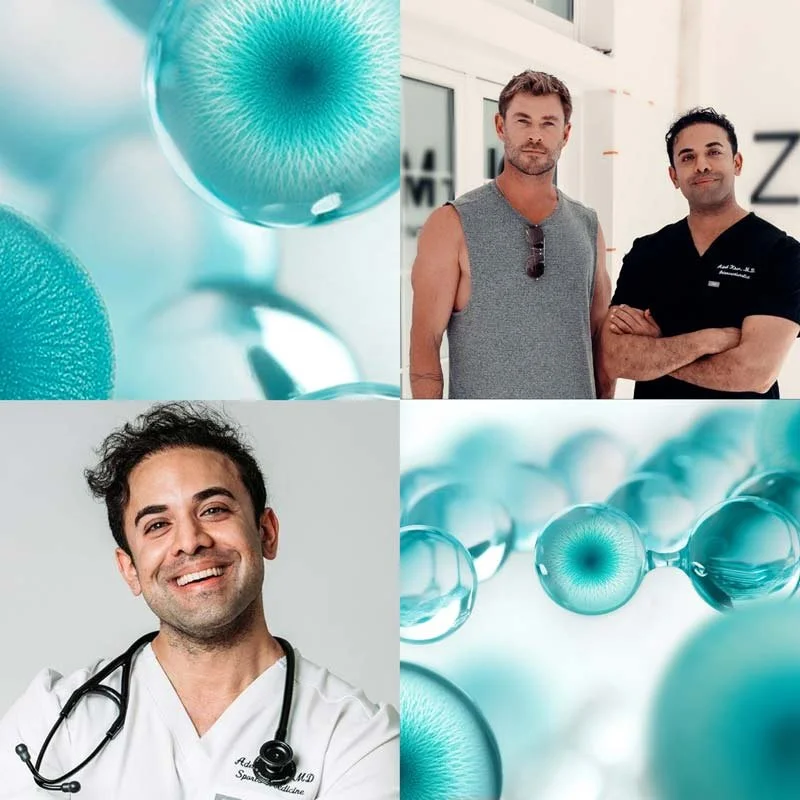
If you suffer from chronic pain or a degenerative disease, you know that modern medicine often focuses on managing symptoms with drugs or, eventually, invasive surgery. But what if your own body could truly heal itself, not just temporarily patch things up?
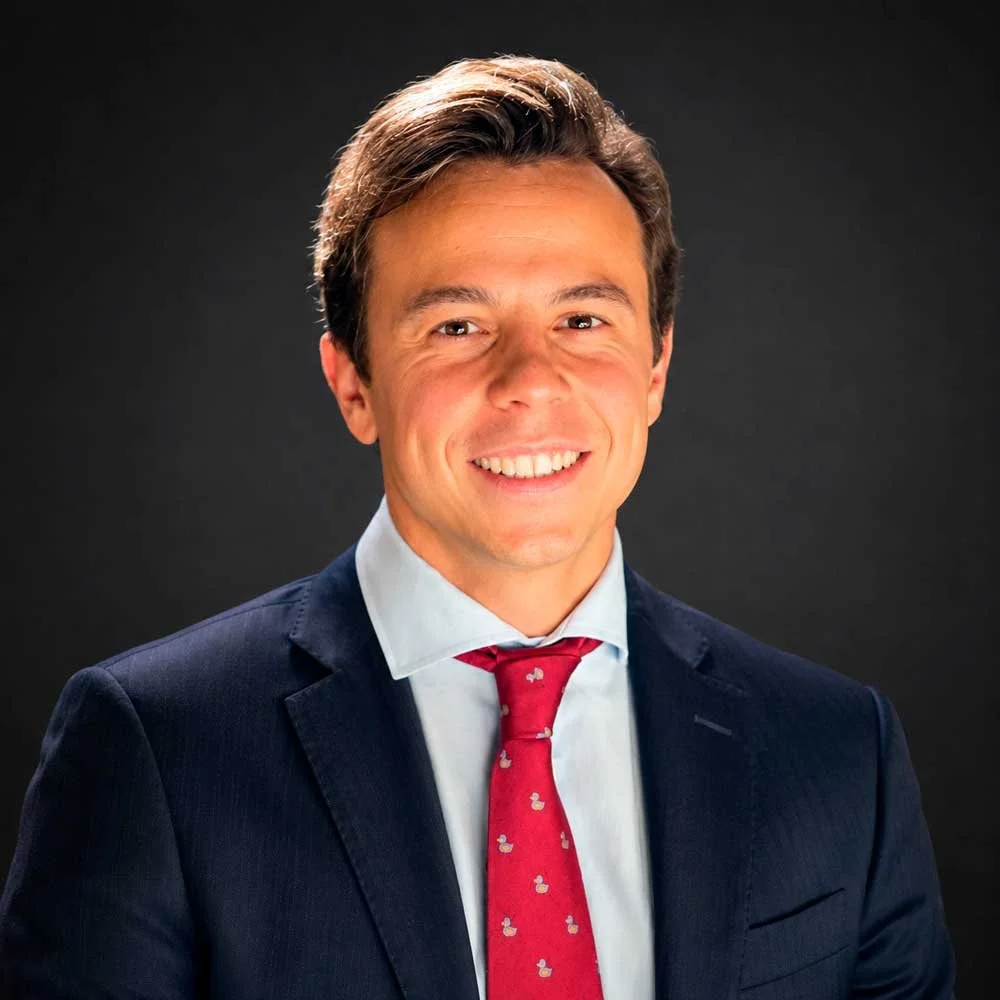
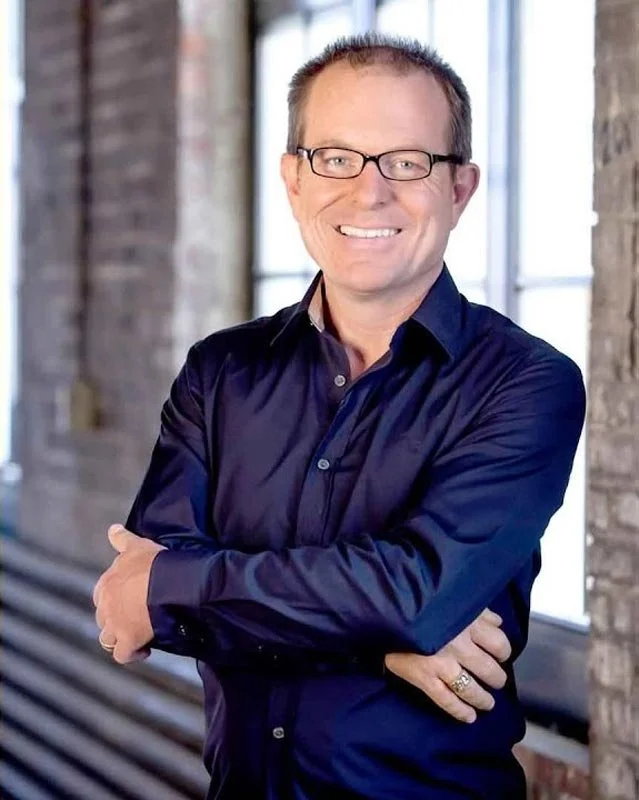
Our guest is at the forefront of this global shift in regenerative medicine. Dr. Adeel Khan is a physician and founder of Eterna Health, whose work with MUSE cell therapy—developed in collaboration with its discoverer, Professor Mari Dezawa—has made him the go-to expert for world leaders, athletes, and celebrities Chris Hemsworth, Kim Kardashian, and Tony Robbins. His therapies were previously exclusive to clinics in Dubai and Toronto, but a recent landmark regulatory change now brings his work to the United States, starting in Florida, in partnership with Relive Health.
Today, we'll explore the fundamental science: how a cell can be pluripotent, yet safe; the clinical data that supports biological age reversal; and the profound questions of access, ethics, and regulatory strategy with this powerful new generation of medicine.
THE CREATIVE PROCESS
It's amazing. This is really kind of science fiction stuff, and now it's coming close to reality. So, Dr. Khan, let's just start with the basics for our audience. What exactly are Muse cells, and how do they fundamentally differ from the standard stem cell therapies like MSCs that we've heard about for years?
DR. ADEEL KHAN
I think a lot of people have heard the word "stem cells"—it’s kind of become part of the zeitgeist almost, where people are just like, "Oh yeah, I think I've heard of stem cells." And when people think about it, I think they think regeneration. They think healing, which is kind of the whole idea behind stem cells.
They're supposed to be like the "fix-it" cells in your body. They're supposed to repair damaged tissue. As you get older, the repair mechanisms don't work as well, and there's more damage than there is repair. So, the whole idea was that if we can give you more of the repair guys, then maybe we can reverse disease. Maybe we can slow down aging. And all these amazing kind of applications for stem cells were investigated over the last few decades.
But they were done with something called mesenchymal stem cells, or MSCs, which is a very specific type of stem cell that's derived from umbilical cord tissue or fat or bone marrow. But the problem was, the research showed the results were just not that great. And so everyone was kind of disappointed and like, "Well, I guess stem cells don't really work." But that didn't really stop a lot of stem cell clinics from still offering them, which is also what tarnished the reputation a bit of stem cell clinics, because a lot of them were offering false hope and a lot of marketing.
But then what happened was in Japan, there was this discovery in 2006 with Professor Shinya Yamanaka, which was induced pluripotent stem cells—iPSCs or Yamanaka stem cells. And he got the Nobel Prize for that. That was a big discovery because everyone thought, again, "Here's this huge discovery, we can program cells to be whatever we want, and we can cure everything." But it wasn't that simple. Unfortunately, these pluripotent stem cells—which means they can turn into anything—included tumors. That risk of tumors with the Yamanaka stem cells meant they weren't actually used clinically. It was good for research. And so then again, once again, there was a lot of disappointment.
But there was this discovery in 2010—well, she discovered it in 2008, but she published about 2010—Professor Mari Dezawa discovered Muse cells (MUSE). So that's the one: Muse stem cells. And that one was interesting because it was kind of the best of both worlds. It had the safety profile of the mesenchymal stem cells, but then it had the pluripotency of the Yamanaka stem cells without the risk of tumors or cancer. And so she discovered this. Unfortunately, it just didn't receive a lot of attention, and there are a lot of political reasons for that. But basically, these are cells that are naturally occurring in your body.
THE CREATIVE PROCESS
Well, it's really exciting. Obviously, the average person is not yet in the celebrity status and the costs... We’ll discuss how it eventually trickles down and how it becomes mainstream to all. That's a little bit in the future, but you've called these "smart repair cells." How would Muse cells instinctively know where the damage is in the body?
DR. ADEEL KHAN
I know it sounds kind of like science fiction because it's like, how does a Muse cell know what to do? I call them smart cells or intelligent cells because they have a homing mechanism, which has been well described and published by the group in Japan, and they sense tissue damage.
It's a very specific molecule called S1P, sphingosine-1-phosphate. Unless you're a scientist, that doesn't mean anything to you. But what people need to understand is when your tissue has damage, specifically inflammation—especially inflammation—then the Muse cells can sense that and they can hone in on those areas and actually repair it.
So this has been shown in clinical trials, for example, with stroke or heart attacks where the brain or the heart is injured. And she didn't have to inject the Muse cells into the brain or heart; she just did an infusion, just an IV, and they found their way to the problem areas and repaired it. And so there's clinical efficacy of that.
THE CREATIVE PROCESS
How far are we along in that? Because that's something that, I mean, gosh, it affects so many of us.
DR. ADEEL KHAN
It sounds like those things will never be cured because I guess they've been around for so long, but I believe we're pretty much on the cusp of it because it's not going to be a single molecule. A drug is never going to, let's say, effectively treat Alzheimer's. Right? Because Alzheimer's and Type 1 diabetes, they're complex diseases, meaning there are multiple root factors that are driving the disease. So you have to treat not just the brain or the pancreas. You kind of have to treat the immune system, which involves the gut and other components of the body because it works as an integrated whole.
And so that's why I don't think the pharmaceutical model will ever provide the solution we need, but regenerative medicine has the potential to, and I think we're getting very close. China published a study this year showing that they were able to cure Type 1 diabetes in some patients using engineered cells. And then Alzheimer's—there have been clinical trials with gene therapy, for example, showing that they can reverse Alzheimer's. And then there's a paper published this year with Muse cells, and it was done in mice, but still, just showing in animal models how we could reverse the Alzheimer's plaques.
So I think the combination of stem cell therapies with gene therapies and potentially something like FMT—which is fecal microbial transplant, to repopulate your gut with microorganisms—I think the combination of those three things will really be what leads to an effective treatment strategy or cure for these chronic diseases like Type 1 diabetes and all that. Which I think will happen in the next five to ten years to answer your question. I think we're very close, and it is just a matter of the right people coming together to do it. We're obviously doing some clinical trials right now with the Muse cells, and we're planning to definitely investigate them for Alzheimer's as well and combine them with other things.
THE CREATIVE PROCESS
So the more we can also deregulate as well because even if there's a price tag, if it's not deregulated in our regions… These are really exciting times. And so you talked a bit there about biological age reversal, and I think a lot of people, tech bros and these people, talk about how they can live forever. You know, I always go, "I'll eat healthy, and fingers crossed." So your study on biological age reversal—this is really groundbreaking for those of us who want to live forever or want to extend our lifespan. Just explain, in non-scientific terms, how the cellular treatment can reset the body's clock.
DR. ADEEL KHAN
Look, there's a lot of debate about how accurate these aging clocks are in the first place. So I think that's part of the issue—how accurate are they? And it's not for me. I agree with you; living forever isn't really my interest, but living a high quality of life for as long as possible is my interest.
So if we can live a high quality of life until 120 or maybe extend that to 150, that would be amazing. Right? But not having what happens to most people now: after age 69, at least in the US, over 90% of people—or I think it's like now 95% of people—have a chronic disease. Meaning that your quality of life significantly deteriorates as you get older. And we know most chronic diseases are age-related. So if we can treat aging, we can help to reduce the incidence of chronic disease, which ultimately will take a huge burden off the system.
And so the way we're measuring it is something called Biological Noise, which is from a company called Generation Lab. It's essentially a testing kit from a blood sample. But what it does is it looks at how many mistakes your genes are making, so to speak. If you think of your body as a symphony, where all these instruments have to come together to play the right tune, you can think of biological noise as static. So as you get older, there's more and more static noise that happens, and there are more mistakes that your genes make in the instructions to guide what your body needs to do. So essentially, we can measure and quantify that. And then after doing an infusion of the Muse cells, you can see a significant decrease in that static noise.
And of the systems where we see the biggest reversal of aging as measured by these tests is something called the immune system, which we've talked about a bit. The immune system is probably the most important organ system when it comes to aging because it helps to regulate inflammation. There's something called "inflammaging," which is essentially more tissue damage due to these immune cells not working properly. And if we can regulate that process and bring it back into balance, you can significantly slow down the aging process, which is essentially what these Muse cells do.
And there's actually a really interesting study just done in monkeys where they infused these cells—it's kind of going viral on social media right now. They infused these cells called senescent-resistant cells. So they're engineered cells which basically don't die as easily in the body, which is similar to Muse cells. Actually, the Muse cells—"SE" stands for Stress-Enduring. Meaning stress... they can survive harsh environments.
So these cells they used in the monkey study weren't Muse cells, but they were similar to Muse cells, and they infused them every two weeks for one year. And they showed significant de-aging or reversal of aging in the monkeys. I think that just shows you the power of these cellular therapies. With the Muse cells, I mean, we're only infusing them once a year or twice a year for aging. Some people might do them three, four times a year just because they're still pretty pricey.
But there's going to come a point where I think this becomes much more affordable. And imagine if you can do them every month or every couple of weeks even; then I think you could actually see significant reversal of aging as measured by these clocks, but also visibly as well. You know, so I think that's kind of the path we're headed down. Which was really interesting in this monkey study, just to show what effect high-frequency dosing can have on the body.
THE CREATIVE PROCESS
No, it's interesting that you mentioned frequency because essentially with these Muse cells, you're kind of helping the body heal itself. It's not just taking a drug or having a surgery. We have to also do what we can to create that frequency, that healthy environment, looking after our nutrition and wellbeing and eliminating the distractions that allow our body to focus as well.
DR. ADEEL KHAN
So what are some of the other ways... I mean, burnout is a big topic. A lot can be accelerated through stress and modern living. So what are some of the ways that you recommend to people to create that optimal health so that maybe if we have these treatments, they work better or we can even avoid them? Exercise, sleep, nutrition, community, meaning, purpose, stress management—those are the foundational things.
As you briefly mentioned a little bit earlier about the vagus nerve, the vagus nerve is kind of a gateway to your relaxation system. A lot of people have PTSD or trauma or anxiety; your body keeps a score, so to speak, and your body can sometimes have these physiological responses. We have interventions that can reboot or reset the nervous system as well. But if you want to try to avoid those interventions, I think the best thing day-to-day is having some sort of purpose greater than yourself that brings you meaning, and having these mindfulness strategies that you implement on a daily basis.
It doesn't necessarily have to be meditation, because meditation isn't for everyone, I don't think. But having some sort of mindfulness practice where you're fully present and you're in the moment. Right. And that's the key to, I think, having longevity really, to be honest. And even social community and relationships. And then of course, there's minimally processed food and trying to exercise to keep your muscle and your strength as high as possible while having your body's resiliency with cardiovascular capacity. I think a lot of people know that now, but I think people just forget the other stuff too, like the spiritual or mindfulness stuff. At the end of the day, our bodies need that as well.
THE CREATIVE PROCESS
You know, we have to work with our bodies. We can't just expect it all to be fixed. I mean, I always feel like medicine's the last stage, that's the last stop, but we should try to get off on one of the other stops and help it along the way. So you mentioned actually that your treatment has become accepted as a drug officially in the Emirates. And so what does that do? How does that advance treatment?
DR. ADEEL KHAN
Well, it's really exciting because it advances treatments because now it's regulated and it's no longer this kind of unregulated, sketchy area—which is what most stem cells are, unfortunately, where people have to travel offshore and travel to these places where there's not a lot of regulatory oversight.
But now it's like the government's saying, "Hey, no, we recognize that the Muse cells are very different from the other stem cell products and that they should be classified as a drug," which means they are a reproducible product. And that's the main take-home message: that the Muse cells are a standardized cell population. So it's reproducible treatments with more consistent results. Whereas the problem with the old stem cell technology is you get a lot of variability from batch to batch. And so you don't have that consistency of results. So that's really significant. This is kind of a landmark thing for us because it validates the work we're doing.
I think you'll see the FDA eventually approving these cells as well. I mean, the FDA has their own process, but there's been Phase 2 trials already done with the Muse cells in Japan. So the plan is to hopefully do a Phase 3 trial for heart attack, because that's one of the best indications for them, to help repair the heart after heart attacks. And once you have a Phase 3 trial done, then you can apply for FDA approval in the US too. So I don't think it's that far away from FDA approval.
These cells will be allowed in Florida even without FDA approval because Florida is creating new regulation, because the FDA has not the most favorable process for these therapies. Their process favors pharmaceuticals and not these types of therapies, which can have real benefit for patients. Unfortunately, because of the regulatory process in a lot of countries, they just don't get the approval that they need.
So I guess in terms of becoming deregulated and more widespread, I think that realistically that won't really happen until there's approval from the FDA. Because the FDA is still like the gold standard internationally. So once they approve the Muse cells and officially recognize it as a drug, then all of a sudden, every country... it'll be available everywhere, you know, and everyone will be doing it. So that's going to happen. That's not like, you know, 20 years away or something. It's in the next few years. And then that's just a matter of going through that process really, I think.
But the interesting thing, like I said, is that despite the lack of FDA approval, there's still obviously many patients who are willing to get treated, number one. But number two, there's still regulatory bodies around the world, such as in the UAE and such as in parts of Europe and Japan, where they're allowing for these therapies because they know that they can help a lot of people and that the traditional regulatory process is a little bit outdated for these things. So Japan has a very unique framework, for example, for regenerative medicine. And I think more countries need to adopt that.
THE CREATIVE PROCESS
So, regarding these advanced therapies like stem cells, I think Secretary of Health and Human Services Robert F. Kennedy, Jr. had a personal stem cell procedure that he underwent. Your company, Eterna Health, is now operating in the US, as you say, under Florida's flexible framework. So how do you see this kind of push for regulatory detox? How would that impact the therapies? So you're saying it'll accelerate the ability to treat more patients or... because you had mentioned the flip side of that, sometimes flooding the market with unproven or unsafe stem cell clinics... So what are the benefits and risks?
DR. ADEEL KHAN
No, that's exactly the issue in Florida too. It's kind of like the wild, wild west, you know? That's why there are so many stem cell clinics, and half of them are not even using true stem cells. Like we said, if you're using the mesenchymal stem cells, which is what most clinics are using, those aren't true stem cells.
The guy who actually came up with that, Dr. Caplan, wrote a paper in 2017 and he said it needs to be renamed to "medicinal signaling cells" because they just reduce inflammation. They're not actually regenerating new tissue. So he wrote that paper, but a lot of people just don't know about that. So all these clinics are saying, "Yeah, we offer stem cells," but they're not offering stem cells. They're just offering cells that reduce inflammation. They're not regenerative cells. So Muse cells are real stem cells because, like we talked about, they're pluripotent and they can actually create new tissue.
So that creates a lot of confusion for clients or patients who are looking and trying to find stem cell clinics. And then it also creates a lot of opportunistic people who are just trying to capitalize on this kind of gold rush of most people wanting to look for these alternative solutions because a lot of them have heard good things or have seen the celebrities do it and they're interested, but then they go somewhere to the wrong place.
THE CREATIVE PROCESS
So you talked there about your reason for doing this, and they say that necessity is the mother of invention, and I believe in your case, your mother's chronic condition spurred you to explore Muse cells.
DR. ADEEL KHAN
Yeah, well that's kind of how this journey started. And it is. I think my mom's case, like a lot of patients with chronic illnesses, are almost like victims of the medical system because it's like they just get bounced around from specialist to specialist and they go through different treatments and they go and they try different things and there are just no solutions. They're just kind of managing the disease or not reversing it or curing it or anything significant in that sense.
And so with my mom's condition, it was kind of a similar thing where it's like, okay, what else can I find that's outside of traditional medicine to help her? And she had gut issues, she had lung issues, she had knee issues, she had all sorts of stuff. And we've been able to help a lot of her things and she has some other stuff going on now, but again, I'm able to help her because I've navigated the system myself so much. When I was in medical school, I wasn't just studying allopathic medicine; I was trying to study all this other stuff like integrative and functional medicine, and then obviously that eventually led to regenerative medicine.
And part of the reason was because of my mom. Because I was just trying to find solutions for her. And I was like, there has to be something else out there. And I think that's really where a lot of doctors who end up in this space or end up doing innovative things... I think a lot of them are just motivated to try to help someone they either care about or their patients, just curious to keep on learning. And I think that's the key: curiosity. And never stopping asking questions. And that's kind of what I've continued to do. And traveling the world obviously has helped with that too. Because I've learned from scientists in Asia, I've learned from scientists in Europe, in North America. I've learned from scientists all over the world. I get to see their work and kind of put everything together.
THE CREATIVE PROCESS
The mystery of the Muse cell is just so fascinating to me. Researchers have been in the past using special genetic tricks to turn an adult cell into, back into that powerful youth-like stem cell that you're mentioning. But Muse cells do this naturally. Help us understand what's the secret inside the cell—I think you touched on this—that helps them have that power without needing those tricks.
DR. ADEEL KHAN
Yeah, it's a great question. I don't know if anyone knows the answer to that. They're naturally... they're just like that, but they're rare. They're kind of like a hidden superhero in your body and we just didn't know they existed till she was able to isolate them and characterize them.
So that's really what it comes down to is their—what's called single-cell RNA sequencing or gene expression profile, which is essentially what genes do they express. And this is just their inherent property. They just have these pluripotent genes, but not the cancerous genes. And as you said, when you reprogram cells, when you press their reset button on old cells to make them young again, they have that risk of tumors and cancer. But Muse cells have the healing and regenerative potential similar to those, but without those risks. So that's just a natural characteristic of Muse cells, which again, you don't have to genetically modify or engineer cells, which adds another layer of safety as well.
THE CREATIVE PROCESS
Wow. Well, we can do what we can to naturally increase our Muse cells. That's wonderful. So, you're talking about noise. I'm going to make sure I cover all this because it's kind of miraculous. Could you explain in simple terms what is different about the Muse cells? Like it has a kind of internal off-switch that keeps it safe.
DR. ADEEL KHAN
Yeah, Muse cells are so interesting because obviously the risk with pluripotent stem cells has always been the risk of turning into tumors or stimulating tumor growth. But Muse cells, not only do they not have an inherent off-switch in terms of turning into those type of cells, they actually have an ability to suppress cancer cells.
So this is something her lab has shown recently, which is if Muse cells come into contact with, for example, a cancer cell in your body, they send signals to the cancer cell to stop growing and trigger what's called apoptosis. So they actually trigger cell death of the cancer cell. So Muse cells have this interesting ability to sense their microenvironment and then respond accordingly. It's almost like depending on where they go and what needs to be done, that's what they try to achieve. So that's why they're so interesting and they can be used for so many different things.
And that's just their natural mechanism in terms of how they behave. It's because of their unique property of being... they're kind of a hybrid between what's called a macrophage and a pluripotent stem cell. A macrophage is like the garbage repair guy in your body, or garbage man in your body. They eat garbage, and they clean it out, and they remove pathogens and all sorts of bad cells in your body. But that's what Muse cells do too. Muse cells have that ability. They eat the damaged cells, and then as we said, they can actually turn into new cells, using the cellular machinery.
THE CREATIVE PROCESS
You could just explain that kind of music... I mean, what does that sound like? So it's about the frequency too.
DR. ADEEL KHAN
Frequencies are a whole other topic because that's where you get into quantum biology, which is really about subatomic particles and how electrons are obviously being transported in the electron transport chain. And that's how energy is created in your mitochondria. And there's this whole field now of how your body and your cells have certain frequencies, and the frequency of a dysfunctional cell is different from a cell that's working better, as a very broad example. And perhaps one day we'll be able to use the right electrical signals or frequencies to restore function to your body.
So imagine if you could do that, right? That's where I think ultimately where regenerative medicine is headed, is unlocking the secret codes that your body has to heal itself. And so your body has this blueprint of healing, and we're just figuring out what that is day by day.
THE CREATIVE PROCESS
When you talk about frequencies, and I know this is very speculative, I mean, we have so many frequencies. We’re surrounded by Wi-Fi, we're surrounded by all these invisible frequencies that we actually can't even hear, but other animals also can detect. So, what is that doing to us? Those of us who live in the mega cities are exposed to a lot. We’re communicating right now. II’m using Wi-Fi.
DR. ADEEL KHAN
Yeah. I don't disagree with them. I think there are probably some negative effects to this electromagnetic radiation and frequencies that we're exposed to on a daily basis. But the reality is it's part of modern life, so you can't avoid it completely. So to me it's like, okay, you're going to get exposed to this stuff, so how can you build a resiliency or how can you kind of bulletproof your body to be able to deal with this stuff?
And the way I look at it, the best way to protect your body is the lifestyle stuff. And then there are obviously these more advanced therapies which can add additional layers for healing and regeneration if needed. One of the interesting things on the research, at least that I've read, is with this Wi-Fi and all these frequencies, there's the increase of positive ions. And then, so there's something called negative ions, which can kind of combat that. And negative ions are found in nature, interestingly enough. So like grounding and going to the ocean and just going to sit by the water and stuff like that. There are negative ions that are released in that environment, so it's interesting how our bodies have this innate kind of healing when it comes to nature, and I think that can be one simple strategy to combat also the modern lifestyle.
THE CREATIVE PROCESS
Excellent. And what are your broader reflections about AI, those risks and challenges and opportunities?
DR. ADEEL KHAN
Well, I'm a bit more pessimistic, I guess. I think we've kind of given birth to a species that might be better than us, and there are going to be some challenges with that. And I think it's a real thing where it's like, okay, eventually AI is going to become a lot smarter than us. And then what happens to humanity in terms of there's going to be a shift, obviously, that's going to happen over time with just jobs and replacement, but eventually AI is just going to become so ubiquitous and powerful and this is just going to be such a different world.
THE CREATIVE PROCESS
So my concern is definitely a bit more maybe than some people, but I think we just have to plan for a future where it's like, okay, what type of work will people be doing and what type of world will we be living in? If AI is able to do everything that we used to do, which is probably going to happen. So we just have to decide what our values are. And you've lived in different parts of the world. You mentioned reconnecting with the beauty in the natural world as a way of healing the body. So what are your reflections of that, of all the places that you've lived and how you personally reconnect with that?
DR. ADEEL KHAN
The problem in cities like Dubai is that it really is a concrete jungle. And we're realizing that Singapore for example, Singapore is actually one of the Blue Zones in the world, which is where people tend to live longer. And the reason for that is because they've integrated living a healthy lifestyle as part of the city because people tend to walk, they don't drive as much, and there's greenery everywhere. You know, even in the buildings they have greenery built into it. And I think that's how it should be. And that just shows you how important that is for our health.
THE CREATIVE PROCESS
We really are living in the urban century. Today, more than half the world's population is already living in cities, and by 2050, I think that number is expected to rise to nearly 70%, with billions more people moving into urban areas. We're also seeing the rapid growth in mega cities and places with over 10 million residents, which means how we design cities now will directly shape human health, equity, and resilience. I think for generations, you must be reflecting on all this.
And as cities densify, and heat intensifies, we know that green spaces are essential—trees, parks, and accessible open spaces help cool cities, reduce air pollution, and support both physical and mental health. Equitable access to these spaces is becoming one of the most important quality of life and public health issues of our time. So, you know, as we look ahead alongside the incredible medical breakthroughs and technological possibilities, and think about the world we're leaving to the next generation, what would you most want young people to know, protect, and carry forward?
DR. ADEEL KHAN
I think the most important thing that I've learned through this whole journey is that we are ultimately here to help one another. And as a doctor, my job is to try to help as many people as I can with the technologies and kind of the gifts I have, so to speak. And I think everyone has their own unique gift and finding that and knowing how you can share that with the world is really what you should focus on. But doing that takes a lot of inward work, so it's not as easy as people think. School doesn't teach you that, so you have to do the self-reflection and inward work to really learn what that is.