SHINNECOCK INDIAN NATION
/We're all part of a web like a dreamcatcher. Everybody knows a dreamcatcher and whatever you do that’s wrong will eventually come back and affect you because we’re all connected.
We're all part of a web like a dreamcatcher. Everybody knows a dreamcatcher and whatever you do that’s wrong will eventually come back and affect you because we’re all connected.
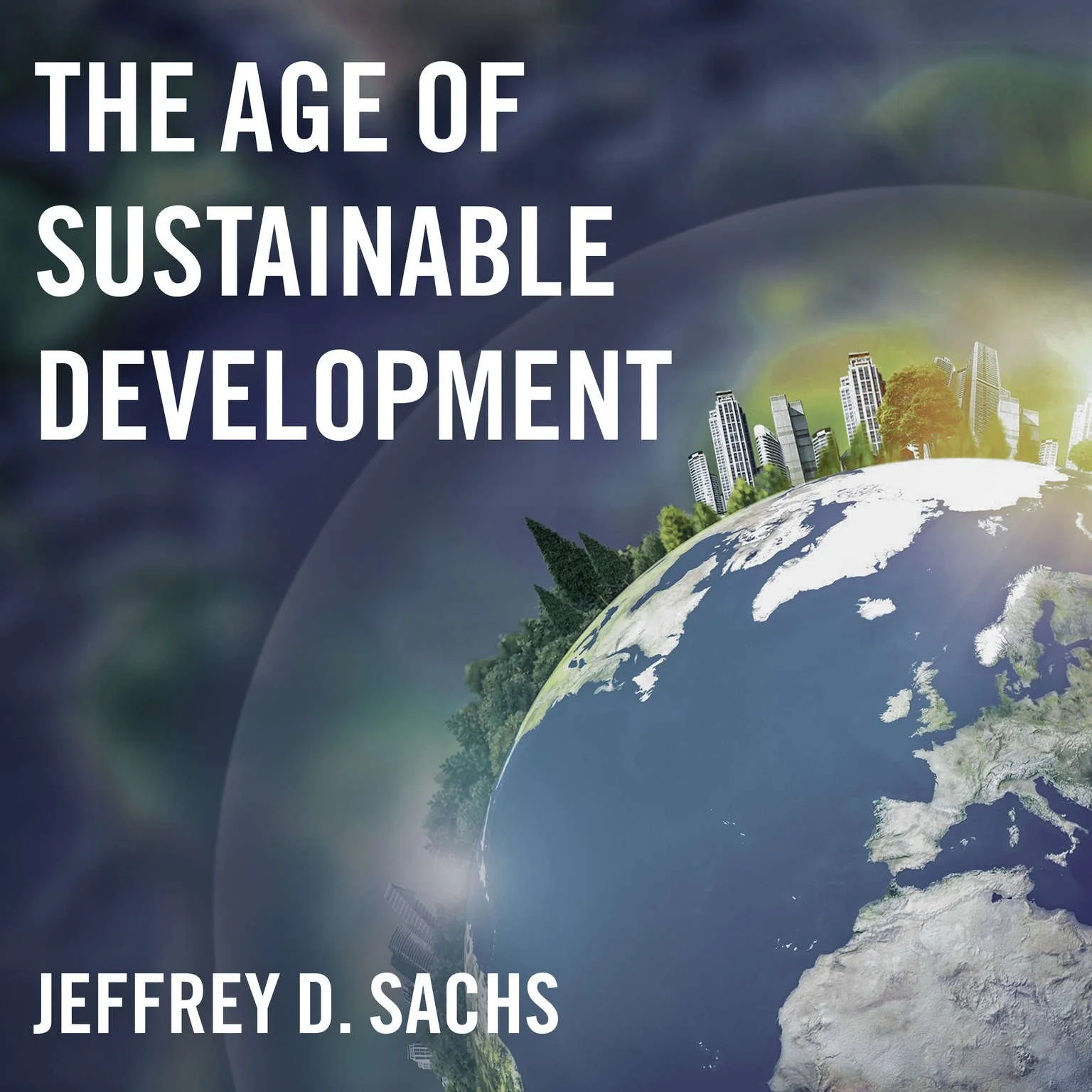
President of UN Sustainable Development Solutions Network
Director of Center for Sustainable Development, Columbia University
If we’re badly educated, we’re not going to make it on this planet. If I had to put my finger on one Sustainable Development Goal above all else, it is let’s empower young people so that they know the future. They know the world that they’re going to be leading soon. They can do something about it…If you’re in elementary school up to university, you should be learning–What is climate change? What is biodiversity? What can we do about it? And this kind of learning is not only book learning, but is also experiential learning.
President of UN Sustainable Development Solutions Network
Director of Center for Sustainable Development, Columbia University
If we’re badly educated, we’re not going to make it on this planet. If I had to put my finger on one Sustainable Development Goal above all else, it is let’s empower young people so that they know the future. They know the world that they’re going to be leading soon. They can do something about it…If you’re in elementary school up to university, you should be learning–What is climate change? What is biodiversity? What can we do about it? And this kind of learning is not only book learning, but is also experiential learning.
Cosmologist, Theoretical physicist & Star of South Africa Medal Recipient
Artistic creativity and it’s crucial to artistic creativity amongst many other things. In artistic creativity, from my viewpoint, is that you start off with an idea and you’re shaping and you’re totally in control and it doesn’t matter if it's music or sculpture or painting or a novel, eventually the thing sparks its own life, becomes itself, and at that point, the role of the artist is to stand back and let it become what its got to become. And that’s where you get the great art.
Cosmologist, Theoretical physicist & Star of South Africa Medal Recipient
Artistic creativity and it’s crucial to artistic creativity amongst many other things. In artistic creativity, from my viewpoint, is that you start off with an idea and you’re shaping and you’re totally in control and it doesn’t matter if it's music or sculpture or painting or a novel, eventually the thing sparks its own life, becomes itself, and at that point, the role of the artist is to stand back and let it become what its got to become. And that’s where you get the great art.
Author of Plagues upon the Earth: Disease and the Course of Human History
G.T. & Libby Blankenship Chair in the History of Liberty, Professor of Classics & Letters, University of Oklahoma
Human well-being is both a question of social development in a very holistic sense that people have jobs that provide adequate food and clean water as well as the elimination of dangerous microbes, and so the question is how do societies continue to develop in a way that's globally equitable and sustainable and that's really one of wicked hardest problems on the planet is how do we continue to experience growth without having carbon emissions that make growth and impossible, that continue to hold societies in poverty, and that continue to imperil human health.
Author of Plagues upon the Earth: Disease and the Course of Human History
G.T. & Libby Blankenship Chair in the History of Liberty, Professor of Classics & Letters, University of Oklahoma
Human well-being is both a question of social development in a very holistic sense that people have jobs that provide adequate food and clean water as well as the elimination of dangerous microbes, and so the question is how do societies continue to develop in a way that's globally equitable and sustainable and that's really one of wicked hardest problems on the planet is how do we continue to experience growth without having carbon emissions that make growth and impossible, that continue to hold societies in poverty, and that continue to imperil human health.
NYT Bestselling Author of A New Way to Wealth · Doing More with Teams
Founder of AHC Group
Each day you wake up you make decisions that shape your own fate, your ascent, position, your own creativity. I like to think of it as fate is a personal construct. When I was at Cornell they had me teach an Emerson essay called “Freedom and Fate” where he said that fate was so overwhelming in some traditions that it’s as though we were each involved in a shipwreck and we were each thrown off the ship and all we had a chance to do was look at each other. I’ve come to believe is that not only is the future near you can design your own life.
NYT Bestselling Author of A New Way to Wealth · Doing More with Teams
Founder of AHC Group
Each day you wake up you make decisions that shape your own fate, your ascent, position, your own creativity. I like to think of it as fate is a personal construct. When I was at Cornell they had me teach an Emerson essay called “Freedom and Fate” where he said that fate was so overwhelming in some traditions that it’s as though we were each involved in a shipwreck and we were each thrown off the ship and all we had a chance to do was look at each other. I’ve come to believe is that not only is the future near you can design your own life.
Director of Kotter International · Co-author of Change: How Organizations Achieve Hard to Imagine Results in Uncertain & Volatile Times
How do you get people to have a sense of urgency to actually take action and do something different? What we're finding is the learnings from business very much do apply to other spheres and also more generally do challenges like climate change. We’re facing the question of how do you get more people to actually be willing to take real meaningful action.
Director of Kotter International · Co-author of Change: How Organizations Achieve Hard to Imagine Results in Uncertain & Volatile Times
How do you get people to have a sense of urgency to actually take action and do something different? What we're finding is the learnings from business very much do apply to other spheres and also more generally do challenges like climate change. We’re facing the question of how do you get more people to actually be willing to take real meaningful action.
Pilobolus Dance Company
Highlights
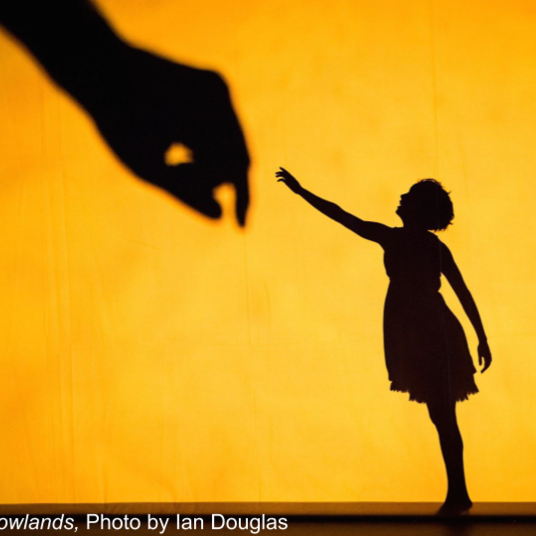
I guess the part that's our thing is the method or process that Renée Jaworski was describing. The constraint, the framework that we try to put on what we're doing includes that, for this time, let's not map everything out first and try and realize the vision that one person has but to put people together, as Renée was saying, and have something else emerge that's a product of everybody that's involved. Penn Jillette, who we were honored to work with, the way he put it is, "You're not a collective, you're not looking the same, talking the same, you don't use the same terms for movement. All the dancers look different, and they think differently as well. –MATT KENT
Pilobolus Dance Company
I guess the part that's our thing is the method or process that Renée Jaworski was describing. The constraint, the framework that we try to put on what we're doing includes that, for this time, let's not map everything out first and try and realize the vision that one person has but to put people together, as Renée was saying, and have something else emerge that's a product of everybody that's involved. Penn Jillette, who we were honored to work with, the way he put it is, "You're not a collective, you're not looking the same, talking the same, you don't use the same terms for movement. All the dancers look different, and they think differently as well. –MATT KENT
Novelist and Essayist
The reason I think you should read in these other disciplines is because it will help you in your own work. Now I really mean that. I think what has happened with the fragmentation of disciplines is that when problems arise. ...the people working in the discipline are unable to see avenues out of the problem that they would easily see if they had worked through problems in other disciplines.
Novelist and Essayist
The reason I think you should read in these other disciplines is because it will help you in your own work. Now I really mean that. I think what has happened with the fragmentation of disciplines is that when problems arise. ...the people working in the discipline are unable to see avenues out of the problem that they would easily see if they had worked through problems in other disciplines.
Sébastien Gokalp · Director of France’s National Museum of Immigration
Curator of Exhibitions at Centre Pompidou, Musée d’art Moderne de la Ville de Paris & Louis Vuitton Foundation
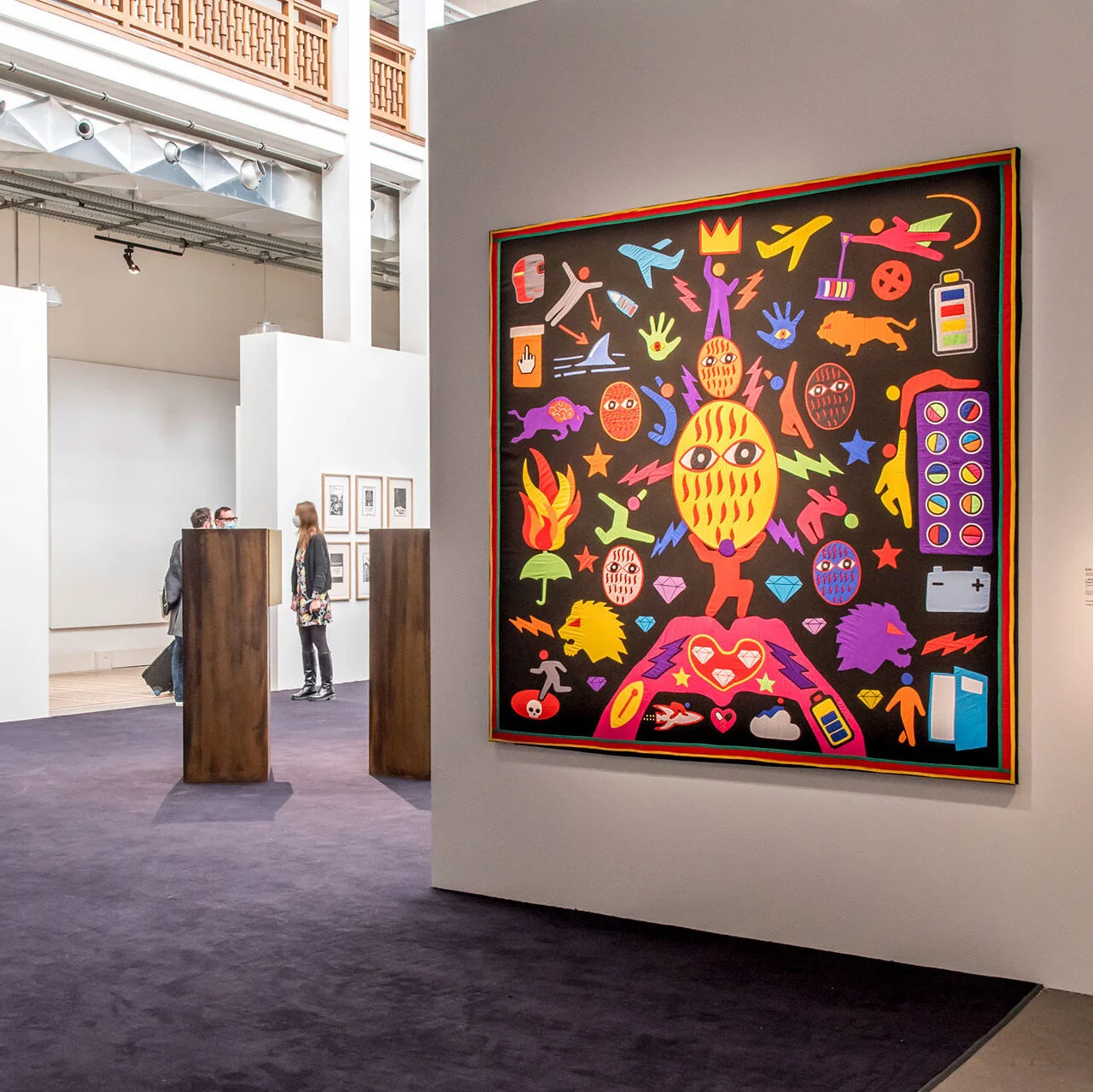
We have a motto that says that ‘we want to change the gaze on immigration or to open the eyes on immigration’. We’re not here to make action in society, but we want people who come here to have elements of reflection, perception about the question of immigration. To change a mind, because immigration is about the stories of people who come from another country–they are someone else, basically–by assisting them we want to show how someone else can be great for us and not a stranger, foreigner, nor an enemy, but a friend. Someone who will bring us many things about culture, about work, about a way of meaning, of thinking. We have a historical point of view. We want to show that from the French Revolution until now, so two centuries of stories.
Sébastien Gokalp · Director of France’s National Museum of Immigration
Curator of Exhibitions at Centre Pompidou, Musée d’art Moderne de la Ville de Paris & Louis Vuitton Foundation
We have a motto that says that ‘we want to change the gaze on immigration or to open the eyes on immigration’. We’re not here to make action in society, but we want people who come here to have elements of reflection, perception about the question of immigration. To change a mind, because immigration is about the stories of people who come from another country–they are someone else, basically–by assisting them we want to show how someone else can be great for us and not a stranger, foreigner, nor an enemy, but a friend. Someone who will bring us many things about culture, about work, about a way of meaning, of thinking. We have a historical point of view. We want to show that from the French Revolution until now, so two centuries of stories.
Author of Slow Violence and the Environmentalism of the Poor
Professor Environmental Humanities at Princeton
There are some recurrent threads in indigenous cultures across the world. One of those is–We don’t own the land. The land owns us. It’s not seen as property first. It’s seen as inalienable in that sense because you don’t own it in the first place. What we’re seeing now is a kind of movement where more and more indigenous people are living kind of amphibious lives. On the one hand, they have their indigenous cosmologies. And the other hand, in order to increase the likelihood that they can keep out big corporations, mining, logging, and so forth, their presence on the land needs to be bureaucratically recognized is to have recognition that “this is your property.” So in one sense many of these communities I find are both inside and outside private property regimes.
Rob Nixon is a nonfiction writer and the Barron Family Professor in Environmental Humanities at Princeton University. He is the author of four books, most recently Slow Violence and the Environmentalism of the Poor. Nixon is currently writing a book on environmental martyrs and the defense of the great tropical forests. He writes frequently for the New York Times. His writing has also appeared in The New Yorker, Atlantic Monthly, The Guardian, The Nation, London Review of Books, The Village Voice, Aeon and elsewhere. Much of his writing engages environmental justice struggles in the global South. He has a particular interest in understanding the roles that artists can play in effecting change at the interface with social movements.
ROB NIXON
There are some recurrent threads in indigenous cultures across the world. One of those is–We don’t own the land. The land owns us. It’s not seen as property first. It’s seen as inalienable in that sense because you don’t own it in the first place. What we’re seeing now is a kind of movement where more and more indigenous people are living kind of amphibious lives. On the one hand, they have their indigenous cosmologies. And the other hand, in order to increase the likelihood that they can keep out big corporations, mining, logging, and so forth, their presence on the land needs to be bureaucratically recognized is to have recognition that “this is your property.” So in one sense many of these communities I find are both inside and outside private property regimes.
This interview was conducted by Mia Funk & Phil Kehoe with the participation of collaborating universities and students. Associate Interviews Producer on this podcast was Phil Kehoe. Digital Media Coordinator is Phoebe Brous.
Mia Funk is an artist, interviewer and founder of The Creative Process & One Planet Podcast (Conversations about Climate Change & Environmental Solutions).
Academic Director of the Benaki Museum
If we are to use a few words to characterise the Benaki, we can say it is the only museum in the world that presents Greek culture from the history to the 21st century, and culture seen holistically, so not just fine art, but also applied arts and historical documents, literature, photography, and architecture. It’s a very inclusive perception of art, but also in relation to global art and world cultures.
The Creative Process: Podcast Interviews & Portraits of the World’s Leading Authors & Creative Thinkers
Inspiring Students – Encouraging Reading - Connecting through Stories
The Creative Process exhibition is traveling to universities and museums. The Creative Process exhibition consists of interviews with over 100 esteemed writers, including Joyce Carol Oates, Hilary Mantel, Neil Gaiman, Viet Thanh Nguyen, Tobias Wolff, Richard Ford, Junot Díaz, Marie Darrieussecq, Michel Faber, T.C. Boyle, Jay McInerney, George Saunders, Geoff Dyer, Etgar Keret, Douglas Kennedy, Sam Lipsyte, and Yiyun Li, among others. Artist and interviewer: Mia Funk.