The Writer's Voice
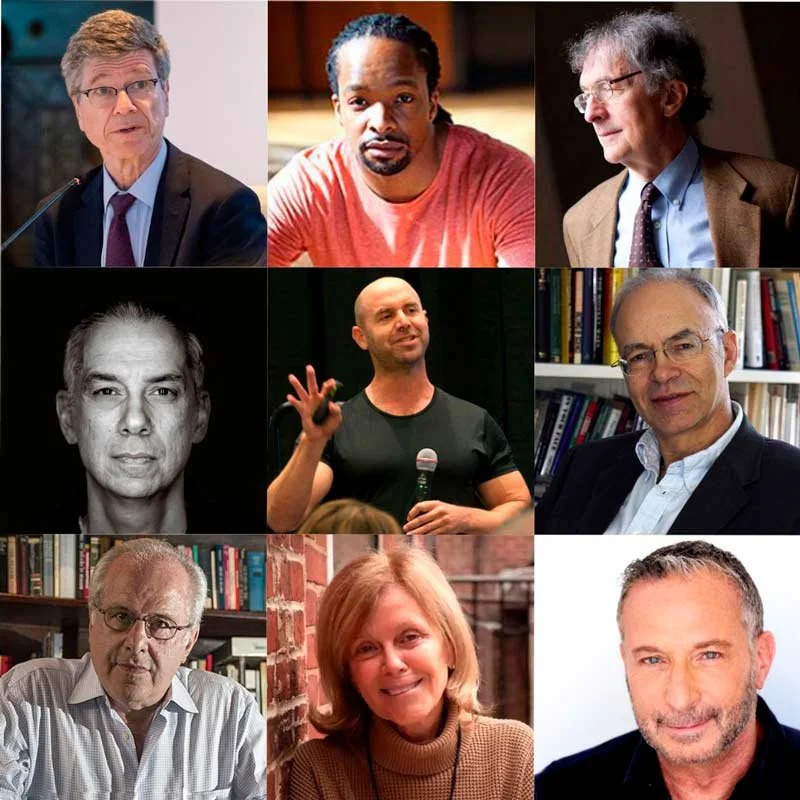
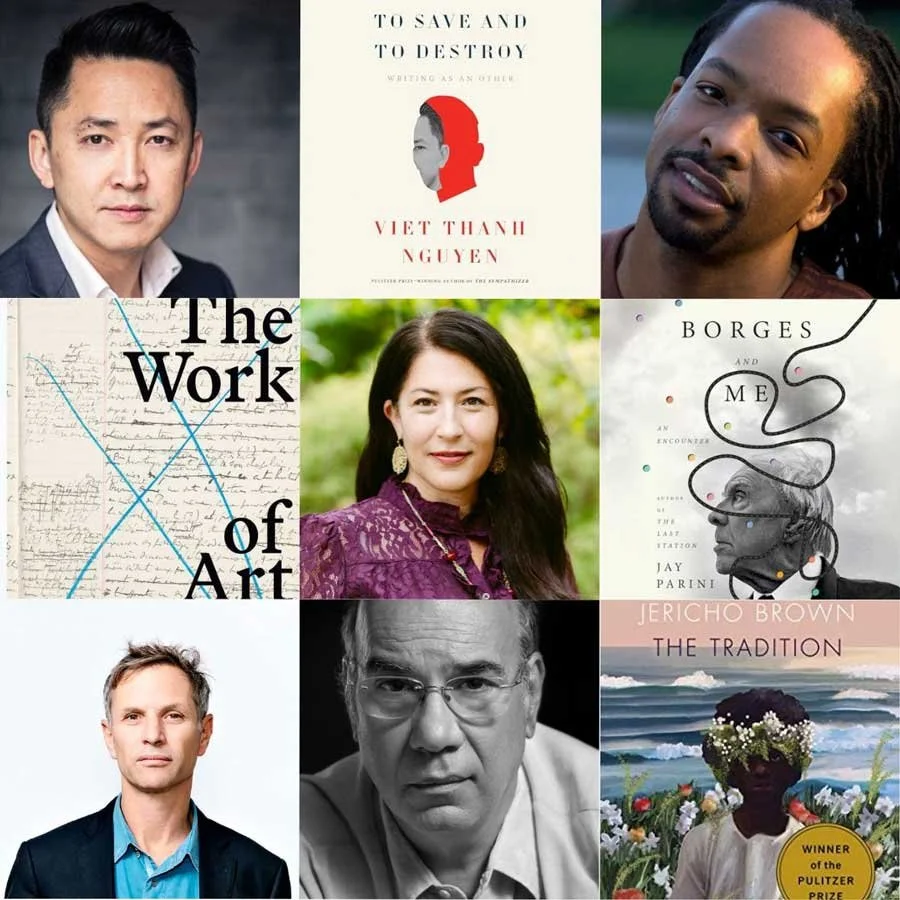
/VIET THANH NGUYEN, ADA LIMÓN, JAY PARINI, JERICHO BROWN & ADAM MOSS Share Their Stories
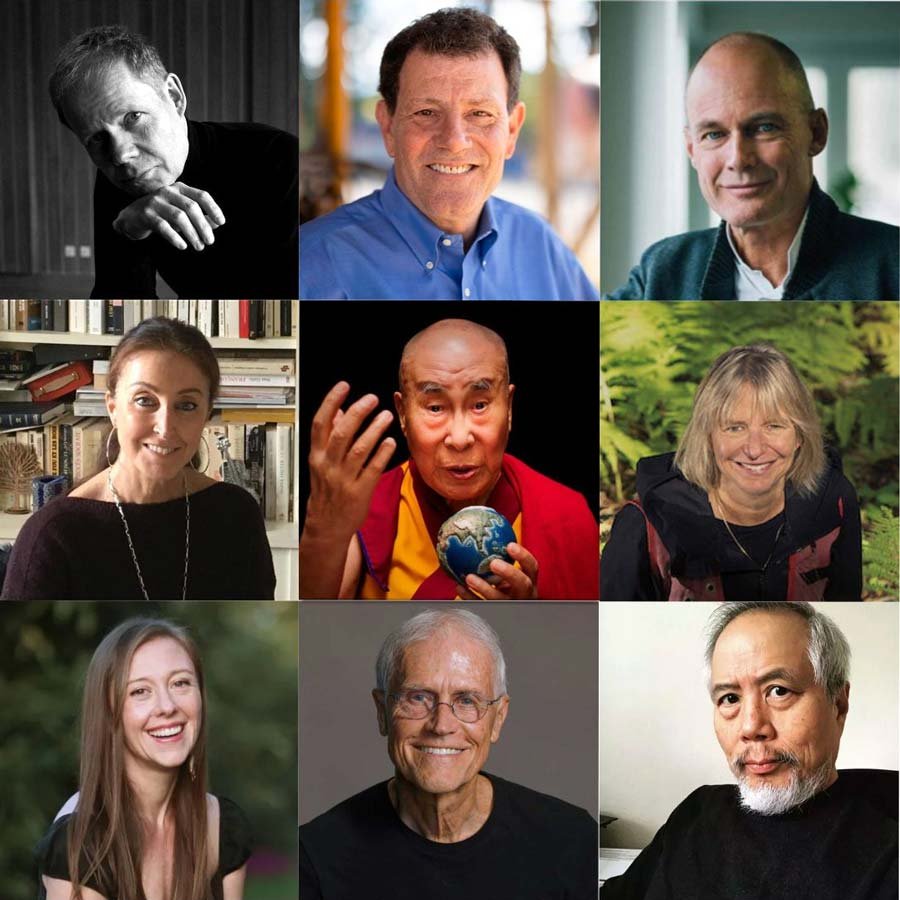
How do writers develop their voice? How are writing and the arts paths back to the self, showing us what is important in life?
VIET THANH NGUYEN, ADA LIMÓN, JAY PARINI, JERICHO BROWN & ADAM MOSS Share Their Stories
How do writers develop their voice? How are writing and the arts paths back to the self, showing us what is important in life?
Conversation with SVEN NYHOLM, Prof. of Ethics of AI, LMU Munich · Lead Investigator, AI Ethics, Munich Center for Machine Learning · Author of Humans and Robots · The Ethics of Artificial Intelligence
I think we're betting on AI as something that can help to solve a lot of problems for us. It's the future, we think, whether it's producing text or art, or doing medical research or planning our lives for us, etc., the bet is that AI is going to be great, that it's going to get us everything we want and make everything better. But at the same time, we're gambling, at the extreme end, with the future of humanity , hoping for the best and hoping that this, what I'm calling the AI wager, is going to work out to our advantage, but we'll see.
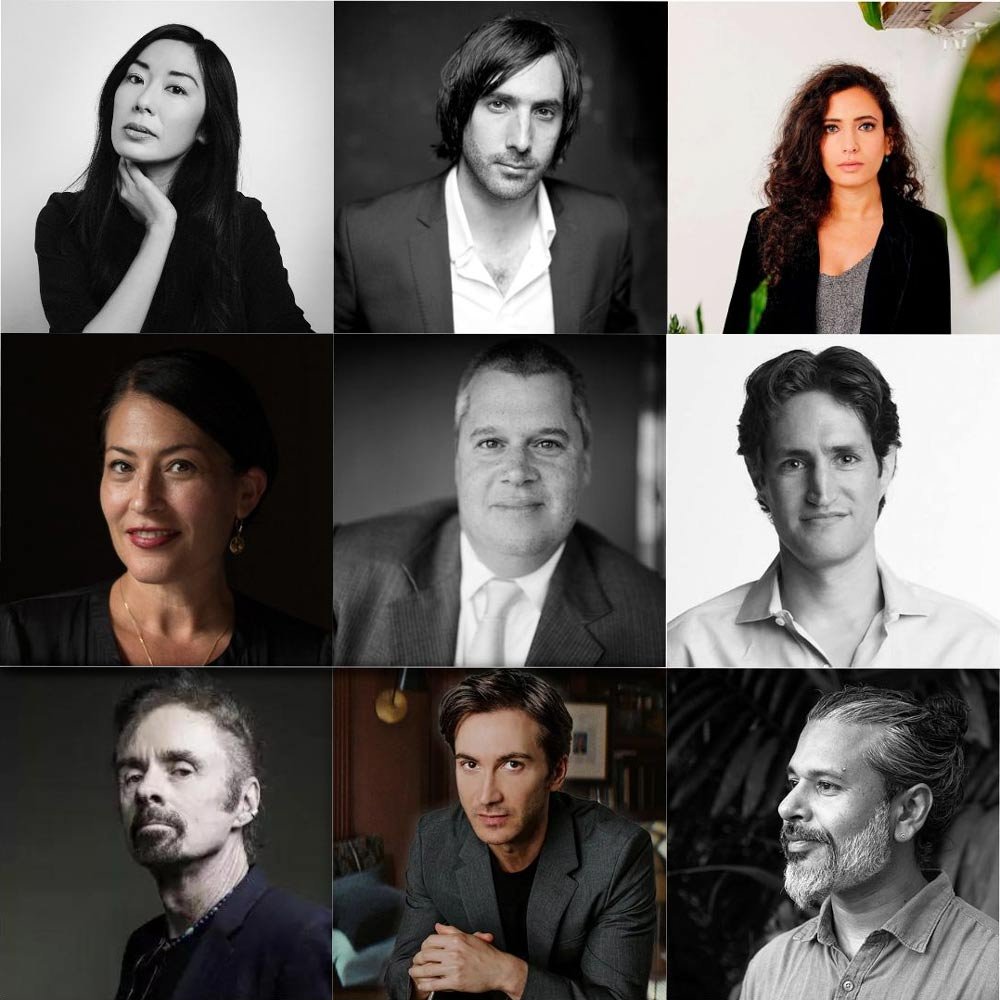
Katie Kitamura, Paul Lynch, Daniel Pearle, Hala Alyan, T.C. Boyle, Adam Alter, Shehan Karunatilaka, Daniel Handler a.k.a Lemony Snicket, and Ada Limón share their stories
How can we use negative spaces in fiction to engage with readers’ imaginations? How are memory and trauma passed onto us through language? How do we become more than the stories we tell ourselves?
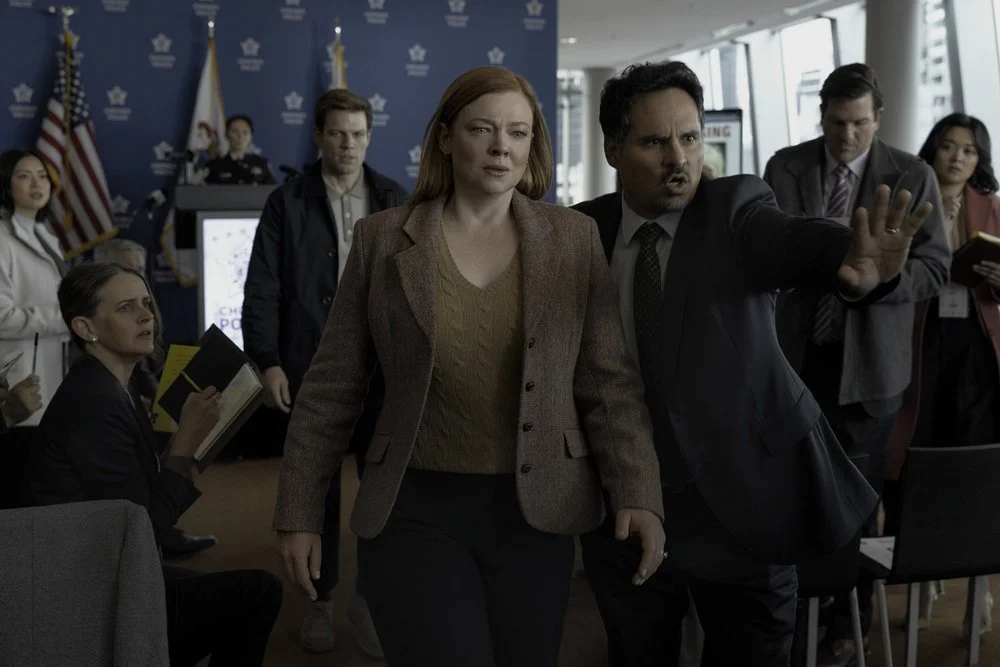
Starring SARAH SNOOK · A Conversation with Exec. Producer NIGEL MARCHANT & Creator MEGAN GALLAGHER
The people that we choose to love and the ones we choose to rely on and trust… Marissa and Jenny's relationship and that female friendship, that's what we watch happen in the series in real time. Whereas the marriages and the relationships that they're already in maybe aren't so perfect, the one we watch them choose is the one that's rewarding. It's so nice to listen to people's reactions to that relationship and how real that relationship feels. These two women, from a character perspective, have every reason to not get along or to hate each other or to yell at each other. That's the opposite of what each one of them does, and that just feels true and honest. I know a lot of women who I feel would act that way, be the best version of themselves in such an awful situation.
Connecting Brazil and China Through Art and Music
A Conversation with Curator · Philanthropist · Collector SARINA TANG
I think that, based on the fact that both Brazil and China are tied to my own roots, I understand a little more about the culture and history of both countries. About 15 to 20 years ago, I felt that I didn’t want to work just for income or to gain more fame. I felt I should do something meaningful for the rest of my life. Very few people from Brazil have ever been to China. This is why I brought a few Chinese artists from China to Brazil and from Brazil to China. That was my first experience doing some form of residency, but it was more than a residency. It was really for the Brazilian artists to learn more about China and its culture, and for some of the Chinese artists to learn more about Brazilian art and culture.
President of EDF Action · Advocacy & Political Arm of the Environmental Defense Fund
I think my role and where I'm most comfortable is focusing on the economic harms that the choices this administration is making will limit access to affordable, clean energy. Affordable energy overall, and that they will wind up harming the American people. EDF is standing up and fighting the Trump administration in court every single day. We believe, based on the facts and the law, that we have very good cases and expect to see more wins than not. When the government sets aside all of the things they need to do to land appropriately and just say, "We don't care. This is what Donald Trump wants," there is recourse to step in, intervene, and challenge that. They were sloppy the first time he was president. They're even more brazen now.
& The Future of Museums
A Conversation with NICOLA LEES · Director of the Aspen Art Museum
It's a complicated time to think about how we can slow down, be still, and bring a brilliant group of people together to do something that feels purposeful and can be productive. It's a moment where things are moving so fast. When I brought up the idea of a hinge generation, I think it's impossible to know how we will look back and reflect on this time and these moments. This year, there is a real emphasis on the relationship between the question we have posed for the retreat, which is fundamentally about our relationship with technology and identifying our relationship with the world and how we want to be present in the moment.
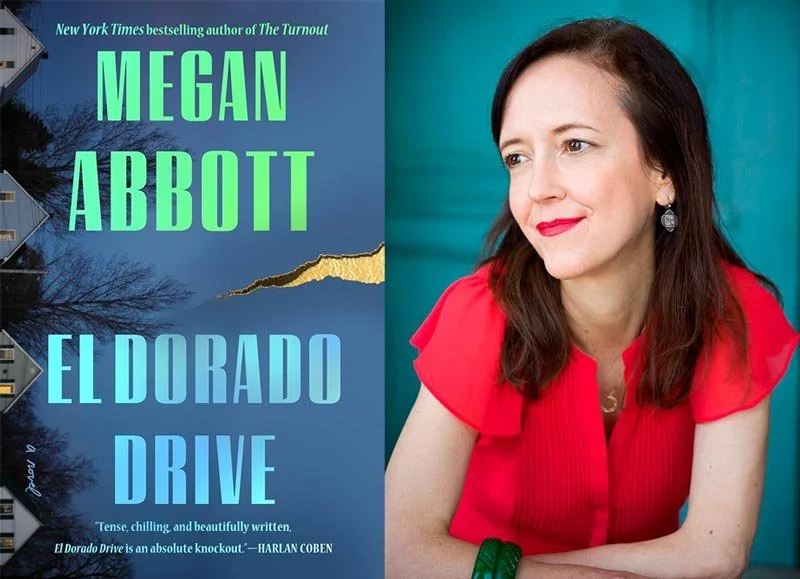
A Conversation with MEGAN ABBOTT
Author of Beware the Woman · You Will Know Me · Give Me Your Hand · The Turnout · Co-creator of Netflix’s Dare Me
I always say to young writers, you need to put your heart on the page. Don't worry about being like anyone else. I would say that foremost, in any of the arts, it is self-expression at its core… I think that it all goes back to childhood. I’ve always really been writing about family. I suppose we always are. I do think that it is the original wound, and it's where we are kind of wired and built from those early years. So I think every other relationship just replicates that. It's very natural for me to go there, I suppose because the feelings are most intense there. We just keep recycling these relationships and dynamics over and over again—until maybe someday we can catch ourselves and try to break the bad patterns. It feels the most visceral and real to me, always. You're always looking for that in writing. You want everything to be at this peak intensity, or at least I do. That seems the most natural place to start.
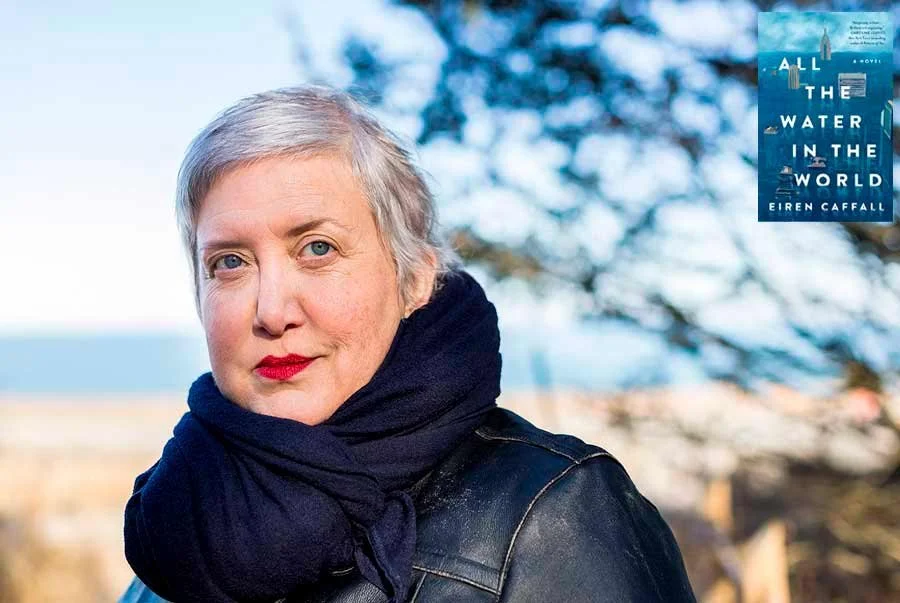
A Conversation with Writer & Musician EIREN CAFFALL
We are in a complex and delicately balanced relationship of connection to everything else on the planet. We begin to recognize, write into, and speak into the complex interdependence and interconnection of every gesture that we make on the planet. Most storytelling that I really respond to, whether it's from my own culture or from previous civilizations, acknowledges that we are in this complex relationship where every gesture we make is connected to the lives of every other creature on the planet. The more narratives we allow to be complex in that way and interconnected, the more we begin to change our brain chemistry around how we protect ourselves and everything that is in relation to us. The more that you have that evolving relationship with it, that's dynamic and alive to the moment you're in, and that's not afraid of the feelings of fear, hopelessness, grief, or pain that attend paying close attention to the world as it is evolving around you, the better we are able to be flexible in the relationship we need to form with fixing what we can and holding onto what we have.
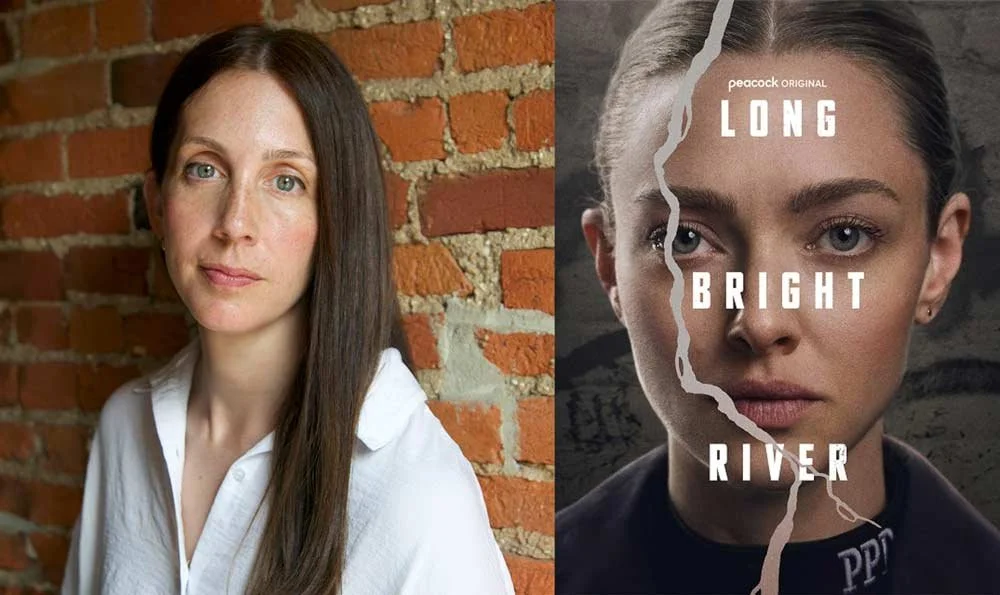
Author LIZ MOORE on Long Bright River starring AMANDA SEYFRIED
I've lived in Philadelphia for about 16 years. The book itself was inspired by my time spent in the Kensington neighborhood of Philadelphia interviewing a lot of the people that I met there, both longtime residents of the neighborhood and also people who were transient, a lot of people struggling with addiction and a lot of women doing sex work to fund their physical addiction to opioids. You find out about their past, their road into addiction, their aspirations, their fears. I began to lead free writing workshops at an organization named St. Francis Inn, which is a longstanding food service organization in the community. They had a women's day shelter where I taught. I was really able to connect with people within the community on a quite personal level and loved my experiences in Kensington. And I still go, I'm still quite close with a number of the community workers, people who run free healthcare clinics. All of it ultimately informed the writing of Long Bright River.
in Sam Altman's OPEN AI
A Conversation with KAREN HAO
My book is called Empire of AI because I'm trying to articulate this argument and illustrate that these companies operate exactly like empires of old. I highlight four features that essentially encapsulate the three things you read. However, I started talking about it in a different way after writing the book.
The four features are: they lay claim to resources that are not their own, which is the centralization of resources; they exploit an extraordinary amount of labor, both in the development of the technology and the fact that they're producing labor-automating technologies that then suppress workers' ability to bargain for better rights; they monopolize knowledge production, which comes when they centralize talent.
Filmmakers, Writers & Artists on Connecting through Creativity
How does art change the way we see and experience the world? Art has the power to offer transformative experiences, but what about the lives of artists who give so much of themselves? How can we balance creativity and personal well-being while still making work that is true and meaningful?
The Creative Process: Podcast Interviews & Portraits of the World’s Leading Authors & Creative Thinkers
Inspiring Students – Encouraging Reading - Connecting through Stories
The Creative Process exhibition is traveling to universities and museums. The Creative Process exhibition consists of interviews with over 100 esteemed writers, including Joyce Carol Oates, Hilary Mantel, Neil Gaiman, Viet Thanh Nguyen, Tobias Wolff, Richard Ford, Junot Díaz, Marie Darrieussecq, Michel Faber, T.C. Boyle, Jay McInerney, George Saunders, Geoff Dyer, Etgar Keret, Douglas Kennedy, Sam Lipsyte, and Yiyun Li, among others. Artist and interviewer: Mia Funk.