Underjungle

Underjungle

A Conversation with Author JAMES STURZ

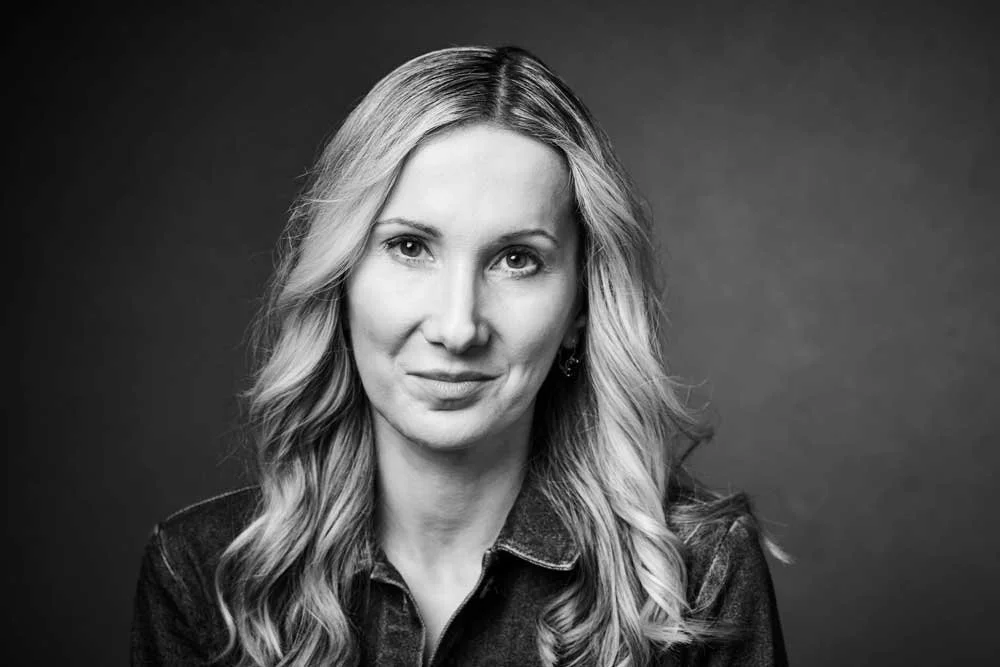
Underjungle is a tale of love, loss, family, and war—set entirely underwater. Sometimes I’ll joke it’s War and Peace, but 3,000 feet deeper. And shorter. And maybe a little funnier, too. But it’s also about our deep connection to the ocean. I wrote most of it in Hawaii during the pandemic, researching it off the coast. I knew that to write it I needed to say what it was like to be underwater. Not just to dive down, but to live there and be there, and for everything you know, whether it’s food, minerals, oxygen, ideas, or mates to come to you in the currents, through this thick and intensely rich medium that covers 70 percent of the planet. So I’d go to the coast to scuba dive or free dive. Not to chase after fish, but simply to sink and to take this different world in—one I was particularly happy to spend time in, not just because I love the water, but because so much of the rest of the world was closed off, and I feel free when I’m submerged it. And then I’d come home and try to figure out what everything I saw and felt meant, because I intended the book as a love song.
Nightshining

Nightshining

A Conversation with Author JENNIFER KABAT

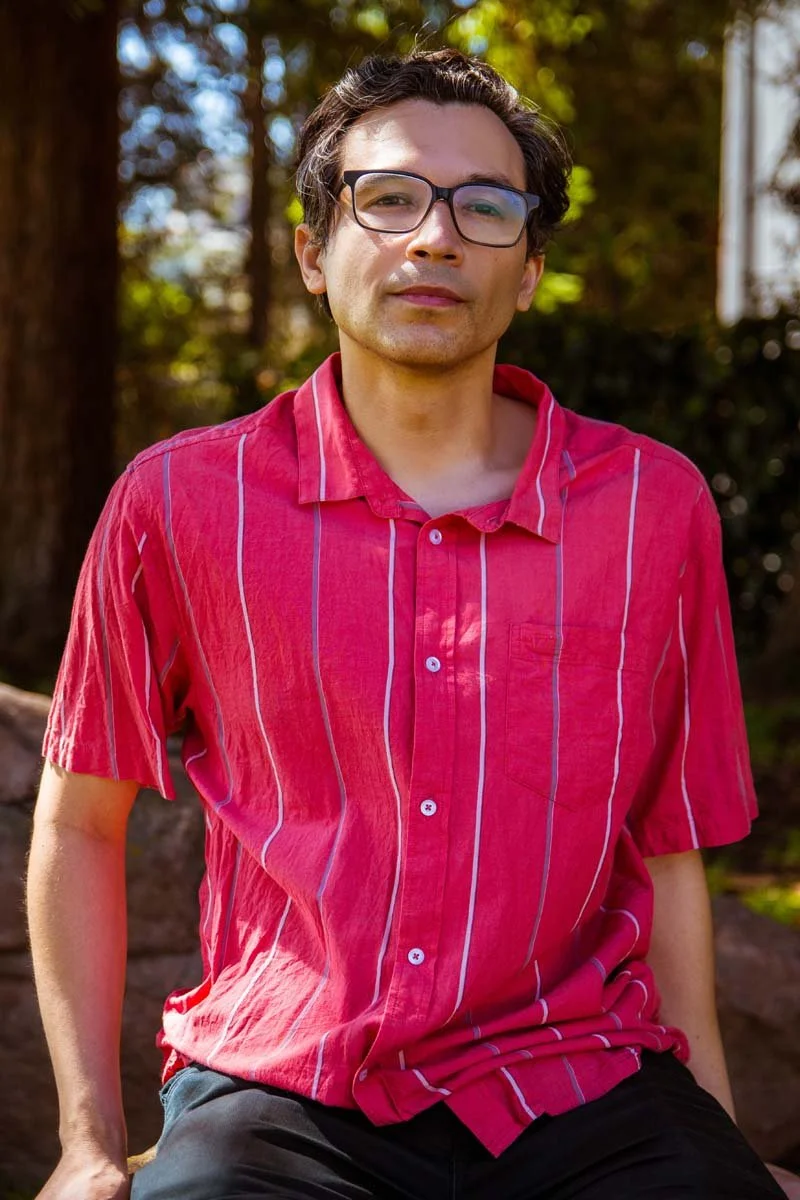
I grew up in a modernist subdivision of glass houses outside Washington, DC. And it was a bastion of left leaning values, where also nature --inside/outside--boundaries disappeared. It has a bylaw preventing fences, and its earliest residents created cooperatives for everything. That porousness and permeability, that sense of dissolving into the world around me, feels central to my writing and thinking, but so too politics. And then there is that wild Modernist dream (the one conveyed in, say, architecture and design, not so much the literature) that our stuff could change the world. It's radical and strange and a fairytale realm. Maybe not so surprisingly after my parents died, I wanted to rebuild their home in a field in upstate NY - which was the starting point in some ways for both The Eighth Moon and Nightshining.

On Identity, Disruption and Story

On Identity, Disruption and Story

A Conversation with Author JENNIFER SAVRAN KELLY

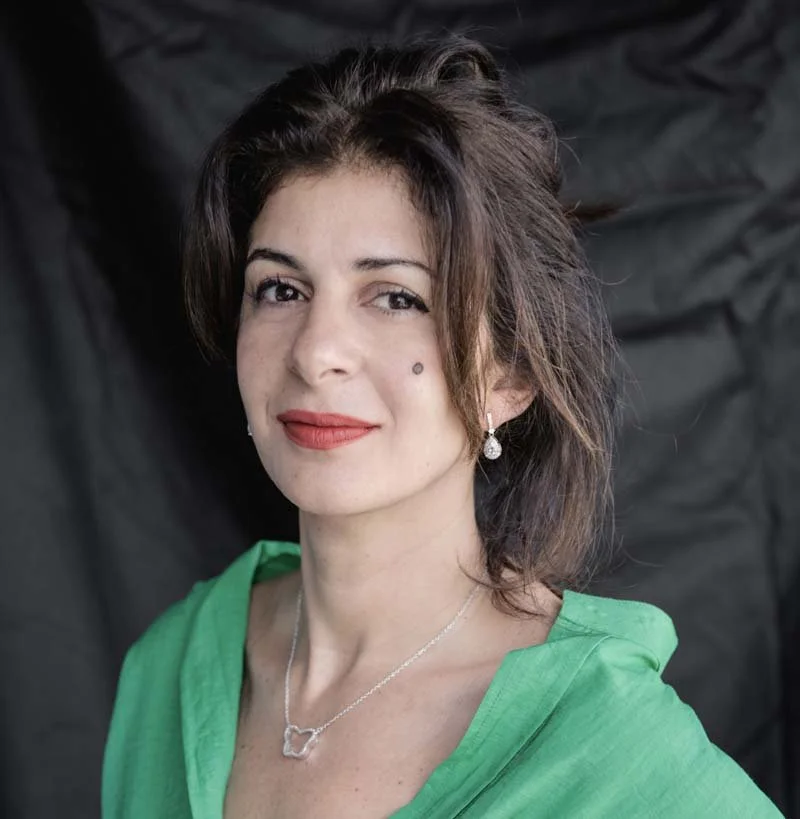
I was born and raised on Long Island in New York. My family moved around the island quite a bit, so I'm always interested in the idea of home. Is it a place or a feeling? Can it be lost or taken away? Undermined? Or is it something we make for ourselves? In my writing, I think this translates to the idea of foundational beliefs. I like to explore what happens when the foundational beliefs of my characters are shaken. Do they fold with the debris or rise from it changed, for better or worse?

Poetry, Exile, Silence

Poetry, Exile, Silence

A Conversation with Poet MAJA LUKIC

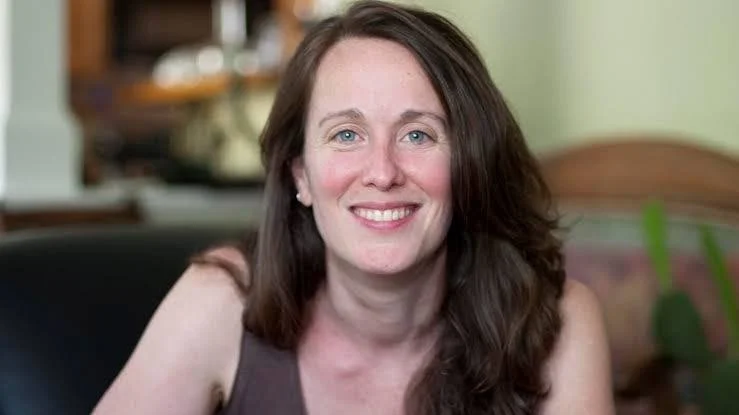
I was born in Croatia, in the former Yugoslavia. We left that country when the civil war broke out, and I grew up in Canada, mostly, with a lot of subsequent moves from place to place. So very early in childhood, I was confronted with complex feelings I couldn’t describe yet, and I felt a deep inchoate sense of loss. I was coming from a country that no longer existed and speaking a language that, politically, no longer existed. It made me more solitary—I had a rich inner life and retreated to my imagination as a safe place, which is fantastic training ground for a writer’s life. At the same time, living in the immigrant community in Canada and meeting kids from other cultures and other languages, I understood something about the universality of human experience. Yes, it was painful to leave home because of a war, but others abandoned their homes, too.

Writing from a Skateboarder’s Lens

Writing from a Skateboarder’s Lens

A Conversation with Author JOSÉ VADI

For my most recent book, “Chipped”, the creative process was skateboarding. The book is entirely about my relationship with that lovely toy, so I tried to regularly skate while writing it because 1) I love it and 2) it helped fuel a lot of the energy I was trying to put on the page.

CAIRO: The Undelivered Letters

CAIRO: The Undelivered Letters

A Conversation with Author MAI SERHAN

I am in the early conceptual phase of a new novel, which is inspired by the ongoing genocide in Gaza. Being Palestinian, watching this hell unfold from afar, live on my phone day-to-day, has left me struggling to find the words. Even the word “hell” feels reductive. It’s always hard to write about an event that is still unfolding, this one being particularly tough.

On Play, Process, and Writing Children's Fiction

On Play, Process, and Writing Children's Fiction

A Conversation with Author LAUREL SNYDER

I've spent the last eight years telling people I would never publish a sequel to that book, but now, an exciting idea has presented itself. I'm coming out of yet another low period in my writing. So it certainly feels like the right thing to do is to go back to my paints and crayons and get a fresh legal pad and a good, sharp pencil and tackle this draft by hand the way I did the first.
Though I also have arthritis now, and writing by hand hurts, so I may have to go more slowly...

Melissa Studdard

Melissa Studdard

A Conversation with Author MELISSA STUDDARD

My current project is a collection of poems told from the perspective of the severed tongue of the mythological character Philomela. The manuscript is built so far from woven threads that include original tongue twisters, a glossolalia (speaking in tongues) series, opinions from a Greek-tragedy-style chorus that represents a flawed society, a noir-style narrative arc in which the tongue hires a (private) eye to try to find Philomela, another narrative thread in which the tongue adopts an abused child and tries to save other victims (such as Prometheus's liver and Frankenstein's monster), Sappho-style fragments, lyric meditations on pain and suffering, and redux poems that complicate various passages and translations of the original myth with blackouts and added or rearranged text material.

Taylor Brorby

Taylor Brorby

A Conversation with Author TAYLOR BRORBY

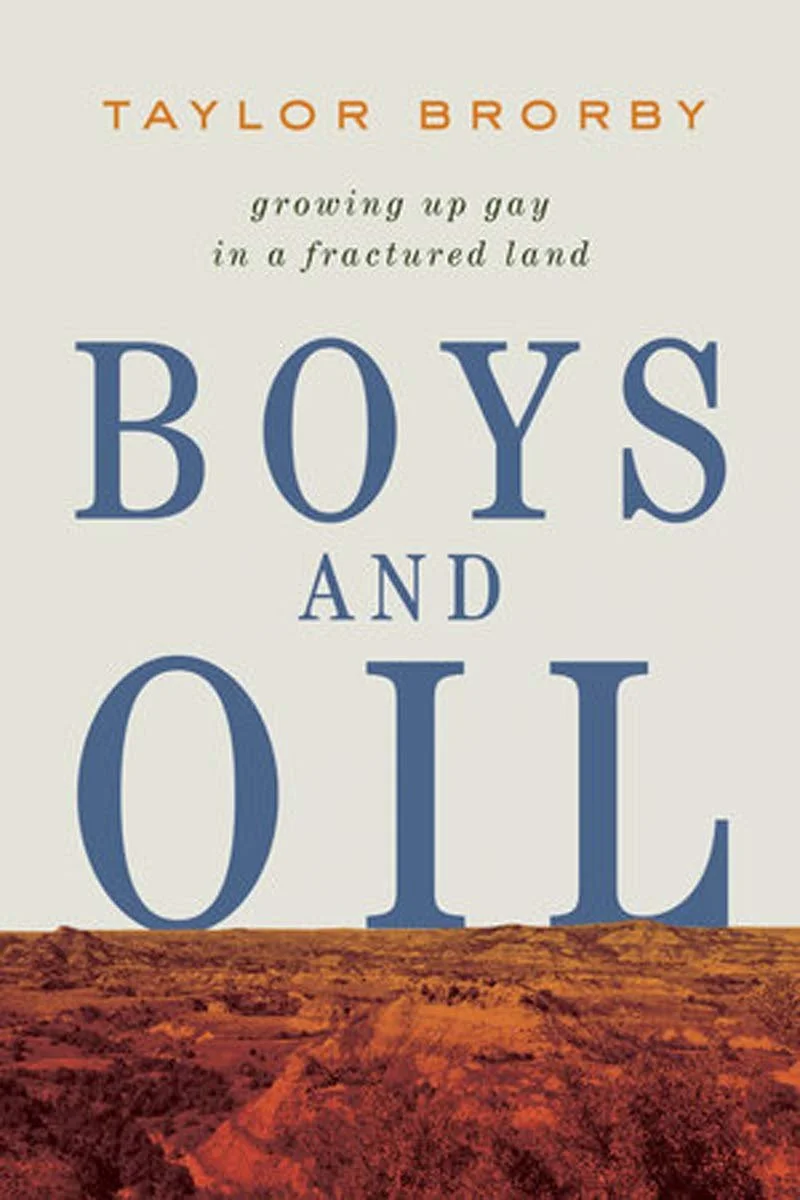
I grew up in Center, North Dakota, which is the center of nothing--other than my imagination. My home is nine miles south of where Lewis and Clark met Sakakawea, which is an hour north of where George Armstrong Custer last lived before he went west and had the worst day of his life, which is about one hundred miles east of where Theodore Roosevelt fled when his wife and mother died in the same house on the same day, and is about two hundred miles downstream from where Sitting Bull surrendered his rifle. It seems I grew up in the heart of what was originally called "Westward Expansion," which is something I continually come back to in my thinking and writing. It's a history I reckon with in my sentences.