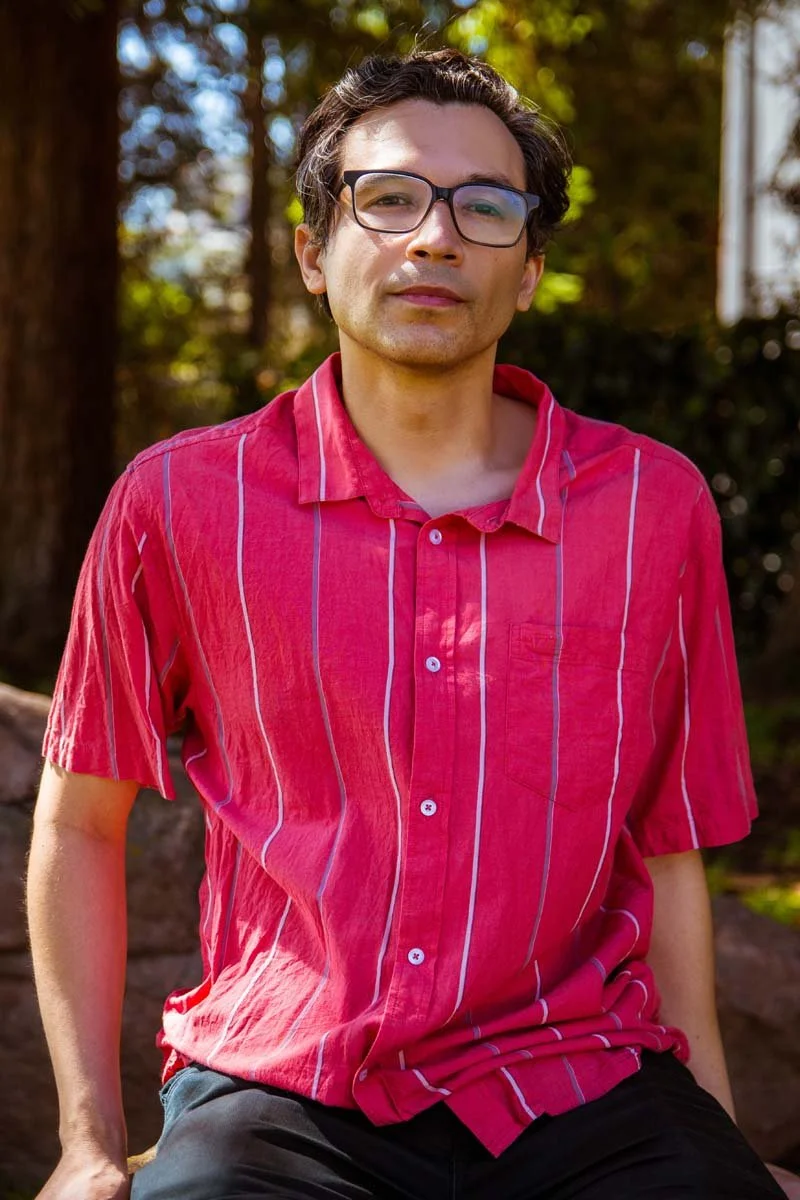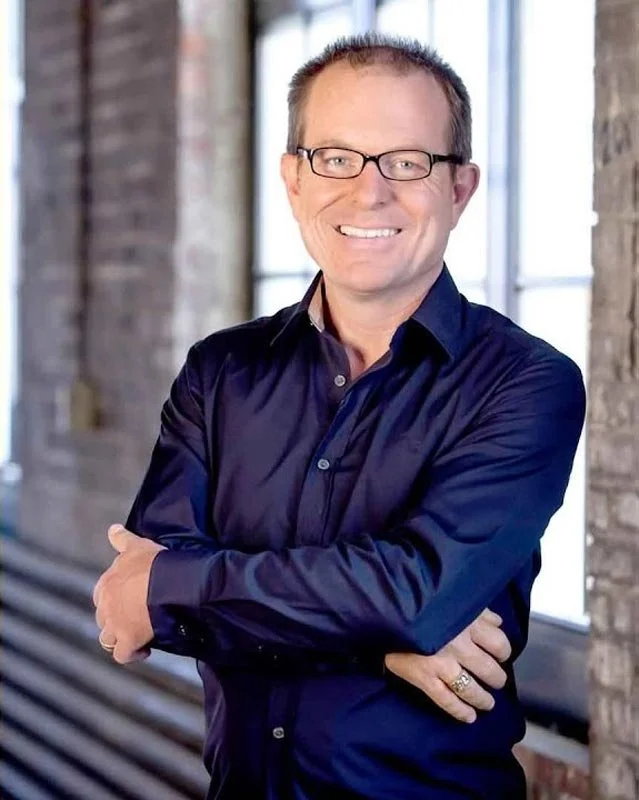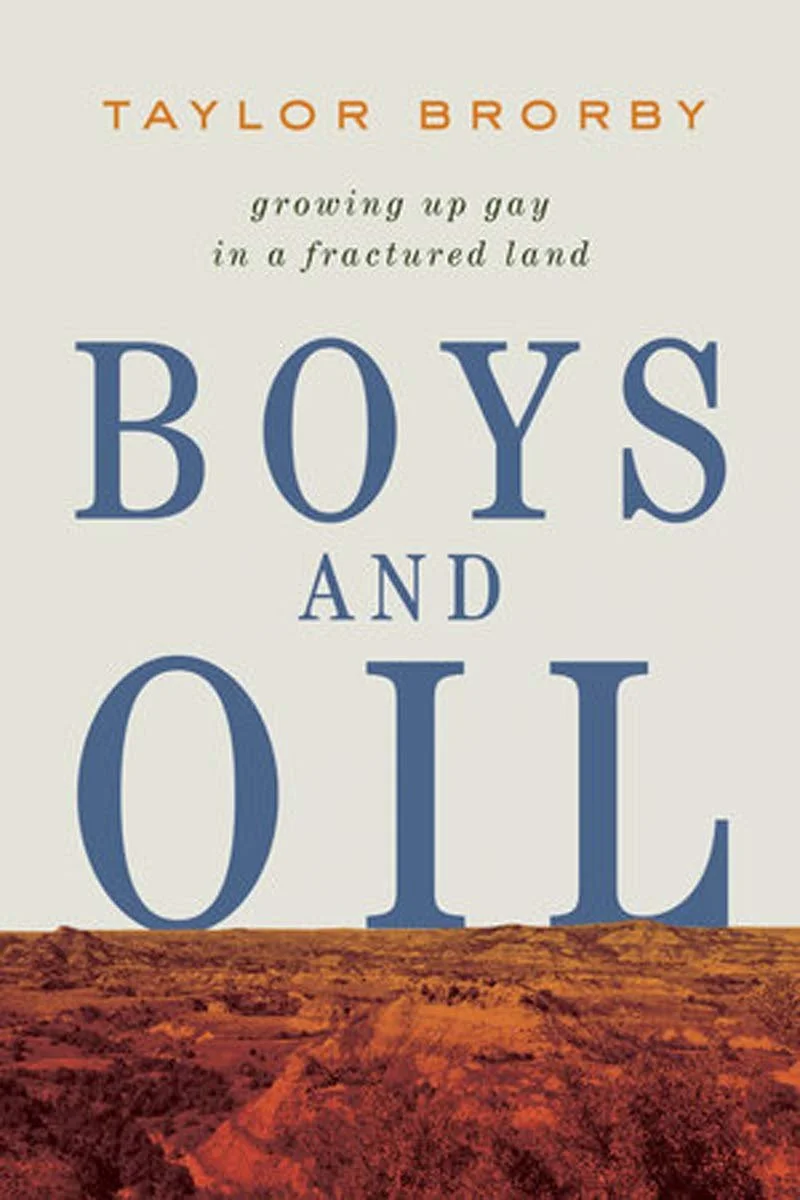


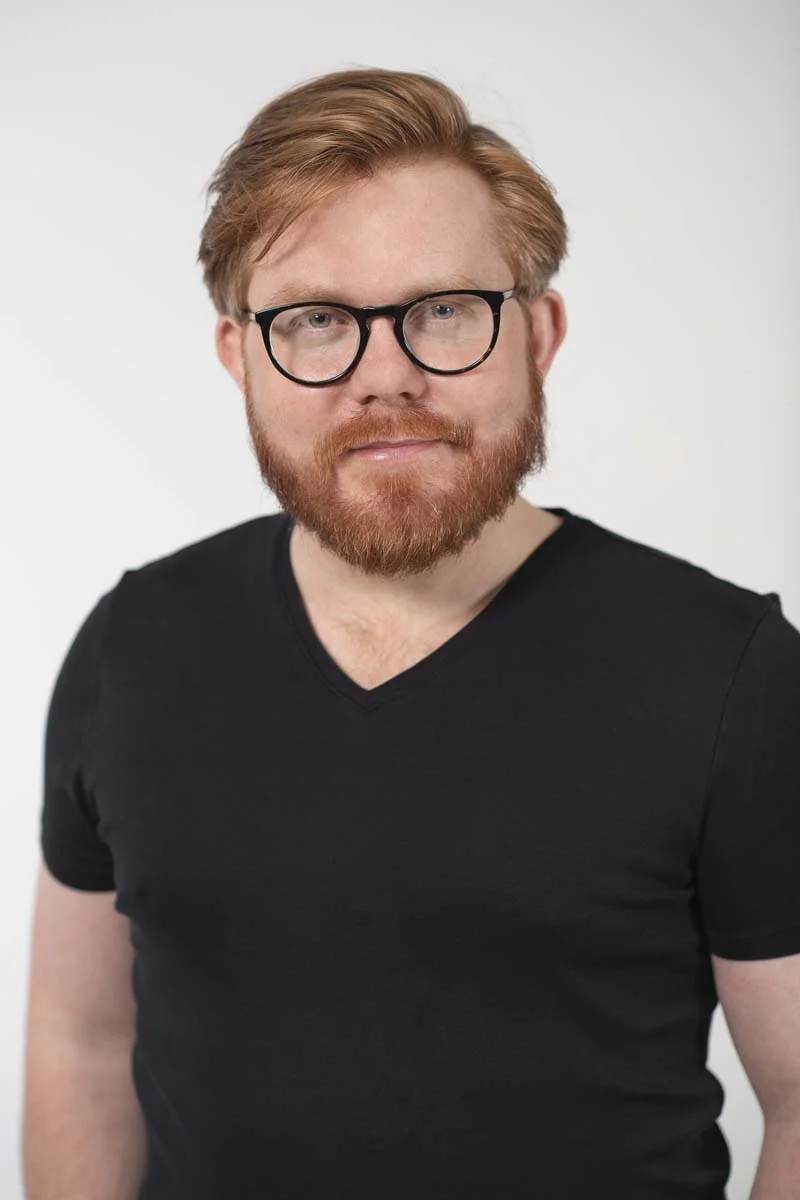
Taylor Brorby is the author of Boys and Oil: Growing Up Gay in a Fractured Land, Crude: Poems, and Coming Alive: Action and Civil Disobedience. My work has appeared in The New York Times, The Nation, The Huffington Post, and Literary Hub. I've been supported with grants and fellowships from the National Book Critics Circle, the MacDowell Colony, and Mesa Refuge. I've been interviewed about my work on MNSBC and NPR and am a contributing editor at North American Review. I am teaching in the MFA Program in Creative Writing at the University of Alabama. @taybro1987
Where were you born and raised? How did it influence your writing and your thinking about the world? I grew up in Center, North Dakota, which is the center of nothing--other than my imagination. My home is nine miles south of where Lewis and Clark met Sakakawea, which is an hour north of where George Armstrong Custer last lived before he went west and had the worst day of his life, which is about one hundred miles east of where Theodore Roosevelt fled when his wife and mother died in the same house on the same day, and is about two hundred miles downstream from where Sitting Bull surrendered his rifle. It seems I grew up in the heart of what was originally called "Westward Expansion," which is something I continually come back to in my thinking and writing. It's a history I reckon with in my sentences.
What kind of reader were you as a child? What books made you fall in love with reading as a child? I attempted to read as a child, but whenever I was caught with a book, my parents would tell me to go and do something, which meant "go outside." So, on one hand, my parents gave me the wide world and my love for nature. I didn't read much (other than R.L. Stine, The Boxcar Children, and Gary Paulsen until high school, which was when I had three wonderful English teachers--Mrs. Lord-Olson, Ms. Montgomery, and Mrs. Pole, who cracked my brain open to all that literature holds. I owe those teachers so much.
Describe your typical writing day. I throw myself out of bed, rush to make a cup of iced coffee, and bolt back to the desk my grandpa made for me when I was eight--the desk where I've written every book. I write on yellow legal pads--I'm addicted to the sound of turning that page and all of my words disappearing, so I've got to fill the next page. I've outlined every book on a single index card with Roman numerals, with the chapter topics or scenes--just enough of a roadmap to keep me going. I don't want to over-plan because part of the fun of writing for me is seeing where my subconscious goes. And the perk of writing by longhand is that you get a free edit out of the deal. Once you start typing up what you've written, you can edit as you go. If I'm cooking, by which I mean writing three pages by hand a day, I have a draft of a book in three months. I tend to abide by that old Jim Harrison adage that it's not unreasonable to expect to write a book a year. Since 2020, I have--no if only publishing moved at a quicker pace!
Tell us about the creative process behind your most well-known work or your current writing project. Boys and Oil came out of my closing my eyes and going to the source of my generative well: the bend in the Missouri River where I'm convinced Sakakawea met Lewis and Clark. It's where my grandpa sank a number of his vehicles because he always forgot the parking brake. I can describe that bend for hours--but once I get bored with that on the page, my mind wanders to the other nooks and crannies of the region where I grew up--its history with coal, with hydraulic fracking, with the genocide of Native Americans. I wrote short vignettes and stitched them together, using the opening of Beethoven's Third Symphony, the "Eroica," as my model. Those first three minutes contain snippets of a lot of potential themes, so I attempted to mimic that in my book.
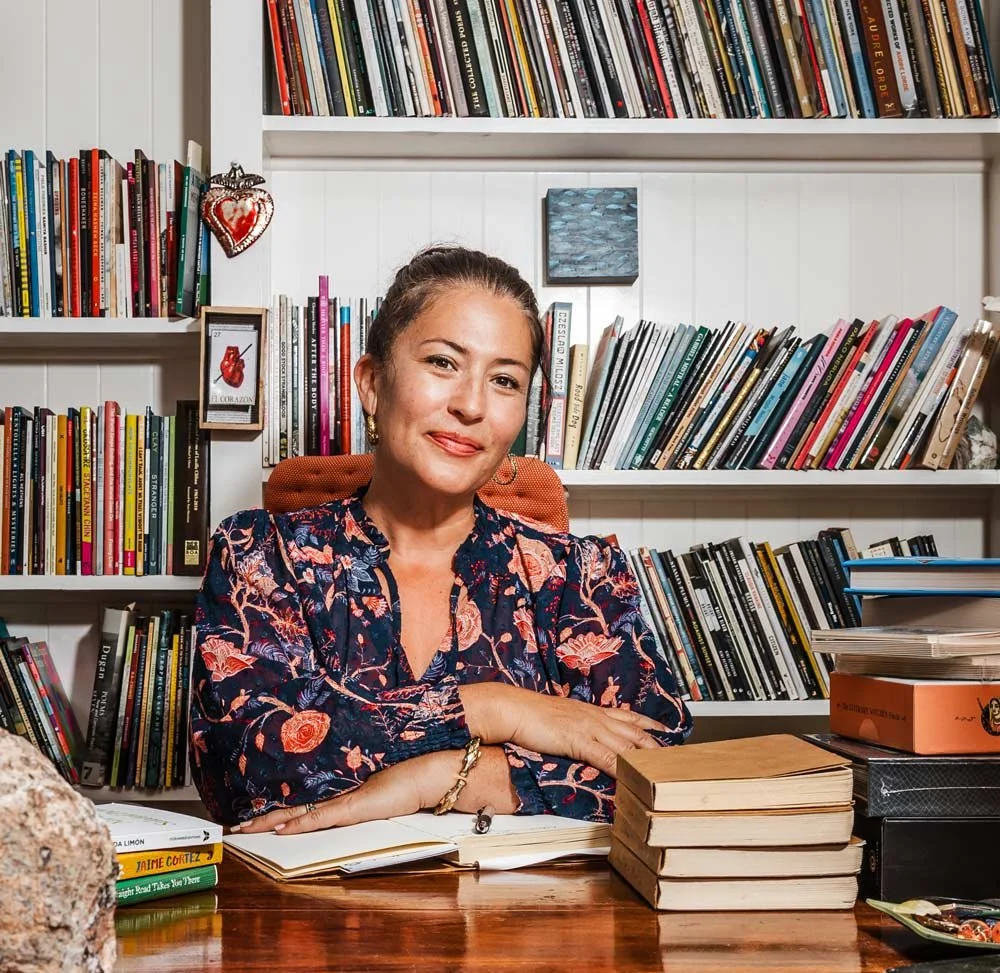
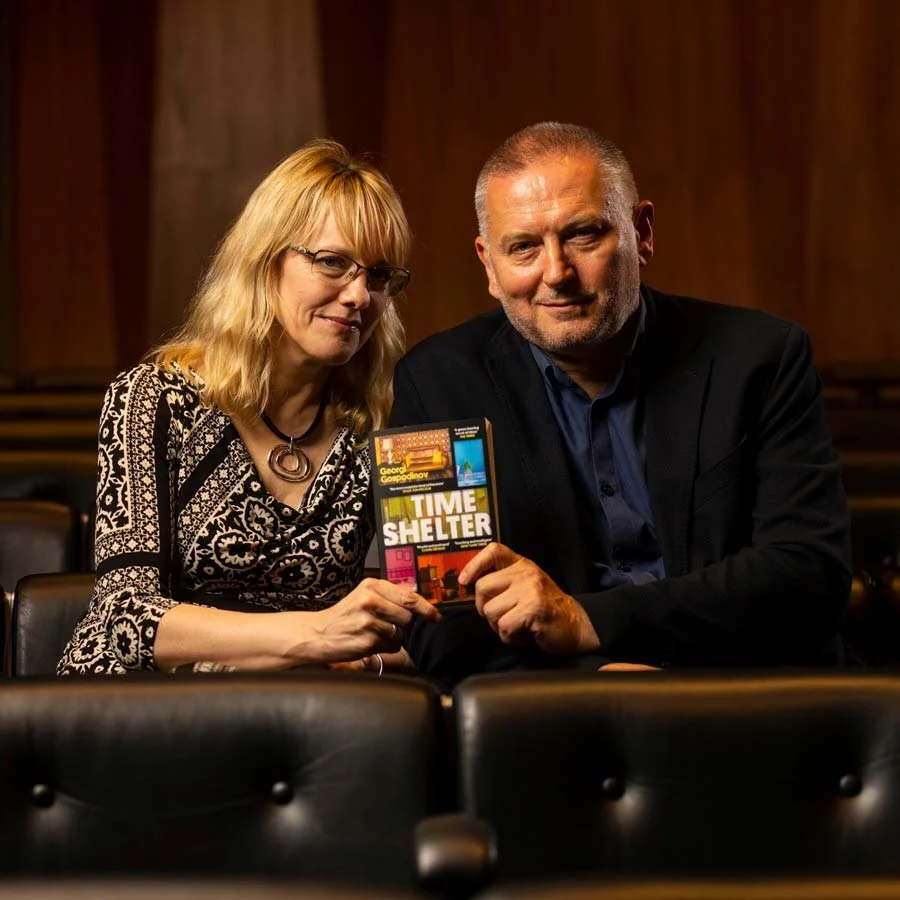
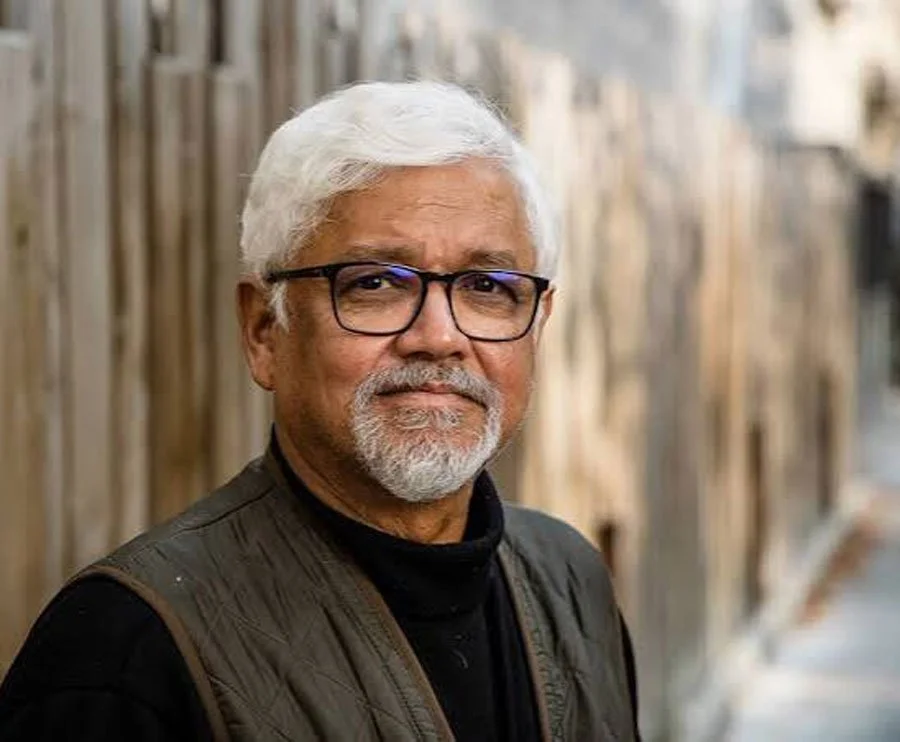
Upload a Photo(s) of Yourself (required), Your Handwritten Notebooks, Your Books, Manuscript Pages, Your Writing Desk, etc. (optional).:24123_brorbytaylor_ccarrollfoster.jpg
Do you keep a journal or notebook? If so, what’s in it? I've never been good at that, finding that I don't like to overly process my own thinking about my writing or how it went. I save my energy for the writing itself. And since I write quickly, it seems that I've always got books to be drafting.
How do you research and what role does research play in your writing? Research--whether visiting places, checking my memory with friends or family, or delving into the library stacks--is essential. I don't know how you write a book without doing research. I think it's something sorely missing from current trends in writing.
Which writer, living or dead, would you most like to have dinner with? Conversationally? Molly Ivins. I love a sharp-tongued, quick-witted woman. Personall? Wallace Stegner. He's the writer who showed me the path for what I most want to do with my life.
Do you draw inspiration from music, art, or other disciplines? Music--my god, what else is there? I haven't recovered since Mrs. Harrison, my elementary music teacher, put on a record of Tchaikovsky's "1812 Overture." Cannons--are you kidding me? Since then, I've regularly sweated while listening to Beethoven's Fifth Symphony--that second theme in the third movement, when the basses blaze along--christ! And, my desert island piece, Brahms's First Symphony. Once, while driving through eastern Montana, on my way to Glacier National Park, I was listening to that symphony while driving through a thunderstorm. There's a moment in my favorite recording (Karajan) where a solo trumpet breaks through towards the end of that symphony--at that *exact* moment, the sun broke through the storm. Hollywood couldn't have done it better. With memories like that, how can music not be the most powerful art and a vehicle of inspiration for what I'm trying to get readers to feel?
AI and technology are changing the ways we write and receive stories. What are your reflections on AI, technology and the future of storytelling? And why is it important that humans remain at the center of the creative process? AI is a threat to everything I hold dear. I want it to clean my floors, not steal the thing that makes life worth living: creativity. If we farm out our creativity, what's the motivation for anything pleasurable and challenging in life? We'll become the embodiment of that terrifying movie WALL-E. The discipline--as unsexy as that word is--of human creativity is that it helps us explore not only what we think and feel, but it also allows us to see new pathways and possibilities for solving the most pressing issues we face.
Tell us about some books you've recently enjoyed and your favorite books and writers of all time. I've been rereading Rachel Carson's The Sea Around Us, which is just such a masterpiece of language, imagination, and research. She took us under the surface of the ocean before Jacques Cousteau. I've also been rereading Patricia Hampl's Spillville, all about Dvorak's summer in Iowa. I love everything she's written and wish I could figure out how she can be simultaneously poetic and hilarious at the same time. Annie Dillard's For the Time Being is my touchstone book, as is Kent Haruf's Plainsong. And where would I be without Wallace Stegner's Where the Bluebird Sings to the Lemonade Springs, particularly his essay in there called "Letter Much Too Late." A grossly underappreciated writer is Paul Gruchow, whose Boundary Waters: The Grace of the Wild should be required reading, as well as his Grassroots: The Universe of Home, particularly the essay "What We Teach Rural Children." And John Steinbeck's Travels With Charley changed my life--I felt so vindicated in eighth grade when Mr. Erhardt told me to read that book and found someone else was in agreement with me: that the country divides at the Missouri River between Bismarck and Mandan, North Dakota. What more does a boy need than a Nobel prize winner supporting his geological view of the country?
Exploring literature, the arts, and the creative process connects me to…the long and expansive history of the most brilliant minds humanity has ever produced.