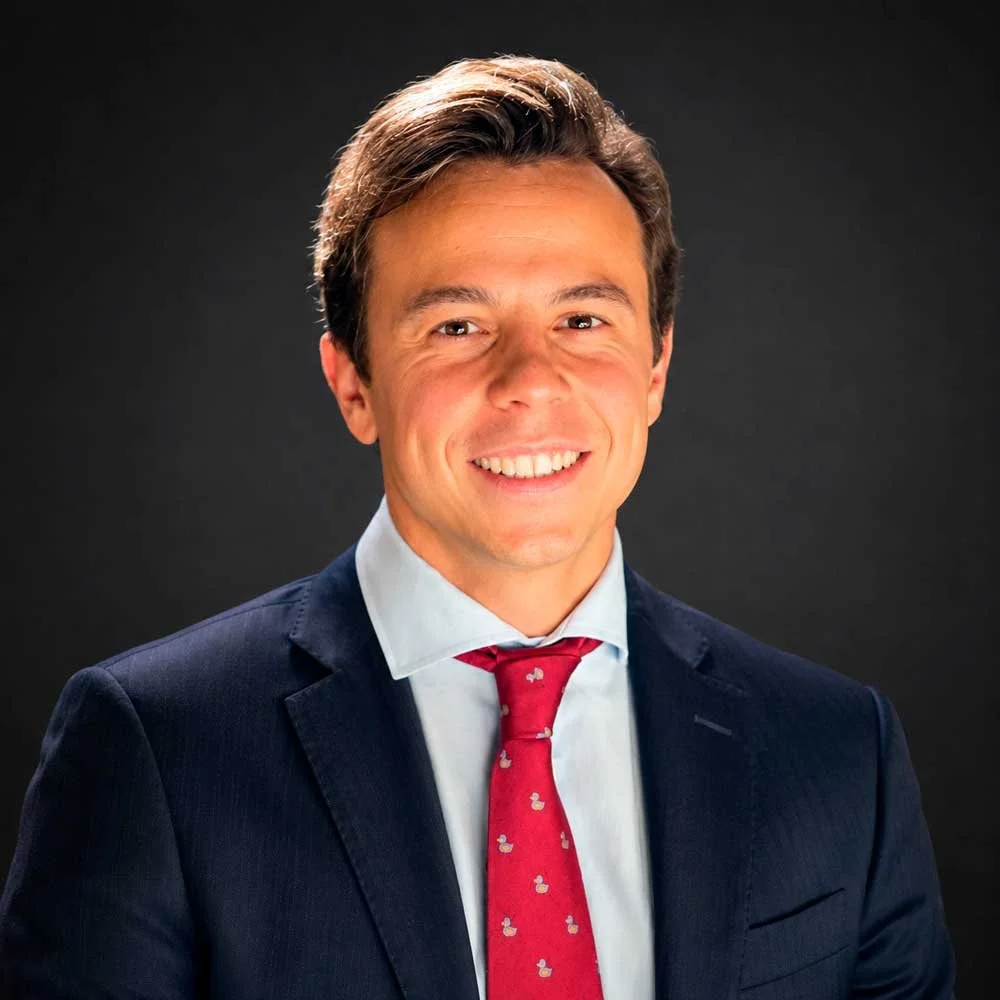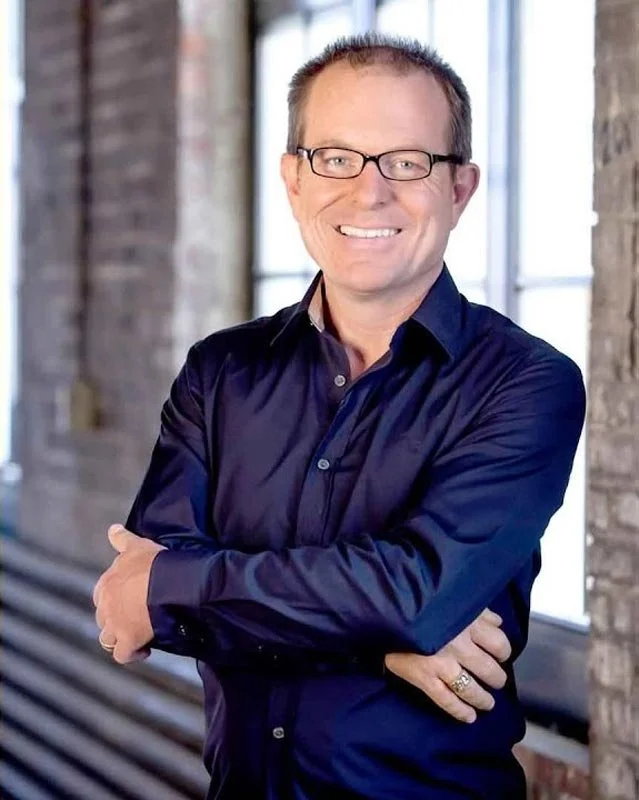


José Vadi is an award-winning essayist, poet, playwright, and film producer. He is the author of the nonfiction books Chipped: Writing from a Skateboarder’s Lens (2024) and Inter State: Essays from California (2021). His short fiction appears in the anthology Sacramento Noir (2025). His work has been featured by the Paris Review, The Atlantic, the PBS NewsHour, KQED, Free Skate Magazine, Quartersnacks, Alta Journal, McSweeney’s, and the Yale Review. @vadiparty
You grew up in California— how did that influence your writing and your thinking about the world? I grew up in Pomona, California, which is in deep east Los Angeles County, that grey area between the San Gabriel Valley and the Inland Empire. Growing up in the shadow of LA was huge – the drives are longer and there’s more worlds to traverse to get from point A to B. There’s this odd mix of beautiful topography, like how our north was defined by the Sierra Nevada foothills, and suburban sprawl, but it’s that juxtaposition that the San Gabriel Valley really embodies, and probably impacted how I write.
What kind of reader were you as a child? What books made you fall in love with reading as a child? I think reading “The Giver” in school was huge; it’s kind of “1984” for kids. I was really looking for authors who were exposing larger societal truths through literature, like Orwell and Ray Bradbury, even Kurt Vonnegut. But I also grew up loving hip hop and its rhyme schemes, which led to initially writing poetry and breaking down playful relationships with language that had multiple meanings. Which led to raiding my sister's and my parents’ book collection and reading everything from the existentialists to “Catch-22” to a lot of Beat poetry.
Describe your typical writing day. I try to block out chunks of the day where I know I can focus, where there are fewer distractions, and when I have the most energy to dedicate to whatever I want to get done. Over the years, I've gravitated more and more to writing first thing in the morning. I developed a habit while writing my first book of trying to get to coffee shops when they opened, getting an hour or two of writing in before work, and returning to it in the evening. Having gaps and breaks helps reconfigure the approach to the story and figure out better ways to tell it. I’ll try and go on a walk or do something physical between writing sessions to not be bound too much to the desk.
I definitely edit as I go; I frequently rewrite the same line or paragraph repeatedly. Outlines are pretty fluid. Sometimes, I’ll create a couple of broad bullet points of things I want to cover, like different scenes or lines I have in my head that I want to explore. I don’t write linearly at all; I kind of work from either end of an essay or story and build my way towards the middle. I usually have a starting line that sparks the idea behind whatever I'm trying to write, and I might have a conclusion in mind, but it’s the middle of an essay or story that takes the most time figuring out.
Tell us about the creative process behind your book, Chipped. For my most recent book, “Chipped”, the creative process was skateboarding. The book is entirely about my relationship with that lovely toy, so I tried to regularly skate while writing it because 1) I love it and 2) it helped fuel a lot of the energy I was trying to put on the page. For my first book, “Inter State", the creative process was a lot of road trips and long walks around different parts of California, trying to connect its changing landscapes and topographies with the histories I inherited from my family or created for myself as an adult. In both examples, navigating space is key to my creative process. I don’t know if I would excel at attending a remote writing retreat; I need a bus. I need the ability to get around.
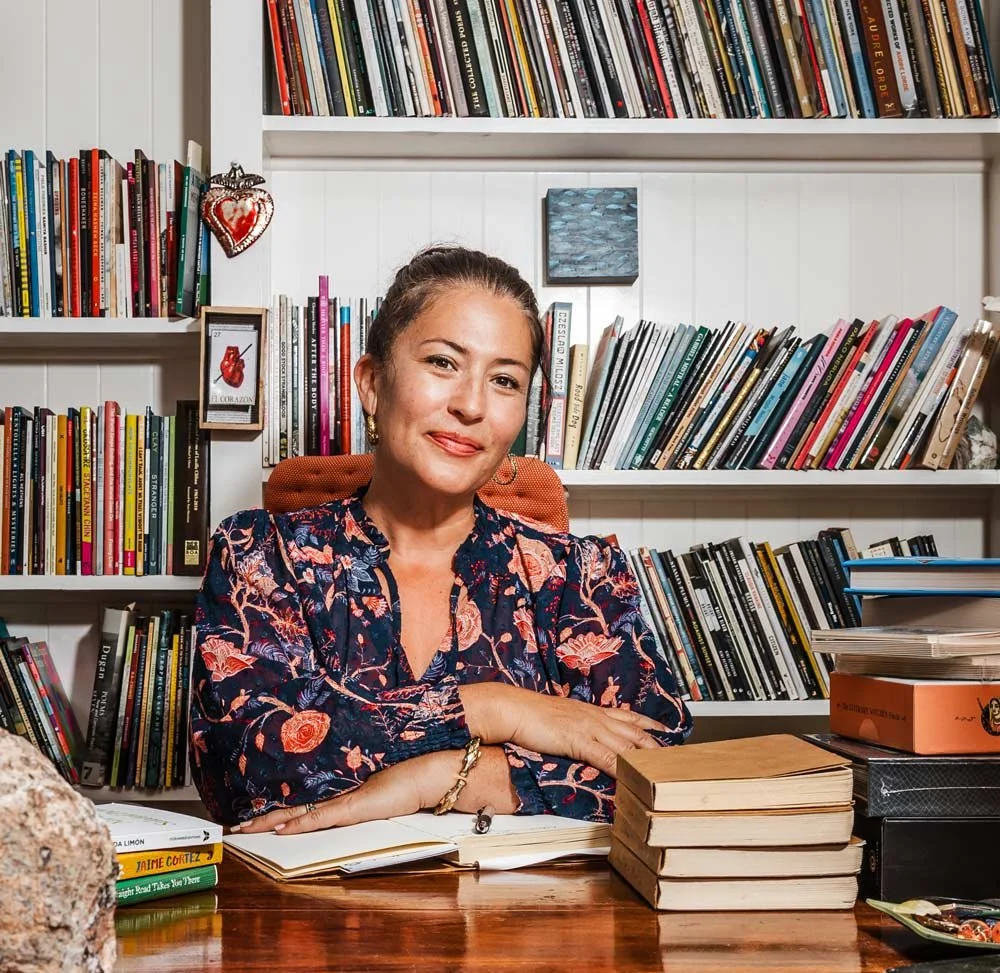
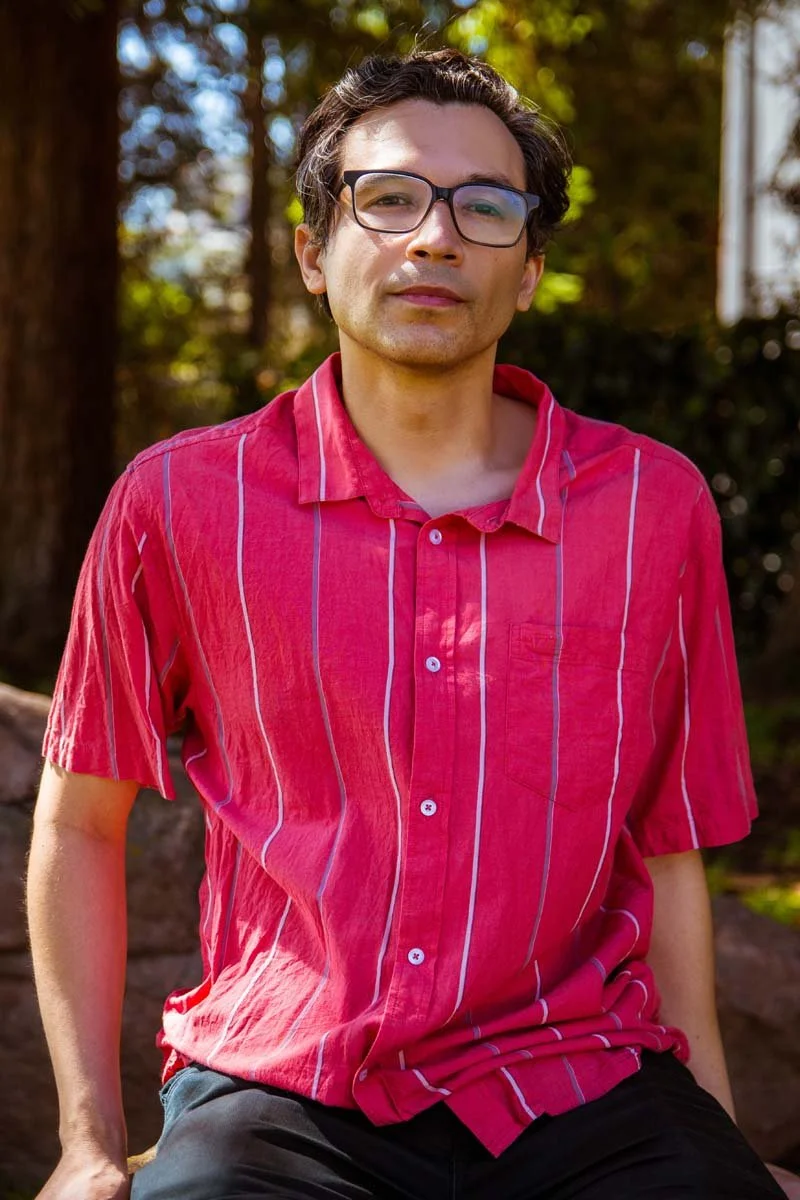
Upload a Photo(s) of Yourself (required), Your Handwritten Notebooks, Your Books, Manuscript Pages, Your Writing Desk, etc. (optional).: Vadi_pink.jpeg
Do you keep a journal or notebook? If so, what’s in it? I keep a journal and a desk journal that acts as a daily scratch pad of sorts. The journal may be longer journal entries and drafts of writing I’m working on, but the desk journal is more sketches of scenes, to-do lists, research notes, and more of a working dashboard. I try to buy journals with envelope storage in the back so I can collect random ephemera, like concert ticket stubs, things that help remember the era I’m writing about.
How do you research and what role does research play in your writing? Research is key for my writing, whether it’s citing a primary source or taking road trips to places I’m writing about. I also take a lot of film photos on these trips to help with remembering aspects of these trips I want to write about later. This is particularly true for my first book, “Inter State”, where I took road trips all across California, including the fields where my grandfather, a former migrant farmworker, once worked.
Which writer, living or dead, would you most like to have dinner with? Maybe teleport to early '60s New York and hang out with Frank O'Hara.
Do you draw inspiration from music, art, or other disciplines? Music, photography, and visual arts are absolutely huge for me. I’ve written essays where I imagine the musician Sun Ra as a pro skateboarder, me taking over the jukebox weekly at a bar in San Francisco and playing self-anointed DJ; homages to visual artists like Ed Templeton. The cover of my book “Chipped” is a 35mm photograph I took of my friend with a disposable camera when we were growing up skateboarding. Writing is thankfully one spoke of a multidisciplinary creative wheel.
AI and technology are changing the ways we write and receive stories. What are your reflections on AI, technology and the future of storytelling? And why is it important that humans remain at the center of the creative process? Emotions, nuance, and context matter. It’s something uniquely human as having thumbs. We should pursue and preserve that skill as much as possible.
Tell us about some books you've recently enjoyed and your favorite books and writers of all time. I spent a lot of this summer reading Susan Straight’s awesome novels “Mecca” and “Sacrament”, both of which made me greatly miss Southern California. Fernando Flores’ latest novel, “Brother Brontë” was stunning. Venita Blackburn's short stories have also been on heavy rotation.
I’ve always admired Percival Everett’s work; it’s great seeing him finally get the attention his work deserves. Also a big fan of Cesar Aira’s translated works. Greatly inspired by the playwright Suzan-Lori Parks. James Baldwin is my nonfiction north star.
Exploring literature, the arts, and the creative process connects me to… myself and my relationship to the world.