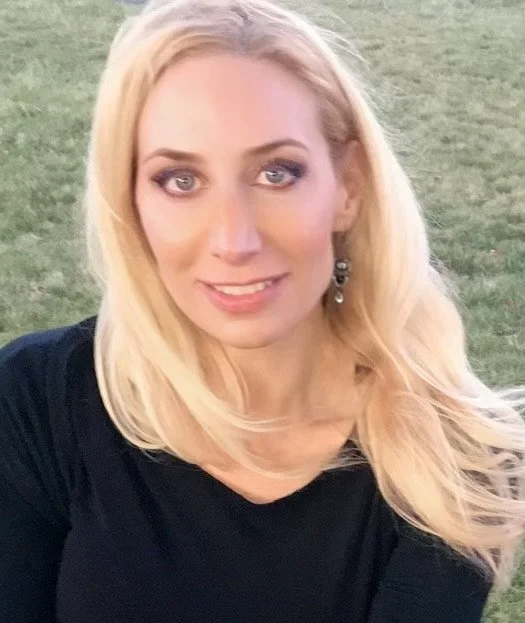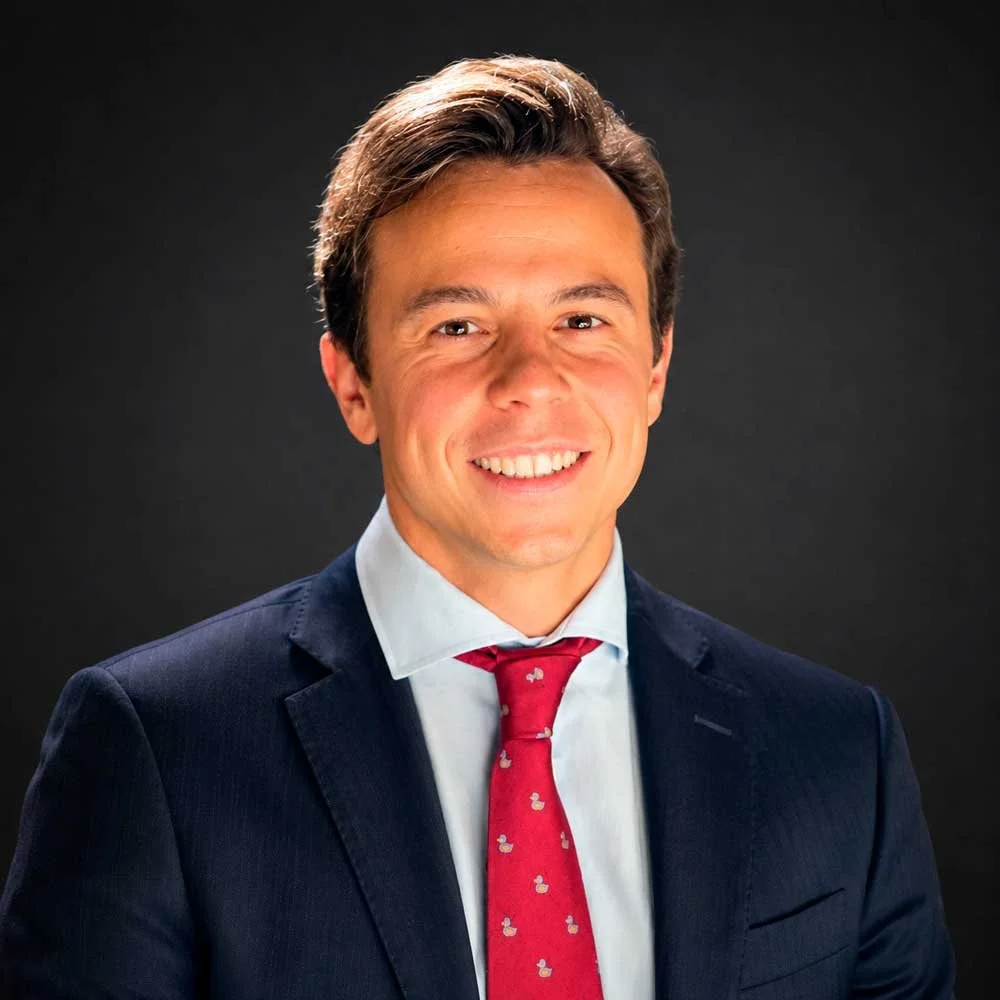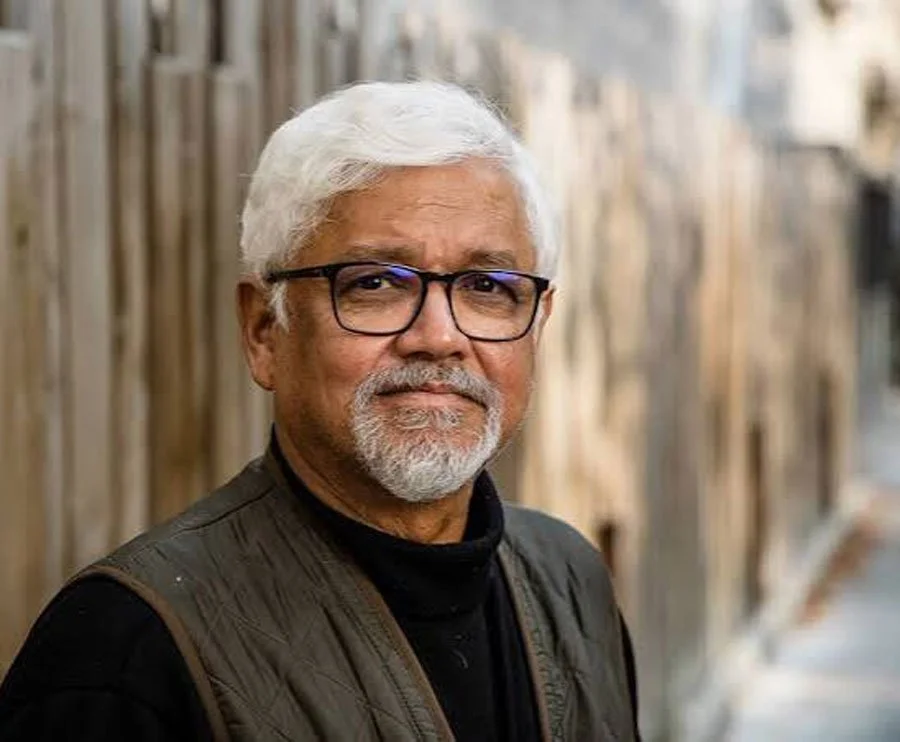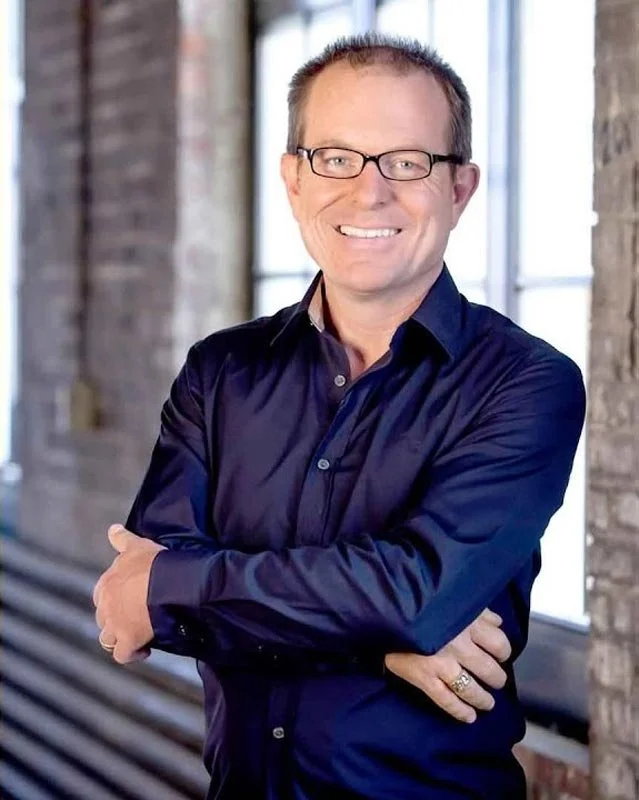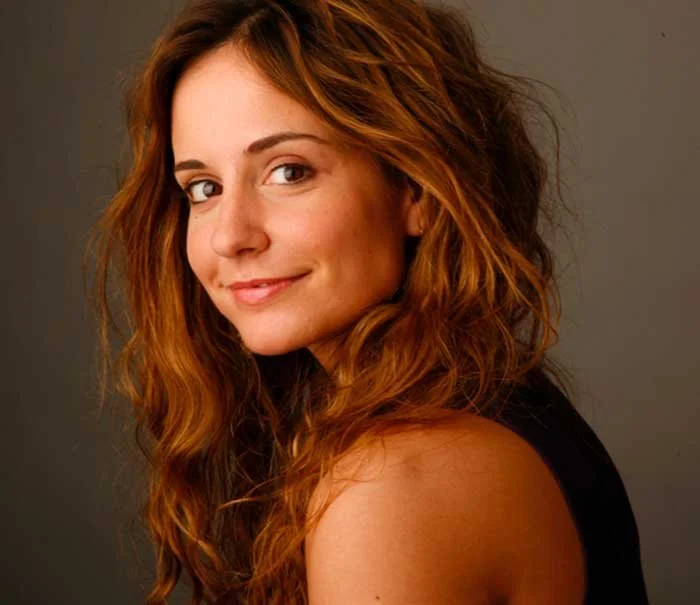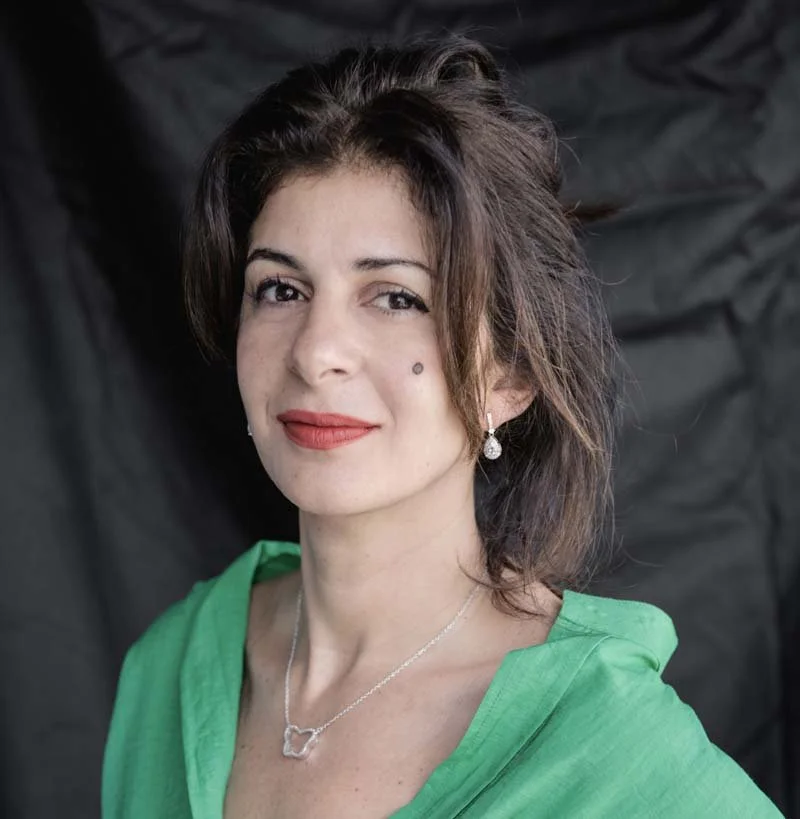


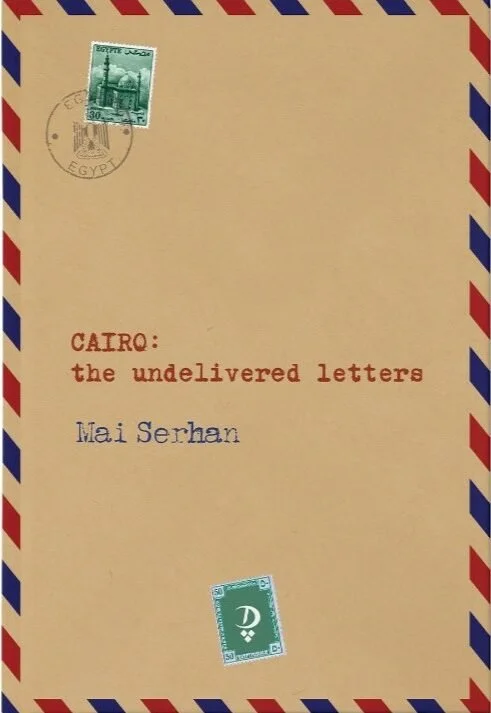
Mai Serhan is a Palestinian writer who grew up in Egypt. She is the author of CAIRO: the undelivered letters, winner of the 2022 Center for Book Arts Poetry Chapbook Award, and I Can Imagine it For Us, a finalist for the 2022 Narratively Memoir Prize. She holds an MSt in creative writing from Oxford University and has studied at NYU and AUC. She lives in Cairo. @mai_serhan
How did living in Egypt shape your view of the world and the kinds of stories you’re drawn to? I was born in the United Arab Emirates and raised in Egypt. My entry point into the world was in Abu Dhabi, amongst my Palestinian side of the family. I remember the women being very strong and the men being personalities, each clearly distinguishable from the other. The food was the best I have ever had. The war was always on TV. If there was grief, which I’m sure there was, it was not the quiet kind— they fought and laughed hard. My paternal grandparents lived in Beirut until the Lebanese Civil War forced them to flee to Cyprus. I grew up spending my summers in Limassol. I moved to Cairo when I was six to live amongst my Egyptian mother’s side of the family. Cairo tried hard to anchor me in a sense of place, but there’s always been a stubbornness to settling down here. I suffered from a square peg in a round hole syndrome, and I know it’s because I had inherited my father’s Palestinian genes. He did not see Cairo as his home and wouldn’t settle here or anywhere else. I have so many memories of him in airports. When I was old enough, the first thing I did was follow him to China, where he lived the last ten years of his life.
As for how it all influenced my writing and thinking of the world, I suppose without it, much of my formation as a writer would not have been realized. It gave me my awareness, a sense of identity, a subject matter, a central question, and my writing fuel. I suffer from the unattainable border condition, the compulsive need to crossover, to break free from the confines of language, structure, genre.
What kind of reader were you as a child? What books made you fall in love with reading as a child? I was an average student overall, except when it came to literature. It always had my full attention, and I excelled without feeling the burden of schoolwork. My earliest memories are of The Secret Garden by Frances Hodgson Burnett and Roald Dahl’s Charlie & the Chocolate Factory. Later, there were Around the World in Eighty Days by Jules Verne, George Orwell’s The Animal Farm, and Tennessee Williams’ The Glass Menagerie. During the summer holidays, I would pick up Arabic novels: Youssef el-Sebai’s Nadia, Tawfik el-Hakim’s Soft Hands, and Naguib Mahfouz’s Autumn Quail. I also remember being completely immersed in the world of Tolstoy’s Anna Karenina early on.
Describe your typical writing day. I put my phone on silent from 9 am-3 pm; that is when my two kids are at school. I always curate a reading list around my work. I take a book to a quiet café where I know I won’t bump into anyone I know for the first two hours of the day. I leave many notes in the margins, especially because I’m also a creative writing tutor, always on the lookout for an exciting new read to share with my students. I mark good scenes, great settings, characterization, dialogue, and add a star next to passages that blow my mind. Exceptional lines are pinned to a corkboard in my garden shack; I count them as little brain sparks.
Reading gets me ready for writing. If I am working on a new project, I research extensively for months, take a lot of notes while also thinking of story, scenes, tone, and POV. I listen to a lot of podcasts, like The New Yorker Fiction and Stinging Fly. I watch a lot of interviews with writers I admire on craft. I then write a synopsis and treatment; they guide me through the writing process I’m about to embark on and clarify the thematic core, emotional pull, etc. I then spill all the scenes that come to mind in a document, in no particular order. I pin a huge narrative arc to the corkboard next to my desk and start by identifying the scenes that will form the main plot points. I buy index cards and highlighters for different plotlines, and start organizing, putting all the scenes in order. Then I sit down to write. When I am completely engrossed in the writing process, the story has its own life, and I follow. I become like a sponge; everything I hear or encounter in my free time may be relevant to the story. I edit at all stages, as I am writing, but also as I redraft a full manuscript.
Tell us about the creative process behind your most well-known work or your current writing project. I am in the early conceptual phase of a new novel, which is inspired by the ongoing genocide in Gaza. Being Palestinian, watching this hell unfold from afar, live on my phone day-to-day, has left me struggling to find the words. Even the word “hell” feels reductive. It’s always hard to write about an event that is still unfolding, this one being particularly tough. There is guilt, frustration, rage, grief, but there is also love, a need to survive, commitment, and a refusal to stay silent. But what do you say when the whole world is watching, seeing what you are seeing? What can you possibly add? I don’t want to capture what is happening, and I don’t want to lament it either— both feel futile. Ideally, I would like to transport the reader, make them feel joy and pain, awe and terror in equal measure. Remind them of love, always. I have spent a lot of time with refugees from Gaza, formed the most beautiful friendships, but also got to know Gaza more intimately. I know the friends and family they've left behind, and I even speak to them on the phone. I'm friends with those from Tal el-Hawa, the affluent neighborhood, those from the Jabalia refugee camp, all the way to Beit Hanoun, the poorest area. What really stood out to me was their immeasurable capacity to live and to love, which has inspired me to work on a love story. The novel is phantasmagoric, dreamlike, and deceptive, an escape from war, but a direct reaction to it.
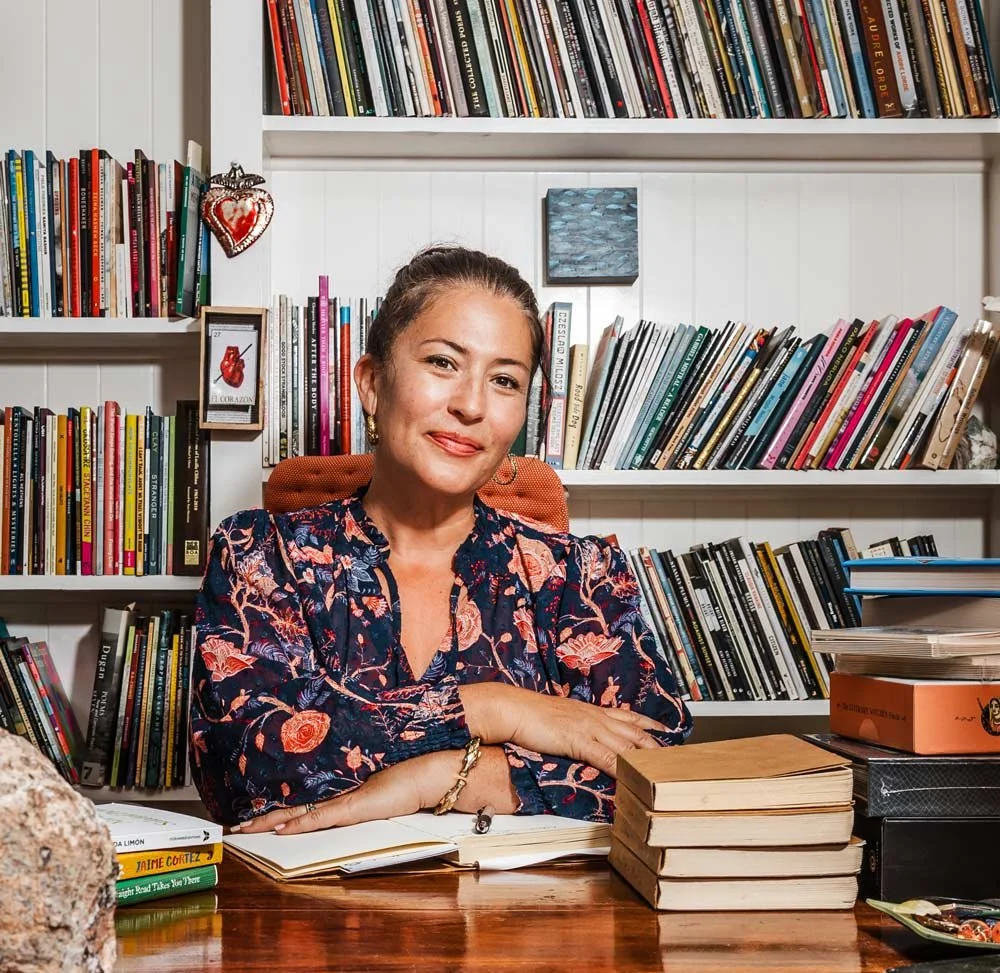
Upload a Photo(s) of Yourself (required), Your Handwritten Notebooks, Your Books, Manuscript Pages, Your Writing Desk, etc. (optional).: Mai Serhan.jpg
Writing desk copy.tiff
Books.jpg
Do you keep a journal or notebook? If so, what’s in it? No, I don't keep a journal. Between teaching, reading, writing, editing, translating, and two kids, I have no time for it. My life finds its way into my creative work.
How do you research, and what role does research play in your writing? I research extensively before beginning, not just my subject but around it. If, for example, I want to write about unfulfilled sexual desire, I will read every poem, novel, and essay that I can find. I will read about the history of the theme and how it developed through the ages. I will go to my university library and dig out the relevant research. I will speak to people who know more than me, ask them questions. I will observe and take notes, do field work, record the sounds, images, textures, mechanics of a place, and the dynamics between people. I will write emails to myself and voice notes, all titled with the project name. You want to earn your readers' trust, assure them they're in good hands, and fully immerse them in the fictional bubble, and that requires specificity. But then, you also want the research to yield to the drama, never overpower it. It shouldn't be heavy-handed or in the way. I work with small words and value easy access. Readers should be challenged enough to keep turning the page, not to turn away from the story. You want them to leave their story like they would a feast, reluctant to step away, but also feeling full.
Which writer, living or dead, would you most like to have dinner with? Alive, I would go with Katie Kitamura as I just finished her novel, Audition, and I am in awe. Dead, I would go with Palestinian writer and revolutionary thinker, Ghassan Kanafani.
Do you draw inspiration from music, art, or other disciplines? I do draw inspiration from music, art, photography, and film, and I’m fascinated by how creative processes mirror each other across various artistic disciplines. The conversations I share with songwriters, filmmakers, and photographers are among the most enriching; there's a sense of kindredness that emerges through shared discovery, which I deeply value. I like to discover new cities through their arts for the same reason; some that stand out to me over the last year are the Maison de la Photographie in Marrakech, the Istanbul Museum of Modern Art, and a vigil I attended for Ziad Rabani in Beirut. These are experiences that intimate encounters make them visceral and lasting. Hisham Matar writes beautifully about this in A Month in Siena. He wanders Siena’s galleries and piazzas exploring art’s impact, and in the process also reflects on his own inner landscape.
I explore and consume less of the arts when I am well into the writing. At that point, a compulsion sets in, and I just want to be at my desk, turning words into worlds. The only exception is to music. There are soundtracks to some of my creative projects. I listened to a lot of Bob Dylan while writing CAIRO: the undelivered letters, had a Palestinian music list while writing my memoir, and replayed Sayyed Darwish for months while translating the lyrics to his songs. But never while I am writing. I find music distracting, even if it’s just instrumental. I’ll listen during my breaks or while I’m driving, at times when I need to recharge emotionally, switch it up, and think differently about the world of my story. It's a different gear, another form of channeling.
AI and technology are changing the ways we write and receive stories. What are your reflections on AI, technology and the future of storytelling? And why is it important that humans remain at the center of the creative process? It is an Orwellian evil. The moment someone tells me AI increases human effectiveness, that it’s going to take over, that what (we) do will soon become dispensable, and there is nothing (we) can do about it, I take that as my cue to leave, but not before making sure they know they have given away their power, autonomy, and agency. One time, a friend challenged me—he asked an AI to write a poem in my voice, as if I’d written it myself. The poem read like dead cells. It had no soul, and I won. So no, I do not think AI can replace me, because I am simply alive, and it is not. More importantly, we shouldn’t feed it or allow it, because that would spell our own demise.
It's quite literally contributed to the killing of Palestinians at a much faster rate. Surveillance data used in Israeli’s genocidal campaign includes facial recognition, WhatsApp groups, social media connections, and phone contacts. AI analyzes such data in seconds to target individuals and create a kill list.
These technologies have been created by the oligarchy for the oligarchy. Look at President Donald Trump’s latest White House Dinner. He hosted 33 top tech CEOs. The amount of schmoozing around that table, the fakery, the fear; so potent I could smell it. It is no coincidence that the event preceded a rebranding of the Department of Defense as Department of War— the policing of data, the shadow banning, the echo chambers, the “sensitive content;” it is all so bleak.
Tell us about some books you've recently enjoyed and your favorite books and writers of all time. I've read so many great books over the last year. There is No One Knows Their Blood Type by Maya Abul Hayyat, brilliantly translated into English by Hazem Jamjoum, and shortlisted for the 2025 Palestine Book Awards. It defies expectations of what a Palestinian novel should be like. There are no stereotypes or literary tropes, no paragons of resilience. Instead, Maya writes Palestinian-ness from within. We get to realize the full impact of occupation through the daily lives, inner worlds, and intimate interactions of women. There is also Yasmin Zaher’s The Coin, winner of the 2025 Dylan Thomas Prize. Again, here, being Palestinian is felt everywhere and yet rarely spelled out anywhere. It forces one to think, particularly someone like me, who, unlike Yasmin, did not grow up in Palestine, what do we make of the homeland when we yield it to an art form? How do we set the stage, how do we frame, and what does it all say about our different and yet similar experiences?
On from Palestine, I have read Audition by Katie Kitamura, a stunning interrogation of perception, performance, and the way we construct and play out the roles assigned to us. There is also Die, My Love by Ariana Harwicz, a text that reads like an emotional rupture and pulsates with lyrical prose, and The House of the Star by Clarice Lispector, a story that frees itself from literary rules, that wanders and wonders. Finally, there is Anne Carson’s Plainwater, a dazzling reinvention of language, as well as classical and modern literary traditions.
As for my favorite books of all time, there is The Return by Hisham Matar, Sonny’s Blues by James Baldwin, The Year of Magical Thinking by Joan Dideon, Why Be Happy When You Could Be Normal by Jeanette Winterson, Kafka on the Shore by Haruki Murakami, Let the Great World Spin by Colum McCann, Beer in the Snooker Club by Waguih Ghali. In poetry, there is Calling a Wolf a Wolf by Kaveh Akbar, A Responsibility to Awe by Rebecca Elson, Bluets by Maggie Nelson, Night Sky with Exit Wounds by Ocean Vuong, O by Zeina Hashem Beck, and My Twenty-Ninth Year by Hala Alyan.
Exploring literature, the arts, and the creative process connects me to my inner voice, my higher self, and in doing so, connects me to what is beyond me— you and our shared experience in this vast universe. I heard once that writing is like a handshake across the ocean. The idea that a stranger might read you and recognize themselves in you is magical, all the more so because it is actually possible. Another writer whose name now escapes me wrote, “I touch you in the air above us” and goes on to say, “what deforms you deforms me too. So dark blue between us.” There is so much pain in these encounters, but also so much pleasure, and the pleasure comes from a shared discovery, a recognition. We meet, not where I am or where you are, but in a third space, in private, in an alchemic state. In On Earth We’re Briefly Gorgeous, Ocean Vuong puts it this way: “Remember: the rules, like streets, can only take you to known places. Underneath the grid is a field—it was always there—where to be lost is never wrong, but simply more.” That field under the grid is us, connected and, for a time, free.