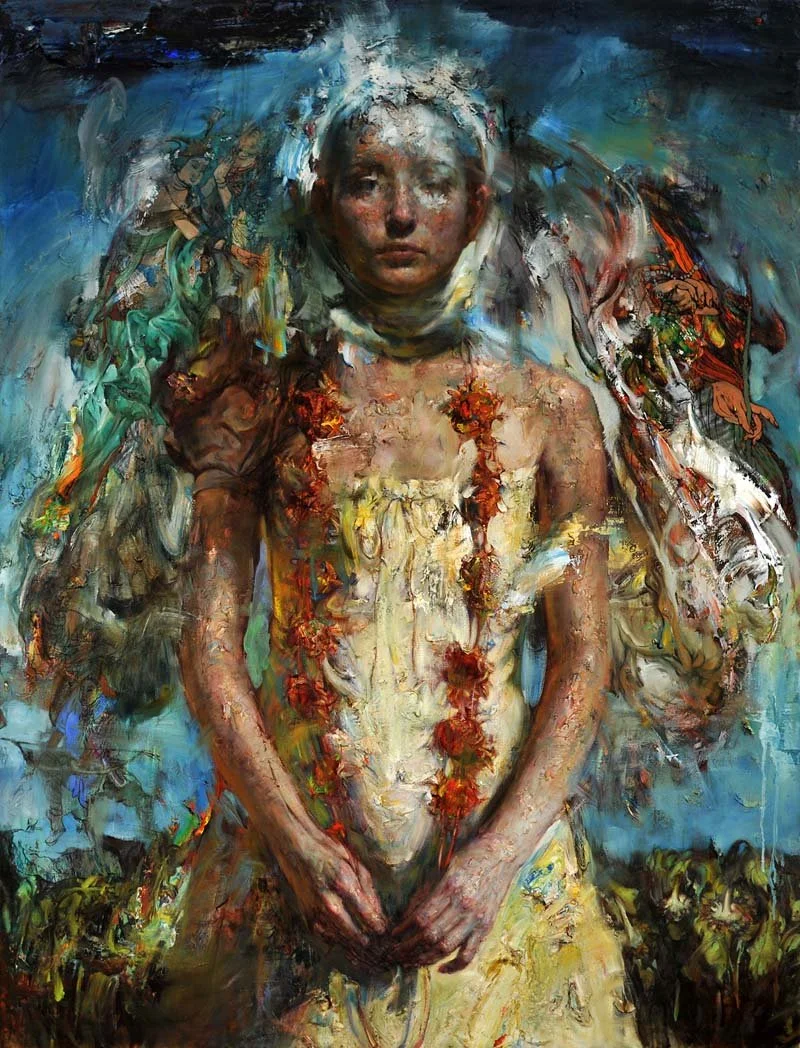


What is the emotional weight of the memory of the Cultural Revolution?
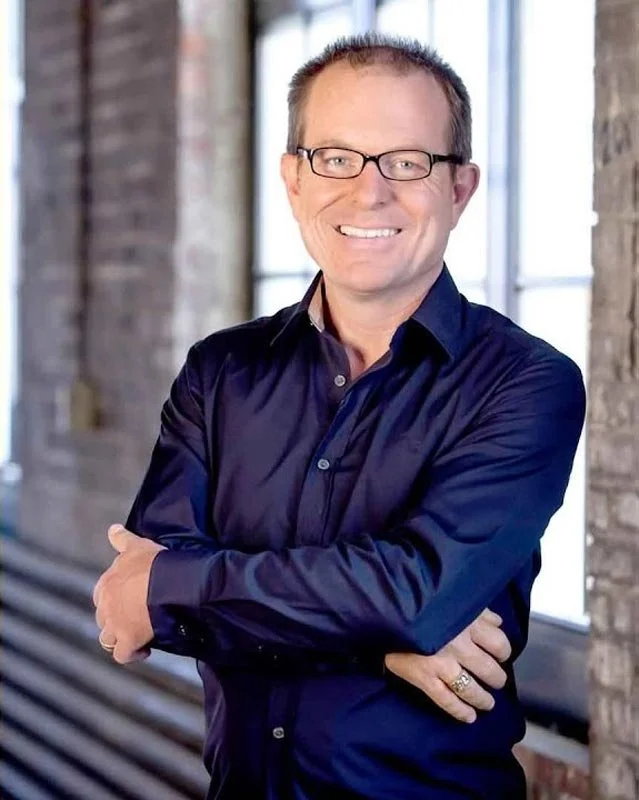
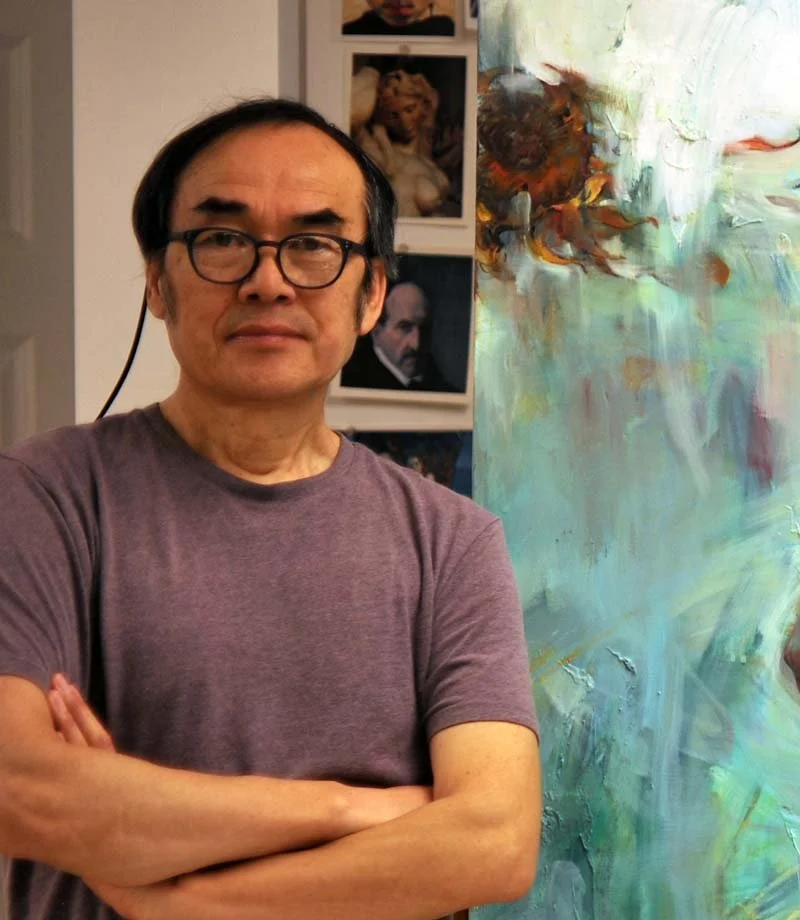
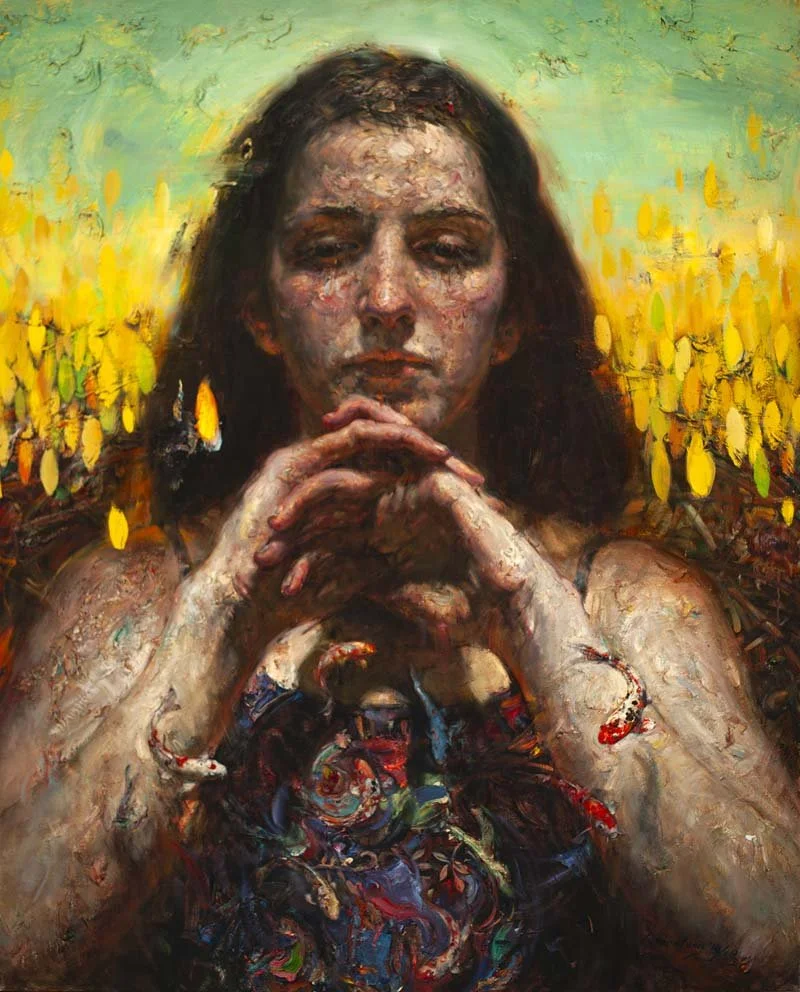
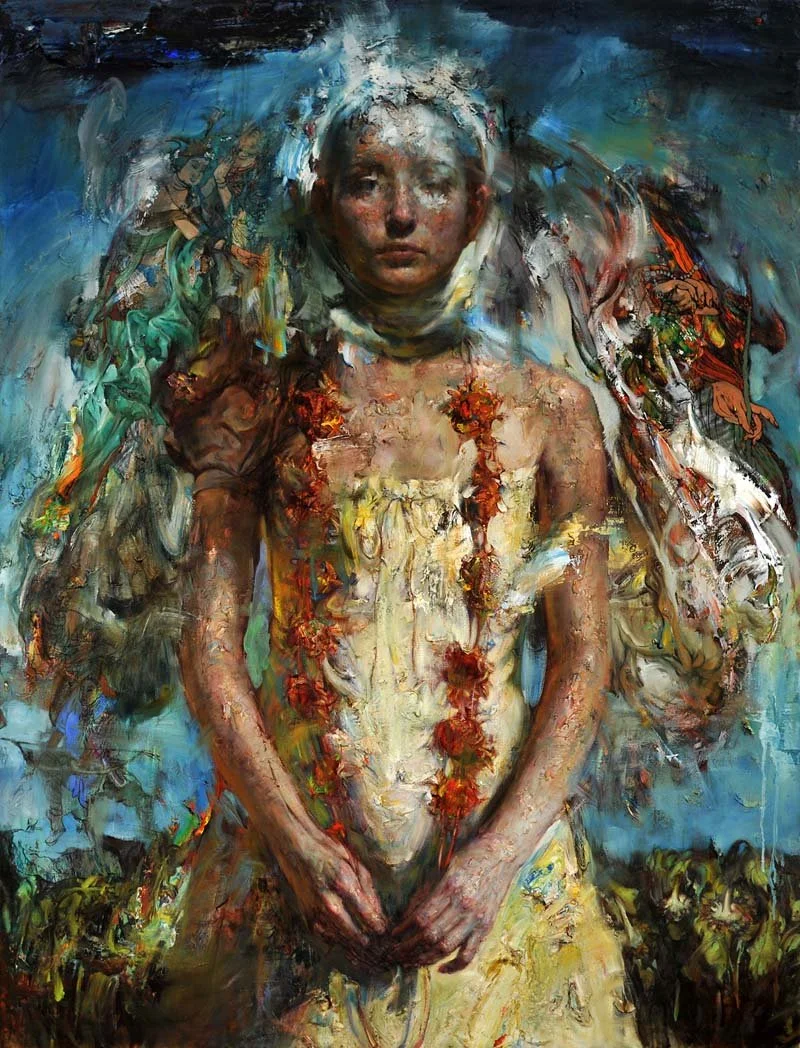
Victor Wang is a Chinese American artist and Emeritus Professor at Fontbonne University. His work has been exhibited widely in museums and galleries across the United States and internationally. Known for his hauntingly luminous figurative paintings, Wang explores the emotional weight of memory, migration, and identity. His technique combines heavy impasto in light areas with transparent applications in shadows, creating a striking physicality that captures the psychological drama of life's pivotal moments. @victor_wang_art
How did your upbringing in Northeast China shape your imagination and your approach to art?
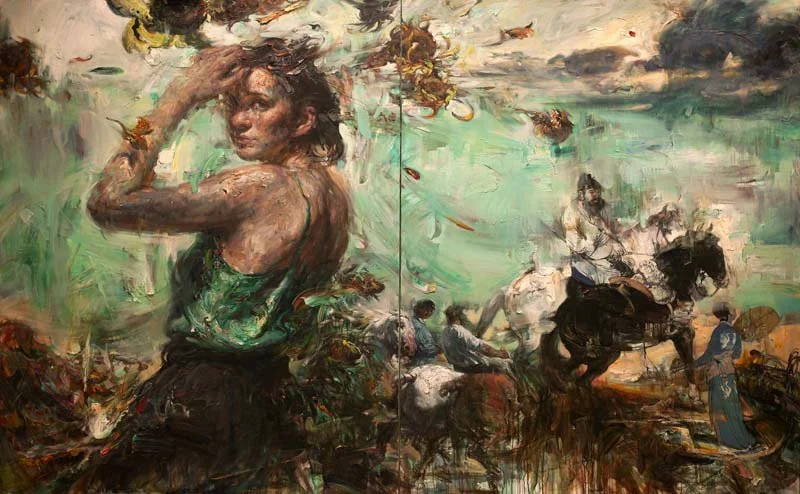
I was born in a small city in Northeast China. It had a big impact on my life and influenced my work immensely. In my work, almost all the concepts come from the experiences of the Cultural Revolution, and how political and environmental situations could change human lifestyles and living conditions.
Can you recall a defining moment when you recognized art as your chosen path?
When I watched my dad's performance on stage in elementary school, I fell in love with the stage setting in terms of lights and color as well as figures grouping on the stage, sensing the emotional power of the entire environment. Since then, I have started to dream of becoming an artist who is doing something that relates to personal perceptual experiences. Art is my faith and belief. I practice art for my soul.
Describe a typical day in your studio.
I work usually in the morning and evening. After breakfast, I bring a cup of tea downstairs from my studio. I take minutes sitting on a chair to analyze works which I worked on yesterday and then start to work on painting. I use oil, sometimes worked with acrylic with a brown study [underpainting] underneath the painting. After lunch, I always watch TV and TV serials and take a nap. After dinner, I walk with my dog first and come back to my studio to work until 10 pm.
Tell us about your current projects and the themes driving your work.
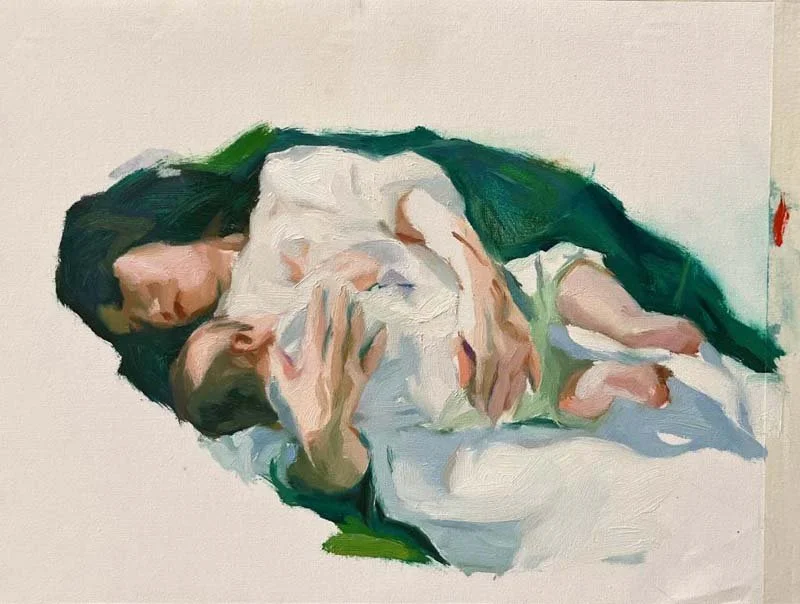
The human figures in my paintings serve as vehicles to convey human experience, representing the emotional tension and psychological drama of life’s turning points. Nostalgia, harmony, passion, agony, sadness, and pleasure are all revealed in my new body of work.
When viewers experience your work, what emotions or ideas do you hope they connect with?
My hauntingly luminous paintings have explored the emotional weight of memory, migration, and identity. The figurative paintings act as vehicles to convey human experience, capturing the emotional tension and psychological drama of life's pivotal moments. Themes such as nostalgia, harmony, passion, agony, sadness, and pleasure are evident in what I want to share with the audience.
Which artists, past or present, would you like to meet, and what would you like to discuss with them?
Anselm Kiefer is my big hero. Every time I see his work, it takes my breath away. His painting dialogue, surface quality, and dynamic content are so inspirational.
Do you draw inspiration from music, film, or other disciplines?
Yes, from movies, TV serials, and art.
What is the significance of living in St. Louis to your creative practice?
It is a reasonable living cost for an artist and the speeds are slow, which makes the artist less influenced by the market.
Can you describe a project that challenged you creatively or emotionally—and how you worked through it?
Trying to break through my traditional training and to find the way with unique languages—it is challenged. I have tried to use new tools and look at different creative sources and look at the way sculpture is made.
Tell us about the teachers or mentors who influenced the artist you are today.
I was lucky to have a couple of mentors in my journey of life through my college and graduate school. They helped me understand what is the core of creativity and what is art.
Sustainability in the art world is an important issue. Does being in nature inspire your art or your process?
Absolutely! Nature is always resonating and inspiring in terms of the drama of lights, the rhythm of pattern and colors. My color themes come from the fall season.
In an era where digital tools like AI are redefining reality, what is the importance of the physical, haptic act of painting?
AI has a big impact on art. It provides a formula for some artists, and it is good for commercial industry. I don't believe it could replace human creativity because it does not have the struggle process and the build-up and destroy process which is so important in the way of humans making art for fine arts.
Exploring ideas, art and the creative process connects me to artists who have the privilege to share our inner world and imagination with viewers with their own voices through a fun process.