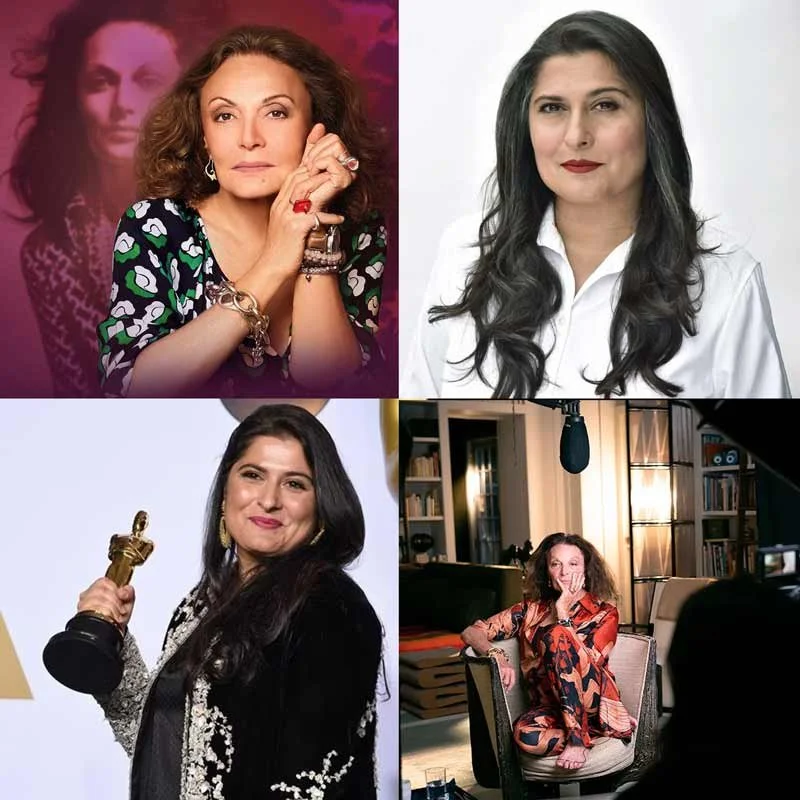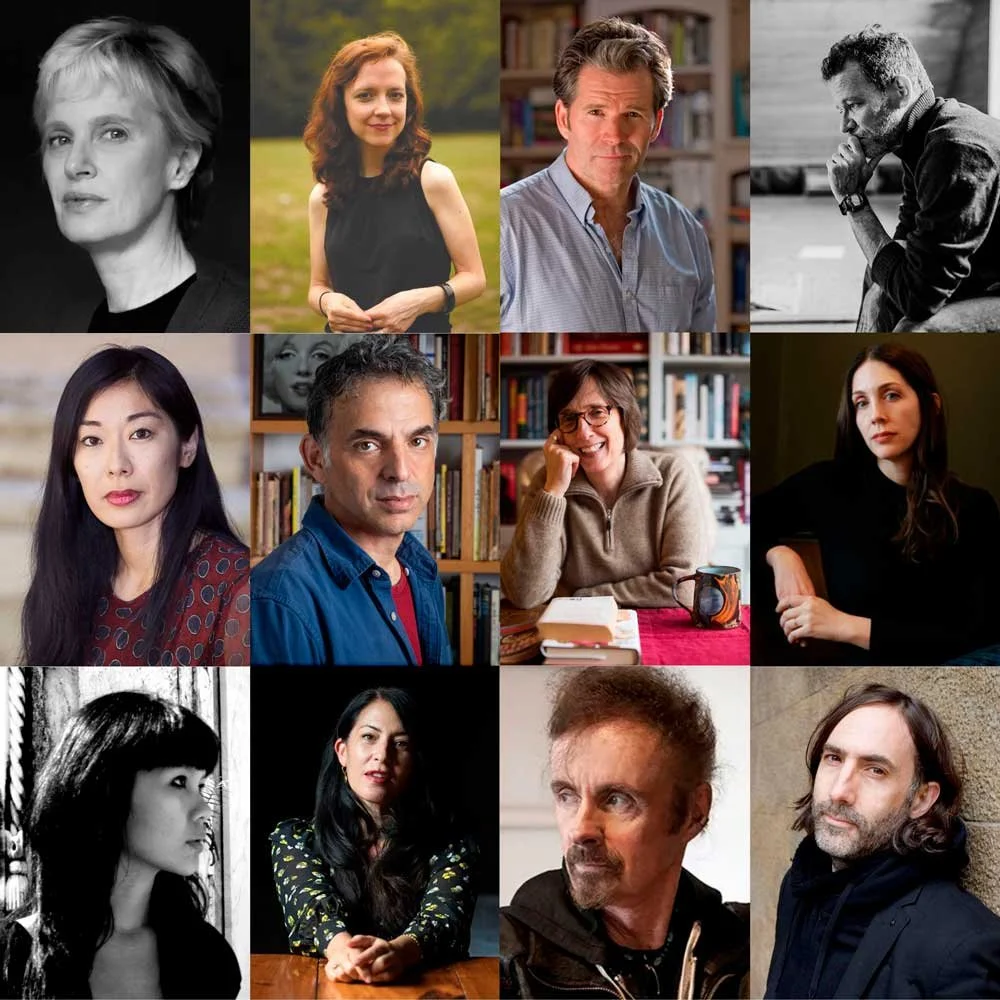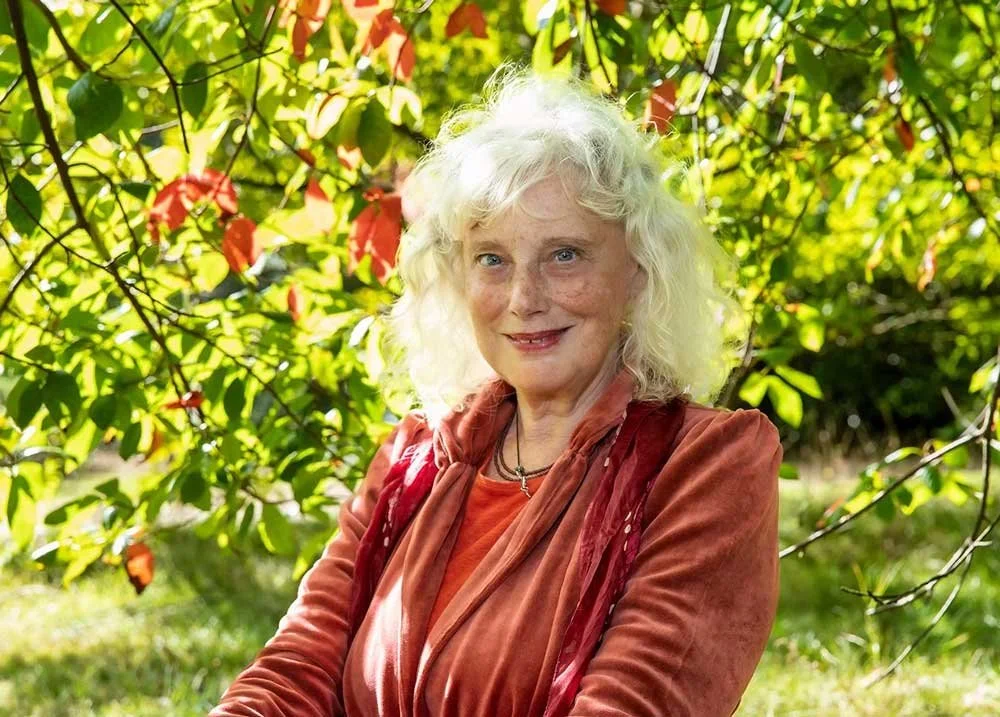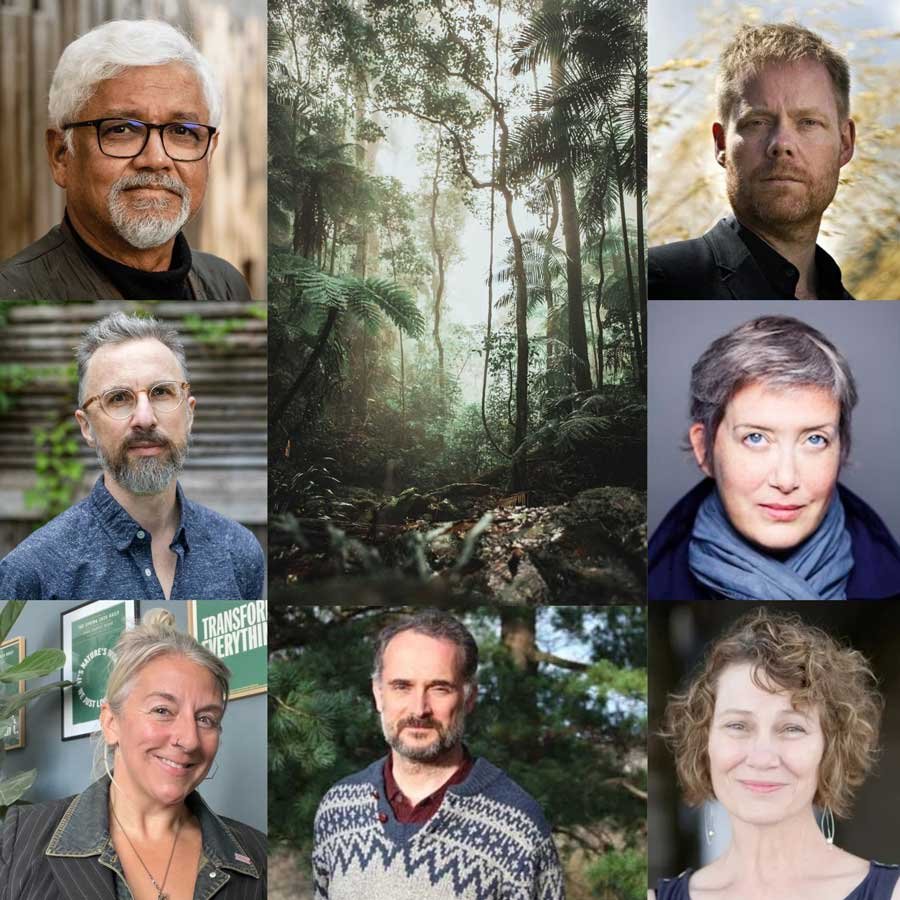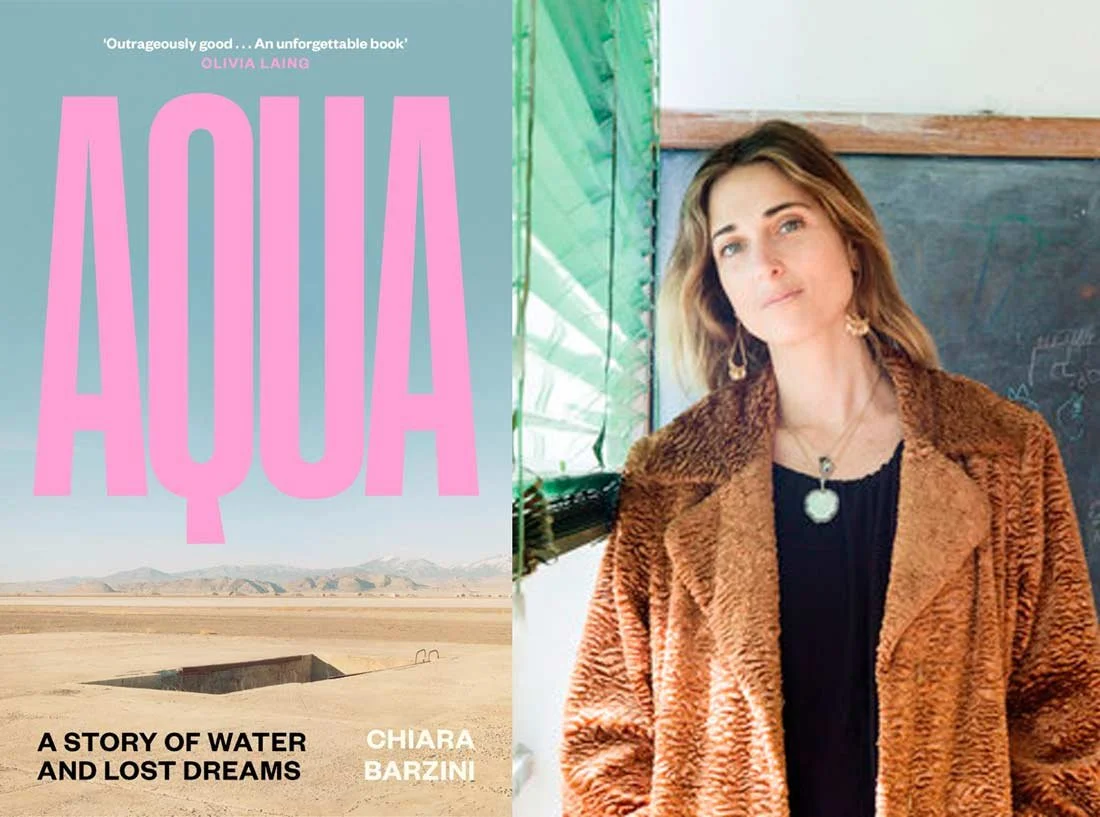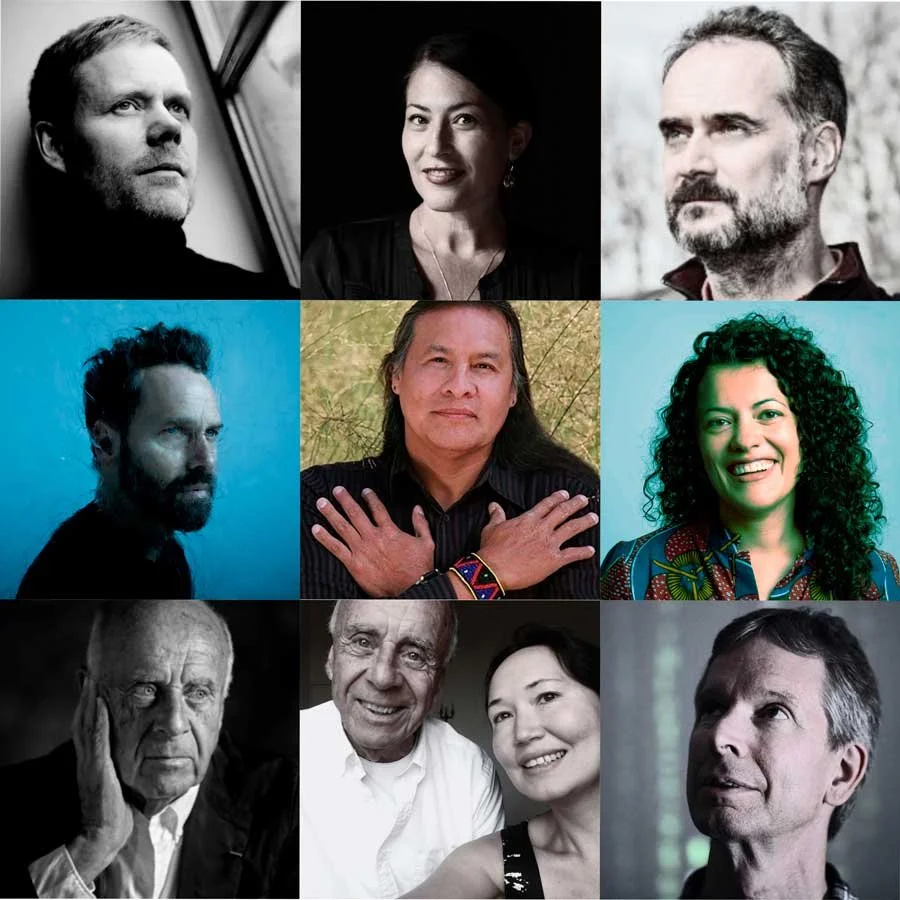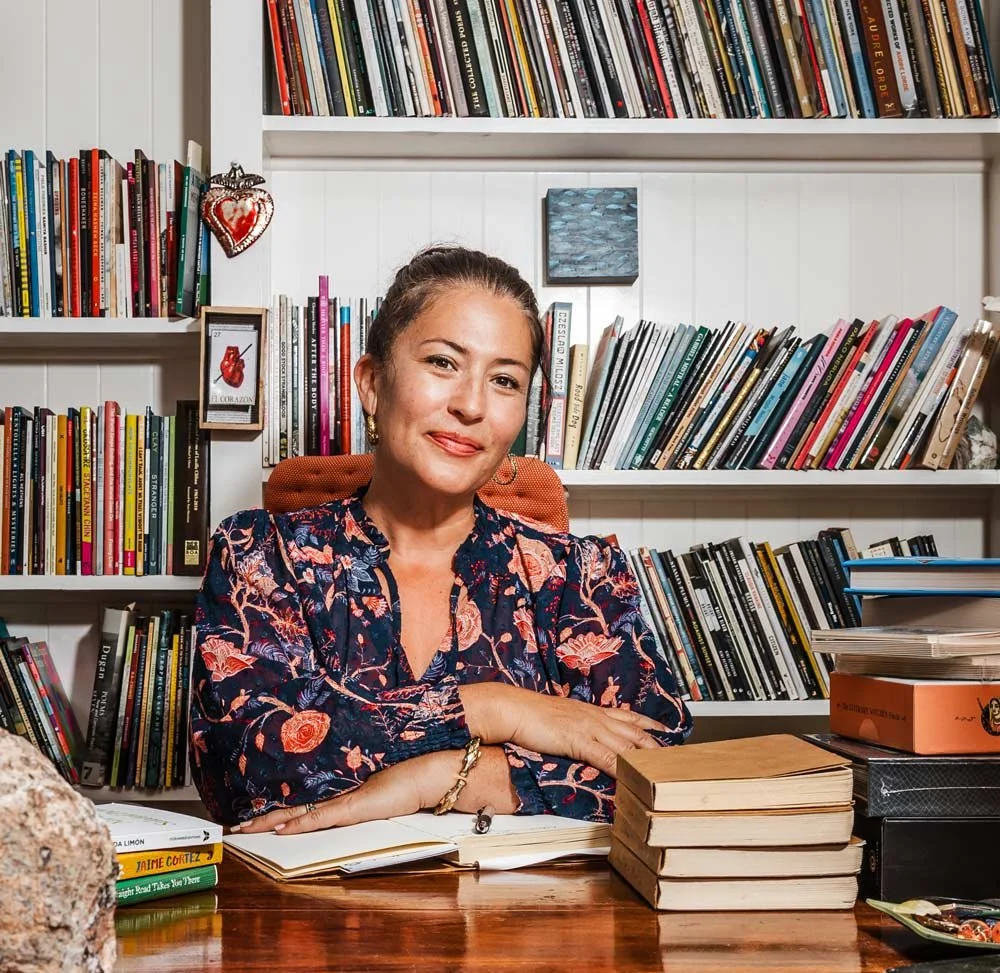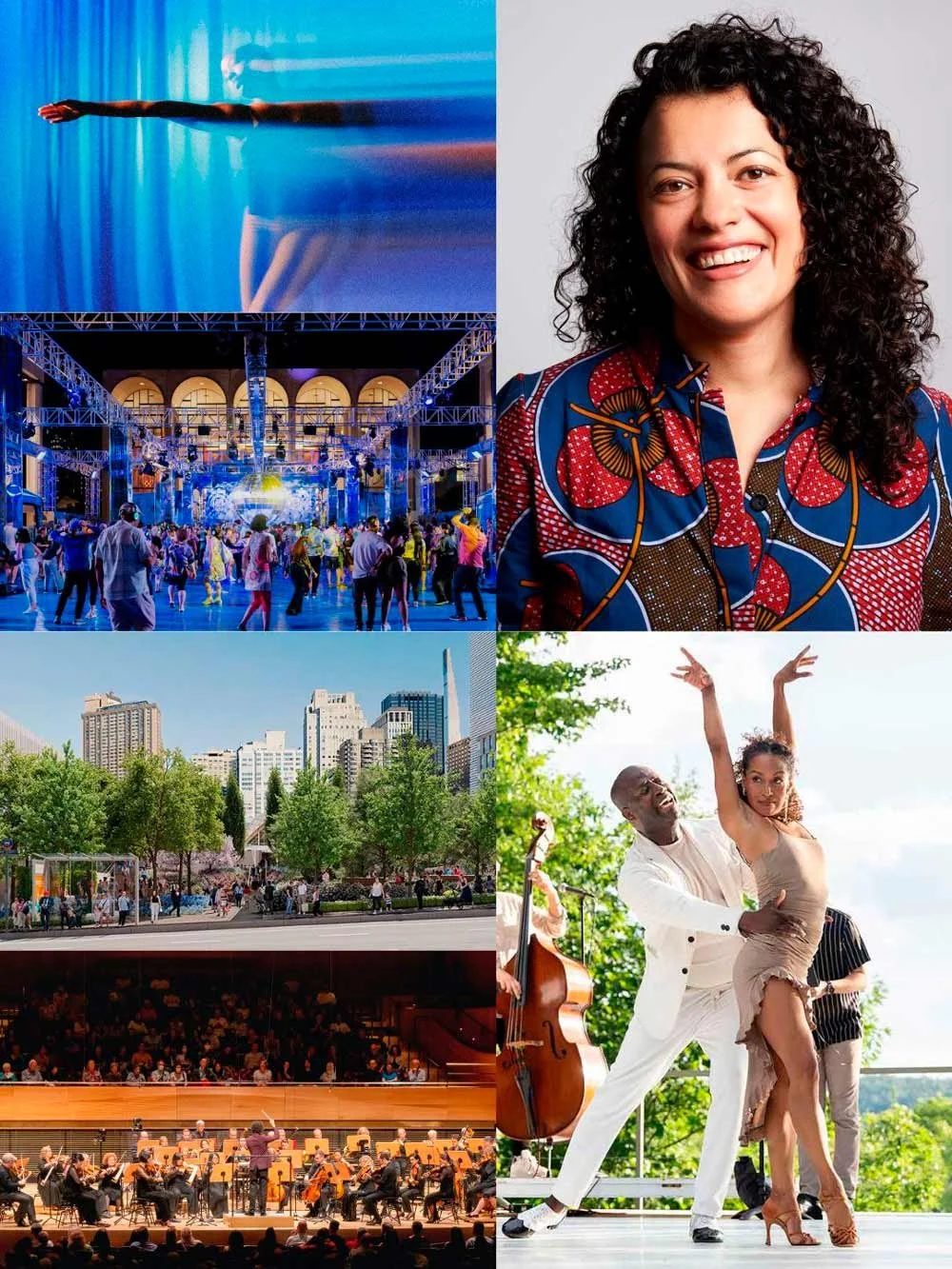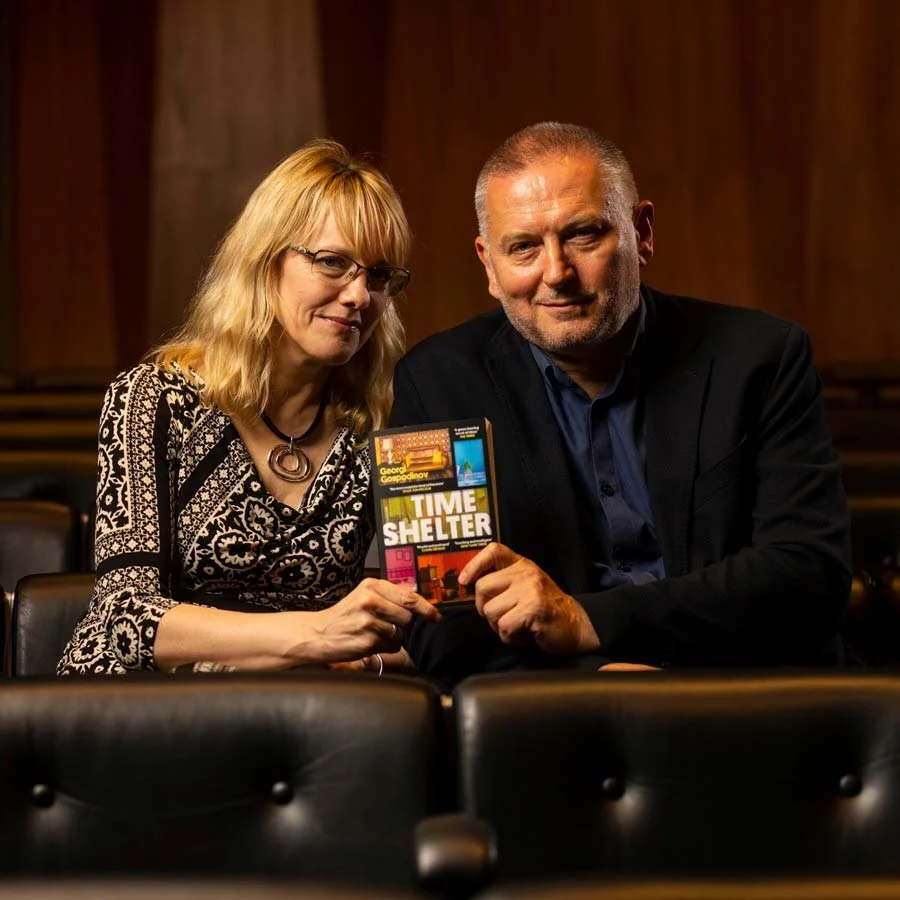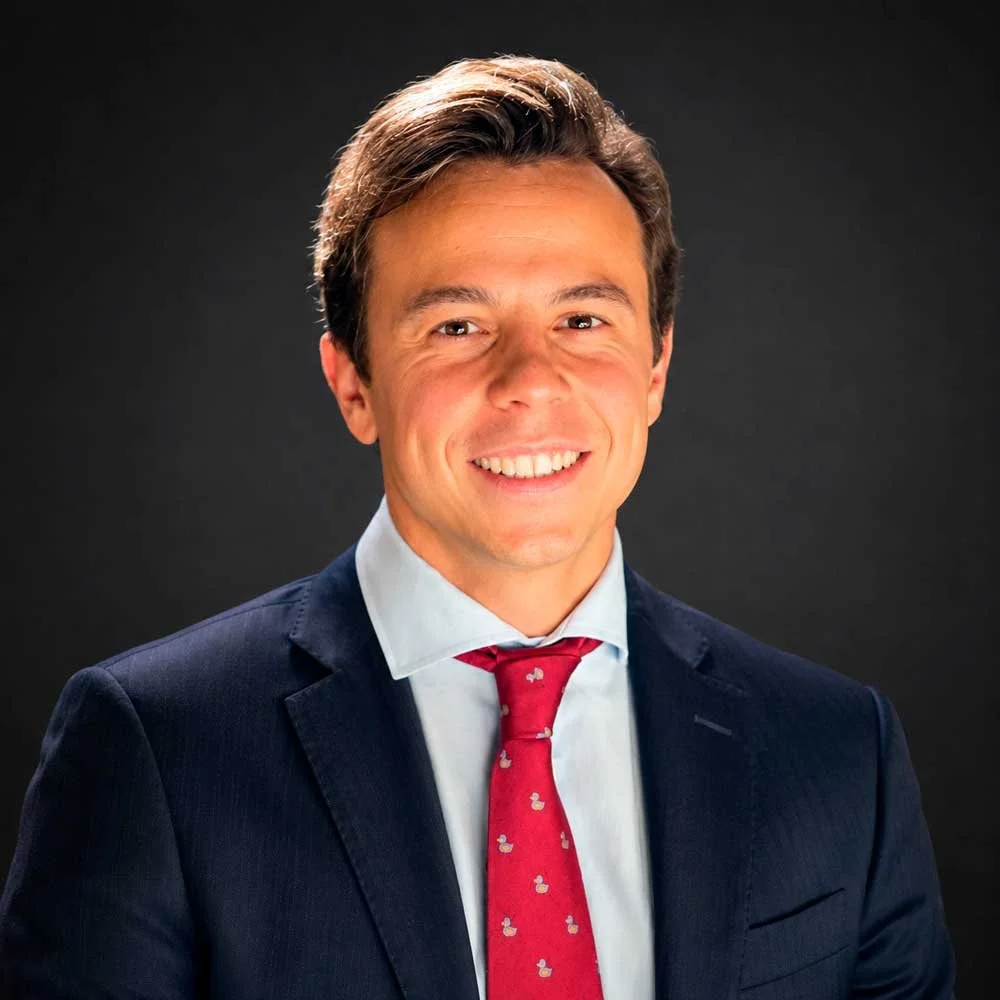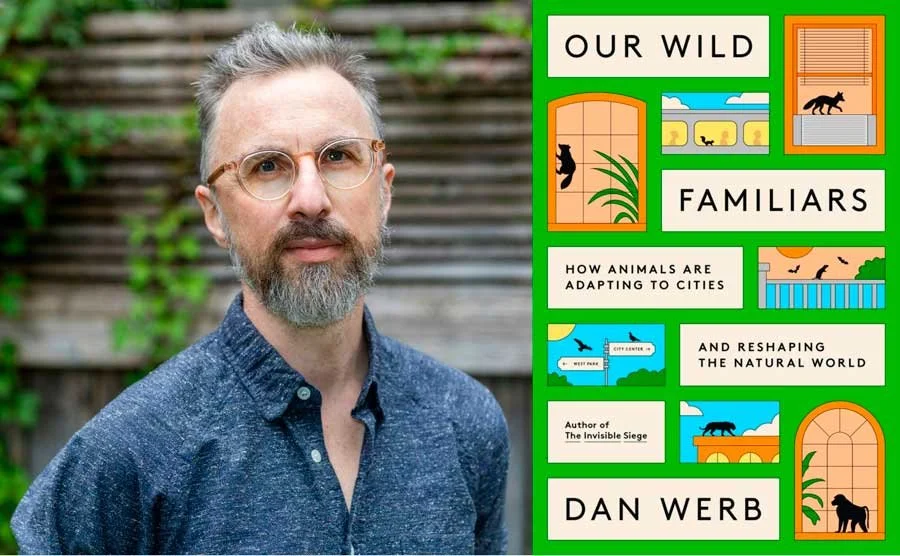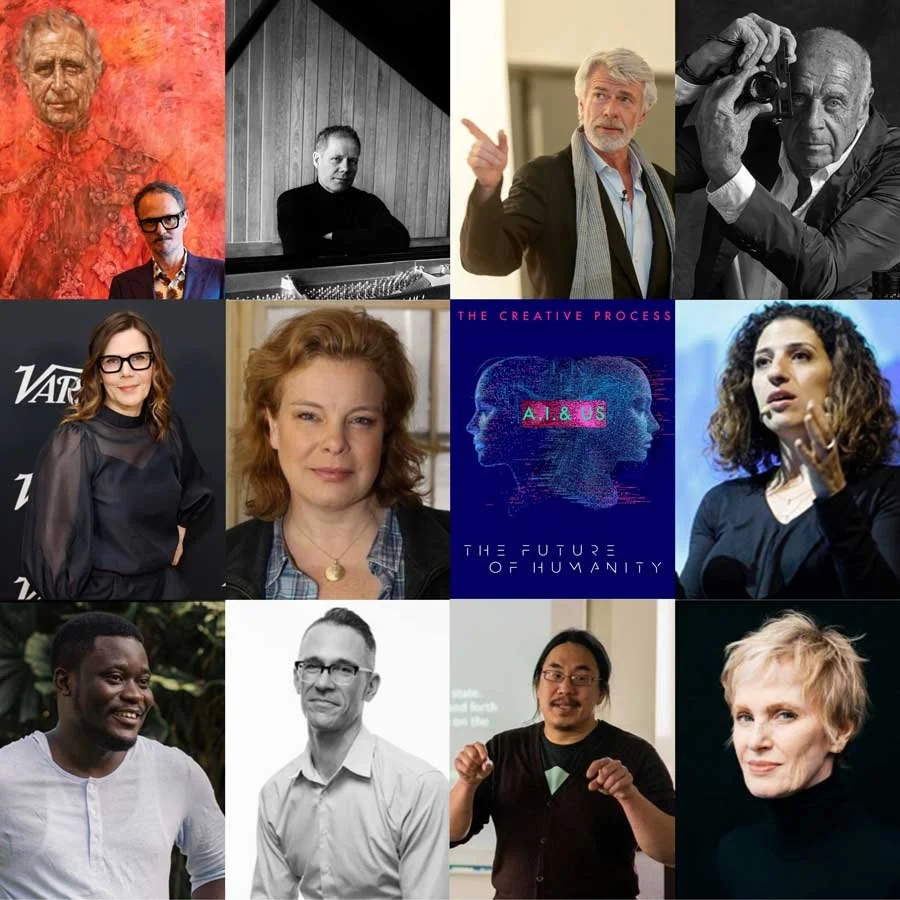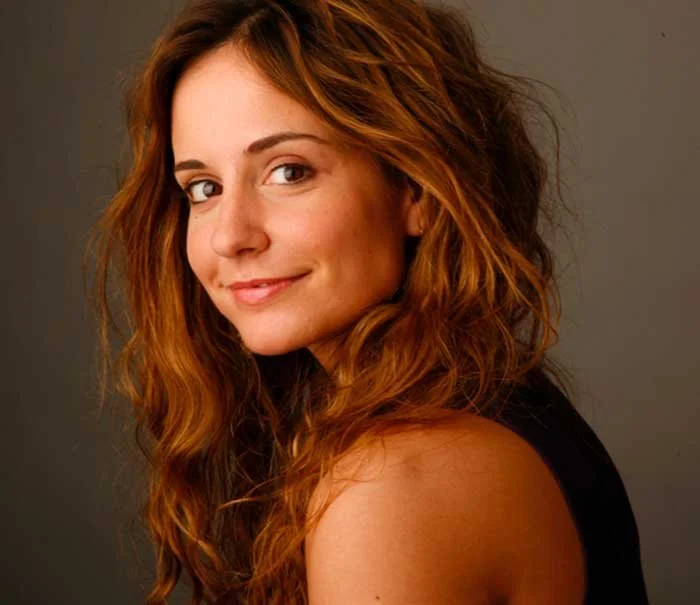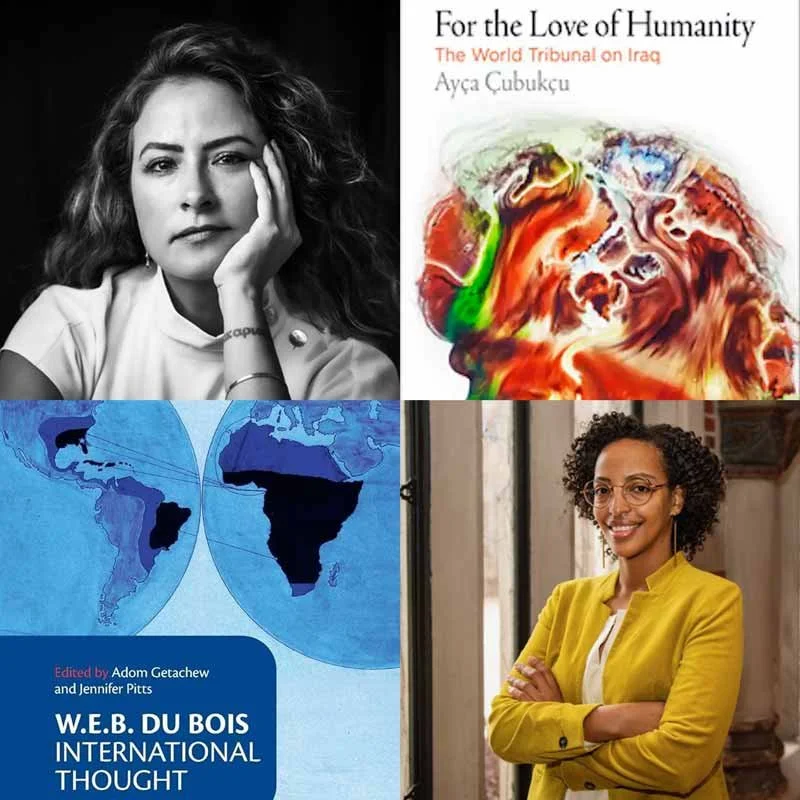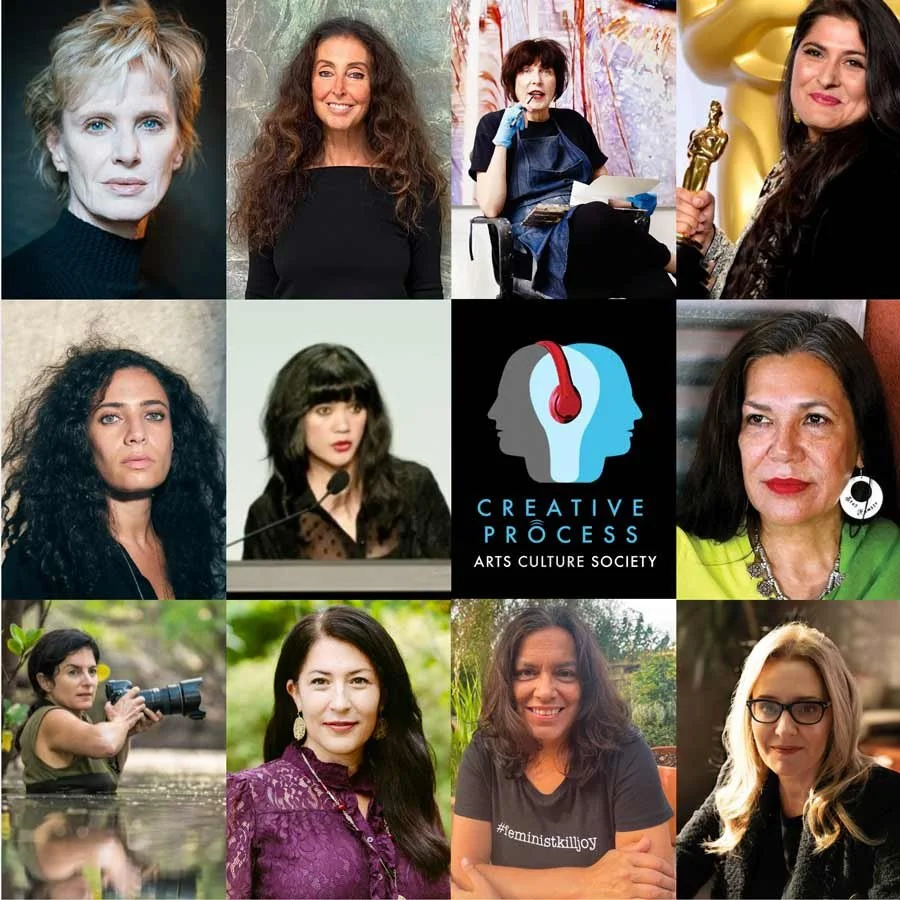


Today, on International Women's Day, we hear from writers, artists, filmmakers, and activists who have used their work to question old hierarchies and give expression to the fullness of women's experiences. Manuela Luca-Dazio, Siri Hustvedt, Hala Alyan, Ana Castillo, Sharmeen Obaid-Chinoy, Sara Ahmed, Marilyn Minter, Ellen Rapoport, Intan Paramaditha, Ada Limón and Ami Vitale discuss art and storytelling as a tool for political solidarity, legal change and exploring freedom.
MANUELA LUCÀ-DAZIO
Exec. Director · Pritzker Architecture Prize · Fmr. Exec. Director · Dept. of Visual Arts & Architecture · Venice Biennale
There are a lot of women who have influenced my life, starting with my mother. My mother is one of those women who managed the house, our lives and our family with an incredible intelligence and curiosity. She reads so much that sometimes I have conversations with her about themes that relate to the Biennale, to art and to architecture. I'm always surprised—how can she know all this? Sometimes there are even things that I knew quite confidentially in my job, and I'll ask, "How did you get to know this? This is not public." She says, "Well, I read this in one newspaper, this in the other, and then I put the things together. It's quite clear." Women have this power to analyze, to observe, to elaborate and act. 0:00
SIRI HUSTVEDT
Novelist · Scholar · Memoirist · Author of Ghost Stories · What I Loved
In the arts, but I think in everyday living, what you've mentioned is the most important thing, and that is being open and really listening to what's coming in. Now, in my old age—I'm 70—I am really conscious of the listeners among us. I really try to listen openly, take it in and then wrestle, because that is the essence of dialogue. Sometimes Paul and I would go out to dinner and we'd come home, discuss what happened and maybe there was a person who was dominating or speechifying. I'd always look at Paul and I'd say, "No dialogue." This can sometimes have to do with hierarchies. Especially men—maybe especially white men—have gotten so used to their positions of preeminence in the culture that even when they're dull and saying sort of pious and stupid things, they expect everyone to listen to them without really listening to any reply. And that is how I think people actually shut down. 2:01
HALA ALYAN
Writer · Psychologist · Author of I'll Tell You When I'm Home: A Memoir
We become the stories we tell ourselves. If I tell myself a story about how I'm an addict, or I tell myself a story about how I am not worthy of love, or I'm never going to change, that becomes your life. I think that there is some refracturing that can happen around those stories that can be really revolutionary. But first you have to identify what's the story you've been telling yourself. From my little branch of that family tree, my darkest hours involved a lot of warring with the body. I realized as I was writing this book that the body was the original site of where the story started, because it was about fertility, pregnancy and so on. In trying to tell the story of the land, I couldn't tell the story of the land without telling the story of the body. And I couldn't tell the story of the body without telling the story of the people that had made the body, and all these ways in which I had felt exiled from the body.
As I was trying to bring another life into the world, I really had to ask myself what that even meant, and what it would mean in terms of what you could pass on to a child. Thinking about Palestine in particular, how much time I spend thinking about places that I have never been or eras in which I've never been of those places. Imagining my parents, my grandparents and my great-grandparents in places that I haven't had access to. I write in the book about how I feel like I forget about land a lot. That actually feels very much part of the Palestinian condition. It's not dissimilar to other indigenous movements where you are dislocated from land by design. 3:35
ANA CASTILLO
Novelist · Poet · Artist
As Chicanas, we didn't have precedents in that sense. There were writers, there were previous poets, but as radical feminists of color, we were and remain in league with other women of color in the United States, in the world and working-class women. We had to contribute our voice and our perspective. That's where I came in with my generation of writers. Gloria Anzaldúa and Cherríe Moraga's anthology was very popular at the time and was being read in Europe. Angela Davis and particularly African American women writers were being read. That was the setting behind my working on that book, Massacre of the Dreamers.
The term Xicanisma was spontaneous as I was working on the book, because another aspect of the Chicana movement was our excavating of our indigenous histories. We were so dislocated from the mid-eighties into the present because of many reasons. We have a migration of indigenous cultures to this country. We have Mixtecas and Zapotecas—second and third generation already who are speaking English—who come from those communities. We didn't have that connection then. We just knew about it. We had to go to Mexico to get it. So we incorporated all of that, and that's where the "X" also comes from. It includes this acknowledgment of the conquest and colonization. 5:11
SHARMEEN OBAID-CHINOY
Academy Award-winning Filmmaker · A Girl in the River
I realized very young and very early on in my career that film and cinema does more than just inform, inspire and entertain. It can move people into action, whether it's a personal action or a collective action. The first time I realized that was in 2006, when I did a film in the Philippines about women who did not have access to contraceptives and were being forced into a life of constant pregnancies. The organization that I was profiling used the film to lobby the local government to rethink its decisions. Suddenly, my film went from just being a film to becoming something bigger. That's when I realized that there could be certain films I create that could impact the lives of other people.
When the time came for A Girl in the River, I created a film in 2015 about a young girl who had been shot by her father and her uncle because she had decided to get married of her own free will. They left her to die in a gunnysack in the river, and she survived. Saba's story was deeply inspiring because she wanted to send her father and her uncle to jail. In the end, she forgave them using a lacuna in the law that allowed for forgiveness. When the film was nominated for an Academy Award, we wrote a letter to the prime minister of Pakistan. We used the film to educate and inform the government about the impact of the lacuna in the law and how it was being misused. The film played a role in closing that and changing the law, which ensured that men who killed women in the name of honor would go to prison. 6:55
SARA AHMED
Scholar · Author of The Feminist Killjoy Handbook
The feminist killjoy, in a way, begins as a stereotype of feminists. So it's miserable feminists who make misery their mission. In reclaiming that figure, I'm following on from many other acts of political reclaimings of terms that begin their lives as insults, smears or stereotypes. In reclaiming that figure, you're not agreeing with the idea that feminists are miserable. Luckily, I don't think that is the case. Rather, what we're saying is: if feminism causes misery, if talking about sexism, racism, forms of power, inequality and violence causes misery, then that is what we are willing to cause. I wrapped the book around these kinds of killjoy commitments. One of the primary ones is simply, "I'm willing to cause unhappiness." Because so many forms of social inequality and social violence are, in effect, hard to speak about, hard to address and hard to make real. As soon as you name them, you're treated as if you've brought them into existence. As soon as you name the problem, you become the problem. The act of reclaiming feminist culture really requires a lot of political solidarity. It's very hard to do that on your own. It's very hard to cause the unhappiness of others on your own. You actually end up on a journey that allows you to connect to other people, other killjoys.
That's part of why killing joy becomes world-making in my language. What do we need from each other and with each other? I brought into the text all these companions that were my companions as a writer, a scholar, a thinker and a person. My many killjoy companions—both my contemporaries and the many writers, some of whom are no longer with us—have given me so much thought and inspiration. They have shared their wisdom by looking at very complex and difficult topics, not shying away from what's hard, but confronting it and finding in that confrontation another way of being in the world and connecting with others. 8:37
MARILYN MINTER
Artist
I'm doing a 21st-century bather. I've been working on this for a couple of years now. I just wanted to own the agency of women grooming. I'm giving them pubic hair and armpit hair. It doesn't exist in art history, so I'm making beautiful paintings. I think they're so beautiful. It's constantly about policing women's bodies or slut-shaming women. That's what my work is about—women owning agency of any kind. That's what makes me really excited. Having agency, sexual agency, owning sexuality and not being the object of it. 10:40
ELLEN RAPOPORT
Showrunner & Writer · HBO’s Minx
I think there are a lot of different ways to be a feminist. Joyce is much more academic, at least in the beginning, without any real-world experience, and it's divorced from the practicalities of life. I would consider myself not a second-wave feminist, especially in terms of my views on pornography, sex work and women's sexuality. That really was the chasm that divided feminists in the late seventies. I'm trying to do that with Joyce—show her journey from being judgmental or wanting to protect these women, to realizing that it's a valid form of commerce and expression.
What drew me to the time was the real story of these magazines—Playgirl, Viva, Foxy Lady—all the magazines that existed in this period. It was a natural outgrowth trying to tell a story inspired, to some extent, by real-life events. When I started developing this, what struck me about the seventies in particular is just how similar it was to our time. It seems like the magazines were covering all the same issues that we're now talking about. Obviously, we all saw with the leaked decision in Roe v. Wade just how close we are to that time period and how far we haven't come. 11:23
INTAN PARAMADITHA
Author
It ended up being this opportunity to take this character into all sorts of different worlds and question our own assumptions—family expectations, capitalist expectations, this idea that you have to succeed and therefore create a child, being that kind of Asian woman. A "tiger mom" creates this child so that she can be really successful, so she doesn't have to suffer economically. That was my mother. She was hard, and she was harsh. She had a difficult relationship with my father. Back then I didn't understand. Women at that time, with the social and cultural expectations, often couldn't find a support system. They would express things in ways that we didn't understand. That was my initial interest in monstrosity. I thought she was a monster. I thought she was a bad mother.
My expectations were shaped by television or books. I didn't realize that mothers can be bad as well. Mothers can be terrifying. We tend to think in the binary between good mothers and bad mothers. Because I learned from my mother, I finally realized why she acted strange. I know why I considered her monstrous when she was younger. She was trying to reject society's expectations in her own way, but we didn't understand her, and therefore we labeled her as strange, as a monster. I became really interested in so-called bad women or monstrous women, because they allow me to ask questions around the structures that create them. Why are they monstrous? It's an interesting question that we need to delve into. 12:07
SIRI HUSTVEDT
Novelist · Scholar · Memoirist · Author of Ghost Stories · What I Loved
Failures, I think, are often related to a kind of hubris. Man—or what was always called "man"—goes all the way back to Bacon, actually, who stands outside nature and wants to control it. Nature still is, and for a long time has been, thought of as a feminine reality. Controlling that unruly, feminine, natural world became man's job. I think that has had terrible consequences, certainly ecological consequences that we know now are catastrophic. 14:53
ADA LIMÓN
24th U.S. Poet Laureate
There are moments in my work where I've realized I'm trying to get at something, and instead of trying to find an answer, I ask more questions. I think that is very much in the poem "The Vulture and the Body", which has to do with a time when we were trying to figure out if we wanted to have a child, to bring someone into this world. We decided that we did. Then I found out that I couldn't have a child. This was in the middle of fertility treatments, and I had a feeling within me of: how do I paste these things together in a way that makes sense in my mind? Of course, the only way I could do that was through language. This is "The Vulture and the Body":
On my way to the fertility clinic,
I pass five dead animals.
First a raccoon with all four paws to the sky
like he’s going to catch whatever bullshit load
falls on him next.
Then, a grown coyote, his golden furred body soft against the white
cement lip of the traffic barrier. Trickster no longer,
an eye closed to what’s coming.
Close to the water tower that says “Florence, Y’all,” which means
I’m near Cincinnati, but still in the bluegrass state,
and close to my exit, I see
three dead deer, all staggered but together, and I realize as I speed
past in my death machine that they are a family. I say something
to myself that’s between a prayer and a curse—how dare we live
on this earth.
I want to tell my doctor about how we all hold a duality
in our minds: futures entirely different, footloose or forged.
I want to tell him how lately, it’s enough to be reminded that my
body is not just my body, but that I’m made of old stars and so’s he,
and that last Tuesday,
I sat alone in the car by the post office and just was
for a whole hour, no one knowing how to find me, until
I got out, the sound of the car door shutting like a gun,
and mailed letters, all of them saying, Thank you.
But in the clinic, the sonogram wand showing my follicles, he asks
if I have any questions, and says, Things are getting exciting.
I want to say, But what about all the dead animals?
But he goes quicksilver, and I’m left to pull my panties up like a big girl.
Some days there is a violent sister inside of me, and a red ladder
that wants to go elsewhere.
I drive home on the other side of the road, going south now.
The white coat has said I’m ready, and I watch as a vulture
crosses over me, heading toward
the carcasses I haven’t properly mourned or even forgiven.
What if, instead of carrying
a child, I am supposed to carry grief?
The great black scavenger flies parallel now, each of us speeding,
intently and driven, toward what we’ve been taught to do with death.
15:07
AMI VITALE
Photographer, Filmmaker and Executive Director of Vital Impacts
It's all I know. This is the body I was born into, and I think that whoever you are, you just find your way in. The greatest things you could have are empathy, sensitivity and treading lightly, because I think that is a mistake people can make. But I will say, as a woman, I know that I get access to different kinds of stories. There have been times in my life when I could tell right away I wasn't going to get access as a woman working in very conservative cultures.
There were just certain things I wasn't allowed into, worlds that I wasn't allowed to see. I actually thought that was a great advantage for me, because it made me turn around and look for different stories. I realized that while I was being shut out from some stories, there were other stories that I had beautiful access to that maybe my male colleagues didn't. I've always felt drawn to telling the stories of women and the particular hardships and issues they deal with around the world. Being a woman, you immediately connect, and those bonds are very easy for me. Those are the people I'm drawn to. I feel safe around other women. Very often, there weren't other women journalists telling their stories. It was important for me to be there because, in a way, their voices were left out of the narratives. I thought this was just an important part of my work. 18:11