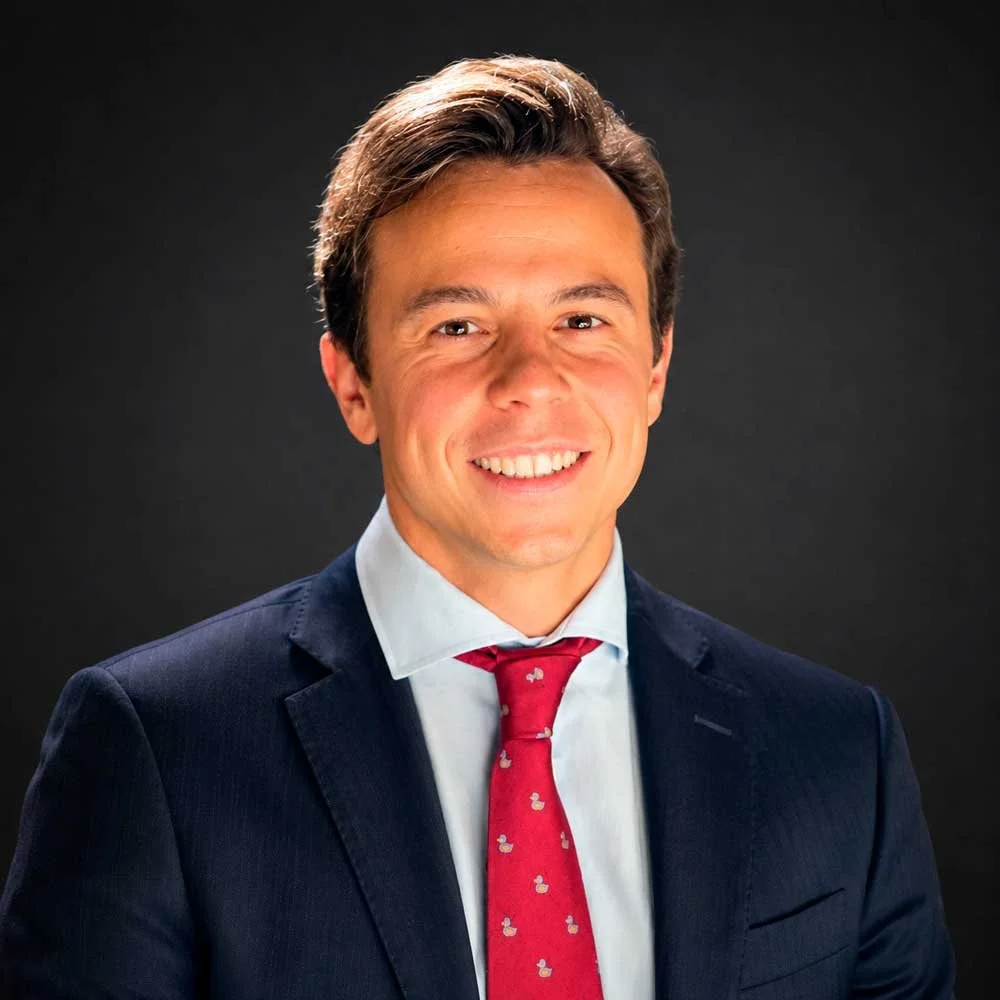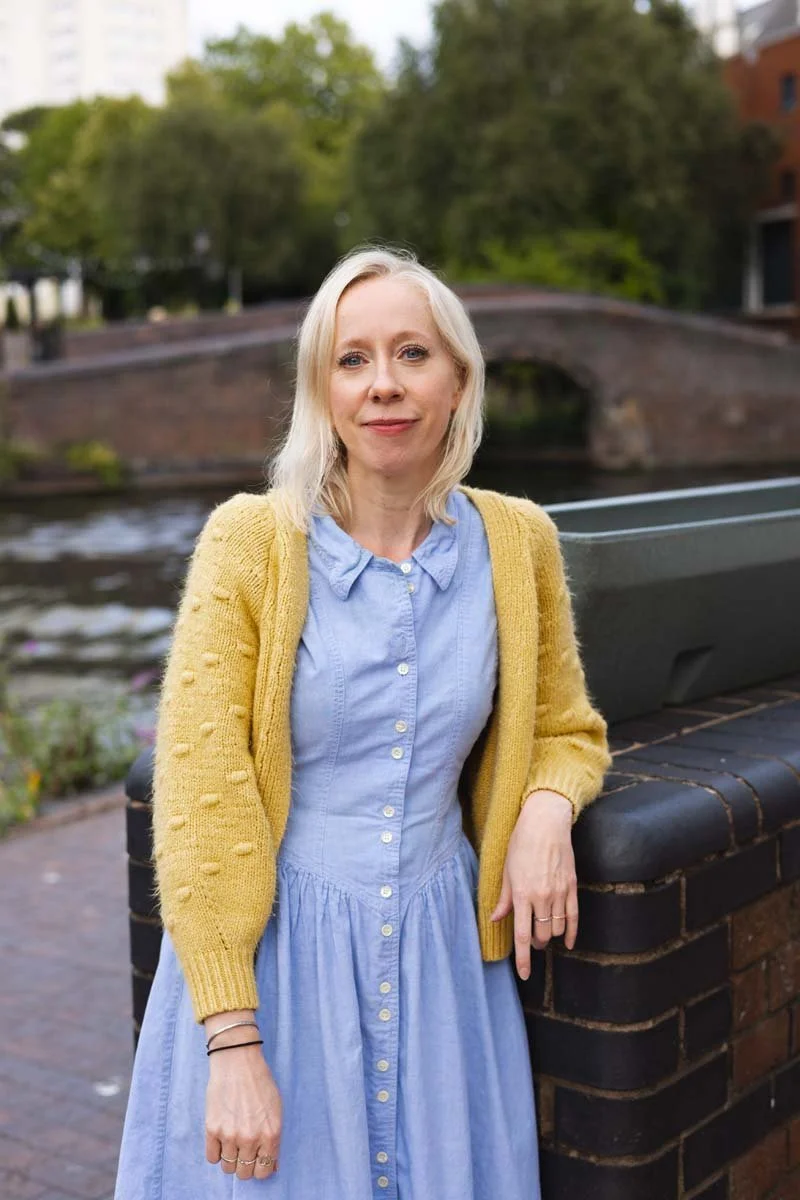


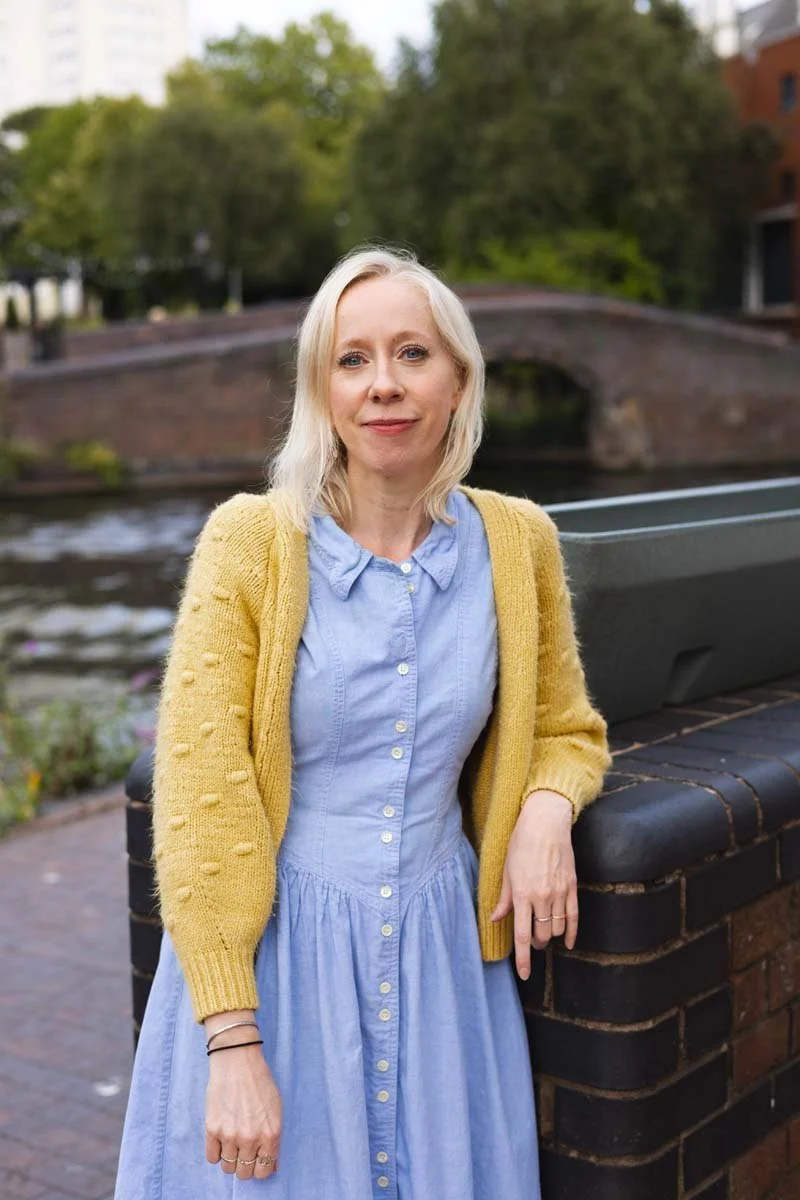
Victoria Spires lives in Northampton, UK with her family. Her work is published or forthcoming in Berlin Lit, Dust, The London Magazine, iamb, Atrium & The Interpreter’s House. She came Third in the Rialto Nature and Place Competition 2025 & won the Alpine Fellowship Poetry Prize 2025. Her pamphlet Soi-même is available from Salo Press. @victoriaspires_poetry
Where are you from? How has it influenced your work?
I was born and grew up on the edge of the Norfolk fens, in the UK. Over time, I have come to realise the quite profound impression living on the edge of this very particular landscape has had on me. In trying to find my own ways to write about - and into - the places of my childhood, I have been influenced by Nan Shepherd. In The Living Mountain, she writes that water, "Like all profound mysteries ... is so simple, that it frightens me." I am drawn to the idea of water as the dominant force that shapes a landscape, and the contrast to the ways it does this, through seeping, sifting, trickling and torrenting. I also think about the fens as a place of great compression, conversely for a place which is so flat and where the sky is such a dominant force. It's almost as if the weight of all that sky cramps you, forces you into yourself. I have come to feel now that my adult life has been about learning how to 'de-compress', to stand up straight and tall and take up more space in the world.
What kind of reader were you as a child? What books made you fall in love with reading as a child?
Avid! I read anything and everything. One of my teachers in primary school (who later went on to become my stepfather) joked that all hell could be breaking loose around me, and I would be perfectly calm and unaware, with my nose in a book. I remember a poem I read aged about nine or ten, that I still carry around with me in my head to this day (Snow Toward Evening, by Melville Cane). I remember going through a distinct Are You There God? It's Me, Margaret phase. I remember terrifying myself with those Ripley's Believe It or Not books. I remember whole Saturdays giggling over my Just Seventeen and Smash Hits magazines with teenage friends. Books and reading have been my constant companions in life, through all ages and stages.
Describe your typical writing day.
There is no typical writing day! As a poet, I think I am lucky in that I can and do write in little snatches, whenever and wherever the inspiration comes to me. I write on my phone, which often means I write in the evenings when sitting with my son while he goes to sleep, or when I'm out for a run and an idea starts to form, or on the train on the way to somewhere. It doesn't sound very romantic, but I think something about having to compress writing into these little slivers of time adds a feeling of pressure and urgency that I need. It feels like a compulsion or an obsession, and as such I am always trying to sneak back to it in the midst of the rest of life.
What was the journey like from first notes to finished manuscript for your latest piece?
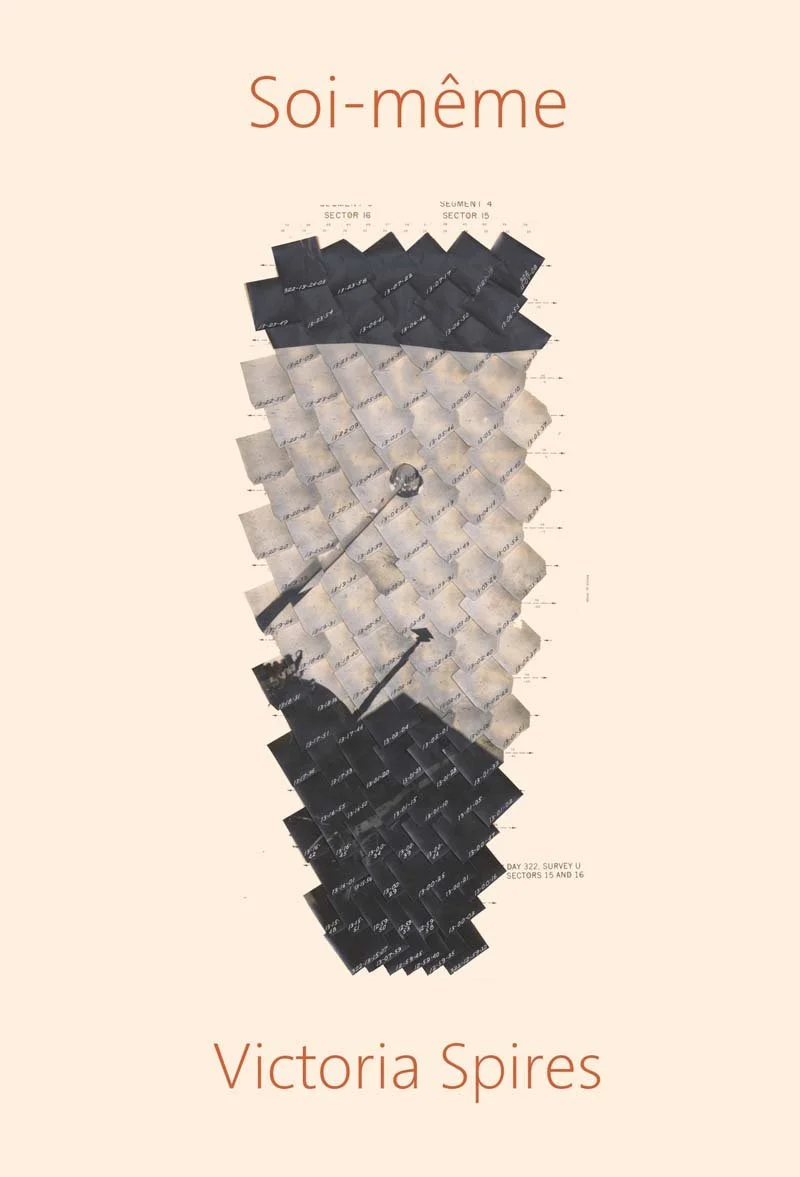
My debut poetry pamphlet, Soi-meme, was published by Salo Press in the UK in April 2025. The work leading up to that publication was quite speculative in that I had only properly been writing for a relatively short while (a couple of years or so). In that sense, I didn't really have any expectations about being able to get the work published, but I also didn't have too many self-imposed limitations about what I was 'allowed' to write or who it was for. I wrote for myself, to explore certain themes and ideas that were preoccupying me at that time, and it was a happy accident that I submitted it to Salo (on advice of a poet friend) and that they agreed to publish. The book explores themes of desire, control and selfhood, and is formally experimental as well as being quite intimate and open in the questions and themes it lays bare.
Do you keep a journal or notebook? If so, what’s in it?
In keeping with my extremely unromantic writing process, I don't really work in a notebook or journal at all! I occasionally use a notebook if I'm in a workshop or similar setting. Otherwise, everything goes straight into my phone, to be fished out, deleted, cut and pasted, and mucked around with at a moment's notice.
Which writer, living or dead, would you most like to have dinner with?
Walter Benjamin - for his humanity, his humility, and his utterly fascinating mind.
How do non-literary mediums feed your imagination or creative practice?
Visual art is a huge source of inspiration for me. Whenever I get the opportunity, I like to take myself off to galleries and exhibitions to 'top up'. I have recently started to get into ekphrastic poetry and have a piece coming out soon with After... poetry journal inspired by an exhibition I saw last year that I still think about all the time.
I also take a lot of (not very good) photos when I'm out running or walking. I think the part of my brain that notices these fleeting, ephemeral details and wants to capture them with a photo, is the same part that wants to write about them. The two things very much seem to feed off each other.
I love music, but usually I can't listen to anything with lyrics while I write as I find it too distracting.
AI and technology are changing the ways we write and receive stories. What are your reflections on AI, technology and the future of storytelling? And why is it important that humans remain at the center of the creative process?
I don't think AI has anything remotely to do with storytelling. I work in technology, and AI can provide some very useful tools and ways to process information faster, but to me this is so completely separate to human, and beyond-human, storytelling, that they are in completely different cognitive realms. That may prove to be a huge error of thinking on my part, but I hope not.
Tell us about some books you've recently enjoyed and your favorite books and writers of all time.
I do always have a 'latest' writer obsession, but these are some of the things that have stayed with me over the years: Walter Benjamin - The Arcades Project and Theses on the Philosophy of History. Anything by Anne Carson (but especially Short Talks), Ramona Herdman and David Harsent. Infinite Jest by David Foster Wallace (I know). Jerusalem by Alan Moore. The God of Small Things by Arundhati Roy. More Than Human by Theodore Sturgeon.
Exploring literature, the arts, and the creative process connects me to…
myself; things in the world (big and small, consequential and inconsequential) that are calling me to attention in the precise moment in time we find ourselves in.