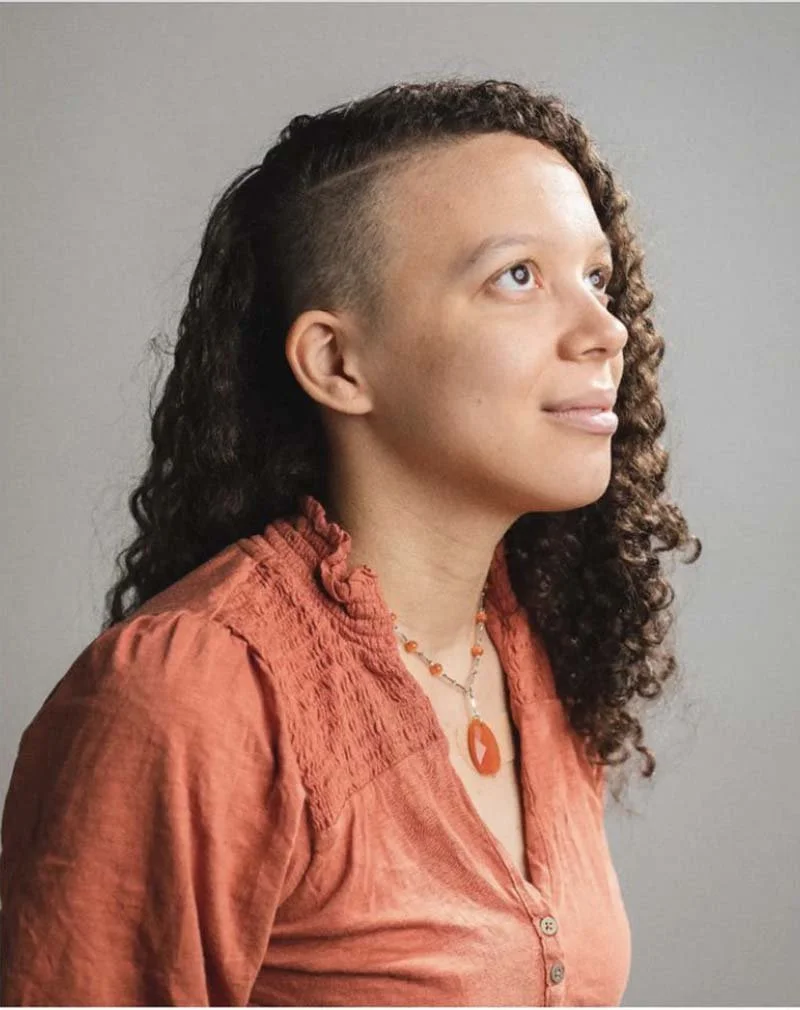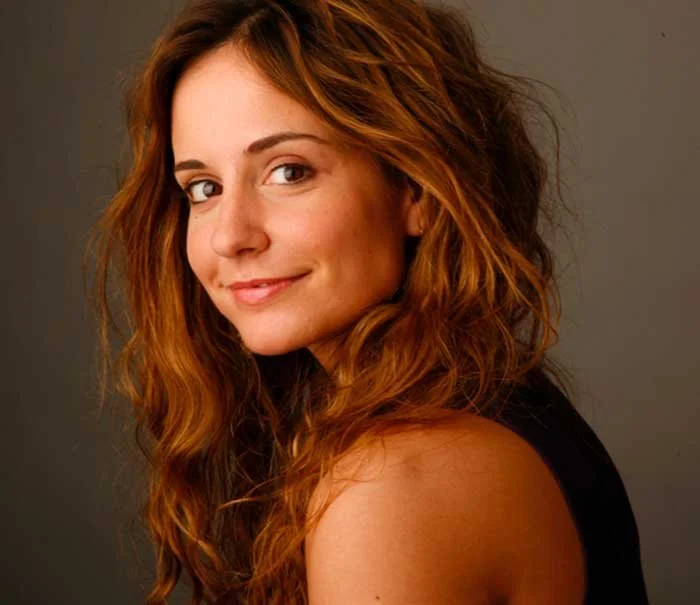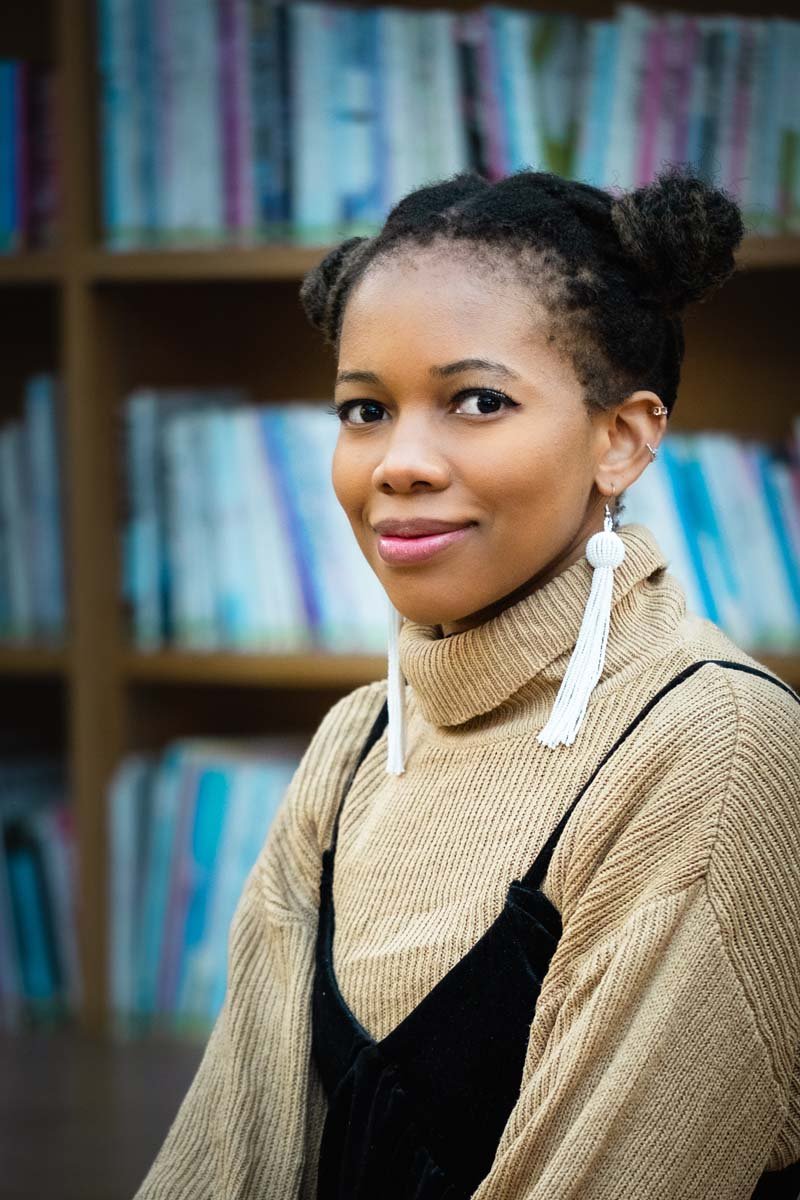


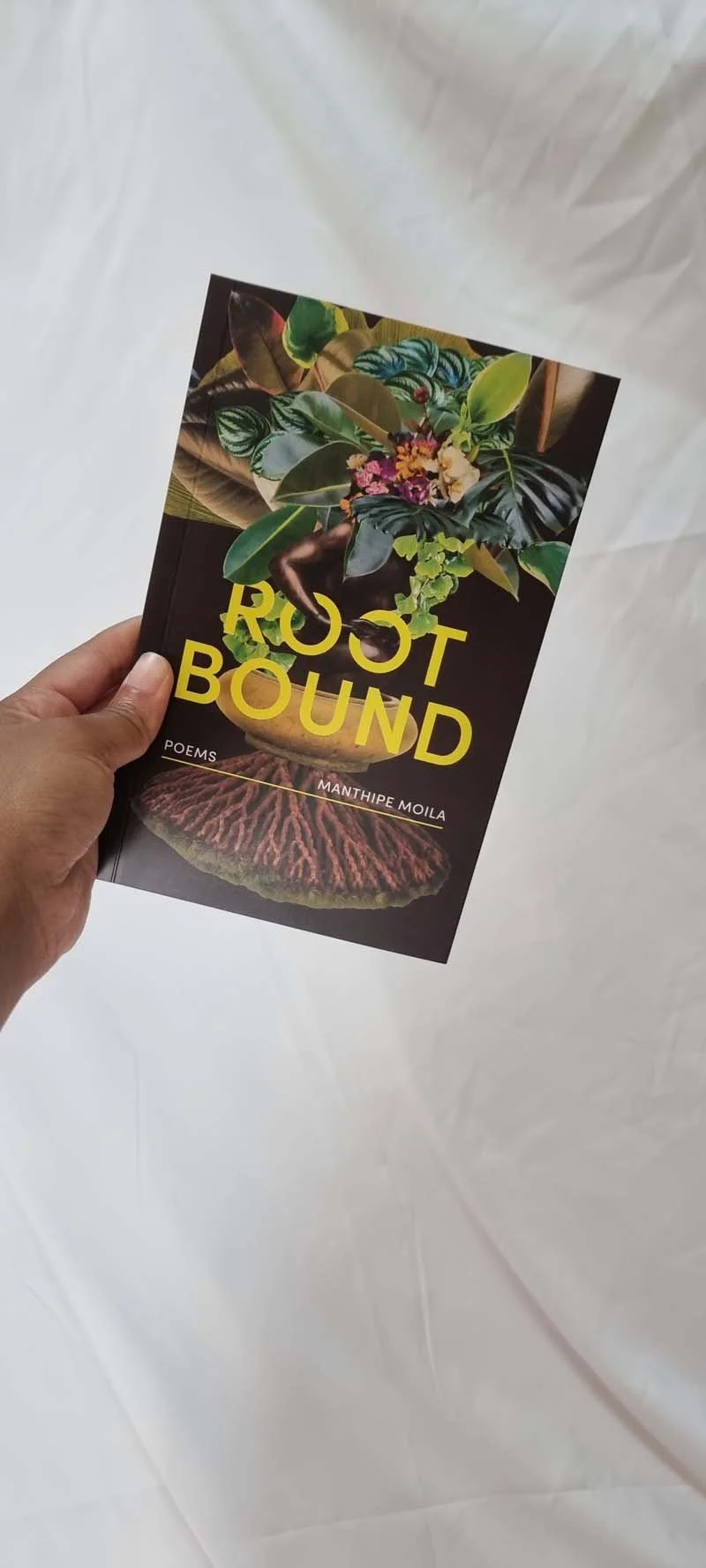
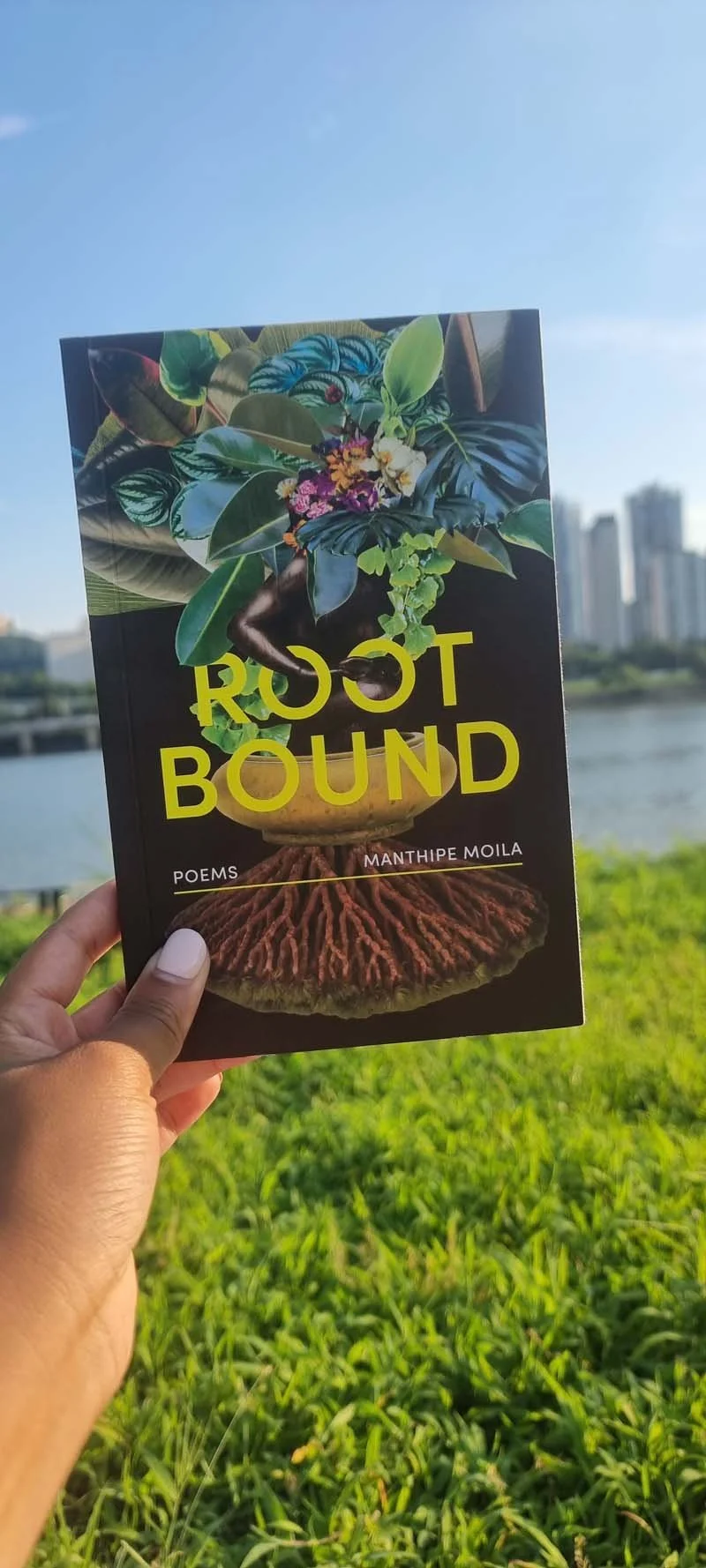
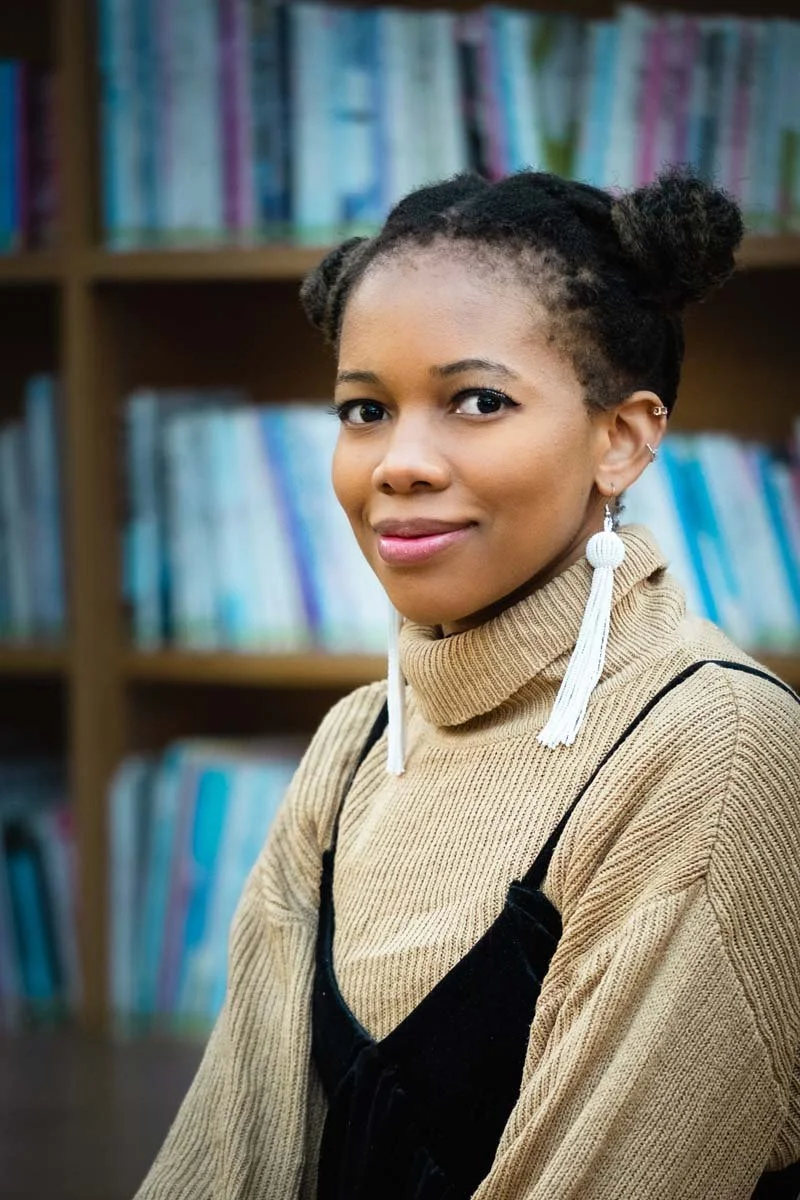
Manthipe Moila is a poet from Johannesburg, South Africa. She holds a BA Hons. in English Literature from Rhodes University. She has been published in a few online and offline publications including New Contrast, Tupelo Quarterly, Agbowó, and A Long House. She is a Charles Simic Poetry Contest finalist (Hole in the Head Review) as well as a Prufer Poetry Prize finalist (Pleiades). She is currently based in Seoul, South Korea where she is surrounded by far too many houseplants. Her debut poetry collection, Rootbound, is out with uHlanga Press. @mantipoetry
Where were you born and raised? How did it influence your writing and your thinking about the world?
I was born and raised in Johannesburg, South Africa. Being an author who draws largely from her environment, South Africa has an enormous influence on my writing and thinking about the world. It was where I began to get a literary education as an English Literature student. It was also where I began to develop my writing skills as I attended poetry readings and writing workshops in Makhanda, where my university is located. We are, to an extent, products of our environments and as such, my home country has shaped my reading and writing in ways that I perhaps do not have a full grasp on. I believe that with time, as I continue develop as a writer, I will be able to spot the threads of home weaved into myself, my writing and my thinking. For now, I think it is too early in my writing journey to properly articulate it.
What kind of reader were you as a child? What books made you fall in love with reading as a child?
I loved reading as a child. I have a memory of using my phone as a source of light while I was reading under my blanket because it was past my bedtime. My reading tastes are wildly different but I remember devouring Sweet Valley High books, as well as the Fearless by Francine Pascal. I loved Jodi Picoult and Dorothy Koomson. I also read books from the Charmed series - it was like watching an unaired episode. All of these books made me love literature immensely and, though I no longer connect with them as I once used to, I owe a great deal to them.
What’s an average writing day?
I have not so much writing days but writing sprints. When writing poetry, I begin writing by hand and try to make a mess on the page. This ensures that I quiet my inner censor and am able to better reach the work. Then, I transcribe and begin manipulating the poem on my laptop until it takes proper shape. This could take a day, a few days or weeks. Finally, I give that draft some space and return to it as a later time, as I am better able to see the poem if I approach things in this manner. My current routine is thus sporadic, which is something I am working on. I would like a more systematic approach to deepen my skills as a writer.
Tell us about the creative process behind your most well-known work or your current writing project.
My debut poetry collection, Rootbound, was as a result of the writing process mentioned above. It was also aided by attending several free online workshops hosted by literary journals, as well as workshops I and my mentor and friend hosted for ourselves. There was a point where I participated in the Tupelo 30/30 writing challenge, where one challenges oneself to write a poem a day for 30 days and raises money for Tupelo Press, an independent press based in the US. Through these writing sprints of various forms - the workshops, writing challenges and writing workshops, my debut collection took on a coherent shape and was later accepted for publication by uHlanga Press.
Do you keep a journal or notebook? If so, what’s in it?
I have a poetry notebook where I capture snippets of lines that come to me when I am out and about. I also have a poetry journal where I write out, as it is taking form, the first drafts of actual poems. I had also, for some time, adopted a journaling practice called Morning Pages where you write in a journal by hand whatever comes to mind until you have filled a certain number of pages. I found this incredibly helpful and am eager to reincorporate it into my morning routine.
Which writer, living or dead, would you most like to have dinner with?
I would love to have dinner with Naga Noor, the author of If an Egyptian Cannot Speak English.
Do you draw inspiration from music, art, or other disciplines?
I namely draw from literature when writing. For me, poetry begets poetry. Although in the research process for my debut poetry collection, I loved to read about botany and plants as they are a motif in the collection.
AI and technology are changing the ways we write and receive stories. What are your reflections on AI, technology and the future of storytelling? And why is it important that humans remain at the center of the creative process?
I think that it is incredibly important for humans to remain at the center of the creative process for we are true creative beings and it is that human-borne creativity that breathes life into art. I also think that there is a danger, particularly for writers, to rely on AI tools when developing their writing skills. Writing is about trial, error, patience, and practice. The notion that AI helps one write faster or better is one that I disagree with. There is beauty in the struggle, and it is that struggle that forms the writer or artist. Furthermore, I think that AI produced books and stories are going to become more mainstream but that there will always be an appetite for human created art and human writing. Perhaps that is naive but I cannot imagine a future where AI storytelling dominates literary spaces.
Tell us about some books you've recently enjoyed and your favorite books and writers of all time.
I recently read, and adored, If an Egyptian Cannot Speak English by Naga Noor and Our Wives Under the Sea by Julia Armfield. A poetry collection which I discovered accidentally at the Seoul Metropolitan library is proving to be one of my favorite collections of all time - Late Wife by Claudia Emerson. I also find myself revisiting Safiya Sinclair's Cannibal and Franny Chois books Soft Science and The World Keeps Ending and the World Goes On. I also love Toni Morrison's Beloved, Arundhati Roy's God of Small Things, Fitzgerald's The Great Gatsby, Half of a Yellow Sun by Chimamanda Ngozi Adichie, and This is How You Lose the Time War by Amal El-Mohtar and Max Gladstone.
Exploring literature, the arts, and the creative process connects me to…
myself, life and love.