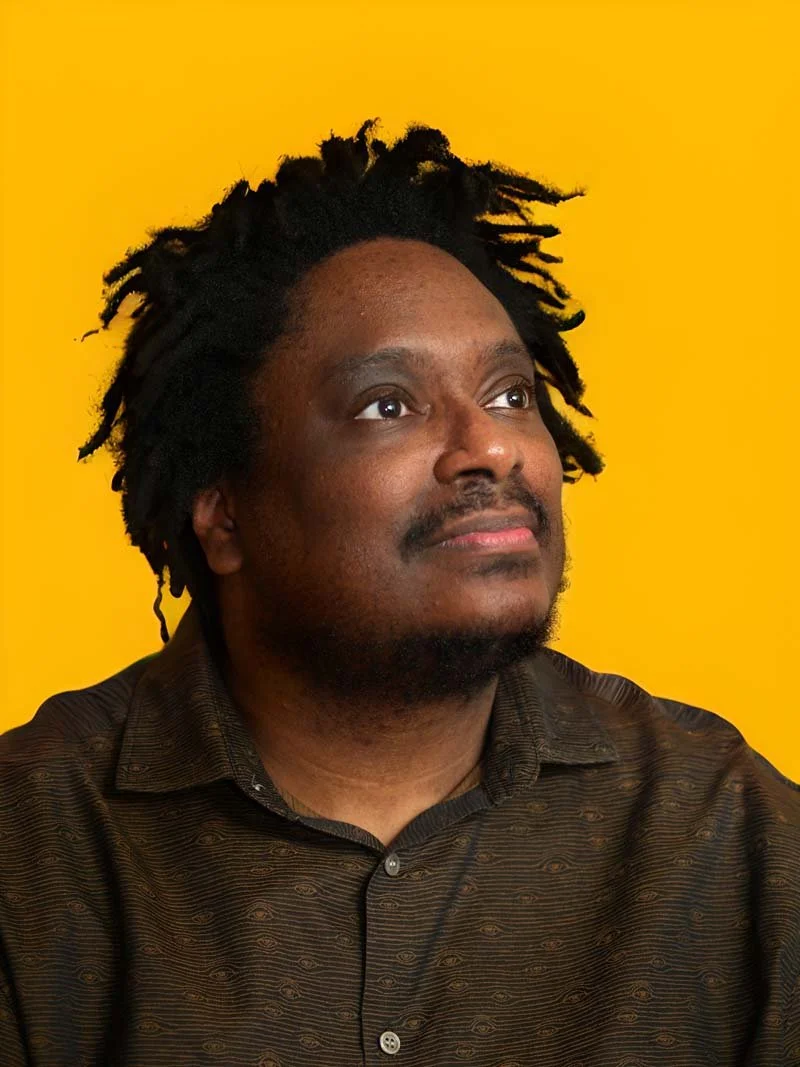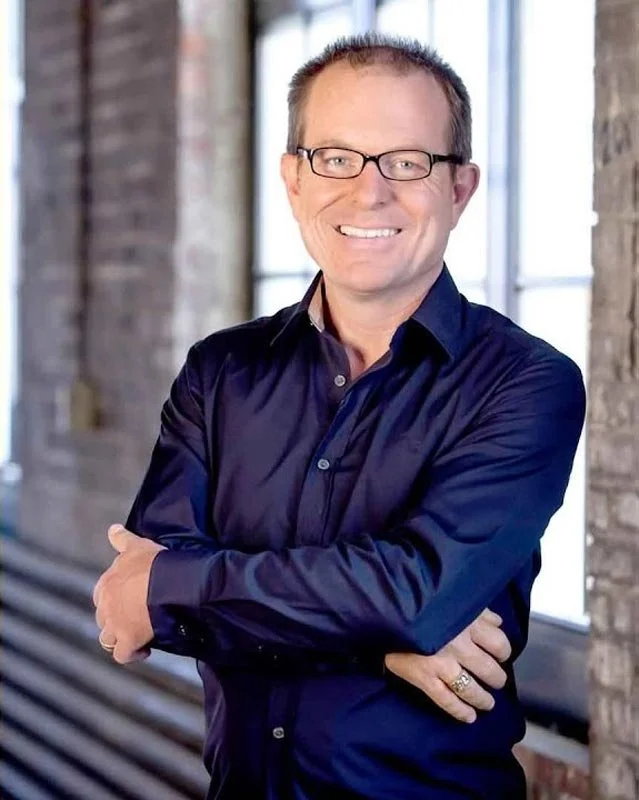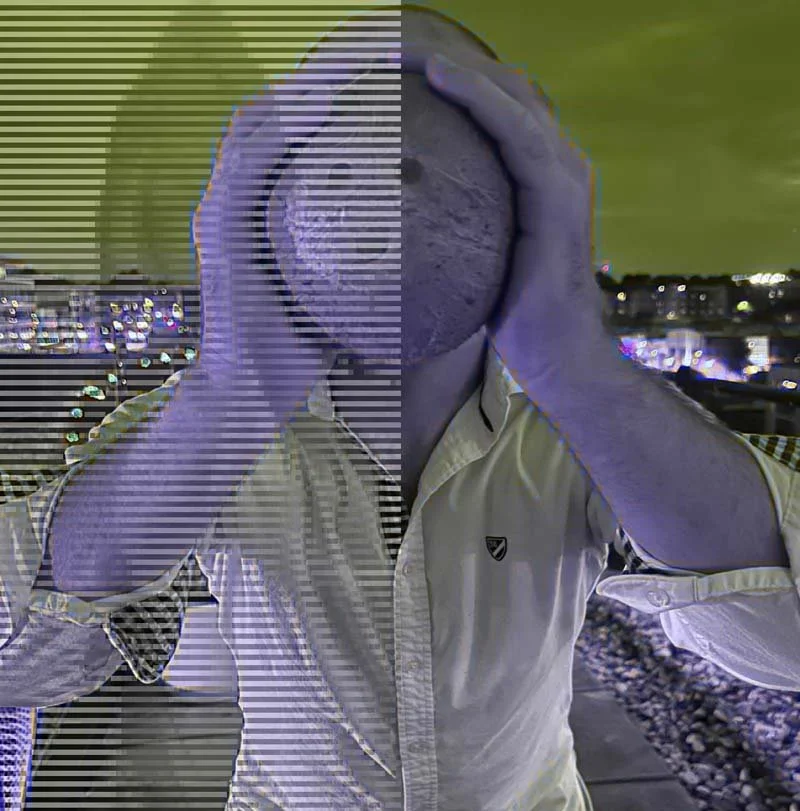


Kenneth Maitland is a native of Richmond VA, where he continues to live and work. He holds degrees from the University of Virginia, where he specialized in Robert Frost and Henry James, and from the Vermont College of Fine Arts, where he studied with poets Mary Ruefle, Ralph Angel, and Clare Rossini, and others. In 2024, his feature film script, 'Lynnhaven,' won the Virginia Film Office screenwriting award. @kennethjmaitland
Where were you born and raised? How did it influence your writing and your thinking about the world?
I'm from Richmond VA, grew up poor in the suburbs, and very much consider myself a Southerner, and an unreformed Gen-Xer, with all the crankiness, irony, and independence of that generation. Parenting in those days consisting of mom and day saying "go play" for seven hours and come back when it gets dark. We had to contrive all entertainments for ourselves: treehouses, breaking into the swimming pool after dark, a little good-natured and mostly accidental arson. What little cable TV we had - I was partial to 'Mr. Ed' and 'Elvira Present' - we hijacked from wealthier neighbors. I was always very richly imaginative, though I never realized this fact until much later in life - perhaps into my mid-20s, when it occurred to me that most people don't think in terms of metaphor and archetype. Now, at age 50, I'm finally beginning to adjust to life in the adult world.
What kind of reader were you as a child? What books made you fall in love with reading as a child?
I couldn't read until I was in the fourth grade, much to the frustration and bafflement of teachers and counselors. (The Boomer/hippie parents shrugged it off, guessing I'd figure it out when the time was right.) I do have very vivid and fond memories of my relationship to books, however, even as a small child - richly illustrated anthologies of fairytales and mythology. In third grade I got a cassette tape of highlights from Tchaikovsky's 'Nutcracker' and rapturously analyzed the photo inserts: Russian ballrooms at midnight, with parquet floors, velvet draperies, and crystal chandeliers, and I wondered how much marvels could possibly exist. It was like looking at photos taken on a distant planet.
Describe your typical writing day.
Brain-frying and eye-destroying revision. But that comes later, when I'm 2 days away from a deadline. (Every noticed how the deadline is always 2 days away, no matter what?) For fiction, I very consciously plan out all the general plot movements (like 3 big ones), then break each of those into smaller logical units concerned only with generic, formally necessary, unparticularized action. Then I go back to the beginning of my outline and dive into inspiration. With my conscious mind focused on doing justice to the pre-determined plot of the story (and thus distracted), my unconscious mind is free to come out and play.
Tell us about the creative process behind your most well-known work or your current writing project.
My screenplay 'Lynnhaven' I adapted from a short story of mine of the same name published in 'Your Impossible Voice.' A very interesting process - adapting your own prose for the screen. I found it effortless and fun, with the only "challenge" a mild one: How to translate the sweeping impressions of prose into precise, concrete visualizations. You learn so much about your own storytelling methods that way.
Do you journal regularly or to storyboard?
No journal, but I take extensive handwritten notes from my reading - on black computer paper which I then organize into little inch-high stacks and transcribe on the computer. I have, at present, about 20 stacks un-transcribed, and have typed out, oh, maybe 50 stacks over the past decade.
How do you research and what role does research play in your writing?
Yes, I an a haunter of the college library and am at any given time reading 2-3 nonfiction books on topics relevant to my writing. What I look for as a creative is this: anything that can be sharply visualized. Abstractions or general concepts tend to take care of themselves.
Which writer, living or dead, would you most like to have dinner with?
Edith Wharton - mostly to examine the silver, crystal, and china.
Do you draw inspiration from other artistic disciplines?
Absolutely yes. I have music going constantly - seventeen different records of this or that Mozart opera, Duran Duran, etc. I can say with confidence that I'm just as influenced in my writing by painters and filmmakers as I am by other writers, which I suspect is the case more than we realize or care to admit. More and more readers and writers will experience text fused with sound and image, until the distinction between forms is lost.
AI and technology are changing the ways we write and receive stories. What are your reflections on AI, technology and the future of storytelling? And why is it important that humans remain at the center of the creative process?
Computers cannot tell stories because they cannot suffer, love, be baffled, or long for anything better than what they have, which is nothing, not even self-awareness. All intelligence, though, including human intelligence, is artificial intelligence. But that's another discussion.
Who are some of your favorite authors?
Favorite writers: Isak Dinesen, HP Lovecraft, Henry James, JG Ballard, WG Sebald (what's with the initials?), Heinrich von Kleist, Toni Morrison, Nabokov, Robert Frost (Stephen King's only true rival), Roberto Calasso, and others.
Exploring literature, the arts, and the creative process connects me to…
the divine. The imperishably real.