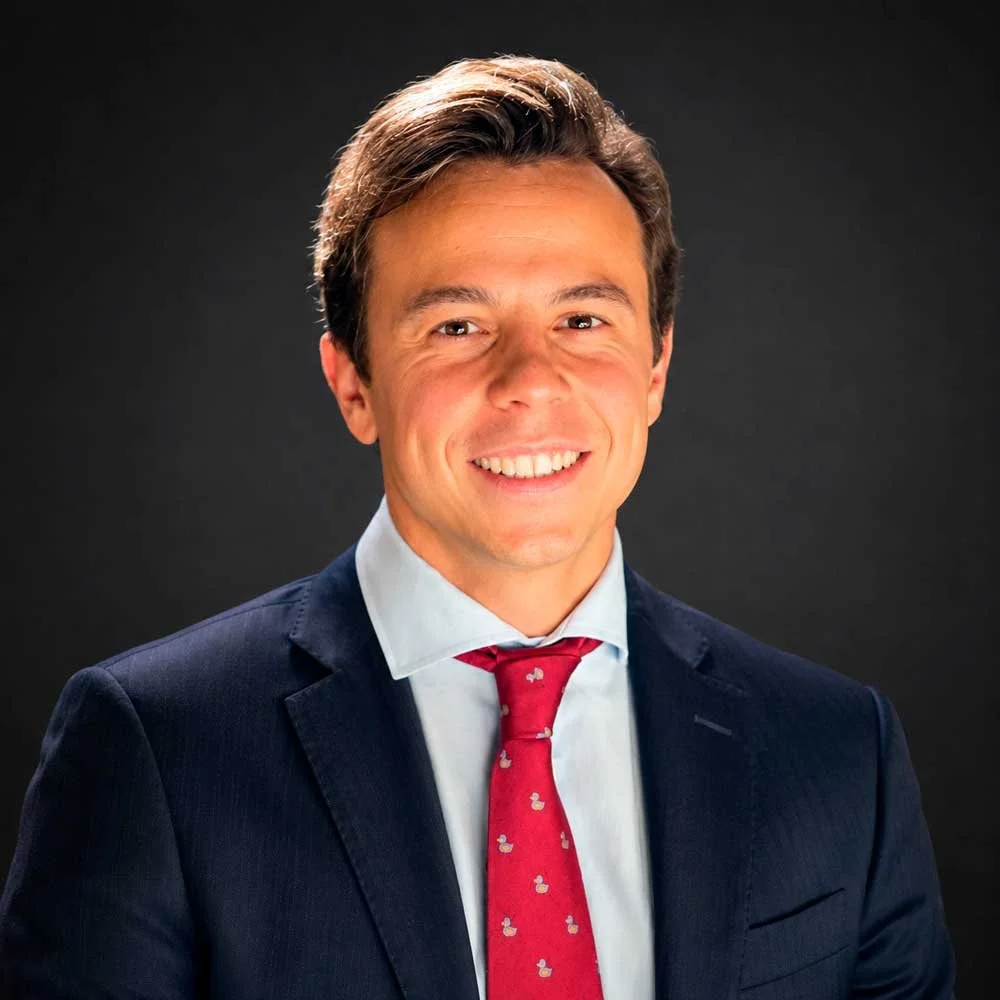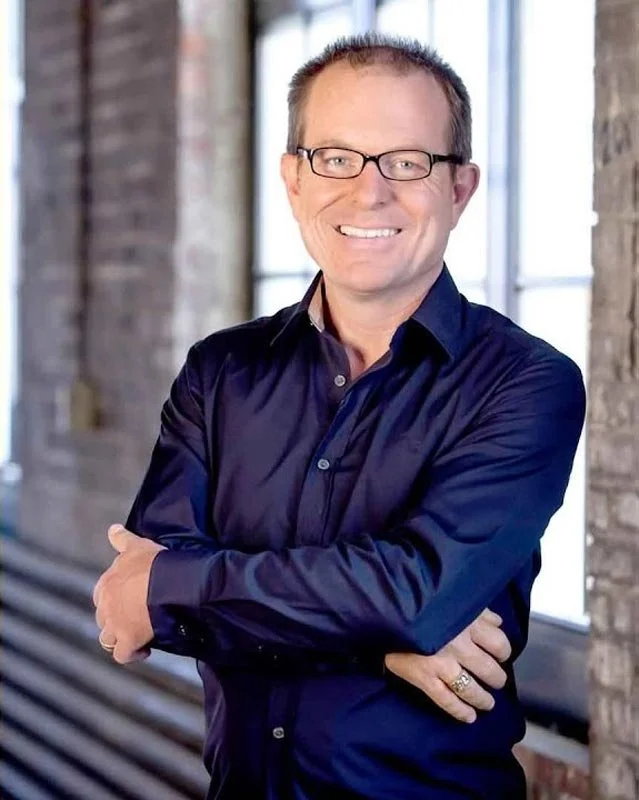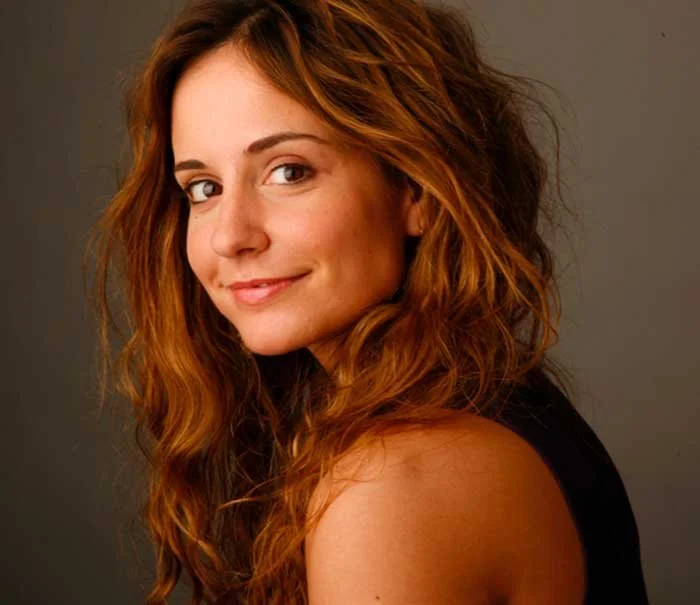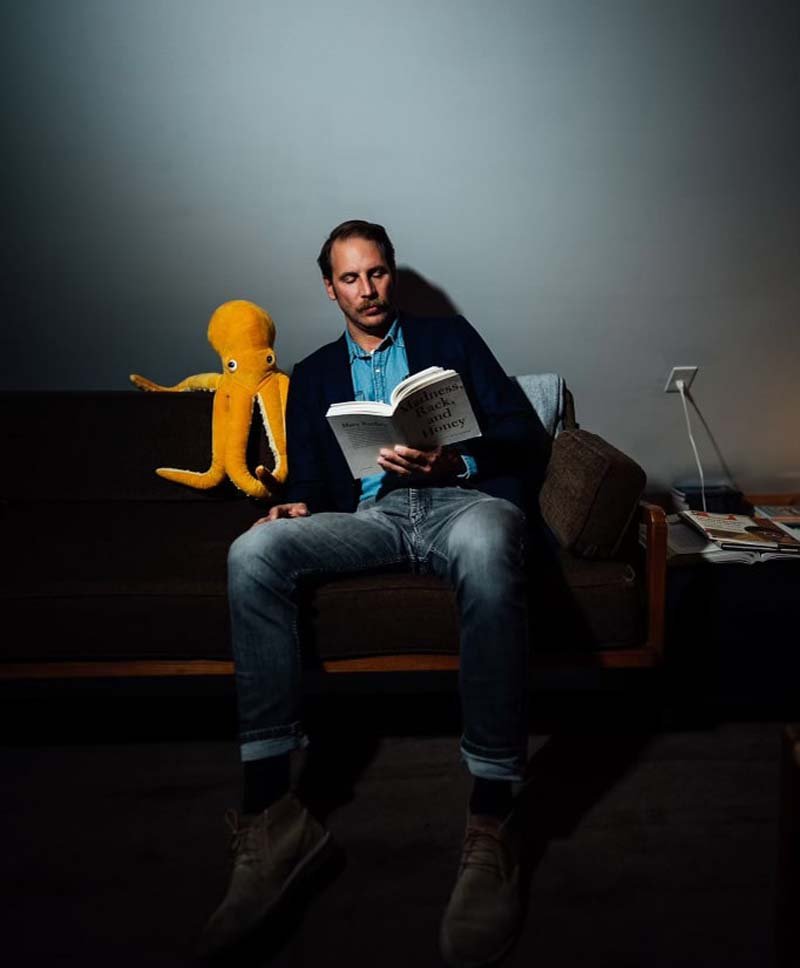


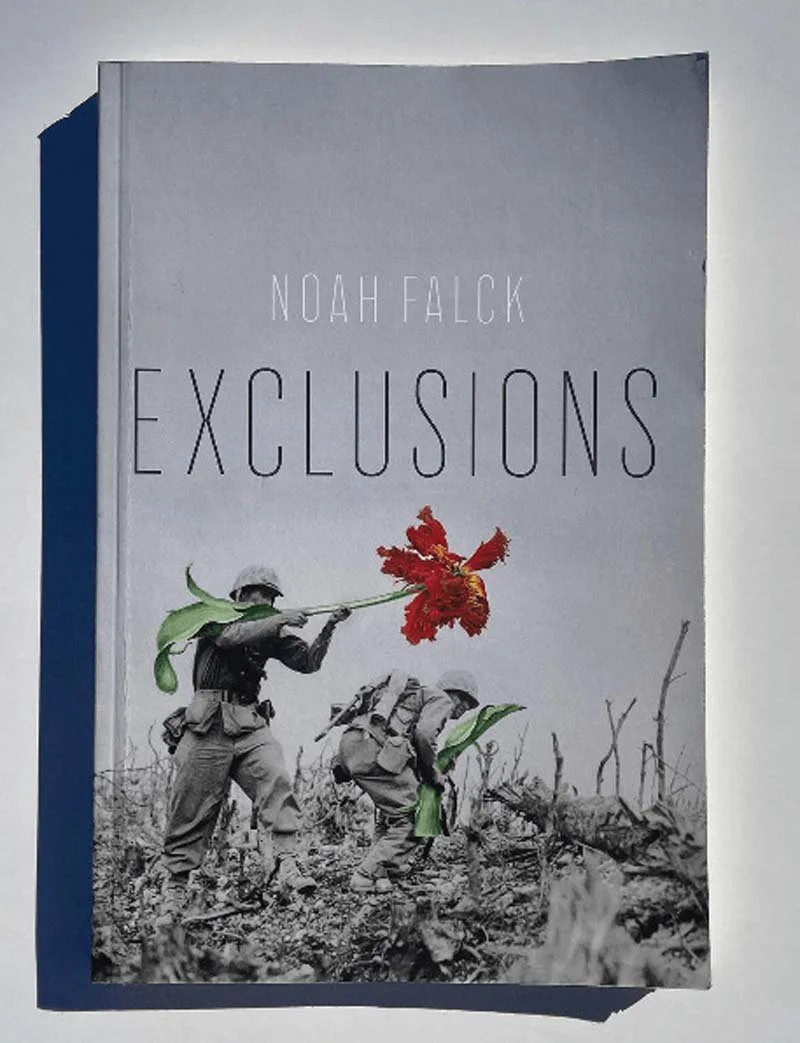
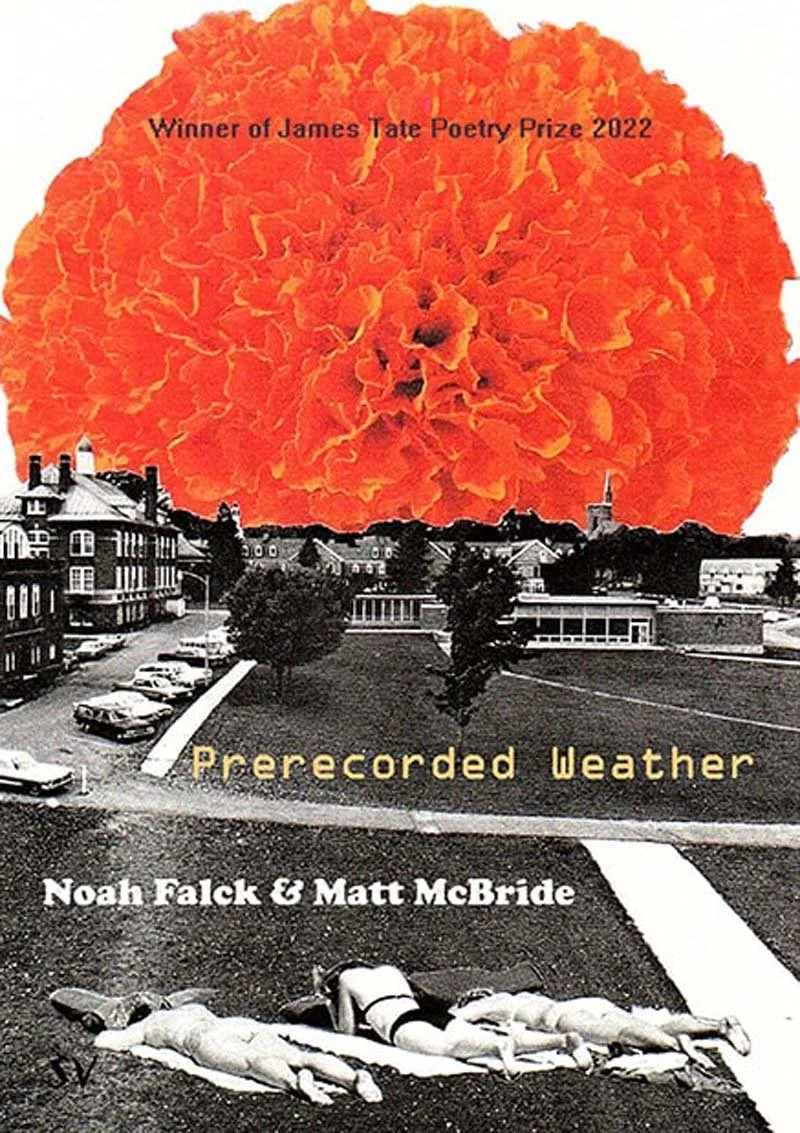
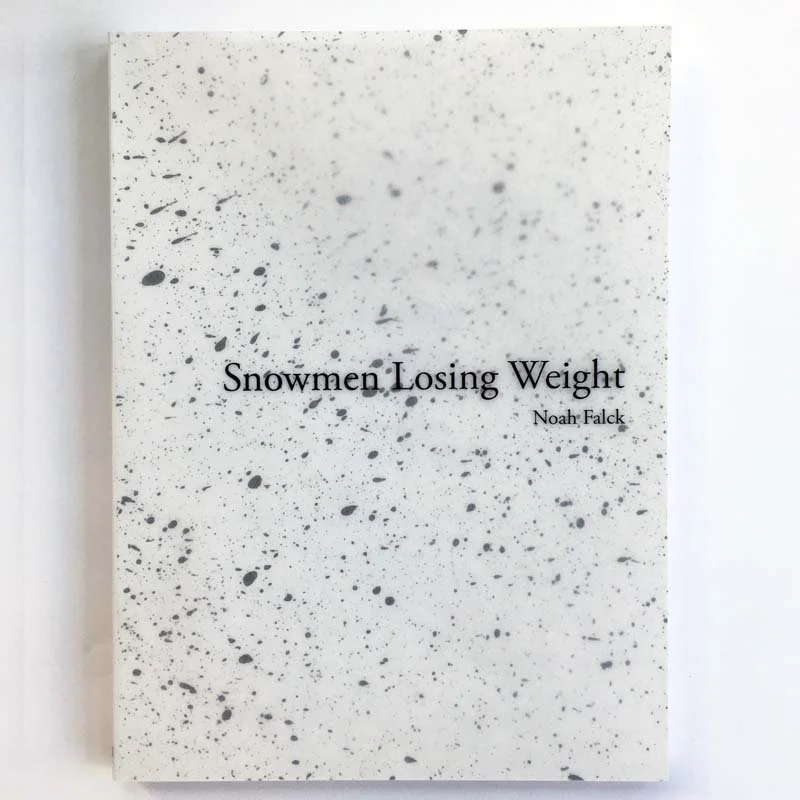
Noah Falck is the author of Exclusions (Tupelo Press, 2020) which was a finalist for the Believer Book Award and the co-authored collection Prerecorded Weather (SurVision Books, 2022) winner of the James Tate Poetry Prize. His poetry has appeared in The Baffler, Literary Hub, Poetry Daily, Poets.org, and on The Slowdown podcast. In 2013, he founded the Silo City Reading Series, an immersive, multimedia poetry event series that takes place inside a 120-foot-high, 100-year-old abandoned grain elevator. He is the co-founder of the Buffalo Correspondance School and lives in Buffalo, New York. @noahfalck
Where were you born and raised? How did it influence your writing and your thinking about the world?
I was born and raised in Dayton, Ohio. Landscape has always been part of my writing and a major influence. So I'd say that growing up in Dayton influenced me through the streets I walked down, the hills I walked up. Not having a body of water to sit beside and ponder.
Did you read a lot when you were younger? Any genre, specifically?
I was not a huge reader as a child. I spent most of my time on a baseball field or in a gymnasium. I didn't find books until high school and maybe even college.
I remember meeting the poet Gary Soto when I was freshman in college and being taken back when he read his poem "Oranges." I didn't know what poetry was or that it had anything to do with understanding the world in your own way. But after discovering it, I've been trying to continue to discover it every day of my life.
Do you have a typical writing day?
A typical writing day is waking before anyone in the house and retreating to my attic writing studio. Ideally, I'd have at least an hour of alone time before being interrupted. I have coffee or a tea and review old notebooks and pick apart old drafts of poems. If I can do this 4-5 days a week I call it a success.
Tell us about the creative process behind your most well-known work or your current writing project.
I think my writing process changes from project to project, it’s sort of mysterious to me. I want to say something about how it’s all about organizing the chaos of the mind, but that’s not exactly right. My poems are more a form of thinking, and perhaps experiments in seeing thoughts collide. The intersections of the dance floor, the rain, and the feelings at the funeral.
My current project is a book of poems titled Fatigue Performance. The title was ignited by the life-changing event of becoming a father and being filled with simultaneous joy and fear in an era of media overload, political unrest, and the destabilization of American and global institutions. The earliest drafts of the poems began in 2016, a year after my daughter was born. I continued composing fragmented texts that reflect on my evolving feelings and observations about fathering a young child during a period of accelerating technological disruption, the Covid-19 pandemic, and polarization.
Do you keep a journal or notebook? Are they for any specific purpose?
I have too many notebooks. They are filled with sketches of language. Things I see when I'm on the bus, at the park, in the car driving to the store. Some have collages inside them. Some hold the language of other writers.
Which writer, living or dead, would you most like to have dinner with?
James Tate & Charles Simic.
Do you draw inspiration from other artistic mediums?
Absolutely. I'm wildly inspired by all the mediums - paintings, films, music. It all contributes to my work, informs me on how to navigate the world.
Do you have any questions for Mia Funk (artist, writer and founder of The Creative Process)? Or any reflections or creative responses to her paintings?
I love ekphrastic writing as well. I'd love to spend some time with Mia's work and offer a proper response.
AI and technology are changing the ways we write and receive stories. What are your reflections on AI, technology and the future of storytelling? And why is it important that humans remain at the center of the creative process?
I don't have an overly critical thought about AI and the future of storytelling. I think it is essential for people to remain at the center of the creative process because of the shared experiences we all have. And we need people to be able to process and share that with us. In additional, I think it is important to see the flaws in our humanness.
Tell us about some books you've recently enjoyed and your favorite books and writers of all time.
A Brief History of the Midwest by Andrew Grace
Hell Yeah by Rachelle Toarmino
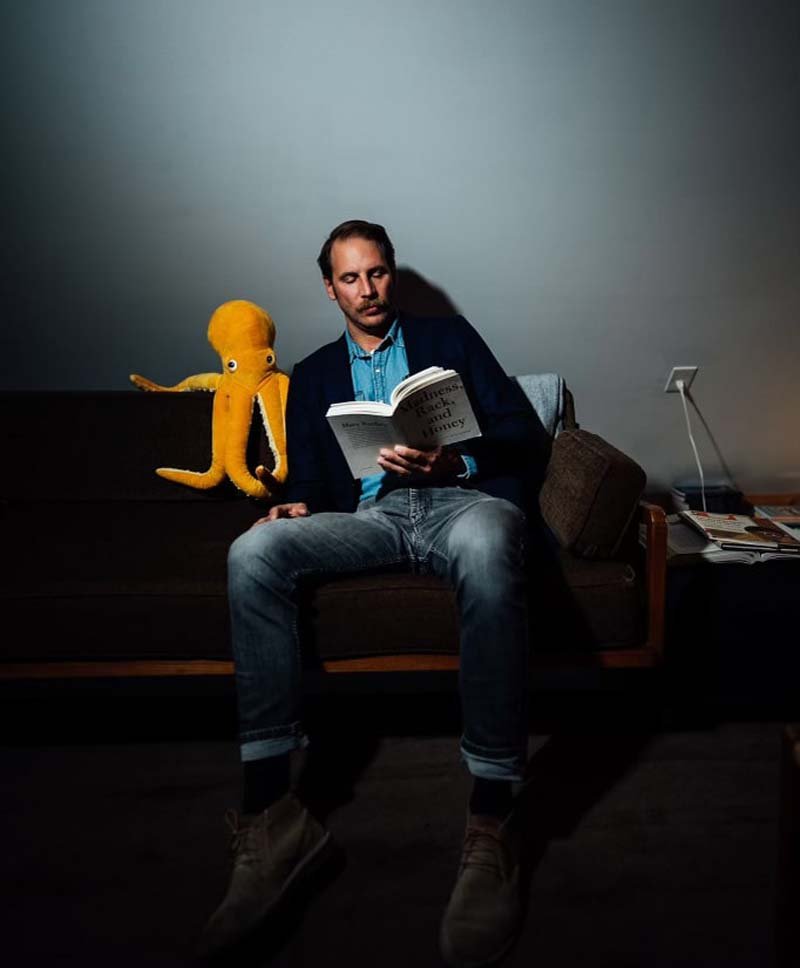
Madness, Rack, and Honey by Mary Ruefle
The Solace Is Not the Lullaby by Jill Osier
Stay Dead by Natalie Shapero
America Redux by Ariel Aberg-Riger
Exploring literature, the arts, and the creative process connects me to…
the human experience.