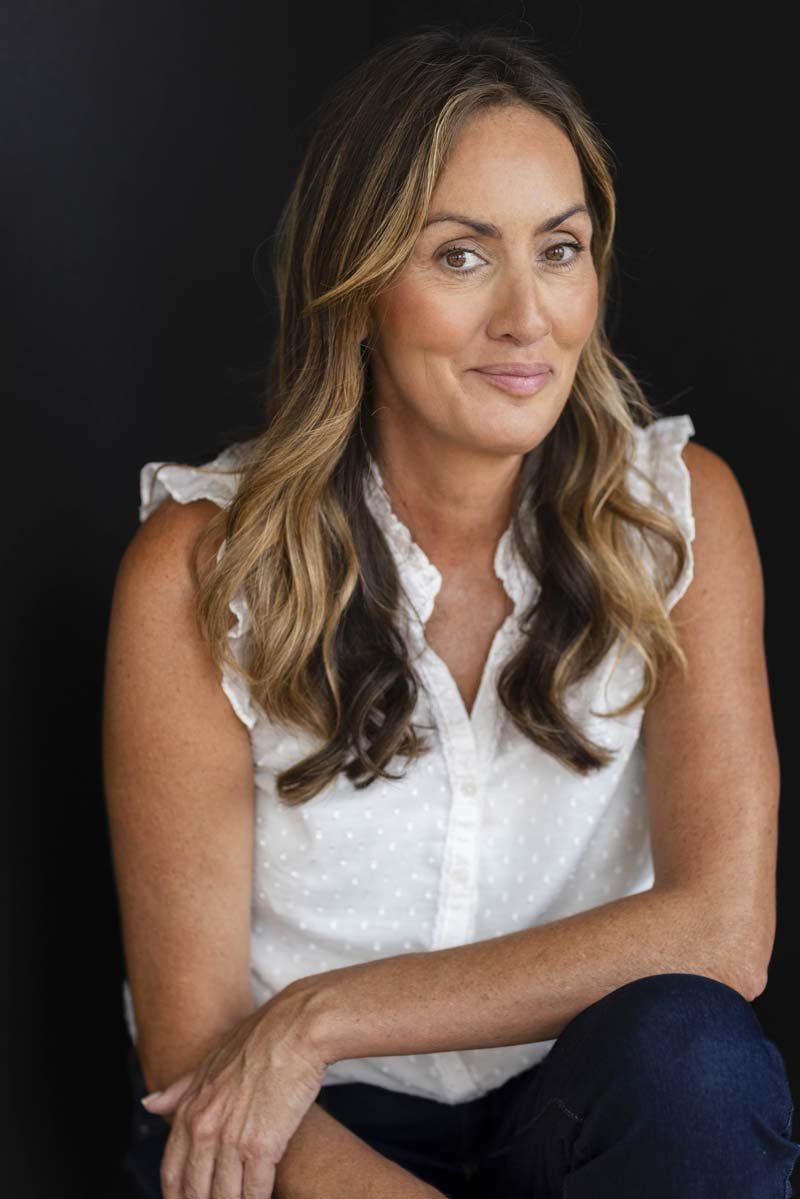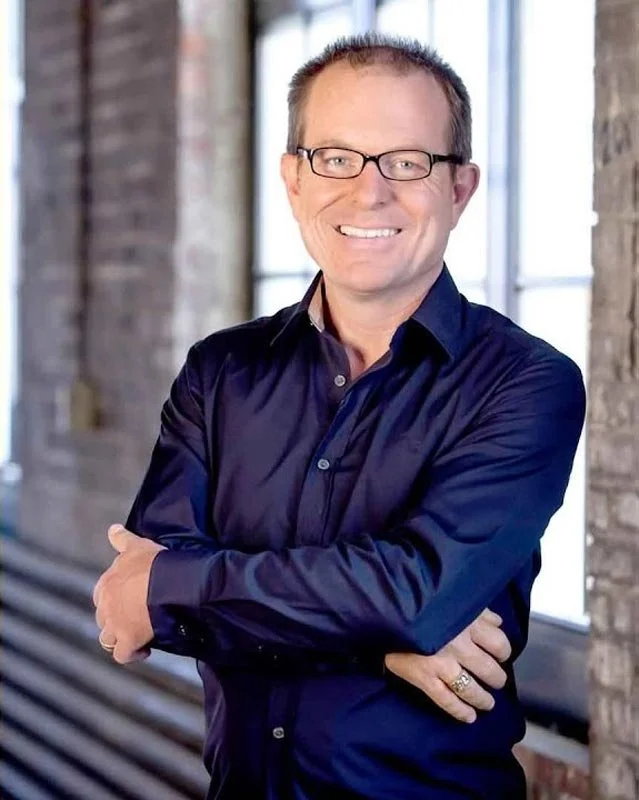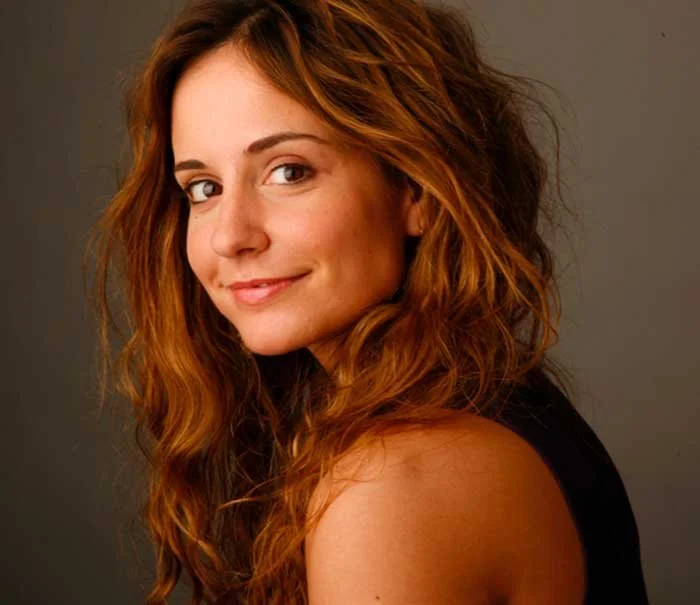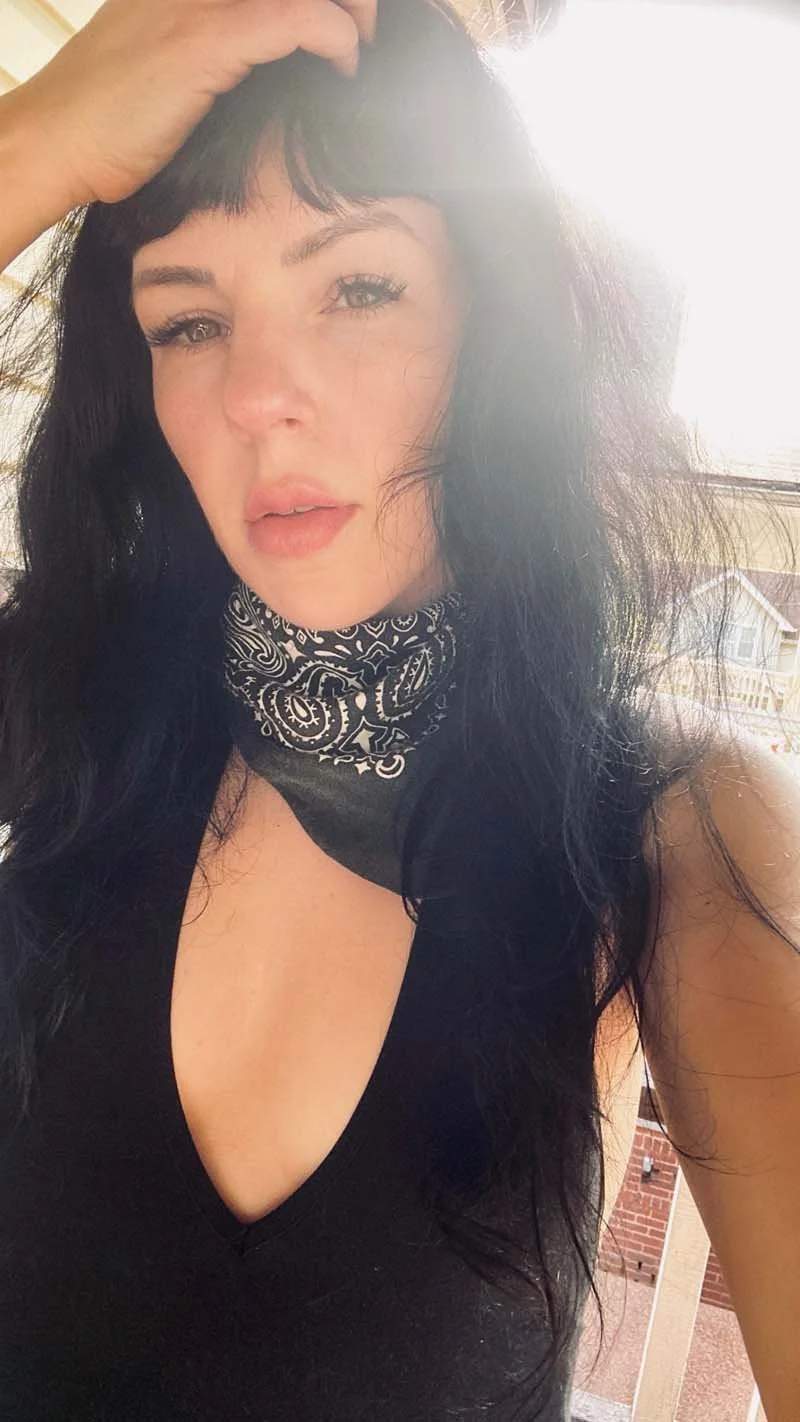


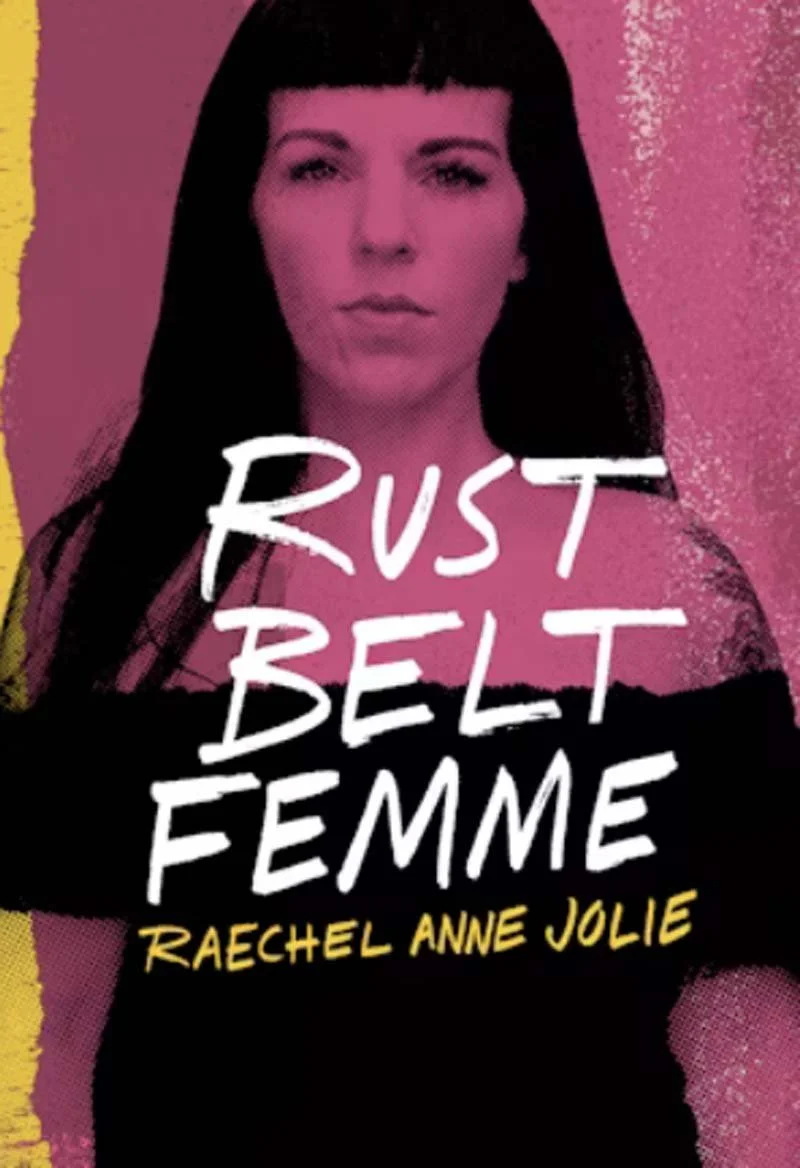
Raechel Anne Jolie is a writer and educator based in Cleveland, Ohio. Her writing has appeared in The Baffler, Bitch, Teen Vogue, In These Times, among other publications. Her memoir Rust Belt Femme (Belt, 2020) received recognition in NPR's Favorite Books of 2020, was a finalist in the Heartland Bookseller's Award, and was the winner of the Independent Publisher Book Award in LGBTQ Nonfiction. Jolie is also the editor and co-creator of The Prison Arcana tarot zine, made in collaboration with incarcerated artists. She is also: a cat mom, an anarchist, and a forest witch. Follow her at @rebelgrrlraechel.
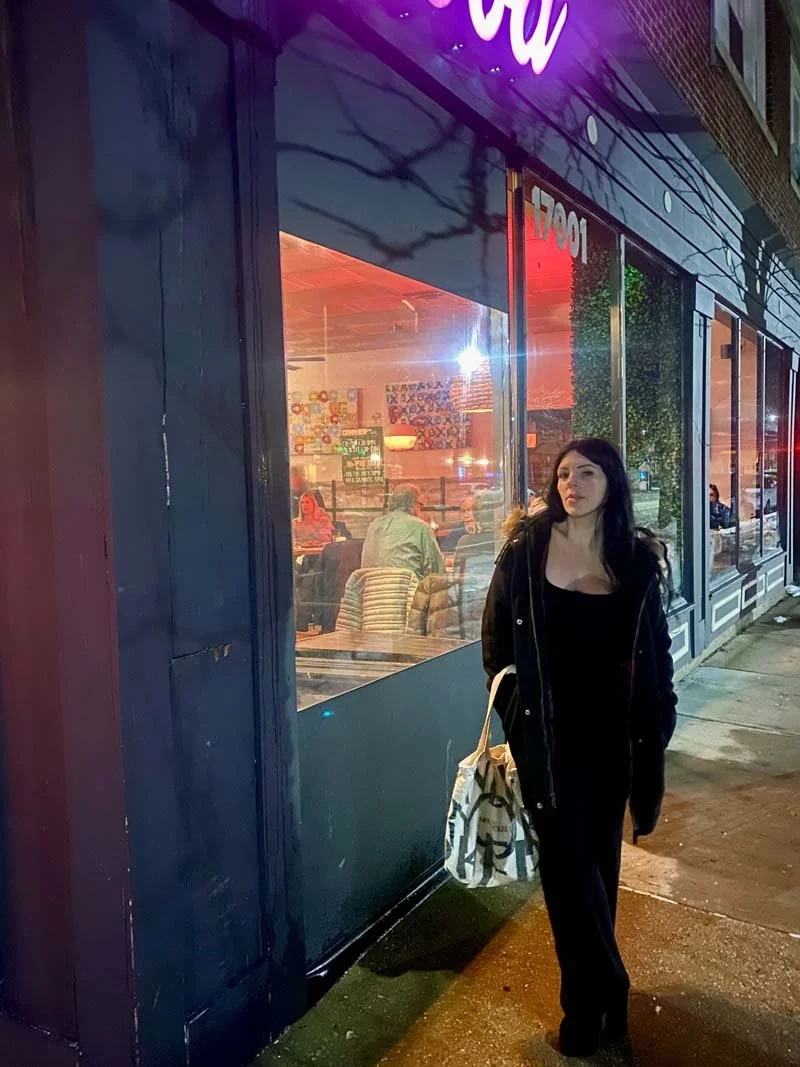
Where were you born and raised? How did it influence your writing and your thinking about the world?
I was raised just outside of Cleveland, Ohio. My first ~8 years were in a poor, mostly white rural area, then I moved to a blue-collar mostly white suburb, then to a more racially diverse working-class suburb. I was raised by a single mom and we were always either just below or just above the poverty line. My class background has shaped me more than any other aspect of my life, and it shows up in my writing constantly. I write about class, and my writing is confined because of my class. I have no generational wealth and since my 20s, I have been working multiple jobs to stay afloat (even after getting a PhD...in fact, it's *because* I got a PhD and entered low-paying/precarious academia that I have had to work many jobs). I grew up understanding that the people who work the hardest are often the ones paid the least. This has informed my anti-capitalist politics and my commitment to radical activism. My writing is always infused with this analysis.
What kind of reader were you as a child?
Voracious! I remember reading most with my grandmother who would take me to the library every Friday. We filled tote bags full of books and read them one after another. When I was old enough to read on my own, we'd do the same routine, just read silently next to each other. Early books that stand out include The Velveteen Rabbit, The Giving Tree, and The Secret Garden.
Describe your typical writing day.
It depends on if I'm doing my wage labor jobs or not, but the days that I cordon off for writing usually involve: wake up around 7am, walk to the coffee shop, chat with my barista friends, then take a walk to the lake near my house. If my partner is with me, we talk on the walk, which usually leaves me inspired for writing, or if I'm alone, I'll listen to a podcast, often related to something I'm working on. Once I get back, I do daily cleaning, exercise, shower. Then I sit down to write! If I'm being precious about it, I'll light a candle. Admittedly "sitting down to write" also includes checking emails, doing wage labor tasks that need to get done, sort of before and/or alongside ~the writing.~ I listen to music while I write. Sometimes I'll do this same routine, but instead of working from home I go back to the coffee shop and write there. I like background noise, it helps me focus! My brain is usually pretty tired by 5 or 6pm, so I'll usually retire around then.
Tell us about the creative process behind your most well-known work or your current writing project.
My memoir was born of a palm reader and a job loss. I was on a Visiting Professor line at a college that sort of led me to believe they'd convert my line to tenure-track. They did not! Around the same time, I went to New Orleans and a palm reader told me I was meant to be doing more creative work. With no respectable job ahead of me, I let myself take her advice and began the memoir I'd been dreaming about writing for years. I got a book deal with an independent press pretty quickly so I had solid structure and deadlines right away. I spent almost a full year in a very dreamy and dedicated routine: woke up between 530-630am, wrote for at least an hour, then returned to writing later in the afternoon if I was doing my other jobs. I was very magical about it---always lit a candle, often pulled a tarot card for inspiration. Those early mornings were a perfect portal for channeling. It was the easiest experience I've ever had writing. (This is the opposite way I'm feeling about my current project which is much more academic non-fiction. Not surprising it's feeling like pulling teeth again!)
Do you keep a journal or notebook? If so, what’s in it?
I always have at least two notebooks going at a time, usually three. I have my witchy/magic notebook where I journal and make gratitude lists, and other woo-woo exercises. I have my work notebook, which is usually adjunct teaching college classes. And I have my writer notebook which I use for writing workshops, notes of ideas that strike me, lists, quotes, and so on.
How do you research and what role does research play in your writing? As an (ex)academic, I can't help but research. I am always looking into the context behind things, always thinking of theoretical frameworks that apply to whatever life experiences I'm writing about. I am a big believer in citations if for no other reason than it honors the lineage of our knowledge. I like paying homage to the thinkers and writers who have helped shape me. This feels especially important as AI expands.
Which writer, living or dead, would you most like to have dinner with, and why? What would you ask them?
Amber Hollibaugh. She was a working-class, queer, ex-sex worker, activist femme and she wrote at the intersections of all those identities. I have never felt more seen in any writing than I did when I first read Amber's memoir, My Dangerous Desires: A Queer Girl Dreaming Her Way Home. I always wanted to interview her, but she died before I got the chance to ask. I admired her fiercely and think of her as a bit of a chosen ancestor.
Do you draw inspiration from music, art, or other disciplines?
Music has been wildly important to me since I was a small child. I consider my first foray into creative nonfiction to be my regular Livejournal posting, and every LJ entry I made started with a song lyric. Music shows up in my writing all the time---in explicit ways, when I write about a song or musician, and also in subtle ways when I get a little lyrical with my prose. I am also a huge movie nerd and I feel very connected to film as a favorite storytelling form. As far as fine arts, I always felt like I wasn't really allowed to have strong opinions on it ---the art world felt very elite Brooklyn in a way that's never been accessible to me. That said, I *love* art and I'm actually writing this from the lobby of the art museum where I have a working lunch on my teaching days (I teach writing at the Cleveland Institute of Art). I often go look at my favorite paintings before I sit down to work, and though I tend not to write about them explicitly, I bet the somatic experience of having just been with a piece actually really transforms what comes out of me.
Do you have any questions for Mia Funk (artist, writer and founder of The Creative Process)?Or any reflections or creative responses to her paintings?
Mia's paintings are both gorgeous and disorienting, and I absolutely love that combination. I have recently begun learning more about contemporary painters (see above as to why it took so long), but I'm sort of awed by the richness and heaviness of paint. Most art I've hung on my own walls have been radical activist printmaker stuff that looks kind of zine-like, but painting is so bold, so certain in a totally different kind of way. I'm new to making sense of it, but I feel like it's kismet that I got to connect with this project and Mia's work right around the time I am trying to be more connected to fine art.
AI and technology are changing the ways we write and receive stories. What are your reflections on AI, technology and the future of storytelling? And why is it important that humans remain at the center of the creative process?
I don't even know if I can be eloquent about this: I fucking hate AI, it terrifies me, it breaks my fucking heart that so many people make excuses for it. Few things bring me more despair than a person who claims to be some kind of artist justifying the use of AI in their work. As the title of this project suggests, the creative process is the point. That's what it *is*. That's where the art happens. I literally feel sick to my stomach thinking of a world where artists are even more undervalued and replaced by machines that don't bring history and pain to the work.
Tell us about some books you've recently enjoyed and your favorite books and writers of all time.
I read a lot of political nonfiction and I was so excited about Dean Spade's latest book, Love in a Fucked Up World, because it's so radical and important, but it's also very readable. It's really a radical version of a self-help book which is a genre that I don't mind admitting to indulging, but Spade brings a lens that's critical of oppressive systems to the whole book. As we face the (ongoing) apocalypse, it feels really important to get better at human relationships! I'm also trying to read more fiction, so I was really excited to be engrossed by the forthcoming MURDER BIMBO by Rebecca Novack. It is an unhinged romp and I loved every moment of it. My forever favorite writers are sort of all over the map: Judith Butler has been criticized for being too dense, but I find her theoretical writing nearly poetry-like (for better or worse, having a handle on Judith Butler inspired me to go to grad school). I also really love Stuart Hall for all of the brilliance he brought to thinking about media in a way that was both very critical and also not dismissive. There are a handful of contemporary writers whose work I will read no matter what--- they put out something new, I will read it. They include: adrienne maree brown, Alexis Pauline Gumbs, Michelle Tea, Adam Gnade, and Maggie Nelson. I also want to shout-out my partner, Peter Gelderloos, whose work focuses a lot on possibilities of living against and outside of capitalism and the state. He's informed by real relationships with a lot of indigenous and other anti-state communities, and I'm always inspired after reading his work. I was also really transformed by his first book, How Nonviolence Protects the State, almost two decades before we got to together.
Exploring literature, the arts, and the creative process connects me to…
god. That's trite maybe, but it is a sacred process that reminds me over and over again of how holy every moment is, or could be, and how artists have the ability to illuminate that version of the world.