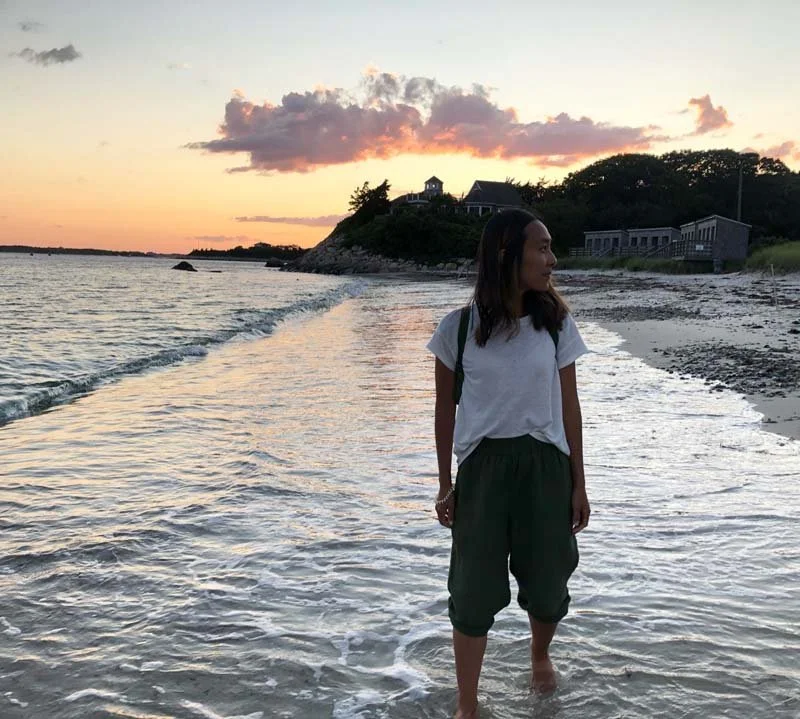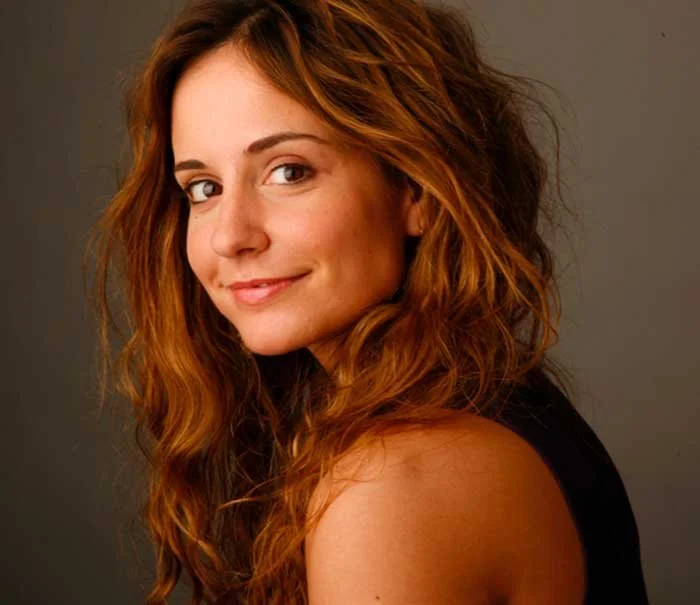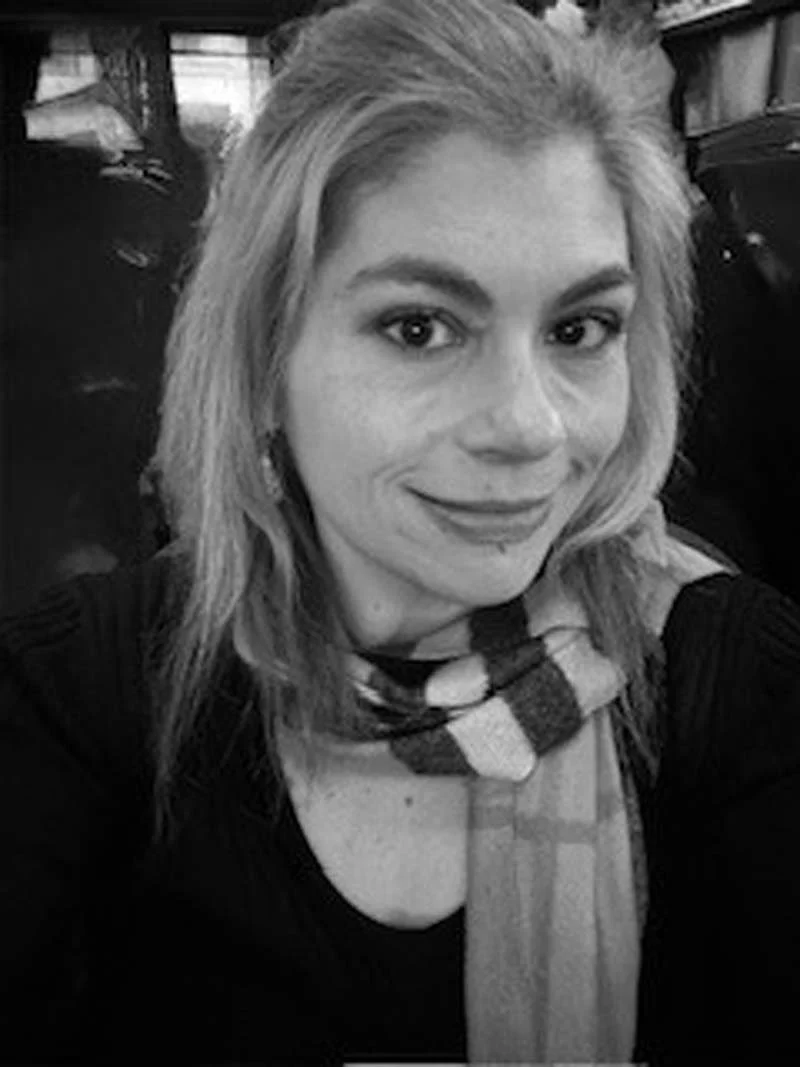


Veronica Tucker is an emergency medicine and addiction medicine physician and writer based in New Hampshire. Her work explores the intersections of medicine, motherhood, stigma, and small mercies. She writes from the charged spaces between chaos and calm, finding language for what lingers after the shift ends. A mother of three and lifelong New Englander, she balances hospital life with early morning runs and quiet matcha lattes. Her work appears in One Art, Eunoia Review, The Berlin Literary Review, and The Book of Jobs anthology, among others, with more forthcoming in several literary journals. @veronicatuckerwrites
Where were you born and raised? How did it influence your writing and your thinking about the world?
I was born in Boston and grew up in the suburbs, the oldest of three children. My dad was a businessman and my mom stayed home with us. It was a white picket fence kind of childhood with quiet streets, backyard barbecues, and a sense that life followed a predictable script. That predictability gave me stability and love, but it also sparked a restless curiosity about the world beyond those safe boundaries. I wanted to understand what existed outside the picture-perfect surface, what made people who they were when no one was watching.
That curiosity became the foundation for both medicine and writing. In the emergency department, I see what happens when life breaks its patterns, when people are stripped down to their most human selves. Writing helps me hold those moments and make sense of them. Growing up in a place where appearances mattered taught me to look deeper, to find meaning in imperfection, and to see beauty in what is real rather than what looks right.
What kind of reader were you as a child? What books made you fall in love with reading as a child?
I was always an avid reader, the kind of kid who stayed up late with a flashlight under the covers. My mom gave me The Secret Garden when I was eleven, and it became my favorite book, teaching me about renewal and the quiet work of healing. Around the same time, my dad introduced me to poetry. His favorite was “Ozymandias,” and I still have the worn book he gave me with that poem inside. Between the two of them, I learned that words could both comfort and unsettle, that they could outlast their writers and still find their way to the next generation.
Describe your typical writing day.
I write in the early mornings, usually before the sun is up and the rest of the house stirs. That quiet space is where I can think clearly, reflect, and listen for what wants to be written. I balance writing around my full-time work in emergency and addiction medicine and the rhythm of raising three kids, so I have learned to be flexible. Sometimes I write in bursts between shifts or during short pauses in the day. I rarely outline in a traditional way; I tend to discover the work as it unfolds, following an image, phrase, or emotion until it finds its form. I edit as I go but leave room for the piece to breathe before returning with a clearer head. Writing, for me, feels like both a grounding ritual and an act of discovery.
Tell us about the creative process behind your most well-known work or your current writing project.
Right now I am working on my first full length poetry collection, which brings together years of writing about medicine, motherhood, and what it means to keep showing up for others. The creative process is layered and often begins with small observations from my work in the emergency department or from home life. I write toward moments that stay with me, then refine them until they reveal something larger about connection and care. This collection has taught me patience and trust, letting each poem find its shape in its own time while still staying true to the pulse that runs through them all.
Do you keep a journal or notebook? If so, what’s in it?
Yes, I always keep a notebook with me. It holds everything from fragments of dialogue I overhear to lines that come to me during a shift or while running. Some pages are filled with quick sketches of poems or images that will not leave me alone. Others are lists, half thoughts, or patient moments I want to remember, not details but feelings, gestures, the weight of silence. My notebook is where ideas start to breathe before they find their way into poems or essays. It reminds me that inspiration rarely arrives neatly, but it always arrives if you are paying attention.
Which writer, living or dead, would you most like to have dinner with?
I would love to have dinner with Mary Oliver. Her work reminds me to notice what is right in front of me and to treat attention as a form of prayer. I imagine we would talk about the balance between solitude and connection, about how to hold beauty and grief in the same hand. Her clarity and humility have always felt like a guidepost for how to live as both a writer and a human being paying attention to the world.
Do you draw inspiration from music, art, or other disciplines?
I grew up in a house where music was always playing from my dad’s record collection, everything from jazz to classic rock. That sound became the background of my childhood and shaped the rhythm of how I think and write. Music still helps me find the pacing and emotional undercurrent of a poem, guiding where to pause and where to let language swell. Art is also a deep influence, especially the Monet print my father gave me when I was young. It taught me to pay attention to light, softness, and imperfection, lessons that echo in how I approach both medicine and writing.
Do you have any questions for Mia Funk (artist, writer and founder of The Creative Process)? Or any reflections or creative responses to her paintings?
I have always loved ekphrastic writing because it feels like a conversation between art forms, a way of listening with the eyes. Visual art slows me down and asks me to notice what emotion lives in color, shape, and light. Looking at Mia Funk’s work, I am drawn to how she captures movement and mood at once, the sense that something has just happened or is about to. I would love to ask her how she approaches translating feeling into visual form and whether she experiences the same sense of discovery that writers do when language reveals more than we planned to say.
AI and technology are changing the ways we write and receive stories. What are your reflections on AI, technology and the future of storytelling? And why is it important that humans remain at the center of the creative process?
AI and technology have expanded the ways we tell and share stories, making creativity more accessible and collaborative than ever. I think they can be powerful tools for inspiration, organization, and experimentation with form. But what matters most in storytelling is still the human perspective, the lived experience, emotion, and moral imagination that no algorithm can replicate. The role of technology should be to support, not replace, that spark. Stories remind us of what it feels like to be alive and connected, and that will always depend on the human heart at the center of the creative process.
Tell us about some books you've recently enjoyed and your favorite books and writers of all time.
Recently I have enjoyed books that blend tenderness and depth, like Devotions by Mary Oliver and When Breath Becomes Air by Paul Kalanithi. Both remind me how beauty and mortality often live side by side. My lifelong favorites remain The Secret Garden, which first taught me about quiet transformation, and “Ozymandias,” the poem that my father loved and shared with me when I was young. I also return often to writers like Maggie Smith, Ocean Vuong, and Ada Limón for their ability to hold fragility and strength in the same breath. Each reminds me why I write and what endures.
Exploring literature, the arts, and the creative process connects me to…
the heartbeat of being human. In medicine, I witness people at their most vulnerable, and in writing I try to translate that rawness into understanding. Art, in all its forms, helps me remember that beauty and pain often share the same breath. What I appreciate most about the creative process is its honesty. It asks us to notice, to stay present, and to make meaning from what we experience. Creating is an act of empathy and endurance, a way of tending to the living pulse that connects us all.