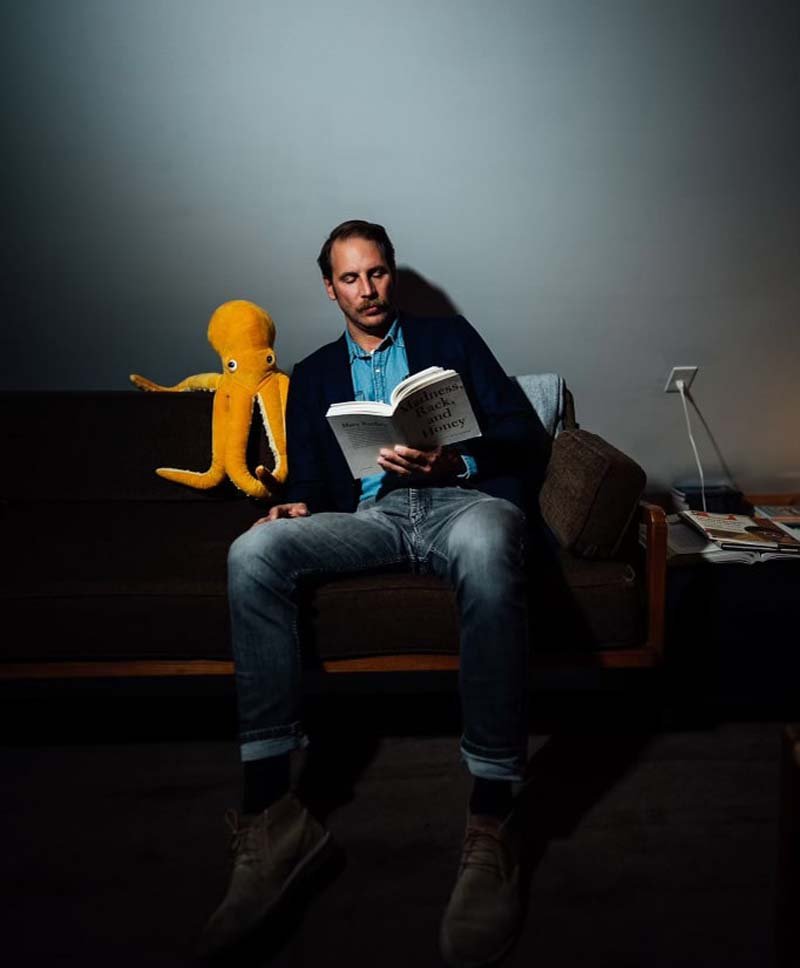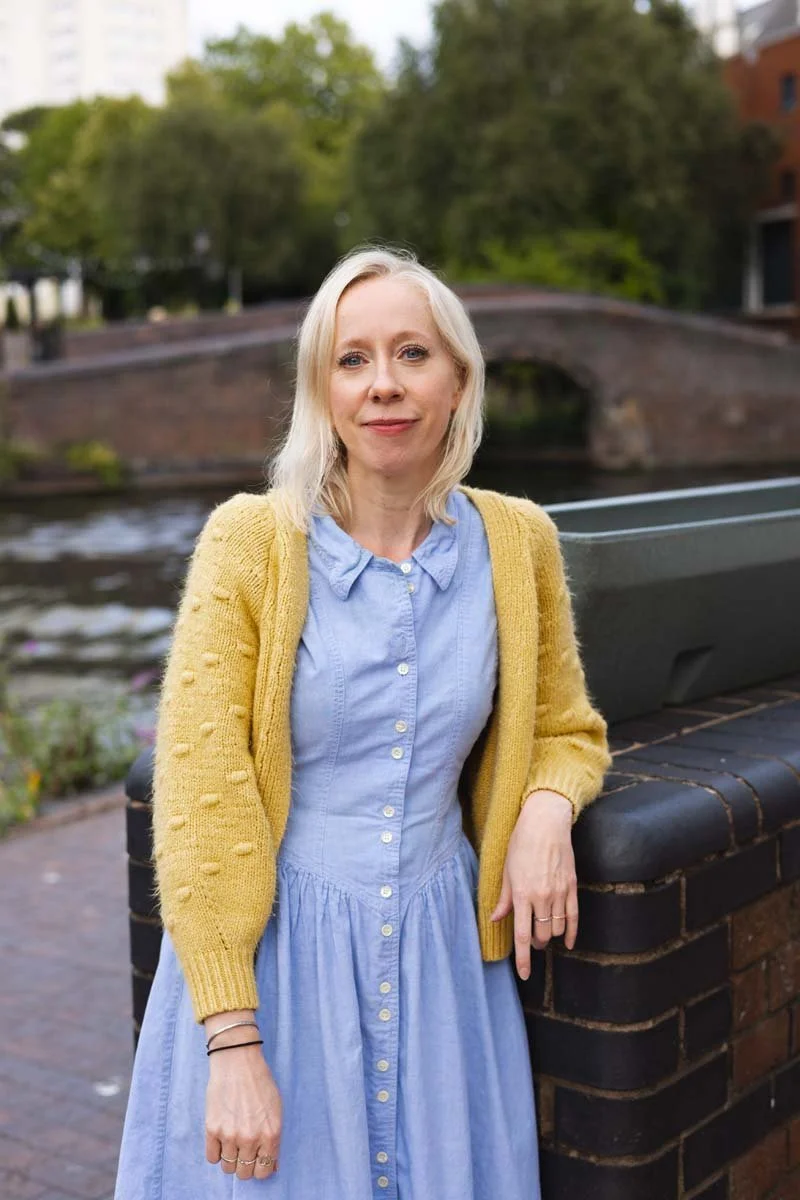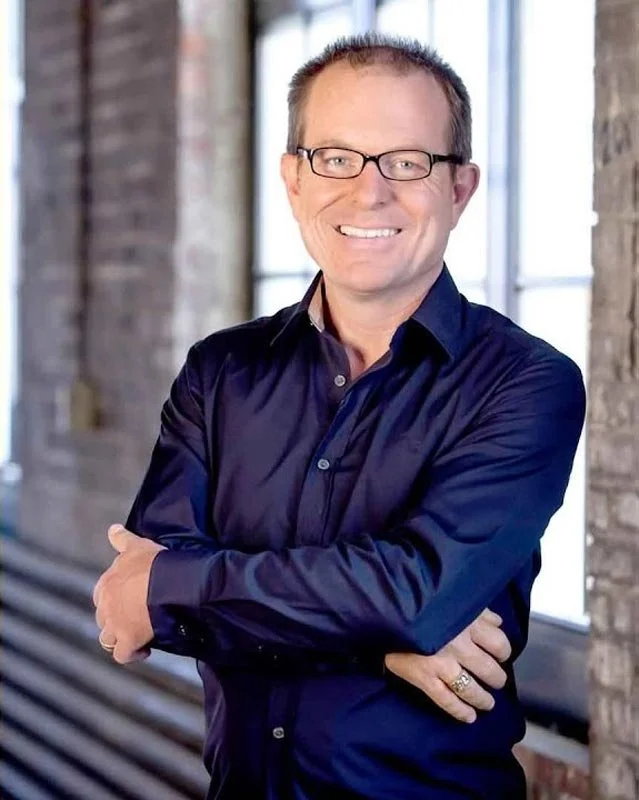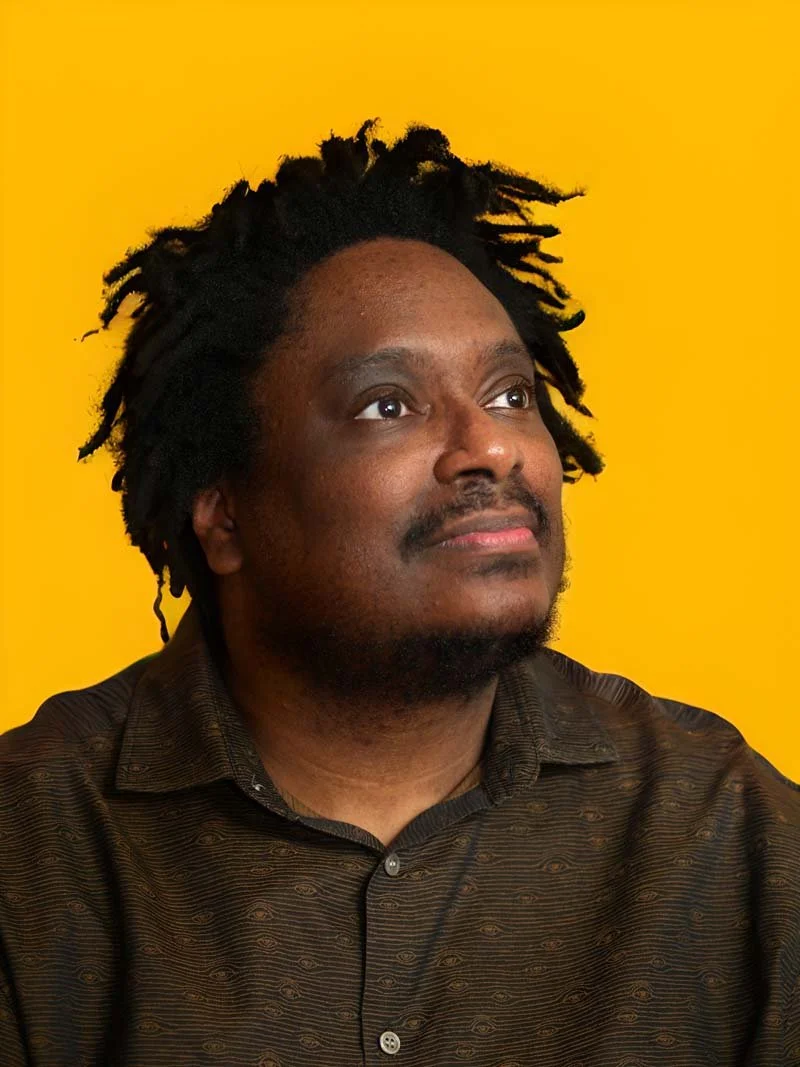


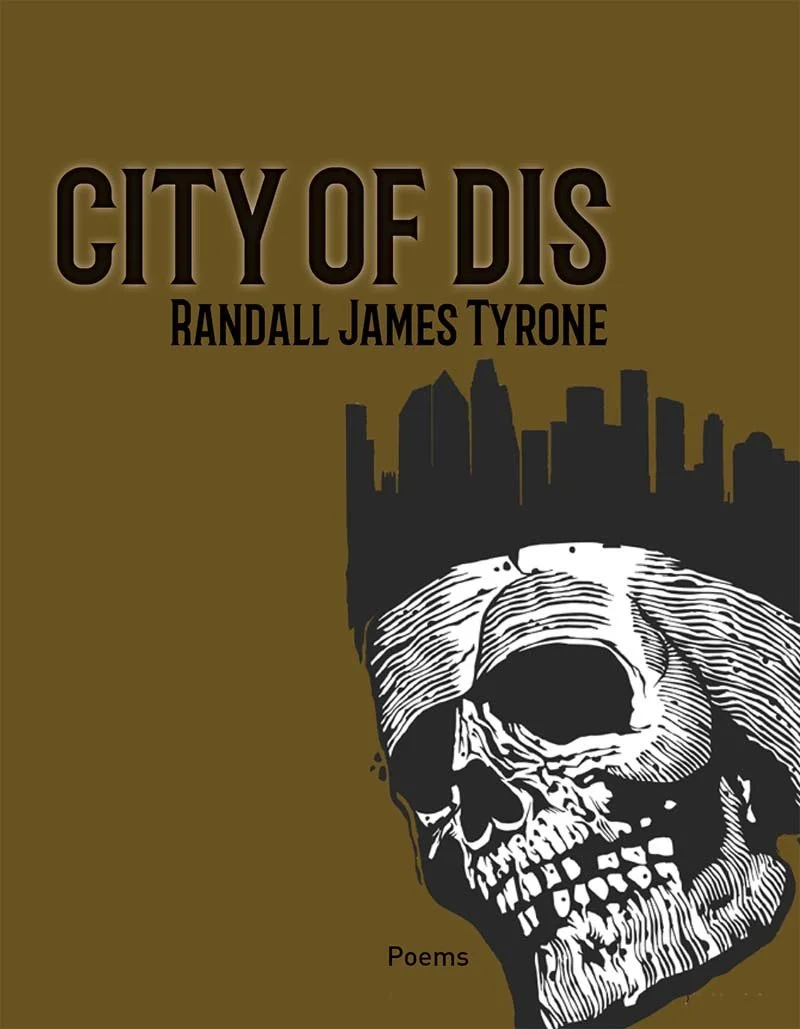
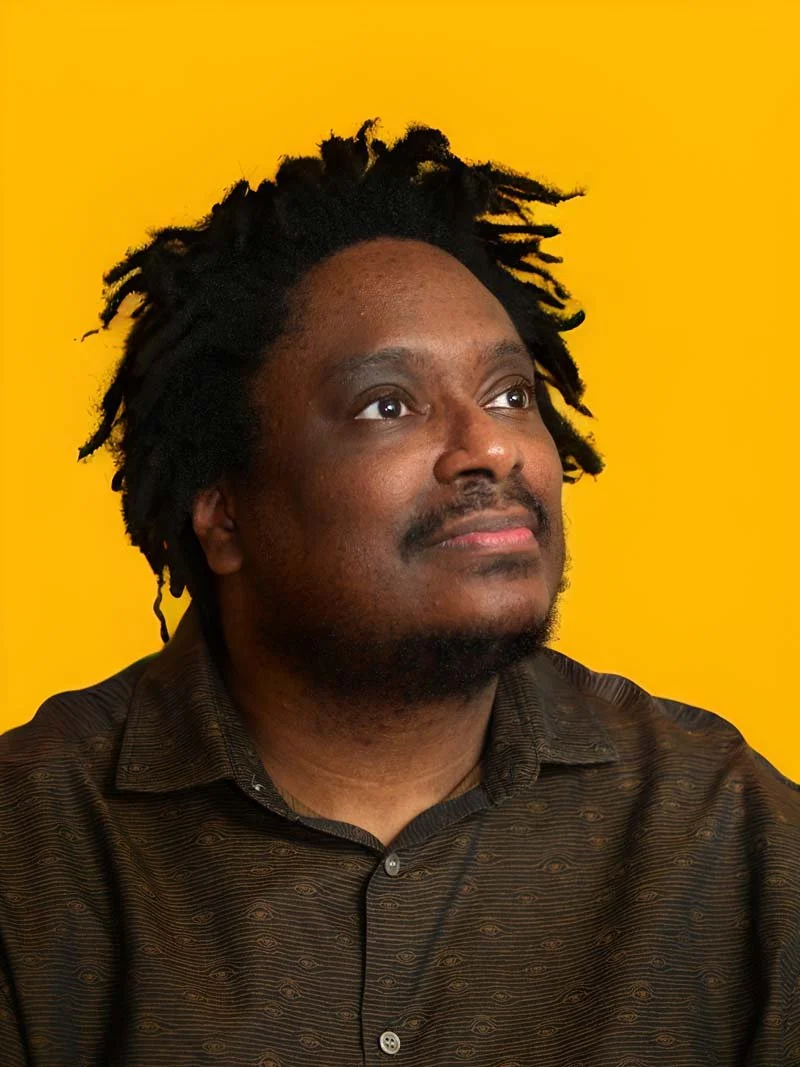
Randall J. Tyrone holds an MFA from the University of Wyoming. His poems have appeared in Electric Literature’s Okey-Panky, Oversound Poetry, Indiana Review, Southern Indiana Review and Nomadic Press. He has been anthologized in the Bodies Built For A Game Anthology by Prairie Schooner. His work is forthcoming in Gulf Coast. He has received a scholarship to attend the Tin House Summer Workshop and was awarded the Bentley-Buckman Poetry Fellowship to attend the Writers Week at the Idyllwild Arts Foundation. His first collection City of Dis was released in Fall 2025 by Texas Review Press. He’s very excited for you. @randalljamestyrone
Did, or does, your past—such as where you were born and raised—impact your writing? Did it influence your most recent piece?
I was born in Houston, Texas. I lived and grew up in a neighborhood called South Park. My Mom and I are the only people in my immediate family that weren't born in Louisiana. The neighborhood was a difficult place to be, it is both neglected by the governing bodies and still the target of their aggressive indifference. This book, City of Dis, is very much aware of the role environment and governing play in the lives of the citizens.
Would you have considered yourself a “reader” as a child?
I was a really poor reader as a child, probably until 4th grade. My Mom helped me a lot in this, and through her struggling I started reading more consistently. I think the first book I read independently as a child was by C. S. Lewis. The Lion, The Witch, and The Wardrobe was something that I actually have memories of reading and discussing.
Describe your typical writing day.
I currently live with my Mom and Grandmother. My Mom and I are helping her manage things after the death of my Grandfather. So, most of the book writing happened between the hours of 1:30am to 4:00am in late 2021-2022. It was the only time in my house were their was silence and I didn't have to worry about answering to other people's needs, physical or emotional. I could think in those moments. I usually have already thought through what I want to write to a certain extent. I start with an idea or feeling and then build the framework (the writing itself) around it to support it. And sometimes that means adapting different approaches or styles/forms. Essentially, I research things and take what I find useful for my ideas. An example would be the effectiveness of an erasure poem when thinking about outside censorship.
Tell us about the creative process behind your most well-known work or your current writing project.
The process was mostly chipping away at what I already knew what I wanted to write. Most of the writing time is trial and error. You can fail a million times, you only have to succeed once. And if you do that enough, in enough poems, you'll be satisfied. After all this is poetry. There is no fortune to be made here, time is your greatest resource and, sadly, your biggest obstacle. The things that you are required to do out of necessity to live and out of obligation are competing for your time. You simply have to find ways to be with yourself, and that isn't easy but it is necessary. But, one thing that did help me a lot were accessibility tools. Most places where you can write things have a feature were it will read it back to you. So, you always have the option to hear how someone else will read this work/writing without your presence. This was very helpful in crafting a book without punctuation.
Do you keep a journal, notebook, or a Notes app page? If so, what’s in it?
I do keep various word files or text on my phone. They are generally just lines I want to expand on later or phrases that could be interesting. I believe the writing process starts long before you reach the chair, the desk, and the page. Your mind is always thinking about things, and I just keep notes on what bubbles to the surface when I'm in transit.
How do you research and what role does research play in your writing?
Research is pretty important in my work. I'm constantly ingesting information and filtering out what I think would be useful in art later. When I'm watching or reading other art forms I am constantly thinking about how effective what I'm observing is and how can I mimic that for my own needs. Writing is communication. And in poetry, what we are communicating is emotion and/or experience.
Which writer, living or dead, would you most like to have dinner with, and why? What would you ask them?
I would like to have dinner with Bhanu Kapil and Anne Carson.
Do you draw inspiration from music, art, or other disciplines?
I am often listening to wordless music or repetitive songs when writing. I will have a song playing on repeat for a few hours and use that background noise to create a mental echo chamber. The song becomes a drumming or bass strumming that allows me to play/stretch myself over instrumentation. I become the varying noise in the room.
Do you have any questions for Mia Funk (artist, writer and founder of The Creative Process)? Or any reflections or creative responses to her paintings?
Only one poem in the book that is sort of ekphrastic is called "Take It Up With Taya." It takes inspiration from a Tony Feher exhibit called "Take It Up With Tut." Honestly, my only question on this subject is how does Mia Funk feel about ekphrastic poetry as someone whose work could become inspiration for other people's writings? Do they have preference in genre for writings about their work or what is something they wish more people did in ekphrastic writing?
AI and technology are changing the ways we write and receive stories. What are your reflections on AI, technology and the future of storytelling? And why is it important that humans remain at the center of the creative process?
I really don't engage with AI. I don't truly understand its current purpose. It doesn't make any of the boring labors we have to do easier. Meaning, it doesn't function in the real world, it doesn't fold laundry or even effectively remind you of things you have coming up. Bluetooth just started being more consistent in the last few years. But, there's a huge push for AI to do things that people actually want to do? Why would I want a computer to write a poem for me? What could this amagalmation of algorithms tell me about enduring the wretched earth?
Tell us about some books you've recently enjoyed and your favorite books and writers of all time.
My favorite books are : Autobiography of Red by Anne Carson, King Me by Roger Reeves, Madam X by Darcie Dennigan, Brutal Imagination by Cornelius Eady, and Leadbelly by Tyehimba Jess
Exploring literature, the arts, and the creative process connects me to…
what we think the world is and the gaps between what we want it to be.