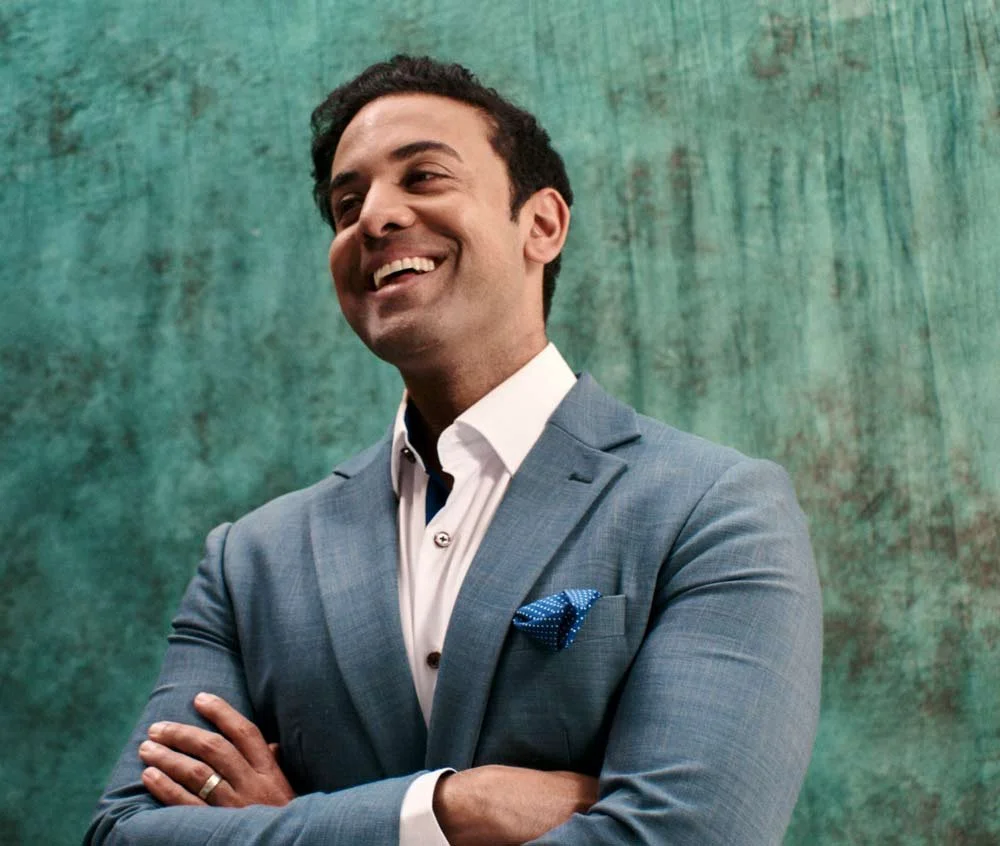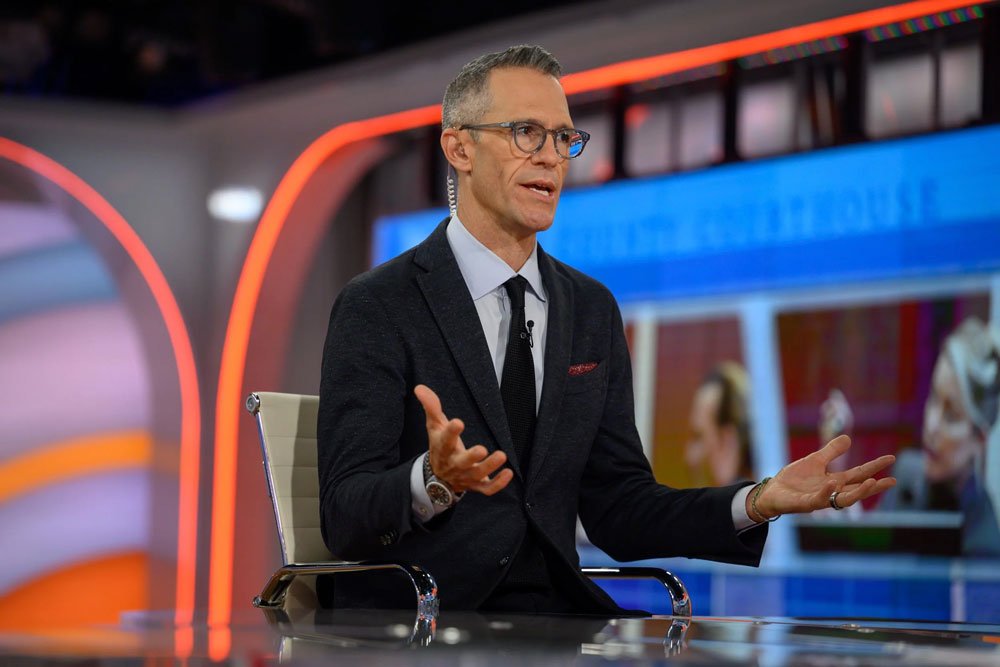


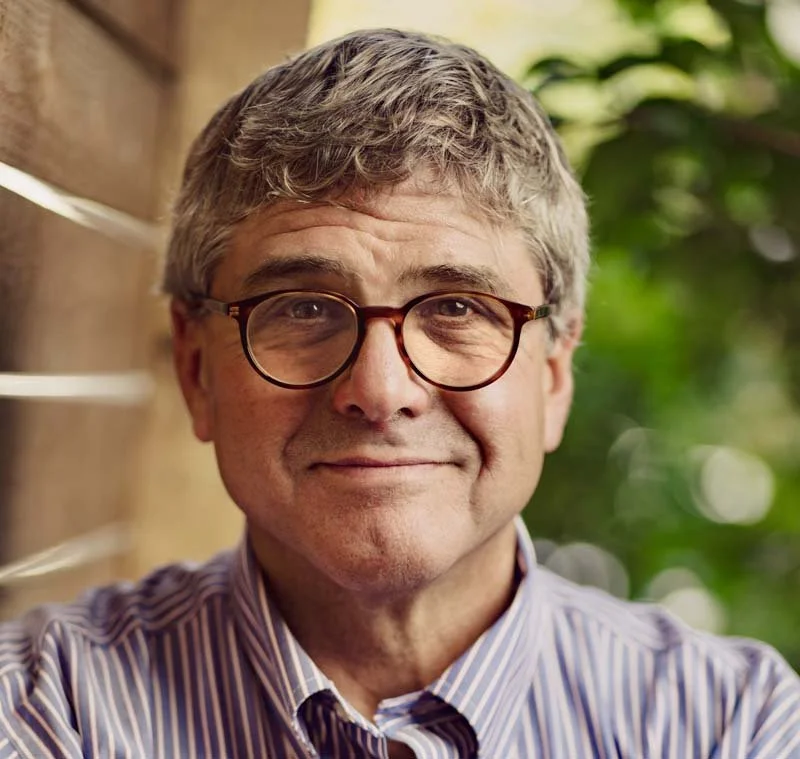
Cal Hoffman has taught creative and expository writing to children of immigrants, private school students, children in foster care, and patients in a community mental health clinic in NYC. He performed in over thirty plays in regional theatre and in the critically acclaimed New York revival of Jules Feiffer's "Elliot Loves". He attended the MFA Fiction Writing program at Columbia University and the 2-Year Acting course at Webber-Douglas in London, England. Cal lives in Washington, DC with his wife, Victoria, and their son, Harry. His second novel, Judah Can't Tell will be published in October, 2026. @calhoffman1; @calhoffman3
Where were you born and raised? How did it influence your writing and your thinking about the world?
I was born in Los Angeles, California and lived in UCLA Grad Student Housing until I moved to Baltimore, MD when I was three. At age four, I bicycled three blocks to a dime store up the street to buy a favorite, mammoth-sized chocolate chip cookie. This freedom of movement and sense of personal agency continued all through my childhood and youth, wandering in the hills on weekends in back of our home on Panio Dr. in Honolulu, and walking eight city blocks each afternoon from Punahou School to my father's office in the Economics Department at the University of Hawaii. Moving to Washington in Fall, 1967, I helped organize and I attended Anti-War Mobilizations all through the early '70's. I was immersed in this political movement and in the youth culture that grew out of the Summer of Love all through my junior-high and high school years.
Were you an avid reader as a child? Were there any books that made you fall in love with literature?
I was a voracious and widely explorative reader. I spent most afternoons and many, many weekends at DC's Cleveland Park public library and the American University library, studying for my classes, writing papers, and reading novels, critical studies, and literary journals. In sixth grade I checked out William Styron's The Confessions of Nat Turner, and read it in less than two weeks. I also loved The Autobiography of Malcolm X, Soledad Brother, Down These Mean Streets, Black Boy, Catcher in the Rye, All the King's Men, Slaughterhouse Five, Trout Fishing In America, The Chosen, A Separate Peace, The Arrangement, Something Happened by Joe Heller, The Godfather, The Sun Also Rises, Tender is the Night, A Fan's Notes, Heart of Darkness, and countless other novels, contemporary and classic.
Describe your typical writing day.
I swim 1 and 1/4 miles each morning, and then return to my home office and sit at my desktop and write 3-8 pages each day, if I am working on a first draft. When I revise or do close line-edits, I can produce 15-20 new pages each day. I ask myself the most difficult question I can and seek to answer it in the course of writing any narrative. This leads me to organically formulate a super-objective for my protagonist, and an unpredictable story-arc follows. I start my narrative with an inciting scene of high-stakes tension. As my protagonist attempts to resolve the overriding conflict that presents itself, he step-by-step learns more and more about himself. I locate this main character in all the ambiguity, flux, and rich detail of the world he inhabits. I have an idea about the other characters and the main event of the novel, yet I work without an outline and I go hour-by-hour, page-by-page. I astonish myself every time I sit down to write. I keep this daily process fresh and spontaneous.
Tell us about the creative process behind your most well-known work or your current writing project.
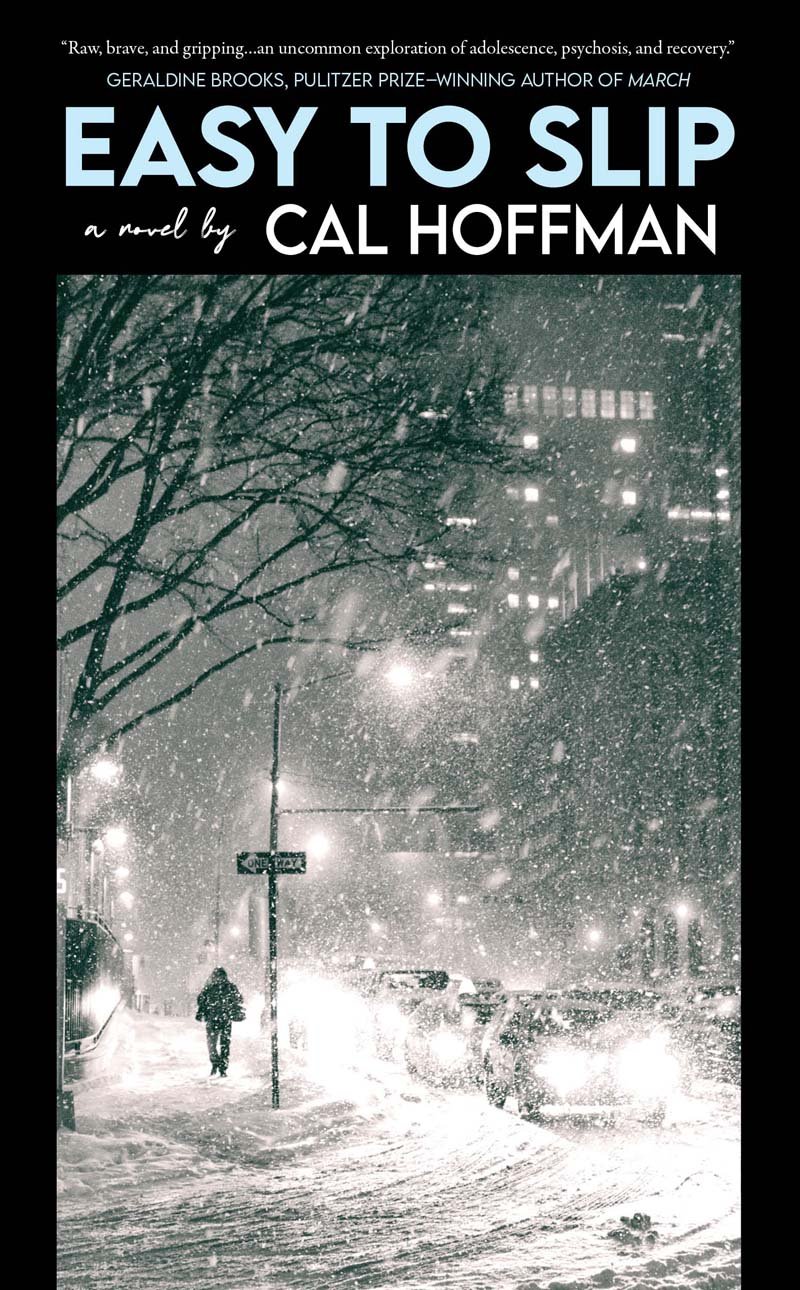
Although I based every scene in Easy to Slip on a real-life event, I filled out each scene with precise details and dramatized the words and actions of all the characters. My debut novel reads like an autobiographical psychological thriller, with emotional immediacy, deeply personal humor, and stunning wordplay. The protagonist Sam Kovner finds romance, discovers family truths, and becomes a writer, in the course of attending Columbia University at age seventeen, descending into severe schizophrenia, and achieving 100% remission and full health after four years locked inside a mental hospital.
Do you keep a journal or notebook? If so, what’s in it?
I write down the exact details of all the dreams I have while sleeping that I can remember in the morning. I write down notes and thoughts regarding revisions of successive drafts of my narratives.
How do you research and what role does research play in your writing?
I read as many books as I can, written during the period during which my books take place. I read as many histories and personal histories as I can that describe, detail, and analyze the time period I'm writing about. I talk to as many people as I can who are familiar with the characters, the subject matter, and the time period of the book that I'm writing. I take notes, yet mainly I internalize all that I learn, and I file it away for use while I'm seated at my desk and writing.
Which writer, living or dead, would you most like to have dinner with?
Saul Bellow.
Do you draw inspiration from music, art, or other disciplines?
Music and photography.
AI and technology are changing the ways we write and receive stories. What are your reflections on AI, technology and the future of storytelling? And why is it important that humans remain at the center of the creative process?
I love and trust printed books, hardback and paperback, as well as unabridged, recorded audiobooks. I prefer to resist AI completely. A computer can never embody a human being's singular, specific, mind-body-spirit experience that gives birth to a good piece of writing.
Tell us about some books you've recently enjoyed and your favorite books and writers of all time.
Recent Books: At Last by Marisa Silver, Northwest Corner by John Burnham Schwartz, Shuggie Bain by Douglas Stuart, The Lincoln Highway by Amor Towles, Pride and Prejudice by Jane Austen. Favorite Books and Authors: The Book of Daniel by E.L. Doctorow, Closing Time and Good As Gold by Joseph Heller, The Assistant by Bernard Malamud, Sophie's Choice and Lie Down in Darkness by William Styron, All the King's Men by Robert Penn Warren, Collected Stories by John Cheever, The Adventures of Augie March by Saul Bellow, Go Tell It On The Mountain by James Baldwin, Birds of America and Memoirs of a Catholic Girlhood by Mary McCarthy
Exploring literature, the arts, and the creative process connects me to…
my family, myself, and all the people I will ever know.