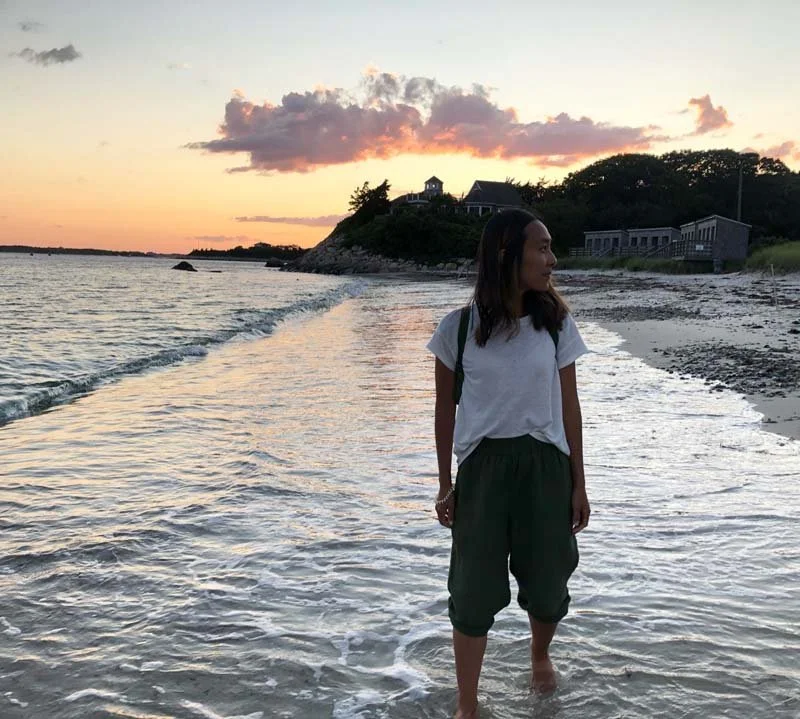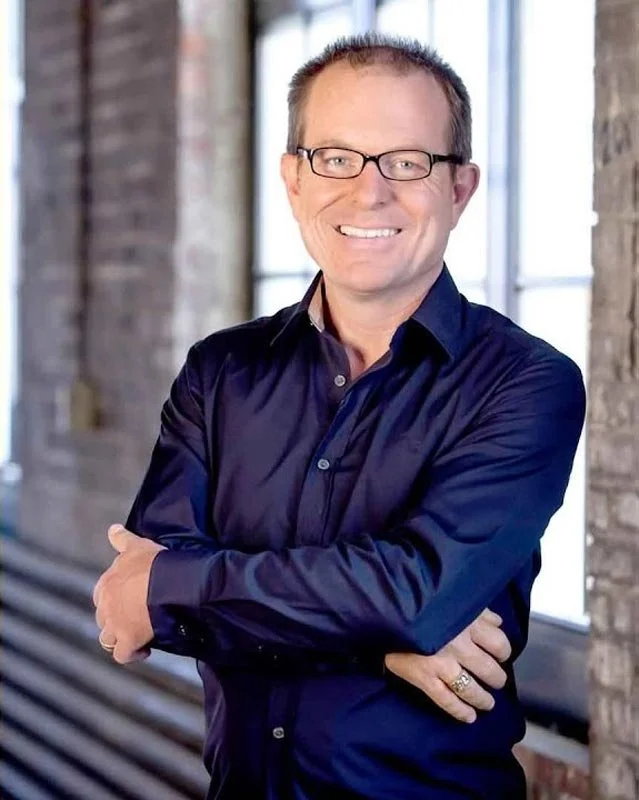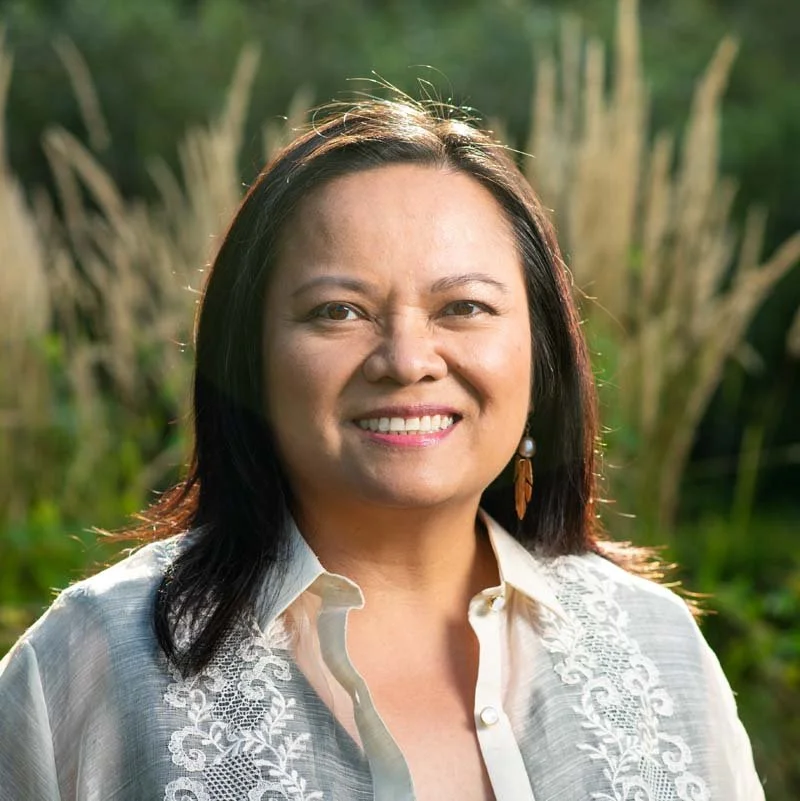


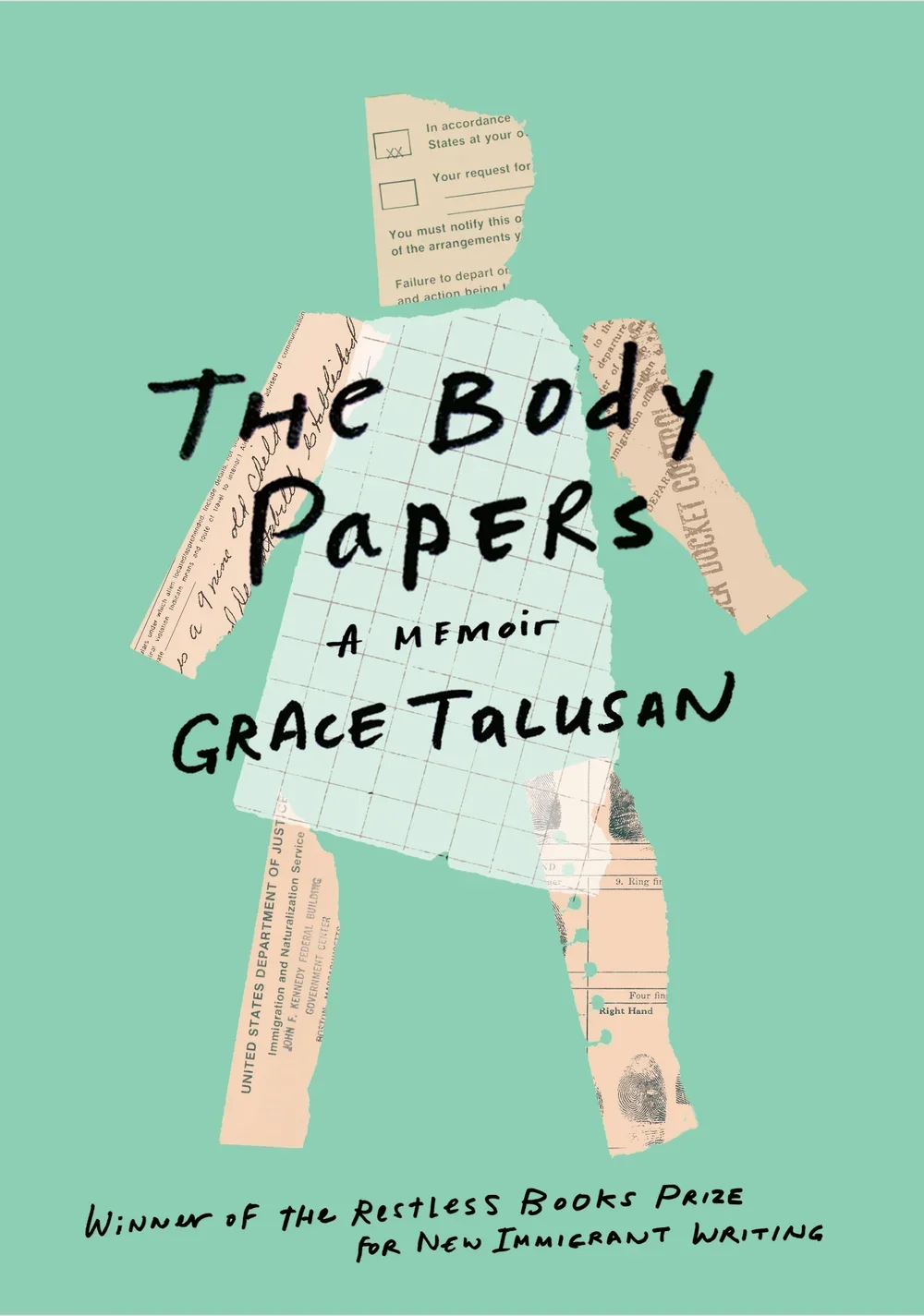
Grace Talusan is the author of The Body Papers, which won the Restless Books Prize for New Immigrant Writing and the Massachusetts Book Award in Nonfiction. She teaches writing at Brown University and is on the board of the National Book Critics Circle. Her next book, The King Died of Grief, is forthcoming with Restless Books. @gracetalusanwriter
Where were you born and raised? How did it influence your writing and your thinking about the world?
I was born in Manila, Philippines and raised in suburb outside of Boston, Massachusetts.
I learned the lesson very early in life—when my parents brought me with them to the United States at age 2–that one could live in completely different worlds by moving homes. This early lived experience of profound change is where I return to again and again in my writing. In some ways, my experience of writing is to return or recreate a lost place.
What kind of reader were you as a child? What books made you fall in love with reading as a child?
I was drawn to books as objects and writing as something to do with my hands very early in life. My father snapped a photo of me writing before I knew words. Not drawing. Writing. My parents kept me in books when they were able, but they were new immigrants and didn’t have a lot of money for books when we were starting out. I never say them read a book until recently, after they retired. A neighbor took me to get a library card when I was in the first grade and that was it. I had access to as many books as I wanted to read as long as I did my part and returned the books.
I fell in love with reading because I could go to many places and meet new friends to spend time with every time I opened a new book. Later, books became an escape. I needed books in order to survive my daily life as a child.
Describe your typical writing day.
I write accompanied by friends on Zoom. We say what our intentions are, set a timer for 25 minutes, and go. After a few sessions of these, we might talk about how it’s going or even read aloud what we’ve written.
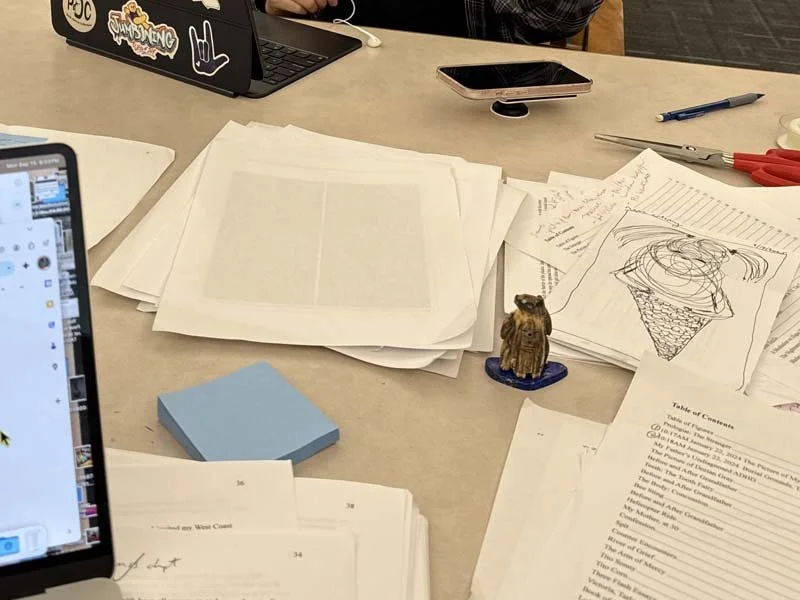
I try not to edit as I write a first draft. I am scrambling to write as fast as I can before the story or the scene or the memory disappears. First, I write fast as a way to capture the story. And then I print it out and read it actively with highlighters, pens, and sticky notes to find the shape of an essay or book chapter. And then I rewrite the piece again and again and again. I don’t copy and paste. I rekey the piece every time until I’m at the very end of the process, when I’ll allow myself to copy edit and move lines around. At that end stage, I’ll usually print the piece out so I can see what it is.
Tell us about the creative process behind your most well-known work or your current writing project.
I’m in the process of writing my second book and I challenged myself to write quickly and not take the decade plus that I took with my first book, THE BODY PAPERS. I challenged myself to let go of my writing and not be too precious or careful.
Do you keep a journal or notebook? If so, what’s in it?
I have several notebooks that I grab from a pile, date, and write in. I’ve given up on trying to keep these organized and just write on the cover a note about what’s in the notebook. My teaching notes, a particular project’s notes, places I want to go when I travel, people I want to meet up with when I go somewhere, whatever.
How do you research and what role does research play in your writing?
Research is essential to my process. Sometimes I write something and realize I need to research in order to develop and deepen the writing and sometimes a piece will come from the serendipity of doing research. It’s always engaging and interesting to me to have a project to think about and research, no matter what happens to the piece in the end. I trust the process. If I’m not able to finish a piece, I trust that I may need to return to it some other time in the future.
Which writer, living or dead, would you most like to have dinner with?
My great grandfather, Captain Pedro Navarro, was a writer of music. He composed marching band music. If that counts, I’d love to have dinner with him and hear about his life. He was the first of my ancestors to travel to the United States when was exhibited with other Filipinos during the 1904 World’s Fair in St. Louis.
Do you draw inspiration from music, art, or other disciplines?
I’ve been listening to Yo-Yo Ma Bach cello concertos for years as background music to when I write. It places me where I need to be quickly.
AI and technology are changing the ways we write and receive stories. What are your reflections on AI, technology and the future of storytelling? And why is it important that humans remain at the center of the creative process?
I am not interested in AI art and writing because what matters to me the most in reading, watching, listening, and looking at art is the human artist who made the art.
Tell us about some books you've recently enjoyed and your favorite books and writers of all time.
Recent books that I’ve enjoyed and that have stayed with me as a reading experience long after I finished reading are Beautyland by Marie-Helene Bertino, Things in Nature Merely Grow by Yiyun Li, and Mother Mary Comes to Me by Arundhati Roy. My list of greatest books of all time, the books that have inspired and shaped me as a writer are Maxine Hong Kingston’s THE WOMAN WARRIOR, Sandra Cisnero’s THE HOUSE ON MANGO STREET, Amy Tan’s JOY LUCK CLUB, and anything by Toni Morrison.
Exploring literature, the arts, and the creative process connects me to…
my own voice and my inner life, which I lose touch with when I fill myself so much with others voices and needs.