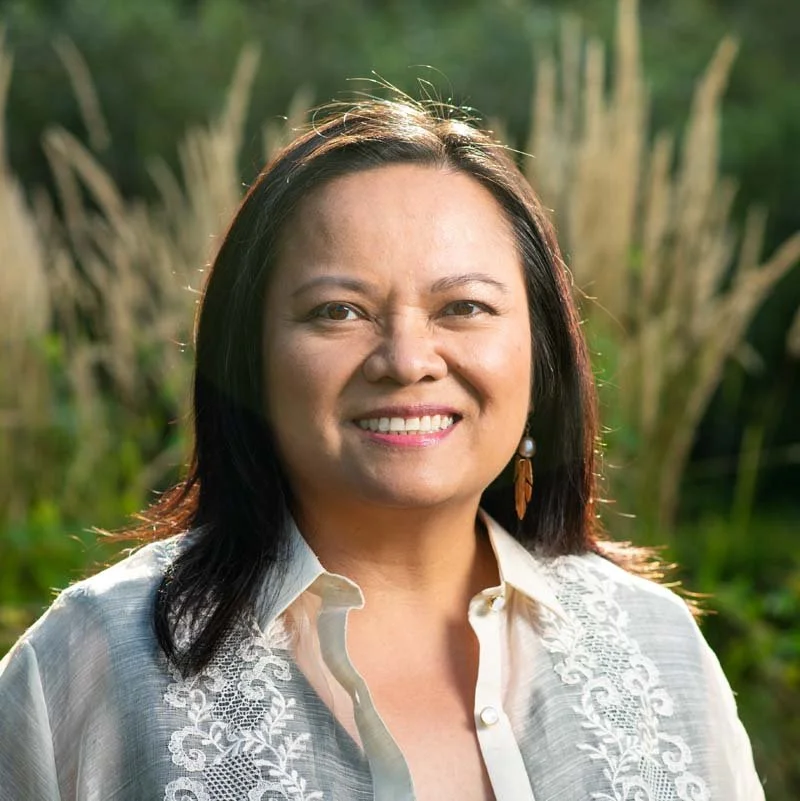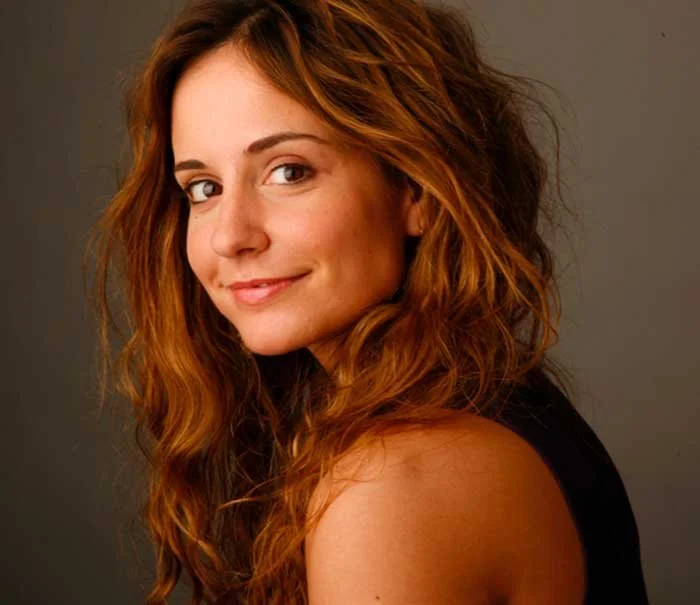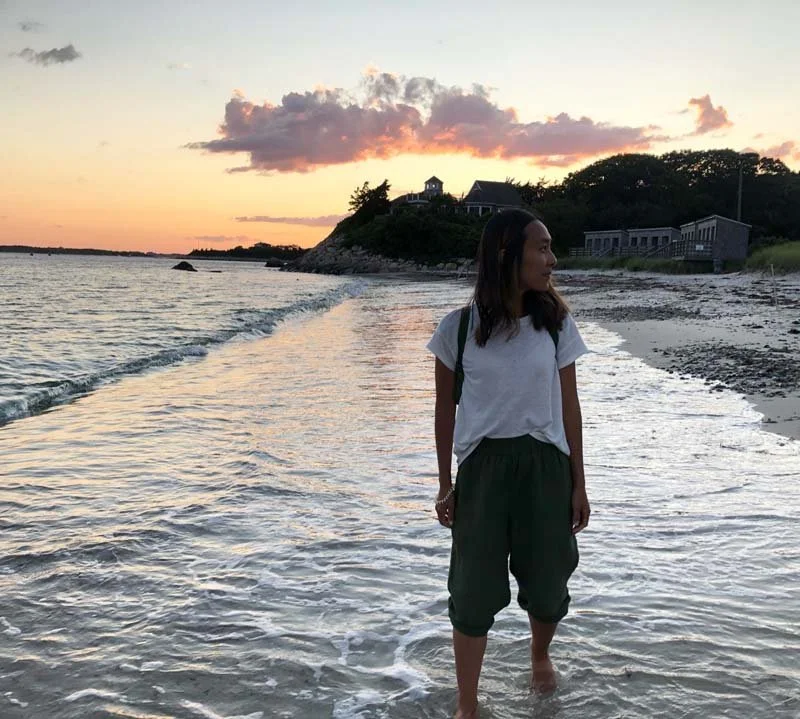


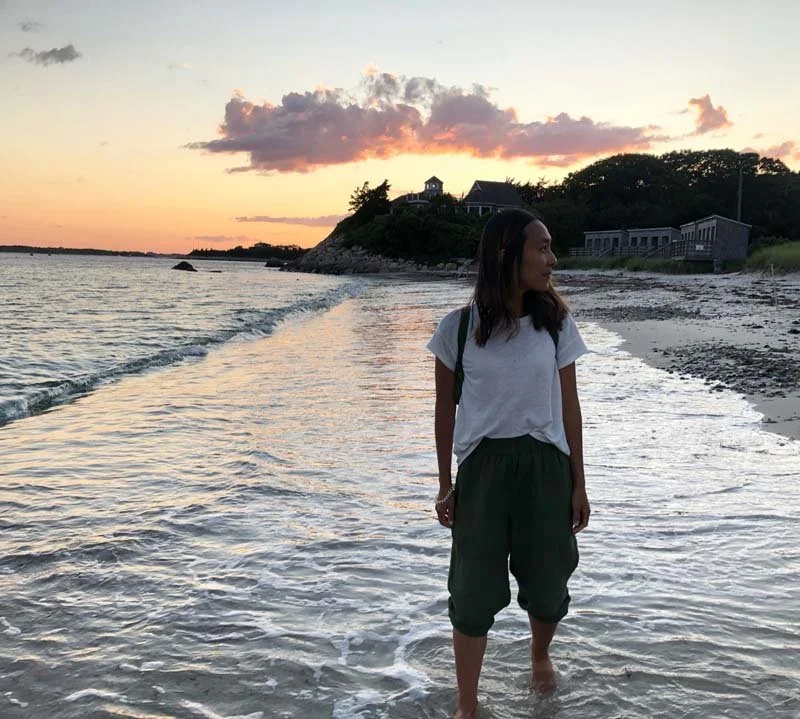
Kyunghee Kim is a Korean American writer and poet living in the midwest. In all her work, she writes about loving and living in the complexities of loss often exploring immigrant experiences. Her writing has appeared in HuffPost, NPR, and others. When not writing, Kyunghee enjoys hiking with her puppy and husband, eating Korean food, and catching up on K-Drama. @kyungheewrites
Where were you born and raised? How did your background influence your writing and your thinking about the world?
I was born and raise in Gyeonggi Province in South Korea. My immigration to the U.S informs my writing because I care to tell stories of the Asian Diasporic communities. I used to think I was taught the language of English to learn to be a good citizen and do all the things we're all supposed to do -college, get a good job, etc. Now, I know my purpose on learning this language is to defend our people, offer gestures of hope and compassion even in the tiniest way possible.
What kind of reader were you as a child? What books made you fall in love with reading as a child?
Most people believe that writers were always writers which also means they were always a reader. I was not a reader as a young child. After immigrating to the U.S from South Korea at the age of 8 years old and having to a second language English, reading was difficult and was a source of pain and rejection for a long time. When I did learn to read and write fluently, I remember enjoying Judy Blume books and Babysitters Club Series.
When does your writing day start?
I write early in the mornings while it is quiet. It's hard for me to do any creative work after the mornings. You have to listen to your own creative rhythm and carve out spaces of time where you are able.
Ambience is important to me so writing while the sun is coming up with hot tea or coffee on hand along with candle burning and sometime music really helps me get in the zone of creating. I used to edit as I go, but that has changed over time. Now, I write without editing and thinking really and it has freed my brain from any criticisms that try to lurk over me. I do complete a draft of a story, poem, manuscript before editing starts.
Tell us about the creative process behind your most well-known work or your current writing project.
For this piece, since it is related to history and historical events, I read a lot. I also watched a few documentaries about it as well. And based on how we want to deliver the performance (vision), I start drafting words that turn into poems eventually. I always start at the emotion when it comes to creating a piece. What is the emotion I want the reader/audience to feel. I then think about a simple story or an image that anchors my poem as a whole as it relates to the themes we discussed together as a collective.
Do you keep a journal or notebook? If so, what’s in it?
Yes, I keep both a journal and a notebook. The journal I write every once in a while and I am not religious about it. I turn to it for mostly venting and if I want to remember something that happened. My writing notebook is everything else. It is anything but organized! You will find anything from a list of words, to one sentence or phrase that I know I want to use it for something but I am unsure so I will write it down and will leave a page blank to return to, to a full draft of a story or a poem, to quotes/lessons from an artist or writer. I am old school- pen and paper before typing! I also like to travel with a tiny notebook because you just never know when you need to write something down for later.
How do you research and what role does research play in your writing?
When I am researching on a topic, I read what I can about it. I also am a big film person so a movie that is related to the topic I will watch and visual art is also part of my research as well. And, people. If someone in my life knows a lot about a topic, I will talk with them too.
Which writer, living or dead, would you most like to have dinner with, and why? What would you ask them?
This is such a hard question! Someone that has influenced and informed not only my writing life but my life life as a human being is Ocean Vuong. I already have a list of questions for him if I were to ever meet him in person.
Do you draw inspiration from music, art, or other disciplines?
Yes, as an interdisciplinary writer, I draw inspirations from visual art, film, play, sound, and photography.
Do you have any questions for Mia Funk (artist, writer and founder of The Creative Process)? Or any reflections or creative responses to her paintings?
How do you decide what to remove when you are working on a project?
What is the thing that ignites each project?
AI and technology are changing the ways we write and receive stories. What are your reflections on AI, technology and the future of storytelling? And why is it important that humans remain at the center of the creative process?
It is more important now than ever before that we continue to create as human beings. When humans are not at the center of storytelling, it's not only quality of the art that gets compromised. The scariest attack is the ability to take empathy and compassion out of the equation. We must create.
Tell us about some books you've recently enjoyed and your favorite books and writers of all time.
English Play by Sanaz Toossi (saw this quiet storm of a play, but wish to read the play too)
Bird by Bird is what I return to time and time again when I need advice, encouragement, or focus.
The Liberations by E.J Koh. Read it a while ago, but it still lingers.
I read multiples books at a time and this is because it depends on my mood. I have a novel, poetry, nonfiction, and maybe a play.
Exploring literature, the arts, and the creative process connects me to…
the truth and how vast yet small the world really is, and how connected we really are.