Pain Woman Takes Your Keys

Pain Woman Takes Your Keys

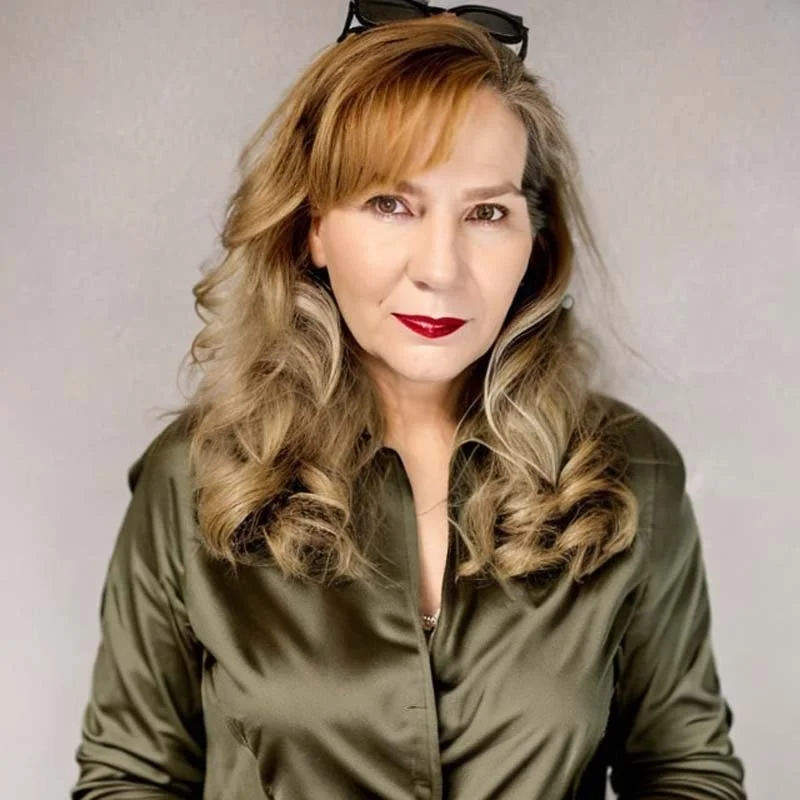
A Conversation with Writer SONYA HUBER

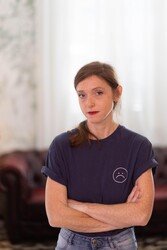
I got sick with rheumatoid arthritis in 2009, and then gradually collected impressions and phrases as I tried to figure out how to live with it. After I'd written a few essays that felt very strange, and after it looked like I might be putting a book together, I gave myself the assignment of writing several more essays, each on a different aspect of my life with chronic pain.

 I Heard Her Call My Name

I Heard Her Call My Name

A Conversation with Writer LUCY SANTE

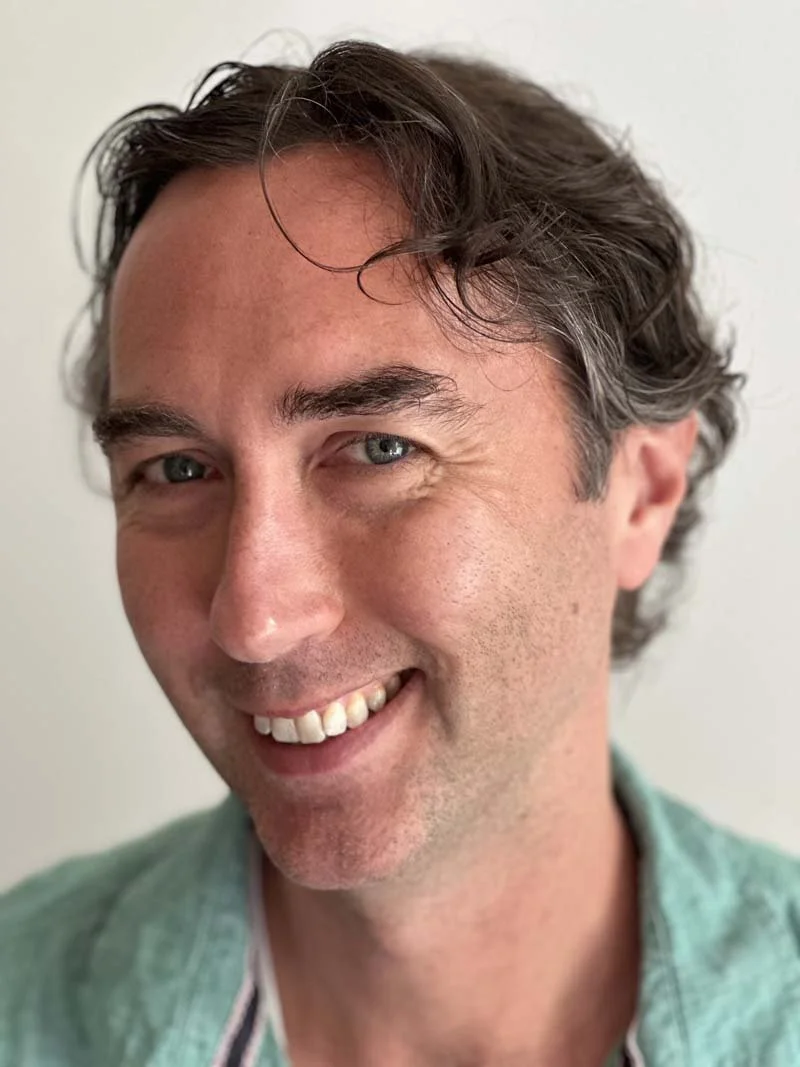
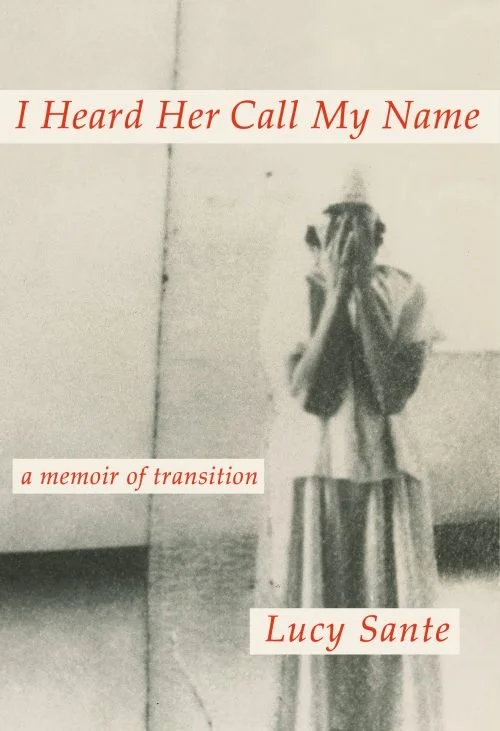
My memoir I Heard Her Call My Name required two timelines--one six months in length, the other a lifetime. So I decided to interleave them, and furthermore required the sections to be seven pages in length. That not only solved the engineering problem but created a spur for both writing and reading. I wrote the book in about two months, while also writing four fairly large unrelated essays and promoting my previous book. I was compelled to write, morning, noon, and night, and had to order myself to go to bed when I started flagging. This was because both of the repressed matter I was finally releasing, and the seven-pages constraint. That constraint--interrupted narrative--also acts as a spur to reading; it's a dodge often employed by suspense writers.

All Skate: True Stories from Middle Life

All Skate: True Stories from Middle Life

A Conversation with Writer LORI JAKIELA

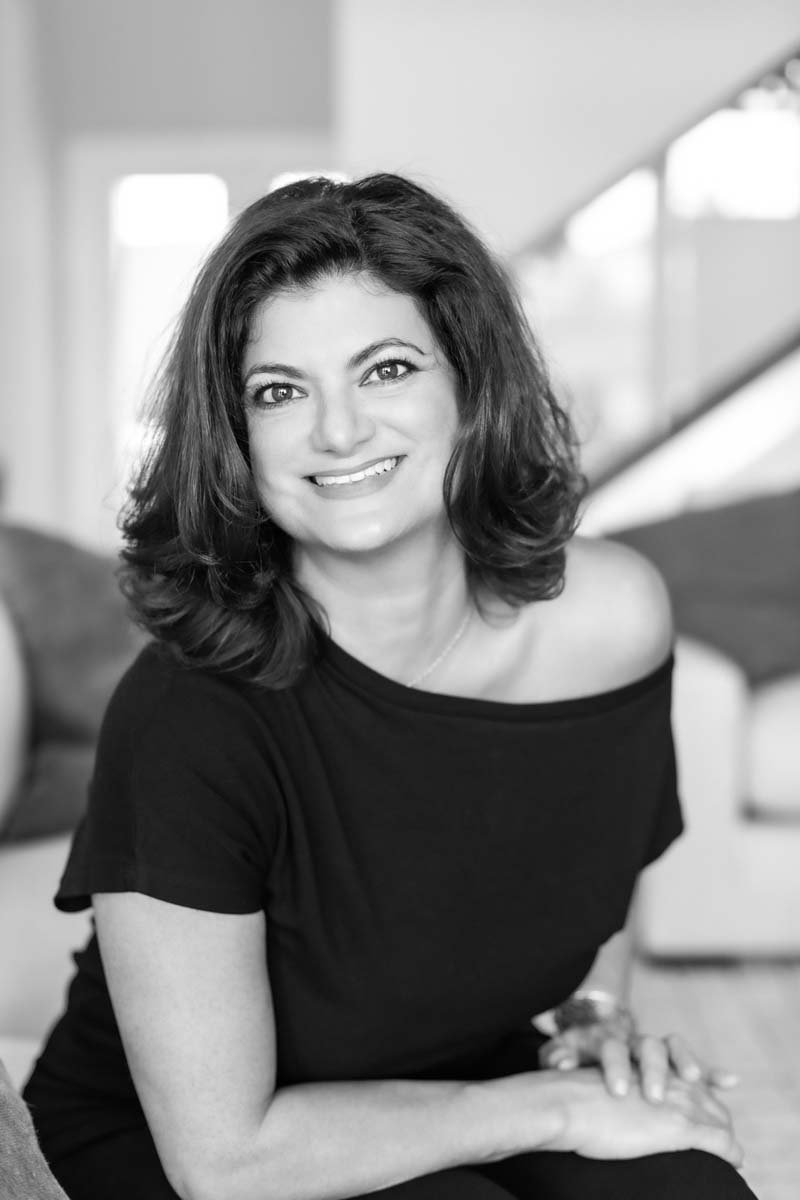
I was born in Roselia Home for Unwed Mothers in Pittsburgh, Pa. in the mid-1960s. The mid-1960s in the U.S. are called the "baby scoop" years. This was a time when unwed women were encouraged/coerced to give their children up for adoption. I was born with a defect--some things wrong with my legs--and so I remained in Roselia for a year until I was adopted. I like to joke I was a bargain-basement case, a blue-light special, a coupon kid. My parents who raised me were lovely, but considered too old to adopt a healthy baby, so in a way they were on sale, too. My mother was a nurse, and so we were a match--me with my bad legs, her with her medical skills and patience. All of this is to say I write about adoption a bit--what it's like to have essential gaps in a life, what it's like to come from a background grounded in loss and then gratitude. That sounds very sad-sacked, I know, but it's not necessarily sad. It's just something I'm interested in exploring in my work. I think that initial, primal experience has lead me to write a lot about family in general, and about how important it has been for me to find my own place in the world. I'm a mother, with two almost-grown children now. I write about them--with their permission and, mostly, blessing. My husband is a writer, too, and so our married life is totally fair game for both of us. Other subjects I'm interested in--friendship, health, genetics, womanhood in all its crazy-quilt forms--probably trace back to my origins, too. As for my thinking about the world, I'm very conscious of how everything is temporary in every way. I often quote E.B. White's Charlotte the Spider: "We're born. We live a while. We die." The terrible truth and humor of that. This is all probably something to unravel in therapy.
Zone Rouge

Zone Rouge

A Conversation with Writer MICHAEL JEROME PLUNKETT

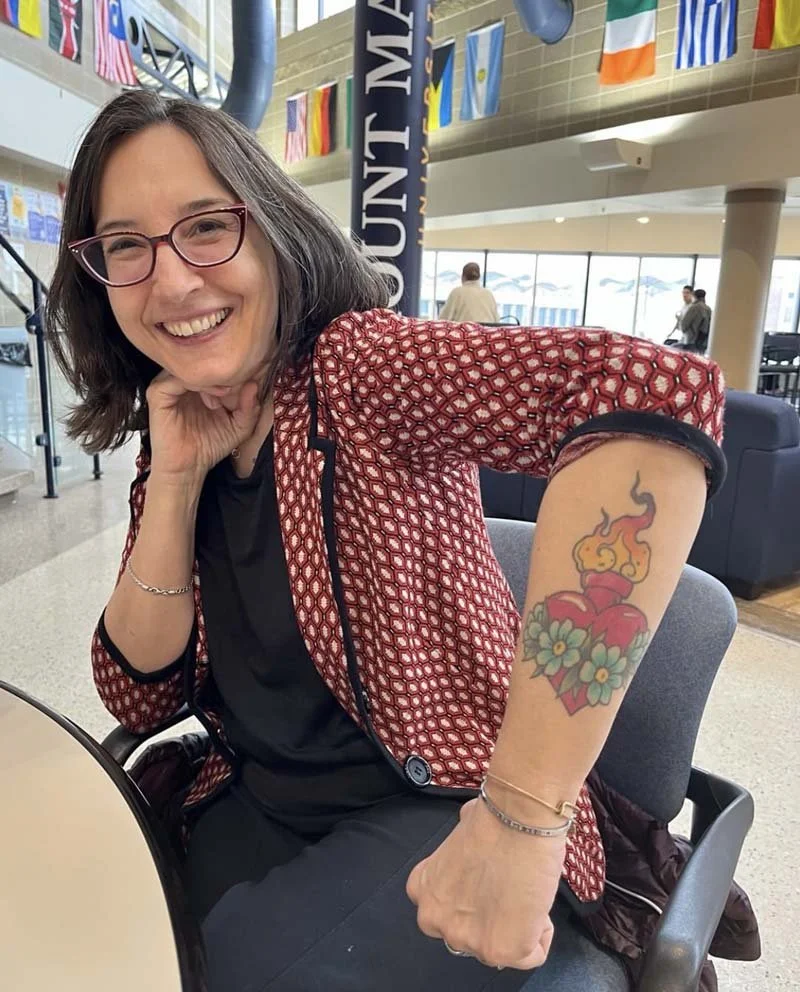
I was born and raised on Long Island in a town called Brookville where the ruins of Gold Coast mansions still litter the woods. Others have been repurposed as country clubs, event halls, and schools. I went to middle and high school in one. The ghosts, history–they are everywhere but Long Island (and New York in general) is such a fast-paced place that I think a lot of people miss them. It’s constantly changing and developing. The previous worlds are always on the brink of being torn down and built over. So I think I have this curiosity, maybe even a longing, for these disappearing worlds. I am always interested in what was there before the current thing. What might have happened here. How it might still be affecting us in our here and now. History, in a word. I am always writing about history in some form or another.

My Father’s List

My Father’s List

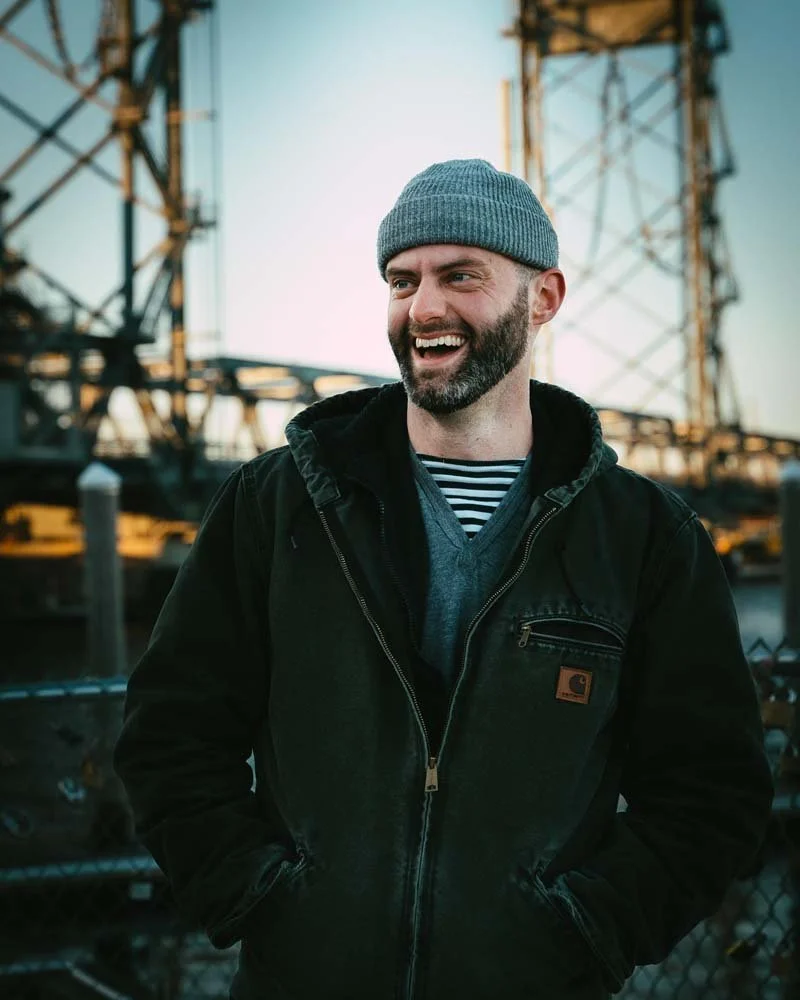
A Conversation with Writer LAURA CARNEY

We discovered my dad's bucket list in 2016, 13 years after he was killed by a distracted driver—a teenager making a phone call at a red light. I was 25 when he died, and 38 when my brother uncovered the bucket list. I imagine most people would see that and think, oh, that's nice. Not me. I saw it and immediately decided to finish the 54 undone items for my dad and write a book about it.

I had success with getting articles published about my endeavor early on, and also managed to get an agent, through a connection at the magazine where I worked. He jumped the gun and tried to sell my memoir about completing my dad's bucket list on idea alone—at that point, I was only writing a blog—and was unsuccessful. So I turned my in-the-moment blog posts, a history-laden style with some wit I'd developed while recapping smart TV like Mad Men and Lost, into a blend of present-day travelogue and essay-style creative writing. I found the more whimsical elements of the adventure I was on balanced out the more emotional flashbacks that were surfacing. Ultimately each experience in the book was what helped me grow and heal from the trauma of my dad's death and my depression diagnosis and my dad's secret life—I had labeled myself as a variety of negative things up to that point and unfairly limited what I thought I could feel or do in life. As I learned the list lessons meant for my dad, I became a more confident, stronger version of me...and this comes through in the story, even though I am the one telling it. I think this was why it was a good idea for me to write the book while I was still completing the list. Typically a year has gone by when I was writing each chapter—so enough time to reflect on what that experience meant, but not enough time to forget the minutiae needed to tell detailed story. I kept notes on my iPhone avidly...as I did this, after some time I also started noting revelations I was having and omens/symbols in the world around me. It was almost like my life had become a TV show and I was the star and I was recapping it and analyzing it for myself. That makes it not surprising that the book would be optioned for TV. It already reads like it's a show. 

Most of my research was on the list items my dad wanted to do, and this in itself was healing as in remembering my dad's passions and interests, I began to associate him more with being alive and less with being tragically dead at a young age. I took something senseless and made it into something meaningful.

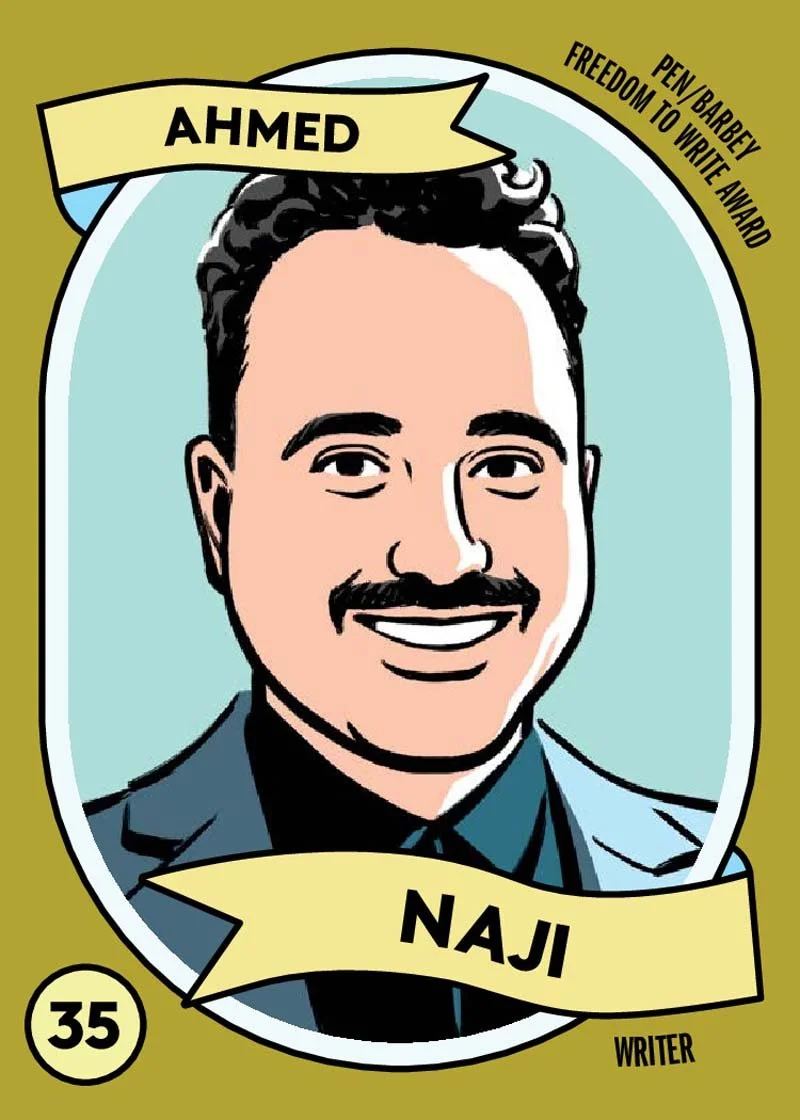
Ahmed Naji

Ahmed Naji

A Conversation with Writer AHMED NAJI

I was born in Mansura, Egypt, but my childhood was scattered across Kuwait, Libya, and Egypt itself. I began my career as an Arabic writer, working in Cairo for over fifteen years as a journalist and documentary filmmaker. I published several books—both fiction and nonfiction—until 2014, when my novel Using Life was released. That book changed everything: I was accused of “disturbing public morality” and sentenced to two years in prison. I was released in December 2016, and soon after, I was forced into exile. By August 2018, I had arrived in the United States, setting out on a new and uncertain journey.

Maya Kessler

Maya Kessler

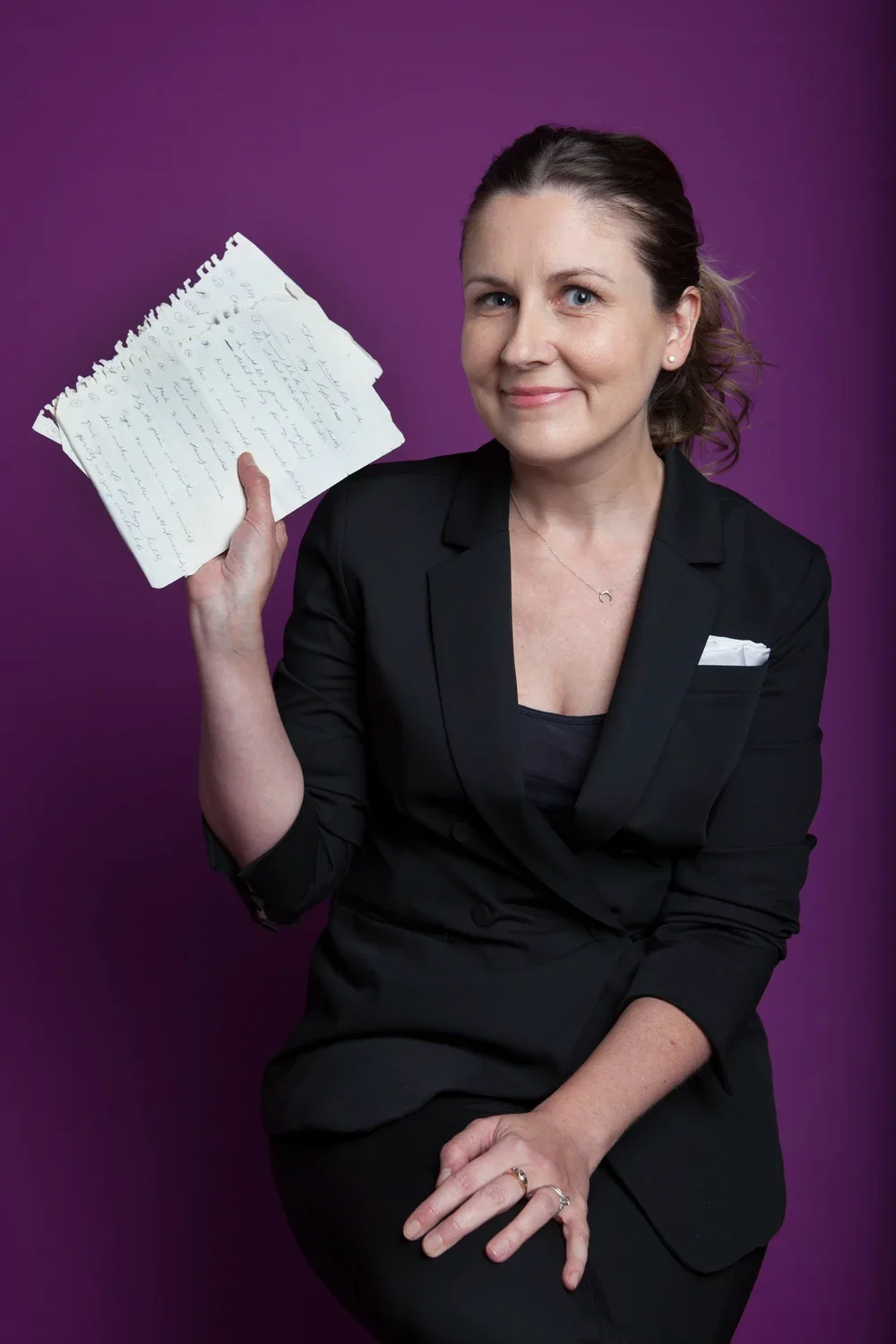
A Conversation with Writer · Filmmaker MAYA KESSLER

I come from film, so I naturally draw inspiration from visual storytelling. Lately, I’ve been working on adapting the novel into a screenplay, which feels like coming full circle: the novel was written from the perspective of a filmmaker—my heroine is one, and I am too—so the writing already had a cinematic rhythm. I describe scenes in short lines that set the tone: light, time of day, weather—just like in a script. So now, in the adaptation process, I enjoy finding the ways in which the text transforms into a new medium. A significant part of the book is made up of the heroine’s thoughts and reflections—some concrete, others abstract. The concrete parts shift easily from language to image. The abstract ones take a different route: the words go underground and become subtext, a kind of quiet recipe for how to direct the scene.

“Pretending to Be What I Was Not Was One Way I Learned How to Survive”

“Pretending to Be What I Was Not Was One Way I Learned How to Survive”

A Conversation with Writer · Illustrator · Literary Journalist · Educator BRIAN GRESKO

My parents grew up working class in Philadelphia and raised me the same in the suburbs just outside the city. They admired my creativity, but didn’t encourage me to pursue writing or art making with any seriousness. On the contrary, they told me to get my head out of the books and learn a trade, or, when younger, play sports. You know, “normal” pursuits, especially for a boy. I refused. I attended Catholic school till ninth grade, an oppressive environment where I was picked on by students and teachers alike for my nonconformist attitudes and genderqueer weirdness. I never fit in, and in my family, that was literal – around the age of eight or nine my parents revealed that my dad wasn’t my biological dad, though we didn’t talk about it after that, and for more than ten years I carried on pretending I was my dad’s son. Pretending to be what I was not was one way I learned how to survive. All of this led to a distrust of authority in general, an attitude I found reflected in the literature and art I loved. In many ways, the world of books, comics, music, movies, and video games provided more of a home to me than the embodied house where I lived. Art has always played a powerful, central role in my life.

The Oud Player of Cairo

The Oud Player of Cairo

A Conversation with Author JASMIN ATTIA

When I decide to write a story, I will spend a lot of time researching before I plot because I need to understand the possibilities. I research through reading, watching film, interviews, old news reals, radio from the era, music, literature, whatever I can get my hands on.

The next step is plotting, and I buy partitioned notebooks like the ones our English teachers used to make us buy, and then I write out my detailed plot broken into sections. This is what I will use when I start writing. Next come the sticky notes on which I write out the questions to myself or other options for where the story can go. I have a column where I list all the world events that were taking place when my characters are in certain stages of their lives.