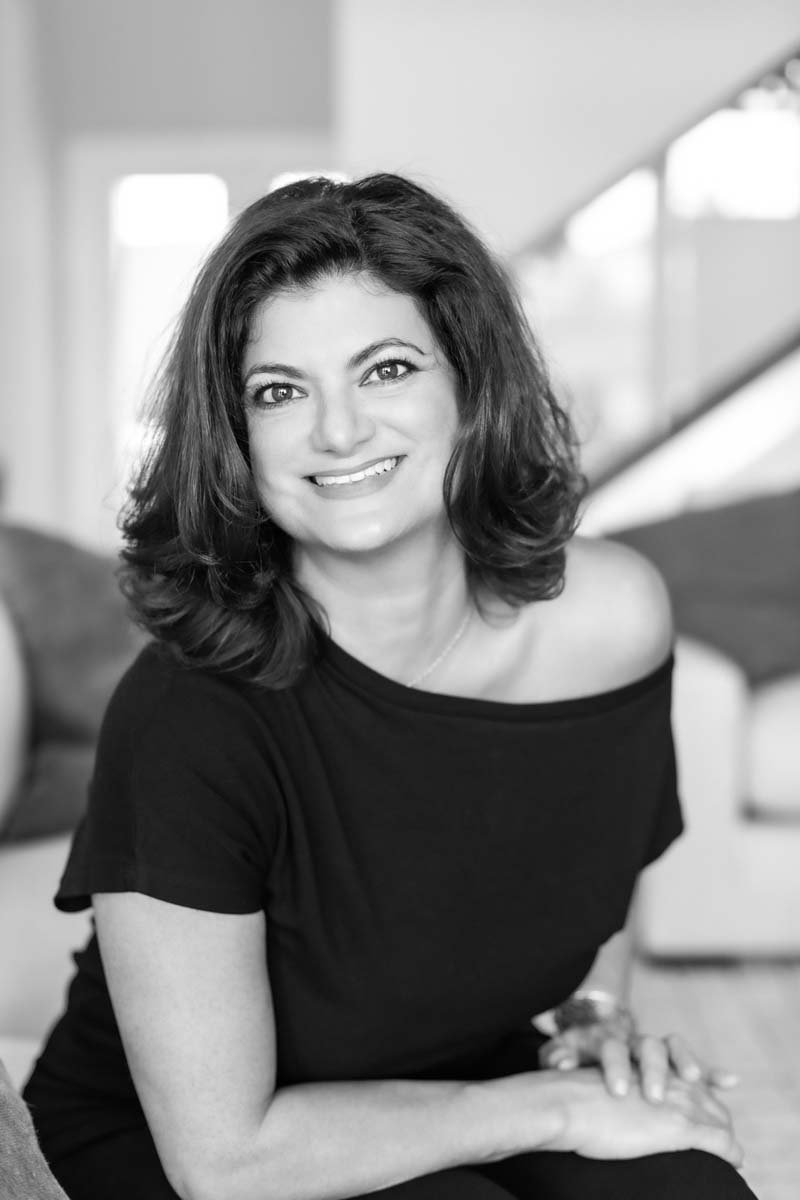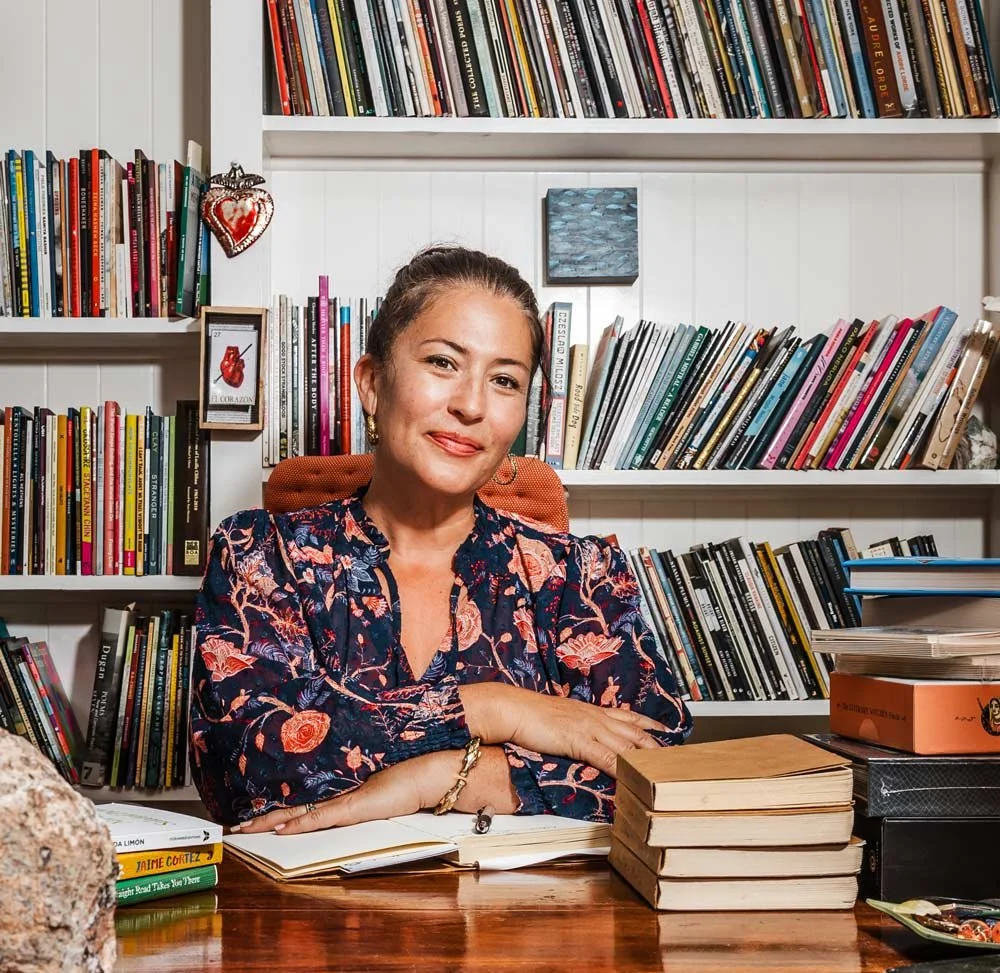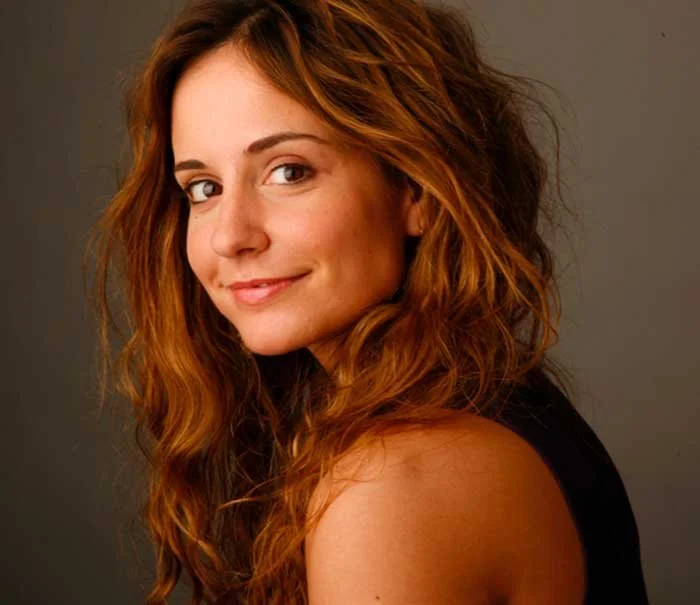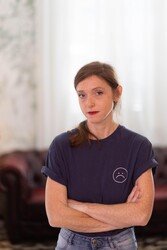


Maya Kessler is a writer, film director, and producer. Kessler studied arts in the Rietveld Academy in Amsterdam. She currently works as a filmmaker for a global oncology company, alongside writing and developing original content for the international television market. @rosenfeld_novel
How did living in Tel Aviv shape your view of the world and the kinds of stories you’re drawn to? I grew up in a suburb not far from Tel Aviv, in a neighborhood originally built for military families— specifically air force pilots. My father was actually an artist, but that’s where he rented a house.
There was a strong military spirit in the air, a very particular kind of masculinity. For example, even if you were just a ten-year-old girl, heading out from a friend’s house, his older brother would say goodbye with: ‘Bye, Maya. Man up!’
I took that in, and honestly tried to man up. I only got so far.
If I had to distill how that environment influenced my writing—I’d say the male character in my novel is shaped by that kind of masculinity, and the heroine’s character expresses the answer I’ve been offering it ever since.
Can you remember the books you loved as a child?
The books I loved as a child explored the same themes that still fascinate me today—human behavior, relationships with complex conflict, the boundaries between people. I was drawn to stories with dramatic elements tied to the darker sides of human nature: obsession, rage, desire, and how these forces shape identity and relationships.
These elements didn’t necessarily appear only in sad or heavy books; on the contrary—what influenced me even more were the books that dealt with them through intelligent humor.
Describe your typical writing day.
An author has two roles—writer and editor—and each demands a different mindset. That doesn’t mean editing isn’t creative—it absolutely is—but it’s a different kind of work. So every time I sit down to work, I try to figure out what’s right for me to do at that moment: create something new, or edit and refine what’s already there.
In the early stages of writing my novel, I didn’t work with an outline. I let the characters lead, let their desires and motivations shape the story. Once the material started piling up, I felt the need to see it visually, to make sure everything held together—the flow, the rhythm, the emotional arc. I wanted each moment to lead naturally to the next, creating a narrative that would feel both inevitable and emotionally charged.
I’m a visual thinker—I come from film—and I picture the story like a timeline of an editing sequence. I need everything spread out in front of me, like a detective mapping out a case. I honestly don’t understand how people write in one long Word document! I used to fill a wall with sticky notes. Now I use platforms that let me lay out scenes, references, and even the story’s calendar—so I can track what happens, and when.
What inspired you to begin working on ROSENFELD?
In my writing, dialogue often drives the narrative. The story doesn’t have an agenda—the characters do. I let them lead the way. Their motivations shape the plot. Put two people in a room together, and chances are one of them is trying to get something. The other’s response will determine how far they can go, how much they can push each other’s boundaries. What will they say to get what they want?
That was the core of the creative process behind ROSENFELD. I started by developing the characters—who they are, what they want, and what stands in their way. From there, the story emerged through their actions and interactions. I didn’t begin with a rigid outline. I followed their lead, letting the dynamics unfold naturally. Only once a substantial body of work had taken shape did I start shaping the structure, tightening the emotional arc, and refining the rhythm of the book. That part took time—and endless rounds of revision—but it all started with listening to the characters.
Do you keep a journal or notebook? If so, what’s in it? I mostly use the Notes app on my phone. Even when I’m working on a longer piece, I still use it to jot down my thought process and work things out as I go. But I also write there when I just need to let things out — to express frustration or pain, or whatever else life throws my way. In difficult times, I write so much that if I printed all those notes and lined them up, they’d probably stretch for two miles.
If you could spend an evening talking with any writer, who would you choose and why? I’d have dinner with Miranda July, for sure. And if he were alive then maybe David Foster Wallace—but only if we skip dinner and take some kind of mind-altering substance.
Do you draw inspiration from music, art, or other disciplines?
I come from film, so I naturally draw inspiration from visual storytelling. Lately, I’ve been working on adapting the novel into a screenplay, which feels like coming full circle: the novel was written from the perspective of a filmmaker—my heroine is one, and I am too—so the writing already had a cinematic rhythm. I describe scenes in short lines that set the tone: light, time of day, weather—just like in a script. So now, in the adaptation process, I enjoy finding the ways in which the text transforms into a new medium.
A significant part of the book is made up of the heroine’s thoughts and reflections—some concrete, others abstract. The concrete parts shift easily from language to image. The abstract ones take a different route: the words go underground and become subtext, a kind of quiet recipe for how to direct the scene.
How has your view of writing changed with the rise of AI? What’s your response to the idea that AI could “write” literature in the future? Here’s a possible answer — clear, thoughtful, and a bit personal:
__________________________________________________
AI and technology are reshaping how we tell and receive stories — from tools that assist writers with structure or language, to recommendation algorithms that shape what we read and watch. It’s exciting in many ways, but also unsettling.
What fascinates me is that these tools can amplify creativity — help us write faster, test out ideas, even reach new audiences. But they also risk flattening nuance and favoring formulas. Good stories aren’t just about plot points — they’re about tension, ambiguity, contradiction. That’s something only a human can truly feel their way through.
That’s why it’s so important that humans stay at the center of the creative process. Not just as decision-makers, but as the origin of emotion, chaos, desire — the stuff stories are really made of.
__________________________________________________
Want a shorter version? More playful? Or more tech-critical?
Tell us about some books you've recently enjoyed and your favorite books and writers of all time. One of the works that has stayed with me most in recent years is Building Stories by Chris Ware. Ware is a cartoonist and graphic novelist known for pushing the boundaries of the comics form, both visually and narratively. Building Stories isn’t a traditional book — it comes in a large box filled with separate pieces: booklets, newspapers, fold-outs, even a game board-like format. There’s no set order in which to read it. As a reader, you pick up one piece after another, gradually piecing together the life of the protagonist — a woman living in a Chicago apartment building — until a fuller picture emerges.
I love how Ware trusts the reader to assemble the narrative, and how the fragmented structure mirrors memory, perception, and the passage of time. It’s an emotional experience that creeps up on you slowly, and I find that deeply moving and inspiring. His visual storytelling is meticulous and layered — every panel is rich with detail, mood, and meaning, drawing you into the inner world of his characters in a way that feels almost architectural. That combination of emotional depth and structural inventiveness has definitely influenced how I think about narrative — especially the ways in which form and content can echo each other.
Exploring literature, the arts, and the creative process connects me to other people — to the quiet, invisible thread that runs between us. It’s how I make sense of life, how I reach out, and how I feel less alone. When it’s honest, creation allows us to meet in that shared space where something true is said — and truly heard.