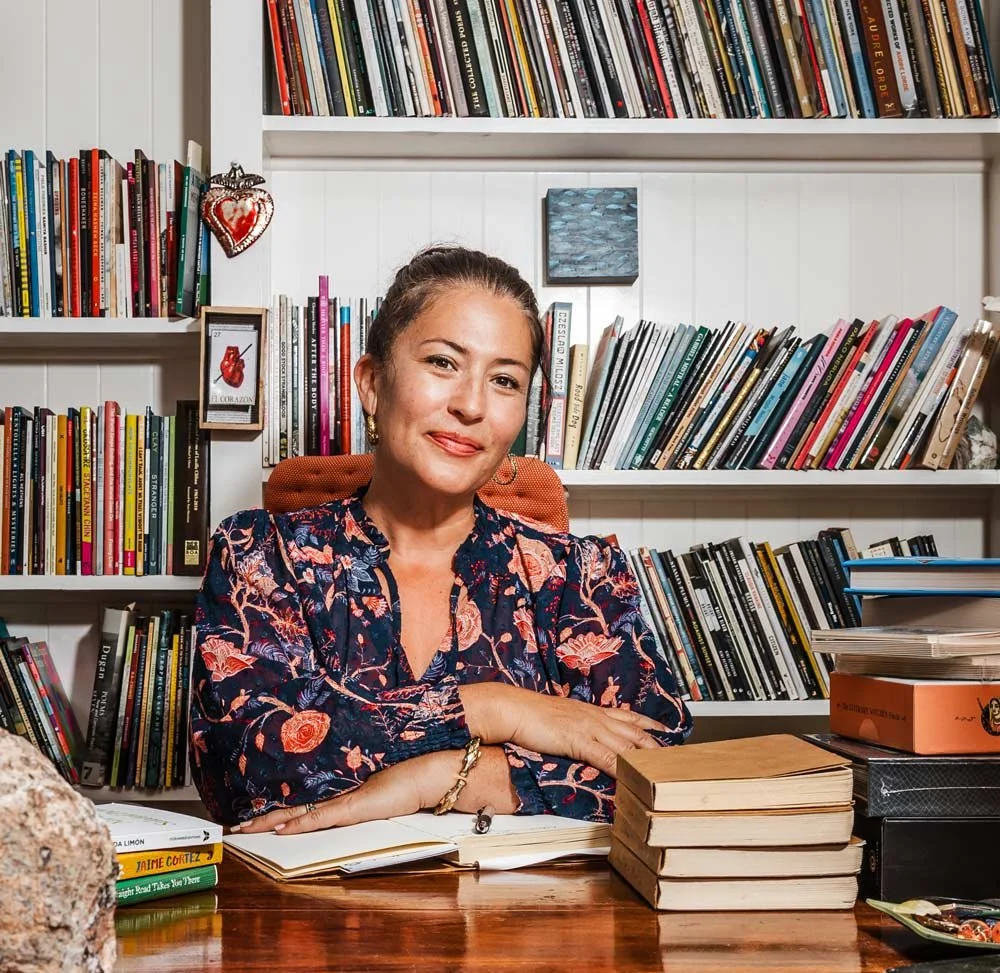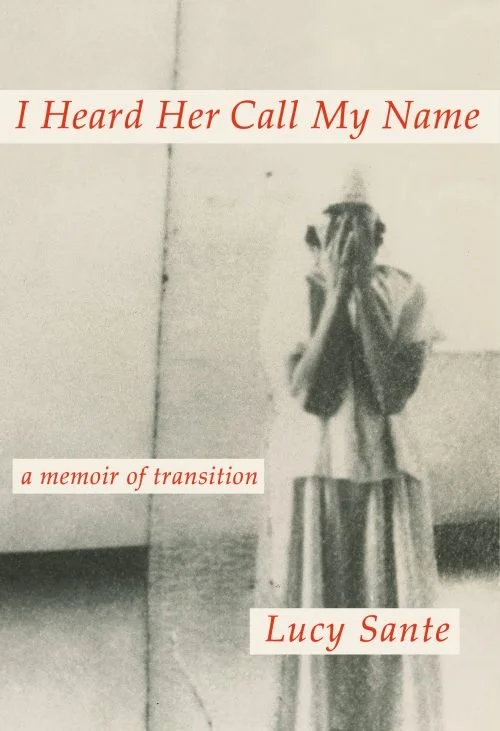


Lucy Sante was born in Belgium in 1954. She emigrated to US with her family as a child and moved to New York City at 18. She has written eleven books and many essays. She taught for 27 years before retirement and is the recipient of numerous prizes and awards. She’s the author of I Heard Her Call My Name. @luxxante
Where were you born and raised? How did it influence your writing and your thinking about the world? I was born in Belgium and emigrated as a child, learned English in American schools, developed increasing autonomy as a result. I've always believed that learning a second language is what made me a writer--having a tongue I could regard dispassionately, and separately from the world of my parents. Being an immigrant also inoculated me against nationalism, or any kind of tribalism.
What kind of reader were you as a child? What books made you fall in love with reading as a child? I read everything. I had no guidance. I read Belgian comics and children's history books and Nancy Drew and virtually any printed matter I came across. I went from hot-rod novels to Thomas Hardy to medical chronicles to Tolstoy (abridged) via the Scholastic Book Services, and read nonfiction--Barbara Tuchman stood out--from my father's shelves. At eleven I foreswore the children's room at the library and began making my way through the adult shelves. I wanted it all.
Can you walk us through your daily writing rhythm or rituals?
I have no schedule. I write more or less in episodes. Shorter pieces I always try to write in one sitting; longer projects each have their own logic and procedure. Generally I have a vague idea of the end point but do no other planning, although research-based work will require organizing my notes and letting them determine the shape. I edit as I go--I only ever do one draft, but will fiddle endlessly with the finer details, especially eliminating unneeded words.
How did your approach to writing change while developing I Heard Her Call My Name? My memoir I Heard Her Call My Name required two timelines--one six months in length, the other a lifetime. So I decided to interleave them, and furthermore required the sections to be seven pages in length. That not only solved the engineering problem but created a spur for both writing and reading. I wrote the book in about two months, while also writing four fairly large unrelated essays and promoting my previous book. I was compelled to write, morning, noon, and night, and had to order myself to go to bed when I started flagging. This was because both of the repressed matter I was finally releasing, and the seven-pages constraint. That constraint--interrupted narrative--also acts as a spur to reading; it's a dodge often employed by suspense writers.
Do you keep a journal or notebook? If so, what’s in it? I keep a commonplace book in which I note down quotes, observations, sudden memories, potential titles, and the like. I have never kept a diary.
What kinds of sources or materials do you turn to in your research?
I often use research, drawing on books, newspaper archives, ephemera, photographs, etc. I often take notes on 4x6 index cards, which I organize into groups and clusters that determine the shape the work will take.
Which writer, living or dead, would you most like to have dinner with? Thomas Pynchon.
Do you draw inspiration from music, art, or other disciplines?
I don't listen to music when I write, ever, because it messes with my rhythm, but music and cinema play large roles in my conception of dynamism, flow, and the editing process.
AI and technology are changing the ways we write and receive stories. What are your reflections on AI, technology and the future of storytelling? And why is it important that humans remain at the center of the creative process? I have never knowingly used AI, will never use it, shun it, and fear it. It is extremely dangerous, and I am stupefied when I read bland accounts of how people are employing it--they might as well be using a Ouija board to assist their financial planning or whatever. AI can only regurgitate and follow patterns. It can probably write genre fiction, but humans will always have to supply depth.
Tell us about some books you've recently enjoyed and your favorite books and writers of all time. I recently enjoyed Torrey Peterson's Stag Dance, Vivian Blaxell's Worthy of the Event, and the Hollywood fiction of Gavin Lambert. My all-time favorites include Arthur Rimbaud, William Blake, Walter Benjamin, Joseph Mitchell, Blaise Cendrars, Ron Padgett, Christina Stead, Elizabeth Hardwick, and Henry Green.
Exploring literature, the arts, and the creative process connects me to…the world, to kindred spirits, and to vital forces within myself.