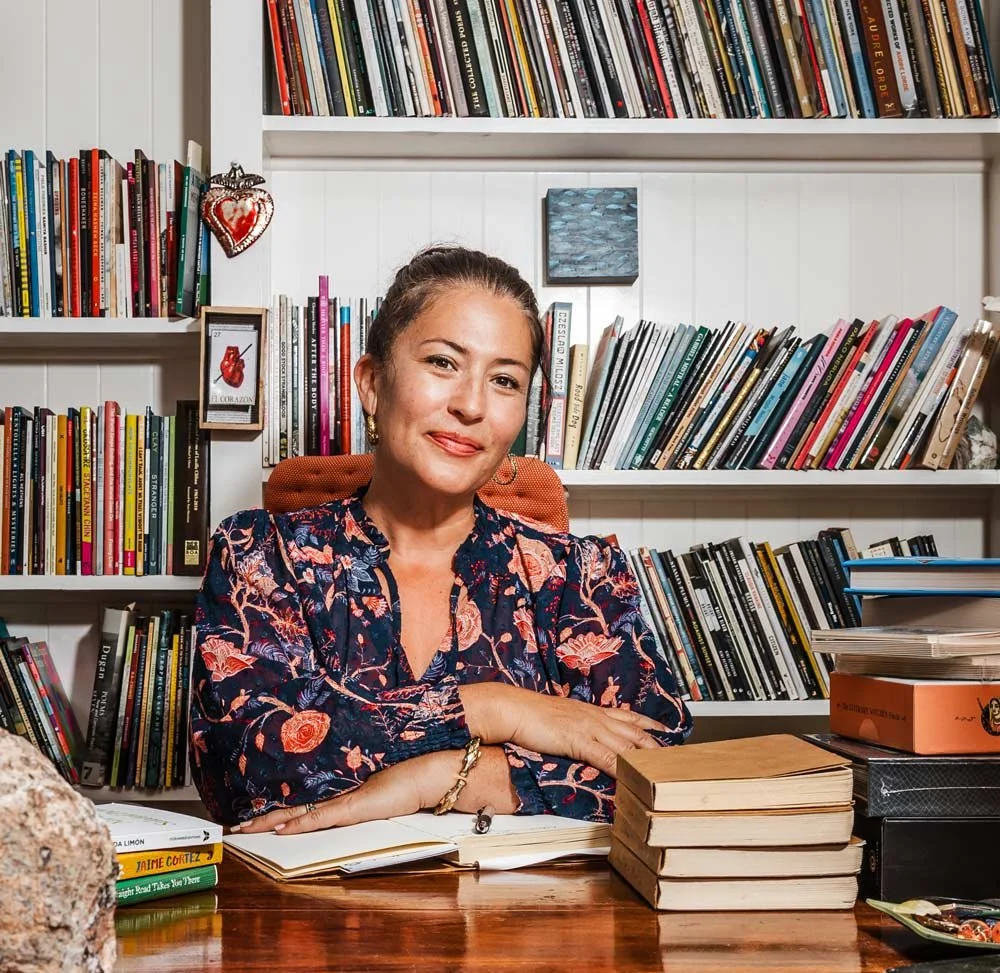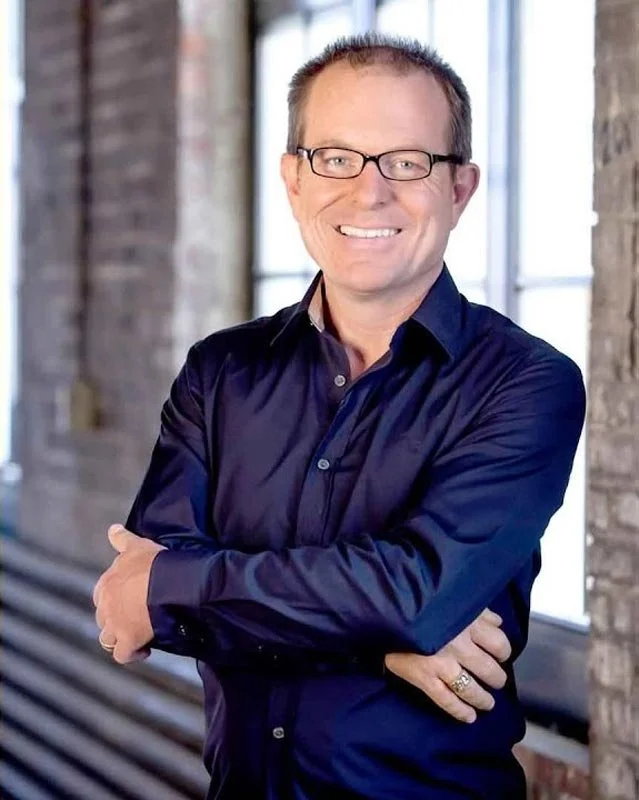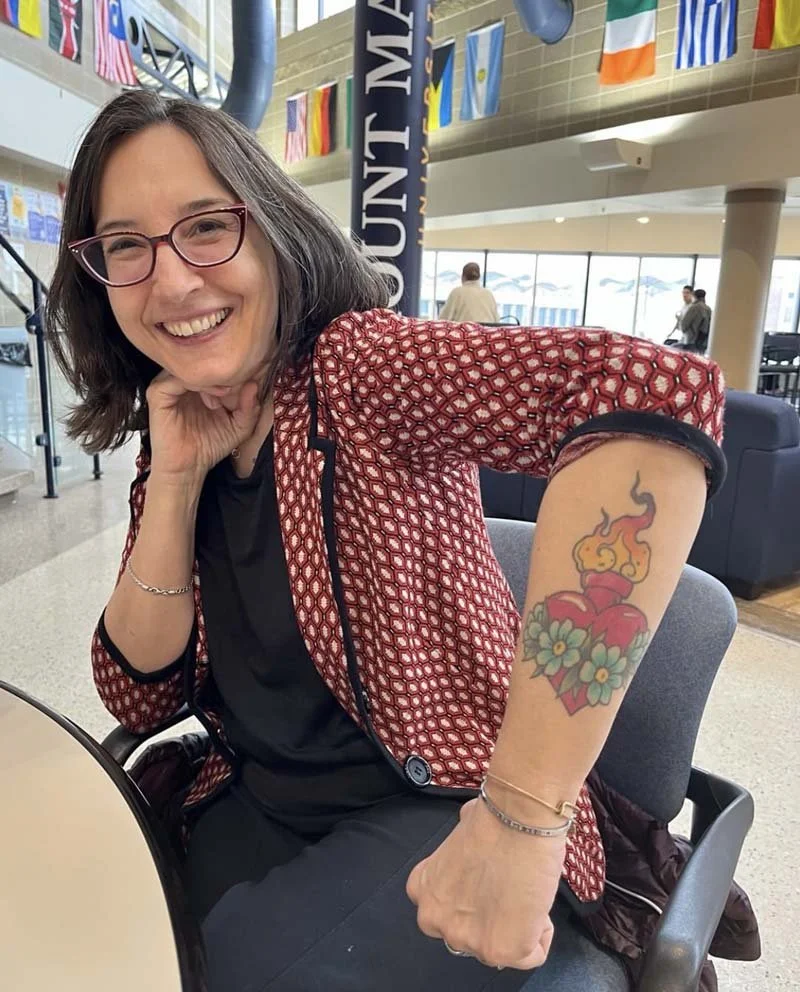


Sonya Huber's books include the forthcoming anthology, Nothing Compares To You: What Sinead Means to Us, the essay collection, Love and Industry: A Midwestern Workbook, finalist for the 2024 PEN/Diamondstein-Spielvogel Award for the Art of the Essay, and the writing guide, Voice First: A Writer’s Manifesto, Pain Woman Takes Your Keys and Other Essays from a Nervous System, as well as Supremely Tiny Acts: A Memoir in a Day, Opa Nobody, Cover Me: A Health Insurance Memoir, and The Backwards Research Guide for Writers. She teaches at Fairfield University and in the Fairfield low-residency MFA program. @sonyahuber/

How do you think your early life in Illinois helped cultivate the kind of writer you became? I was born in Evergreen Park, Illinois, and raised in New Lenox, Illinois--it's a small town south of Chicago that isn't oriented toward the arts, so I've always had this question of who is art for, how can I reach people who don't think they like art and writing. And it means that the political divides in the country feel very personal to me. Because it's part of the Rust Belt, I have a fascination with industry and with scarred landscapes.
In your younger years, what stories openned your imagination in a lasting way? I was voracious and omnivorous. I can't remember not being in love with reading--I remember being transported by my first picture books. By fifth grade I loved Stephen King and sci fi, the possibility of imagining other powers and other worlds.
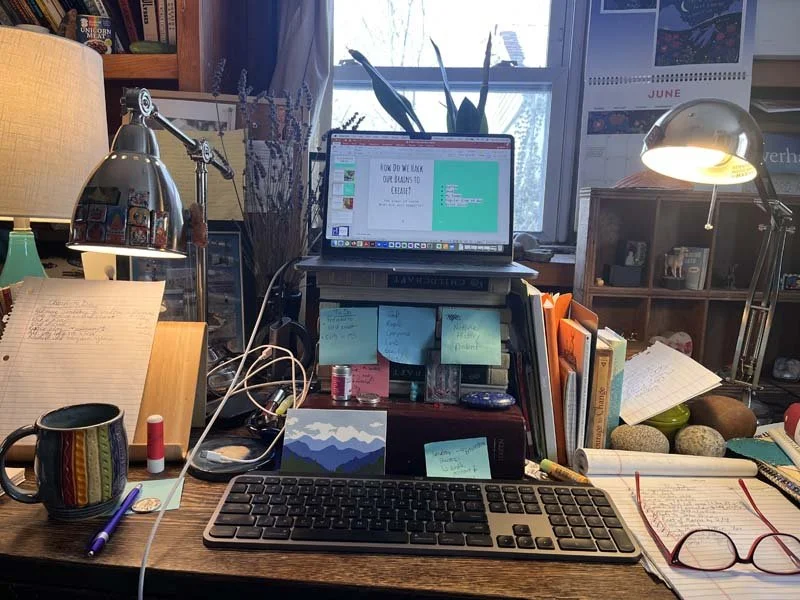
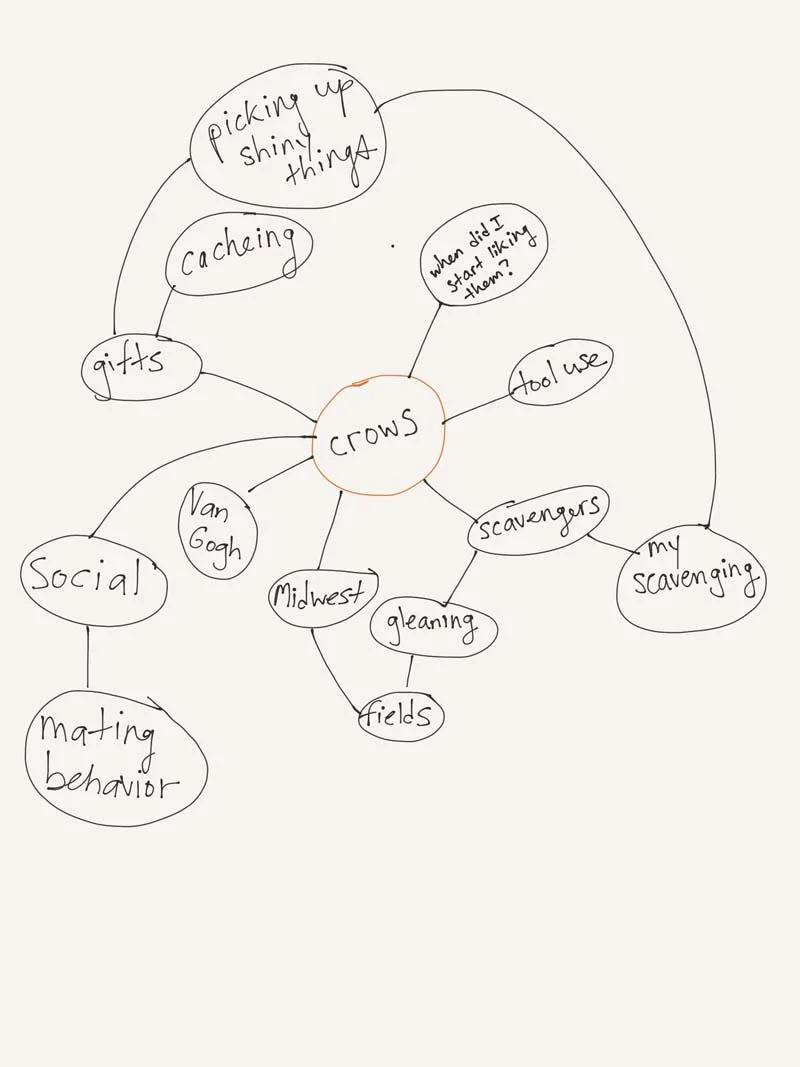
When you're writing at your most productive, what does a typical day look like? I tend to get caffeinated and write for anywhere between 30 minutes and 2 hours before I start my workday of teaching. I don't outline--I sort of meander and research, and I like to work on multiple projects at the same time, so that I have a choice when I sit down about what I feel like working on. I also use a lot of diagrams (like bubble charts) and sketches to figure out structure.
Tell us about the creative process behind Pain Woman Takes Your Keys, your essay collection about chronic pain. I got sick with rheumatoid arthritis in 2009, and then gradually collected impressions and phrases as I tried to figure out how to live with it. After I'd written a few essays that felt very strange, and after it looked like I might be putting a book together, I gave myself the assignment of writing several more essays, each on a different aspect of my life with chronic pain.
Do you keep a journal or notebook? If so, what’s in it? I keep several disorganized journals, notes on my phone, and I use the Evernote app for other notes--mostly full of writing ideas and links to research.
How do you research and what role does research play in your writing? I am researching constantly, just following my questions, roaming around wikipedia, and reading links to news articles that lead to possible topics. I love to engage especially with what current scholars in a wide range of fields are working on, and I love history.
Which writer, living or dead, would you most like to have dinner with? I would love to talk with James Baldwin, or Olivia Laing, or George Orwell, or Rebecca Solnit. But I am positive that if I got this opportunity, I would be too tongue-tied and embarrassed to even have a real conversation.
Do you draw inspiration from music, art, or other disciplines? I adore visual art in particular, and whenever I feel like my tank is running dry, I have to go see art--I especially love abstract and conceptual art.
AI and technology are changing the ways we write and receive stories. What are your reflections on AI, technology and the future of storytelling? And why is it important that humans remain at the center of the creative process? I am not a fan of AI, partially because the way it's gotten its abilities is through massively harvesting, ingesting, and stealing human writers' work without permission or compensation. I don't understand why we need this technology, which promises only to confuse humans while degrading our environment, stealing jobs, and robbing us of the ability to learn to express ourselves.
Tell us about some books you've recently enjoyed and your favorite books and writers of all time. Ta-Nehisi Coates' The Message was absolutely fantastic. I love everything by Rebecca Solnit, and James Baldwin. I've been reading a lot of adrienne marie brown and really admire her political and community insights. I love Orwell's nonfiction, and I just started reading Stephanie Elizondo Griest's Art Above Everything and am so inspired by it.
Exploring literature, the arts, and the creative process connects me to…human beings, the wider world, and what it means to be alive.