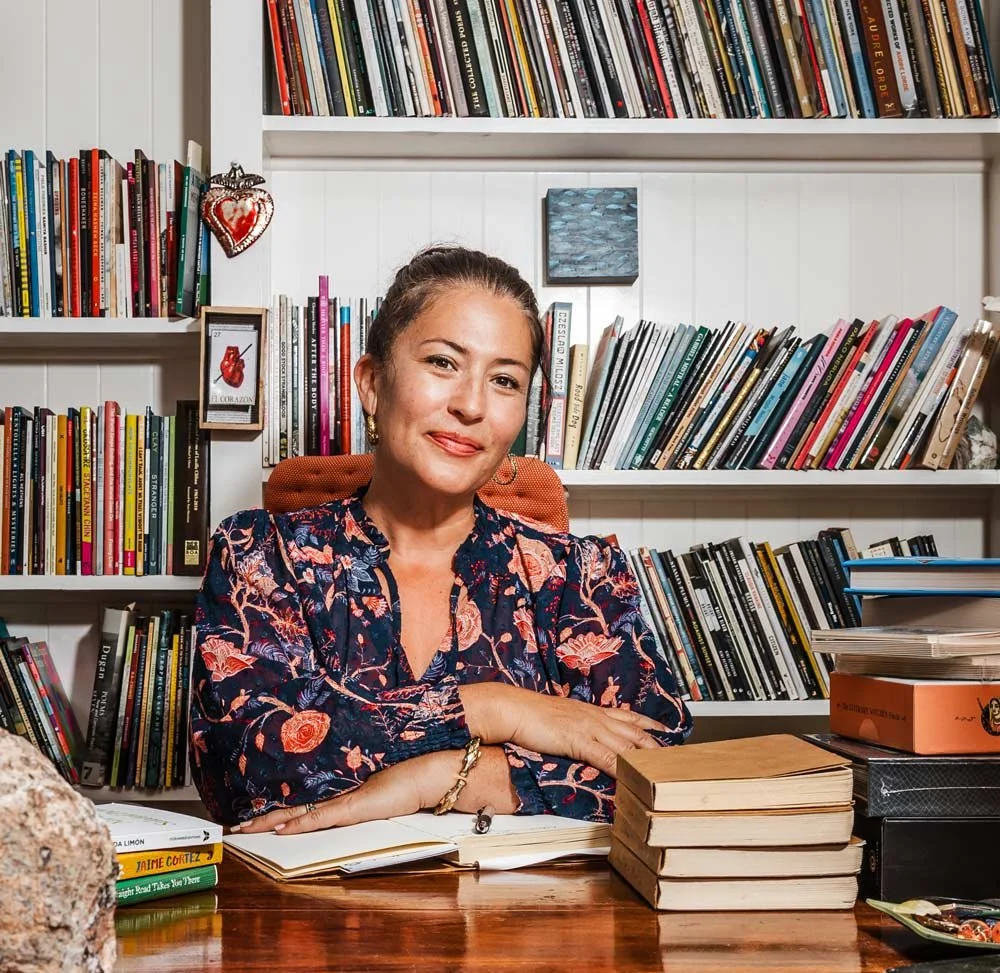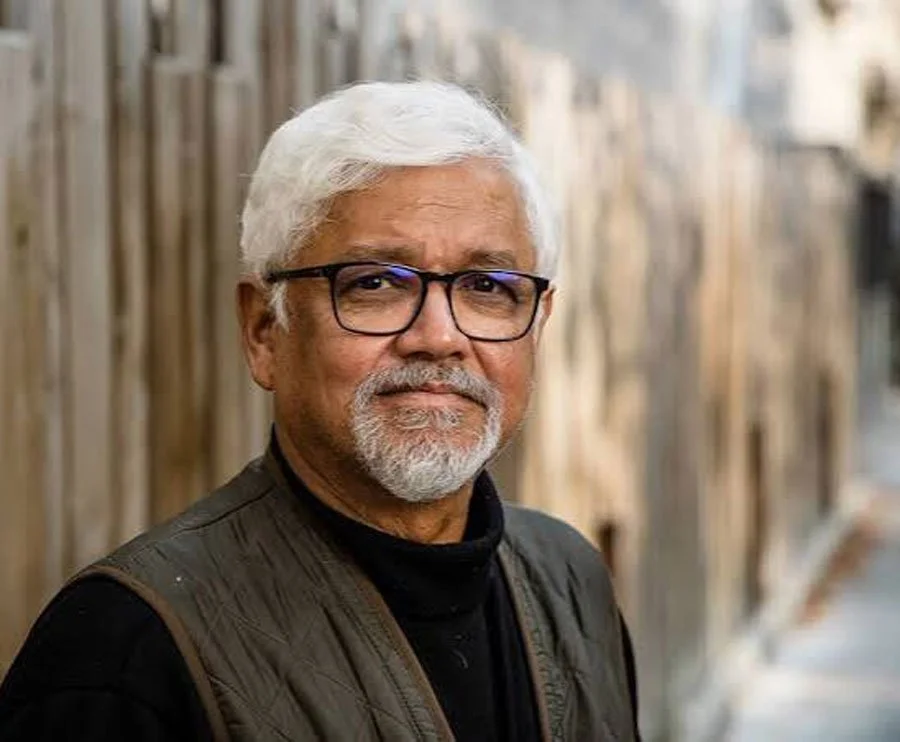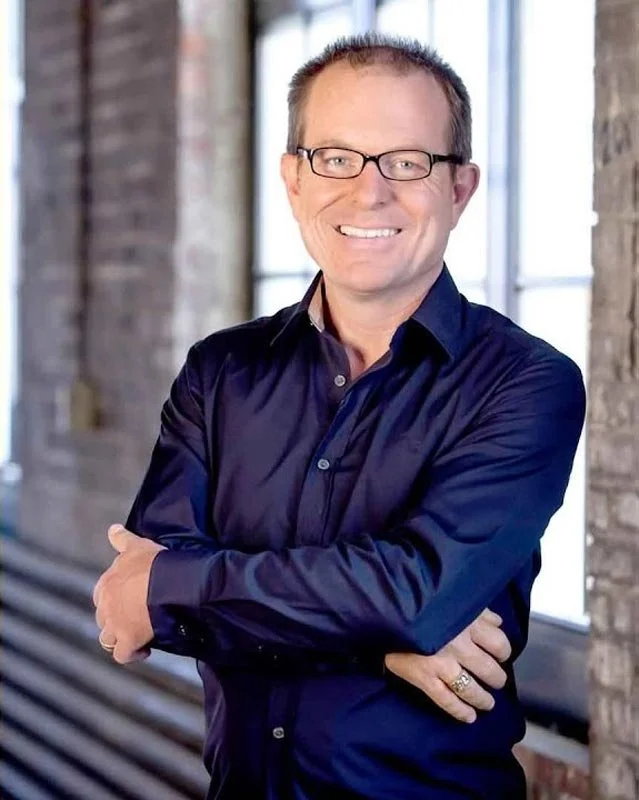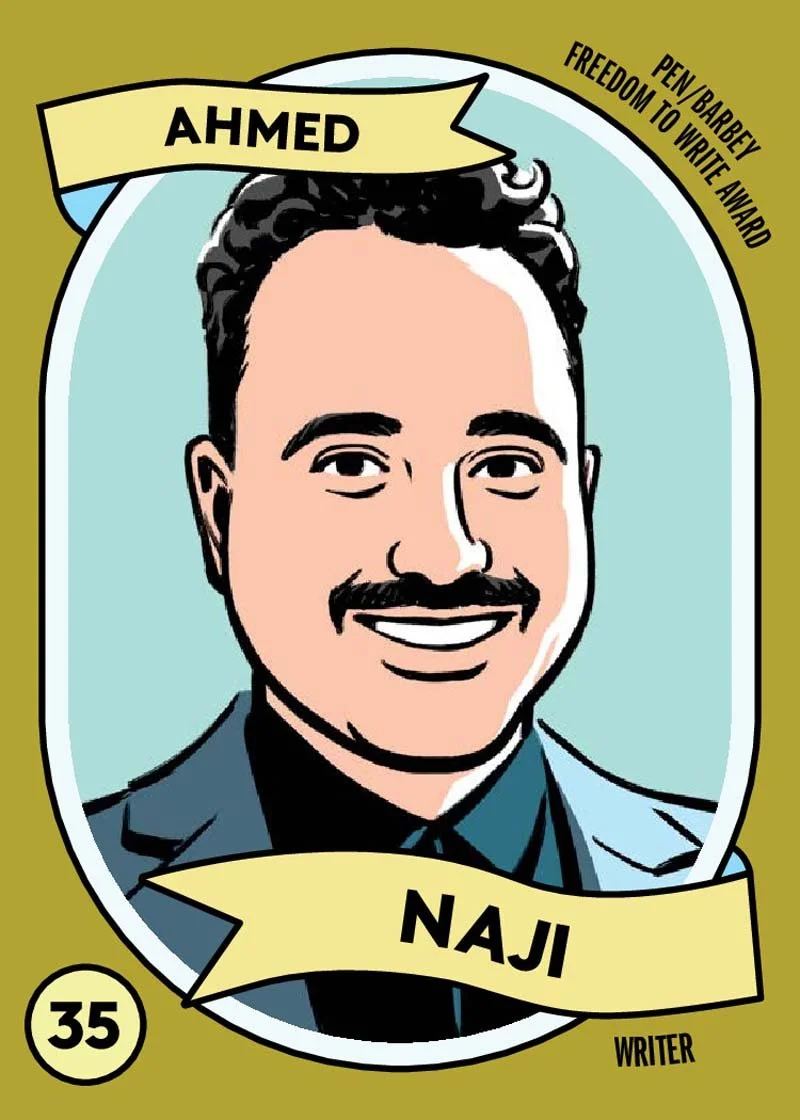


Ahmed Naji is a bilingual writer, journalist, documentary filmmaker, and official criminal from Egypt. His novels are Rogers (2007), Using Life (2014), And Tigers to My Room (2020), Happy Endings (2023), and most recently, a memoir, Rotten Evidence: Reading and Writing in Prison (McSweeney’s 2023), which was a Finalist at the National Book Critic Circle. Presently he is exiled in Las Vegas, Nevada. Most recently, he is the editor of Egypt +100 from Comma Press. @anajeahmed
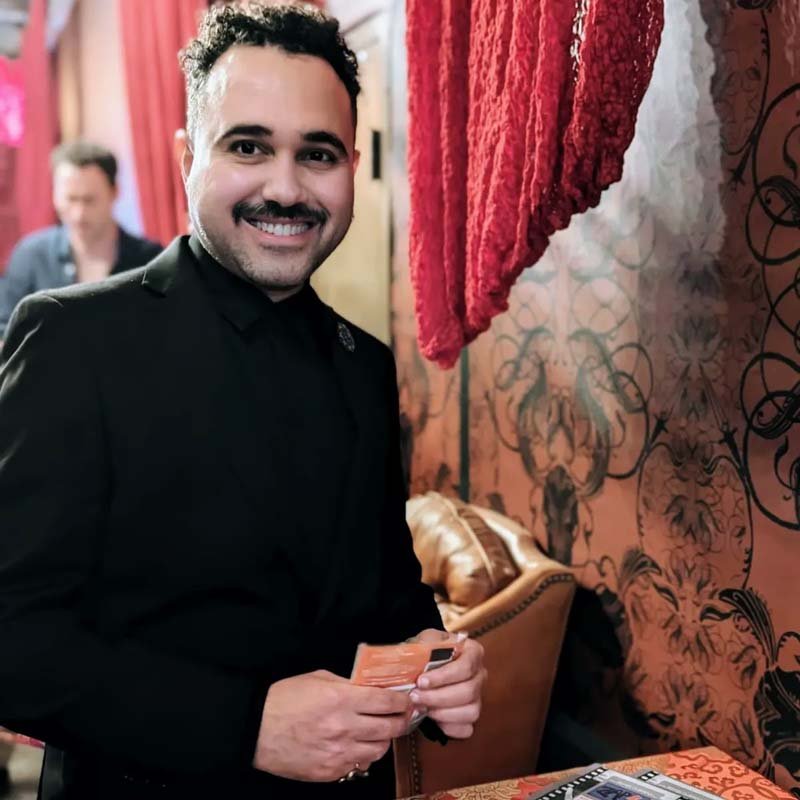
What was it about Egypt that you feel most strongly shaped your voice or perspective? I was born in Mansura, Egypt, but my childhood was scattered across Kuwait, Libya, and Egypt itself. I began my career as an Arabic writer, working in Cairo for over fifteen years as a journalist and documentary filmmaker. I published several books—both fiction and nonfiction—until 2014, when my novel Using Life was released. That book changed everything: I was accused of “disturbing public morality” and sentenced to two years in prison. I was released in December 2016, and soon after, I was forced into exile. By August 2018, I had arrived in the United States, setting out on a new and uncertain journey.
I left Egypt alone, unattached to any political, religious, or national group. Yet in America, this hard-won independence vanished the moment I stepped off the plane. Instantly, I was branded with a litany of identities—none of my own choosing, most of them utterly foreign to me. In exile, especially as a writer, I learned that American conformity isn’t enforced by batons or prison walls, but seeps in quietly, a subtle, insidious whisper that reshapes you from within. It was only after stumbling through the strange meaning of “brown writer”—a label I’d never heard in Egypt—that I began to accept, and even strategically use, these new ready-made identities: Brown, Muslim, Arab, North African, African American. Each was a key to survival, to grants, to recognition. So here I am, collecting labels like credentials, aware of the quiet deceit at the heart of it all, even as I am reshaped by a new and unfamiliar kind of fear.
I see myself now as an immigrant writer, exiled from my mother tongue. Usually, when American immigrant writers are asked questions like this, they answer by invoking their “homeland,” positioning themselves as representatives, as voices for the voiceless. I hate that. My writing and literary project refuses that position and aesthetic. Homeland, to me, is not the place where you were born—it’s the place where all your attempts to escape finally end. For now, that place is Las Vegas.
Identity is not some genetic code we are born with, but rhizome that can be cut, replanted, grown, and branched—some shoots rising, some falling, some becoming roots all over again. For now, I am an immigrant, and I belong to this new identity—one that connects me to immigrants everywhere, to those who have no true home and remember only fragments of the place they were born.
What kind of reader were you as a child? What books made you fall in love with reading as a child? As a child, I loved reading science fiction and comic books. But the moment that changed everything was when I found, at my grandfather’s house, a four-volume uncensored edition of One Thousand and One Nights. Each book was over 700 pages, and I read all of them.
In those pages, I found a universe more truthful than anything I’d known. Tales laced with sex, heresy, magic, betrayal, politics, and longing. They were forbidden, ecstatic, and always circling back to the only two things that still matter to me: love and friendship.
What does an average day of writing look like for you?
I don’t have the luxury of a “typical writing day”—not as an immigrant writer in the United States. In a past life, back in Egypt, I had a studio in downtown Cairo. I lived the life of a privileged writer: writing when inspiration struck, following a daily routine, enjoying the time and space to think and create.
But life in the U.S. is different. I live under constant pressure—economic, political, existential. As a writer named Ahmed, an immigrant with progressive, anti-colonial views, I often feel targeted, especially in academic and cultural spaces shaped by Zionist and fascist currents. Just existing in this body, with this name, in this moment, is exhausting.
The financial challenges alone make the idea of a “typical” writing day feel like a fantasy. Still, I follow two simple rules—rules I kept even in prison:
Every day, I must write for at least 30 minutes and read at least 30 pages. If I miss a day, I carry the time over to the next. No exceptions.
Tell us about your creative process. For me, it’s just writing and editing, again and again. There’s no magic trick. But if I have a secret ingredient, it’s my wife and my close friends. I share early drafts with them or test a story by telling it out loud, seeing how it lands. Their reactions—whether a raised eyebrow, a pause, or a laugh—help guide me. Then I go back, revise, and reshape. That loop between solitude and conversation is at the heart of my creative process.
Do you keep a journal or notebook? If so, what’s in it?
Yes, I usually carry one small notebook with me wherever I go. In it, I write my daily journal and record my dreams. I’ve been writing down my dreams for the past twelve years, whenever I remember them. This habit is what helped me survive prison.
I also have another notebook, a larger one. This is my project notebook. I use it to write drafts of whatever I’m working on by hand. It’s often filled with drawings, stickers, scattered words and sentences, and roadmaps for how to finish a project. It’s messy, but it helps me see the shape of the work as it grows.
If you could sit down with any writer, what would you ask them? These days, my favorite writer is Jenny Offill. I discovered her three books over the past year, and I’ve become utterly obsessed with her. I imagine lunch with her in the middle of the day would be lovely, followed by dinner and drinks with China Miéville.
Do you draw inspiration from music, art, or other disciplines?
My first novel, Rogers, was inspired by Pink Floyd’s album The Wall. After it was published in Arabic, it was translated into Italian and became popular there. An Italian musician composed a piece based on it, and later a dancer created a performance inspired by the book. We toured together for the book launch, combining live music and dance.
My novel Using Life includes over sixty pages of comics, created in collaboration with the artist Ayman Zorkany. I’ve always enjoyed working across disciplines and genres. Collaboration energizes my process and opens the door to unexpected forms.
How do you see technology—especially AI—shaping the future of writing and literature? Honestly, I think this whole conversation is overrated, and most of the discourse around it is noisy and distracted from the real issues. Here's my five-cent take:
1. AI, especially large language models, are products of competing corporate and state powers. They were trained—and continue to be trained—on public data, books, and knowledge that we created. What they call “AI” would have been impossible without stealing our cultural assets and turning them into profit.
2. We are paying the price for the development of this technology—first through the theft of our intellectual and cultural property, and second through its environmental impact. These models consume enormous amounts of water and electricity to produce shallow images and generic content.
3. AI is a generative technology, like electricity. It should be publicly owned and managed. Companies that built these systems should pay royalties for the material they used or be nationalized and run as public infrastructure.
4. I believe the digital era is ending. Within a decade, quantum computing may become stable and available to the public. That shift will likely close the chapter on this era, including its overhyped trends—from blockchain to AI.
5. I don’t care much about AGI or whether humans “remain at the center” of the creative process. What I care about is how AI is being used now—as a genocidal tool, aiding in the killing of over 20,000 children in Gaza. Instead of questioning the humanity of AI, I find myself questioning the so-called humanity of many writers, critics, and technologists who claim to be human while standing for systems that are profoundly anti-human.
Tell us about some books you've recently enjoyed and your favorite books and writers of all time. Lately, I’ve been returning to the work of Roberto Bolaño. He remains one of the few novelists who understood literature not just as an aesthetic project but as a form of risk. His books are full of ghosts, exiles, criminals, and poets trying to make meaning out of violence and memory. I admire how Bolaño never separated literature from real life, even when it got dangerous.
I’ve also been deeply moved by Fatma Qandil. and her last book, I think it's huge honor for english readers to be able to finally discover her works and read it, her last nove english transation just came out under the title "empty cages". Also Iman Her essays and poetry trace grief, motherhood, exile, and history in ways that always catch me off guard.
And of course, Adania Shibli. Maybe the most important living novelist in the world. And that’s precisely why she is feared. It’s shameful, though not surprising, that the Frankfurt Book Fair canceled its award ceremony honoring her, simply because they discovered although she has an Isreal notionality that her novel make Askinez european zionist discomfert facing thier monster mirrore. But that’s the mark of her power—normal writers receive awards, or decline them. In Adania’s case, the prize was announced, then retracted once politicians actually read the book, got scared, and wet their pants. That’s exactly the effect a novel should have on public life. Literature should make the powerful sweat.
Finally, I must mention Abdel-Fattah Kilito. His essays are small revolutions—blending classical Arabic heritage with postmodern playfulness. He taught me that literature is also a dialogue between languages, and that every text is haunted by the languages it could have been written in.