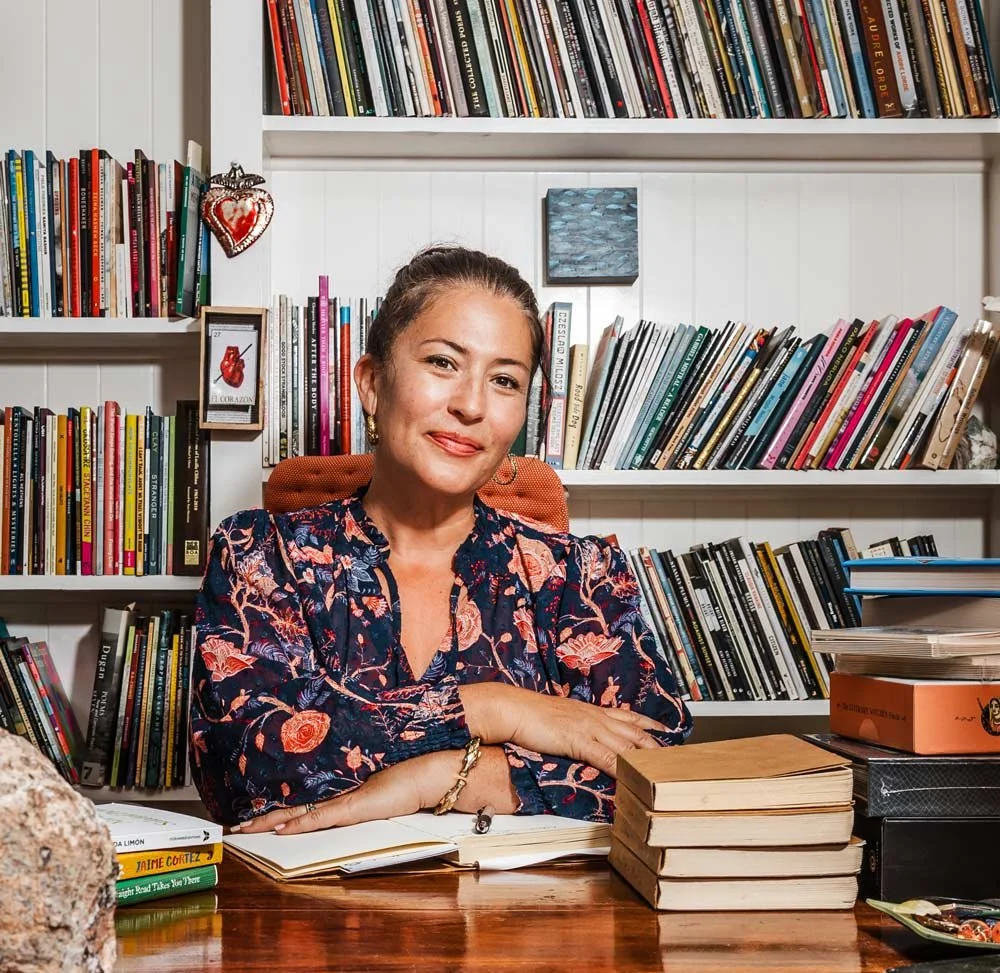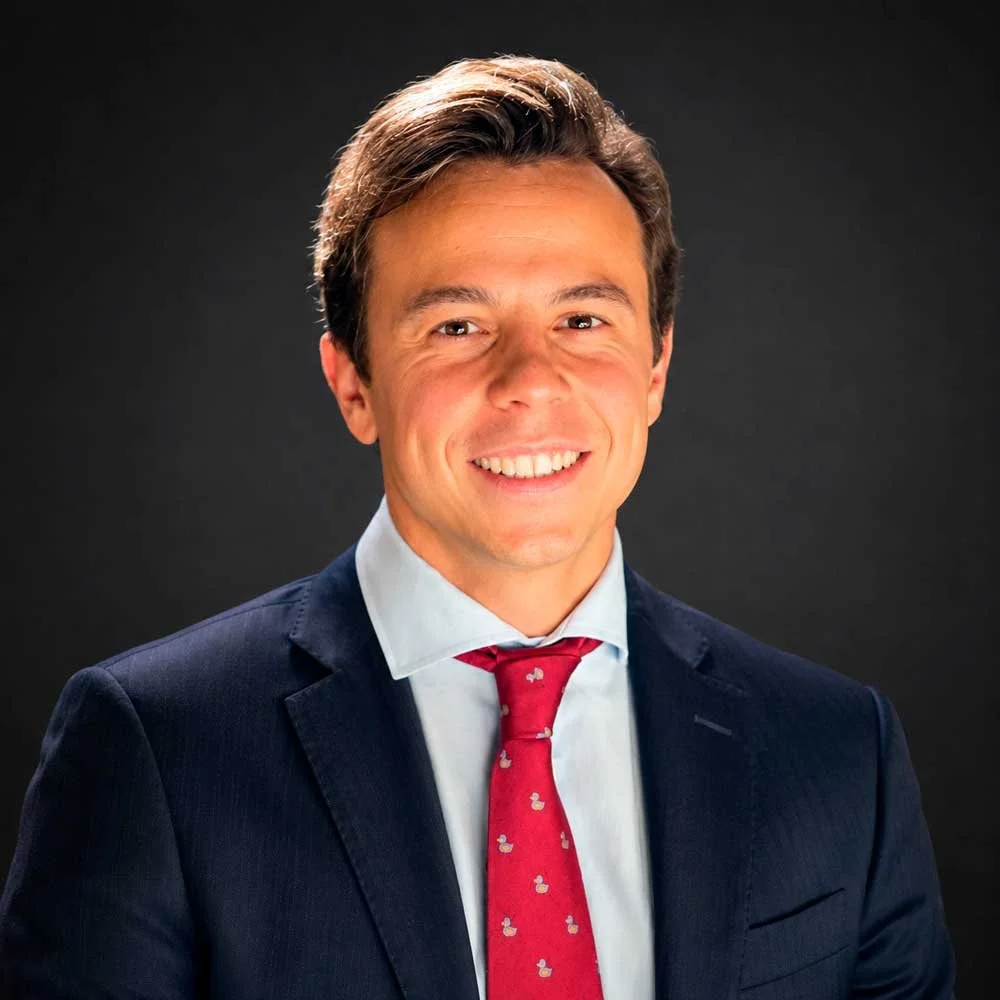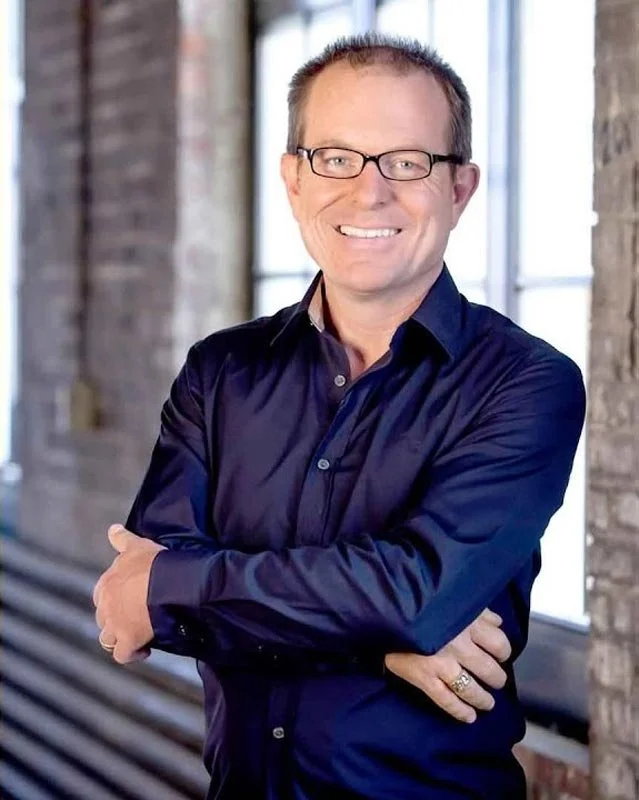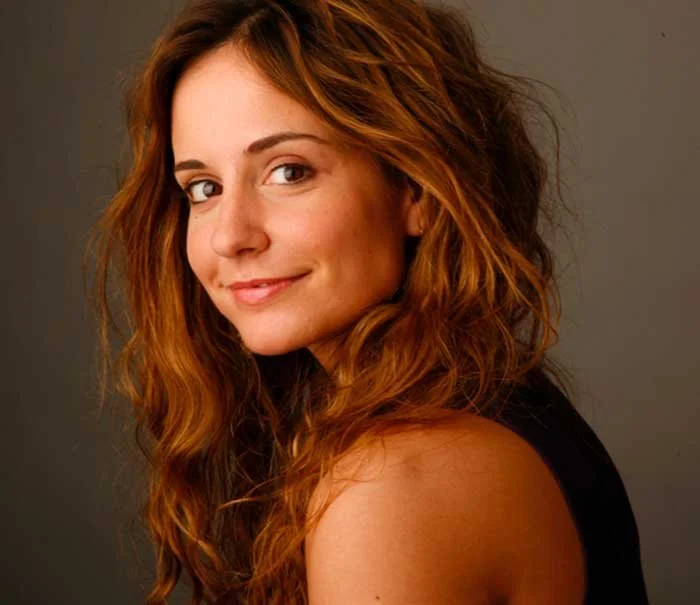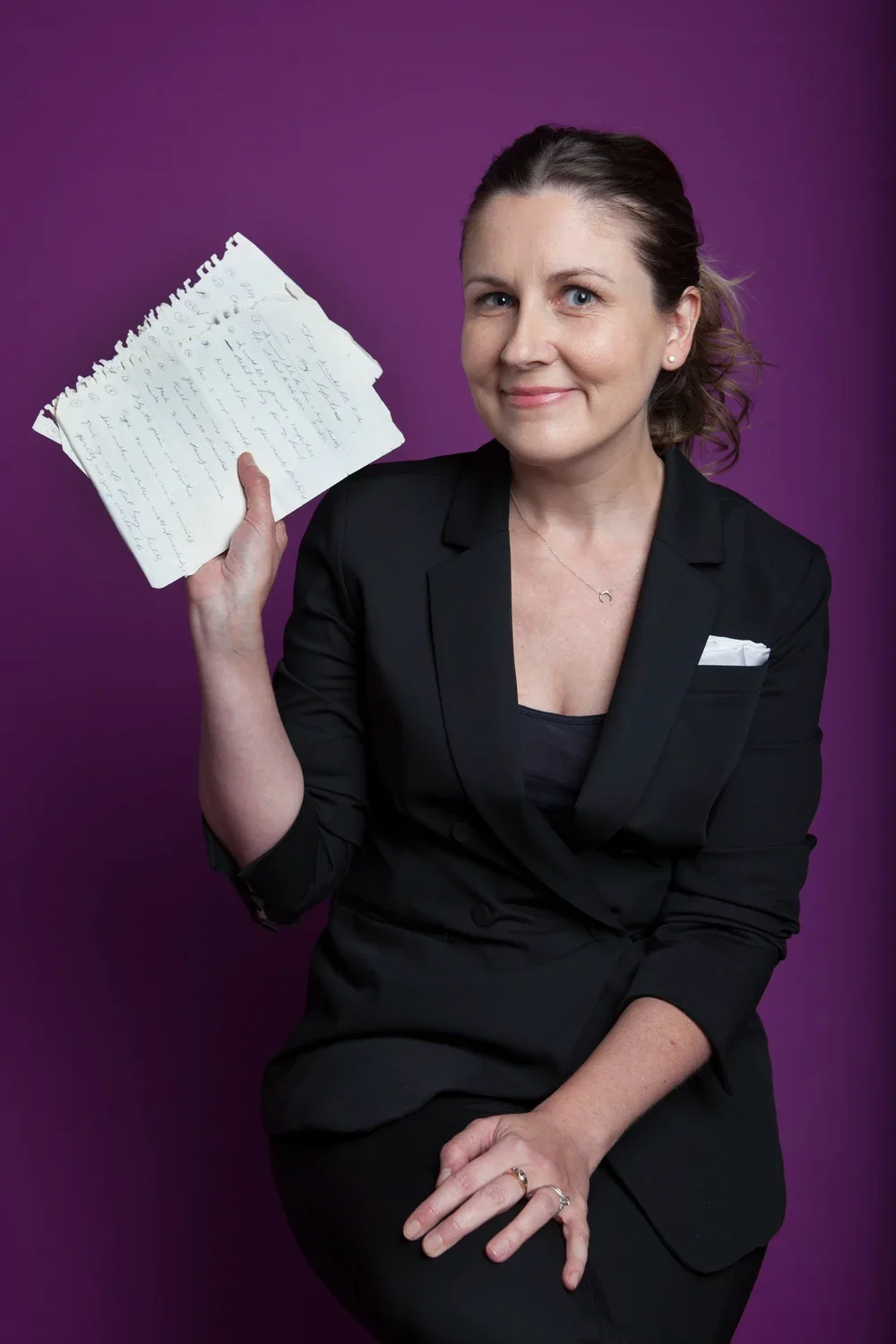


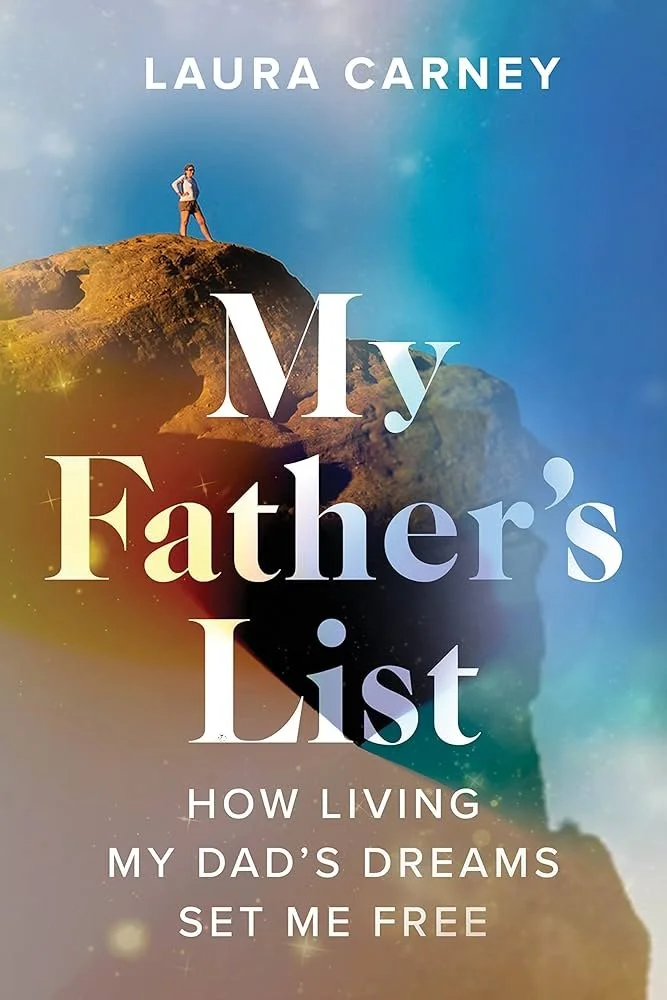
Laura Carney is a writer and copy editor in New York. Her work as a copy editor has been primarily in magazines, for 20 years, such as Good Housekeeping and GQ. Her best-selling book My Father’s List: How Living My Dad’s Dreams Set Me Free was published by Post Hill Press in June 2023. Laura has appeared on CBS News Sunday Morning, NPR, and NBC Nightly News, among other TV programs, and been covered by the Washington Post, AARP, and Woman’s Day, among other publications. My Father’s List was a Best Book of 2023 in Real Simple and optioned by CBS for TV. @myfatherslist
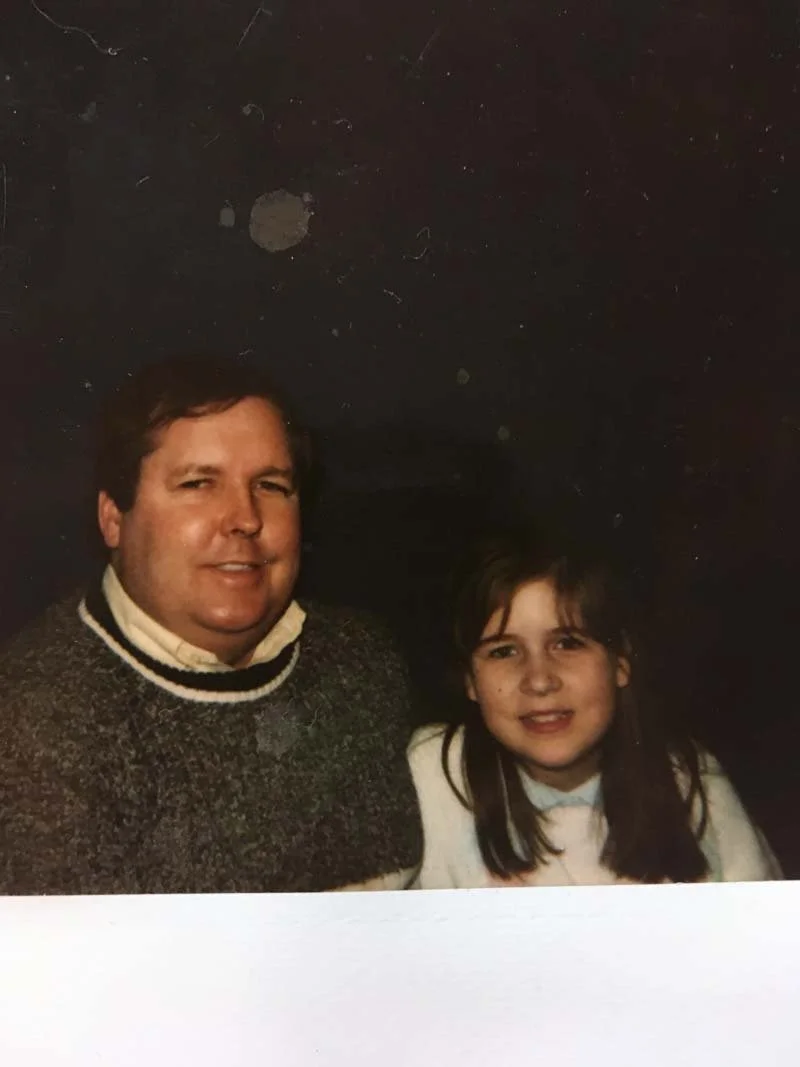
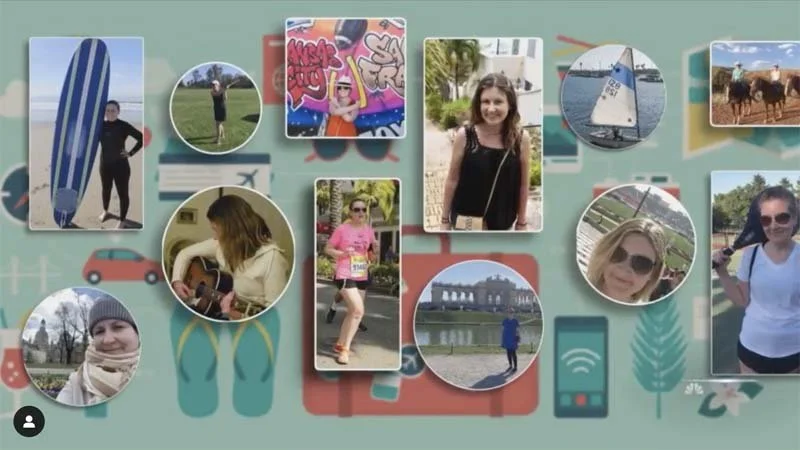
Where were you born and raised? How did it influence your writing and your thinking about the world? I was born and raised in Wilmington, Delaware, to a school guidance counselor mother and salesman/writer/performer father. My stepfather in later years was also a guidance counselor. Both my dad and stepdad were active in sports and coaches at one time. My maternal grandmother and two bachelor uncles were a big part of my early life, as was my younger brother, now a singer/actor and accountant. And I was also tight with my cousins and three stepbrothers.
My early years shaped my future writing a great deal. I tested into the gifted program at age 6, and was reading at a 7th-grade level. I learned how to read when I was four, which I attribute largely to my mom and grandmother reading to me so often. I can't remember a time where I didn't excel at school, though as a teen I developed ADHD and depression. I still managed to graduate in all honors and AP classes and get into a good college. But I was a fine arts major, and try as I might to be popular and active in school activities and school government (I was good at public speaking), I still secretly identified as a quiet, introverted person, and I almost always felt there was something different about me—in my intensity, emotionality, sensitivity, and intellect. I grew accustomed to being told I "thought too much." I didn't know at the time that I was just highly creative. Many creative people are pathologized somewhat. I managed to pass as normal most of the time. Until I couldn't. As a young adult I moved to New York, where creative people go to survive.
What kind of reader were you as a child? Can you remember the first time a book truly captivated you? Avid. I read avidly. I work freelance jobs now for magazines and book publishers. I copyedit articles and books on a variety of subjects, and I attribute my ability to make a living doing this to the diverse array of books I always read and my early education. As a young girl, my favorites were Little House on the Prairie, Winnie-the-Pooh, Beverly Cleary and Judy Blume. I also loved Garfield and all graphic novels.
Do you have a structured writing routine, or does it shift depending on the day? If I'm not working a copyediting job that requires a trip into New York (I live 45 minutes away, in New Jersey) or being on-call all day (magazine work is like this, due to the fast turnaround), or doing some kind of long textbook copyediting job at home, I will wake up around noon for a day of writing. I will make the bed, do the dishes, get coffee (this part is important) from Dunkin Donuts, then come home and sage my crystals. As I sage each one, I repeat mantras about the truth, such as "I speak the truth," "I love the truth," "I know the truth," "I believe in the truth," "I am the truth," and "I feel it all with my whole heart." This is to open up my subconscious to whatever wants to come through and make my intentions clear. Doing this ritual is important because whatever fear I might be feeling about where my mind is about to go can be assuaged by the belief that I am placing it inside of the stones. I just did the ritual today in fact, as my book just won a citywide award and anticipating the four-month festival can be overwhelming. After my crystals are cleaned, I'll either start by editing yesterday's writing, researching some topic that relates to what I need to write about (or seems not to relate at all, but my subconscious is leading me to read or watch whatever it is) and finally actually writing. The writing can go on for six or seven hours sometimes. If I go to bed at 3 a.m. and got a good deal finished, I can become truck-driver-level exhausted, as Mary Carr used to say, and might need a day of rest to recover. I call this emotional exhaustion if I'm writing memoir. Channeling all that stuff is taxing because it's transforming you and healing you at the same time. At later stages of the writing, I will attempt to edit or do a read-through of pages at my local cafe. But if I'm doing memoir, I'll mostly write at home, in case I start crying, which I'd rather not do in public. I also think it's more conducive to sensing the presence of my dad's spirit, behind my right shoulder, who helped me write my memoir.
How did you find the emotional core of My Father’s List?
We discovered my dad's bucket list in 2016, 13 years after he was killed by a distracted driver—a teenager making a phone call at a red light. I was 25 when he died, and 38 when my brother uncovered the bucket list. I imagine most people would see that and think, oh, that's nice. Not me. I saw it and immediately decided to finish the 54 undone items for my dad and write a book about it.
I had success with getting articles published about my endeavor early on, and also managed to get an agent, through a connection at the magazine where I worked. He jumped the gun and tried to sell my memoir about completing my dad's bucket list on idea alone—at that point, I was only writing a blog—and was unsuccessful. So I turned my in-the-moment blog posts, a history-laden style with some wit I'd developed while recapping smart TV like Mad Men and Lost, into a blend of present-day travelogue and essay-style creative writing. I found the more whimsical elements of the adventure I was on balanced out the more emotional flashbacks that were surfacing. Ultimately each experience in the book was what helped me grow and heal from the trauma of my dad's death and my depression diagnosis and my dad's secret life—I had labeled myself as a variety of negative things up to that point and unfairly limited what I thought I could feel or do in life. As I learned the list lessons meant for my dad, I became a more confident, stronger version of me...and this comes through in the story, even though I am the one telling it. I think this was why it was a good idea for me to write the book while I was still completing the list. Typically a year has gone by when I was writing each chapter—so enough time to reflect on what that experience meant, but not enough time to forget the minutiae needed to tell detailed story. I kept notes on my iPhone avidly...as I did this, after some time I also started noting revelations I was having and omens/symbols in the world around me. It was almost like my life had become a TV show and I was the star and I was recapping it and analyzing it for myself. That makes it not surprising that the book would be optioned for TV. It already reads like it's a show.
Most of my research was on the list items my dad wanted to do, and this in itself was healing as in remembering my dad's passions and interests, I began to associate him more with being alive and less with being tragically dead at a young age. I took something senseless and made it into something meaningful.
Do you keep a journal or notebook? If so, what’s in it? I keep several. I have a gratitude journal, where I note five things I'm grateful whenever I remember to. I have a fitness journal for updating athletic pursuits and a regular journal, one that started as a log of my progress writing and publishing my book (this was helpful as I detached somewhat, and now use it for the TV adaptation process). I also keep a journal for my husband called "reasons I married you," where I note wonderful things about him from time to time. I keep pretty extensive to-do lists and of course have three versions of my own bucket list now. I am my father's daughter.
How do you research, and what role does research play in your writing? I think my journalism background helped a lot with the research. As I could narrow down with each list item "New Orleans," or "mustangs in America" or "history or sailing." Though a few list items involved traveling to Europe, most of my dad's list took place in the U.S., and I realized after some time ways my research intersected and formed this love letter to my father's America of 1978, when he initially wrote his list. For example, the history of wine (which covered two list items) intertwined with the history of San Diego and Los Angeles, and then the history of the California Missions connected me, along with the wine, to a history of Christianity (and this now helped with the pope list item), and this connected with the history of the Holy Roman Empire (which helped me research the Berlin and Vienna list items). I also found lots of interesting connections between nature, England and Ireland and Native American studies—all things I had been interested in before, but never to this level. When we visited the list item locations, we often stayed in historic hotels and spent time in religious buildings, historic buildings and parks—all in an attempt both to save money and to go to the places my father could have gone to if he'd done the list himself. I was always looking at the world through his eyes as a young man as I learned about things...and not only did this bring me in touch with American history and spiritual history, but it also helped me champion the underdog in history and learn more about women's roles and feminism. The research helped me develop a philosophical perspective as I move forward in life, one very much passed down from my dad. As a result, I now feel more secure in who I am, as a woman and as a creative person—two dilemmas I had while starting the list and writing the book. And I teach that security and confidence to other women.
Which writer, living or dead, would you most like to have dinner with? Kurt Vonnegut. Easy!
Are there creative forms beyond writing that influence how you think or work? Visual art, yes, very much so, as I'm a fine artist/illustrator at heart. And I think this is why my writing is both cinematic and oftentimes riddled with references to art history and literature, not to mention movies and TV. I'm a huge cinephile, so this played a big role in how I wrote dialogue in the book. I found myself watching series of films whenever I needed to for whatever part of the book I was doing, films I'd never had interest in before: film noir from the 1940s, Mission Impossible and other action movies, James Bond, westerns. Much like reading a book can get you into the right mindset for writing, films can too. I listen to music most often while running, and I think both activities go hand in hand with inspiring new directions to take in writing. And it clears my ADHD mind. Without running I'm not sure I would be a writer.
What can human writers offer that technology, no matter how advanced, can’t replicate? A summary of a bunch of things human beings have written seems populist to me. It might give a student a short-cut to grasping the main gist of a product, but I'd rather read the words of someone who has studied any given subject from top to bottom. Like Joseph Campbell, for example. I trust his human computer of a mind more than I trust Google AI's recap of world religions. It will never come up with the circle theory or the hero's adventure and how these tropes repeat throughout literature and folktales. The human element needs to be there in order to get to the heart of a topic.
Tell us about some books you've recently enjoyed and your favorite books and writers of all time. I am currently reading Helen Reddy's biography and rereading Myths to Live By by Joseph Campbell. I can't even go into the 50-plus books I have on my bedside, books by friends I've made because I became a writer. But they are all on my list. Daily Stoic, After, Conversations with God, Pioneers, Zen Mind, Beginner's Mind, Phoenixes and Angels, Jesus and Woman, and Eckhart Tolle, and if this doesn't give you an idea of the variety of religions and studies of history and spiritual studies I'm interested in, I don't know what would. I'm also still on a Transcendentalist kick that started in the pandemic and attempting to complete Walden and reading a lot of Frances Scovel Shinn. Walt Whitman is my latest obsession.
It is not easy to prioritize what I'd like to read though as I'm a copy editor for a living and literally paid to read and when I'm not doing that, I'm reading manuscripts and books people send me or compulsively reading news articles while working. The books I end up reading at any given time still intersect in odd ways...for example, I got into Walt Whitman again because I did an author event with a friend in his hometown, and the author event was with a friend who'd had a near-death experience, and it's believed Whitman had one of those too. So while I read for the fun of it, I still am always attempting to learn some mystery about life in my reading, one my unconscious is guiding. I'm much more into the occult than I was at the start of doing my dad's bucket list. And also more in touch with my inner child—recently I read the Wizard of Oz for the first time and am currently reading the book version of a beloved film from my youth, The Never-ending Story. I listen to the inner yearnings to consume these things now...they always end up influencing my thinking, writing and teaching in ways that I needed but didn't know I needed. My favorite writers of all time: Vonnegut, Plath, Twain, Roethke, Carol Ann Duffy, Judy Blume, Dave Eggers, Elizabeth Wurtzel, Joseph Campbell, A. A. Milne, Hemingway, Fitzgerald, Katherine Ann Porter, Dorothy Parker, Willa Cather, Sherwood Anderson, and far too many others for me to remember right now.
Exploring literature, the arts, and the creative process connects me to my true self. The divine. A better means with which to appreciate the wonder of being alive. A way to communicate. What I need to survive.