I didn't really appreciate bees until I became a farmer, and then I started to understand how essential bees are for our food. They pollinate 70% of our food, and that feeds 90% of the world. There's a whole world of insects that creates the color in our food; it's what creates the flavor in our food. It's part of our biodiversity, and it's essential for human life on Earth to protect and understand how to protect these bees and pollinators.
If you look at the COP, the Conference of the Parties, they haven't even been talking about soil regeneration at all, and they've been holding these conferences in oil-rich countries, then talking about reducing carbon emissions. Soil has the power, through photosynthesis, to draw down carbon from the atmosphere. It's called biosequestration. It takes that carbon down into the roots, and then it turns it into healthy humus. That is the food for life in the soil. It needs that carbon. And so that is the purpose of plants. They breathe in the carbon and breathe out the oxygen. As we've been watching carbon levels increase in our atmosphere, we've been watching the ocean try to absorb as much of it as it can and become acidified as a result, leading to great losses to our ocean habitat and coral reefs.
We've forgotten that simple tool of the solution that's right beneath our feet called soil health and soil regeneration. Not only does it draw down carbon, it's the only place we can put that teraton of carbon that we've emitted. There's only one place for it, and it's in the soil. So why isn't that the main conversation of every climate conversation? You not only bring the soil back to life, but you are creating nutrient-dense food. You're giving plants the ability to work in symbiosis with the soil that it co-evolved with. That then allows for it not only to be resilient and have a strong immune system, but also to absorb nutrition, which, in turn, we eat and absorb that nutrition. Like I said, we're a reflection of the soil.
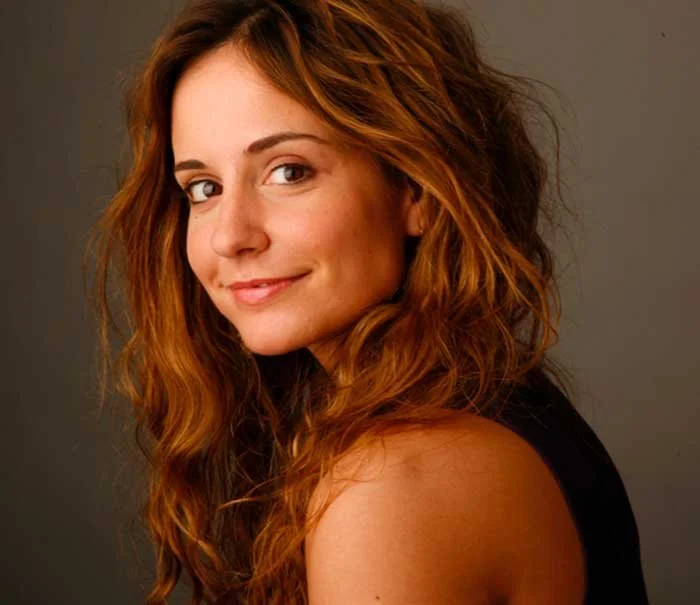
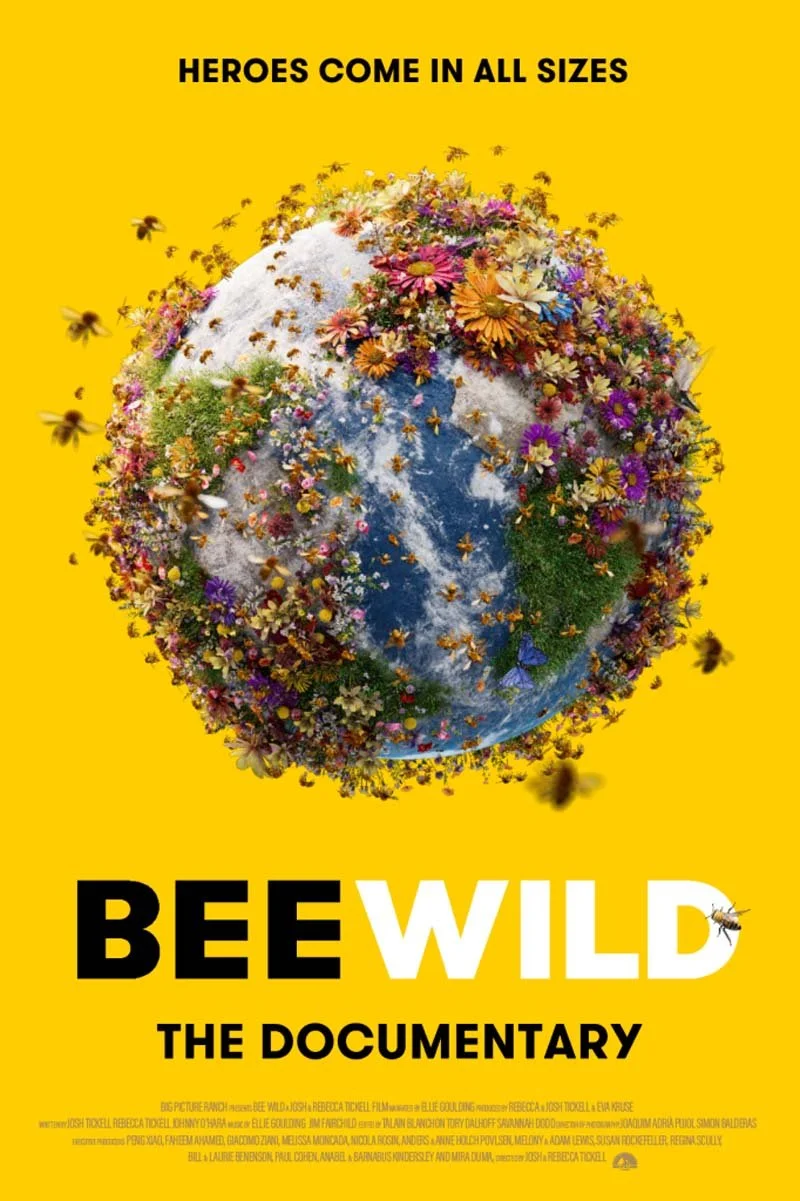
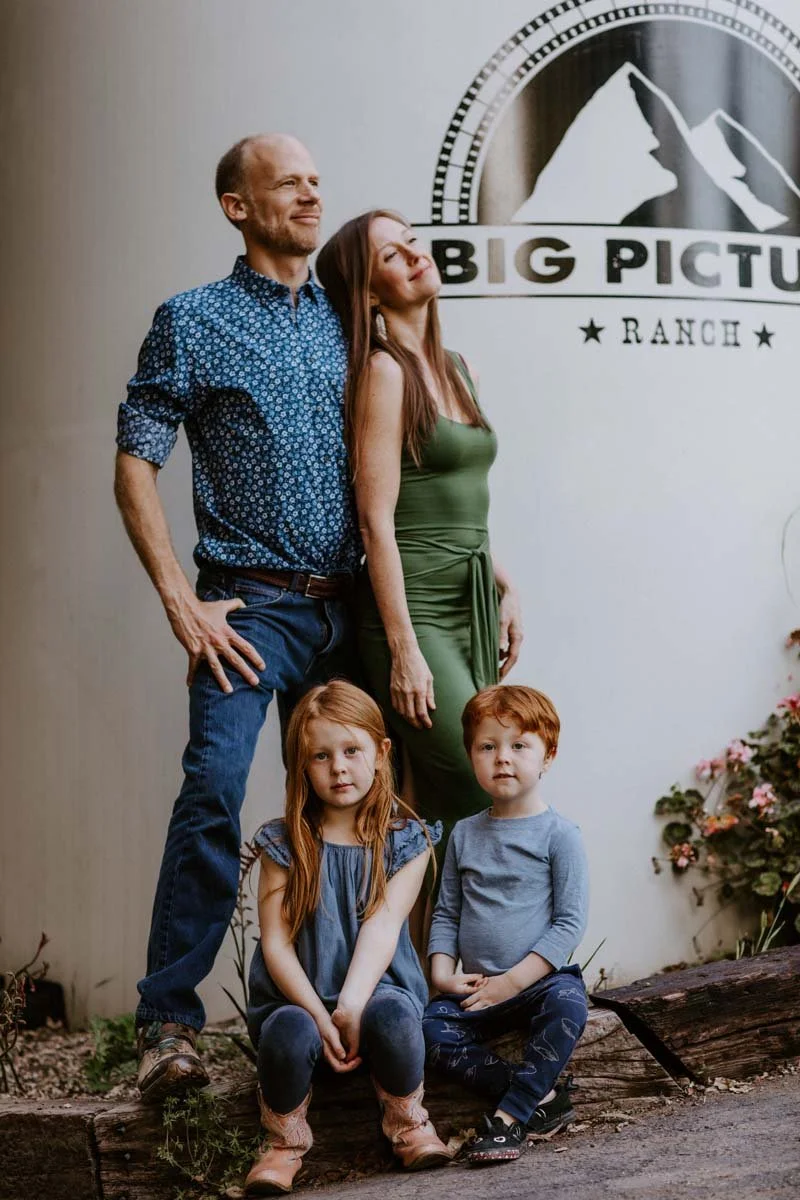
Today, we explore the work of a filmmaker whose lens is consistently turned toward the most critical issues facing our planet. Rebecca Tickell, in collaboration with her husband Josh Tickell, has created a powerful cinematic catalog of films that are not merely observations, but catalysts for change. They've taken on the complexities of our energy systems, the deep-seated problems within our food supply, and now, with her latest work, Bee: Wild, they explore the essential, fragile, and often unseen world of pollinators.
Their film Kiss the Ground sparked a global conversation about regenerative agriculture, leading to tangible shifts in policy and public understanding. Common Ground continued this exploration, unraveling the intricate web of our food systems. Now, with Bee: Wild, narrated by Ellie Goulding and executive produced by Angelina Jolie, Rebecca brings her characteristic blend of journalistic rigor, personal narrative, and solutions-driven storytelling to the urgent plight of bees, asking us to reconsider our relationship with the natural world.
THE CREATIVE PROCESS · ONE PLANET PODCAST
I've just seen Bee: Wild, and it's visually arresting. It's entertaining and forms this journey into the world of these essential creatures. As you say, if we are the smartest creatures in the film, we need to use that to protect the most essential creatures. From a filmmaker's perspective, what were those unique challenges and the joys that you encountered in just capturing the lives of honeybees, wild bees, and so many pollinators that you shine a light on? It's difficult, too, because of their solitary and kind of hidden existence. So how did you go about conveying their importance to our global ecosystems?
REBECCA TICKELL
I didn't really appreciate bees until I became a farmer, and then I started to understand how essential bees are for our food. They pollinate 70% of our food, and that feeds 90% of the world. So I think we just underestimate the power of these pollinators. Additionally, we've focused on the honeybee and largely ignored the over 20,000 species of indigenous bees and pollinators that exist.
There's a whole world of insects that creates the color in our food; it's what creates the flavor in our food. It's part of our biodiversity, and it's essential for human life on Earth to protect and understand how to protect these bees and pollinators. For the last two decades, I've made over 20 films about the environment, starting with oil and carbon emissions—not really an exciting subject to make a film about. We then switched to soil regeneration, going from making films about oil to making films about dirt. We joked that the only thing more boring than making films about oil would be soil.
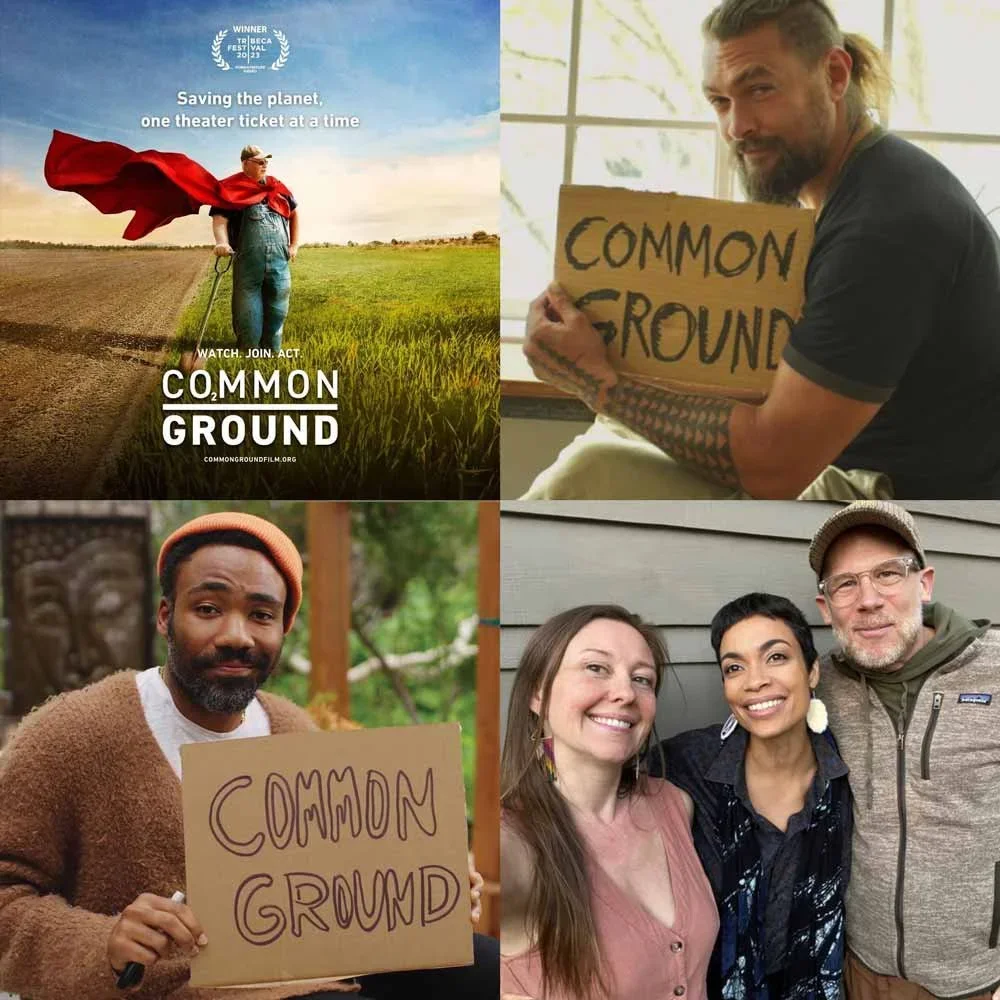
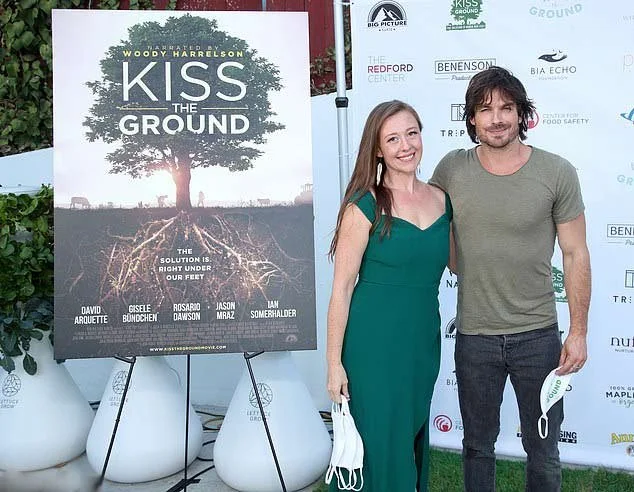
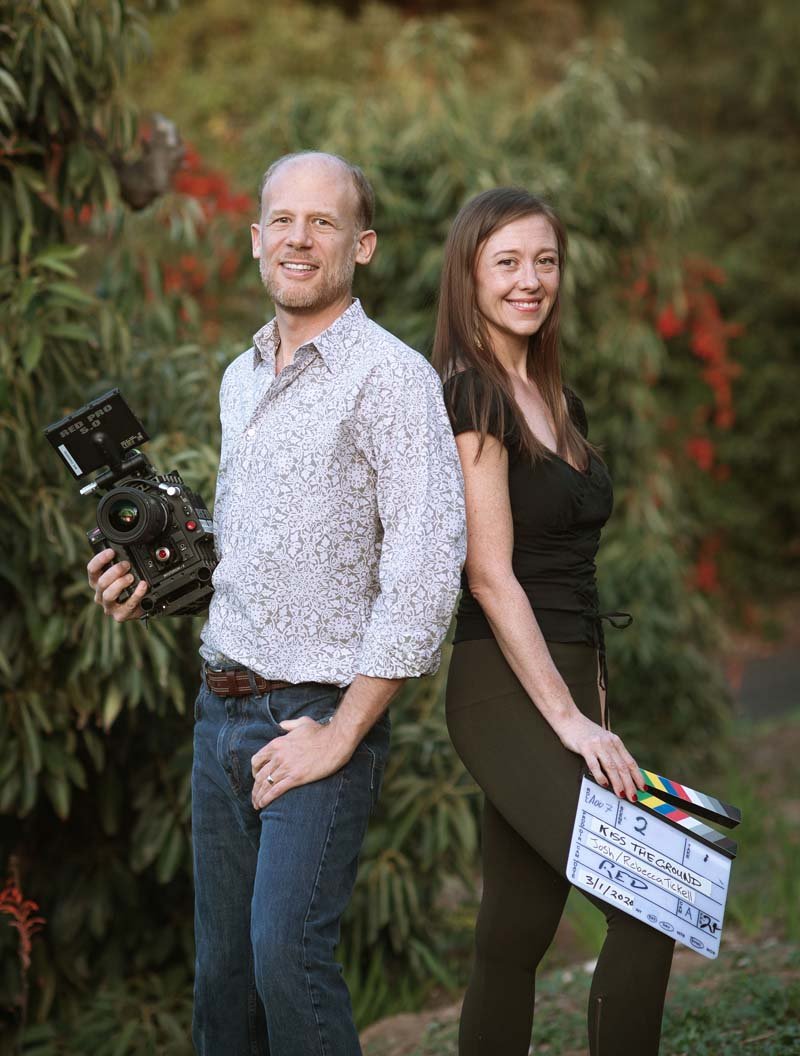
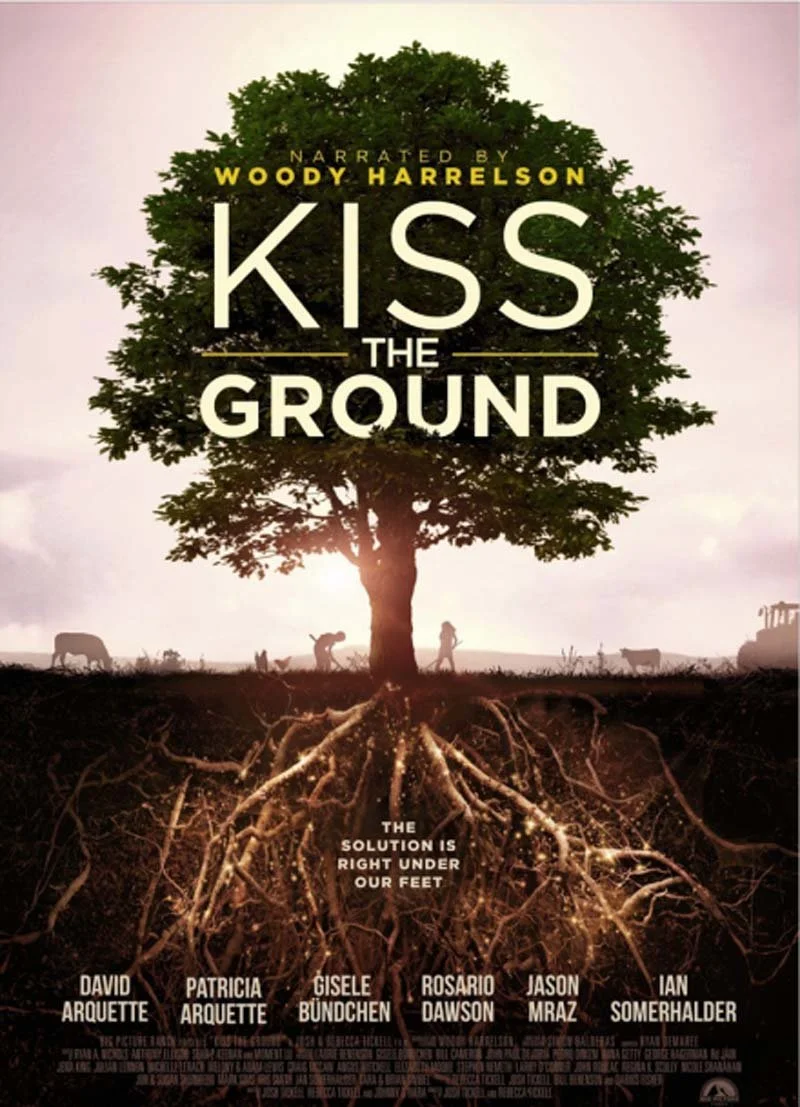
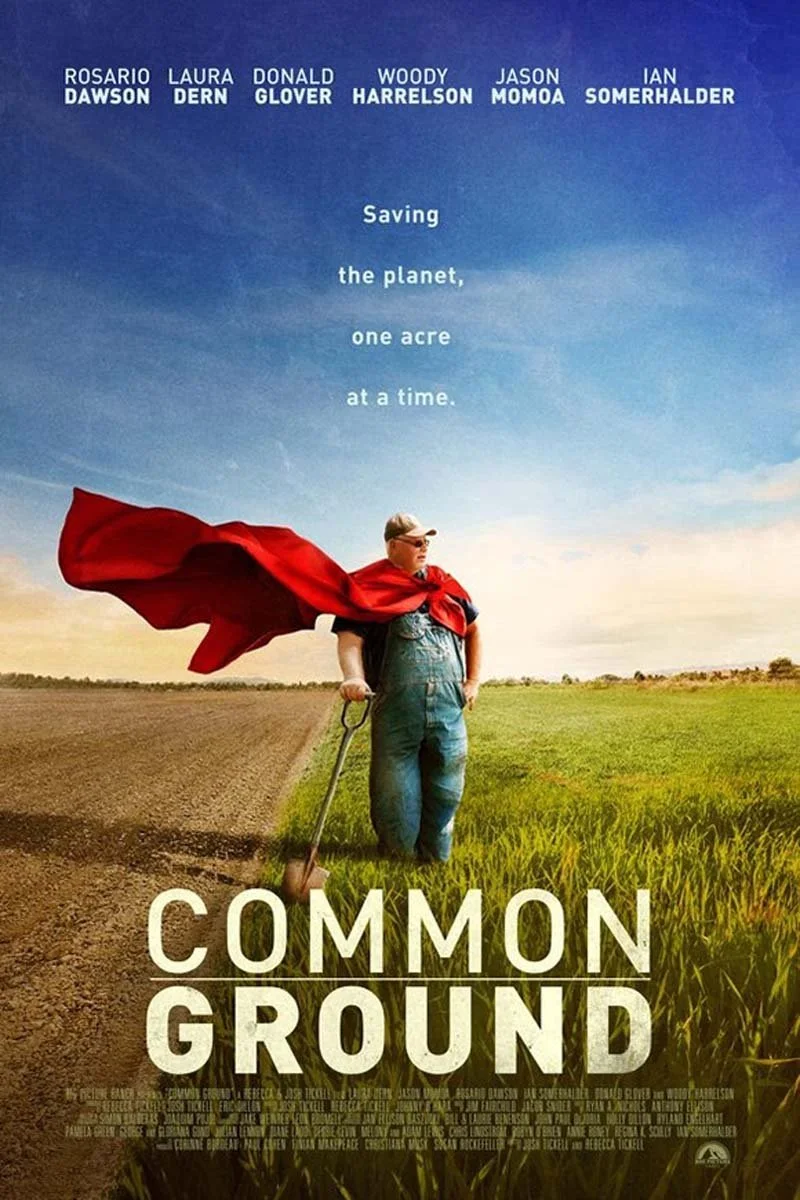
Those films, Kiss the Ground and now Common Ground, talk about how we can stabilize the climate, reverse climate change, grow nutrient-dense food, and help farmers make a profit through biodiversity and regenerative practices and principles. We've been successful at taking these stories that are kind of boring but so important to our livelihood and well-being. As we were on this journey, we started to learn about insects and pollinators. I became a beekeeper and started keeping bees. Then our neighbor started spraying neonicotinoids.
I didn't know what a neonicotinoid was, but one teaspoon can kill billions and billions of bees in one setting. We're spraying gallons of this, and it's wiping out bee populations. In fact, on farms and in rural areas, there's been a massive decline in insects and pollinators. It used to be that you would drive down the road and get your windshield covered in insects, but now you don't. It's because of that loss of diversity, that loss of insect life that’s so critical to the functioning of farming and growing food and land management. Interestingly enough, in cities and urban areas where people are planting flowers and planting things that pollinators love, they're finding a resurgence of bees and pollinators.
THE CREATIVE PROCESS · ONE PLANET PODCAST
They are incredibly creative, too. I mean, we've been talking about honeybees, of course, with the hives and everything. They're great architects, so it's a very creative process. But of course, there are the wild bees, which are often overlooked. As you say, they're amazingly resilient in cities. We need to ensure we leave just a little bit to give them a habitat, and they can thrive more. In a way, they're in competition with the honeybees, and they don't have that same relationship with humans that honeybees have. We cultivate honeybees like livestock, as you point out.
TICKELL
Everybody who is a farmer loves soil. They want to be good land stewards. A lot of farmers have been misinformed through education at land-grant universities and through propaganda spread by chemical companies that have infiltrated our regulatory systems and skewed the science to make it seem as though using these neonicotinoids and neurotoxins is not harmful to human life or the environment.
The fact is that these poisons, and they are poisons, have a skull and crossbones on the label, with many stating they are fatal if inhaled. They were designed to kill people during wartime. The way they're applying them, at least where I live in Ojai, California, is with World War II fan sprayers.
Then they take these chemicals and they go up into the air and volatilize, drifting for days. In Ojai, it's the Chumash word for "the nests," so we have mountains all around us and a low inversion layer. If you're spraying tens of thousands or hundreds of thousands of pounds of these neurotoxins, people can't see it. Often, people are not notified that these chemicals are even there. Then you start to see clusters of people with health issues, like we see here in Ojai. We jokingly call Ojai the "Cancer Valley" because we have a whole street where people are dying from cancer, and their dogs have seizures or have all kinds of neurological issues, which come along with the use of these chemical sprays. It disrupts the biology and functionality of any ecosystem.
Farmers have been duped, and they are the ones paying the highest price. There’s a suicide epidemic in the U.S., and farmers have a five times higher likelihood of committing suicide than any other profession. I attribute that not just to bank loans that force them to continue to spray, but also to the dwindling profits due to a focus for so many decades on yield and profit. Meanwhile, the input costs for these chemicals and fertilizers continue to rise, while profit margins decline. The system begins to fail because of soil degradation and desertification.
Farmers are the first ones in contact with these neurotoxins. We are a reflection of the soil. The biology in the soil reflects the biology in our gut. If you don’t have healthy living soil, then you won’t have a healthy living person or a healthy living ecosystem. This begins to wear on mental health as well because our mental health is very much connected to the soil and our physical health. Chronic exposure to neurotoxins over time will also degrade your mental, spiritual, and physical health.
It creates a chasm of contradiction. Farmers think they are doing good in the world by feeding people and protecting the land, but when someone says that maybe the chemicals they're using are poison, it feels like an attack. They can’t hear it, and ultimately, it’s the farmer who pays the biggest price, along with their children and grandchildren.
THE CREATIVE PROCESS · ONE PLANET PODCAST
We have to do more to support them. I've really been amazed because the economic argument is compelling. When you say, "Look at how expensive this is," it takes a bit of care and management. You mentioned Common Ground, which I guess will be your trilogy of films about soil and regenerative agriculture.
It takes a little effort; it can be labor-intensive. We have to relearn these skills. I was having a conversation the other day about food forests. With technologies improving, you can scale this up to do some of that fine work. We can enlist developing technologies, perhaps using robots to help with management. The idea of regenerative agriculture or food forests might seem a bit difficult, but you’ve seen these greening deserts, and it happens quickly when it’s done intelligently. After that, the outputs are lower, yielding more while maintaining biodiversity, rather than relying on monocrops, which are so dangerous for everyone.
TICKELL
There's incredible intelligence in nature; it knows how to be resilient. We thought we could do it better, and in trying to mechanize and industrialize the entire system, we created a linear system that doesn’t make sense. We’re growing animals to produce food that we can’t eat so that we can ship it halfway around the world. It’s a system that doesn’t work.
The way to heal, regenerate, stabilize the climate, and reverse climate change is literally one inch and one acre at a time—through communities waking up to the power of soil and biodiversity to sequester carbon for all of us. The oceans can’t handle any more carbon absorption; they’re acidifying and heating up. We need to take the carbon we’ve emitted and put it back into the soil. When we do that, we create thriving ecosystems, biodiversity, and water infiltration, which massively reduces the risks from flooding.
It helps reverse desertification and staves off droughts by retaining water like a sponge. Resiliency comes from having genetic diversity rather than just one of everything. If you have only one thing, you’re susceptible to any disease or blight that can wipe you completely out. It’s that genetic diversity that allows nature to thrive and move around nutrients as needed. Often, we go in and just want to spray Roundup on everything instead of being curious about what the weeds are trying to tell us about soil conditions or what insects are indicating about the environment.
It’s about learning how to give up the idea that we need to control nature and instead learn how to use nature as stewards of the land, managing it in nature’s image. It’s not that complicated. The biggest change that needs to happen is in our minds, realizing that it can be done. We can stabilize the climate through regenerative agriculture and by choosing how we eat, as well as how we protect what is wild and biodiverse. That’s what our films talk about. If you haven't seen them yet, I encourage you to watch Kiss the Ground and Common Ground on Prime Video. They provide a crash course on regeneration.
Kiss the Ground has helped bring the idea of regeneration into mainstream discourse. We were fortunate to get it done when we did; it took us seven years and was released in 2020. It’s made a significant difference in transitioning acreage to regeneration. Just since 2020 in North America, we had about 3 million acres transitioning to regeneration. Here we are in 2025, and now there are over 55 million acres in transition. Our goal is to reach 100 million acres in North America because that’s the tipping point.
Malcolm Gladwell says that if you reach 10%, you create unstoppable change. If we reach that 100 million acres in North America, we will have the tipping point needed to foster regeneration and change the world. We are entering the age of regeneration. For the early adopters, you will see tremendous change and the biggest benefits because this is the direction in which everything is moving, whether we’re on board with it or not.
How can we feed the world through regenerative agriculture? It’s a necessity when we consider the loss of soil fertility, which may seem small at 0.3% loss per year, but in a hundred years, we won’t have the fertile soil we need to feed the planet.
TICKELL
They do say, actually, that it could be done within three to five years. I mean, that would require a massive amount of organization immediately. That would be like governments and countries getting on board. But if you look at COP, the Conference of the Parties, for the last, they haven't even been talking about regeneration at all, and they've been holding these conferences in oil-rich countries, then talking about reducing carbon emissions. I realized I jumped right into soil regeneration as a solution for climate change without describing it, which I bet most of you already know how that works. As you just said, soil has the power, through photosynthesis, to draw down carbon from the atmosphere. It's called bio sequestration.
It takes that carbon down into the roots and then it turns it into healthy humus. That is the food for life in the soil. It needs that carbon. And so that is the purpose of plants. They breathe in the carbon and breathe out the oxygen. We all learned that in grade school. What we didn't learn is that, as we've been watching carbon levels increase in our atmosphere, we've been watching the ocean try to absorb as much of it as it can and become acidified as a result, leading to great losses to our ocean habitat and coral reefs.
We've forgotten that simple tool of the solution that's right beneath our feet called soil health and soil regeneration. When you build life in soil, that is soil organic matter. When you build that life, it exponentially increases the amount of carbon that the plants are drawing down. And then it has these benefits, benefit, benefit.
Not only does it draw down carbon, it's the only place we can put that teraton of carbon that we've emitted. There's only one place for it, and it's in the soil. So why isn't that the main conversation of every climate conversation? The solution about that teraton of carbon that we put in our atmosphere, there's only one place for it. Our conversation, our job is to be talking about bio sequestration because, when you do bio sequestration, what happens is you not only bring the soil back to life, but you are creating nutrient-dense food. You're giving plants the ability to work in symbiosis with the soil that it co-evolved with.
That then allows for it not only to be resilient and have a strong immune system, but also to absorb nutrition, which, in turn, we eat and absorb that nutrition. Like I said, we're a reflection of the soil. Our food comes from it. It also creates soil infiltration, which allows it to be a sponge, and it can store water.
THE CREATIVE PROCESS · ONE PLANET PODCAST
Well, you've gone to policymakers, which is great. I feel like if we all focused on that for five years, it’s just something that if we all devoted ourselves to pressurizing policy and those big programs, but also the groundswell, the grassroots movements that are just within communities.
TICKELL
I'm speaking from the place of, it changed my life too. When I got this information, it changed my world. It changed my family's farming practices. It's changing my community because I'm also being a local advocate for transitioning. I'm doing on the ground what I'm asking people to do in their own areas as well. I've been called a hysterical terrorist for asking questions, and I'm also helping to get the laws changed. We have to be willing to be disruptors in our work, in our families, and in our communities. We have to be willing to ask the hard questions from love, because regeneration is all about love. It's all about health and wealth in nature.
I think everybody, where you're at, it's perfect. You are in the perfect place to become a leader and carry this message of regeneration out to your community, into your workplace, into your home, and to be a model of what that transition looks like.
THE CREATIVE PROCESS · ONE PLANET PODCAST
It's so amazing to hear how passionate you are about all of it, and just the ability to really take the creative approach to educate and inform people on such important topics is really admirable and something that I think is absolutely necessary. I appreciate you and the work that you've done. I want to say that going with the catalog of films you've directed and created, how do you approach the reach of a film? As you said, topics about oil or soil tend to not be the most appealing to mass audiences, but how do you go about generating more appeal and a greater reach for the film, especially when dealing with these more scientific topics?
TICKELL
The way we've been doing our storytelling has had an emphasis on the solution. So much of documentary environmental journalism is not just doom and gloom, literally. I watch it and I want to go kill myself afterward because I feel so hopeless with this information. How am I going to single-handedly save the ocean? How am I going to single-handedly stop the plastic? Much of the storytelling focuses on the problem and not on the path forward.
So our approach has been to acknowledge that there is a problem here; the stakes are pretty high. We're talking about human life continuing to exist on Earth. For me, that got triggered when I saw An Inconvenient Truth in 2006. I remember thinking to myself, this is going to be the focus of my life. I've got to make the focus of my life be about healing and saving the planet.
I was 28. I was at Sundance with Josh with our first film about reducing carbon emissions. I think that’s how it works with people. Once they get savvy to this information, it's like, okay, I'm going to change my life now. It just becomes natural; you can't not do this once you get the information. But it only works if there's a solution or something that you can see a pathway toward. That's what makes these films different. We use celebrities because we go straight to the celebrity and say, we need your voice. You have a responsibility to tell the story. You have a massive reach. By the way, this is the most important thing that nobody's talking about, so will you please lend your image and voice to this? We need to get regeneration into the mainstream.
Thankfully, Richard Branson said that I’m impossible to say no to. That has come in handy. It can be a bit annoying at times. I can be annoying and persistent, but you know what? I don't mind it because it's not about me. I'm going to be as annoying and as persistent as I need to communicate with love, my passion for this pathway.
Although we get criticized for using celebrities in our films, they wouldn't be criticizing the film if we hadn't had the celebrity in the film in the first place. We have to find ways to have our celebrities authentically integrated, to have it feel true to their voice, to make it feel natural to the best of our ability. That's how we've been able to get our films into the mainstream. We've had some really generous stars work with us like Jason Momoa, Woody Harrelson, Laura Dern, Rosario Dawson, and Ian Somerhalder, all of whom are the real deal, all of whom are parents, and all of whom are absolutely committed to regeneration.
Many of them didn't even know about it when we approached them, and now it’s part of their purpose. I think, like the soil, we need to be resilient and not take no for an answer. Environmental documentary filmmakers are the lowest rung of the totem pole in Hollywood. But we're just resilient.
We just don't take no for an answer. When you have something as important as this, I think this is what we are all feeling, no matter what your work is; we're just not going to take no for an answer. This is the way it's going to go. And it was the same thing for us in Hollywood. We weren't going to take no for an answer. At one point, during COVID, the first week of lockdown, we did a private screening for Leonardo DiCaprio and Laura Dern of Kiss the Ground. This was in 2020. I remember Leo said as he got up, “I knew a lot; I thought I knew a lot about this, but this totally blew my mind.” That was the last week we were all out in public, and the following week we were put into mandatory lockdown.
Thankfully, we were texting with Leonardo DiCaprio and Laura Dern. I mean, that was what 18 years of filmmaking had gotten us. Everything we had ever done, all of the pain and suffering led to that moment, right? We were texting Leo and Laura, saying, “So…” They said they were going to get this on Netflix. They were going to text the head of Netflix to get him involved. They came back and said, “Well, he said no because they just bought the entire Paramount catalog or something. Nobody was taking documentaries. The world was shutting down. There was going to be no place for us to distribute Kiss the Ground.
Kiss the Ground was not going to come out, period. That’s where we were at. We had missed the window, but Laura and Leo wouldn't give up. We kept texting them, and then finally, they said, "Okay, we just sent the guy's name." I'm not going to say it, but this time I sent a text that said, "If you don't take Kiss the Ground onto Netflix, Laura and I are going to come over to your house and cough on you."
Without even seeing it, we managed to get Kiss the Ground onto Netflix. So, you just don't take no for an answer. That's amazing. You know, you just hold onto the vision. For seven years, we had been promising people that this movie was going to come out and would change the world. We had no evidence for that, none. In fact, the only evidence we had was that it was impossible. But we just held onto that vision, and we didn't give up. When you hold onto that vision, you have a vision and hold onto it, you don't have to know what that pathway will be. It reveals itself to you at the right moment.
THE CREATIVE PROCESS · ONE PLANET PODCAST
One of my personal favorite quotes that stuck out to me throughout the document was by Dr. Johan Rockström. He said, "By us pushing irreversible changes, we are destabilizing the livability of our planet." In the context of government divestment in environmental resources and conservation projects, what are the desired actions on an individual level that you're hoping this movie inspires?
Do you think it's possible for the necessary changes to be driven by just individual action and grassroots organizations, or do you think there have to be government mandates and regulations to be able to achieve the three to five-year period you were talking about to be successful?
TICKELL
Yes, we need the government to be there, but they are not representing us. Let’s be honest, they're representing the chemical companies that fund them to keep them in office. Are they really working for us? No, they’re representing the chemical companies. That's the truth. I think it’s going to be the people, and then they're going to reflect the change where our money goes. That's our vote; that's our most important vote, where we put our money and how we support our local farmers. I don't want to be a Debbie Downer when it comes to what's possible through government action and policy because that’s an important part of it. But I'm just never going to rely on that.
It's going to come from inch by inch, acre by acre, people within their communities working to ensure that we reach that threshold. We start by thinking about how we can take 10% of our community and turn it into regenerative. From that point, it builds from there. Obviously, we’re not going to do this alone. It's going to come from enough people within our communities supporting each other.
As storytellers, you also have to know that there could be a redemption story here. Maybe the big bad players will have an epiphany and wake up. We all love a good redemption story, but we also can't be fooled by companies like Monsanto, now making organic Roundup or Bayer co-opting the regenerative language and talking about regeneration and the chemicals that can be used for that process. As we transition our language, we'll start to see that real change. We're all welcome to join this party. We just have to do it with a level of integrity and keep those big players honest. If they make a commitment, great; let's hold them to it.
THE CREATIVE PROCESS · ONE PLANET PODCAST
There's so much knowledge in your film. It's also a celebration of our Earth. It's a celebration of ancient wisdom. Much of this is really ancient farming knowledge or indigenous wisdom that we just need to relearn before it's lost to generations. As you think about, you come from a farming family. As you consider those teachers and mentors and collaborators, of course, you work with your husband, what did you learn from them, and how did they help make you the person you are today?
TICKELL
So many. Earlier, I got a phone call from Lyla June Johnston while we were doing this podcast. She has been an incredible teacher. She's indigenous, and while I don't know her exact title, she's helping to spread knowledge of indigenous agriculture. She has a PhD. She's phenomenal. I have learned so much from her. Certainly, looking at the lens of regenerative agriculture through her eyes as an indigenous woman has expanded my passion and love for regeneration. It helped me, providing a context shift. She's powerful. Not only that, but she's taught me how important language is in this conversation. As a filmmaker, I'm not capturing someone's image; I'm not taking their picture.
She helped me approach everything through a regenerative mindset and not one of a colonizer. How can we bring regeneration into everything we touch, do, and say? Another powerful person who has influenced my life is John Paul DeJoria. He has been a funder from the beginning. He was homeless, living in his car with his kids when he founded Paul Mitchell products.
He emphasizes a John Lennon quote, which is: “It always works out in the end. If it hasn't worked out, then it's not the end.” His life is a perfect example that you can come from nothing. You don't have to be educated; you just have to believe in your heart and your dreams, and it can come true. His contagious positive energy shows that even after everything is burned to the ground, we can rise up like the Phoenix.
Gabe Brown, the farmer in Kiss the Ground and Common Ground, has a unique story. His story, his personal journey, is a part of that. He is, like my father, a Republican conventional farmer who transitioned to regenerative agriculture. His personal story is powerful, and it's not over yet. There's more coming from Gabe in Groundswell, the third film. He is the real deal; he transitioned to regeneration and believes it’s his calling from God to spread that message as widely as possible.
My approach has been through environmental activism; his has simply been wanting to be a good steward of the land and a good Christian. There are so many ways to access the power of regeneration. And maybe just my own dad, who now sends me photos of his regenerative organic vegetables that he grows. He never said, “You're right.” He never said, “Oh, this informed me so much. Thank you for this information.” What he does is show me the food he grows in healthy soil, and that's, for me, the biggest inspiration.