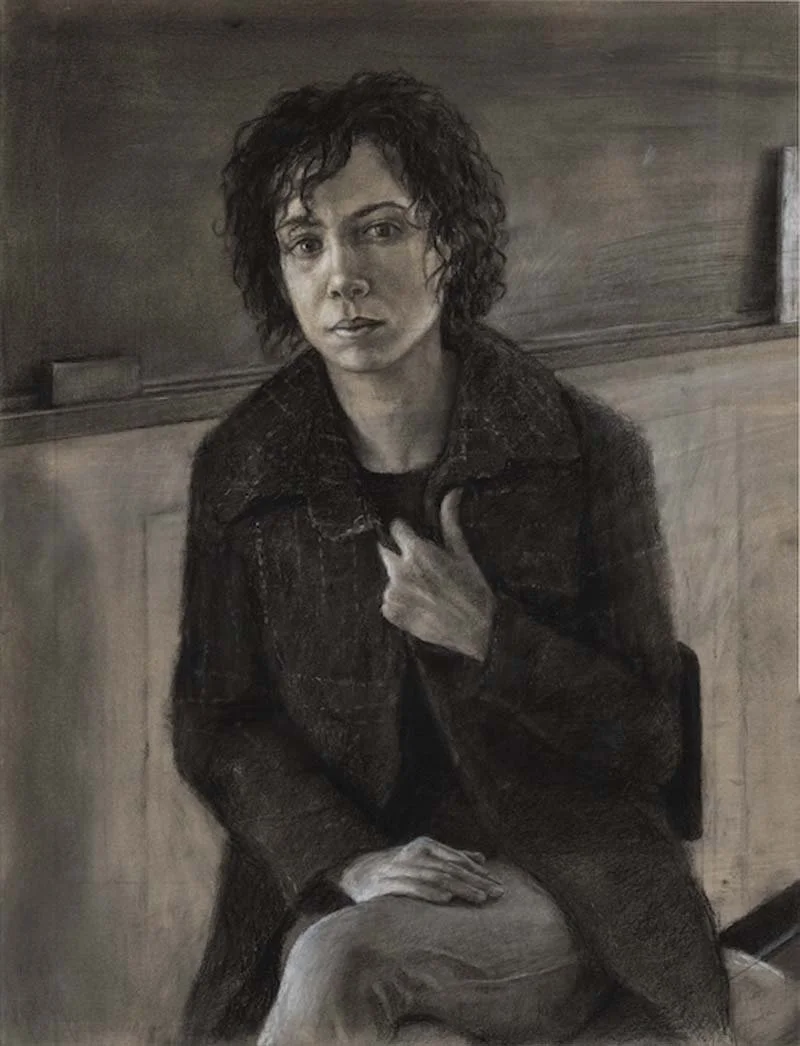


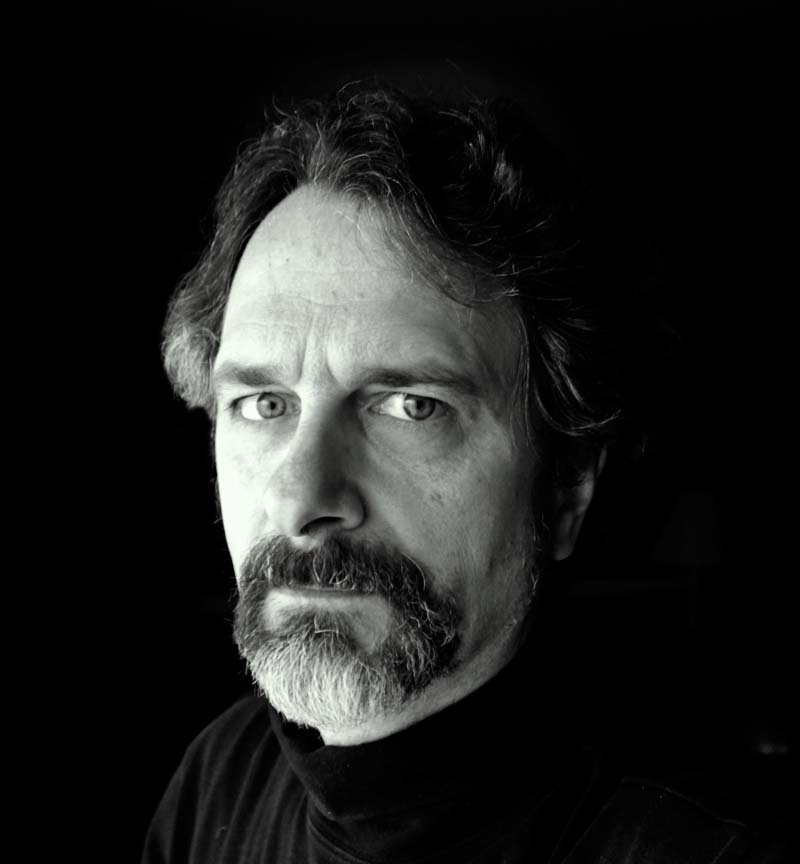
Chicago-based artist, curator, musician, and teacher Tim Lowly was born in Hendersonville, North Carolina in 1958. As the son of medical missionaries (his father was a hospital administrator), he spent most of his youth in South Korea. He attended Calvin College and received a BFA degree in 1981. In 1981 he married Sherrie Rubingh. Their daughter Temma was born in 1985. She is profoundly disabled (cerebral palsy with spastic quadriplegia) and has over the years proven to be the central protagonist of Lowly’s work.
From 1994 - 2023 the artist Tim Lowly was affiliated with North Park University in Chicago as gallery director, professor, and artist-in-residence. Now his focus is more substantially on art making. @timlowly
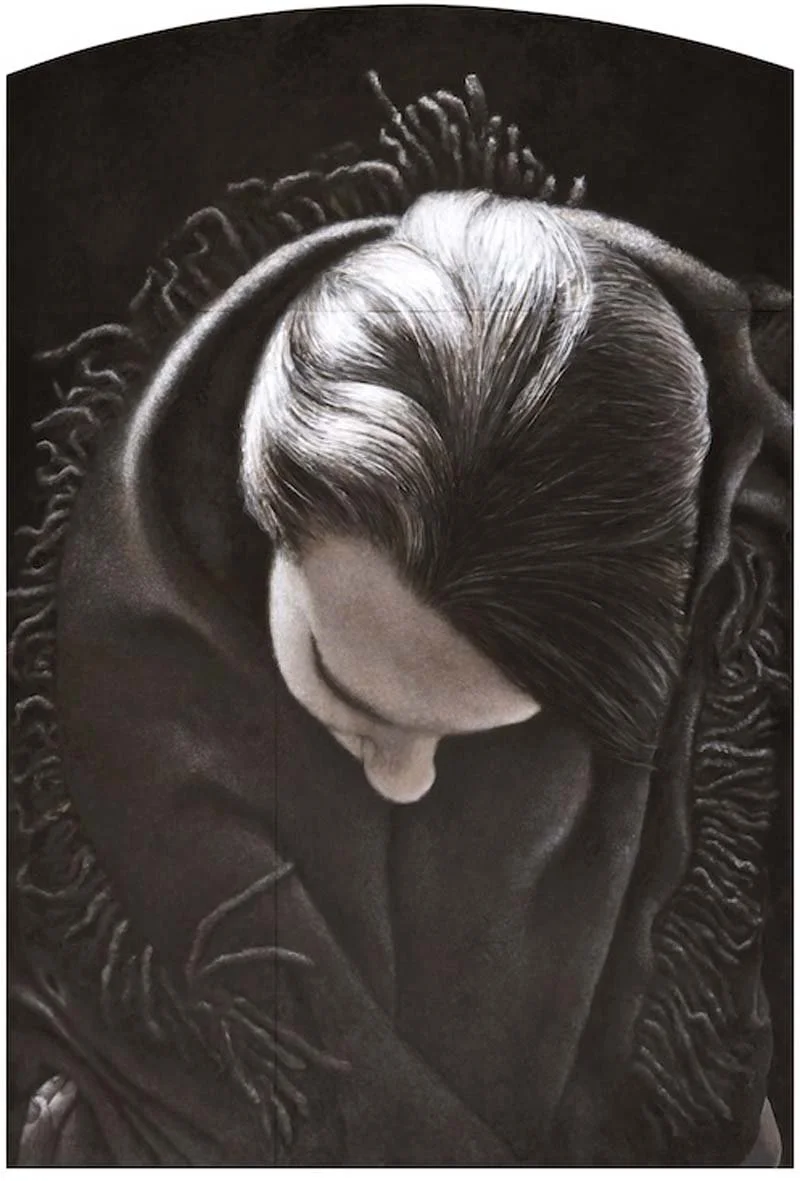
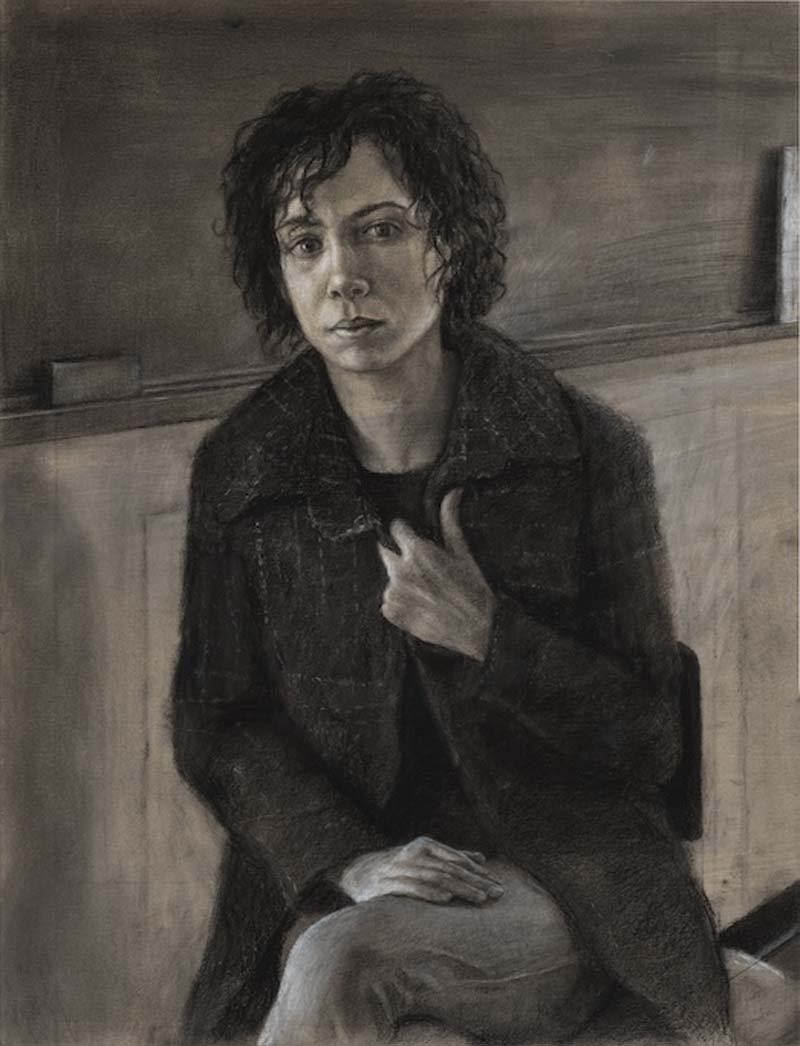
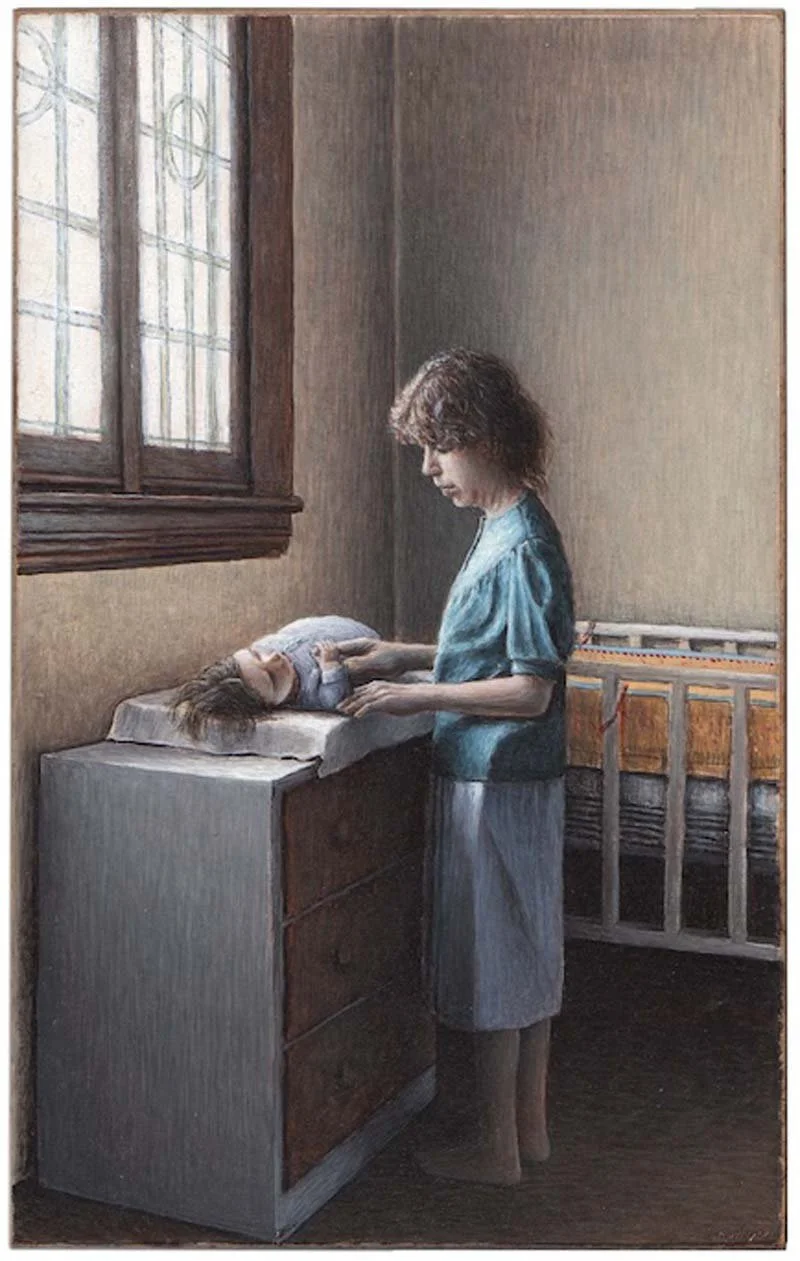
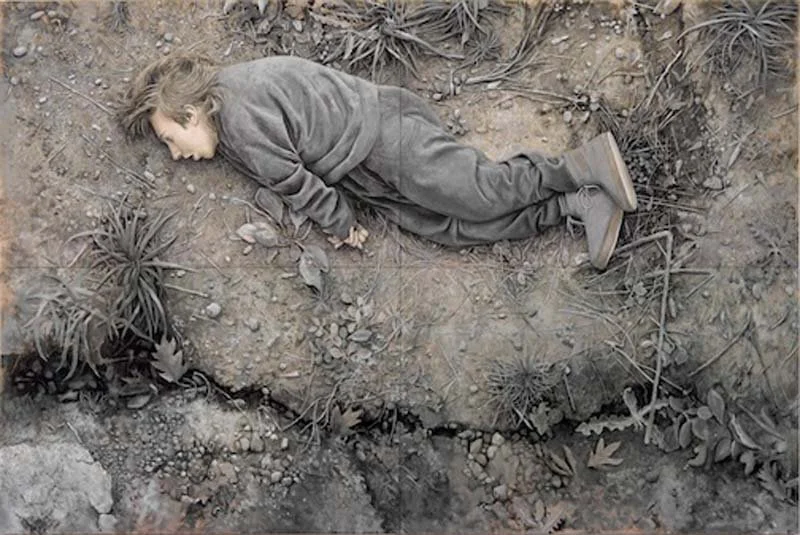
Where were you born and raised? How did it influence your art and your thinking about the world? I was born in Hendersonville, North Carolina. Most of my youth was in South Korea where my father was a hospital administrator. Unlike its relatively prosperous and technologically highly advanced current state Korea in the early 1960s was an impoverished nation, recovering from the Korean war in the context of a dictatorial government. In response to that situation the Minjung art movement (Minjung being the poor and people typically on the margins of the culture) came into being. My interaction with Lim Ok Sang–one of the key artists in the movement–led me to a representational (as in made with the intention of giving representation to) art practice.
When did you first realize you wanted to be an artist? For you, what is the importance of the arts? I don't recall ever not wanting to be an artist, so the movement in that direction was rather early on. I think that the context of thinking about art within a social/political/spiritual context led to a desire to make art that carried that intention into a representational art practice. I am biased towards an art that bends towards a purpose larger than simply making an aesthetically pleasing thing.
What does your typical day in the studio look like? There isn't really a typical day in the studio. My practice has increasingly become integrated with the overall life of my family.
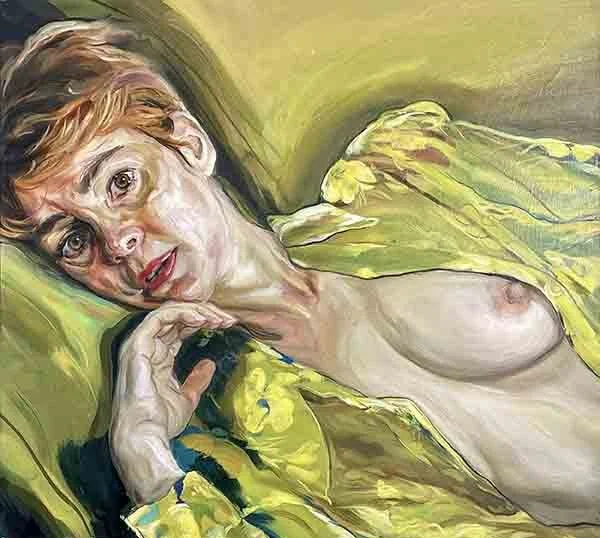
Tell us about your current projects and the themes they explore. Much of my work focuses on my daughter Temma–who is profoundly and multiply disabled–as a kind of representative for the many others like her who are largely institutionalized and out of sight/consideration by the broader society. Parallel to that stream of production is another that focuses on individuals as situated (in the image) in a fittingly charged context: a project that reflects on individual persons, their vocation and meaningfulness.
What do you hope people feel when they experience your art? Inevitably the viewer "completes" an artwork and their highly personal understanding of the work is not something the artist can (or should) control. That said, based on my own experience of (rarely) finding an artwork that changes how I see the world I would hope for that possibility in others engaging my art.
Which artists, past or present, would you like to meet? And why? Giovanni Bellini, Käthe Kollwitz, Fra Angelico, Paul Klee, Frida Kahlo, Matthias Grünewald, Sue Coe, Riva Lehrer, George Tooker, Antonio Lopez Garcia, Zinaida Serebriakova, Toshio Yamaguchi, Lim Ok Sang... I could go on and on. Why? I like their art.
Do you draw inspiration from other media or disciplines? Yes. Especially music and art.
What do you find inspiring about the city you live in? Well, I am on the outskirts of Chicago, but my favorite thing there is the Art Institute of Chicago.
Can you describe a project that challenged you creatively or emotionally—and how you worked through it? Almost everything I do with art or music only comes to fruition through committed effort.
Tell us about important teachers/mentors/collaborators in your life. One of my colleagues when I was teaching in university was Kelly VanderBrug: a fabulous colleague, thinker, teacher, and artist. Chris Overvoorde and Nicholas Wolterstorff were two particularly meaningful professors I studied with. The singer-songwriter Dan Bracken and his primary influence Bruce Cockburn drew into a music-making practice that parallels my visual art practice.
What are your reflections on AI and human creativity? The invention and embrace of AI is human ingenuity at its most stupid.
Exploring ideas, art and the creative process connects me to… Ideas, art and a creative practice towards meaning, justice, community, and love.