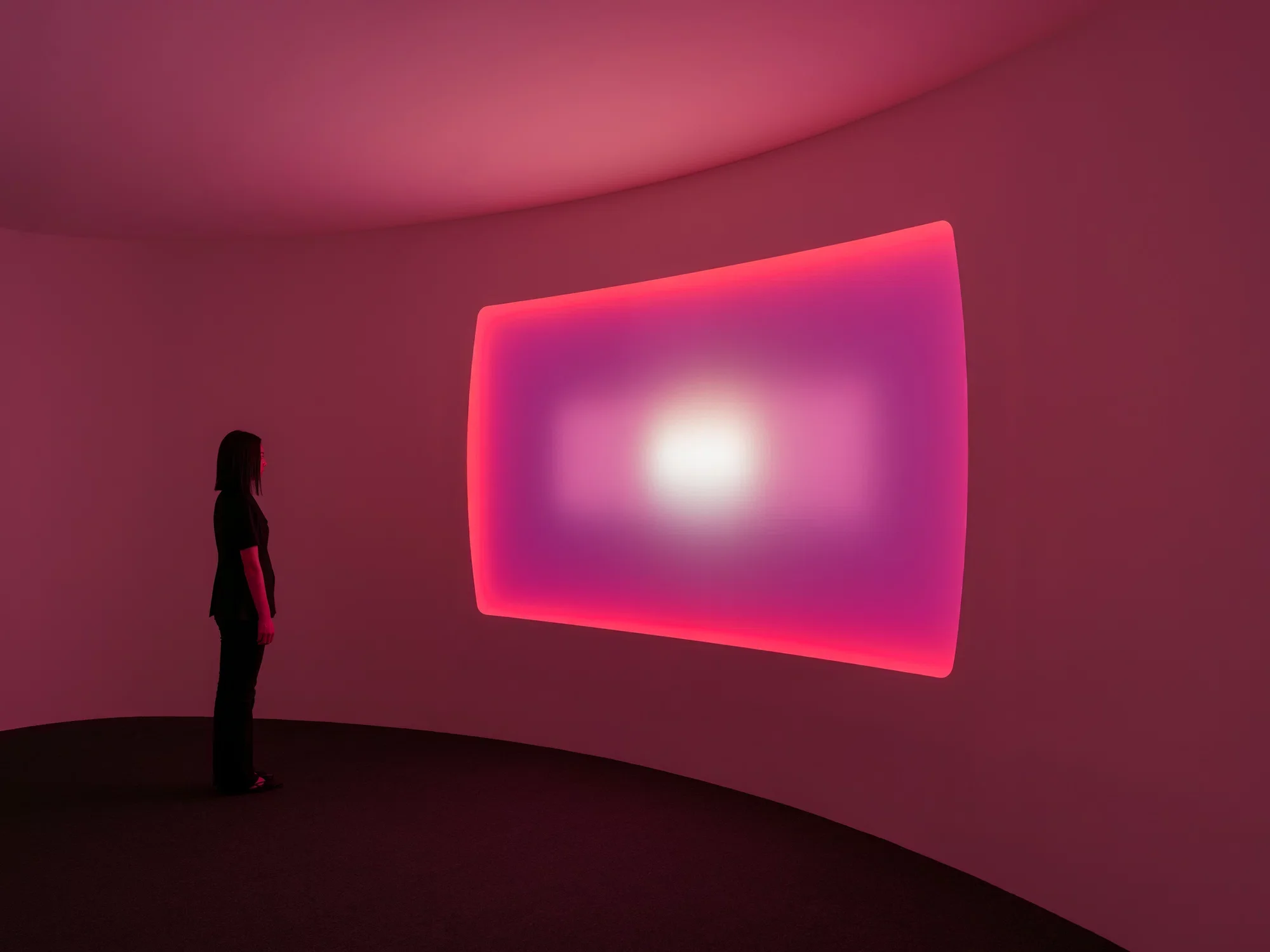


James Turrell’s The Return Transforms Perception at Pace Gallery
Seoul · June 14 – September 27, 2025
Where does the edge of space end and your perception begin?
We don't see the world as it is, we see it as we are.
What if I could touch time? Turn light into matter?
Everything that is visible hides something that is invisible.
What would we see if we could return to the beginning?
Before presence and absence, before light and darkness, before sound and silence?
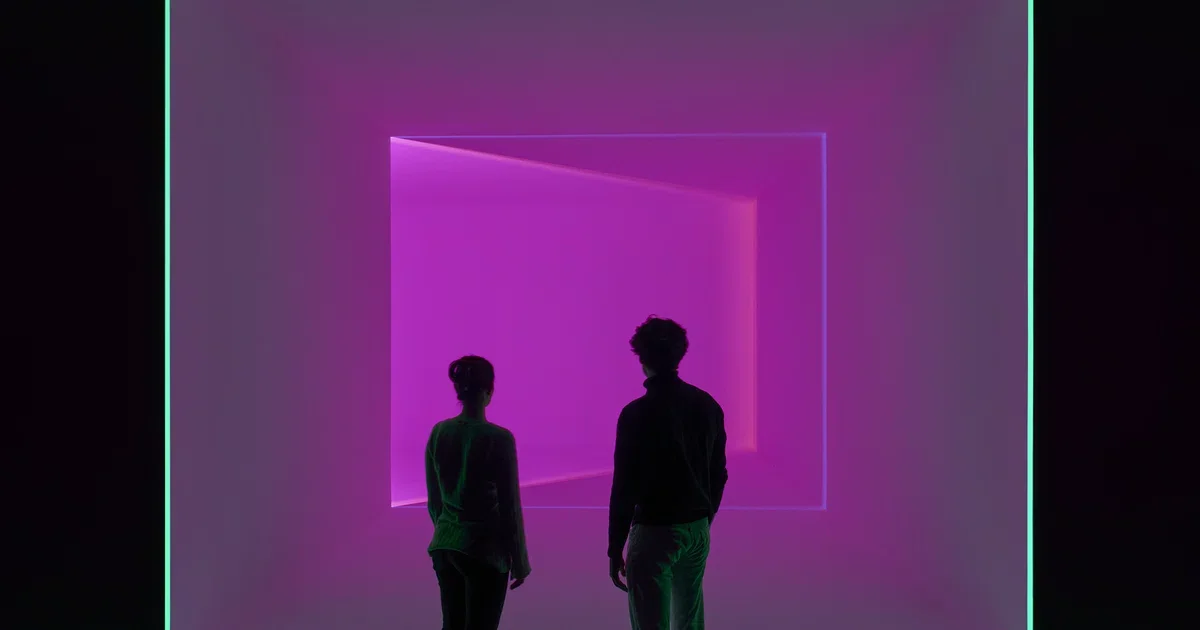
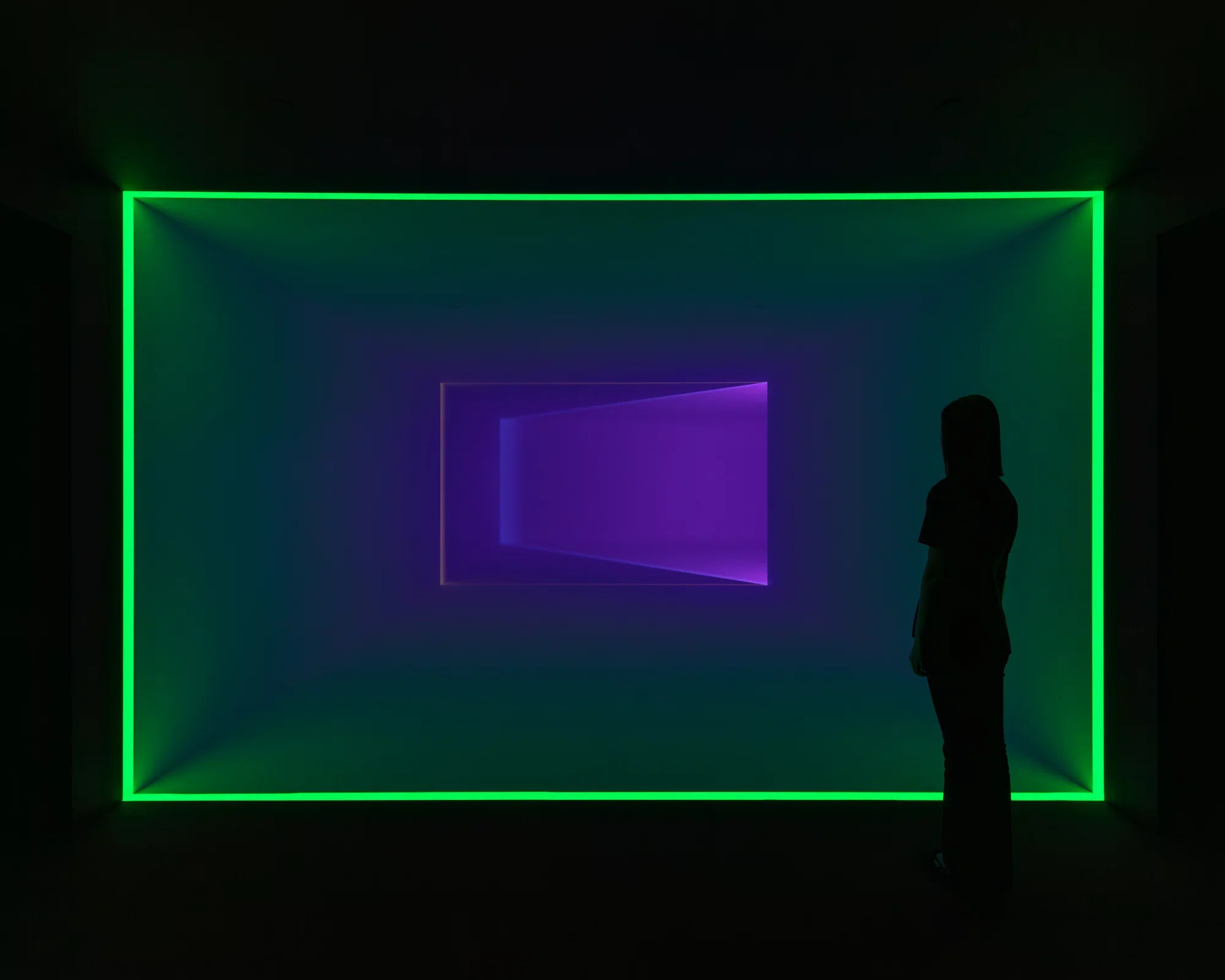
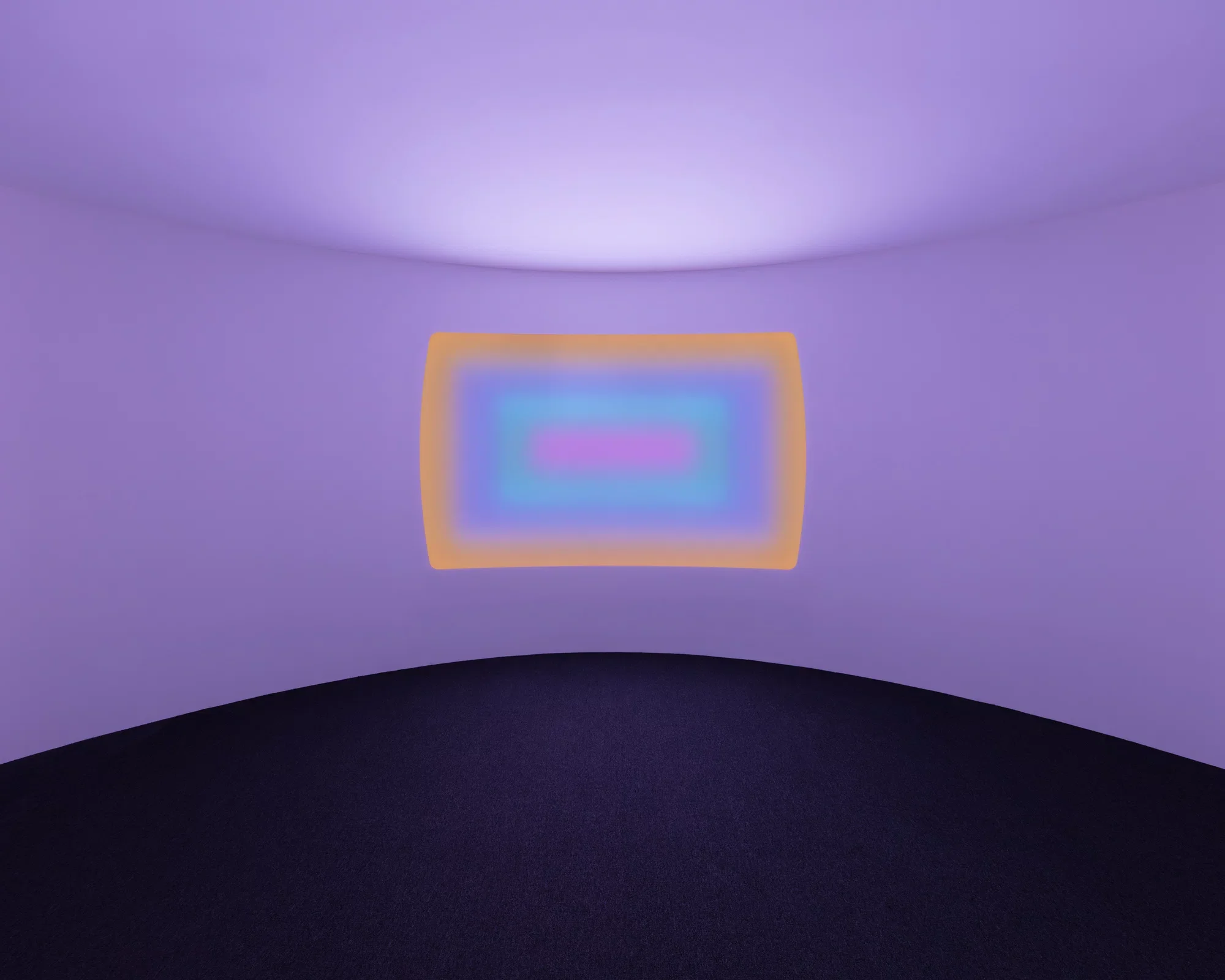
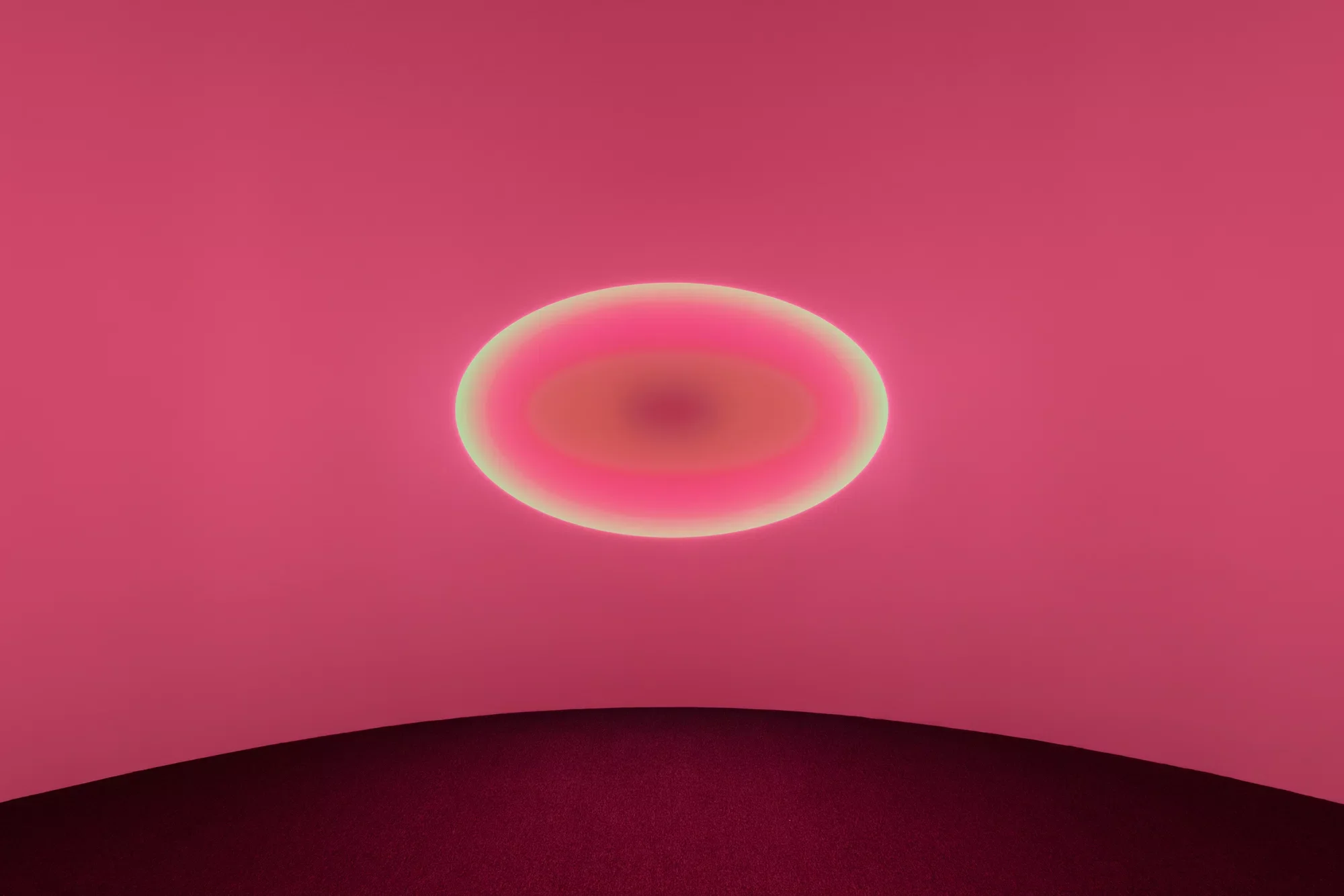
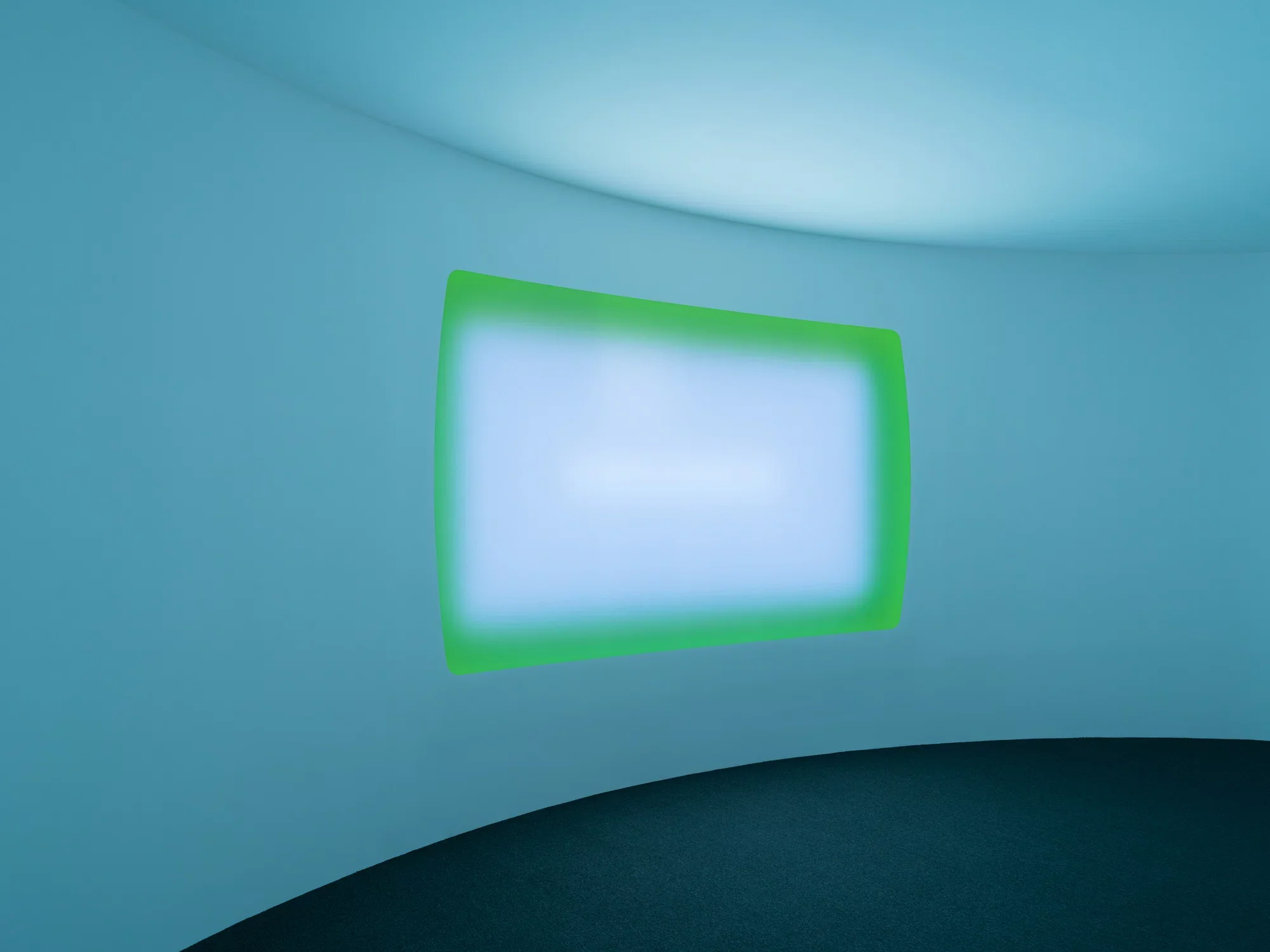
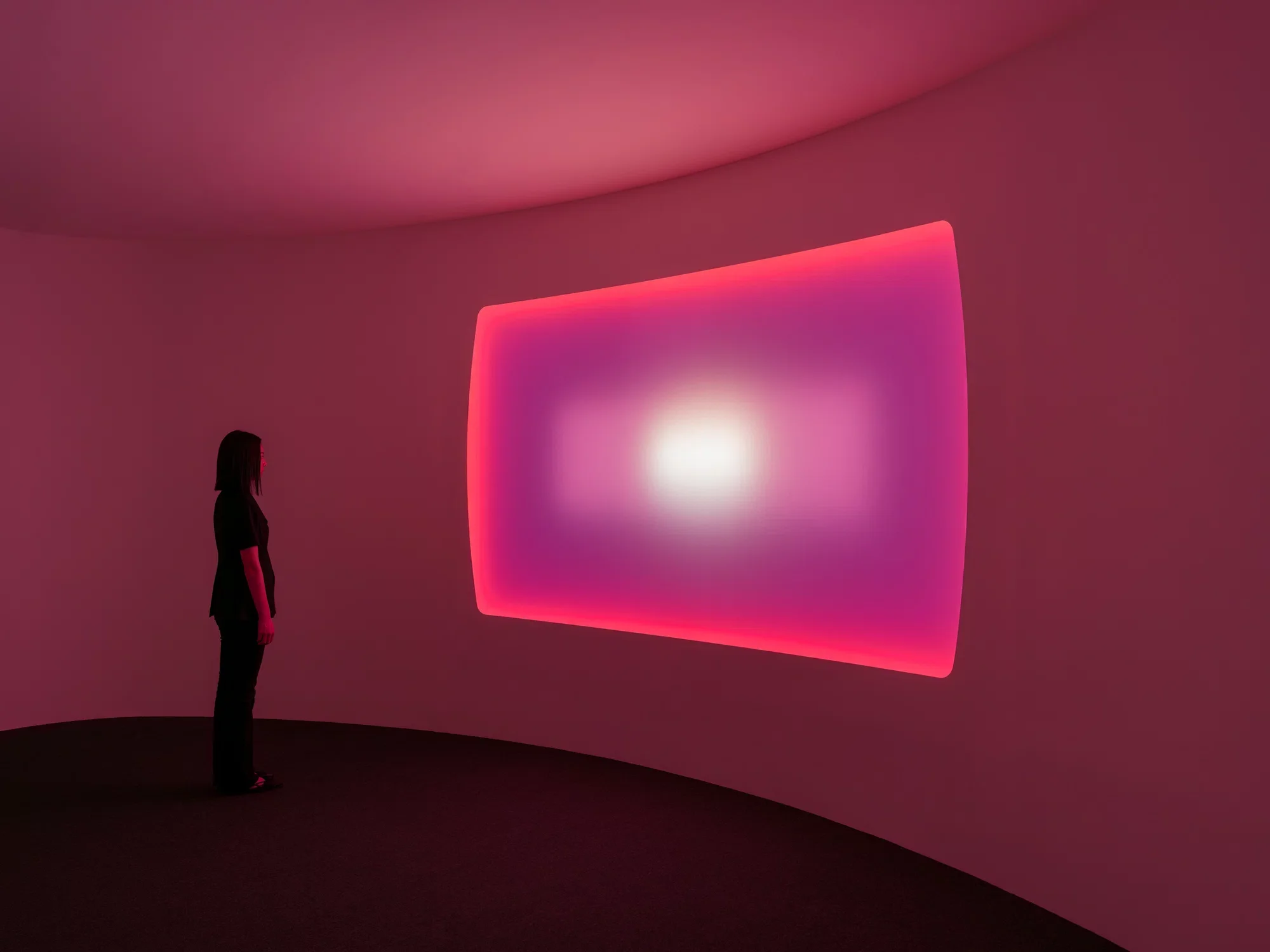
In The Return, James Turrell does not simply present light as a medium; he stages an encounter with time, memory, and the instability of perception itself. Across three floors of Pace’s Seoul gallery, five new installations—including a never-before-seen site-specific Wedgework—offer visitors a sustained dialogue with the immaterial. These rooms do not ask what light reveals but what it conceals, what it holds in suspension, what it leaves behind.
Turrell’s practice has long been associated with “seeing yourself seeing,” but in this exhibition the act feels like a form of inward travel. Planes of projected light in the Wedgework press against the dark, creating thresholds where the body senses its own limits even as the space seems to expand beyond them. The curved, circular, and diamond-shaped glass installations shimmer with shifting hues, offering a kind of temporal vertigo—color as an unstable memory, depth as a question rather than an answer.
Works on paper punctuate the show like quiet footnotes. His new Wedgework prints map chromatic variation with the precision of someone tracing a remembered dream, while aquatints and woodcuts related to Aten Reign at the Solomon R. Guggenheim Museum in New York echo the Roden Crater project’s ambition to anchor cosmic phenomena within the landscape of lived experience. These images do not illustrate the installations so much as they disclose another register of thought—drawing as a record of what cannot yet be built, or of what once was.
If the exhibition marks Turrell’s first solo show in Seoul since 2008, it also signals a return of a different sort: a looping back to earlier inquiries into light’s “thingness,” its capacity to be both material and immaterial, finite and infinite. Standing inside these works, one is reminded that perception is not passive reception but a form of authorship. Light becomes less a medium than a witness, implicating the viewer in its unfolding.