

How does one balance humor and the creative process?
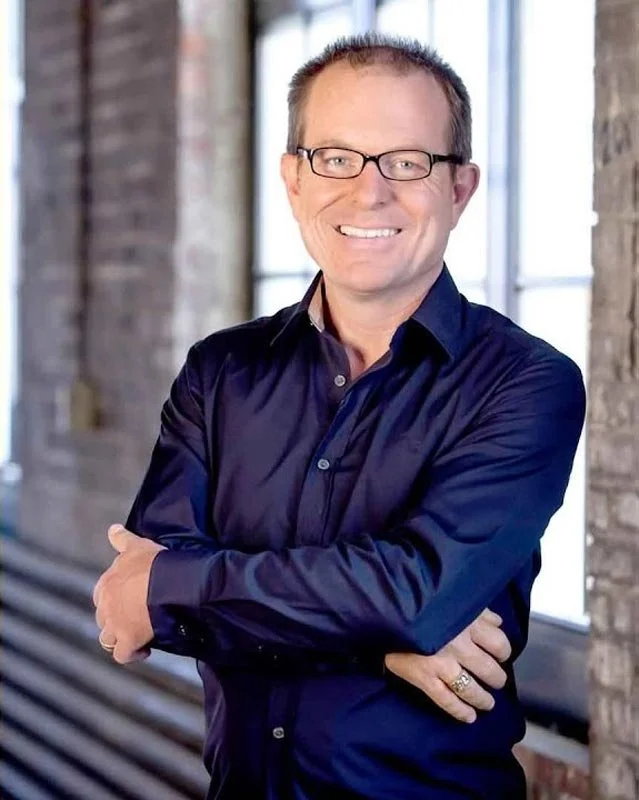
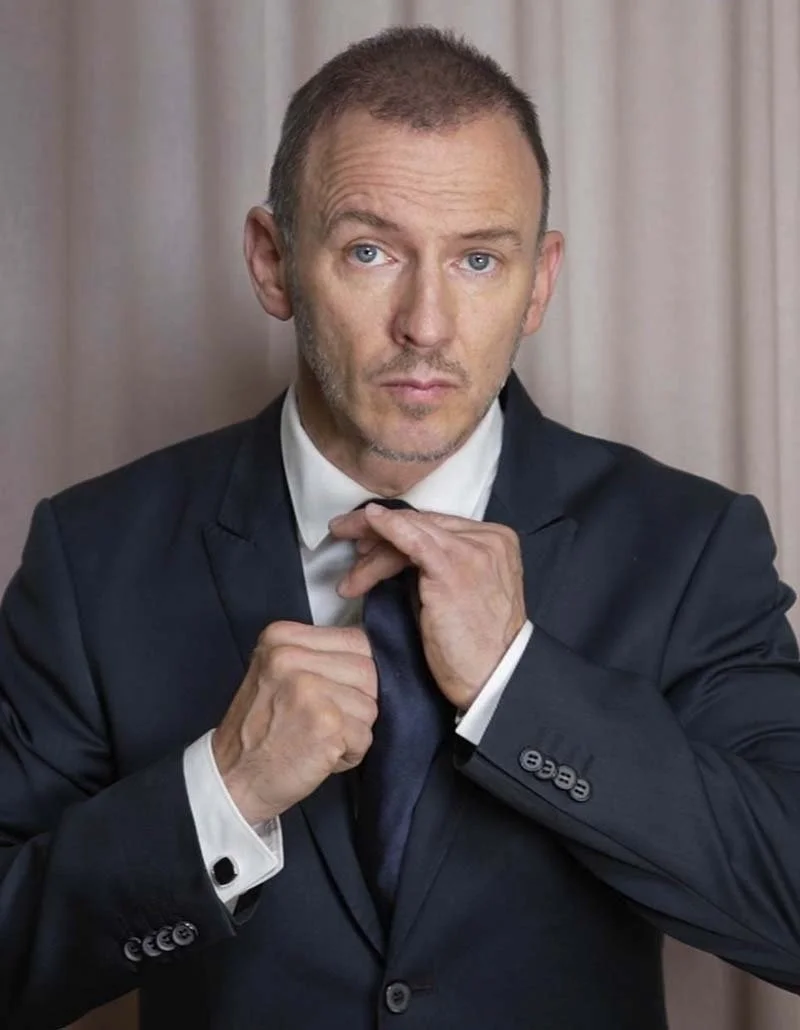
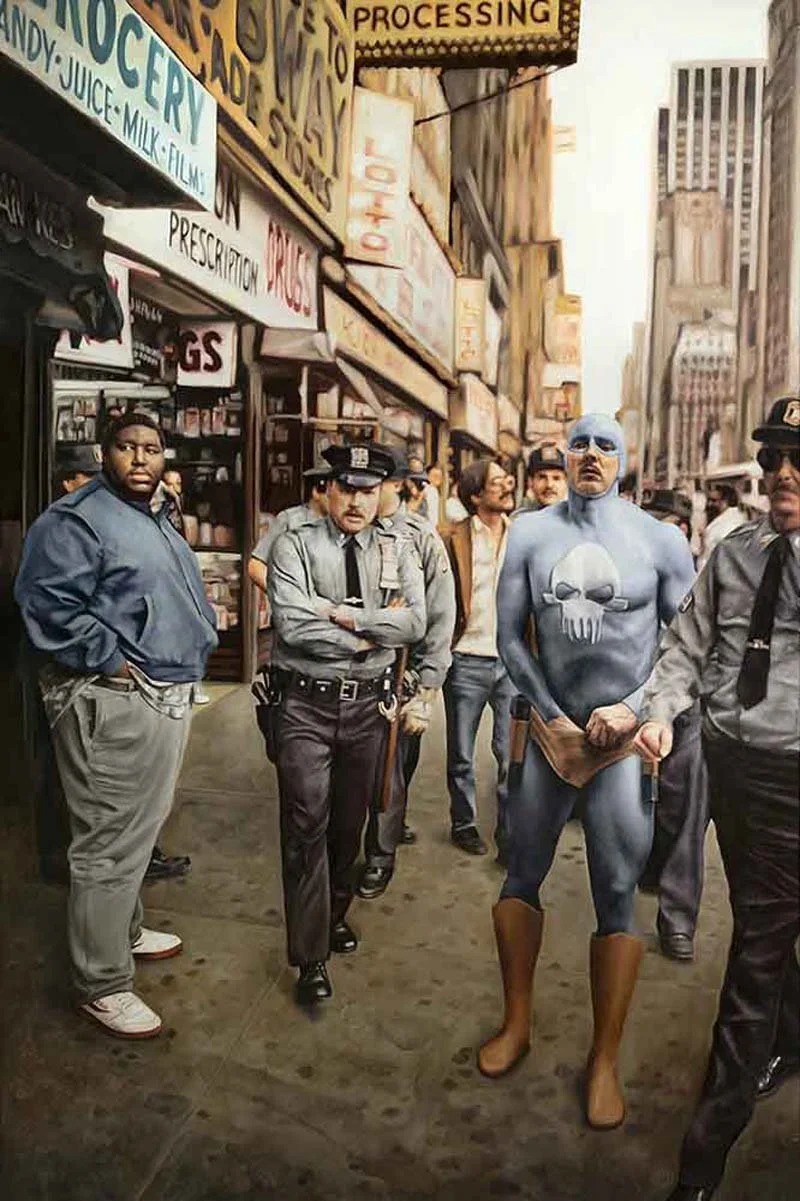
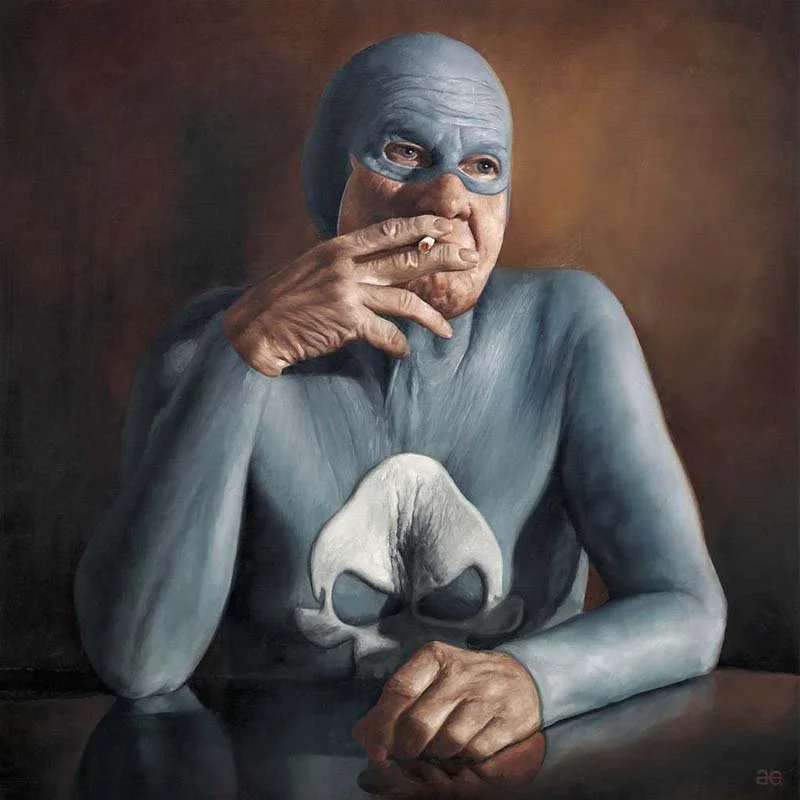
Andreas Englund (b. 1974) is a Swedish artist known for his photorealistic paintings where humor meets gravity. Internationally recognized for his series depicting an aging superhero, Englund explores themes of vulnerability, ideals, and the tension between the epic and the everyday. Influenced by classical painting and contemporary storytelling, his works balance intimacy with spectacle, often infused with what he calls being “seriously unserious.” His paintings have been exhibited across Europe, the US, and Asia, and are held in both private and public collections worldwide. @andreasenglundart
How did your formative years contribute to your artistic development?
I often joke that my work is ‘seriously unserious.’ Born in 1974 in Falun, Sweden, I grew up in a society where things simply worked. Free school, free healthcare, safety, stability. This carefree childhood, full of sports, outdoor play, and strong parental support, shaped how I see the world and my art.
That stability made me imagine alternative versions of reality. Caricatures of life where small, ordinary things suddenly become absurd or funny, a bit like Seinfeld. Humor, especially the ironic tone of Generation X, and influences like Monty Python, have always been central to my perspective. Later, working as an art director, humor became a key tool for communication, always a balancing act, because it only works if it lands right.
I’ve always loved painting stories. As I grew older, my fascination with the human body merged with storytelling, resulting in the people-in-stories focus that defines my work today. Travel has also shaped me. Coming from a small country makes you curious, and I’ve been lucky to see much of the world.
When did you first fall in love with art and realize you wanted to be an artist? For you, what is the importance of the arts?
I didn’t grow up dreaming of becoming an artist — not at all. For me it started in advertising. That was my art school. It was the perfect playground: full of people like me, Generation X, bouncing ideas around, mixing logic with absurd humor, always looking for that surprising way to tell a story. I loved it. And I think that’s why my art turned out the way it did — different, storytelling, concept-driven.
I had my first small exhibition in 2006 in Falun, then Liljevalchs Spring Salon in Stockholm in 2008, and a larger one at the Lydmar Hotel in 2009. By then, I realized that art could be another way of doing what I already loved: telling stories with a twist.
I don’t come from an artistic family in the traditional sense, but creativity runs deep. My father was an architect, my grandfather a carpenter — both very talented at drawing. They probably would have been artists under different circumstances. I inherited their skills, but also this strange mix in myself: part logical, almost like an industrial designer who wants things to make sense, and part childish, with endless silly ideas. That tension is really what drives me.
“What’s the importance of art?,” I can talk about what I think matters in my art, and what I respond to in others. I really admire Banksy. His foundations are heavy — politics, war, society — but always with a twist. Seriously unserious. That piece shredding itself at auction? Hilarious and brilliant. My foundations are more everyday, where small, ordinary things suddenly feel absurd, funny, meaningful.
My art is my way of showing the messiness of life, in a way that makes us smile while recognizing ourselves. There’s comfort there. I guess most people’s choice of art works as a fingerprint of their identity. A way to show a piece of who you are, to yourself and also to others. That’s what I hope my paintings can do: a little mirror of life saying, “Yes, this is me too.”
What are your go-to materials and tools when creating art?
I mostly paint in oil on canvas, and my studio is really where the work comes to life. My paintings are large and detailed, so I spend a lot of time developing the idea first, photographing, filming, and combining images digitally, almost like directing a scene.
Once the concept is set, I move to oils. That’s a meditative phase: mixing colors, shaping forms, and bringing the digital idea into the physical world. I usually listen to audiobooks while painting, but when I’m developing ideas, I stick to instrumental music to focus.
At the same time, I’m a father with a family and a house. Kids need driving to sports, the house needs attention, so a “typical day” doesn’t really exist. Finding a rhythm between painting and family life is a constant balancing act.
Every day is different, but it’s always a mix of thinking, planning, and hands-on painting, the cycle of creation that keeps me going.
What projects are you at work on at the moment? And what themes or ideas are currently driving your work?
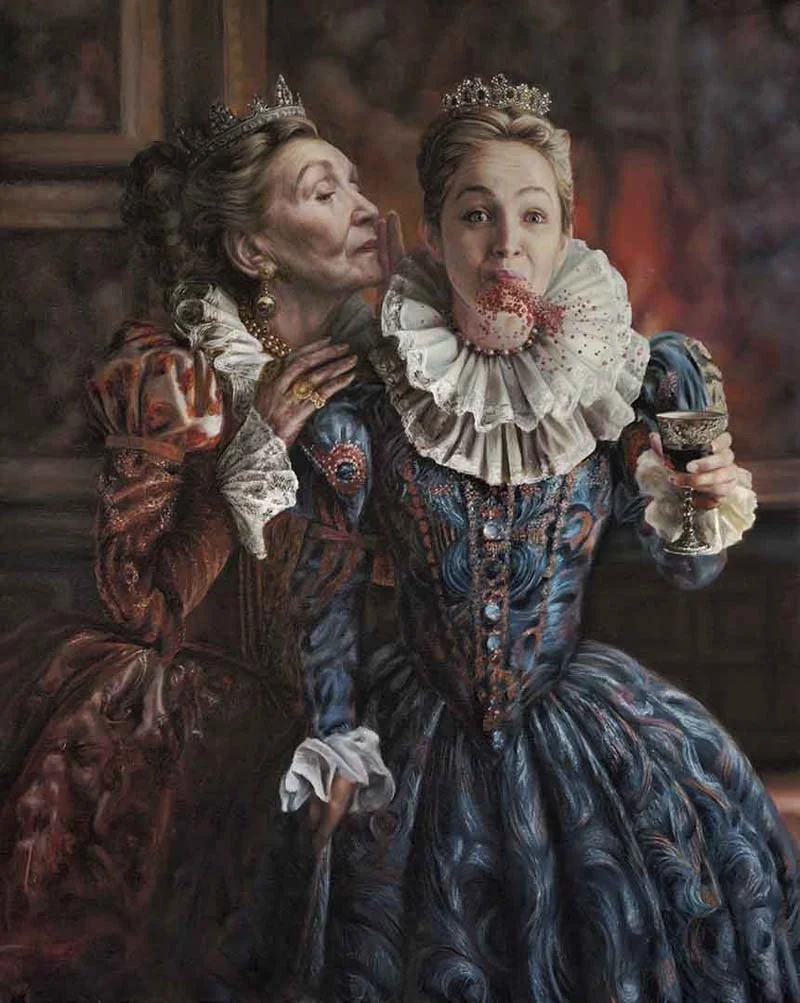
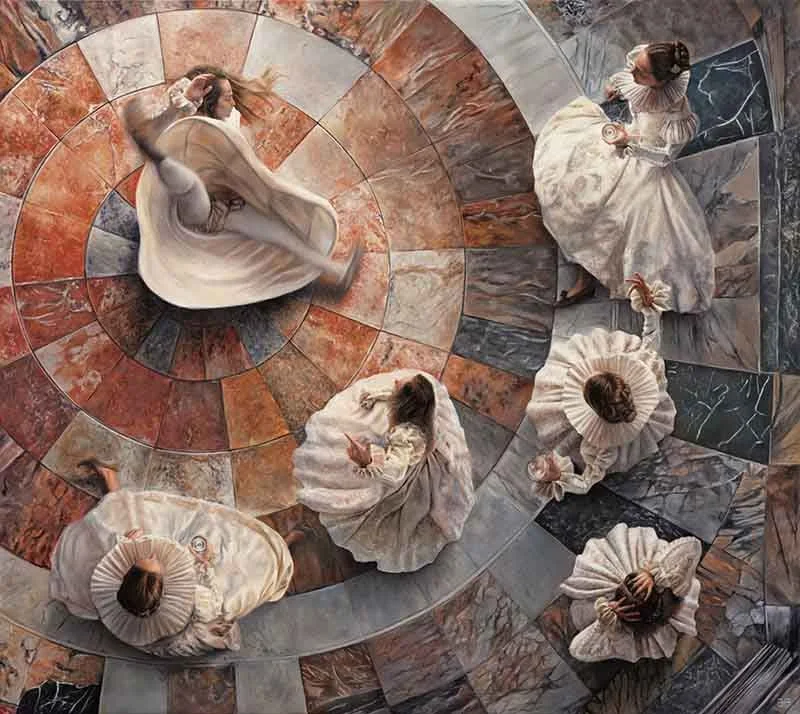
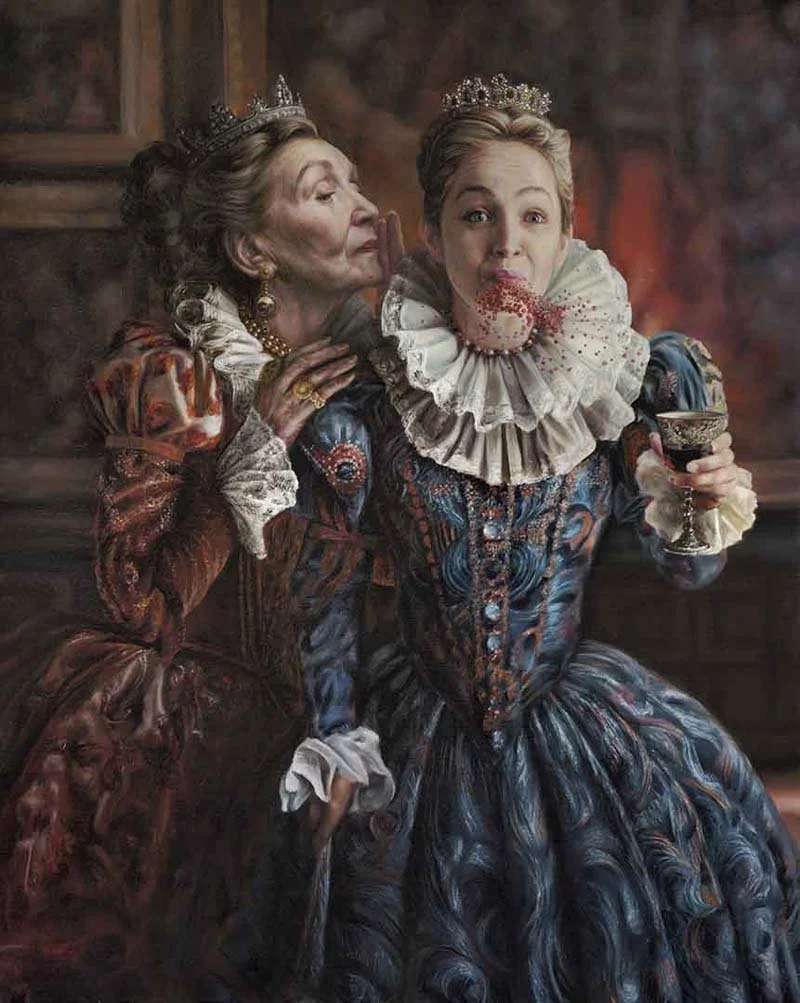
Right now, I’m focused on my series Epoque Royal. It blends medieval settings with modern culture, think 90s street style, music, and dance, to explore identity, power, and social behaviour across centuries.
I’m planning the next piece, which is still in the idea stage. I work with photography, digital studies, and references to build the composition and story before it reaches the canvas.
The series is narrative-driven, detailed, and conceptually layered. It’s about reinterpreting history and showing that the essence of youth, rebellion, and social interaction has always existed, just in different forms. It’s seriously detailed. but playful, ”seriously unserious,” and continues my focus on storytelling through people and scenes.
What do you hope people feel when they experience your art? What are you trying to express?
When someone looks at my paintings and smiles in recognition, it means we’ve shared something. A moment, a feeling. And in that instant, a bond is created between us. A bond of warmth and understanding in the middle of our messy lives. My paintings are meant to give energy, to inspire, and to remind us that despite all our differences, age, culture, and nationality, we are very much alike. In my case, often with humor, that ties it all together, that liberating spark that makes us see ourselves and each other a little more on the bright side.
Which artists, past or present, would you like to meet? And why?
If I could meet any artist, it would be Anders Zorn. I’d love to ask him how he worked and thought while painting, technically, for his brushwork that feels like ‘if you know the rules, you can break them,’ and also about his mindset: how nothing seemed to stop him. Born an illegitimate child in mid-1800s Dalarna, he became Sweden’s most successful painter and even the richest man in the country. He traveled to the U.S. seven times, starting with the 1893 Chicago World’s Fair, where he reportedly bought the world’s first water heater and had it shipped to Mora, hot water before our Swedish King had in his castle! Zorn was traditional in some ways, completely untraditional in others. Coming from the same region, I feel a kinship and would love to ask how he balanced confidence, innovation, and art.
Do you draw inspiration from music, art, or other disciplines?
I draw inspiration from life and film. The situations I paint are like movie frames, moments just before something happens or just after. I’ve said before that “many of my motifs are similar to film clips, where you can imagine what has happened and also guess what is to happen. Art-wise, I’m inspired by artists who can combine serious technique with playful or absurd content. People like Banksy, Helmut Newton, and David LaChapelle. Music less directly, but film scores, mood in movies, pacing in scenes, those influence how I compose, how I decide what to show and what to leave out.
A great thing about living in my town is…
Falun is what I like to call a “big small town.” Everything is 15 minutes away. It’s perfect for family life. We have lakes, forests, ski slopes, and endless opportunities for sports. Sometimes it feels like my main job is driving my kids to practices and events all over town. I also help coach my son’s gymnastics group, though luckily they’re starting to get old enough to take themselves now.
In summer, the lake ”Runn” with its 72 islands is buzzing with activity, and in winter people are out on long-distance skates (often tourists from Holland) or you can ski in Ski slopes or in the ski tracks. And maybe most important of all, my family is here, my parents, my sister and that’s something you can’t really put a price on. I do miss Stockholm sometimes, but it’s only a couple of hours away, so I can go there now and then for work, inspiration, or to catch up with friends. When my kids have grown up maybe we might move back to Stockholm, we’ll see.. For the history nerds: Falun used to be one of Sweden’s bigger cities back in the 1600s, when the copper mine here produced most of Europe’s copper (today the mine is for tourists only and part of UNESCO World Heritage). So it still carries a sense of history and tradition.
Can you describe a project that challenged you creatively or emotionally—and how you worked through it?
I once got invited to the UpNorth festival in Bodø, Norway. I’m not a street artist at all, but suddenly I was standing in front of a wall 13 feet high and 65 feet wide, with just one week to finish it. The locals thought it was normal — I thought, what on earth am I doing here? To make it worse, it was cold and damp, and the first night the paint literally ran off the wall. We had to bring in heat blowers just to keep it from melting away. Luckily, I made it through, thanks to the mental support from the Norwegians; they were great.
Tell us about important teachers/mentors/collaborators in your life.
Being an artist is mostly a solo job. You have to trust yourself and your judgment. The foundation is within you, but mentors and supporters make all the difference. Studying Art Direction at Berghs in Stockholm at 24 was transformative in that sense. Those two intense years taught me to generate ideas constantly, recognize the subtle difference between good and great, listen to feedback while trusting my gut, and above all, execute an idea is nothing unless you carry it to the finish line.
Mentors like Per Lydmar, who invited me to my first exhibition, and Petter Sandberg, both great entrepreneurs, have guided me at crucial moments. I’ve also been lucky with teachers throughout my life, and my parents have supported me 100% from the start. Nothing comes easy; you have to work hard if you want to get somewhere, but the combination of self-reliance and support has shaped who I am as a creator.
Sustainability in the art world is an important issue. Can you share a memory or reflection about the beauty and wonder of the natural world? Does being in nature inspire your art or your process?
Last August, my family and I visited Iceland, and it left a deep impression on me. The landscapes there are so raw and stripped bare that they almost feel unreal. No trees, just vast openness where the earth itself seems to be in the middle of its own creation. You can literally see how mountains are formed and rising from the ground, as if the gods were still at work.
We went under a glacier and even down into a hollow volcano, but the most powerful moment was when we rode Icelandic horses together. There was something about that combination, the closeness to the animal you ride, surrounded by that majestic landscape, and sharing it with my family. That really stayed with me.
Iceland’s naked beauty and sheer force of nature are hard to put into words, and one day I would love to try and capture that feeling in my work.
AI is changing everything - the way we see the world, creativity, art, our ideas of beauty and the way we communicate with each other and our imaginations. What are your reflections about AI and technology? What is the importance of human art and handmade creative works over industrialized creative practices?
The way I paint, oil on canvas, based on carefully staged ideas and human expressions, is something AI simply can’t replace, yet. Faces, gestures, situations: they can’t be directed with the precision and nuance I’m looking after and it only gets me frustrated. Working with live models in real environments creates those unexpected moments, the spark that lifts something from good to great. That’s a deeply human process.
At the same time, a huge part of visual production will become pure AI. There will be a line – if you end up on the wrong side of it, you risk becoming irrelevant and replaced. But others will thrive, making their entire living from creating images and films with AI. Suddenly, one person can do what once required a hundred people and a million-dollar budget.
I belief and hope is that human-made art will only grow in value. AI can produce, but only humans can create meaning. But honestly, I don’t want to assume too much about the future, because it’s rushing toward us at such a speed that no one really knows what it will look like.
Exploring ideas, art and the creative process connects me to…
myself, to make sense of my own thoughts. Then it connects me to others when they recognize themselves in my work. That shared smile or moment of recognition is really what it’s about, passing on some energy and showing that we’re not so different after all.