

In what ways can joy and freedom be represented on the page?
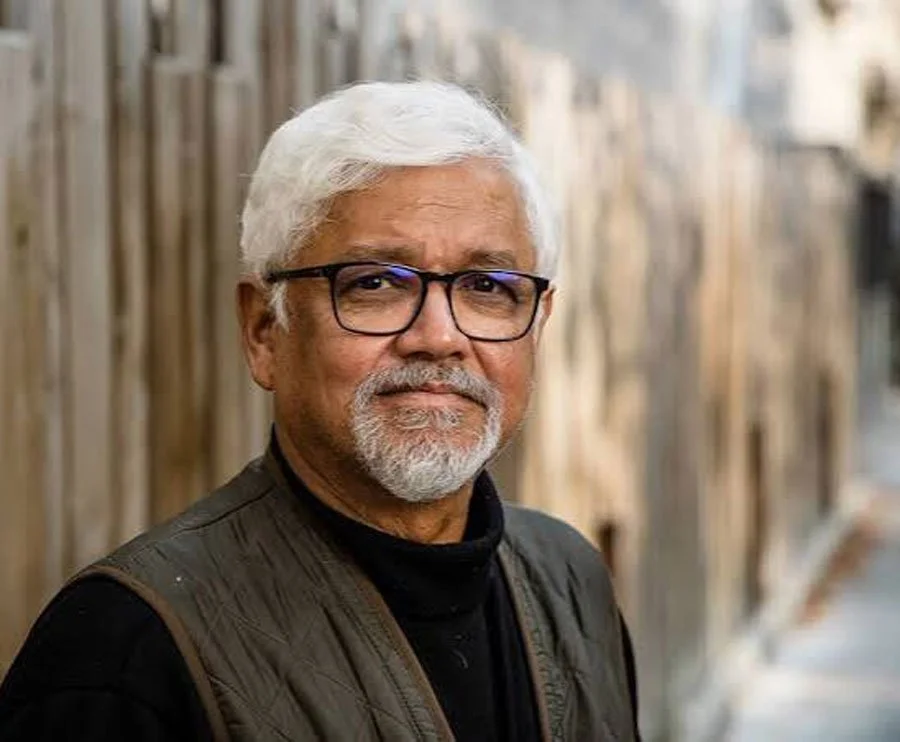
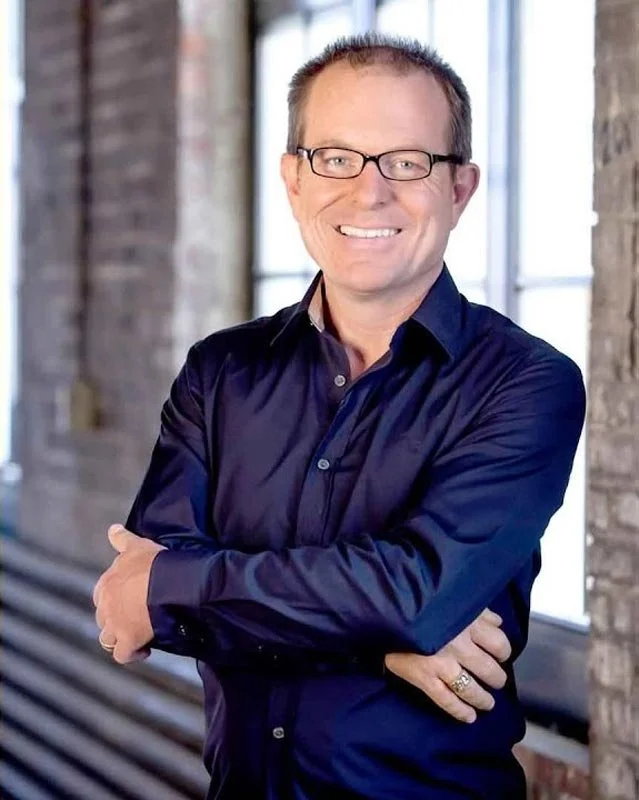
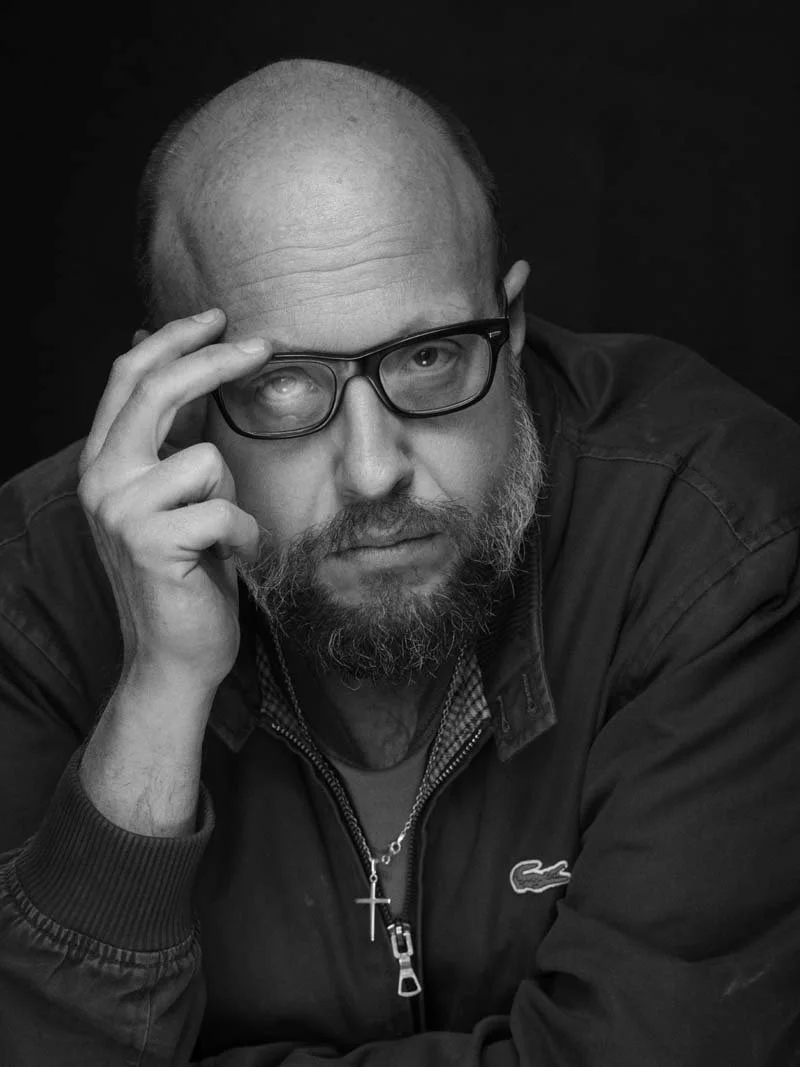
Axel Pahlavi (1975) was born in Tehran. He studied at the École des Beaux-Arts in Paris, the HDK in Berlin, and Hunter College in New York. He completed his studies with a postgraduate degree at the Academy of Fine Arts in Sofia. His works belong to collections such as the Frissiras Museum in Athens, the Maeght Foundation in Vence and the Jerry Speyer Collection in New York. He lives and works in Berlin and is represented by the H Gallery in Paris and the Pedrami Gallery in Antwerp. @axelpahlavi
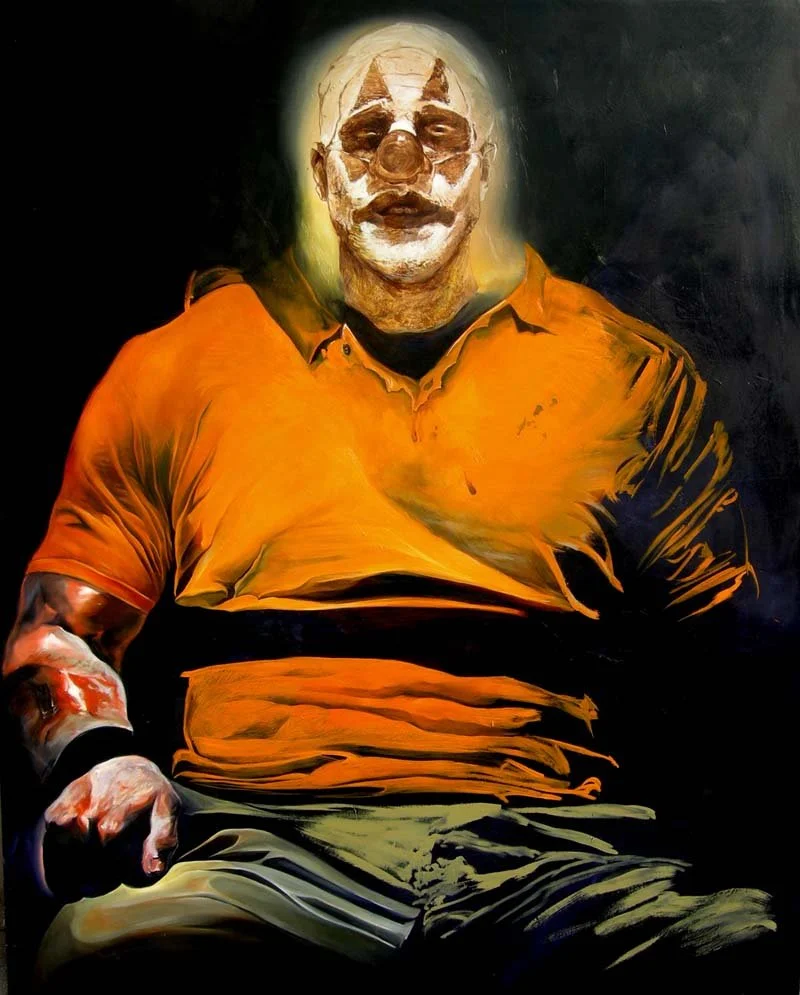
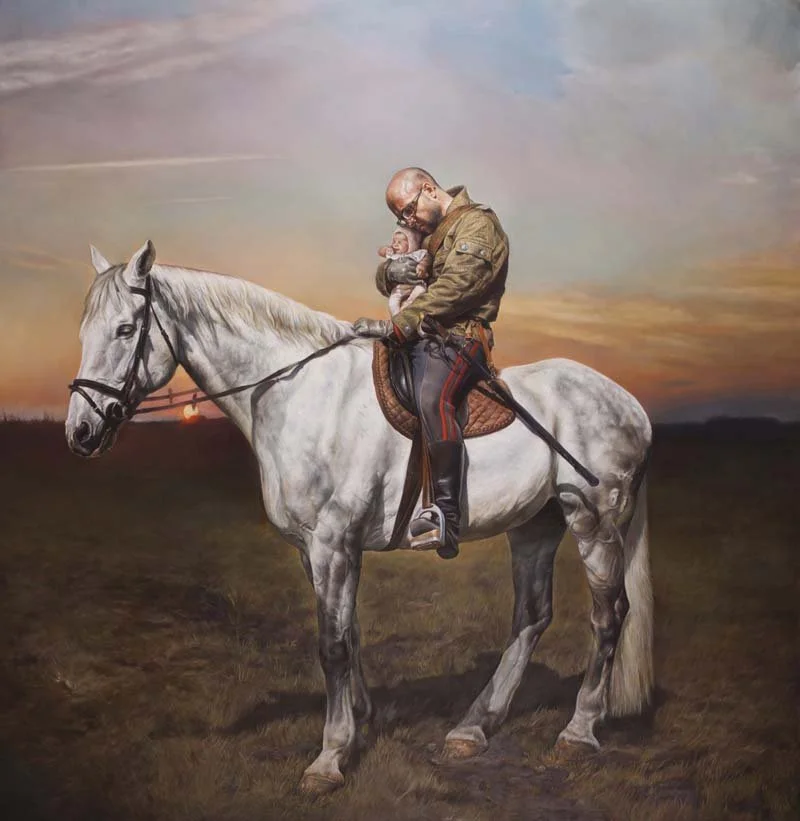
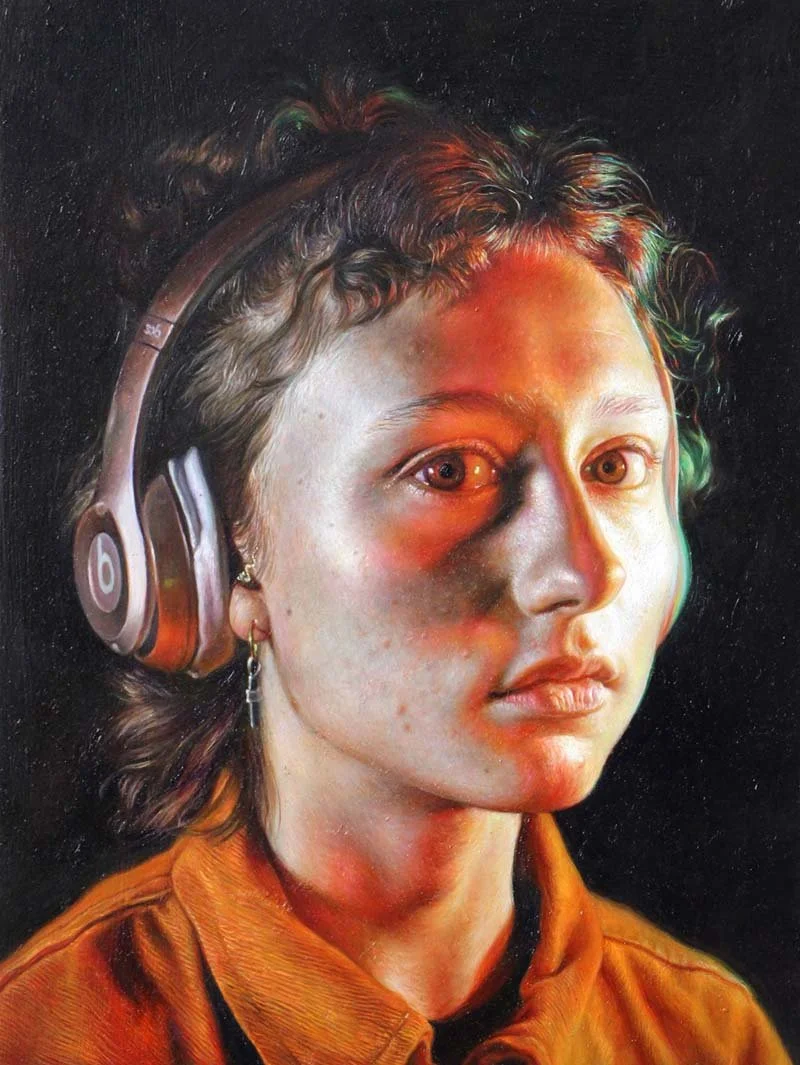
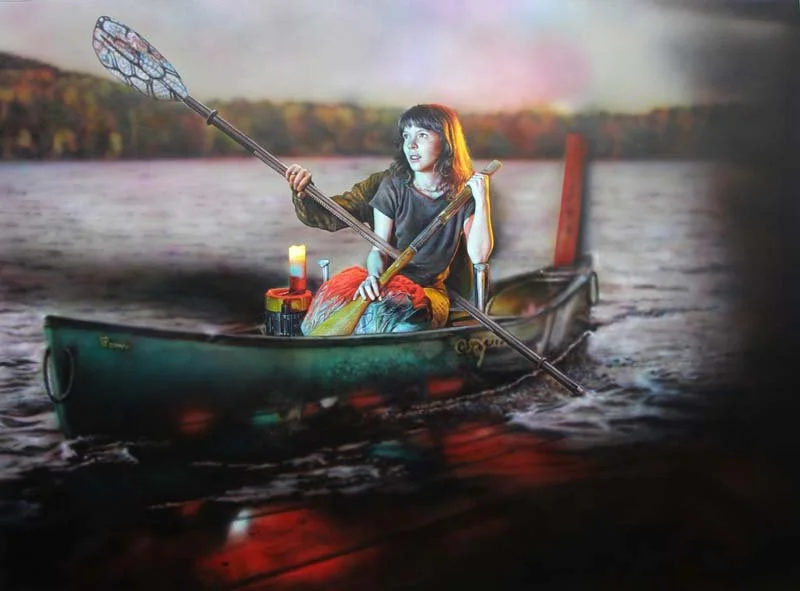
Where were you born and raised? How did it influence your art and your thinking about the world?
I was born in Tehran, Iran, a few years before the Islamic Revolution. I then grew up in Nice on the Promenade des Anglais with my whole family in a small apartment. The mix of cultures and the transition from an opulent world to a middle-class world forced me into a life where I couldn't really identify with any real sense of belonging.
When did you first fall in love with art and realize you wanted to be an artist? For you, what is the importance of the arts?
My mother read me a booklet about the MET in New York. In it, I saw, one after the other, a painting by Giovanni di Paolo (God creating the world, Adam and Eve expelled from paradise) and Rembrandt's Aristotle Contemplating the Bust of Homer. In a matter of minutes, I was inspired for a lifetime of painting to come.
What does your typical day in the studio look like? Walk us through your studio and your most used materials and tools.
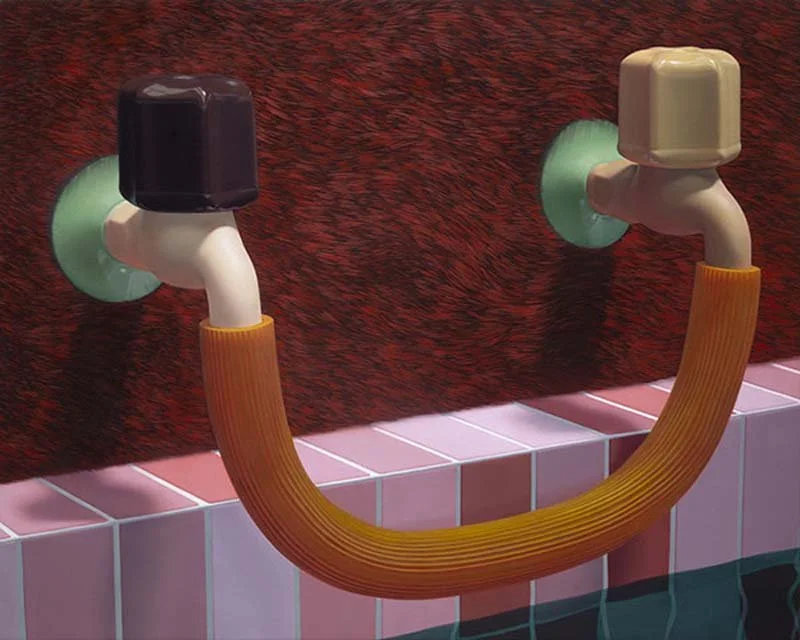
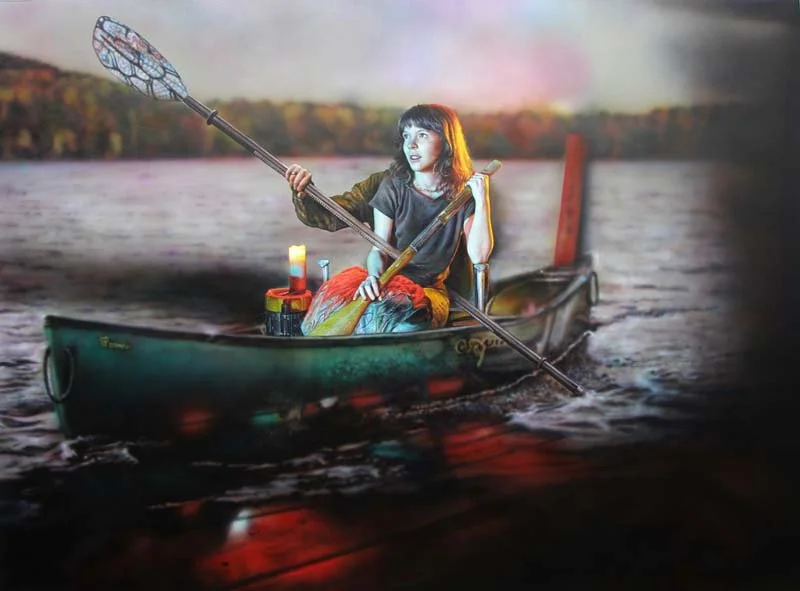
I am primarily a painter, but I paint in a relatively diverse manner. One of my most regular practices is photographic realism. I share my studio with my wife, the artist Florence Obrecht. We laugh quite often, which is one of my driving forces. I can spend quite a bit of time preparing my colors and creating fairly complicated palettes. I also listen to CDs from my collection, which is an outdated but important ritual for me. I also listen to podcasts, particularly from Radio France, nerdy stuff, all downloaded onto an old Mac laptop. I don't have a smartphone or internet in my studio. It's a way for me to preserve my bubble of time.
What projects are you at work on at the moment? And what themes or ideas are currently driving your work?
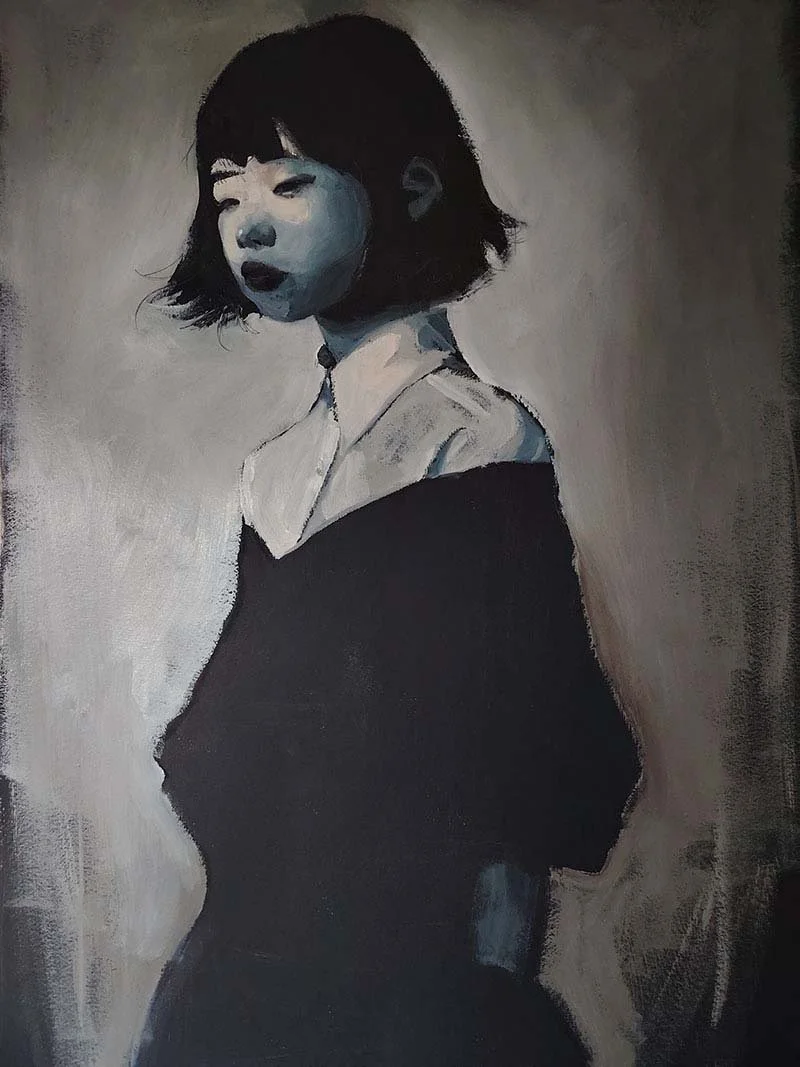
I am working on a series of very precise portraits for the Pedrami Gallery and some superimposed paintings for the H Gallery. In the background, there is a huge painting covered in red splashes, which I think will end up in a scene inside a hospital room. I will probably finish in 2027.
What do you hope people feel when they experience your art? What are you trying to express?
I often get caught up in technical details. Using certain types of paintbrushes or tools, working on a particular medium, and following certain rules, a bit like George Perec.
What I say is often the result of this. On the other hand, what I would like to say, and I don't know if I can, is that human beings are extracted from the universe in order to reach a new level of love. People often react quite intensely to my work, ranging from great interest to absolute hatred.
Which artists, past or present, would you like to meet? And why?
Actually, rather than meeting artists, I would have liked to see them at work. Sitting and watching Rembrandt, Van Gogh, or Bacon paint would be a dream come true for me.
Do you draw inspiration from music, art, or other disciplines?
As I said earlier, when I paint, I listen to a lot of music. To understand my musical taste, I pretty much agree with Pitchfork's 10/10 ratings, to which I would add French chanson and classical music. I have a huge collection of books on painting that I consult frequently, as well as cultural podcasts and many genre-specific podcasts (science fiction, comic books, heroic fantasy, etc.).
A great thing about living in my city/town is…
As in many places, I imagine, prices in Berlin have risen significantly since the COVID crisis. Added to this is the rapid gentrification of the city.
Despite everything, there is an air of freedom in Berlin. This is due to the character of the city, its inhabitants, and the many green spaces that serve as its lungs.
This breath of fresh air gives me a deep sense of freedom, and this freedom allows me to paint with ever-renewed joy.
Can you describe a project that challenged you creatively or emotionally—and how you worked through it?
In the summer of 2024, I went to the mountains behind Nice, where I painted a 2-meter by 3-meter canvas at the bottom of a steep-sided valley by the river.
I had a tent to sleep in above it and covered my painting with a plastic sheet during storms. It took me more than three weeks. It was a deeply moving experience and, as you can imagine, incredibly intense. I would really like to do it again.
Tell us about important teachers/mentors/collaborators in your life.
My first teacher was my grandmother, Cricri. After that, I had the immense good fortune to study with the Iranian painter Massoud Behnam, whose kindness matched his generosity of spirit. Then there was Vladimir Veličković, the great Serbian painter, who always helped me. I can also mention Dominique Gauthier at the Beaux-Arts in Paris, Dessislava Mincheva at the Beaux-Arts in Sofia, and George Hofmann at Hunter College in New York.
Sustainability in the art world is an important issue. Can you share a memory or reflection about the beauty and wonder of the natural world? Does being in nature inspire your art or your process?
As I wrote in one of the previous questions, I am working more and more outdoors. These works, which I create in contact with nature and outdoors, are never retouched in the studio. They embody the chaos and power that I perceive when faced with nature.
This relationship oscillates between struggle and dance. It is an experience of love that I hope to relive as often as possible.
AI is changing everything - the way we see the world, creativity, art, our ideas of beauty and the way we communicate with each other and our imaginations. What are your reflections about AI and technology? What is the importance of human art and handmade creative works over industrialized creative practices?
Like any new technological advancement, AI is just another tool in my toolbox. I have no concerns that painting will easily digest this new dish rich in vitamins and cholesterol.
Exploring ideas, art and the creative process connects me to…
Someone.