

Saint Petersburg-based artist Samir Rakhmanov on multiculturalism, archetypes, and grief.
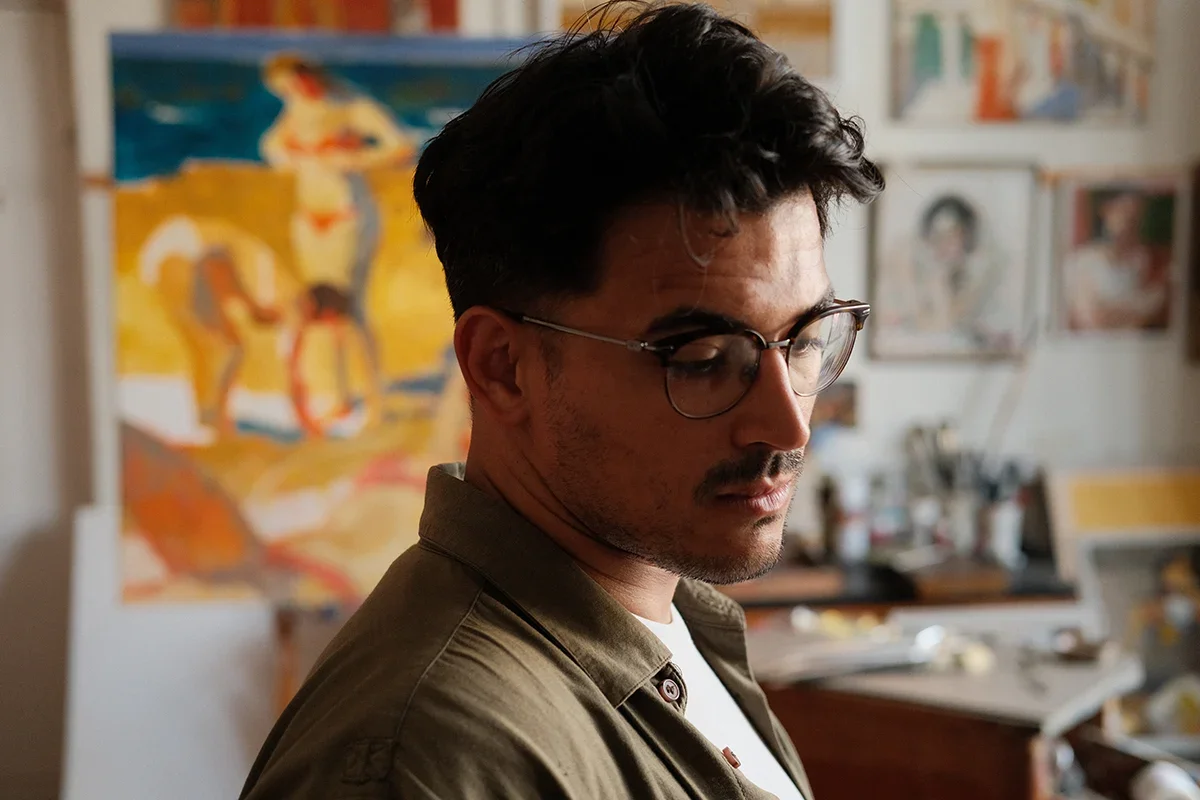
Samir Rakhmanov is an Azerbaijani fine artist and painter. He was born in Ukraine in 1994 and raised in Azerbaijan, where he spent his childhood and teenage years and completed his secondary education. In 2012, he moved to Saint Petersburg, Russia, to study at the Repin Institute of Painting, Sculpture and Architecture (the Saint Petersburg Academy of Fine Arts), graduating with distinction in 2020. From 2020 to 2022, he was represented by the Russian Ark Gallery. Since 2020, Rakhmanov has participated in numerous international exhibitions and completed a range of projects for institutions and private collectors. In 2025, he received the Jackson’s Art Prize Guest Judge’s Choice Award. @rakhmanovsamir
You were born in Ukraine but grew up in Azerbaijan. How did your upbringing in these two countries influence your artistic perspective?
I was born in the small town of Pavlohrad, Ukraine, but grew up in Baku, Azerbaijan. Throughout my childhood, I moved between the two countries, spending almost every summer in Ukraine with my grandparents. I loved exploring the outdoors, though once video games entered my life, my interests shifted for a while. I’m not exactly proud of that, but it sparked my curiosity for creating and later influenced my decision to pursue art. Growing up in post-Soviet countries, I witnessed societies rebuilding their identities. Being exposed to different cultures from an early age made multiculturalism a natural part of my worldview and made prejudice feel alien to me. It also gave me a deep curiosity about people and the world. I was lucky to have parents who cared deeply about my education and gave me opportunities that many children around me didn’t have. And even though my childhood and teenage years weren’t always easy, I remain very grateful for what I had. My art is deeply rooted in those early memories of the seaside and warm evenings in Azerbaijan, the open fields of Ukraine, and the people and landscapes that surrounded me. Those experiences shaped my desire to focus on the human figure, emotion, and atmosphere in my work. Being more introverted in my teens also allowed me to turn inward and dedicate myself to drawing.
When did you first realize you wanted to be an artist, and how did your time at the Repin Institute shape that commitment?
I wasn’t surrounded by art growing up, nor was it much discussed in my family or circles. My father had been a hobbyist artist in his youth, so my first exposure came from his drawings. As a child, I liked to draw, though nothing worth framing. My parents, being optimistic, enrolled me in a small art school that offered art lessons alongside regular subjects. That experiment didn’t last long, and I ended up in a regular middle school. For a few years, I barely drew at all. Then, in eighth grade, something clicked. I got hooked on drawing again, inspired by the entertainment world such as video games, manga, anime, and movies. That was the first time I realized this was what I wanted to do. Gradually, my interests shifted toward classical fine art. After finishing high school, I discovered the Saint Petersburg Academy of Arts in Russia through an online forum and was captivated by its classical approach to painting from life. Although I had little traditional training, I spent two years preparing and was accepted on my second attempt. The following six years were spent in rigorous study, painting and drawing from life daily, developing compositions at night, and spending summers on plein air trips and in museums copying master paintings. Surrounded by inspiring teachers and peers, I fully embraced traditional painting and realized I couldn’t imagine my life without it. For me, the importance of art lies in its ability to convey experience and that mysterious thing called life through the lens of the individual creating it. It is one of the rare ways we can exercise empathy to its fullest by accepting another’s vision and responding to it. I also believe that art requires skill and discipline, sharpened through constant practice, to communicate that experience with true strength and clarity.
Describe a typical day in your studio.
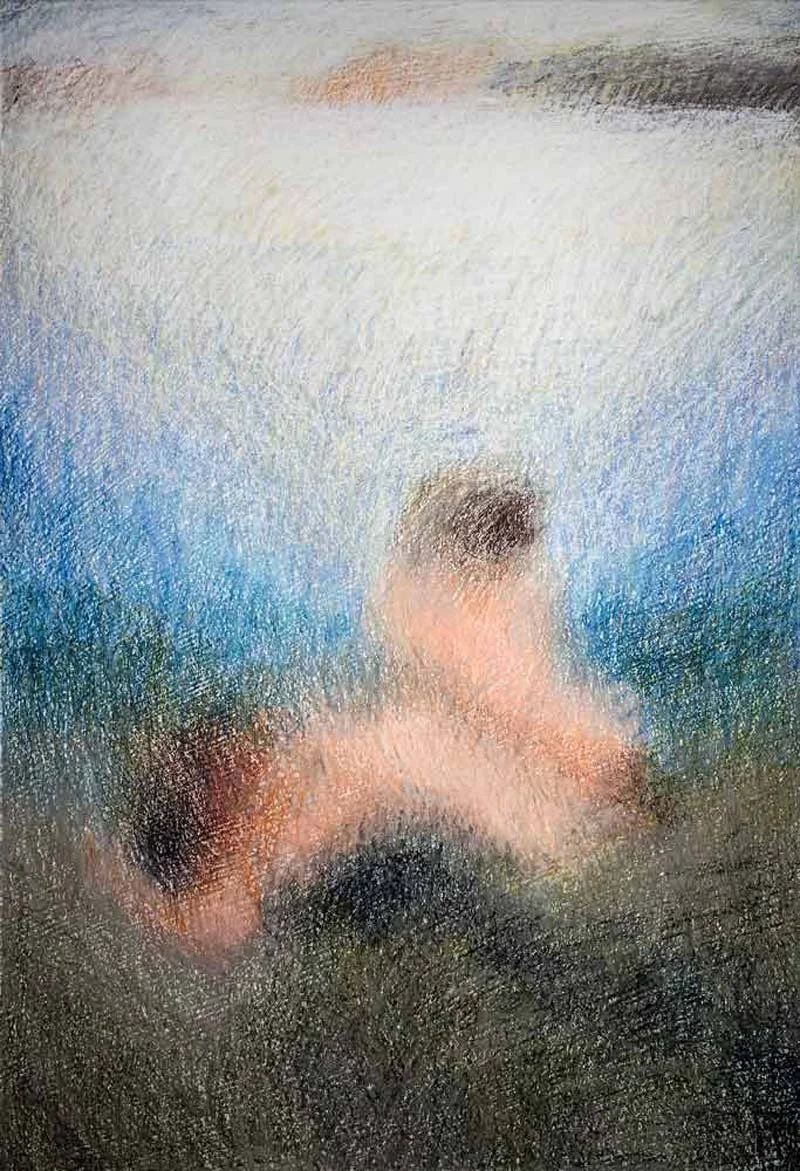
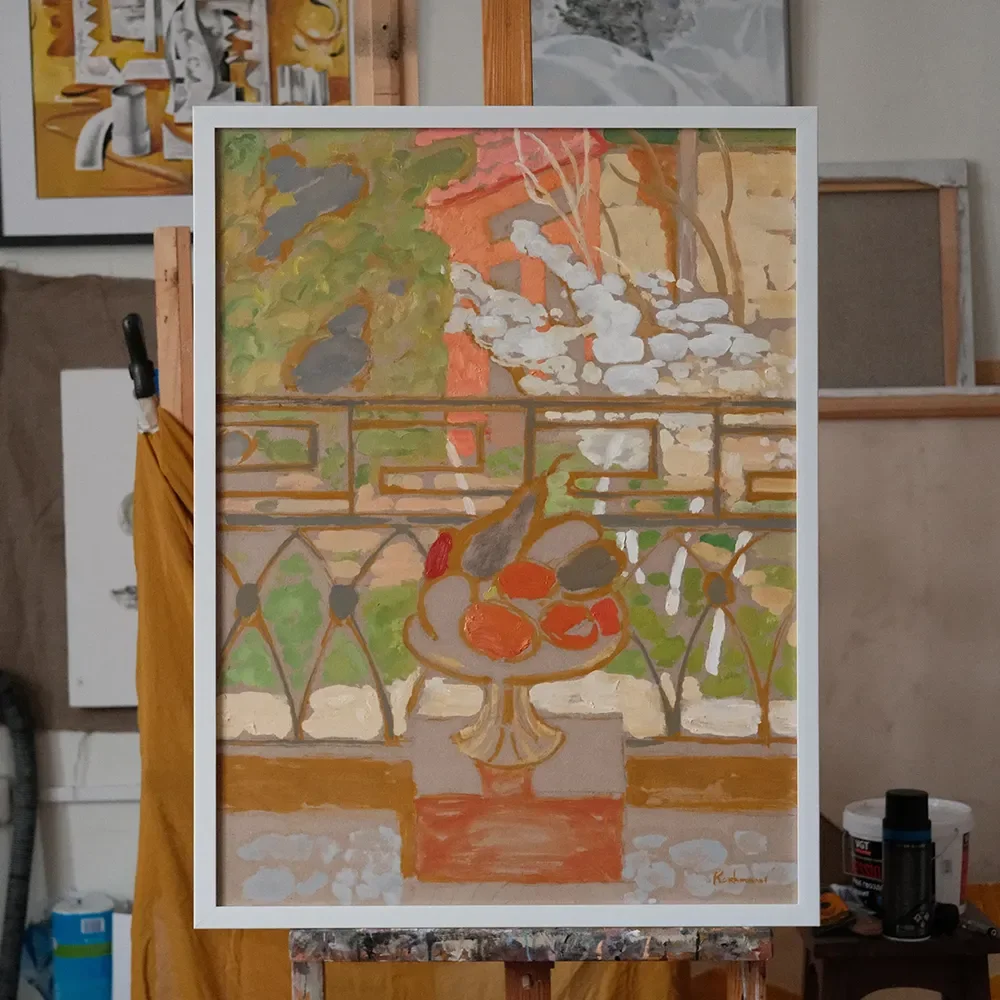
I try to spend time in the studio every day, even when there isn’t much to work on. Simply being there has become a ritual in itself. I share the space with a few other artists, and some days we end up talking for hours instead of painting. On my way in, I always pick up a cup of coffee, and usually another one or two later in the day. The first hour is usually dedicated to my students. I teach online, so that time goes into reviewing their work, writing feedback, and doing paintovers. When I am running a full online course, it can easily take up half the day or even the whole day. Once the teaching is done, I switch to my own projects. Commissions come first, and only after that do I move on to personal work. I try to make the most of natural light, since I do not enjoy painting under artificial lighting. My studio lights are excellent and color-accurate, but nothing compares to daylight. I paint until sunset whenever possible. Winters in Saint Petersburg, however, offer very little daylight, so artificial light becomes the only option during that time. I mostly work with oil paint and oil pastels, occasionally using gouache and traditional drawing materials such as charcoal and graphite for sketches and studies. Oil paint, being my main medium, is what I was trained to use and what I enjoy most. Letting the paint dry between sessions is an important part of the process, allowing time to reflect, make changes, and build layers. Oil pastel, on the other hand, is a more direct medium that is ideal for capturing ideas quickly, expressing emotion fully, and creating a vivid, lively surface of color.
What themes or ideas are you exploring in your current projects?
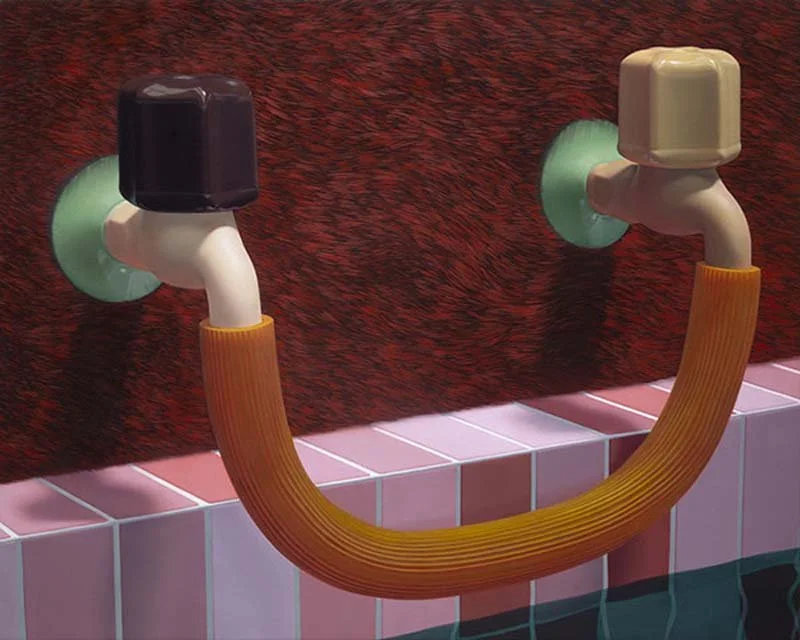
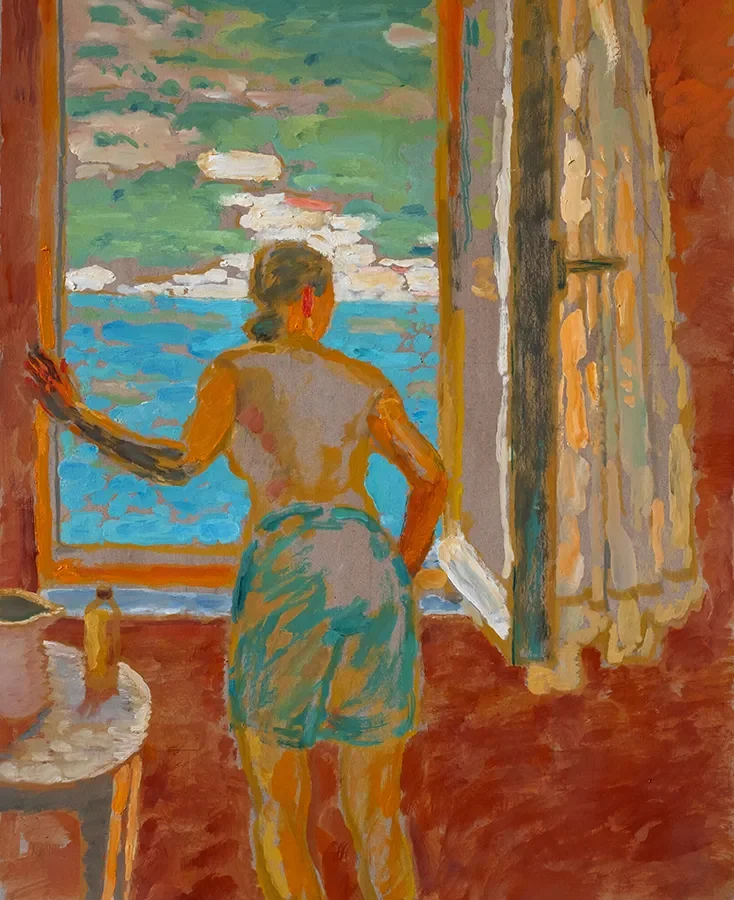
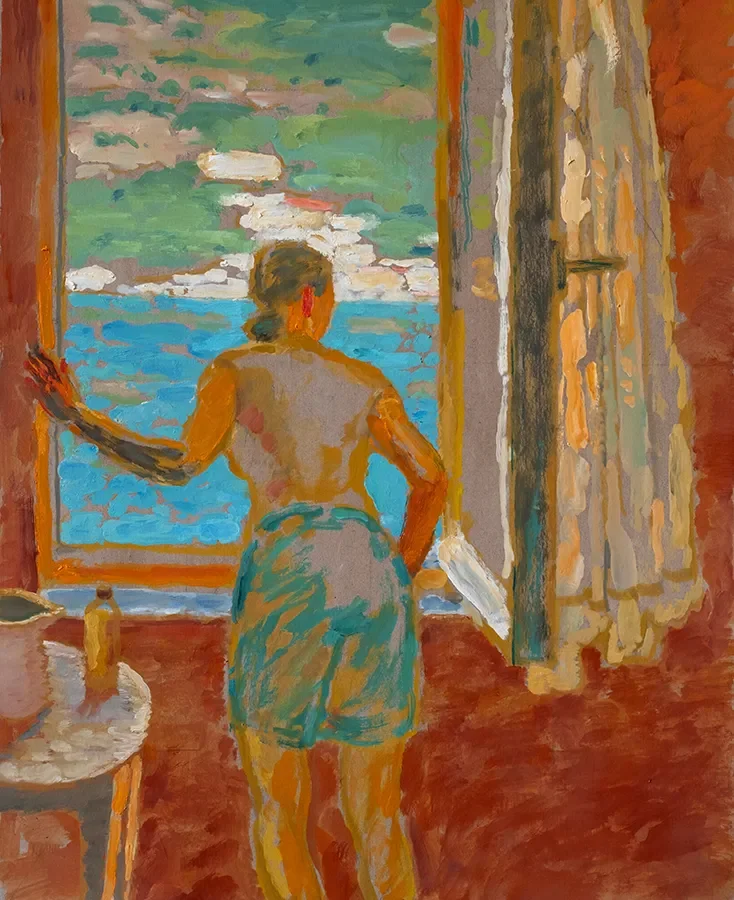
In between teaching, I am currently developing a few larger paintings that I hope to exhibit in upcoming shows and competitions. My recent ideas revolve around observing everyday activities and quiet moments through the lens of archetypes and themes that have accompanied human life for centuries. Whether it is an apple harvest or simply someone looking out of a window, I am interested in the connections we form when we experience such moments ourselves or witness others going through them. I aim to capture those instances and the unexpected beauty that can arise from embracing them. Earlier in my career, I focused primarily on realism and academic painting. Now I am more interested in exploring a formal and abstract approach to representation, searching for a balance between abstraction and realism that feels authentic to me and expresses aesthetic qualities at their fullest. I want the work to communicate directly, without words, and to speak to each viewer in a personal and individual way.
When viewers experience your art, what do you hope they take away from it? As mentioned earlier, I am driven by the idea of communicating through the formal qualities of an image. I aim to express the aesthetic beauty found in ordinary, day-to-day moments and activities that we or others experience. When people encounter my work, I hope they do not focus on the literal depiction of a scene but instead experience the image as a whole. I want them to form their own interpretations while also feeling the same sensation I experienced when first observing or imagining the moment. Figure, color, form, and light are the tools I use to achieve this.
Which artists, past or present, would you like to meet, and why?
I have never really thought about that, but I suppose meeting Titian would have been fascinating. I would love to see how he worked, and to understand how he and other artists of that period thought about painting and approached composition. Another period I would be curious to experience is late 19th century Europe. It seems like it must have been an incredibly vibrant and exciting time to be an artist and to be part of those creative circles.
Do you draw inspiration from music, literature, or other disciplines?
Yes, of course. I think it often happens subconsciously. I might be looking at art, watching a movie, or reading a book, and certain images settle in my mind. Later on, they resurface in unexpected ways. Lately, however, I try to minimize outside influences, especially from what I see online, and focus more on the world around me and my own memories. At the same time, listening to music often helps me concentrate and reach a certain state of mind, so in that sense, it also becomes a source of inspiration.
Living in Saint Petersburg, what do you find most creatively nourishing about your environment?
I currently live in Saint Petersburg, where I have my studio. The city is deeply connected with history and art, with outstanding museum collections, a large community of artists, and many art events. Since I studied here, I have a close circle of friends and professional contacts that help me stay focused on my work. After the tragic events of 2022, while it was physically difficult to relocate, it became even more important to concentrate on my art and stay close to my family and friends. In my hometown of Baku, where I travel often, the art scene is much younger and not yet as deeply embedded in the city’s life. It is always interesting and exciting to see new exhibitions and emerging artists there, and to watch how the art community continues to grow and develop.
Can you describe a project that challenged you creatively or emotionally—and how you worked through it?
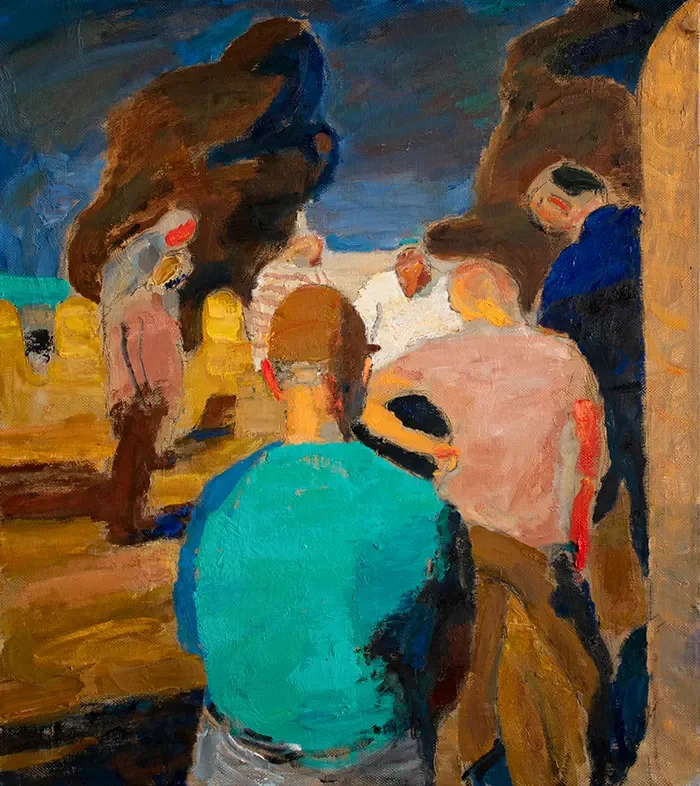
A Burial, painted in 2024, was one of those works that took me on both an emotional and creative roller coaster. The piece grew out of my personal experience of losing loved ones. In moments of grief, I found myself unexpectedly struck by a certain kind of beauty that can exist within something as solemn as a burial. It felt almost theatrical in the way it brings people together in a shared, synchronized act filled with emotion, but unlike theatre, the emotion is completely pure and unperformed. In Muslim tradition, burial is simple. The body is washed, wrapped in a white shroud, and interred as soon as possible, often the same day. Those attending usually wear their everyday clothes, often colorful rather than formal black. Sometimes the entire process happens on a warm summer evening, during golden hour. That combination of mourning, silence, the movement of many people working together, and the glow of bright clothes in soft light created a vivid contrast in my mind. It made me want to depict the scene with bold, rich colors rather than a monochrome palette, to capture both the weight of the moment and the unexpected beauty within it. I wrestled with the piece for two years. At first, I only managed a few sketches before realizing I couldn’t yet achieve what I envisioned. A year later, after attending another burial, the memory and emotion resurfaced, and I finally found the visual clarity to complete the work. I arrived at a composition where abstract, complex shapes and intense color harmonized, and the idea finally began to read the way I intended.
Tell us about the important teachers and mentors who have impacted your growth.
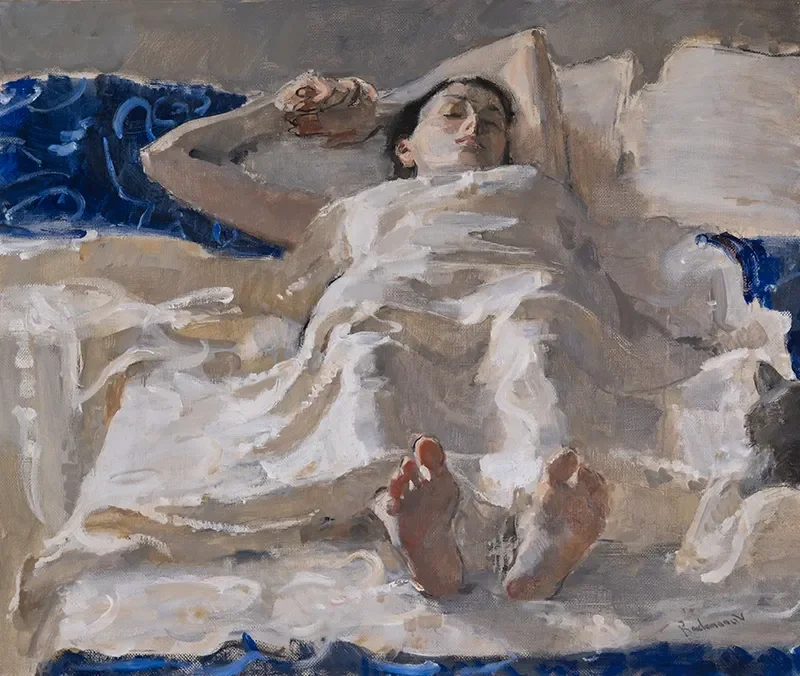
I was fortunate to have exceptional painting teachers at the Academy. My first-year instructor, Daria Kollegova, pushed me out of my comfort zone right away. She opened my eyes to the broader world of art beyond the Academy’s walls, bringing in books and albums, and introducing us to the works of many artists. Igor Petrov was another major influence, teaching me the intricacies of portrait painting and composition. He always emphasized the importance of strong composition and encouraged us to embrace challenges. I then studied for three years under Yuri Kalyuta, a master of expressive painting, who constantly reminded us to seek the decorative foundation within a work to make it more picturesque and engaging. Throughout my career and life, I have also been surrounded by amazing artists who continue to inspire me. A special role is played by my wife, Varvara Zankovich, a remarkable artist herself. She is always there to support, critique, and motivate me, and she remains one of my main muses and subjects in my paintings.
Does being in nature inspire your art or your process?
I used to spend much of my free time painting outdoors. Especially during the summers, I loved going out into nature and capturing beautiful landscapes in different countries and places. Working en plein air allows you to truly connect with the spirit and atmosphere of nature, leaving a lasting and joyful memory of the experience. Even now, I can clearly recall every detail of a landscape I painted seven years ago in Granada, in the south of Spain: the neat rows of olive trees bathed in the warm light of late afternoon, on a hill above the Alhambra Castle. The memory of that moment still brings me a deep sense of peace and happiness. And nowadays, even though I don't paint outdoors as much, I still love to go out in nature and get inspired by the beauty of it.
What are your reflections on AI, technology, and the importance of the handmade in art?
AI is creating serious challenges for human society in general and for art in particular. While it might change the way the wider public perceives beauty and creativity, I do not believe it will erase or replace fine art or human-made art. Some artists may choose to use it as a tool to explore new forms and visual possibilities, and that is perfectly valid. However, in my opinion, AI does not allow full control over the creation of an artwork, at least not yet. There is a clear difference between shaping every brushstroke yourself and simply instructing a program to alter parts of an image. Using AI as part of the process can be interesting, but I do not think generating an image with AI and calling yourself an artist is entirely fair. Perhaps we will need a new term for that kind of practice, something like “visual generation direction” or “creative management.” I believe that as AI becomes more popular, it will actually renew people’s appreciation for human-made art, especially among those who already value it deeply. For many others, art may not be a priority or an interest, and that is completely fine; they are allowed to consume generative "art" and be happy with it. But for those who care about it, the human touch - the imperfections, decisions, and emotions behind each mark will only become more meaningful.
Exploring ideas, art, and the creative process connects me to…
life itself, to the constant movement of thought, emotion, and discovery. It gives me purpose and joy, and when my work resonates with others, that shared response deepens the sense of meaning and fuels the desire to keep exploring further and further.