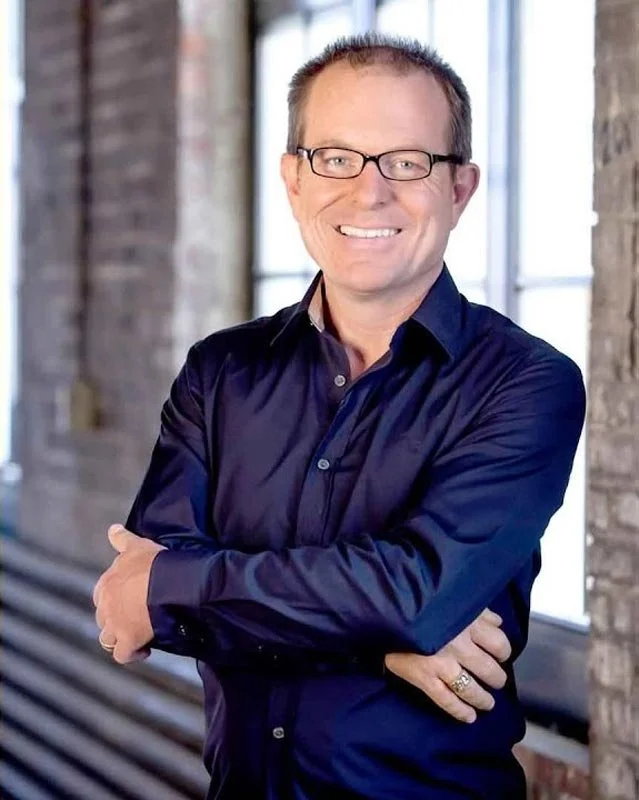


Antwerp-based artist Manu De Mey on reference images and the meaning of life.
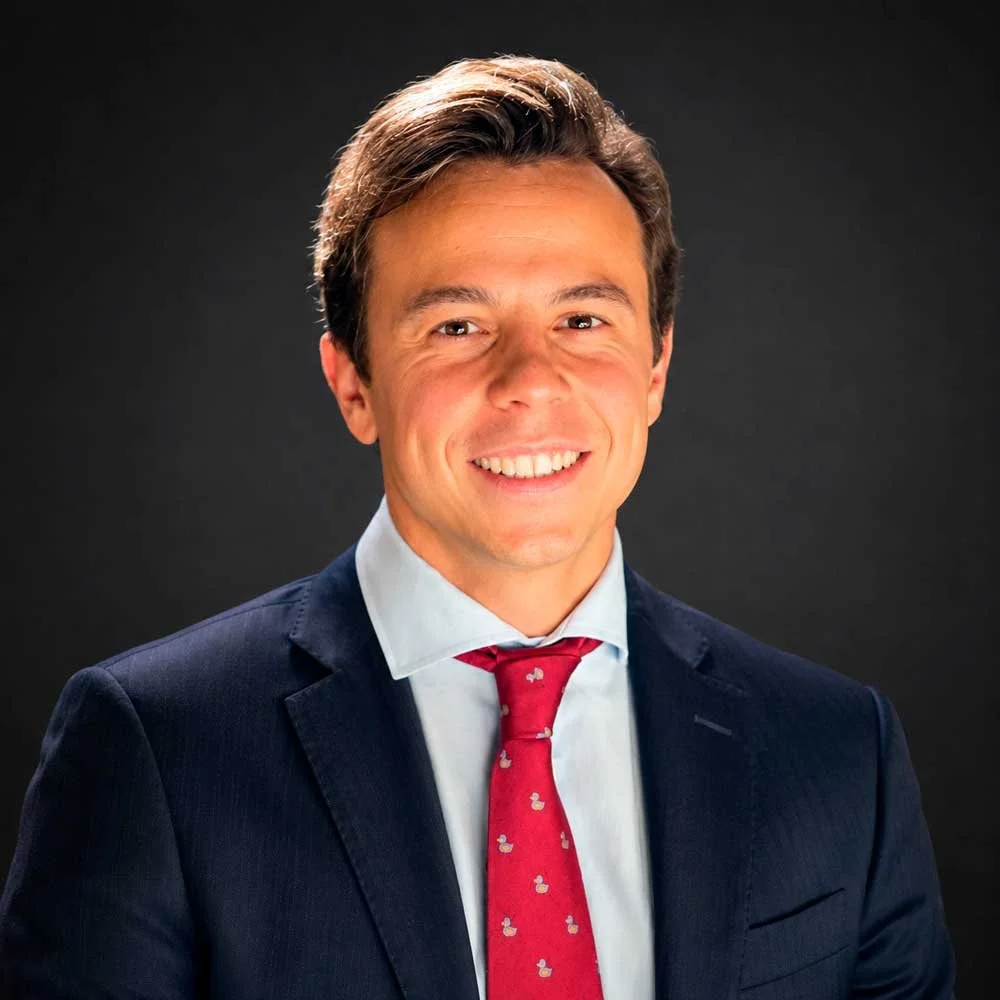
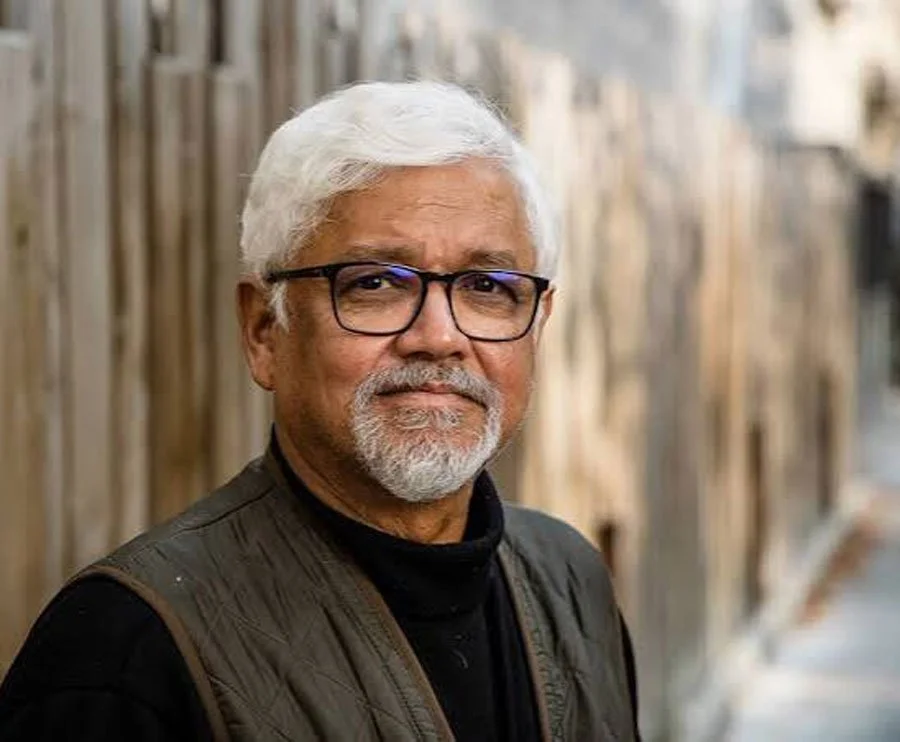
Manu De Mey (1965) was born in Antwerp, his mother a British artist and his father a Flemish accountant.
In September 2017, he experienced a creative epiphany at the Burning Man festival in the Nevada desert, USA. Within a week, he enrolled in art school and began drawing and painting.
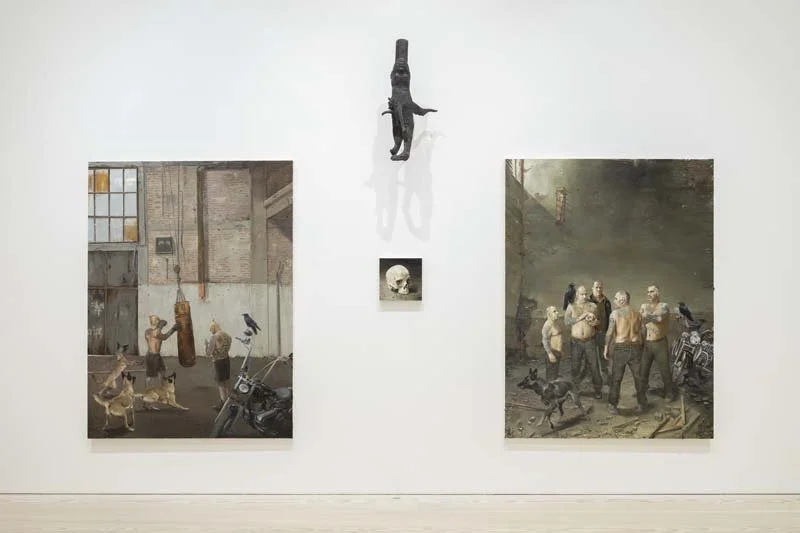
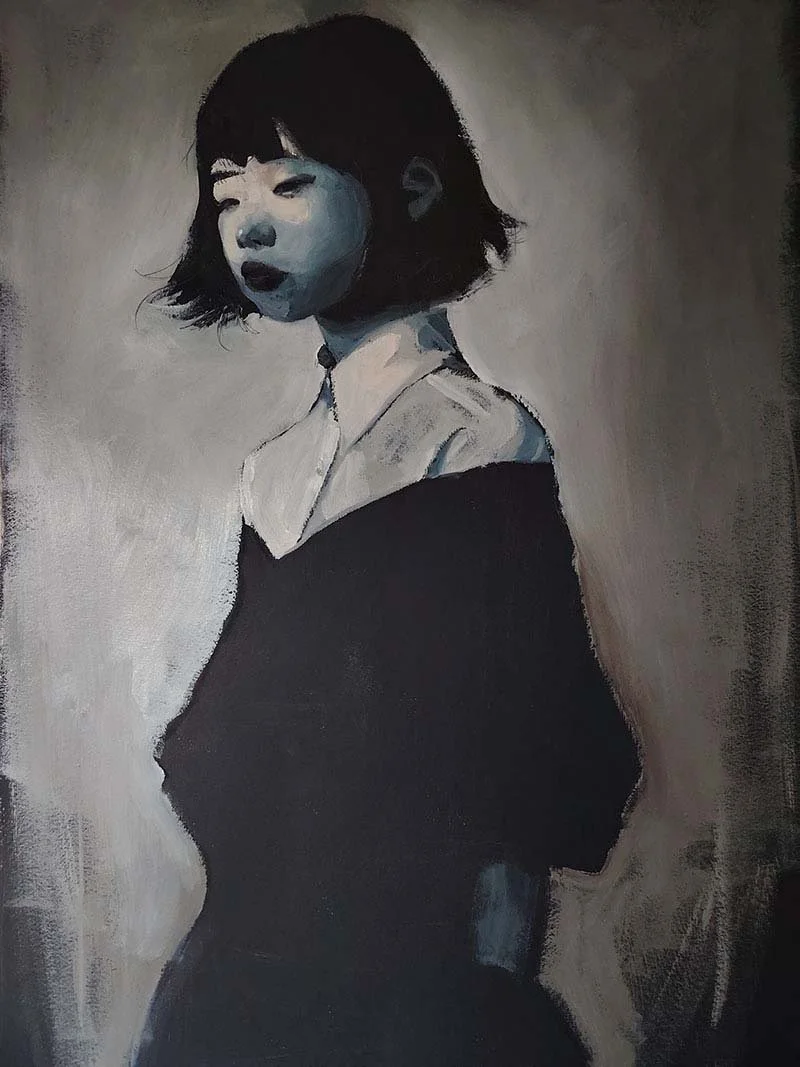
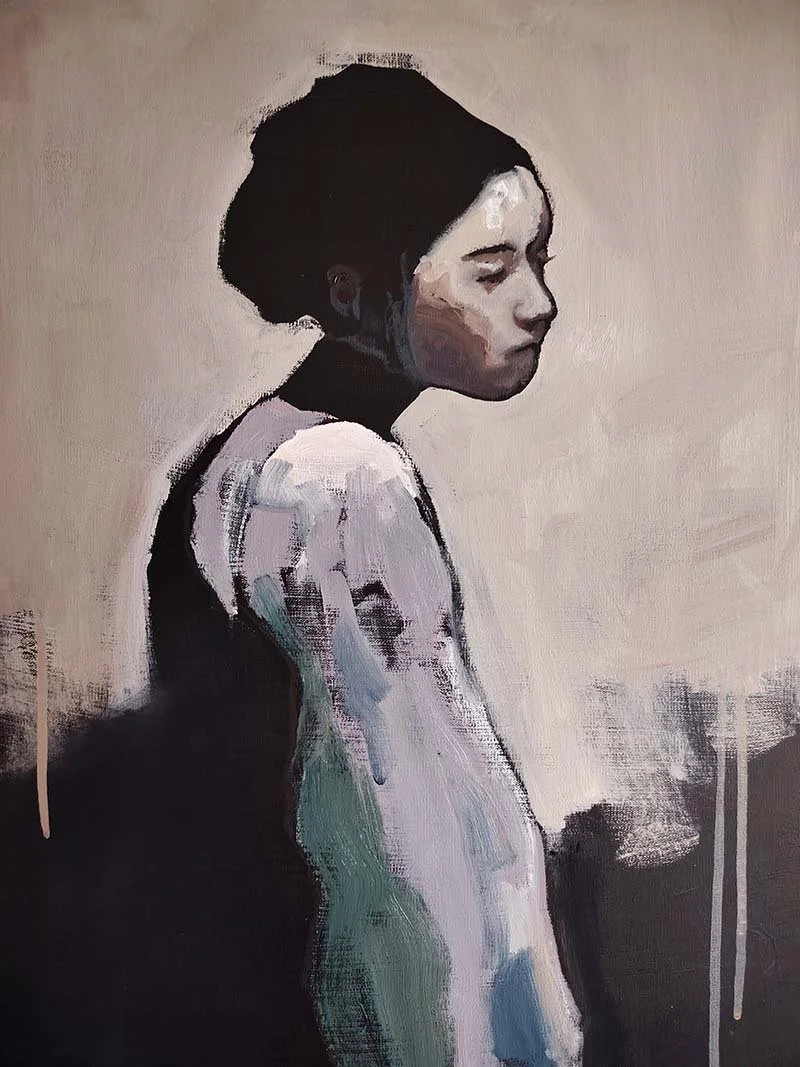
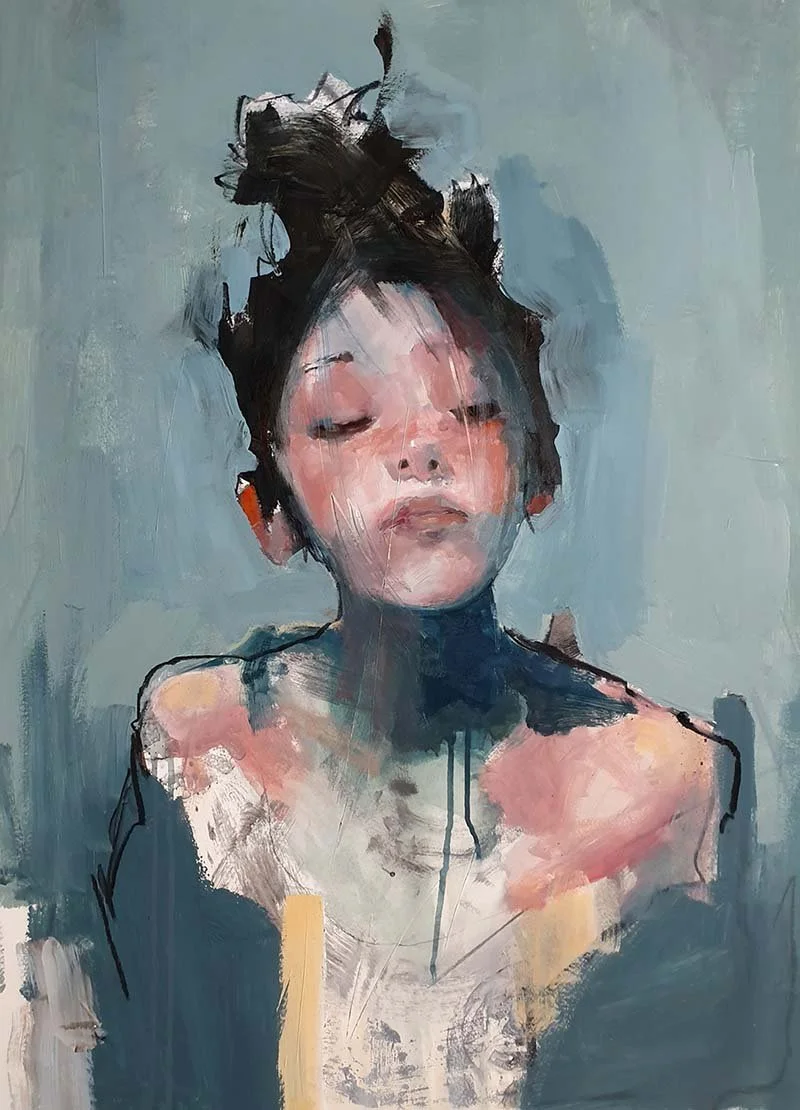
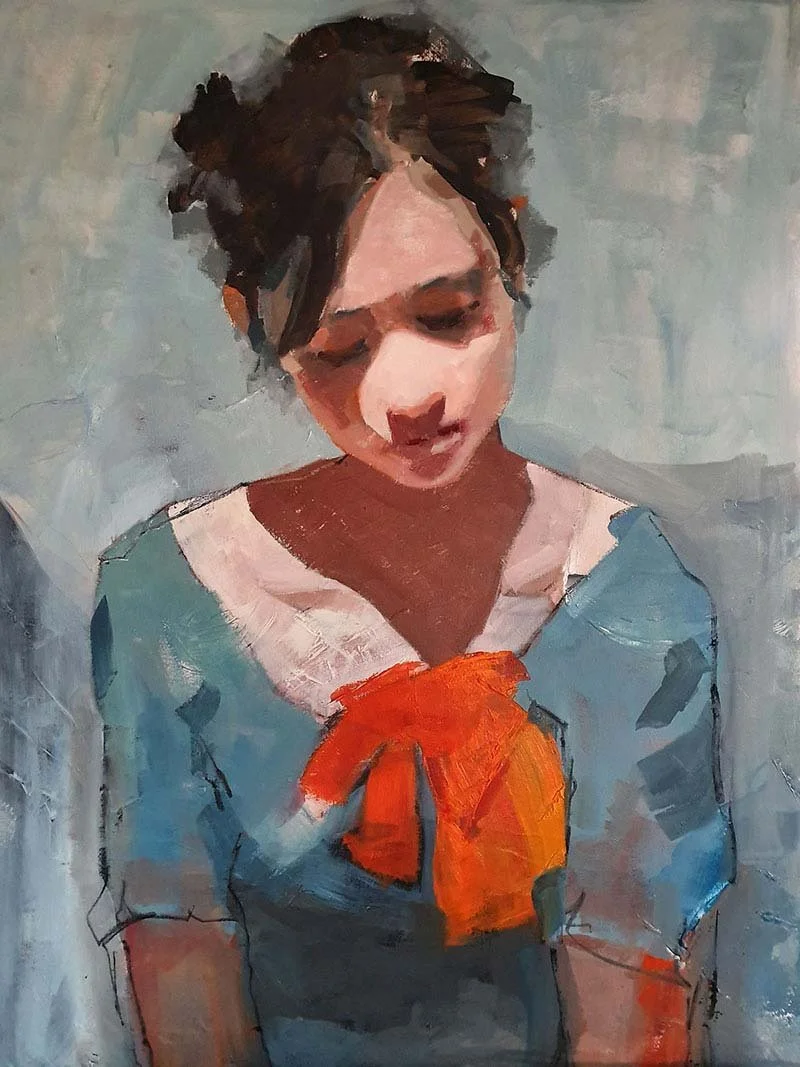
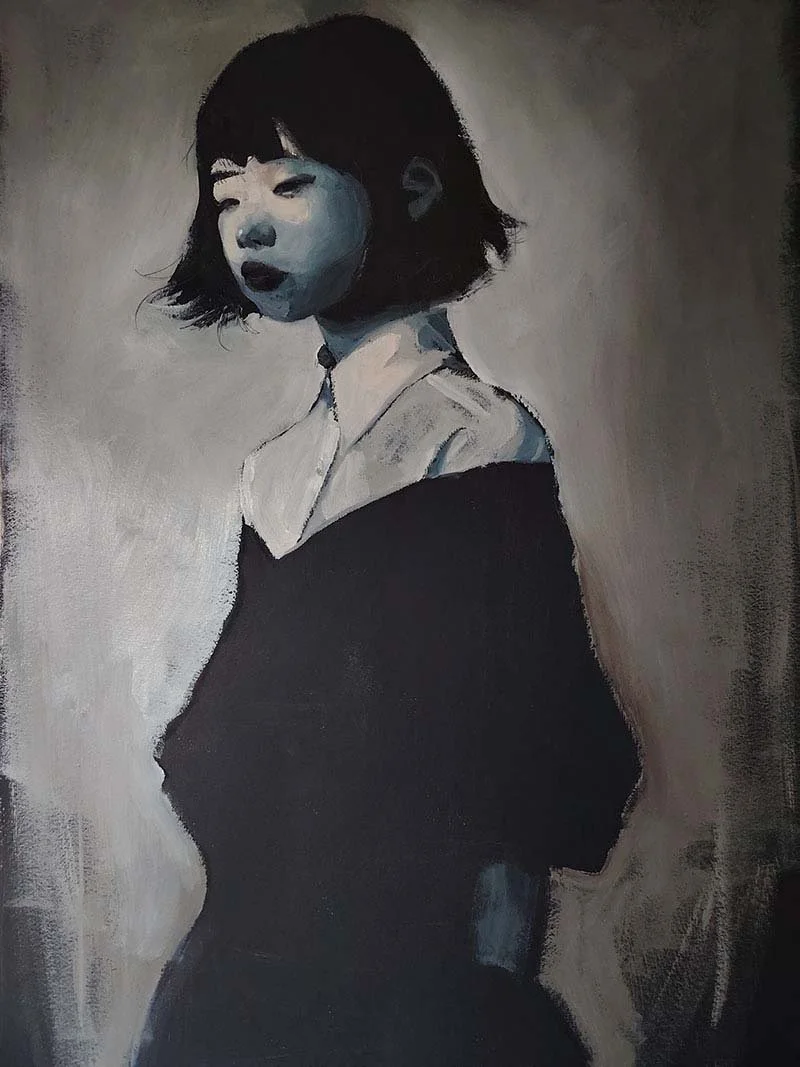
With his expressive portraits, Manu tries to create something visually striking and convey a strong emotion. His world is populated with vulnerable, melancholic people with suppressed emotion.
Manu has had several expositions all over the world, including Antwerp, Amsterdam, Paris, Berlin, Madrid, Monaco, Kopenhagen, Cairo, Canada, China and Taiwan. @manudemey
Where were you born and raised? How did it influence your art and your thinking about the world?
I was born and raised in Kalmthout, Belgium. Kalmthout is known in Belgium for it's heath fields nature resort. So, it is kind of a quiet corner in an otherwise densly populated country. I was not so much influenced by my birth place as I was by my parents. My father was a Flemish accountant but my mother was a British artist, so my childhood was a bit different from the typical Flemish lifestyle. My parents had a bit of a hippy mentality and I had a very liberal upbringing. But I was a very shy and anxious child. When I was six I had heart surgery. The heart defect I was suffering from made me have terrible nightmares for a long period of time prior to my surgery. Although the surgery mostly fixed me physically, I have always been a timid and anxious person. I have always been an overthinker and analysing person and spend a great deal of time thinking about the big questions in life, like the meaning of life, the (non-)existence of God and why there is so much suffering in the world. All of my paintings reflect this.
When did you first fall in love with art and realize you wanted to be an artist? For you, what is the importance of the arts?
My mother was a painter, so I grew up coming in contact a lot with art. I already came to know Egon Schiele, Klimt and Ensor at a very young age since they were my mothers big influence. But as a kid it was just something natural for me and not something I thought about a lot. I loved drawing but I always dreamed of becoming a writer, not a painter. In school I was good in creativity but I was also very good in maths so in stead of choosing for Arts, I choose for computer science. So I became a web designer in stead of an artist. In 2017, as my webdesign job had become more and more technical and less and less creative, I visited Burning Man together with my partner. We had a creative ephiphany there and both enrolled ourselves in the Art academy. I chose painting (my partner chose photography). It started as an hobby but very quickly turned into something more serious.
As a person who overthinks everything all of the time, I have a really hard time of keeping a state of mind where I think that what I do has any importance at all. I have long periods of time where I don't think art as any importance at all. Not only do I have imposter syndrome most of the time, I have these bad periods where I think all artists are imposters, even the ones I used to admire.
What does your typical day in the studio look like? Walk us through your studio and your most used materials and tools.
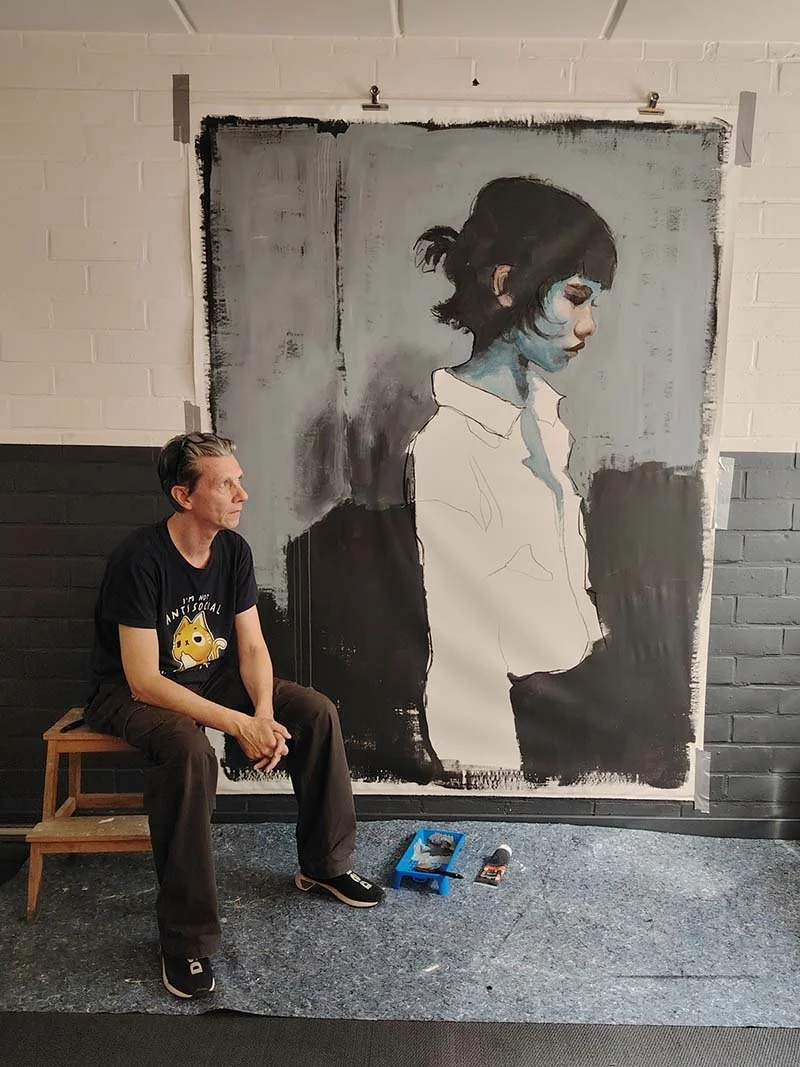
Before I start painting a painting, I have quite a long preparation/inspiration phase which takes place at my computer. I nearly always use a reference image to paint my portraits. This used to be a photo of a person, but nowadays I use AI and Photoshop to create a reference image. So I doodle and muck about digitally for a while until my reference image becomes somthing that sparks something. There is this difficult to describe moment where the reference image becomes something that I HAVE to paint. I then come into a flow, a drive, a necessity and I run to my studio. I will then start to create and I will not stop until it is finished. It has to happen in one session. If I can't finish it in one session, I will loose interest in the "project". So I work alla prima (I don't let the paint dry and I don't work in layers). The only exception is the background layer which I normally do in acrylic. I then draw the figure with charcoal and after that start working with oil paints. The whole process for 1 painting nearly never takes more than a day. I work wet on wet with the oils.
What projects are you at work on at the moment? And what themes or ideas are currently driving your work?
Up until now I have always ever had just one theme.
I always try to convey an emotion. It’s the emotion that is the most important in my art. I was an introvert child when I was young, scared of the outside world. As an adult I’m still looking for meaning, overthinking things, trying to figure out what human nature really is... surprised and shocked of what man is capable of. Asking myself what the point is of everything. All this triggering a feeling of melancholy, of looking for meaningfulness.
That emotion is what I try to convey in my work. Not in an obvious or symbolic way, but introvert, hidden, implicit.
What impact do you hope your art has on viewers?
I try to be very open and liberal about what people should feel when they look at my art. So for me, what I try to express and what people can/may see, are two different things. Once a painting is done, what I want to express is already expressed (for myself) and the painting goes into the world to go it's own way. People see all sorts of things in my art like sadness, abuse, contemplation, empowerment,... and that is all OK. In fact, when two people experience two opposite feelings in the same painting, I think of this as a succes. I like the ambiguity. I always try to be not to explicit to reach this ambiguity.
How do other mediums inform your artistic choices?
Yes. I always have music playing in my studio. It is an essential part of the flow I'm in when I'm creating a work.
Also, every paintings title is a title of one of the music tracks that I listened to whilst I was painting it.
A great thing about living in my city/town is…
I live in Antwerp, which has a really deep historical connection with art. I can hop on my bike and in only a 10 minute ride I can go and look at a Rubens masterpiece in the Palace of Fine Arts. Also there are countless of galleries in my surroundings. I actively take part in open studio weekends every year and have met a lot of artists with whom I often do group-exhibitions and have lasting contact.
Tell us about important teachers/mentors/collaborators in your life.
The mentor/teacher that has influenced me the most, must be my mother. Altough she never actively teached any of us (I am the eldest of 4 brothers) we all grew up in this creative surroundings with a mother who was always painting or drawing somewhere in the house. We used to be her models even sometimes.
Altough I can't think of another real mentor or influence, I must say that I really like collaborating with other artists. And not only other painters but also photographers or music artists for example.
How does nature inform your creative process?
I am a bit of a sensitive person and easily touched by beauty and kindness but that isn't what my art is about.
Yes, nature can be beauty and wonder but it is also this brute violent force. My themes are more about the dark side of nature (and human nature) and the meaning (or meaninglessness) of our existence.
AI is changing everything - the way we see the world, creativity, art, our ideas of beauty and the way we communicate with each other and our imaginations. What are your reflections about AI and technology? What is the importance of human art and handmade creative works over industrialized creative practices?
I have always been interested in progress and new technologies. In fact, before I started to paint, I was making creative images with computer software as a hobby (pre AI times). So I actually went from digitally creating to analog creation. With the rise of AI, in came the digital world again into my creation process. Altough I often get very worried about my future when thinking about AI and obviously there are still a lot of problems that have to be solved in using AI (copyright infringement for example), I do use AI to help me in the creative process but I have been thinking about this very often lately and I think I will be evolving to a work method that is going to become more and more analog in the future.
Exploring ideas, art and the creative process connects me to…
a better understanding of our existence. Of my existence. The themes in my art are about the meaning of life, the (non-)existence of God and why there is so much suffering in the world. Altough this sounds as if making art is a really profound and meaningful thing to be doing, more often then not, by overanalizing, I come to a point where I find the whole art process utterly senseless and nonsensical.