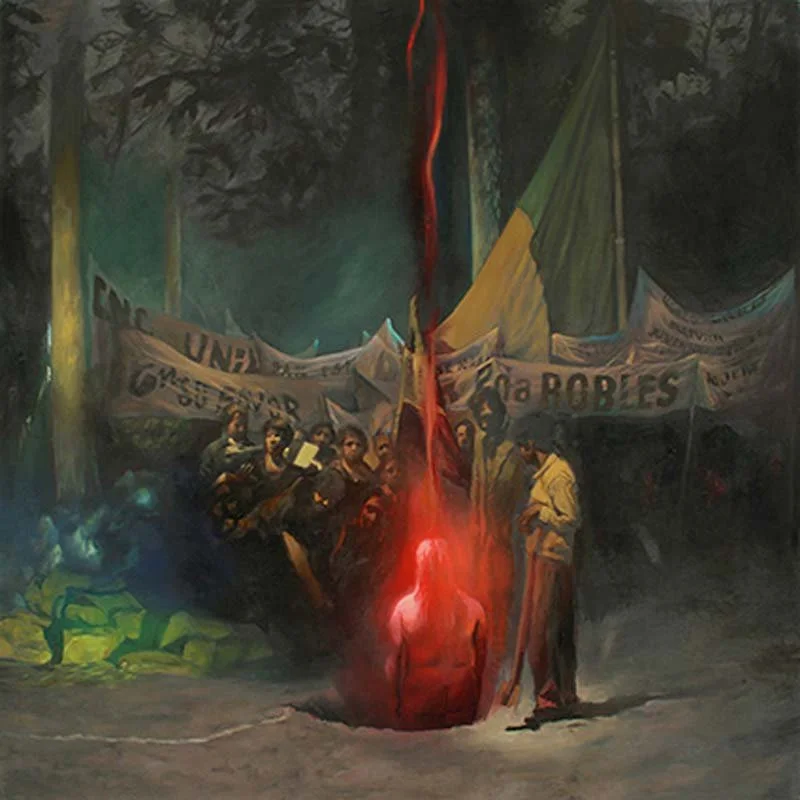


Querétaro-based artist Haniel Fonseca on the posthuman body, labor, and systemic violence.
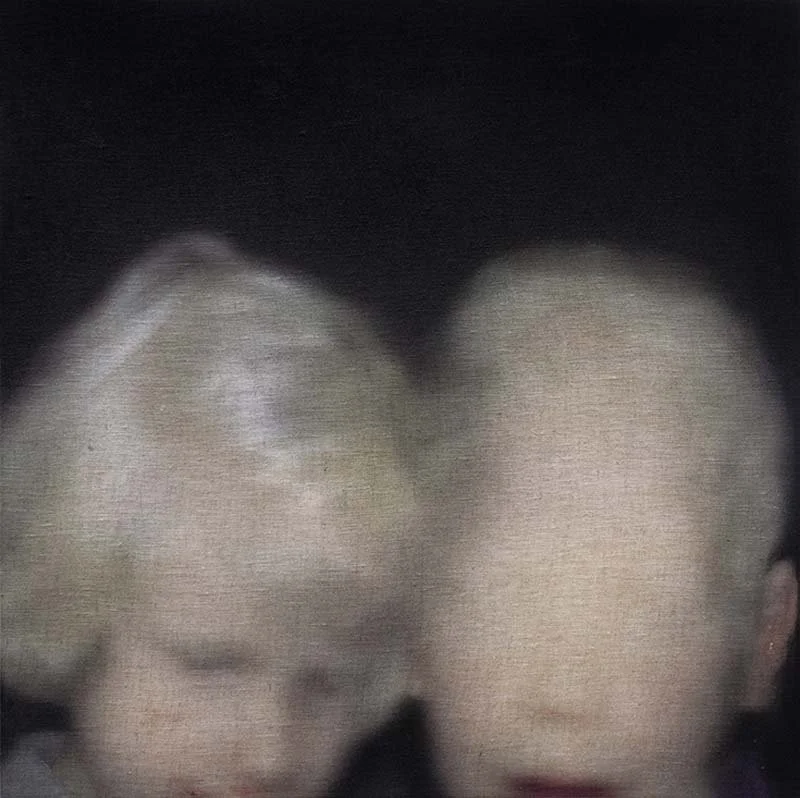
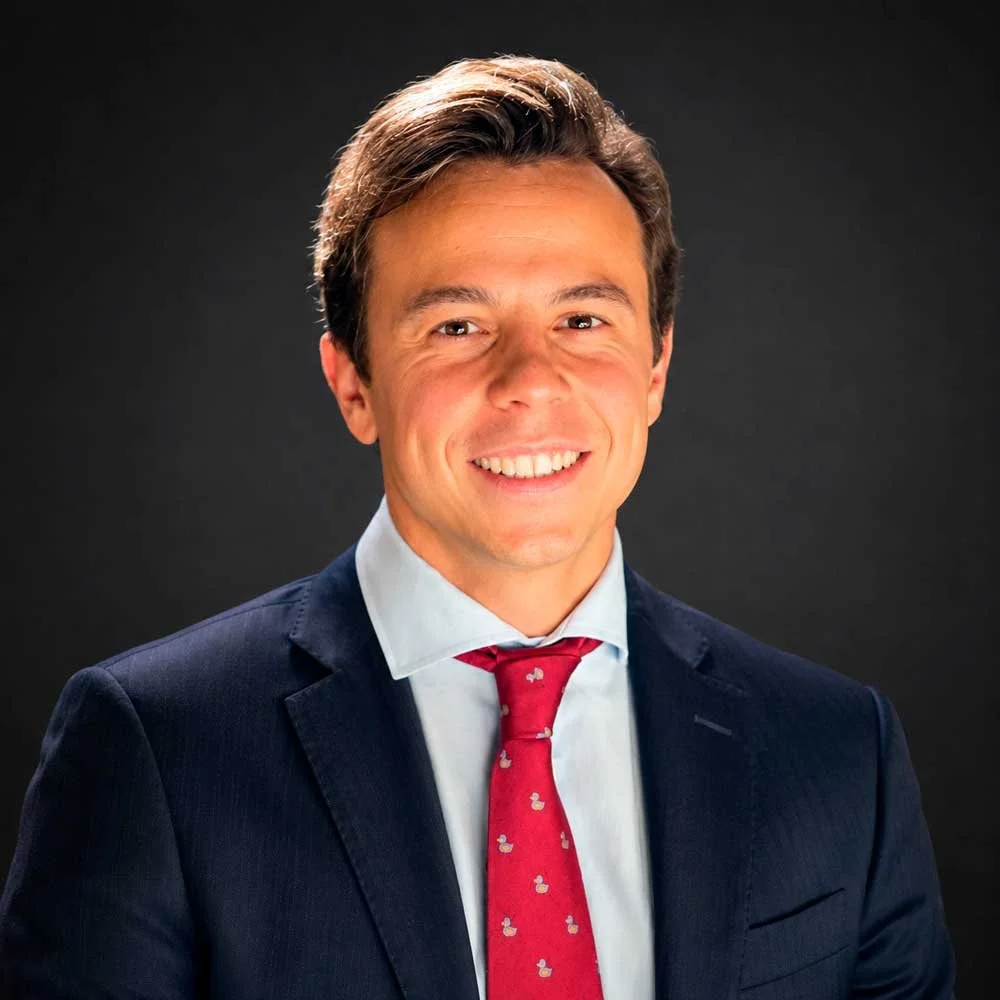
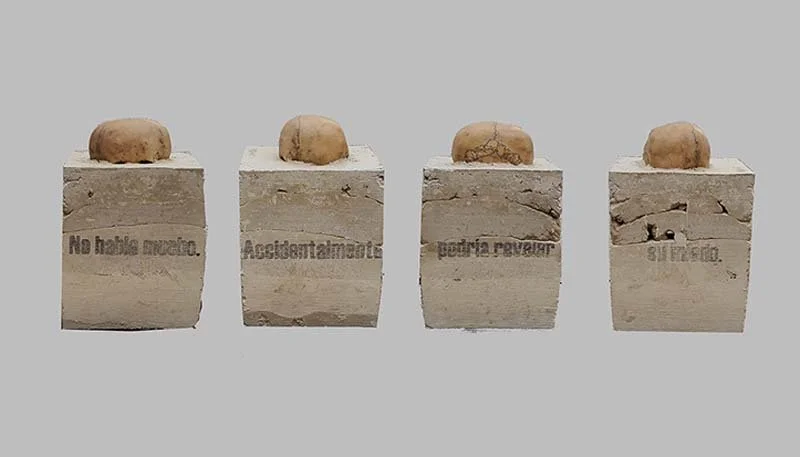
Haniel Fonseca is a figurative painter who explores the body and the violences that domesticate and exploit it. A graduate of the Universidad del Claustro de Sor Juana, he works primarily in oil realism while expanding his practice through installations and video to create atmospheric environments. His work is deeply informed by critical theory and the concept of Gore Capitalism, exploring the symbolic systems of death and labor in contemporary Mexico. @haniel_fonseca

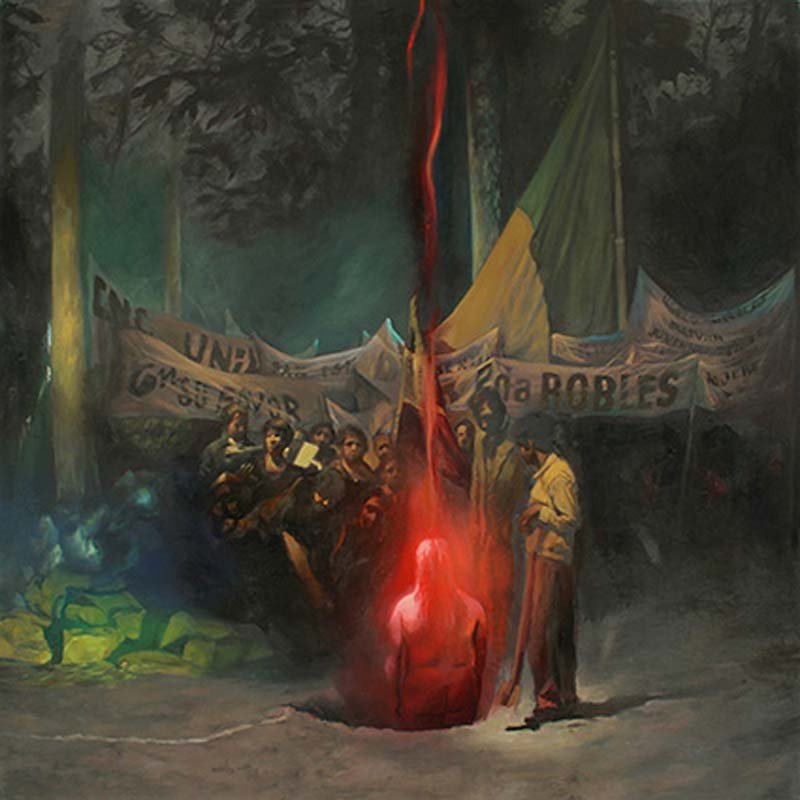

You were born in Toluca. How did your upbringing there influence your artistic perspective?
I was born in Toluca, State of Mexico, a peripheral city near the capital, marked by industry and with little access to art or culture. Growing up in a place so detached from art gave me a critical vision. Toluca is a city with deep social inequality, where what I call “internal colonialism” is present: Mexico City colonizes the surrounding towns, extracting natural resources and cheap labor. This has created a working-class population that inhabits “dormitory cities.” These material conditions shaped my critical perspective toward capitalism, violence, and decoloniality—ideas that run through my work.
When did you first fall in love with art and realize you wanted to be an artist? For you, what is the importance of the arts?
I started drawing when I was about four years old, and it was the only thing I loved doing when I was alone. I believe art is more of a necessity than a choice.
What does your typical day in the studio look like? Walk us through your most used materials.
I like to wake up early and begin painting. Natural light is essential for me, so I start around 8 or 9 am and work for about 4 or 5 hours, since the light quality drops after 1 or 2 pm. Some days I work with grisaille—the monochromatic first layer in oil with a lean medium. Those days are very dynamic because the paint dries quickly and the brushstrokes are more expressive. Other days are slower, focused on layering and glazes. I also spend days doing photoshoots to create references, which involve working performatively with models. The most mentally exhausting days are the ones I spend on digital sketches and research.
Tell us about your current residency in Bienno and the themes driving your work.
I am developing an artistic residency in Bienno, a small town in northern Italy. Here, I am working on a project about the relationship between the UFO phenomenon—as a projection of societies in crisis—and the Anni di piombo (Years of Lead), a period marked by terrorism and violence in Italy. I also explore the alien body as a metaphor for the fear of the foreign body: the fear of what comes from elsewhere, the anxiety about invasion, and the phenomenon of migration.
What do you hope people experience when they encounter your art?
I want my work to be an abject platform of action for peripheral perspectives, distanced from the center—emerging from ruins, the posthuman body, historical materialism, and freak theory. I hope my art raises more questions than answers, stimulating critical thought and reflection.
Which figures from history or philosophy would you most like to meet?
I am not particularly interested in meeting artists from the past—I feel there wouldn’t be much to discuss beyond seeing their work. I would rather meet philosophers or political figures. For example, Michel Foucault, to talk about heterotopias, non-normative bodies, and otherness.
Do you draw inspiration from cinema or other disciplines?
Other disciplines inspire me more than painting itself: cinema (Carlos Reygadas, Lars von Trier, Gaspar Noé, Tarkovsky, Tatiana Huezo), internet visual culture (shitposting, memes, AI-generated images), as well as philosophy, dialectical materialism, and critical theory.
What is a great thing about living in Querétaro?
I currently live in Querétaro, Mexico. It is a beautiful and safe city, but for me, the best part is its artistic scene—there is a strong community of painters here that inspires and motivates me.
Can you describe a project that challenged you creatively or emotionally?
A project I am planning for the coming months is a reflection on hygiene as a form of control in heterotopic spaces. I plan to isolate myself for about six months, without contact with the outside world, and during that time I will abandon my personal and environmental hygiene. It will be an emotionally intense project, even risky. I don’t yet know how I will resolve it, but that uncertainty is part of the challenge.
Tell us about important mentors or collaborators in your life.
I don’t really have mentors or formal teachers; my formation has been mostly self-taught. I see my context and society as my main educators. Still, some friends and fellow artists have been very influential—we have grown together, and I deeply value them.
Does nature inspire your art or your process?
I really enjoy the forest, but nature does not play a direct role in my creative process.
What are your reflections on AI and technology in art?
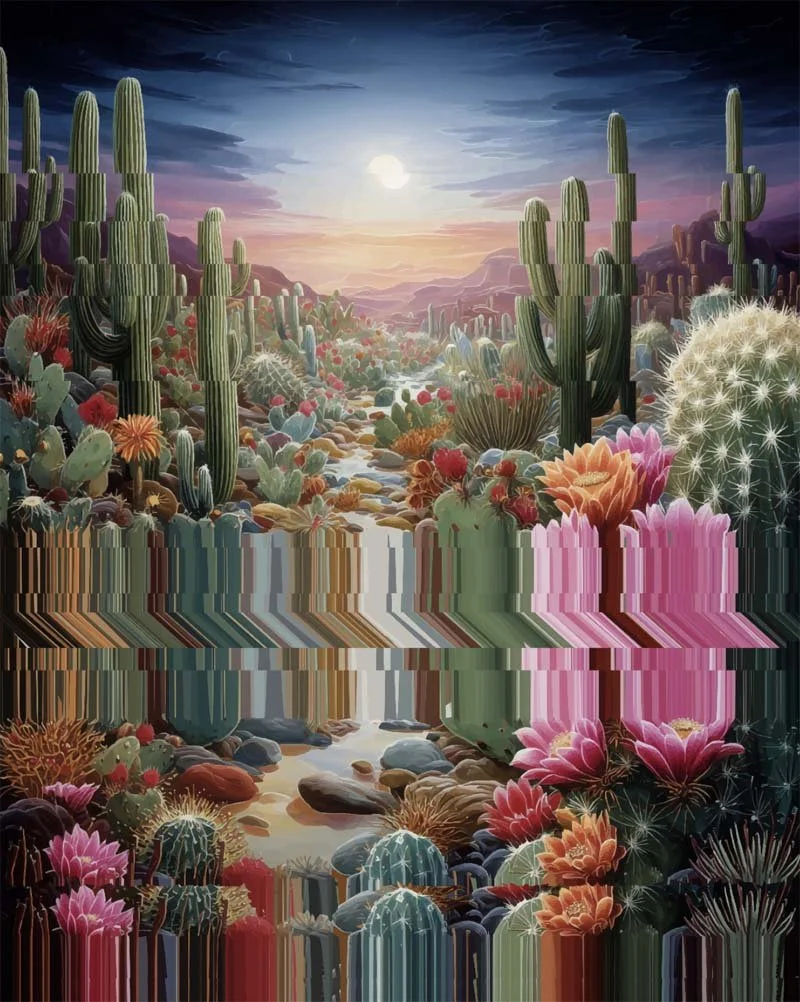
Technology has always been a tool for art: brushes, oils, and pigments are all forms of technology. I like to use contemporary technologies as part of my painting processes—I don’t see tradition and technology as opposites. I am less interested in producing AI-generated images and more in studying the algorithm and its logic. It could free us from unwanted labor or become a mechanism of control that further concentrates power and wealth. This raises questions: Will humans become more creative with cyborg tools? These concerns lead me to think about posthumanism, transhumanism, technofeudalism, and the cyborg body.
Exploring ideas, art and the creative process connects me to…
hyperstitional phenomena.