

Artist Jarmo Mäkilä on collaboration, madness, and adventure.
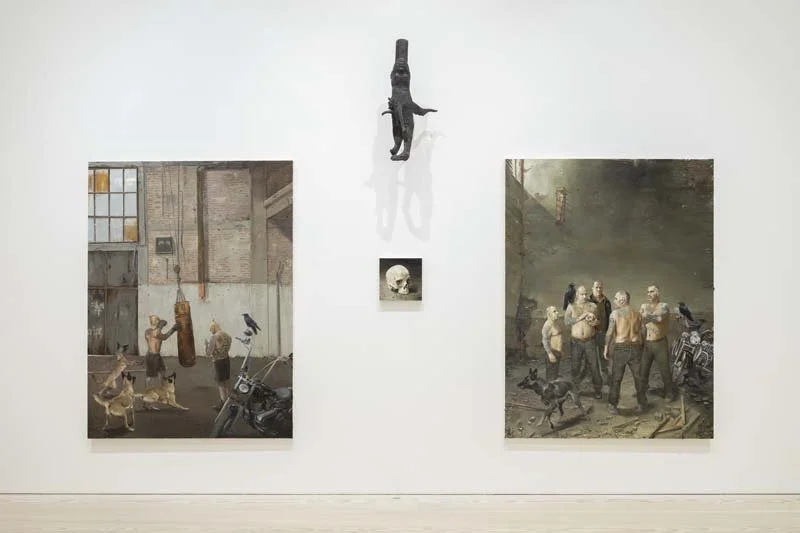
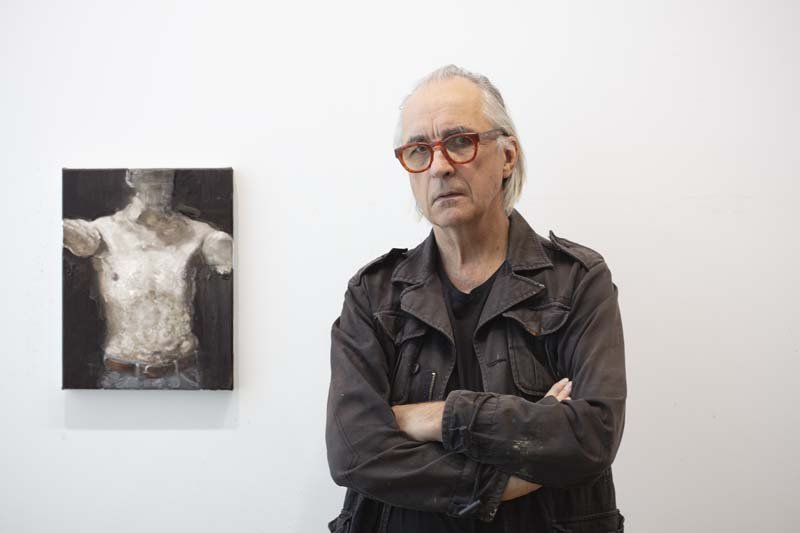
Jarmo Mäkilä is a Finnish painter and visual artist known for his powerfully symbolic and narrative works. Regarded as one of the most significant painters of his generation, he has created a distinctive visual world where realistic painting merges with themes of memory, identity, and the subconscious. Mäkilä’s works often explore growth and the many facets of self, both real and imagined. His detailed realism opens symbolic dimensions, leading the viewer into the inner landscapes of the mind. He has held numerous solo exhibitions globally, including in Berlin, Paris, New York, and Seoul, and his work is held in major collections such as Kiasma, Ateneum, and the Amos Rex. @jarmomaekilae
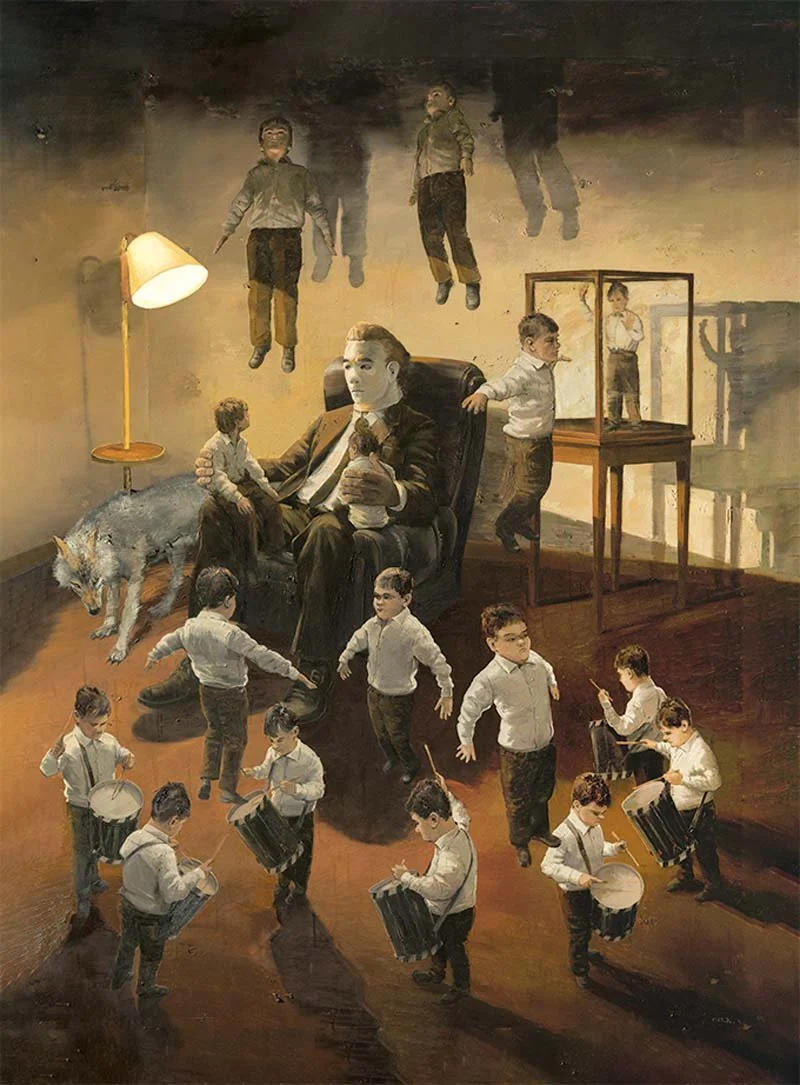
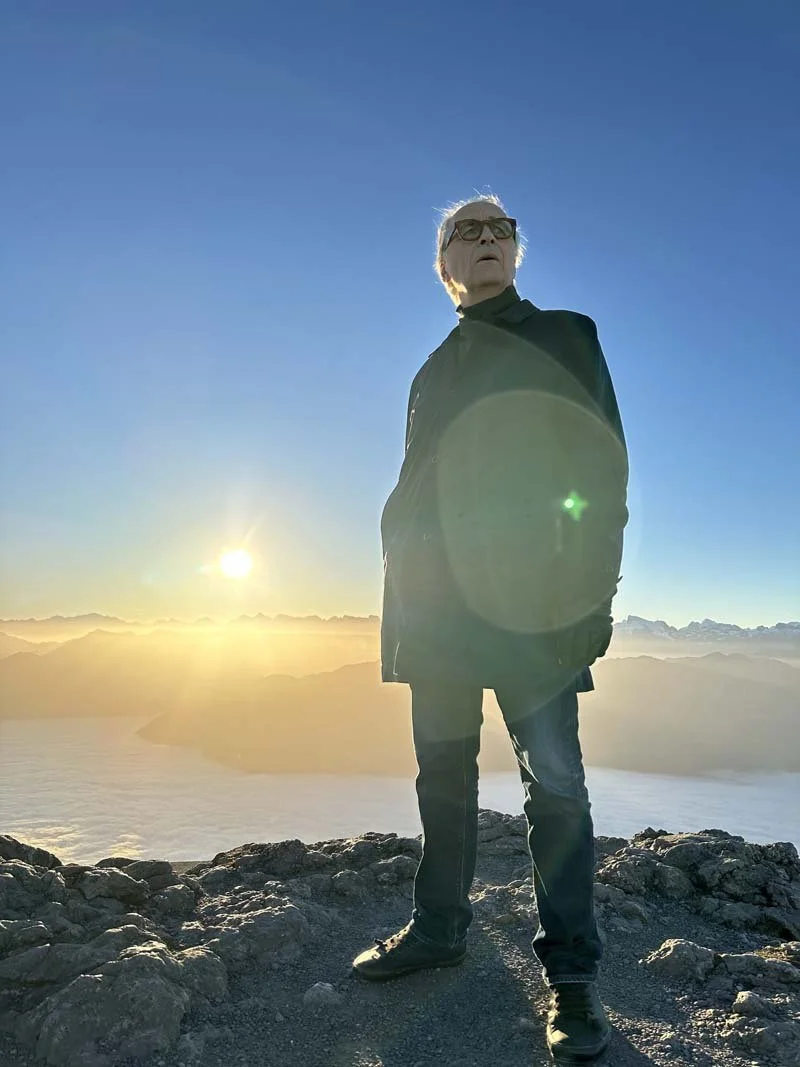
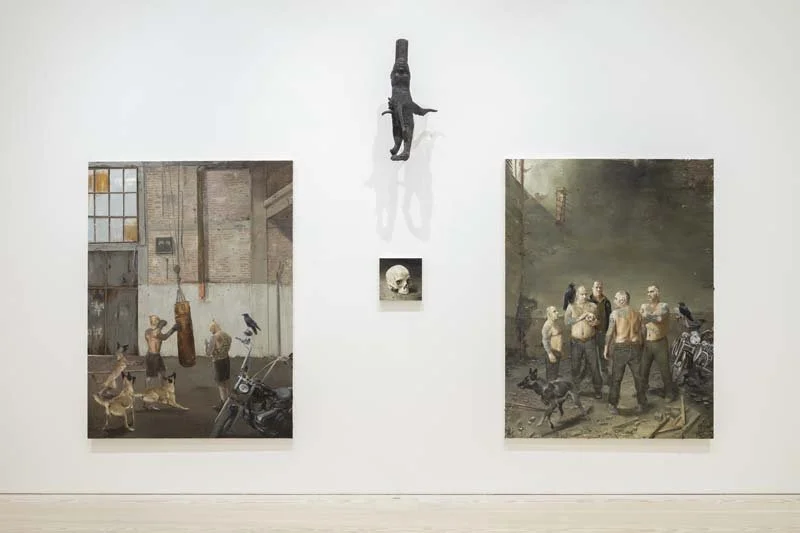
When you think back to growing up in Rauma, what are your memories? And how do they find their way into your work?
I was born in Rauma, a town on the west coast of Finland where nearly everyone knew each other. My parents were part of the generation rebuilding postwar Finland with all their strength and determination. We children roamed freely, without the watchful eyes of adults, living through an endless summer. In my youth, the forest and nature were a constant source of adventure—a world of wonder waiting just beyond the trees.
When did you first fall in love with art and realize you wanted to be an artist? For you, what is the importance of the arts?
At the age of 15, I realized I had a rare ability to perceive the world visually and to bring my ideas to life through drawing. Art—though I didn’t think of it as art at the time—gave me confidence and helped me navigate the turbulence of my teenage years.
What does your typical day in the studio look like?
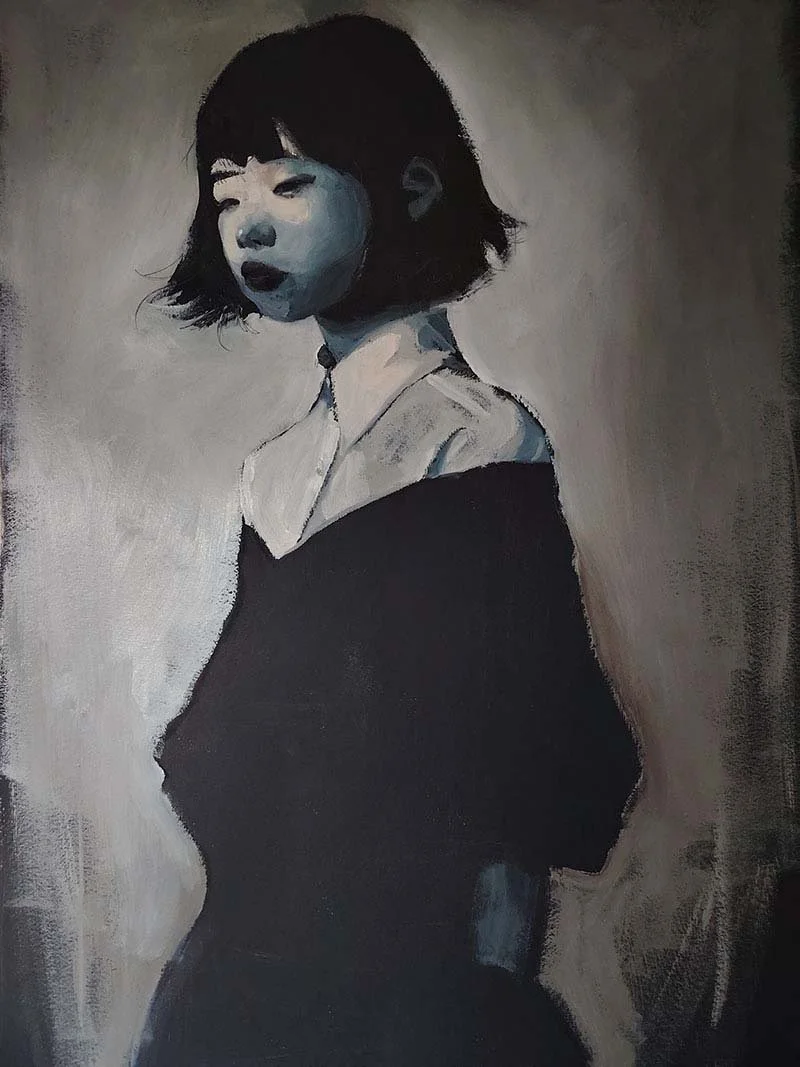
I go to my studio every weekday by 10 in the morning. What I do there depends on the stage of the work, but I always start the day the same way: putting on some music and making coffee. I begin by sketching with charcoal, and most of my paintings are done in oil on canvas. When it comes to installations and sculptures, I often work with assistants. My installations are usually site-specific. I’ve used a wide range of materials for both sculptures and installations—the works tend to choose their own materials.
What projects are you at work on at the moment? And what ideas are currently driving your work?
I've recently started working on a new gallery exhibition and am in the process of shaping its theme. For me, the theme often emerges organically once I begin creating—usually by following whatever idea first comes to mind. It’s important not to limit or overthink what wants to surface, but to allow the process to unfold naturally. Some of my best ideas come while I’m working; they take shape and develop as part of the creative journey.
What do you hope people feel when they experience your art? What are you trying to express?
I hope people feel emotionally moved when they experience my art—that it resonates with them on a deeper, universal level, no matter where they come from. What I try to express always starts from something personal: my own experiences, perspective, and life. That personal connection is what makes the work unique, but my goal is for it to reach beyond that and speak to something shared in all of us.
Which artists, past or present, would you like to meet? And why?
I’d love to meet Diego Velázquez and have a good chat about how he worked with space and light in his paintings. I’m really curious about how he started building the composition—the placement of people, how the space breathes, and how he played with light and shadow, especially in Las Meninas.
And if that meeting didn’t work out (you know, time travel issues), I’d go find Matthias Grünewald while he was painting the Isenheim Altarpiece. I saw it last year, and the wild colors and dreamlike intensity behind the Crucifixion completely blew me away. I couldn’t help but wonder what kind of state he was in while painting it—some kind of creative trance, maybe? Most of all, I’d be fascinated to just watch his process—to see how the painting unfolded, and how the work found its own rhythm and freedom and led its own way.
Do you draw inspiration from music, art, or other disciplines?
Music is an important source of inspiration for me while I paint. I always try to find music that supports the mood or energy of the piece I'm working on—it helps me stay connected to the process. Beyond that, I’d say inspiration comes from pretty much all of life: moments I’ve experienced, things I’ve seen or felt. It all feeds into the work in one way or another.
A great thing about living in Helsinki is…
Helsinki—and Finland as a whole—is a small city in a small country. Life here is simple in the best possible way; it’s easy to live and breathe. Nature is always close by, still relatively untouched and pure—at times even pristine. That quiet presence of the natural world is something I never take for granted. It offers a kind of calm and clarity that quietly shapes how I live and create.
Can you describe a project that challenged you creatively or emotionally—and how you worked through it?
After graduating from art school, I broke free from its doctrines, navigating through the currents of postmodernism. It was as if everything was suddenly open, and I felt a rush of freedom—like I could do anything. And so, I did. There was a certain exhilaration in that, but also a challenge. It was both creatively and emotionally overwhelming, because I had to rediscover my own voice outside the structure that had shaped me.
I worked through it by embracing that very freedom, even if it meant stepping into unknown territories. The process became about trusting myself, not following any prescribed rules, but instead allowing the work to unfold and lead me where it wanted to go.
Tell us about important teachers or mentors in your life.
My wife, who’s an art director for films, has become my most important collaborator. Over the years, she’s really grown into my creative partner. We’ve worked together on installations, and she’s also been my exhibition architect. She’s got practical skills in areas where I’m, well, less skilled—and she also brings just the right amount of madness to the table. When we combine our craziness, it’s amazing how we’ve been able to get ourselves out of all sorts of creative jams together.
Sustainability in the art world is an important issue. Can you share a memory or reflection about the beauty and wonder of the natural world? Does being in nature inspire your art or your process?
Nature is an essential part of my life and my art. It is not just a backdrop, but a living force whose diversity and mythical aspects I want to bring to light in my work, reflecting its meanings through my own experiences of childhood and youth. There is something boundless and primal in nature, something that resonates deeply within me. The way nature remains strong and in balance inspires me in every moment. It reminds me that there is power and wisdom in life that can be found in stillness, but also that in every branch of a tree and stone lies its own story. Our task is simply to notice it.
AI is changing everything - the way we see the world, creativity, art, our ideas of beauty and the way we communicate with each other and our imaginations. What are your reflections about AI and technology?
I don't use AI or much technology in my work, and I see that as one of my strengths. I believe that human-made art carries the story of its creator, and this connection is what makes it truly meaningful.
Exploring ideas, art and the creative process connects me…
to a state of flow.