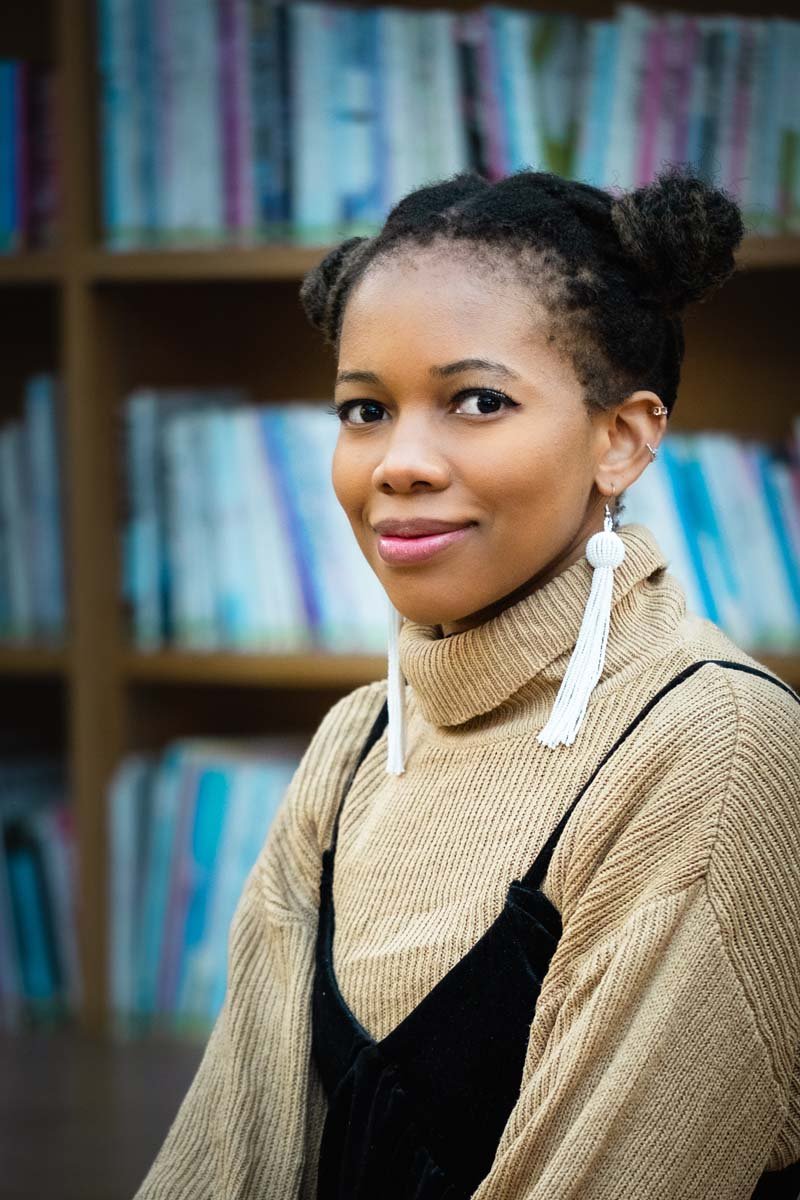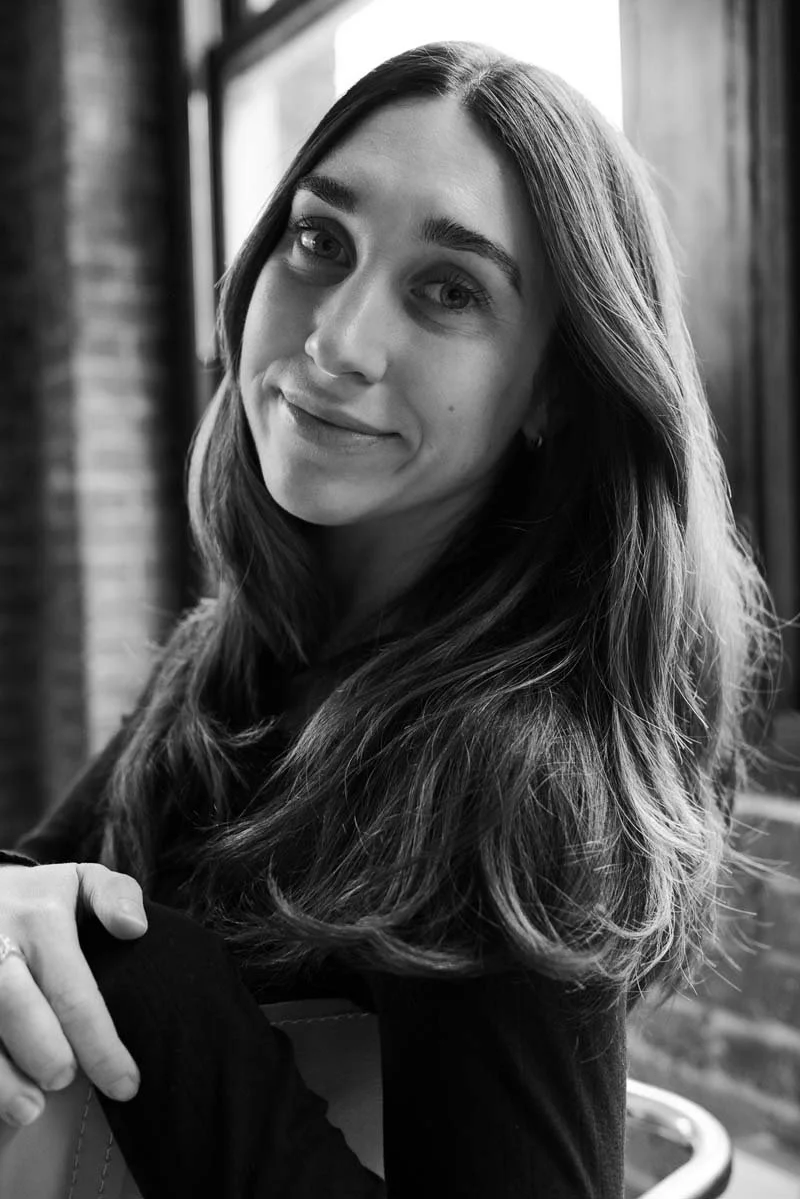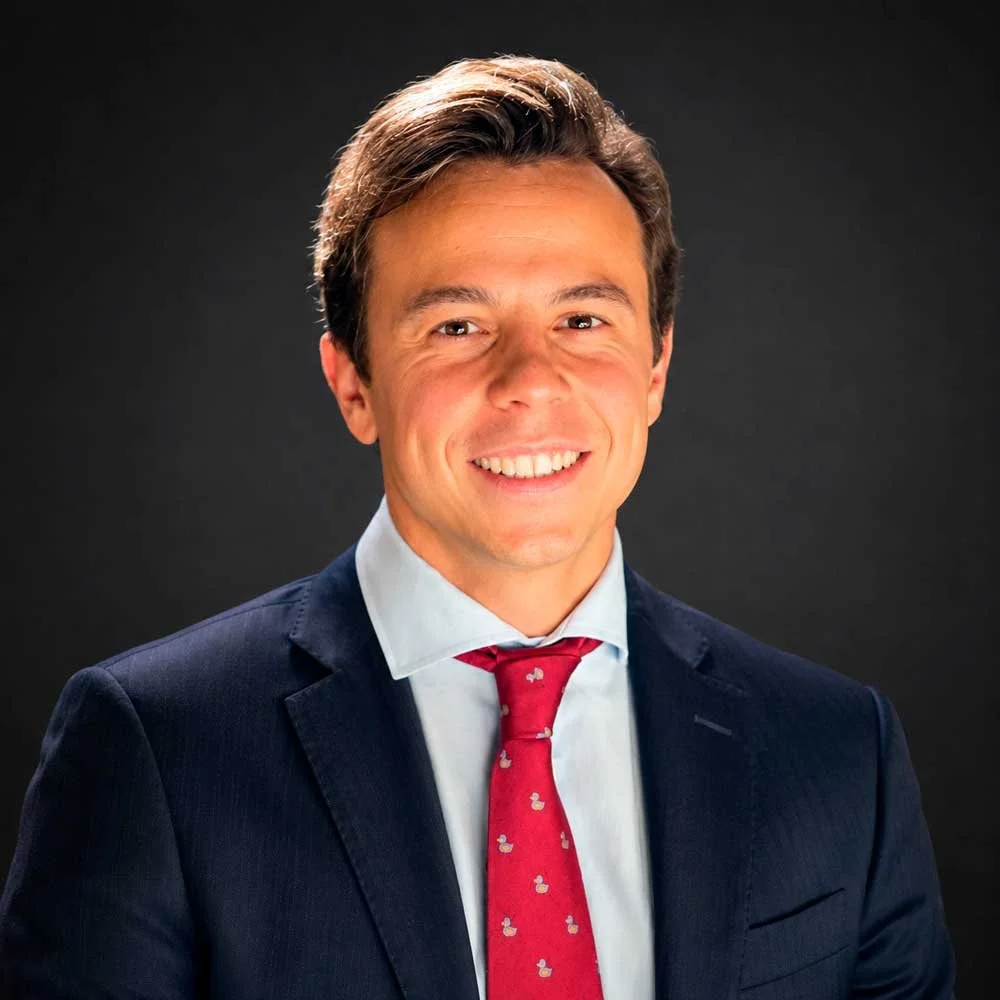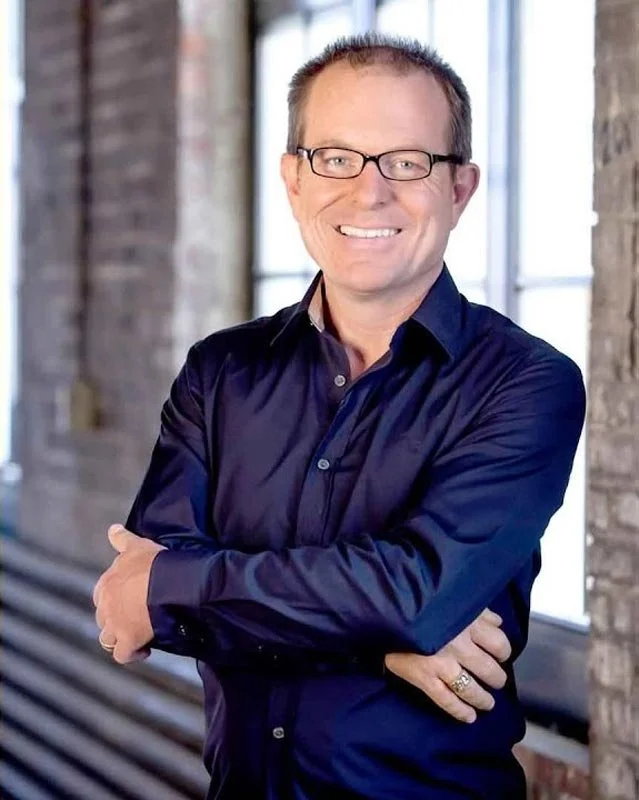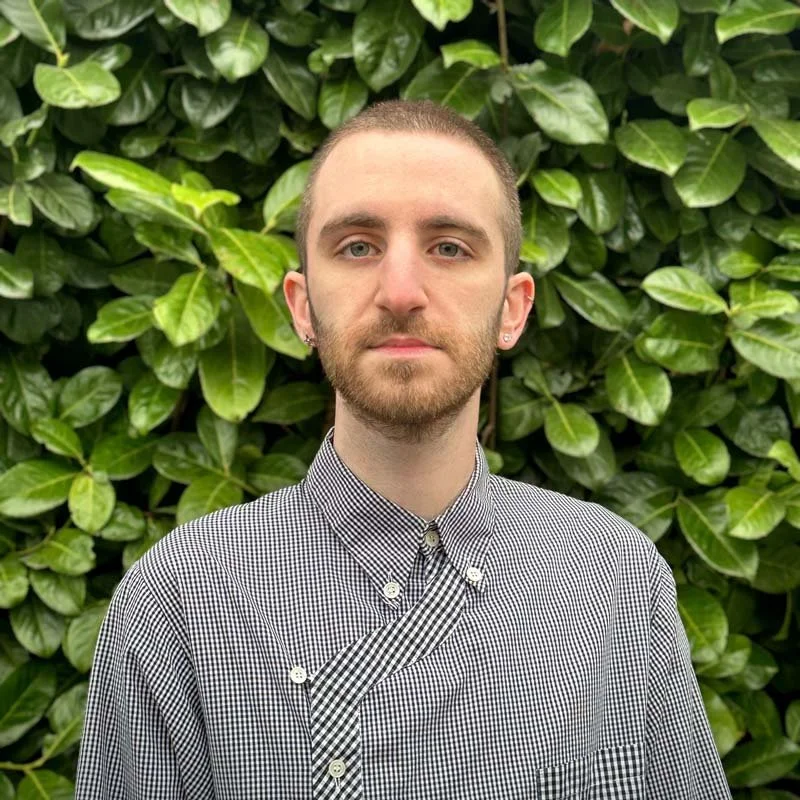


Connor Watkins-Xu holds an MFA in Creative Writing from the University of Maryland and a BA from Baylor University. He is a 2025 Writing Fellow at the Jack Straw Cultural Center. His poems have appeared in Ploughshares, Poet Lore, North American Review, Columbia Journal, Redivider, The Hong Kong Review, Salvation South, and elsewhere. His manuscript has been named a semifinalist for the Berkshire Prize and The Brittingham and Felix Pollak Prizes in Poetry and his work has recently been nominated for Best of the Net and Best New Poets. Originally from Tuscaloosa, Alabama, he lives with his wife in Seattle. @connorwatkinsxu
How has moving within the United States impacted your art? How has your time in the South, specifically, impacted your writing?
I’m from Tuscaloosa, Alabama originally and spent a lot of my childhood living in the nearby small town, Moundville, which is known for its Native American history. As an adult, I’ve lived elsewhere in Alabama, in Texas, Maryland, D.C., and now in Seattle, Washington, as well as other stints staying with family around the South. I never felt like I fit in growing up and was desperate to get out of the South. I ran from anything camo or cowboy, worked to have a “neutral” accent and dreamed, as I still do, of ending up in New York. In recent years, I’ve felt the tug of the South come back and a desire to return, especially to write about and tell some of its untold stories. Through my writing and time away, I’ve found myself wrestling with the ideas of what makes up the South to me. I rejected it early on because of all the stereotypes that come to mind first—racism, Jim Crow, the KKK, country music, a lot of food I didn’t have the taste for, and plenty more painful history that still shapes the South. But now I’m rethinking my views and seeing that there isn’t just one story that can define the South. So much of Black culture, food, and art make the South special. The same is true for so many different communities and the wealth of diversity in the South, especially in big cities. It’s not a monolith, and I find myself wanting to contribute to all the good that is happening across the wide breadth that is the Southern U.S. rather than letting it be defined only by its evils. I’ve begun to unpack some of that in my current work and hope to turn more pointedly toward the South in my next book.
Underlying all that, there’s so much of my own experience in the South that has shaped me, and I’m always thankful that I turned out differently than many do with the same upbringing and traumas. I was lucky to find places to fit in and be myself, especially after I changed schools and went to a really cool public boarding school on the gulf coast. I am thankful to have been raised Christian and be surrounded by great mentors through the many ups and downs of my journey, but whether in the church or at school growing up, there wasn’t a lot of room to break down toxic masculinity or discuss the realities of living with mental illness or anything like that. My poetry remains highly personal, but I believe there are a lot of commonalities others are invited into that have also lived in the South. Honestly, a lot of the issues you see in the South are far from exclusive, and I’ve found the culture around them varies so much in the U.S. and elsewhere in the world that they can find the same ends through different means. Luckily there is a lot of good change coming that has helped people work through a lot of the wild things we grew up with.
What kind of reader were you as a child? What books made you fall in love with reading as a child?
I was a voracious reader as a child, and I owe a lot to my mom for that. She was always willing to buy me books, and since she and my dad weren’t readers and didn’t like school much, she was probably always excited when I left the bookstore with a stack about as tall as I was. I was blessed to have great booksellers where I grew up who would always make great recommendations. I read a lot of YA novels as a kid. Ned Vizzini was a touchstone for me in that realm, as well as classics like The Catcher in the Rye by J.D. Salinger––it’s interesting to see how different people receive this book, especially if they didn’t read at a young age––1984 by George Orwell, and The Stranger by Albert Camus. I was a hopeless romantic and felt like a cool weirdo, so a lot of YA fiction was clearly meant to speak to me. *laughs* I think music was a type of reading for me, too, as I was always keen on lyrics before I grew to love poetry outside of what I read and wrote in school.
Describe your typical writing day.
I admire poets who have the mind and lifestyle to consistently cultivate a daily writing practice, especially if they have longer windows of writing time, but I haven’t found myself in that mode for a while. That was never really my style, and I have thankfully worked through the myth that real writers have to write all the time, or that waking up at 5AM and having writing as your top priority is even that much of a reality for the majority of us. I tend to have spurts of creativity or seasons where I have obsessions to work through. My writing largely comes from lived experience. I love something Tiana Clark said in an interview many year ago that boils down to the idea that the work of writing isn’t just putting words on a page. Instead it’s taking a walk, it’s living a life that inspires us, it’s research, reading, and so on. This gives a wider breadth of what writing can look like. And I think this is especially important for poets who may not be as productive or take longer to complete poems. I remember seeing somewhere that Ocean Vuong said he was lucky if he writes a handful of good poems a year, and that resonates.
I write best when I have a narrative or form to explore, then I try to figure out the first line and see where it takes me. Other times my writing comes out of what I’m reading. I currently have a stack of books I hope to go back to before I shelve them with poems that sparked my creativity as I read. Something like that can be a starting point for getting into my own work and trying something new or having fresh language to pull from.
I love to write poems all in one go over a half hour or more. Most of the poems I write sticks to one page, then I may take some time away to think and come back for edits. I’ve changed my mind about editing, but largely I’ve found my favorite poems tend to still be birthed fully formed. I also have a bad habit of not revisiting drafts to reshape them and instead beginning again. Sometimes I start a writing day by going back to really old poems and often find I like them much better or see them in fresh ways. That has led to some wonderful revisions, especially as I’ve worked on my manuscript and what seemed to be dead poems have found new life as they’ve fit into new places. I try to go against the idea of muses, but there is still something to the outpouring of creativity that can come seemingly at random, especially when something is really fresh and we see it so lucidly. My memory has gotten worse over the years, so writing in the moment or taking good notes are invaluable tools for not losing potential poem rabbit holes.
Tell us about the creative process behind your most well-known work or your current writing project.
My first collection of poems, Reruns, is still looking for the right home. The earliest poems in it come from the first workshops I took as an undergrad and many of the newest poems have been written in the past few months. It is highly likely more poems will sneak in before it’s published and I’ll be begging my future editor to let me add just a few more until the deadline!
I focused a lot on narrative or couching more lyrical musings in particular moments early on. Many poems involved me going back to my childhood or difficult experiences with my mother and exploring the imagery of those moments, how they might resonate differently as I look back over many years. I later found myself more interested in form and restraint, or departing from both. Many poems in the collection are just long, heavy strophes without stanza breaks. But I’ve always been in love with sonnets. Ghazals have figured to be really crucial for me too. I often started a lot of the collection by writing a sonnet and then either continuing the poem, starting again, or letting it remain a sonnet. I’m always haunted by the sonnet form and love the way the brevity forces the language and leaps of a poem become as resonant and impactful as possible.
The collection’s title poem is one I wrote during a generative workshop at the Southampton Writers Conference with Dawn Lundy Martin. Much of the draft is still intact, but the core “reveal” of the poem and some of the syntax and focus of the poem changed for the better through editing. I initially didn’t have the same vision for the poem and wasn’t as specific in places that needed it. I ultimately realized I had to approach the center of the poem differently and press into the what has been the most key aspect of poetry writing for myself since I first studied more seriously: vulnerability. I had to just say “bull phallus bones” and “black trash bag / of sex toys” instead of using a more abstract imagery. I figured out how central this poem was for the collection to and changed the title from “Depression” to “Reruns”, which has become a stand in for the many revolving patterns throughout the book.
A lot of the creative process, especially with numerous poems that address God directly, have just taken a lot of time and living to write. I’ve gone to a lot of therapy, moved across the country, fallen in love and got married, gone to grad school, gone through Covid, taught so many wonderful students, deconstructed and reconstructed my faith, met so many fascinating new friends, and struggled and survived in many different ways. A lot of the process was been about moving forward in order to look back and reflect, and ultimately be able to write and move through the different narratives central to this collection.
Do you keep a journal or notebook? If so, what’s in it?
I’m an avid Notes app user, usually writing down words or images I hope to use later, or whole lines. Poem drafts there if I’m out and about. There have been times I wrote more on paper, and this is something I like to do when teaching or doing workshops so I’m more immersed in the same experience as my students or colleagues. There are strengths to both, but mostly I get inspired while I’m not prepared to write and I appreciate the convenience of writing things down immediately and coming back when I have time to work with them more.
How do you research and what role does research play in your writing?
Since Reruns is rooted in my own experience, research has looked a lot like trying to remember well, mining my memories and the stories that populate the collection. With many poems centering on the complicated relationship I’ve had with my mom, part of the process has been sharing poems with her. At first it was quite painful and she naturally didn’t enjoy reliving some of the stories, or getting a fuller picture of my perspective on them, or seeing my pain on the page. Some of that remains true on the wrong day, but largely I think it has been a helpful start for new conversations and understanding between us, especially as she can begin to understand more of why I’ve written them and find ways to separate them as pieces of art from our own subjective memories. Other times, probably like many fiction writers, I love to go through photos or spend time on Google Maps looking around to place myself back into some of the settings where my poems take place. This has been super helpful since I haven’t been back to them often over the past decade.
For my next collection, I would love the opportunity to travel around the South, especially to states I haven’t spent time in. I hope to spend time on the ground observing and learning about the history of different places, and talking with people to hear the stories that aren’t marked by monuments or extensive articles, the ones that maybe only live on as they’re passed among families and small-town neighbors, or have been forgotten and lost. Exploring where I grew up, as well, will likely bring new insight and help me find ways of balancing others’ perspectives and stories with my own life in the South. I imagine there will be a lot of time split between connecting with others, being a fly on the wall and experiencing different locales, and more textbook historical research.
Which writer, living or dead, would you most like to have dinner with?
It’s a predictable answer for a poet who writes about God, but I would love a dinner with Gerard Manley Hopkins. He has been really important for my work and he has served as a bit of a poetry saint for me ever since I first read his poems. Having read his journals and letters, and considering a lot of the academic discourse around him makes me even more excited for hours of picking his brain. As with any dead poet, I’d certainly wonder what he thinks of the current landscape of poetry.
Do you draw inspiration from music, art, or other disciplines?
I grew up on hip-hop music, which is so close to my heart and greatly influences my writing. There’s certainly a lot I love about Gerard Manley Hopkins’ work and other poets who use a lot of internal rhyme and soundplay, but hip-hop, I think, is mainly responsible for a lot of the aesthetics I find important as a poet. Anyone who knows me knows I love Nas and that I would probably put him at number one in my top five. It’s all been said before, but his use of rhyme and the ways he’s able to tell stories and create compelling images and metaphors across his discography is masterful. Lupe Fiasco comes up in Reruns, a poem is written after a song by Danny Brown, lyrics from “Back Then” by Mike Jones and “From the South” by Z-Ro are in a poem, 2Pac and Kris Kross are referenced in another. I know plenty of other citations will likely come up in notes for the book. For many years I’ve been wanting to write a Golden Shovel with some lines from my favorite Kendrick Lamar song but haven’t been able to figure it out. Rapping has always embodied for me a deep love of language and the ability to mine words for all their meaning. From the beginning, there has been a close intertwining between poetry and hip-hop, and so much of the same aspects and love present in the craft and culture keep me invested in both.
I’m a big fan of metal and folk music, too. I was the drummer in a metal band in middle school. Metal, and an assortment of heavier music, was crucial for me back then and I appreciate how it still provides community for so many people who don’t have the words for what they’re feeling or just need an accepting place to grow. It’s common to see the most brutally anti-religious band opening up for a Christian band and then both being big fans of each other’s music. Many people would think the opposite, but oftentimes metal music has really interesting lyrics and subject matters that writers explore, especially when they lean into the esoteric or fantastical. I have poems that I hope capture some of the controlled chaos and rhythms of metal music.
Another huge artist for me is Sufjan Stevens. I adore his work and had my life changed when Carrie and Lowell came out right in the season of life where I was discovering “Yes, I am depressed” and was grieving and feeling a lot of loss in different ways than he sings about regarding the death of his mother on the album. He’s such an incredible lyricist and instrumentalist, going through so many different sounds in his discography but always able to come back to haunting and spare songs that make you tune your ears to his incredible poetry. I could honestly do a whole interview just about music. I have a lot of memories with music riding around in my dad’s car, and I’ve spent so much of my life obsessing over music, whether playing myself or being a dedicated listener.
In other ways I think I look toward other arts more generally for inspiration on how to think and communicate in new ways. I’m a big cinephile and used to review everything I watched. I’m often jealous of painters or even professional skateboarders who are able to express their artistry in a physical way. There’s something about the visual that I think writers are always yearning for but can never attain since we work with what only points to the visual. It seems to be the opposite for physical media artists who see something freeing about the possibilities of language. I also wouldn’t mind learning to channel fiction writers’ ability to write thousands of words and throw them out the next day if the draft isn’t going in the right direction. I suppose I throw out a lot of poems, but it doesn’t feel like they are wasted the way I might feel with pages of prose, which are harder for me to come by.
AI and technology are changing the ways we write and receive stories. What are your reflections on AI, technology and the future of storytelling? And why is it important that humans remain at the center of the creative process?
I’m sure many friends are tired of hearing my thoughts on AI. As a teacher, and otherwise, I’ve seen how it has already led to so much deterioration of people’s learning and curiosity. Students often would rather get assignments done than struggle through the process of growing, failing, and discovering their own voices and capabilities. It’s also a big logistical problem to deal with, not even considering the environmental impact. As a teacher, I’ve run up against leadership that have thrown up their hands in regard to accepting some usage of AI for writing. I think the education world as a whole is struggling with how to regulate it at all without it taking up even more of our mental space than it already is.
As a creative, I’m very much against AI. I have my line in the sand. I think there are plenty of places where it can be helpful as a tool but it should never replace humanity or attempt to do work that is ours to do. There are moves to try to integrate it into creative works, and there have been negative effects of this, especially in the visual arts world––controversies around graphic design and album artwork come to mind––but I find myself continuing to stand against the clearly capitalist focus AI usage seems to carry with it. We don’t need to always do more or be faster. We don’t need to replace people. Poetry teaches us this both as writers and readers. There’s a lot of value to slowing down and taking time with something. It’s so important today that we are willing to go through the difficulties of creating or taking in a piece of art, especially as our attention spans seem to collectively dwindle. I have seen the articles about people preferring AI poetry to work by humans, and that doesn’t surprise me. AI art, like a lot of Hollywood movie studios, delivers exactly what many people want: entertainment that provides a spark of excitement or awe and doesn’t ask much more than that. Instead, great poetry invites us into inquiry, into deep human connection, into asking questions and not coming to set conclusions. There’s more to say about AI only being able to copy and parrot great writers, but ultimately, I don’t see the writing world being in competition with AI, at least where impactful, fresh work is coming from. I worry about how the landscape will change, especially as funding and support for the arts dwindles, particularly under the current administration and societal values, but I hope artists will be heard, and believed, and that the value of humanity will cut through the driving forces behind AI.
On technology more broadly, I think there are a lot of great experiments and innovations coming. For poetry, online journals are so important and have opened up avenues for so many new people to join into the literary world. Technology can lead to greater accessibility for people with different needs and abilities. For those things, I am grateful. I’m not as interested in technological experimentation in creative work, however. I’m a bit of an old head, but I have never found myself tiring of just plain good poems that floor me with linguistic skill, with emotion, with vulnerability, with transcendent ideas. Experimentation can lead to great poems, but often I find this kind of work can rely too heavily on gimmicks or innovation and lack what has always made us be in awe of a poem when we finish and desire to reread endlessly. I’m cautious about this sort of thing, and I have seen firsthand how it can be commandeered to undermine the value of more traditional poetry that doesn’t lend itself to new media. You’ll see in humanities departments across the country that there is a hunger for innovation and writers who are blurring the lines, but I’m wary of these shifts and what they entail.
Tell us about some books you've recently enjoyed and your favorite books and writers of all time.
My favorite recent reads are A Season in Hell with Rimbaud by Dustin Pearson, Scorched Earth by Tiana Clark, Glitter Road by January Gill O’Neil, Disease of Kings by Anders Carlson-Wee, Bianca by Eugenia Leigh, Intermezzo by Sally Rooney, and a collection of early writings from the Apostolic Fathers. I’ve also been taking a long time to work my way through Red Pine’s translation of the Chinese Poems of the Masters.
A few all-time favorite poetry books are Life on Mars by Tracy K. Smith, Equilibrium by Tiana Clark, Slow Lightning by Eduardo C. Corral, Middle Earth by Henri Cole, American Sonnets for My Past and Future Assassin by Terrance Hayes, The Tulip Flame by Chloe Honum, Paris Spleen by Charles Baudelaire, and Songs of Innocence and of Experience by William Blake.
Exploring literature, the arts, and the creative process connects me to…
people and the world. Ultimately, this is why I write, other than my own desire for self-expression and creating art that makes meaning. I always hope that my poems can open up places for others to explore their experiences and connect to the emotion of my work. The most meaningful experiences with writing come when people are touched and something transcends from the page. I write often about mental illness and struggling with faith, so I hope others who read these poems are given space to wrestle with these same things or feel seen and confident to share their stories, heal, whatever it may be. I realize more and more that a lot of my life is dedicated to appreciating, thinking deeply about, and wanting to discuss art with others. I think we need art and critical thought about it more and more by the day, so any ways I can deeply engage with creative work and invite others to do the same is invaluable.