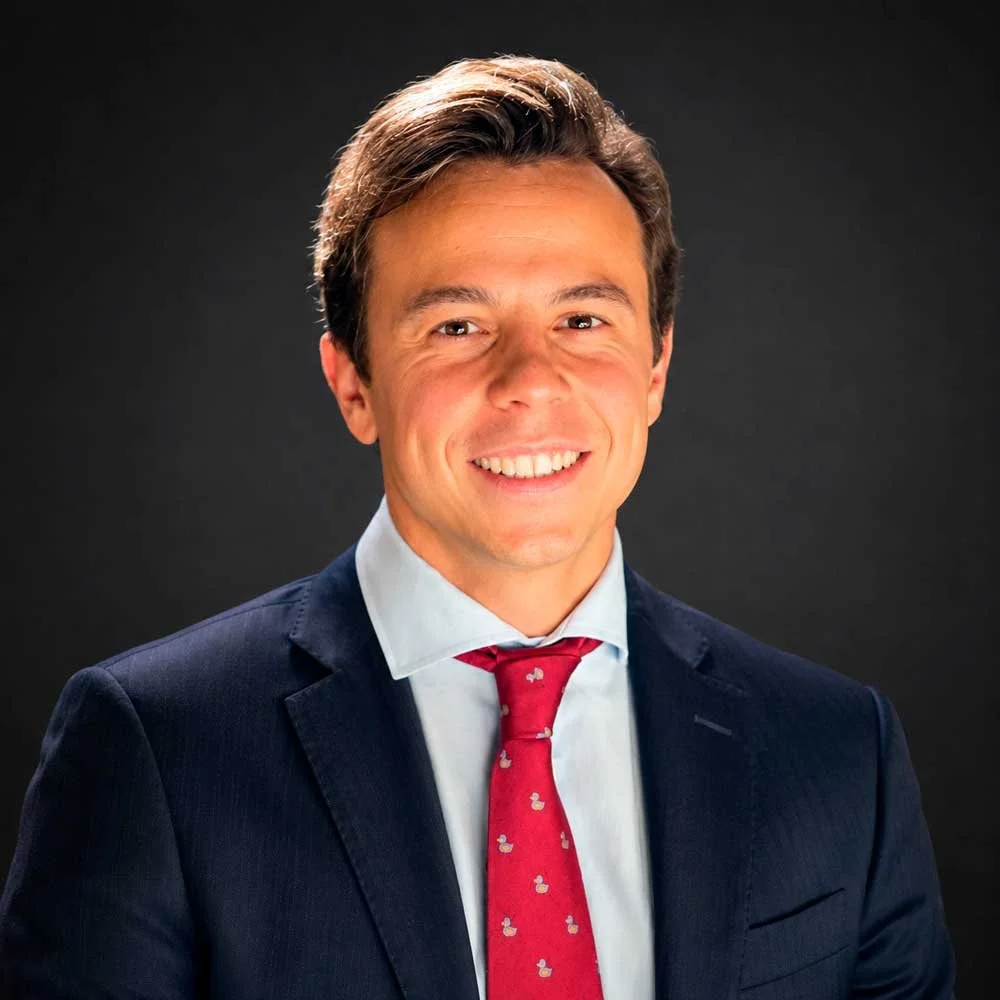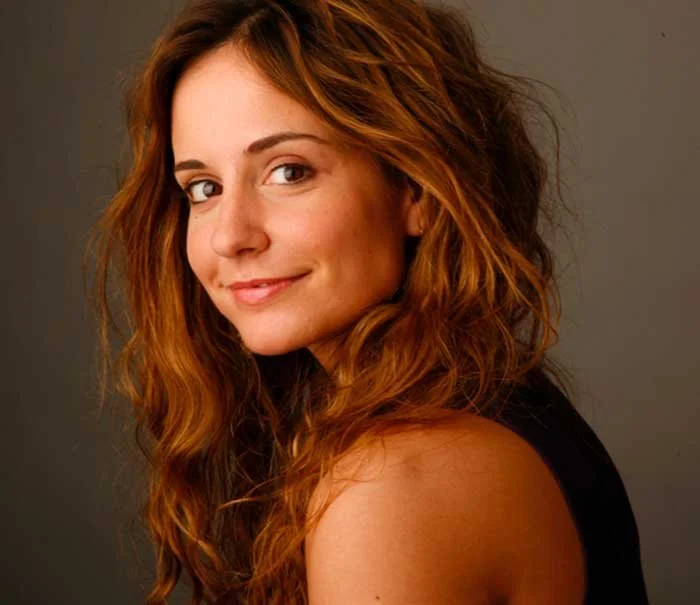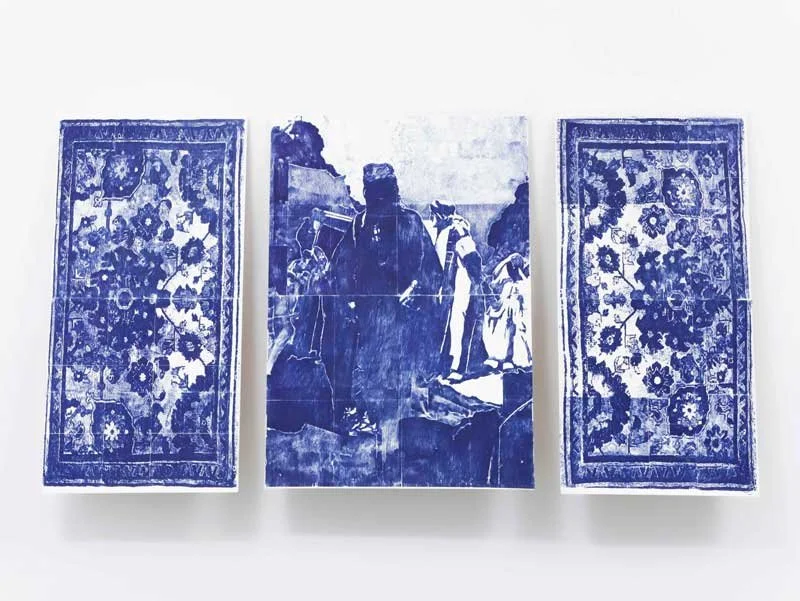


Helena Tahir (b. 1992, Slovenia) is a visual artist whose practice is rooted in contemporary printmaking and drawing, expanding into video, installation, and archival work. Her research engages with personal memory, political history, and identity, addressing themes of displacement and fragmented genealogies. She holds a BA and MA from the Academy of Fine Arts and Design in Ljubljana, with additional studies in Porto and Leipzig. Her work has been presented in various international and local contexts, including Art Brussels, ARCO Lisboa, Vienna Contemporary, Art Rotterdam, MGLC Ljubljana, RAVNIKAR, and Mediterranea 20 biennial.
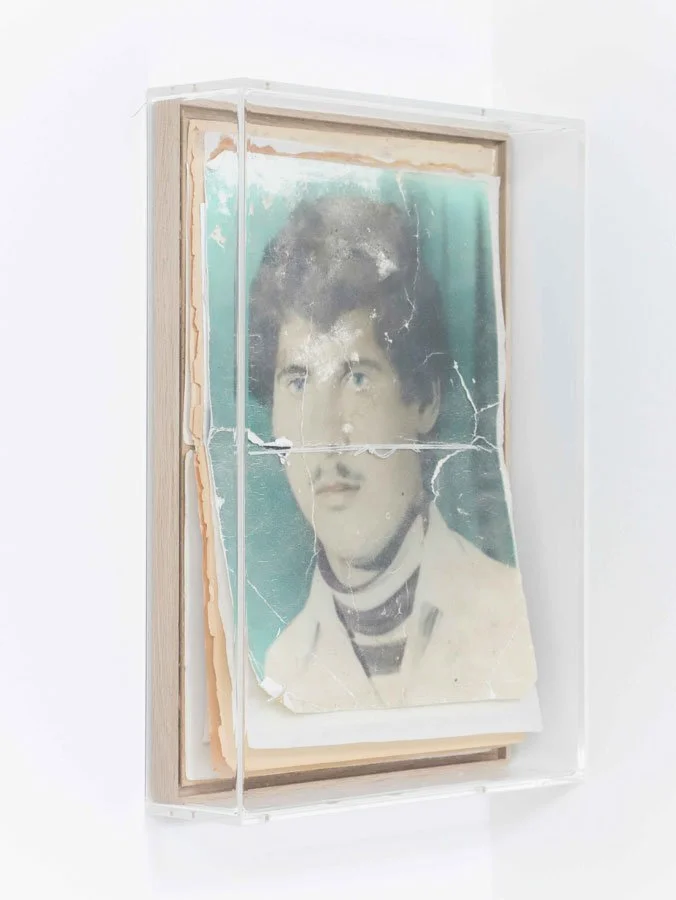
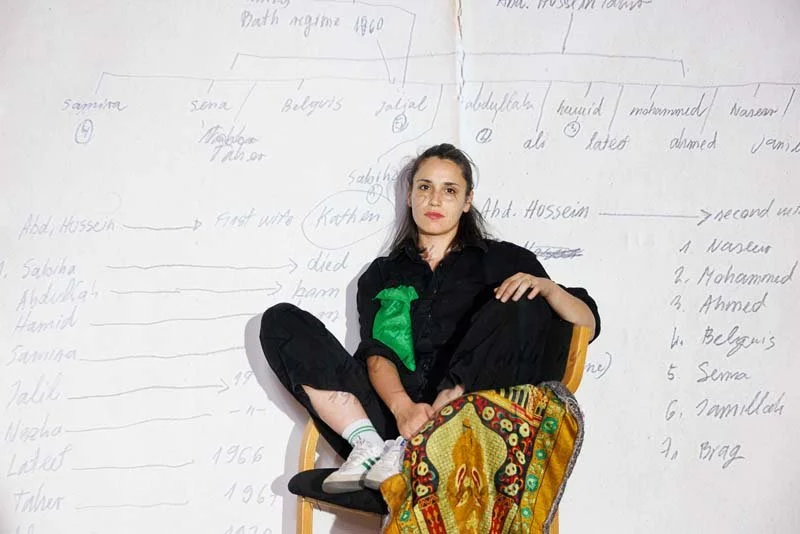
How did your childhood and family influence your art and your thinking about the world? I was born in a multicultural family in Jesenice, a small industrial town in northwestern Slovenia known for its working-class communities and strong presence of immigrant populations, particularly from the former Yugoslav countries. At the same time, my father's political migration from Iraq to Yugoslavia, which is marked by silence, displacement, and trauma, formed an unspoken background to my childhood and adolescence. Growing up in this environment sensitized me to questions of cultural hybridity, identity and belonging, all of which continue to shape the way I think and create.
When did you first fall in love with art and realize you wanted to be an artist? For you, why are the arts important? I attended an art high school and later studied printmaking and painting, but the moment I truly fell in love with art came surprisingly late. It happened while I was working on my bachelor’s degree project. Under the pressure of soon having to survive as a professional artist, I spent about six months in near isolation, doing nothing but drawing. I pushed myself, experimented, failed, and kept going. That process shifted something in me. Seeing the progress and results of that intense period gave me a sense of direction and fulfillment I had never experienced before. Since then, art has become a way for me to understand myself and make sense of my place in the world.
What does your typical day in the studio look like? What are your most used materials and tools? A typical day in the studio depends on what I’m working on and what stage of the process I’m in. At the moment, I’m preparing to begin a new project, so my days are centered around research. I spend a lot of time reading and researching, trying to understand the topic more deeply before integrating it into my practice.
But most of my time is usually spent making. My studio is in the same house where I live, so working and living are closely connected. During intensive periods of production, I wake up early, make coffee, and start drawing. The work is repetitive, and the processes I choose are often slow and laborious. That’s why the only way to make real progress is through prolonged, focused effort; often drawing for entire days, taking breaks only to sharpen pencils, eat, or step back and observe the work from a distance.
The materials I use most often are very simple: pencils, graphite, erasers, large sheets of paper, masking tape, and rulers. I often work on the floor, surrounding myself with sketches or printed reference images. These are sometimes from archives and sometimes from my own photographs or video stills. While I use digital tools during certain phases of research, drafting, or documentation, my process remains largely manual and tactile.
What projects are you working on at the moment? And what themes or ideas are currently driving your work? At the moment, I’m researching a specific period in modern Iraqi history that intersects with my own family’s story. I’m focusing on the time between the 1940s and the 1980s—a period marked by major political shifts, social changes, and the transformation of both rural and urban spaces.
What interests me most are the waves of internal migration from Iraq’s rural south to Baghdad during the 1950s. These movements were shaped by feudal land ownership, the collapse of tribal structures, and the state’s drive for modernization under the Hashemite monarchy.
My Iraqi family was part of this shift. They left the south and eventually settled in Madinat al-Thawra (The City of Revolution), a district built to accommodate migrants like them. Today, it is known as Sadr City, and it is the most segregated area of Baghdad, where much of my extended family still lives.
For me, it has become a key point of reference in my work, a place I return to as I try to understand how personal memory and larger histories are entangled.
What do you hope people feel when they experience your art? What are you trying to express? I am not trying to define how someone will experience my work. What I can do is create certain points of entry; contrasts, tensions, a certain atmosphere that draw the viewer in or guide their attention. But in the end, the meaning of the work doesn’t come only from me. It forms somewhere in between the artwork, the viewer, and the moment of encounter. Visual art speaks in images and symbols, and each viewer brings their own memories, thoughts, and emotions to that language. What matters most to me is that something in the work resonates, that it holds the viewer, even briefly, and allows them to connect with it in a way that feels personal. I think that can happen through recognition, sometimes through discomfort, and sometimes through something that can't be immediately explained.
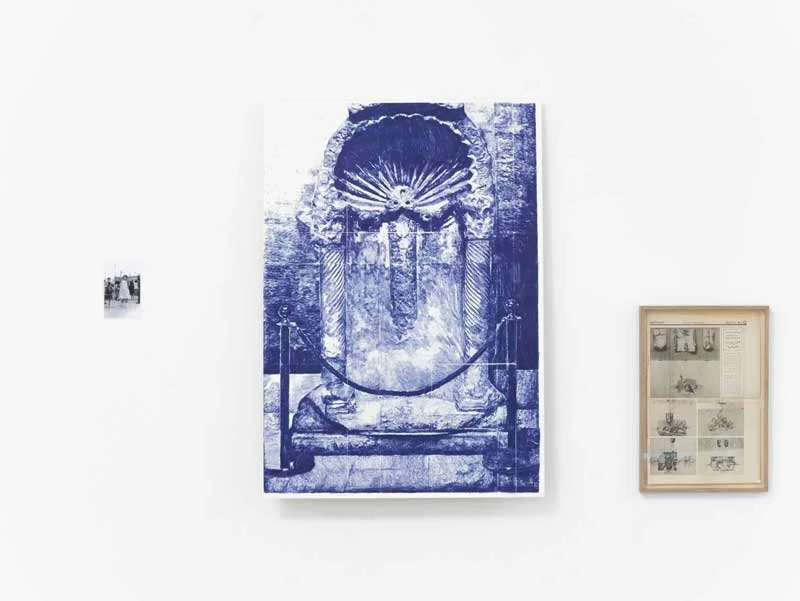
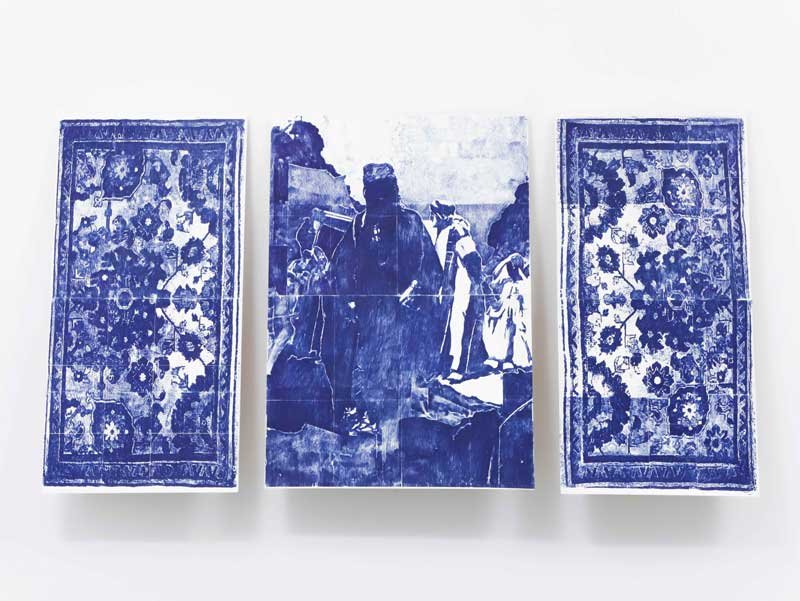
Do you draw inspiration from music, art, or other disciplines? I often find myself turning to disciplines outside the visual arts, especially those that deal with time, memory, and how knowledge is preserved or lost - like archaeology and archival studies. These ways of thinking often shape how I approach my own work, both in terms of method and structure. In my project The Last Sector, for instance, I was drawn to archaeological artefacts, which became motifs in my drawings. These objects carry their own layered histories, but they also mirrored the way I was working: uncovering, assembling, and making sense of fragments. I think of my process as a kind of excavation, where I dig into the past to recover what’s been obscured and try to piece it together into a new narrative.
What’s great about where you live? A great thing about living in Ljubljana is that, although it’s the capital, it is still small and accessible. There’s a rich cultural life; exhibitions, concerts, festivals, and events are happening all the time, all within easy reach. Most people get around by bike, and it’s possible to live in nature while staying connected to everything the city offers. What I appreciate most is the sense of community. It’s easy to feel at home here.
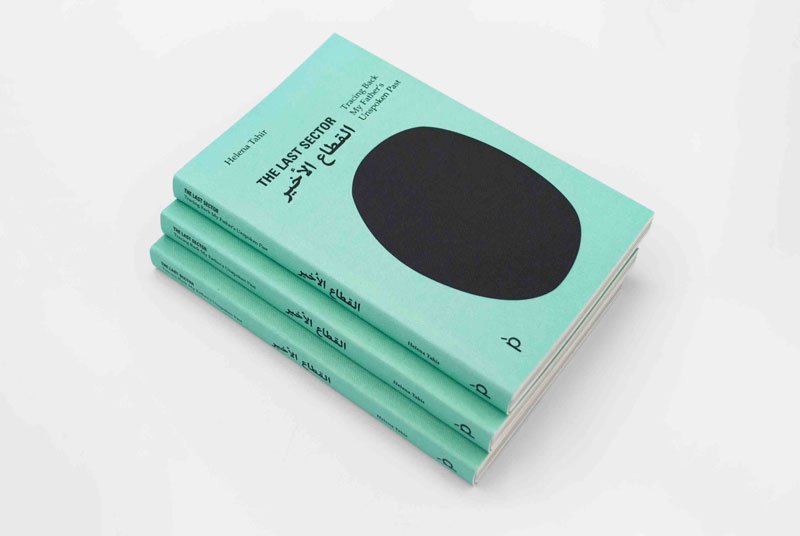
What’s a project that made you rethink your approach to art? One of the most challenging projects for me, especially on an emotional level, was my recent artist's book The Last Sector, which traces my father's unspoken past. It documents my first journey to Iraq in 2023 and is the most personal work I’ve created so far. The most intimate part of creating the book was the decision to publish my diary in the form of letters addressed to my father. Sharing something so personal felt strange and uncomfortable; a part of me wanted to keep it just for myself. But the process of creating and publishing the work felt necessary. It became a way of resolving, and in doing so, it offered a kind of healing, not only for me but also for my family.
Who were the teachers/mentors/collaborators closest to your life? I grew up in a family of artists, which proved to be one of the most formative influences on my development. Art was embedded in daily conversations and ways of thinking. It was never separate from everyday life. That early exposure shaped not only how I approach making, but also how I think through visual language. At the same time, it was equally important to distance myself from inherited influences and cultivate an autonomous artistic position. That ongoing negotiation between familiarity and independence remains central to the way my practice continues to evolve.
Sustainability in the art world is an important issue. Can you share a memory or reflection about the beauty and wonder of the natural world? Does being in nature inspire your art or your process? One of the most memorable experiences I’ve had with nature was visiting the Chibayish Marshlands in southern Iraq. I didn’t know exactly what to expect, but the place left a strong impression. It was beautiful, but also carried a sense of loss. What caught my attention the most were the reed houses and the way they were built using local materials and simple weaving techniques. These showed a deep, practical understanding of the environment. But there was also something expressive about them. The patterns weren’t just functional. Their beauty came from people being closely connected to the materials they used in everyday life. It made me think about how removed I am from the origins of the materials I use, not only in my practice but also in daily life, and how this disconnection can make me less aware of what I am working with, or less inventive in how I use it. While I don’t often represent nature directly in my work, this experience will definitely influence my future practice.
How do you see the future of creativity evolving alongside AI or automation? I don’t believe technology is inherently good or bad. I regularly use digital tools for researching, collecting references, scanning, and drafting as part of my practice. However, I’m aware that technology often encourages a logic of speed, surface-level polish, and mass production, which I find worrisome.
That said, I don’t fully agree with Walter Benjamin’s claim that reproducibility diminishes aura. In my experience, works created through traditional printmaking, which involves multiple stages such as preparing a matrix and printing from it, can possess even more aura than the same motif rendered only by hand.
I think this is possible because the artist remains intimately involved at most of the stages of the printmaking process, embedding their presence through the medium’s specific qualities: unpredictability, subtle imperfections, and the spontaneous decisions that process invites.
There is a clear difference between motifs reproduced through traditional techniques, where the artist’s hand is present throughout, and those replicated digitally. Digital reproductions often lack something essential: the materiality, hesitation, traces of failure, and accumulated decisions over time. And it seems to me that people crave this kind of presence more than ever; probably because it’s so often absent in our digitally mediated world.