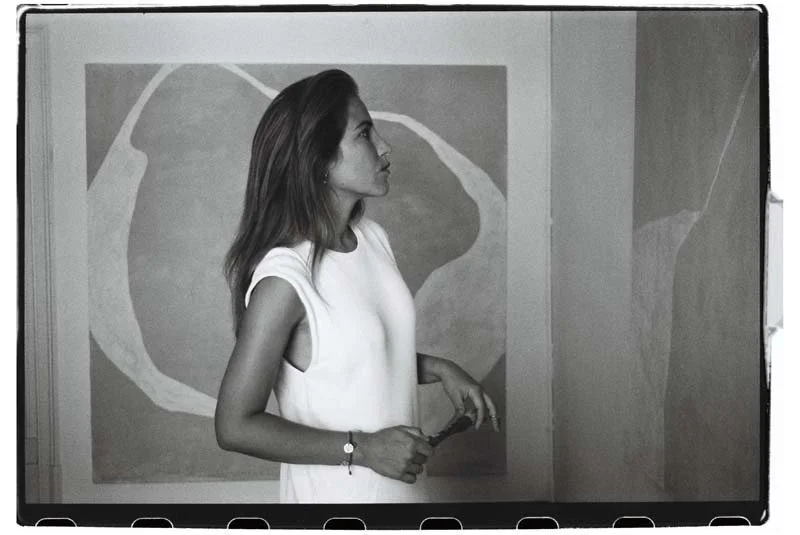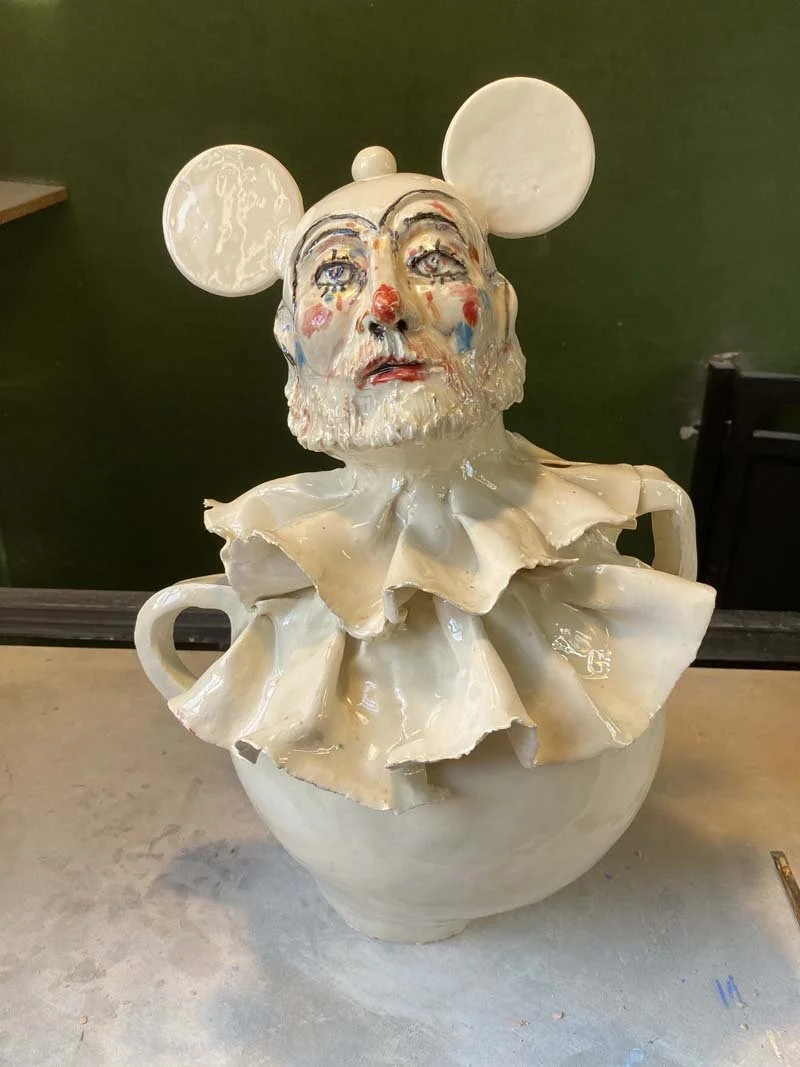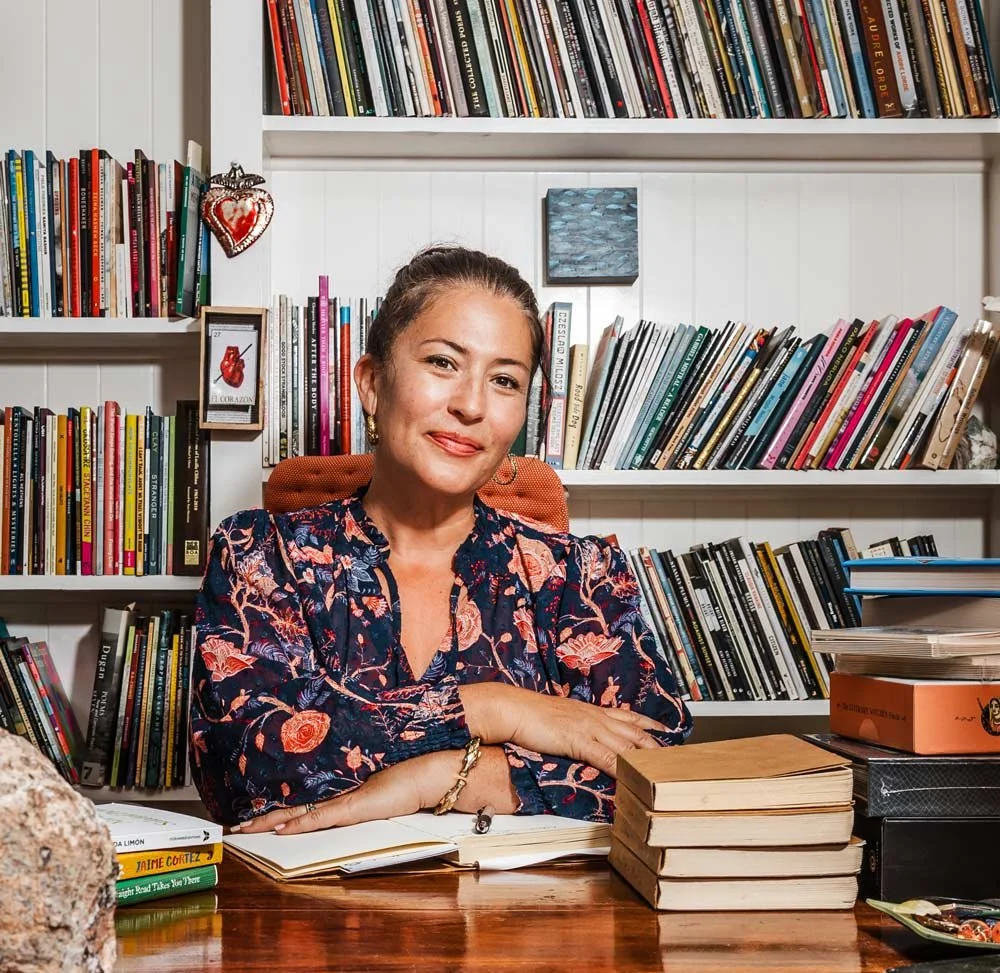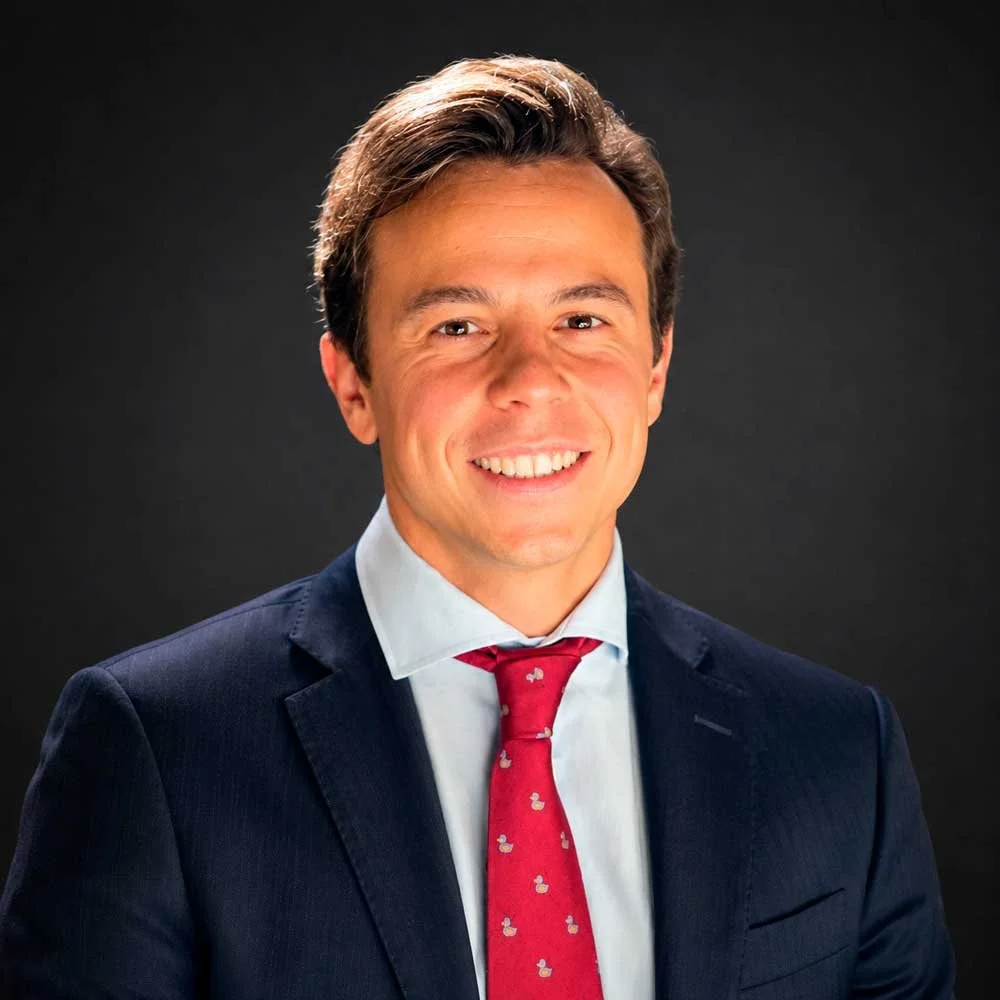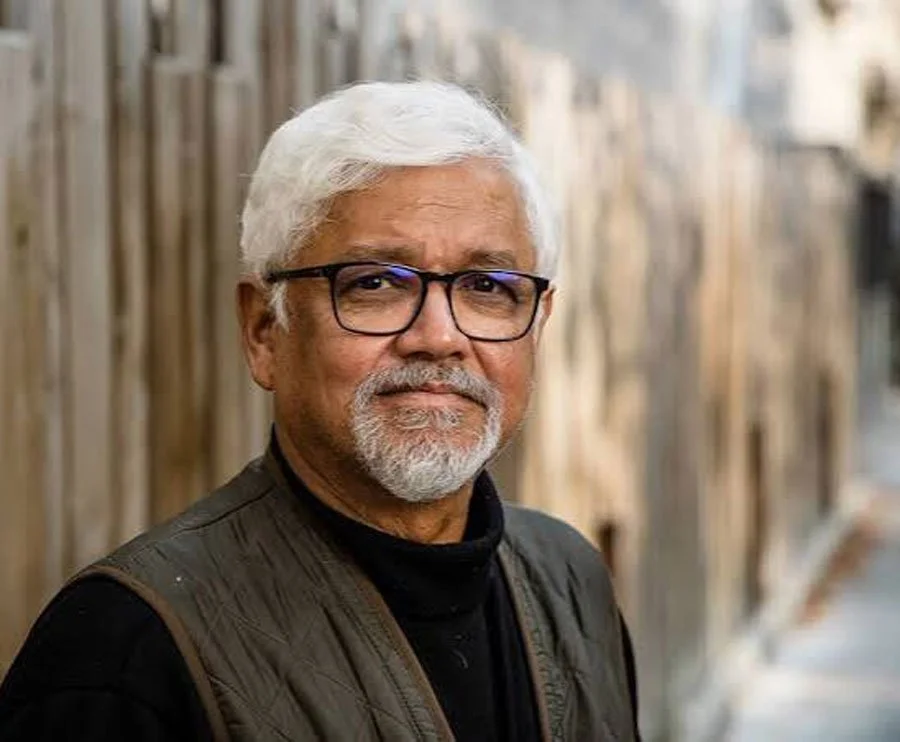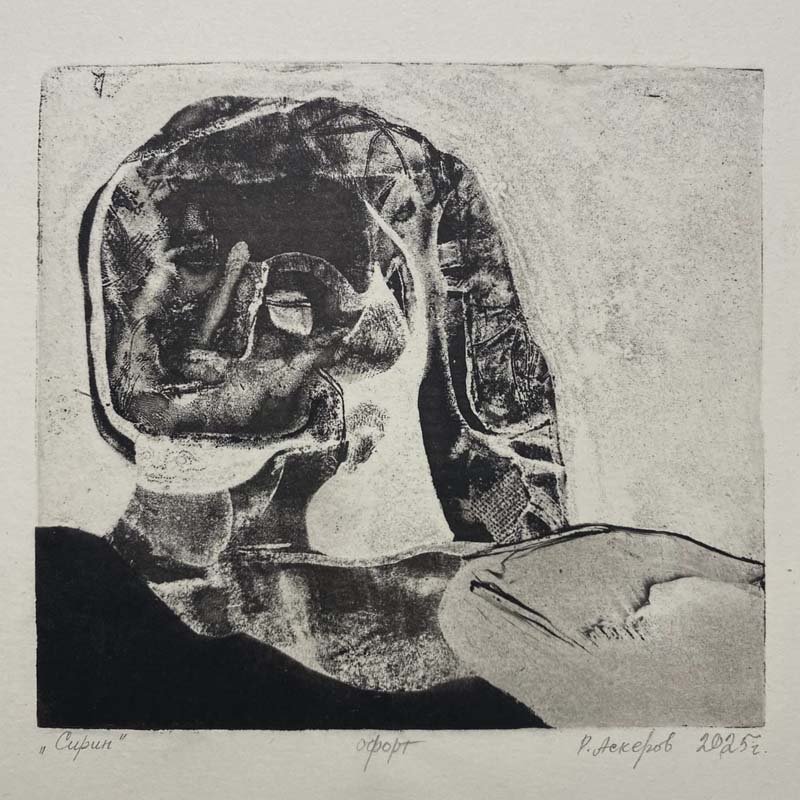


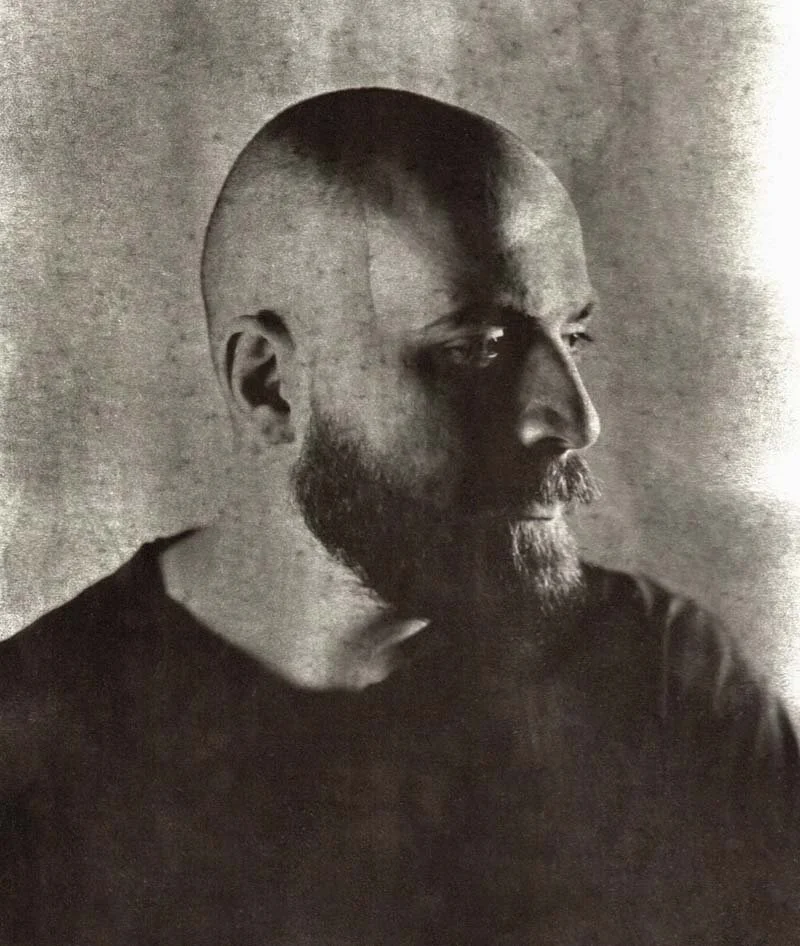
Ruslan Aserkov was born in Moscow in 1997 of Russian-Azerbaijani origins. He graduated from the Moscow State Academic Art Institute in 2021 as a graphic artist. He currently lives and works in Baku, Azerbaijan. @nalsur_ruslan97
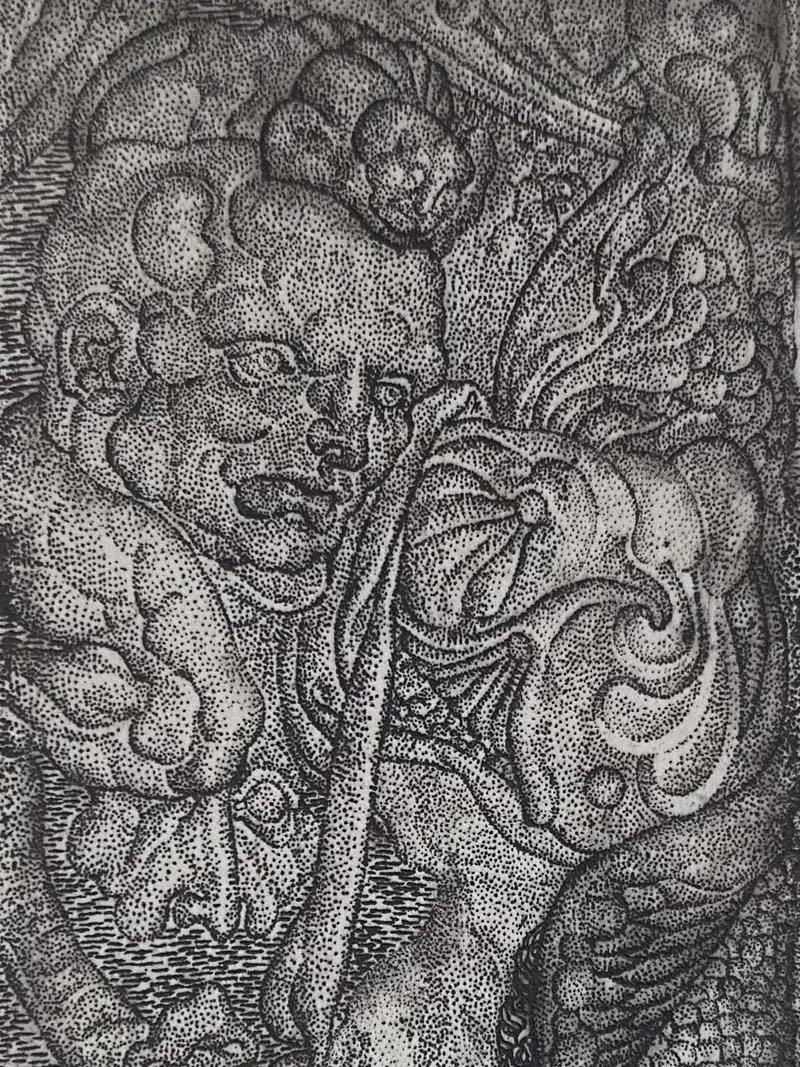
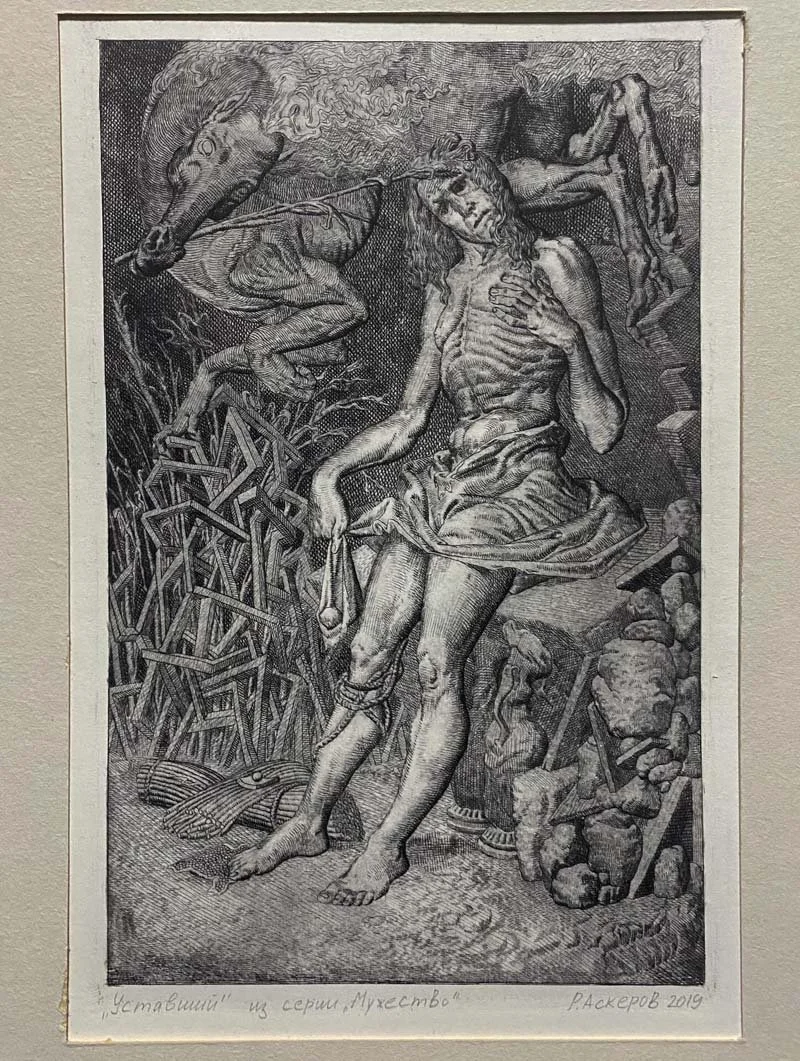
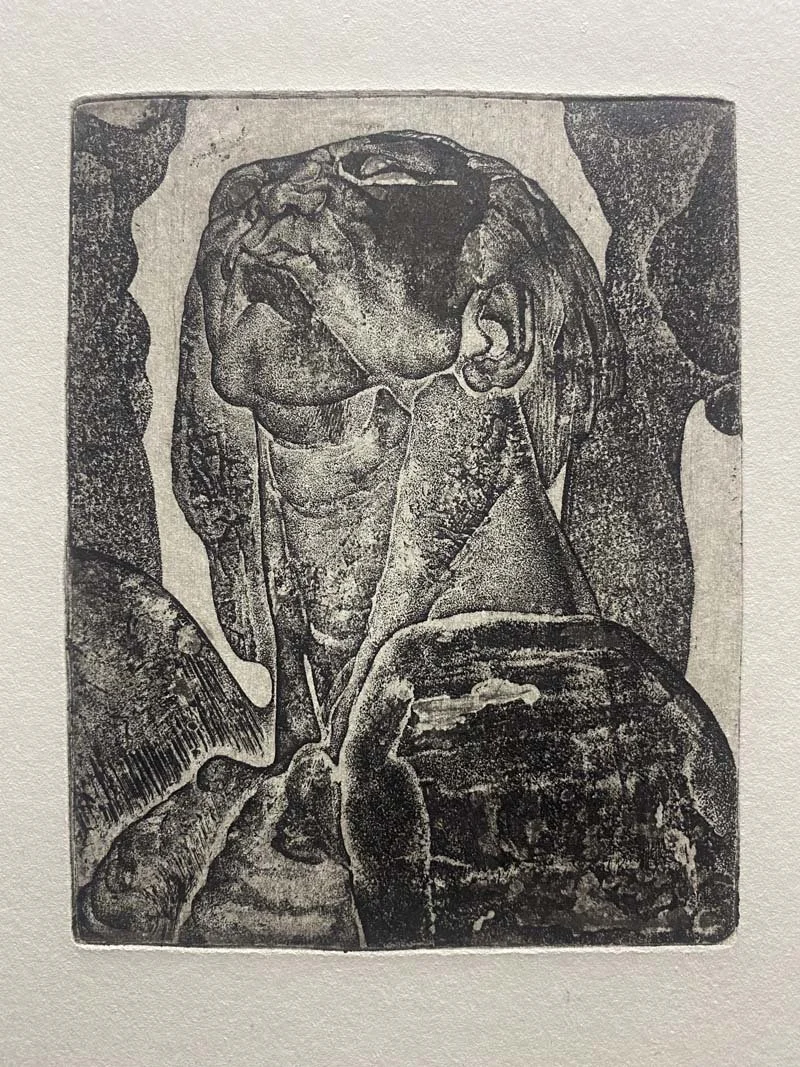
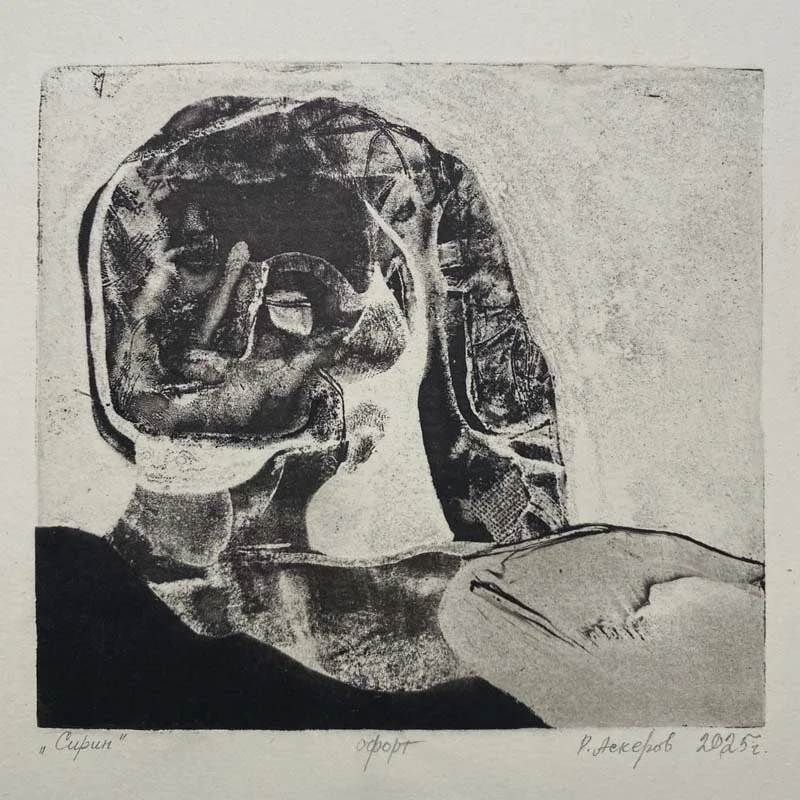
What was it like growing up in Moscow, and how did its culture and traditions shape your thinking about the world? Russia is a very complex country, as is its culture, which is still part of European culture. Therefore, being familiar with Russian culture, you have access to the pan-European. At the same time, Russian culture within the European framework has its own unique sound, which is due to the provincialism of Russian culture, in the good sense of the word. It is a little bit on the sidelines, but not too far. This partly results in both historical misunderstanding and mutual enrichment between Europe and Russia. Still, Russians adore European culture.
Anyway, it is an interesting place to be born.
When did you first realize you wanted to build your life around art? I have been drawing all my life, though there were certainly bad times when I stopped drawing for one reason or another. But the idea of becoming an artist came to me at the end of high school. I decided to transfer from my regular school to a school with an architectural focus. There, I was still the person with the best drawing skills. That's when I decided that this would become my profession.
What does your typical day in your creative space look like? How do its environment and materials shape your artistic process? I live in a studio apartment. I wake up early and try to get to work right away. It depends on my mood and which part of the process I take on. If I feel uninspired, I go and prepare plates for future work and don't try to do the creative part. Although it often happens that nothing really gets done during the day, I'm used to it. Such unproductive days turn into productive nights. I think many artists are most productive at night. I am one of them.
The studio is adapted for the full cycle of production and printing of etchings and engravings. There are many tables here, and each has its own purpose. There is a place for etching metal plates, an extractor for gasoline, acid, and acetone vapors, and a large tray for soaking paper. My engraving needles are made from dental instruments and look very elegant. But the most important element of the studio is the etching press. It is the heart of the studio and it looks so cool.
The typical metals for etching are copper and zinc, but I prefer to use steel because its characteristics suit my way of working better. But it rusts, so you have to be careful when storing it.
Tell us a bit about the etchings you’re currently working on and the ideas they’re driven by. I am currently working on a series of etchings dedicated to the theme of human affectations and being in states of non-living, such as love, grief, anger, and despair. In my work, I rely on impressions from Proust's "In Search of Lost Time" and the opera "Dido and Aeneas" by Henry Purcell."Dido's Lament" is my favourite music piece.
What do you hope people feel when they experience your art? What are you trying to express? I don't think about it. I almost always work without a sketch. That's why the direction of my work remains unknown to me for a long time. But when I work, I get to know myself better. I can say that the subconscious is being deciphered, and I find myself the first viewer of my work. It’s only after finishing that I determine what it is and give it a name. I'm trying to express myself to myself, and then I share this "knowledge" with others. What am I trying to express? Perhaps my anxiety, longing, love, confusion, and fascination with life, and my attitudes toward the feminine and masculine.
If you could sit down with any artist from history or today, who would it be—and what would you ask them? Definitely Michelangelo! But he was not one of those who liked to socialize too much. Few were his close interlocutors. The sculptural nature of his talent, his love for depicting the human body at moments of greatest physical and mental tension, are very close to me. Space is secondary in his works, but he glorified Man in a way that even the ancient Greeks had not done before him. I wouldn't try to find out anything from him so much as I would watch him at work and in everyday life. When I try to imagine "a person," I think of the statue of David, the eternal youth on the border with maturity. I want to see those eyes and hands that created this image in my head.
Do you draw inspiration from music, art, or other disciplines? Of course—mostly from music, although I never take musical images in their entirety. I almost unconsciously take the motives of the mood of the tonality. I listen to a little bit of everything, but over time I’ve developed a love for classical music. My favorite composers are Bach, Schubert, and Beethoven. But Schubert is my favorite. His gloom and idealism, his kind of naivety, and his way of life are close to me. I can listen to his "Winterreise" endlessly.
I treat any piece of art as the work of colleagues (however great) and ask myself prosaic questions. How's it done? Mine or not mine? Etc. Though of course, there are exceptions.
What do you love about living in Baku? This city combines features of Asian and European cultures, and it is also the site of an ancient center of fire-worship. This is not surprising, considering how much oil and natural gas there is in Azerbaijan. Apparently, the hydrocarbons themselves entered the outside in the form of pillars of flame. The main interpretation of the meaning of the city name is "the city of God, the place of God.” It’s beautiful. I love the romantic flair of this city.
Can you describe a project or time in your life that challenged you creatively—and how you worked through it? My diploma thesis at the institute turned out to be such a project for me. I had huge expectations from the results of my work, but every time I sat down to work, my expectations were met with the slightest difficulties. The beginning of the sketching was drowning in dissatisfaction from the discrepancy with my inflated idea of myself and my future works. It paralyzed me, and I tried to occupy myself with anything except my diploma thesis and thoughts about it. So a year passed, and somehow I still got my diploma. Now I realize that that was the first time I fully encountered my ego. I couldn't work on my old foundations, and I hadn't developed new ones yet. It was the worst year of my life.
Then I got tired of my own company and turned my socializing into what was almost like work. I consciously made contact with people who could make me doubt my understanding of the world and myself in it, and those people were smart and talented. And so I found context and ground under my feet.
Tell us about important teachers/mentors/collaborators in your life. My living teachers are fellow artists of my age. Perhaps because true, strong admiration, understanding, and envy are possible almost only for peers. When I was a student, I perceived the art teachers as senior colleagues and not as mentors. But I am very grateful to them for creating a free, creative atmosphere in the workshops.
I am not fond of collaborations, because I think collaboration either fulfills the idea of one of the artists or does not fulfill anyone's idea. Though maybe I'm being too categorical here.
I see creative meaning in the collaboration of different mediums. This could be an illustration, creating a cover for a music album, etc. I have such experience. In such interactions, the authors can remain authors. A very good example is the illustrations of Beardsley. But perhaps I overestimate the authorship, placing it above its subject, art itself.
Does your art draw inspiration from forms in the natural world? I don't draw inspiration from nature, at least not directly, but there was one exception.
In Azerbaijan, I once observed a very unusual natural phenomenon. When I was visiting my uncle, I loved to walk around the highlands. There, I came across a place where thorny plants grew, dried out from the hot summer, typical of those places. And at the end of each such plant, in the place where flower buds are usually located, there were empty snail shells attached. Sometimes several pieces on each plant. It looked like some kind of death flower, and it was very beautiful. I used this image in one of my engravings.
What are your reflections on AI and technology? What does authenticity mean to you in an age of machine-generated art? Of course, artificial intelligence has and has had a huge impact on art. It's inevitable. The appropriateness and extent of the use of artificial intelligence depends on the temperament of the artist, his themes, and the main mediums. Each case is unique.
But if we take into account that art is communication, then one of the main criteria of communication can be called authenticity, which consists of understanding and feeling that you are either in a group of people like yourself or interacting with a work of hands like yours. It is a very primal feeling.
For example, we can take theatrical performances. In the digital age, they find their admirers all over the world. I think it can be compared to the primordial feeling of a shoulder, sitting by the fire, the feeling that you are among people like you, and you are looking at one point, listening to one piece of information communicated to you by one of your kind. Today, these kinds of authentic interactions are becoming an increasingly luxurious experience. And we should not forget that part of the value of art is its luxury and accessibility.
Exploring ideas, art and the creative process connects me to… To me as me and me as part of the whole.
My work is escapist by nature. And just as everything is monetized in capitalism, even in the protest against capitalism, so in art, the highest manifestation of communication, escapism can also be an attempt at communication. The creative process for me is a way to return to where I came from without resorting to the services of death. Excuse me for the pathos.