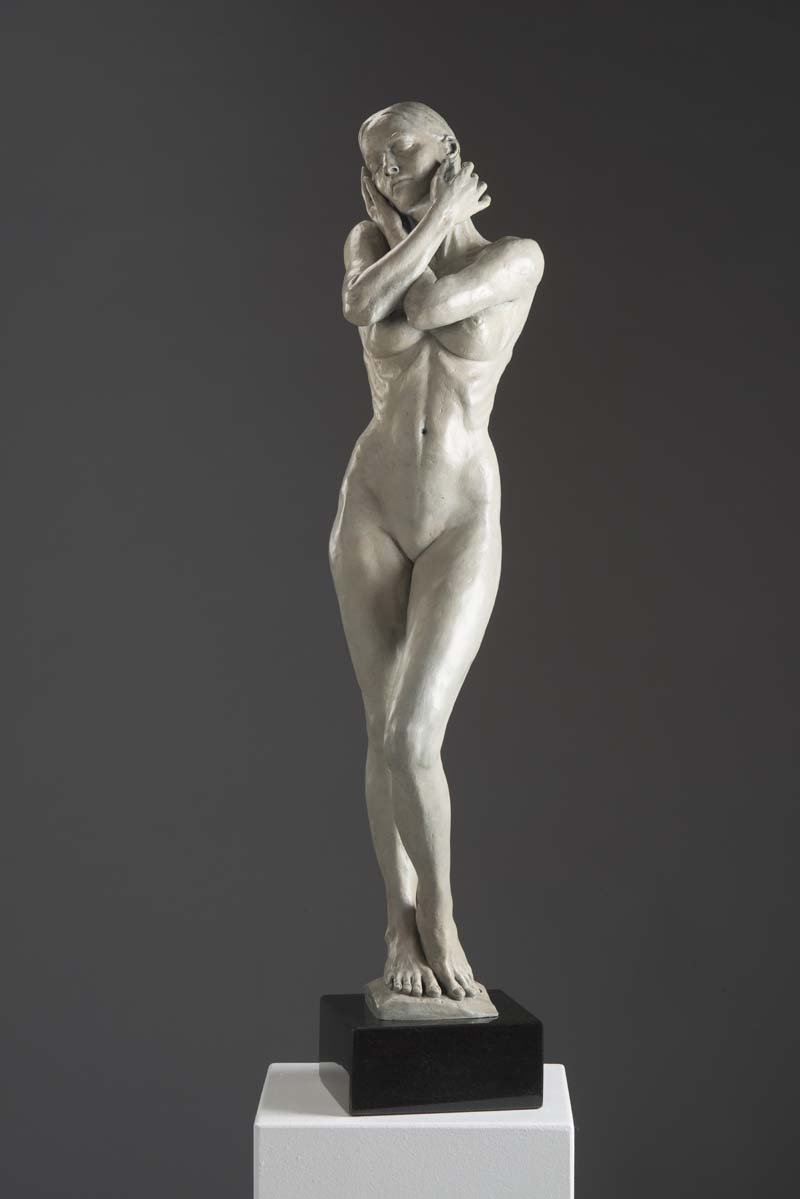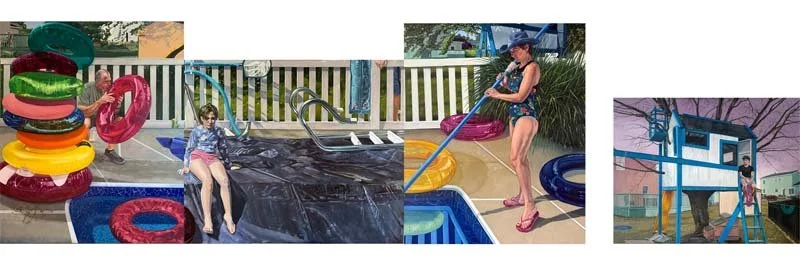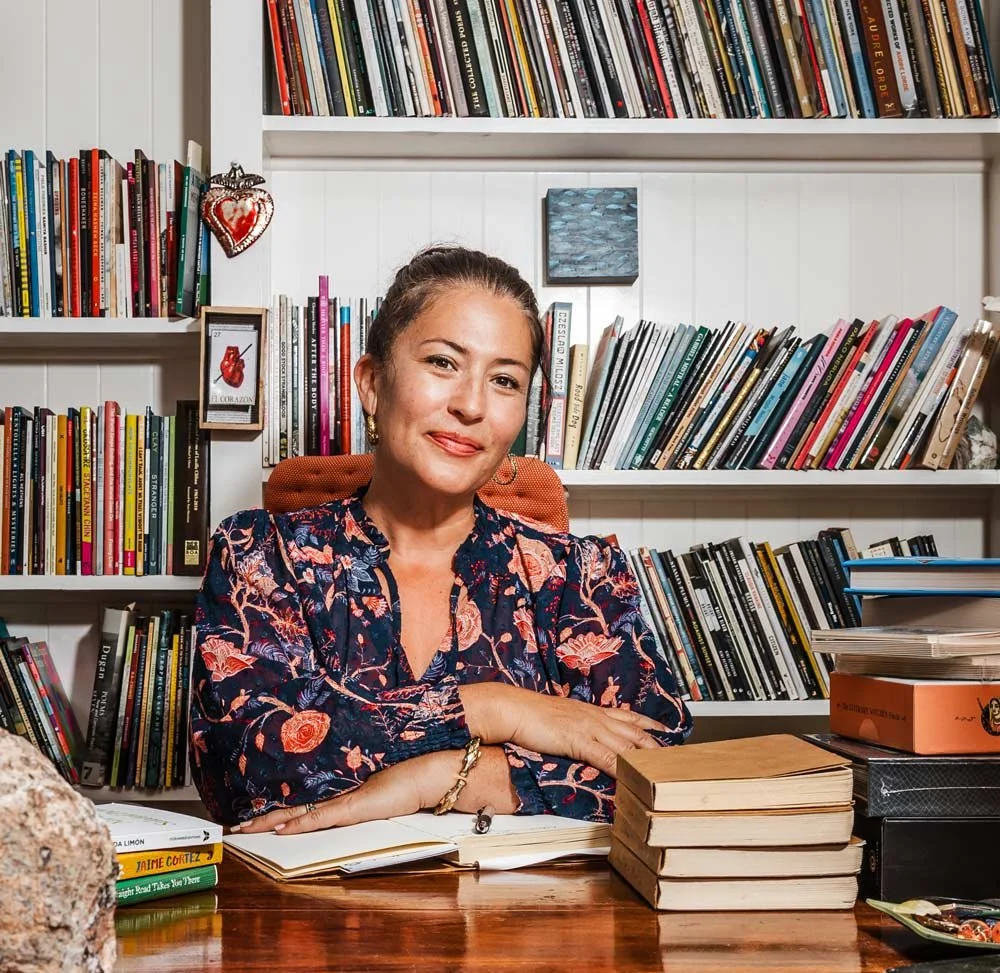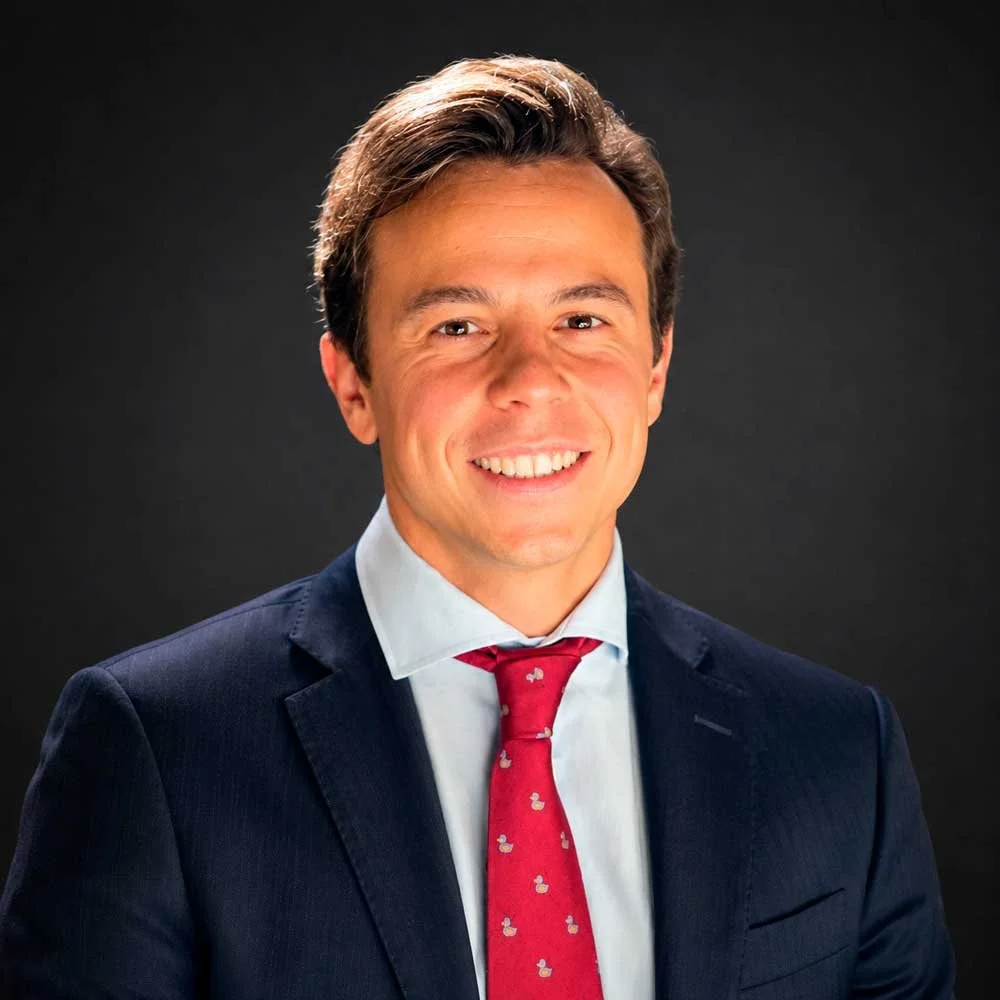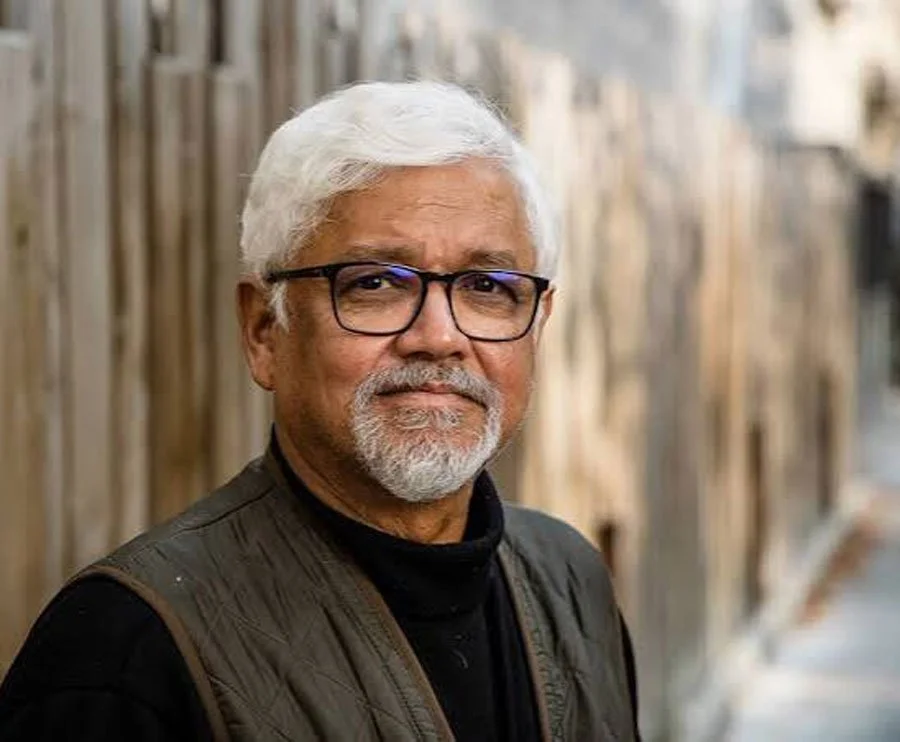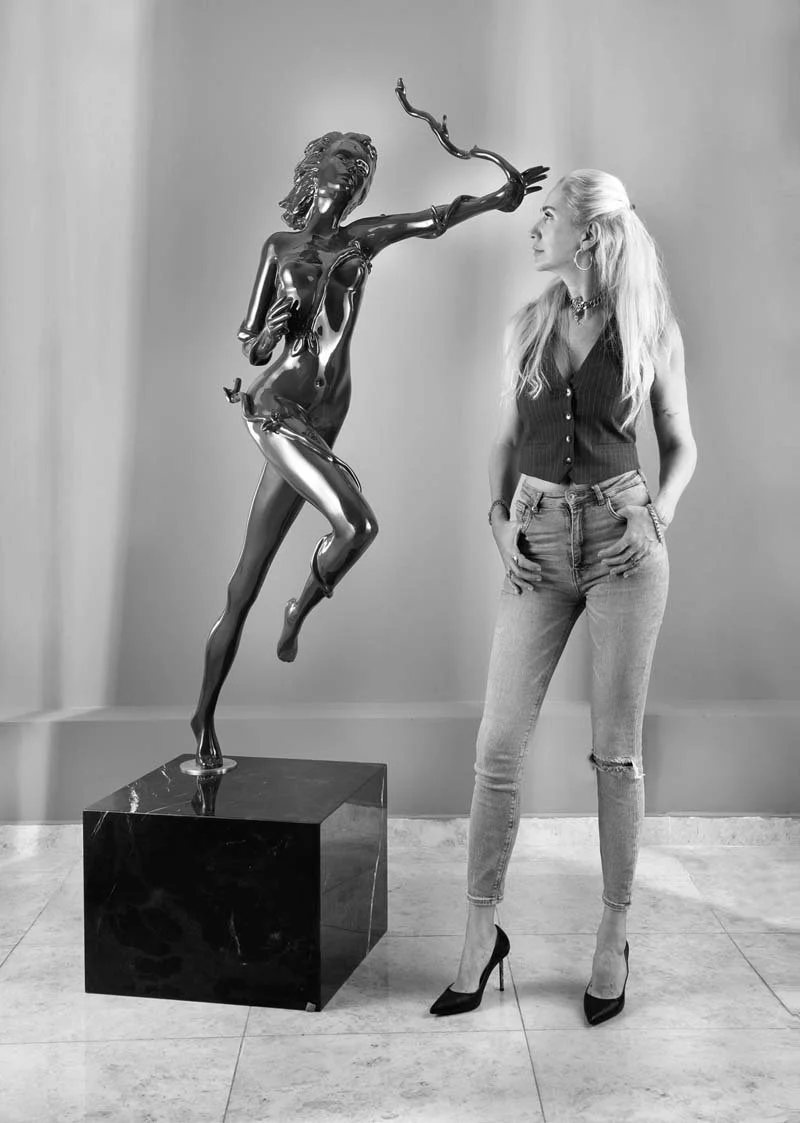


Born in 1972 in Istanbul, Turkey, Ebru Yılmaz Çakmak received her Bachelor's degree in Architecture from Yıldız Technical University. Following her graduation, she continued practicing art alongside her architectural career. Today, she works full-time as an architect while actively producing artworks, maintaining a continuous dialogue between design, form, and feeling. @ebruyilmazcakmak
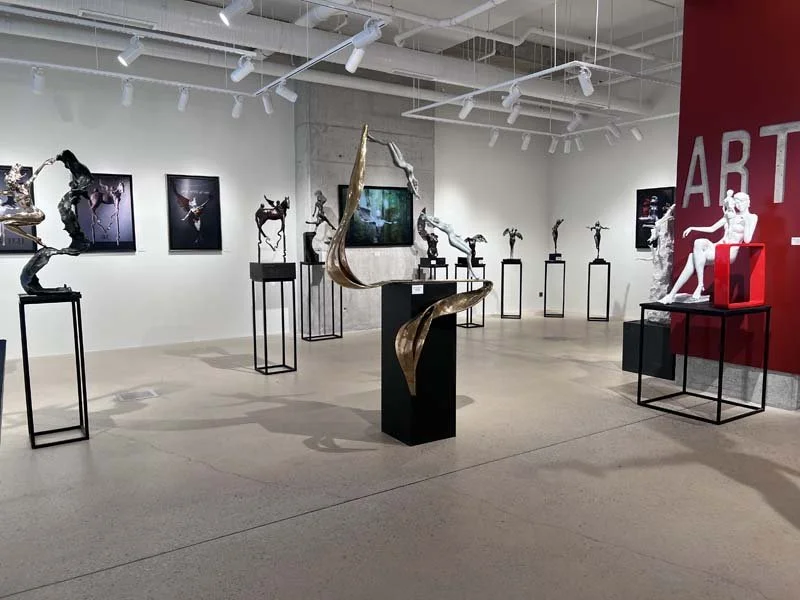
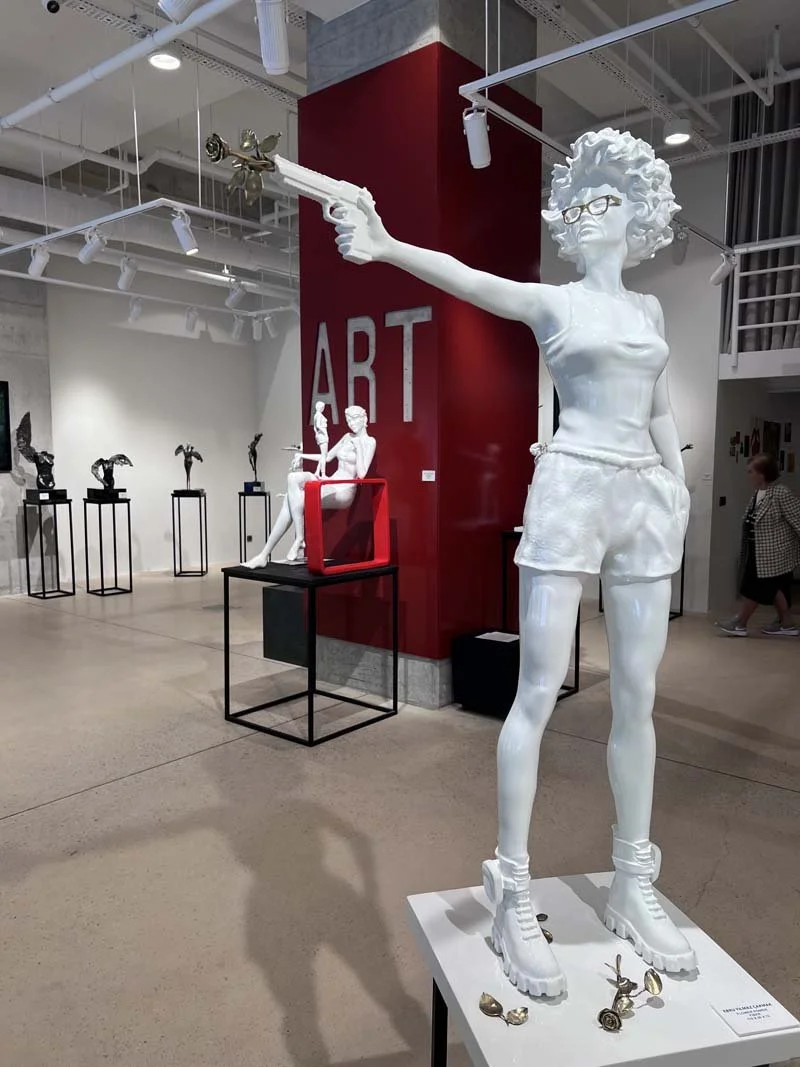
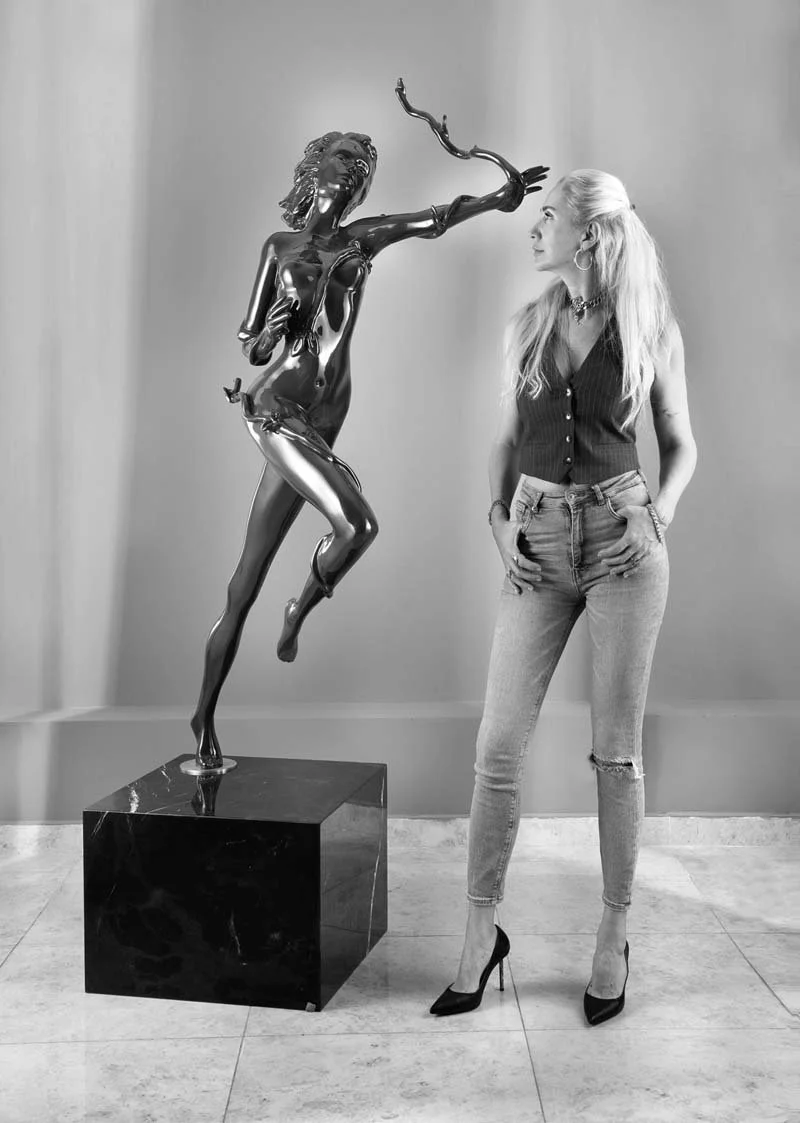
How did your upbringing in Istanbul influence your art and your thinking about the world? Istanbul is a city layered with history and shaped by many cultures. Living in such a diverse and ancient city has deeply influenced my worldview and my art. Although I grew up connected to the outside world and close to European culture, Turkey’s rich and complex cultural fabric became an inseparable part of my creative identity.
What sparked your initial interest in creating art, and how did that interest evolve into a deeper commitment to artistic practice? I can’t recall the exact moment I fell in love with art, but from the very beginning of my self-awareness, words were never how I expressed myself. Drawing and creating were always my natural language. This wasn’t a conscious decision—it simply felt like the most authentic way of being. Over time, that practice was recognized as art, and I was called an artist.
What does your typical day in the studio look like? Walk us through your studio and your most-used materials and tools. My studio is not only a space for production—it’s a space for life. I don’t go there just to make art. I organize, tend to my flowers, document my work, and host friends who are passionate about art. When it comes to creating, the most challenging part is the idea—it strikes suddenly, unexpectedly. But once the idea comes, the process unfolds naturally and flows quickly.
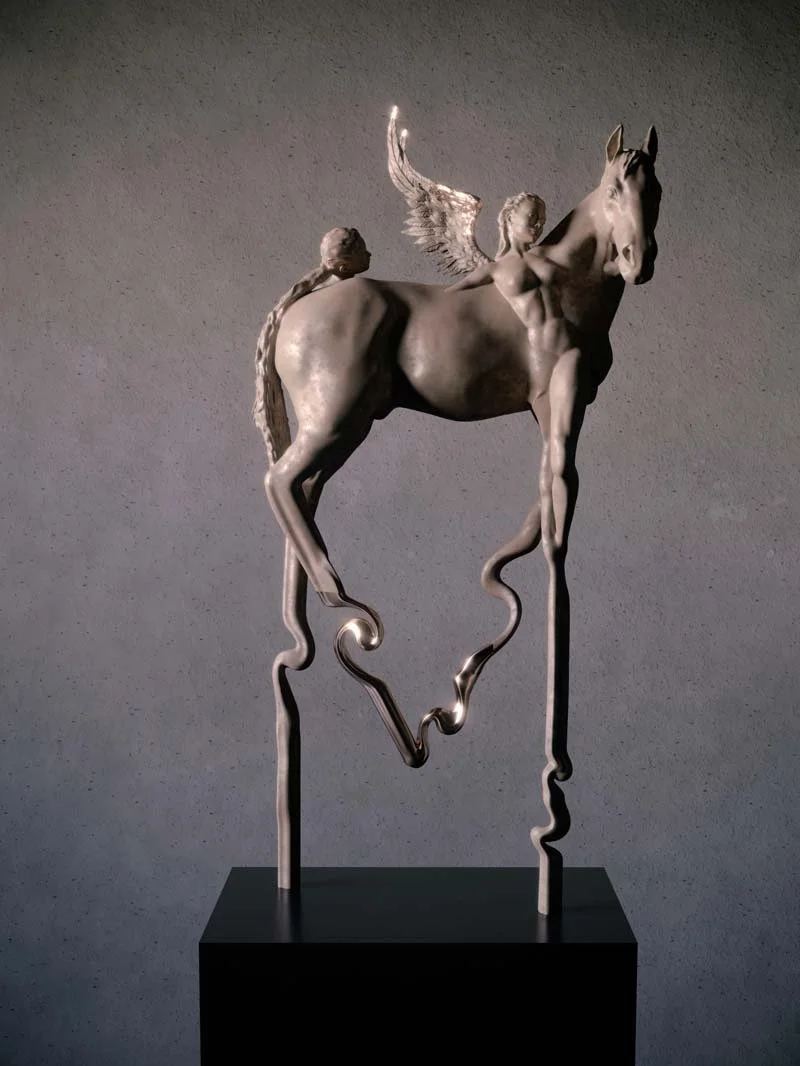
You’re currently working on a piece for the Istanbul Toy Museum. What has that process been like? The museum provides a comprehensive look at the history of toys, and I chose to focus on the evolution of one in particular: the rocking horse. I was drawn to exploring how this single object has transformed over time and what it reveals about memory, play, and nostalgia.
What impact do you hope your art has on viewers? The world today is difficult, full of anxiety and uncertainty. Through my work, I want to offer a sense of relief, a moment of calm. I see what’s happening in the world, and I’m aware—but I choose not to reflect reality as it is. Instead, I express what I wish to see. My works don’t mirror my realities; they reveal my dreams.
Are there any artists, past or present, whom you would love to meet? I would love to ask all the “mad” artists why they did what they did. But above all, I’m curious about how Van Gogh saw the world. I want to see through his eyes—literally.
Do you draw inspiration from music, art, or other disciplines? Absolutely. Music and lyrics have a direct impact on me. In fact, some of my pieces are named after songs that moved me deeply—like One by U2.
Living in Istanbul, how has its environment influenced your art? Istanbul is an open-air museum. Every layer you walk through tells a different story.
How do you handle moments of doubt in your creative process? All art is rooted in emotion. While working on many pieces, I’ve experienced frustration, feelings of inadequacy, and even failure. But when those emotions subside, the work is usually complete. The emotional journey and the creative process end together.
Who have been your most important teachers? Anyone who works with care and passion inspires me. A man sweeping the street with intention, or a woman composing a symphony—both move me deeply. I look at them and think, “I want to bring the same intention to my own work.”
How does your art respond to your experience of nature? My motto is: If you’re going to copy something, copy from nature. I work figuratively, and the entire natural world is an endless source of inspiration. We live in a world full of miracles, yet we rarely appreciate it. I hope we learn to.
AI is changing how we do and think about art. Do you incorporate AI in your art practice, and how do you feel about it? As an artist who uses classical methods, I don’t see time as something to fight against. I try to collaborate with it. I look at what today offers and think about how I can incorporate that into my work—but my essence remains intact. We are at the heart of a renewal era. What’s not meant to last will fade, but what is good will continue and evolve into the future.
Exploring ideas, art and the creative process connects me to… The best version of myself.