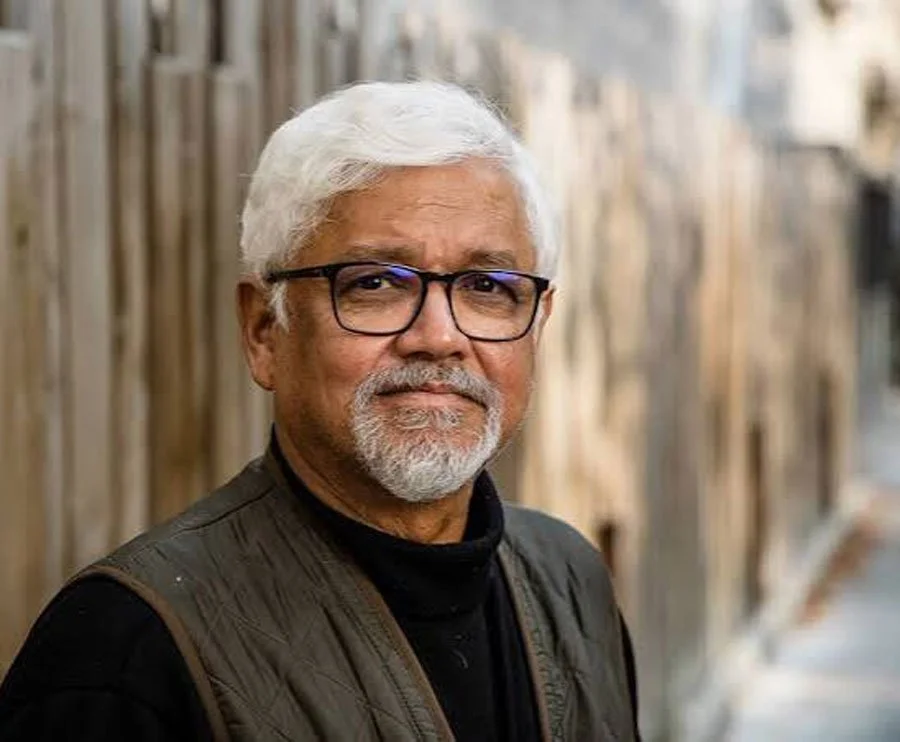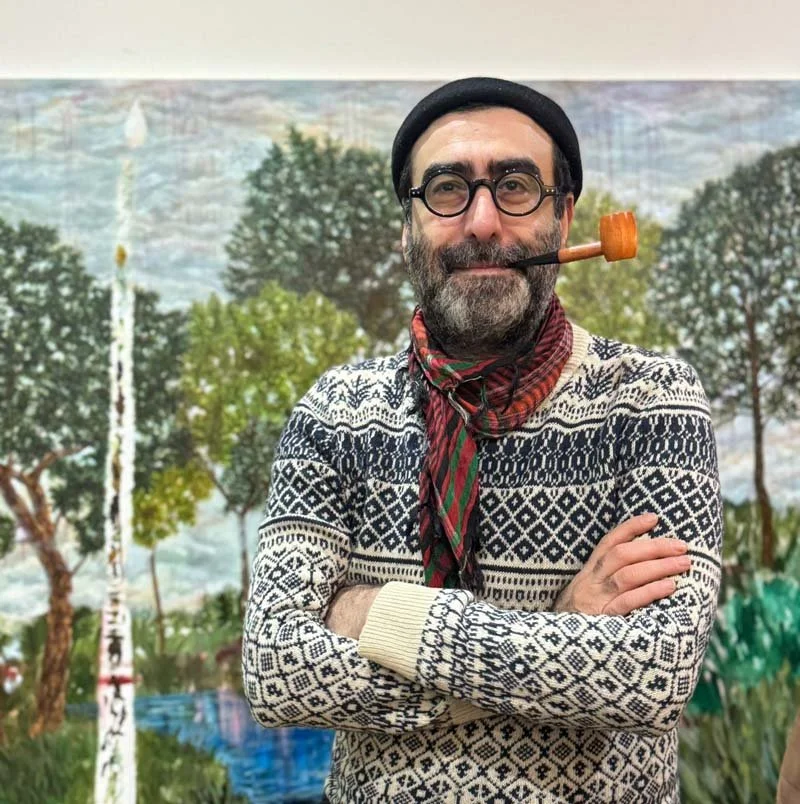


Tehran-born artist Amirhossein Bayani on the intersection of power, resistance, and the struggle for human rights.
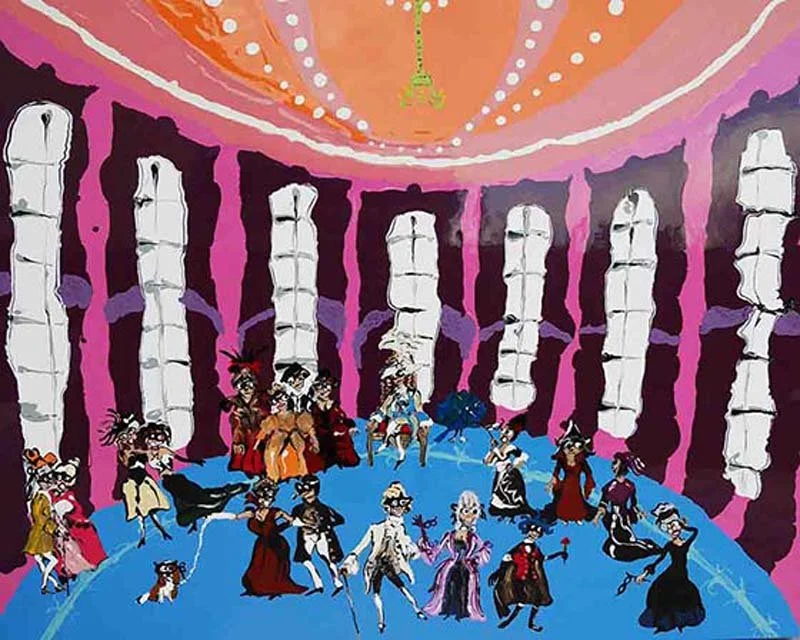
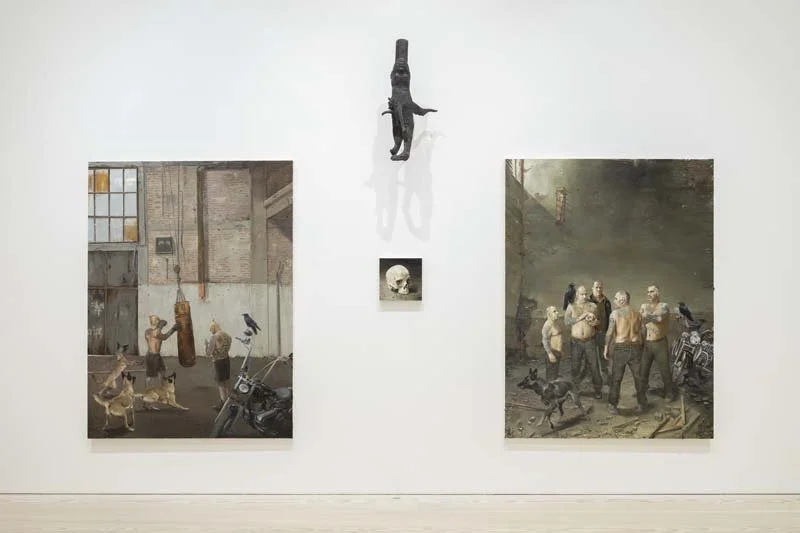
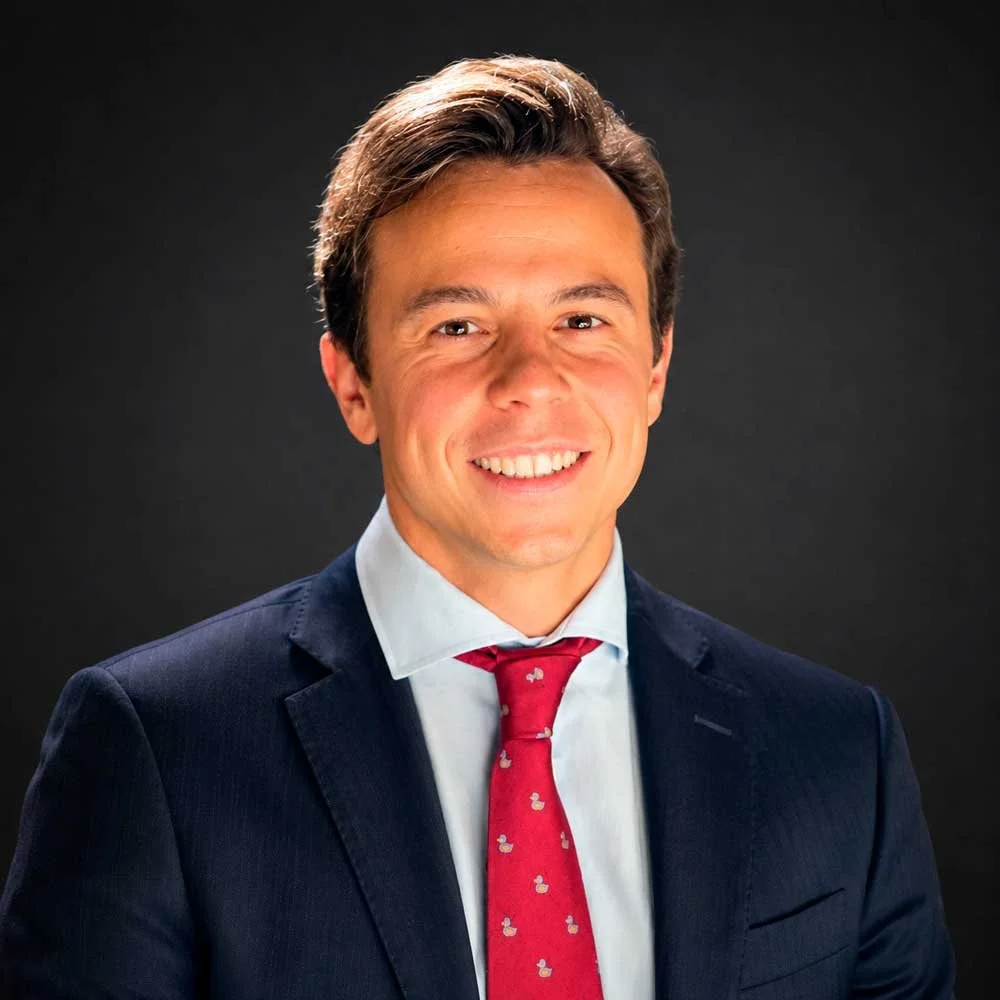
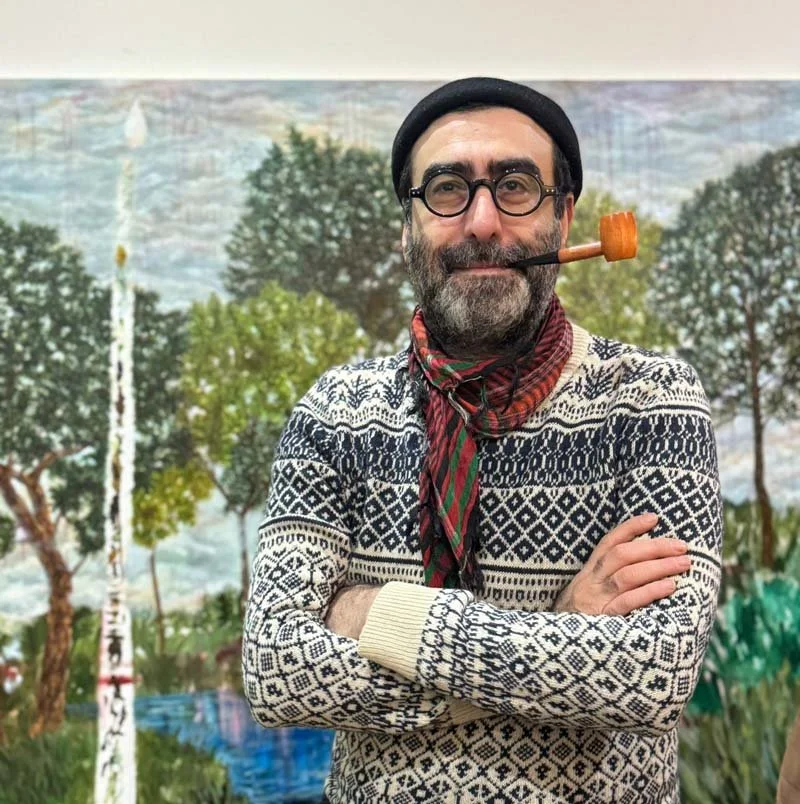
Amirhossein Bayani (b. 1977, Tehran, Iran) is a painter, visual artist, and curator based in London. He holds a B.A. in painting from Tehran University and an M.F.A. in Art Research from Tehran Azad University. A member of the Iranian Painters Society and the director of MERXOUT Projects, Bayani’s work investigates the intersection of critical politics, sociology, and philosophy. His practice often highlights the "colonization" of subjects by power structures, exploring acts of violence and tyranny that remain obscured by mainstream media channels. @amirhossein.bayani
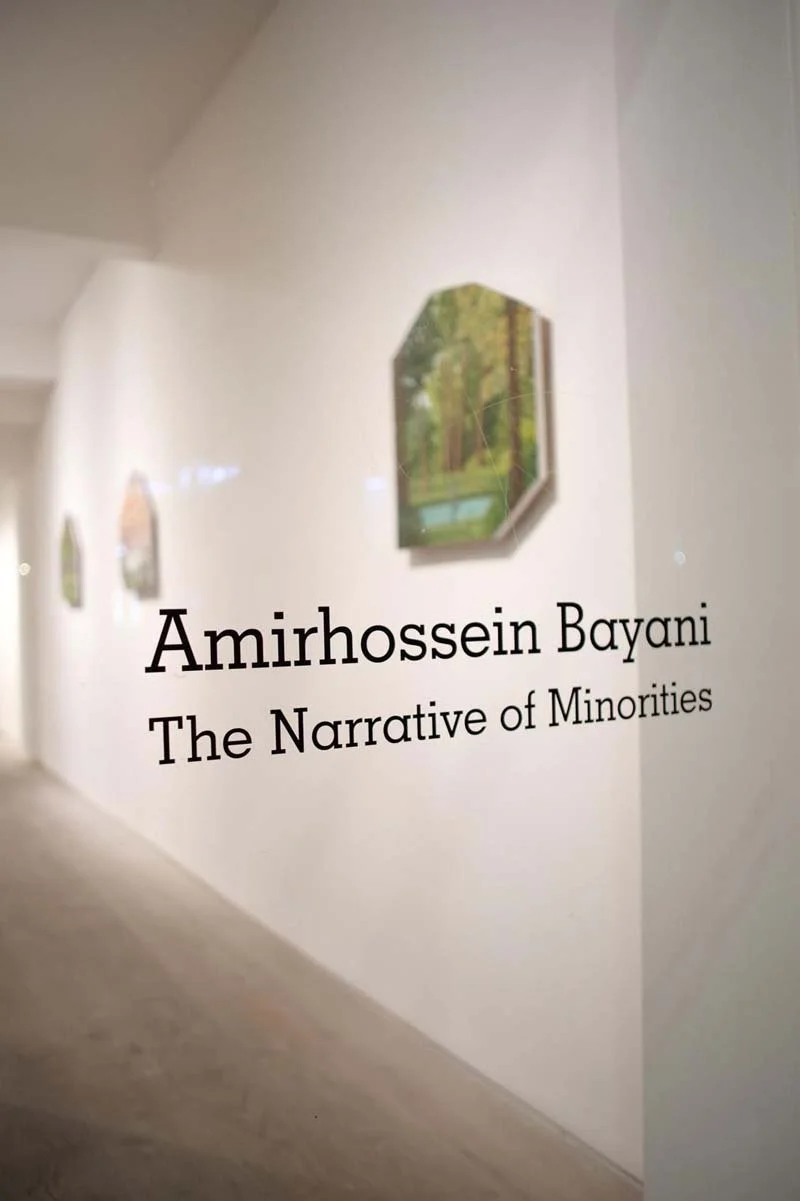
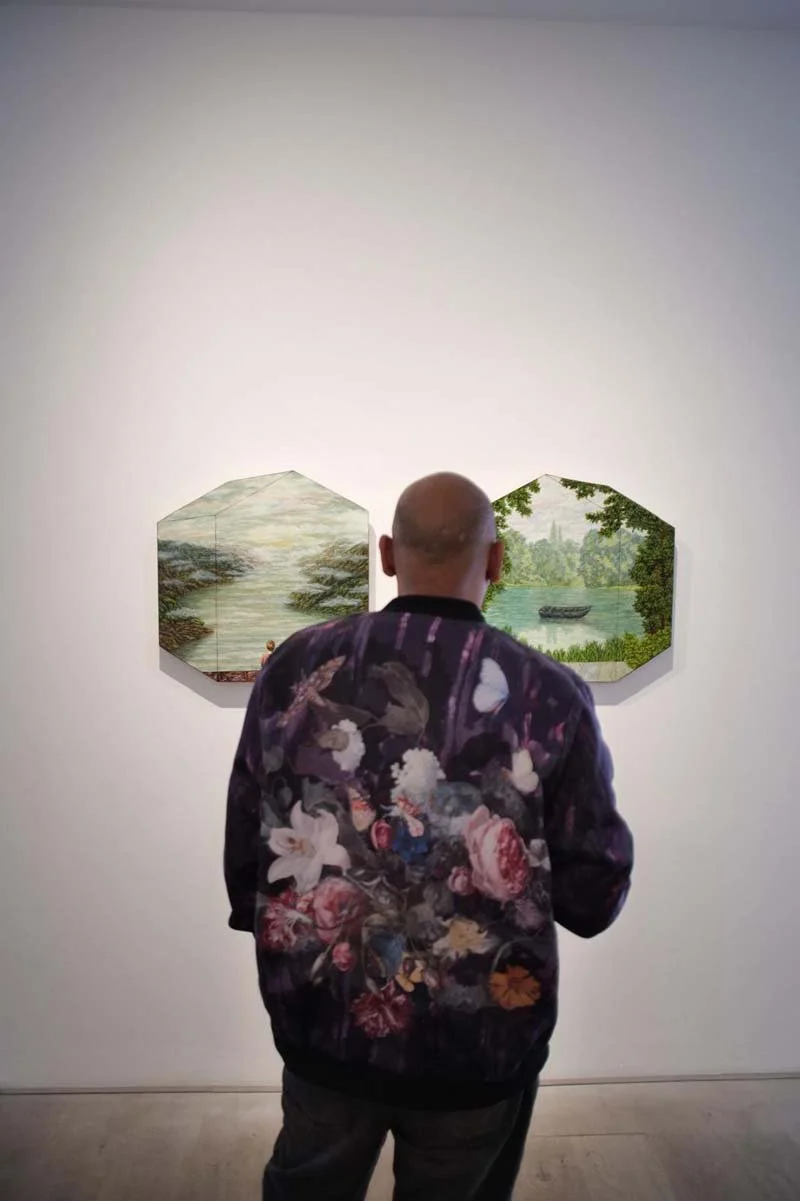
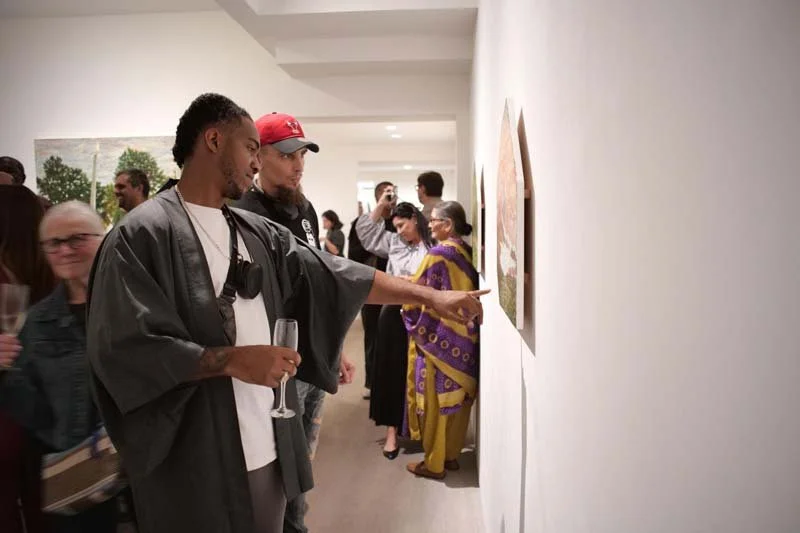
How did your upbringing in Tehran shape your imagination and your approach to art?
I was born in Iran and grew up in Tehran, the capital city. My childhood coincided with the revolution that later became known as the Islamic Revolution, which completely transformed values and the fabric of daily life in Iran. When I was still very young, the country was drawn into a devastating war. My entire childhood unfolded against a backdrop of conflict, fear, bombings, and the constant threat of violence—a war that lasted eight years. As a teenager, I found myself in a country that, while no longer engaged in physical war, remained in continual confrontation with the wider world. This state of political isolation deeply affected the lives of ordinary people, including myself. Alongside this, the authoritarian imposition of ideology by the government created additional layers of suffering. Much of society did not, and still does not, accept this enforced ideology, and people continue to resist through whatever means they can, striving for freedom and dignity. This was the environment in which I came of age. It shaped my ideas and made it impossible for me to separate my thinking from questions of politics, collective liberation, and the struggle for human rights—especially in a society where women are severely oppressed and denied even the most basic rights. These experiences continue to inform my work, which revolves around these themes of resistance, freedom, and justice.
Can you recall a moment when you recognized art as your chosen path?
Because of the circumstances into which I was born and raised, the idea of emancipation has always been of profound importance to me. During my childhood and teenage years, whenever I thought about choosing a field of study or imagining my future, I kept asking myself: which discipline could allow me to express and represent these ideas? That is how I discovered art. I felt that art could embody all my visions and provide a way to share my perspective with others. Of course, with years of professional practice, I now understand that art is not meant to “save the world”—nor does it have that capacity. But when I was younger, I truly believed it could. Even so, I continue to believe that art gives me the possibility to share my ideas with a wider world and to create new intellectual connections in a reflective space—one free from hostility, aggression, or political games. Through art, I aspire to contribute to spaces of dialogue and collective reflection, where the pursuit of emancipation and understanding can take root.
What are some of the differences between your previous studio in Iran and your current studio in the UK?
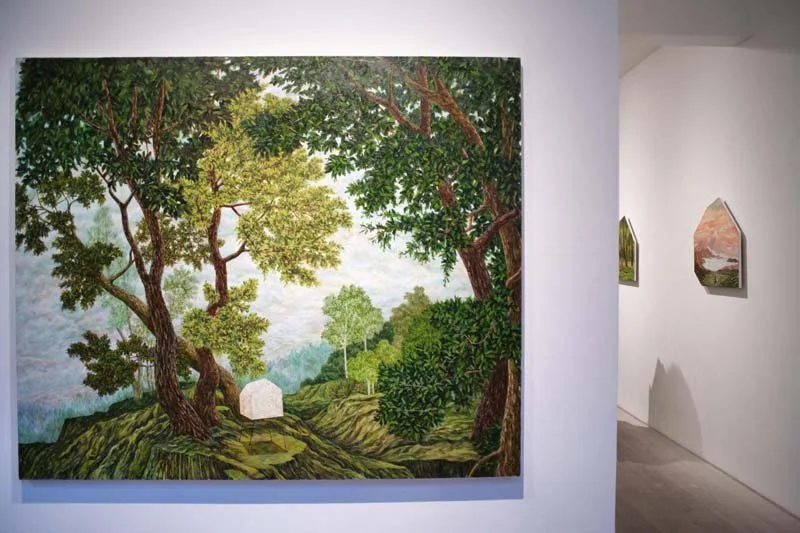
Due to my political ideas and the environment I lived in, I had no choice but to leave Iran, as staying could have put me in serious danger. I am truly happy to be living in the UK now—I love this country, and many wonderful opportunities have come my way. Yet, as a newcomer, life isn’t exactly simple. For example, back in Iran, I had a large studio and worked full-time as an artist. Here, however, I also need to work to support my family—my spouse and child—which means I don’t have the same conditions as before. I used to dream of inviting you to my studio in Iran, walking you through the space and showing you how every wall, every corner was layered with memories and creative energy. But life is life, and circumstances change. Here in the UK, my studio is very small, yet my process of thinking and creating remains the same as it was in Iran. A significant part of my time is devoted to reflection, reading, listening, and conversation—practices that help me remain open, empathetic, and mindful of different perspectives. After this, I usually paint for two to three hours a day. I hope that one day I will have more time to work, because I deeply miss painting for long stretches. I mainly work with oil paints and remain deeply loyal to classical techniques, though I strive to present them in a modern and contemporary context. My goal is to bridge tradition and the present, creating work that honors the past while engaging with today’s visual and intellectual world.
Tell us about your current projects and the themes of resistance driving your work.
My artistic projects have always been concerned with politics—but not politics in the sense of power or governance. Rather, my focus has always been on politics as a means of emancipation. Over the years, this interest has taken many forms. At times, I have focused on women’s struggles for their rights; at others, on society as a whole, or on specific political figures throughout the history of my country. These days, I approach this theme from a more global perspective. I am deeply engaged with literary and philosophical texts, including the works of Kafka, and I am increasingly interested in the narratives of marginalized groups. I explore how minorities can tell their own stories, develop new languages of expression, and assert their voices—a pursuit I consider essential. Central to my current work are themes of forced migration, the politics of language, top-down impositions of authority, and the dynamics of resistance. All of these concerns intersect in my art, forming a framework through which I examine the individual and collective experience of struggle, resilience, and self-expression.
When viewers experience your art, what emotions or ideas do you hope they connect with?
I believe that if I can illuminate even a small corner of my audience’s mind, helping us find a path together, my work can serve as a catalyst—a gentle nudge toward a more authentic understanding of the world around us. Through this, we might discover ways to cultivate empathy and collective participation in the pursuit of freedom and emancipation across the globe. I know this is, in many ways, just a dream. Yet it is my dream, and it guides what I try to express in my work. For me, the relationship between ourselves and truth is paramount. I believe that every individual must, at some point, confront their own conscience, ask themselves where they stand in relation to the truth, and consider how this relationship is defined—or redefined—through their actions and choices.
Which artists, past or present, would you like to meet, and what would you like to discuss with them?
There are two people I would have loved to meet if I could. The first is Leonardo da Vinci, because I believe he embodied the ultimate genius—the pinnacle of skill, vision, and creativity that he left as a legacy for all humanity. Since da Vinci, no one has been able to recreate that same sense of grandeur and mastery. The second is J.M.W. Turner, whom I admire immensely. I would have loved to sit beside him in his studio and, if he had the time, ask how he arranged his palette, how he made his decisions, and what mechanisms guided him to create abstraction in his work with such freedom and creativity.
Do you draw inspiration from music, philosophy, or other disciplines?
I would say there are two things that play a vital role in my life: music and philosophy. These are the two primary sources that influence me deeply—aside from, of course, nature and other experiences. Both of these are human creations and represent significant artistic and intellectual achievements. They have shaped my thinking profoundly, and my entire conceptual work has been inspired first and foremost by them. Visual elements and other artistic expressions come afterward, building upon the foundation laid by music and philosophy.
What is the significance of the city of London to your creative practice?
In my view, London is the capital of the world. Truly, there is no city anywhere that is more important than London. I simply cannot sum up my feelings about this city in just a sentence or two. What is most astonishing about living in London is the very fact of living here—being part of this extraordinary, vibrant, and central hub of the world. To put it simply, London is the heart of everything, and in my opinion, there is no better or more important place to live.
Can you describe a project that challenged you creatively or emotionally—and how you worked through it?
To be honest, if we look at my work over the past decade or so, every project I have undertaken has been extremely challenging and emotionally demanding for me. This is because they all deal directly with people who, due to the way they thought and lived, faced severe consequences—some were killed, executed, subjected to harsh punishments, or forced to migrate. They endured daily suffering simply for being who they were and for thinking differently. As a result, every time I read about them and worked on representing their experiences, the projects became emotionally intense and painful. Translating their struggles, their suffering, and their resilience into visual form was a process that weighed heavily on me. It was a constant confrontation with profound human pain, and in this way, all of my work carries these experiences with it. For me, I cannot separate any project from this context—each piece inherently brings these emotional and conceptual challenges into my practice.
Tell us about the teachers or mentors who influenced the artist you are today.
There are two people in the world who have had an extraordinary influence on me. The first is Karl Marx, or more precisely, Marxism—the intellectual movement he inspired. In my view, this way of thinking continues to evolve with surprising depth and relevance, revealing new perspectives even today. I can confidently say that Marxism shapes the horizon of thought in our time. The second, and perhaps the most important and personally transformative figure in my life—even more influential than my parents—is Roger Waters. I feel deeply indebted to him; his work and ideas have shaped the very core of my life and artistic path. My greatest wish is to meet Roger Waters, shake his hand, and tell him just how important he is, how much I respect him, and how profoundly he has impacted me.
Sustainability in the art world is an important issue. Does being in nature inspire your art or your process?
Sustainability is the most crucial and challenging aspect of an artist’s life—and only fellow artists truly understand the years of pain, struggle, financial hardship, and frustration. Beckett’s insight is striking: art is a continuous experience of breaking. For me, over these years, working as an artist has been intensely painful. Sustainability has tested me in every way, often in a society that appears respectful on the surface but offers little real support or acknowledgment. At the same time, nature has always been my greatest source of inspiration. If you look at my work, you will see that throughout my journey, especially in the years when I truly found my path, my final pieces have been profoundly shaped and guided by the natural world. Nature informs my vision, my process, and the ultimate form of my work, grounding it in a space of reflection and connection.
In an era where digital tools like AI are redefining reality, what is the importance of the physical, handmade act of creation?
I believe that artificial intelligence, like any other tool, is simply an instrument—neither inherently good nor bad. Throughout history, every major technological advancement has reshaped the world: the wheel, the computer, the internet, or the telephone. Each of these innovations transformed how we connect with one another, and we learned to adapt and coexist with them. In my view, we should approach AI in the same way—as a companion, a helpful tool that can assist us. We need to learn to live alongside it, to navigate our lives and our work peacefully with these new instruments. Before rushing to judge the future of the world, we must first learn to coexist with the tools of our present, so we can chart a better path for our lives.
Exploring ideas, art and the creative process connects me to two essential concepts: humanity and truth, and, above all, to the delicate and profound interplay between them.