

St Leonards-on-Sea-based artist Andrew Viner on the power of the natural world, the rhythm of the seasons, and the visceral magic of the landscape.
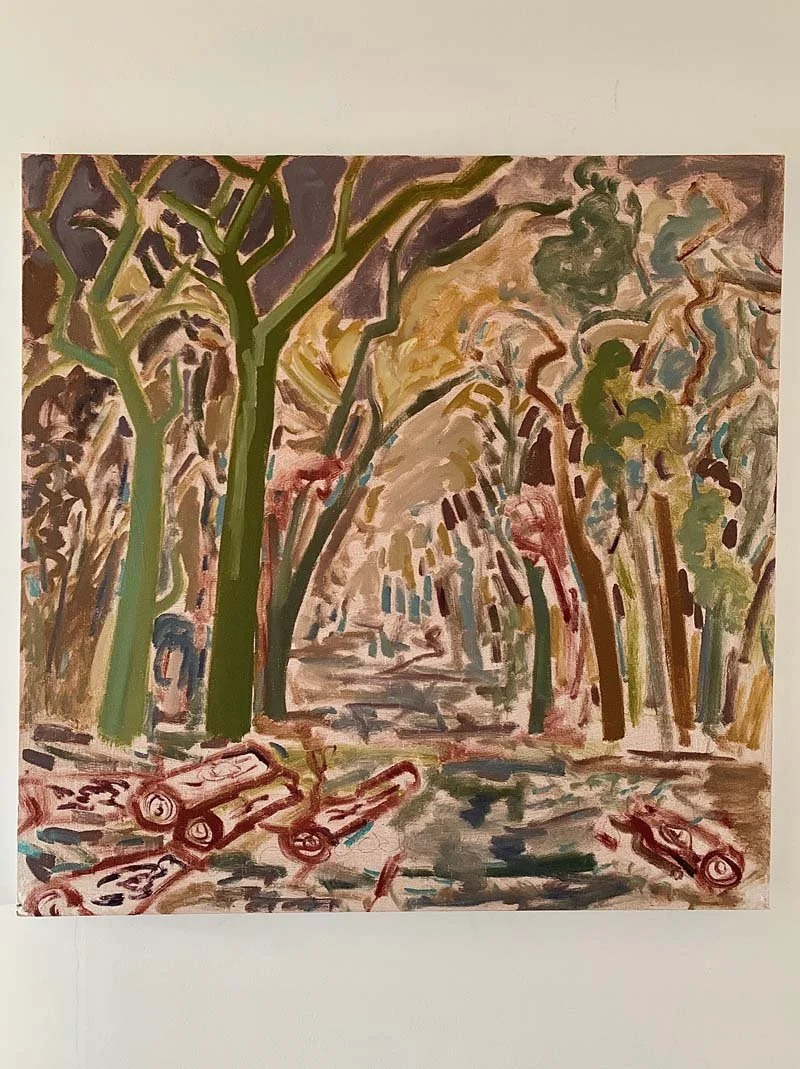
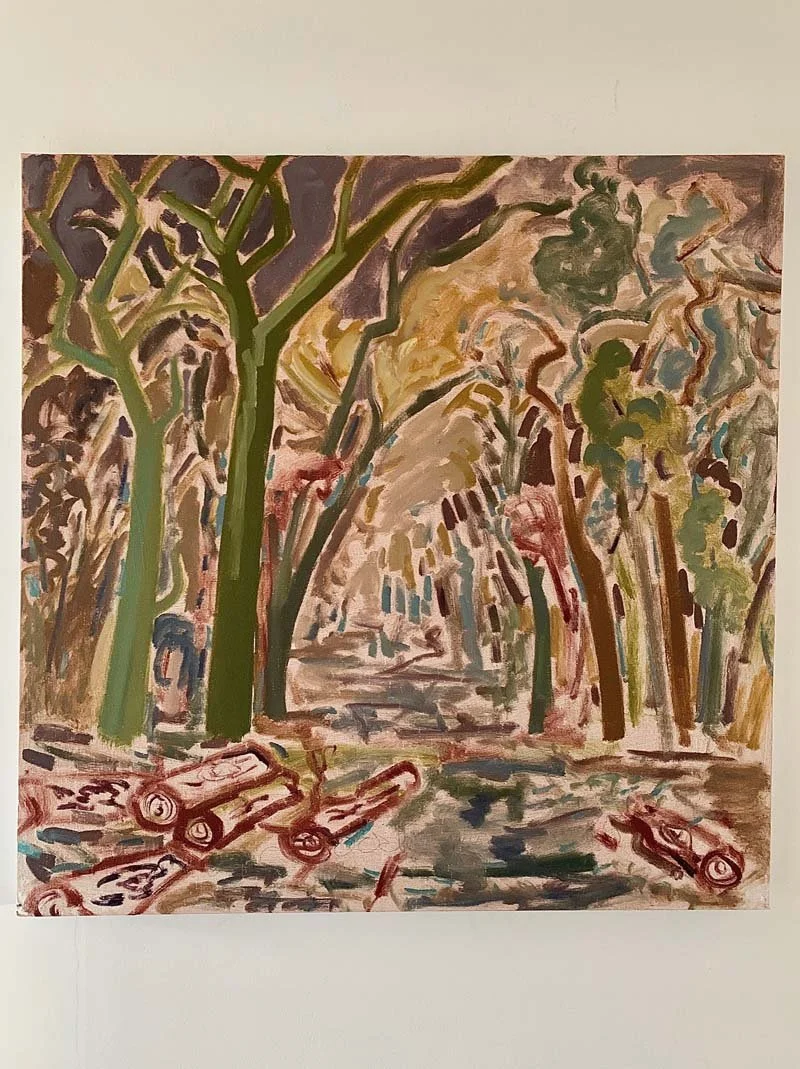
Andrew Viner (b. 1987) is a prolific, predominantly self-taught painter based in St Leonards-on-Sea, East Sussex. Raised on the coast in Winchelsea Beach, Viner’s work is deeply rooted in the dramatic landscapes and unpredictable weather of the South East and Scotland. Using high-pigment oils and informed by constant sketchbook studies, his paintings explore the "Sublime"—the tension between nature’s beauty and its inherent malice. His practice is a continuous attempt to record the rhythm of the natural world and the enduring human connection to the land and sea. @vinerart
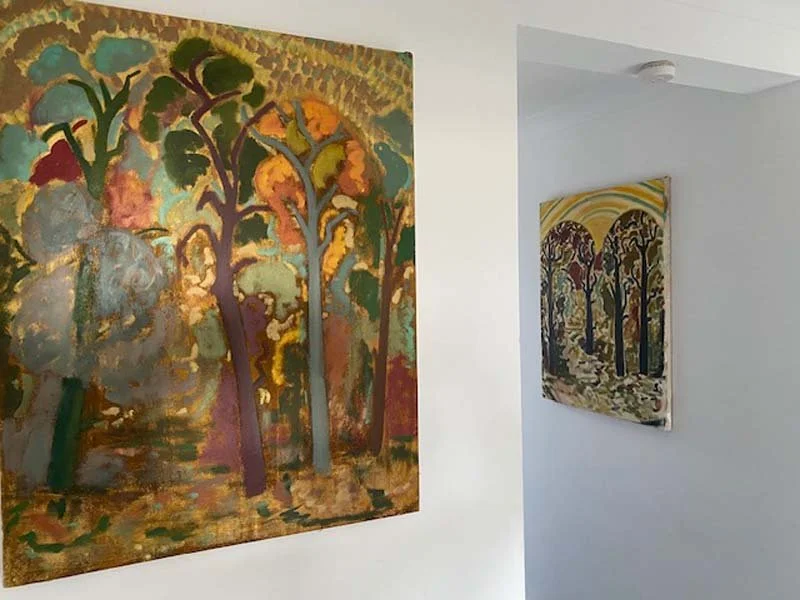
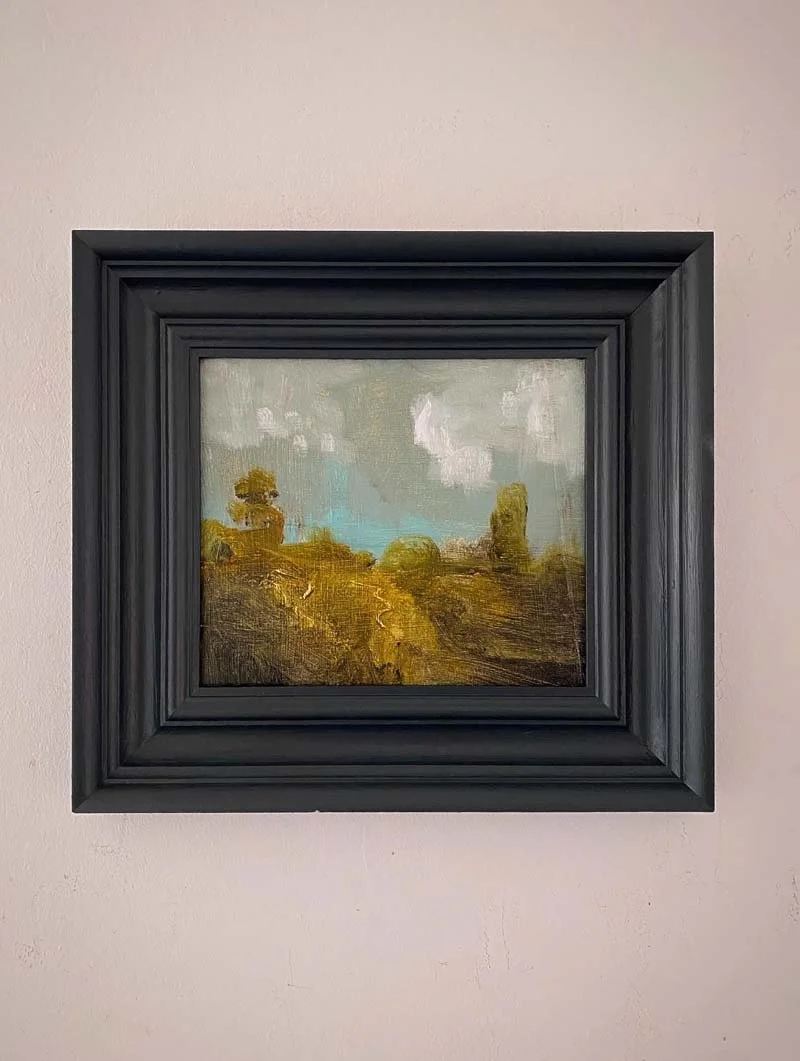
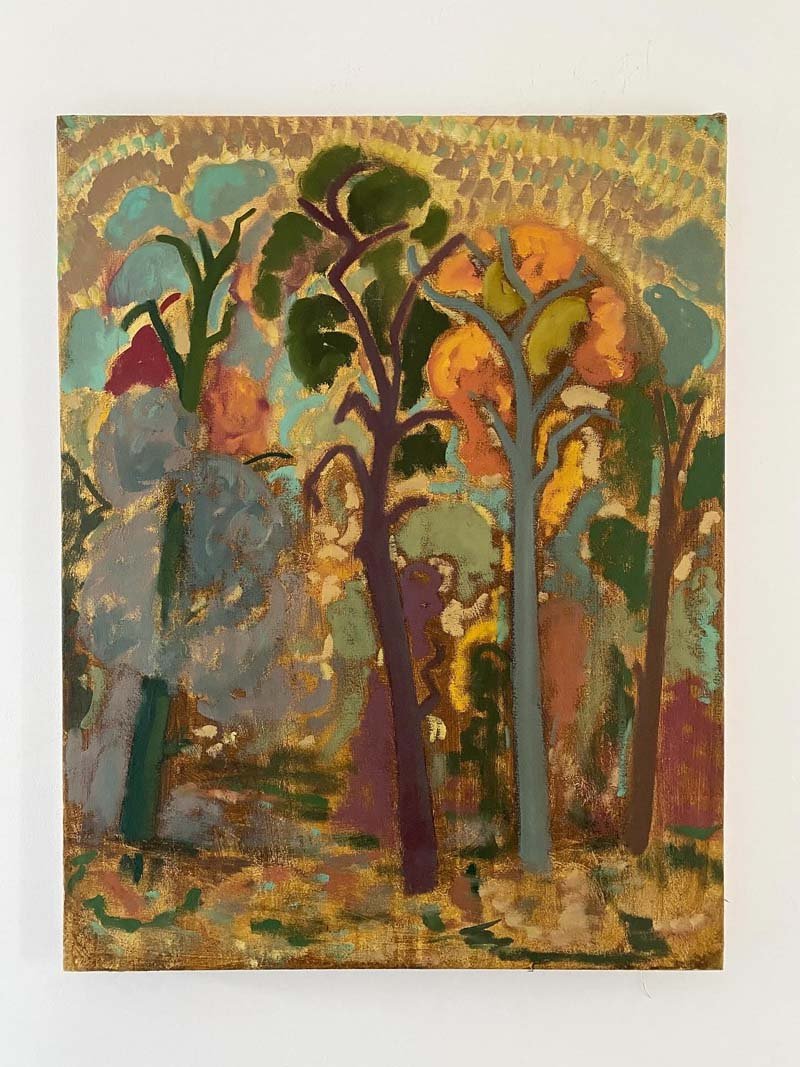
How did your upbringing on the Sussex coast shape your imagination and your approach to art?
I was born in Epsom, Surrey, but my family moved to a small cottage on the southeast coast when I was very young—a place called Winchelsea Beach. The influence this had on my art and on the way I see the world was huge. Living just next to the sea taught me a huge amount about the natural world. I learnt to appreciate it, respect it, and fear it at times. The power and drama of winter walks along the shingle, the waves hitting so hard you could feel it—it made me appreciate the wonder of nature and how much it can give you if you stop and look at it for a while.
I also enjoy the challenge of the coastline in terms of painting; it can appear to be very empty. Lots of sky and sea, but it's this space and the unique light you see along the coast that makes it so involving to paint. Even in the depth of a cold gray winter's day, there will still be lots to draw inspiration and interest from.
Can you recall a moment when you recognized art as your chosen path?
I think that when I first started to draw and paint, I never considered myself an artist. Nor did the idea occur to me to become an artist; I just wanted to record what I saw and felt when walking in the landscape. But as I got older, I began to obsess more and more over the idea of drawing the landscape and painting it. It was this feeling of needing, I suppose—the need to draw the trees and the fields. So I would head out on my scooter, and with charcoal and a sketchbook record the local landscape.
Seeing the work by J.M.W. Turner was also a huge catalyst for my own work. I was blown away by how, as a painter, you could interpret the landscape around you. Art is hugely important; it's the greatest part of the human spirit. We have our faults, but we are a curious and creative species, and what we can create through visual art, writing, and film is one of our most vital strengths.
Describe a typical day in your studio.
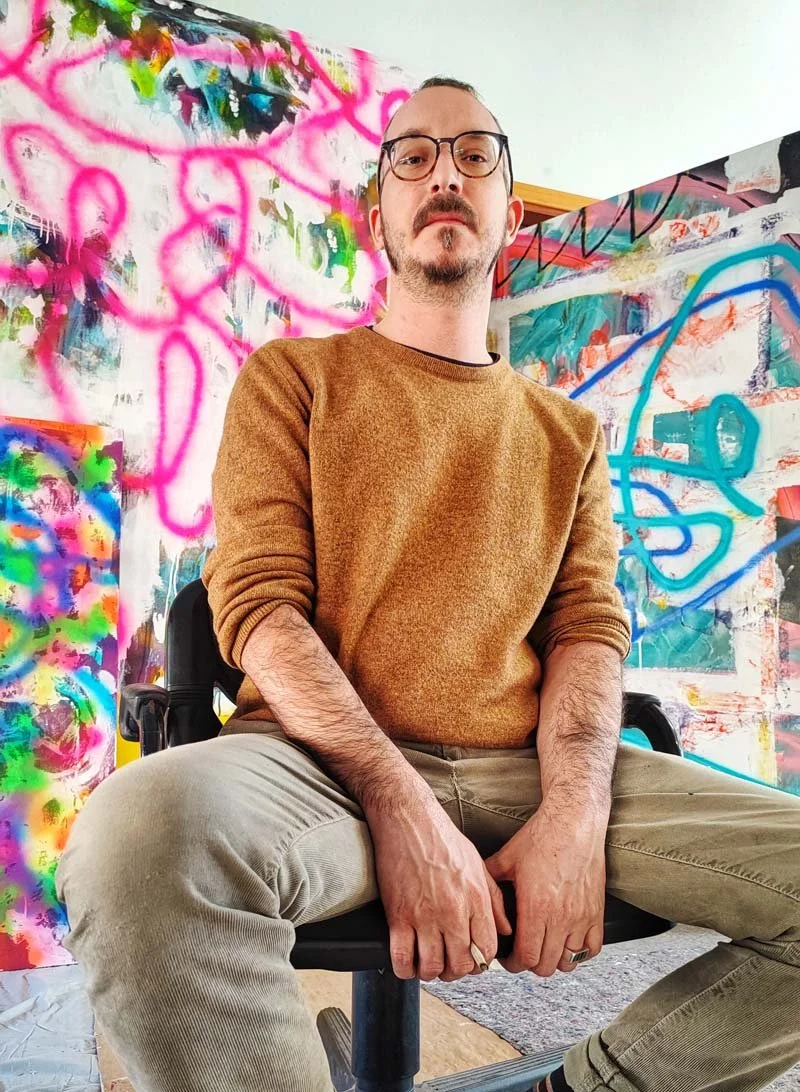
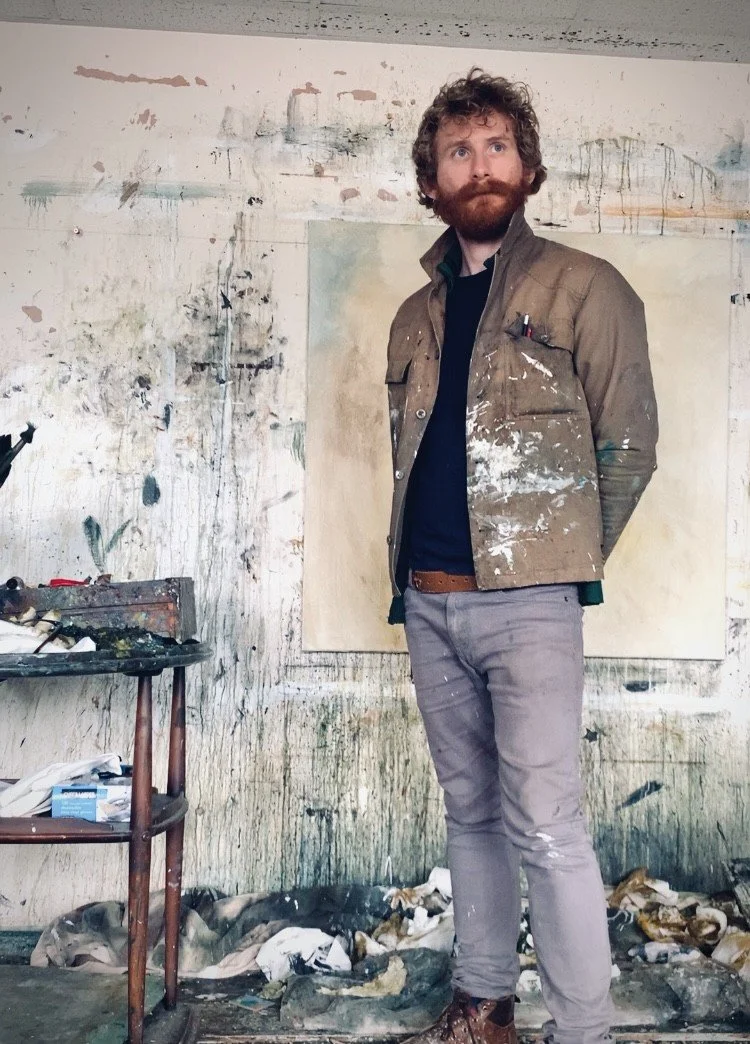
I am fortunate to have a dedicated space for my painting. I describe it as small, but busy. The vast majority of my work in progress comes from my sketchbooks—things I have recorded whilst out and about. My paintings are hung from screws on the walls or are propped on easels whilst I work, and I have multiple paintings on the go at once. It's often quite a hectic space! My tools are simple; brushes are hog hair and not looked after, so I tend to go through them quite quickly. I use oil paints—the very best in my opinion, Michael Harding. The pigment quality and strength is fantastic. My most valued tools, however, are my sketchbooks. I take one with me always and have a pile of them on my shelves for painting reference.
Tell us about your current projects and the seasonal themes driving your work.
Well, being predominantly a landscape painter, I have a constant theme: the seasons. For me, the landscape is a never-ending source of inspiration. It's always renewing and changing, providing us all with new sights and scenes. I try to get into it as often as possible, sometimes to sketch, other times to paint directly. I think as a painter of landscapes, you never run out of new ideas. It's refreshed every day with the changing seasons. It's the way it all follows a rhythm; it never changes, but always does.
When viewers experience your art, what emotions or ideas do you hope they connect with?
I have always said to people when they look at my work that I hope they inspire. By that I mean I hope they will allow the viewer a chance to experience a new feeling as they look at a scene they have witnessed many times in the past. A painting can allow someone to look deeper at a familiar subject, and this in turn may allow a deeper understanding and appreciation of what could be seen as mundane and ordinary.
I am a strong believer in the ideas of the Sublime—the idea that through visual art and writing we can show both the beauty of nature and its malice. The dramatic scene of a vast landscape suddenly being overtaken by storm clouds, or a viscous storm out to sea witnessed from the relative safety of the shore. Nature is a marvelous and overpowering subject that I never tire to attempt to record.
Which artists, past or present, would you like to meet, and what would you like to discuss with them?
Well, there are so many! But if I had to choose just two, it would be without a doubt J.M.W. Turner and Vincent van Gogh. I have always said that if I could meet one for a studio visit, it would be Turner. And if I could meet one purely socially, it would be Van Gogh.
I admire Turner for his work—his incredible ability and skills with all things paint. The way he interpreted the landscape, amplifying the elements and being able to create storms with such vigor on the flat surface of a canvas. Standing in the Tate in London, you can hear the crash of waves or see the rain roll in over a distant valley. This for me is the true magic of painting: transporting every fiber of your being to another place and moment.
Vincent van Gogh I love for who he was. Reading his letters to his beloved brother Theo, you quickly understand that he was too pure a soul for the world he was born into. It pains me that he had the life he did. I would love to meet him for a drink in a small cafe and spend an evening discussing the sky and the trees.
Do you draw inspiration from poetry, art, or other disciplines?
I get inspiration from many things. Certainly other artists, but also writing and particularly poetry—Tennyson being one of my favorites. I often write myself, taking notes when out sketching.
What is the significance of the sense of history in St Leonards-on-Sea to your creative practice?
Definitely being so close to the sea! The coast is a great place to see a big sky. Having grown up along the coast, I couldn't imagine being far from it. There is also a growing number of artists and creatives in my home town, as well as a growing number of galleries and spaces for them to show their work. I also have so much beautiful countryside near me to explore.
Can you describe a project that challenged you creatively or emotionally—and how you worked through it?
I think every painting is a struggle to a degree. I believe every artist is their own worst enemy; you doubt and argue with yourself daily. It's difficult when you spend so much time alone, pouring yourself into something creative. You often think that it's not good enough, or that you are not expressing what it is you want to. Art is a battle really—it's a conflict between many elements. Not just the material elements of paint, but the battle of your mind, trying to focus in and say what it is you want to say. You need to sacrifice a lot simply to justify a fully sincere belief in your own creative ability.
Tell us about the teachers or mentors who influenced the artist you are today.
My family are the most important in terms of support. My parents never said to me that art wasn't a sensible way to make a living; quite the opposite, I had nothing but support and encouragement from them. As I have got older, my wife has become my rock and muse. She is also my most honest critic, of which I am very grateful. I also want to mention Marcus, the director of McCully & Crane Gallery, and his husband Gareth. He was the first to take my work when it was a risk—being a total unknown artist—and he has continued to support me for nearly ten years.
Sustainability in the art world is an important issue. Does being in nature inspire your art or your process?
Nature is my inspiration; it is my continued source of reference for painting. It is one of the best aspects of being a landscape painter—you are never short of inspiration. I also hope that through the paintings, people may see the world differently. Nature provides us with so much to see that sometimes we cannot take it all in. I think one of the responsibilities of a landscape painter is to try and show that there can be interest and beauty in the quiet reflection of trees and fields.
In an era where digital tools like AI are redefining reality, what is the importance of the physical, handmade act of creation?
AI is an incredible thing, and we cannot and should not halt human technological advances. However, we must also be sensible and cautious with it. I think that it can be used to assist people with projects that maybe they would struggle with ordinarily, but this must not come at the cost of artists that have surrendered everything to the dedication of their craft. I believe that people will always value things made by human hands over things created by a computer system.
Exploring ideas, art and the creative process connects me to existence. It connects me to what it means to be human, to be a living, breathing, sentient being. We can and must create, feel, and keep exploring what it means to be human.