

How does our past influence our future and our art?
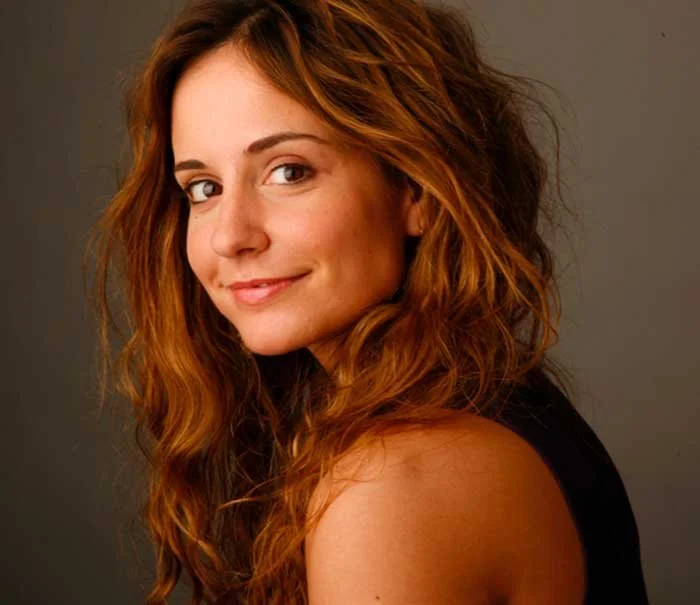
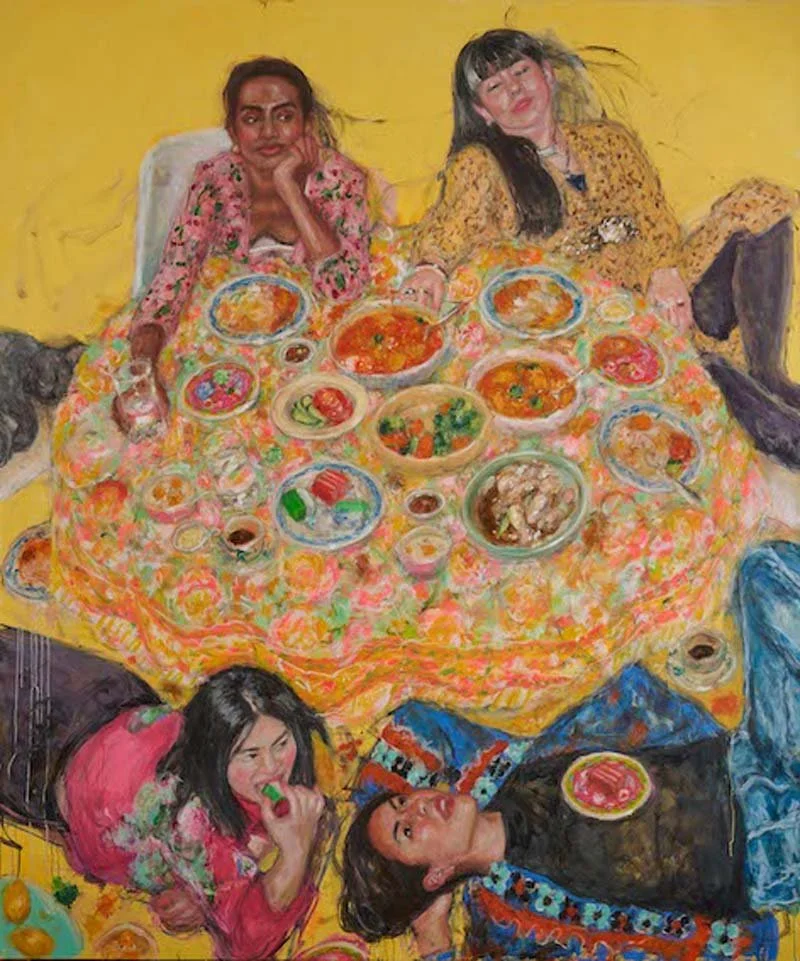
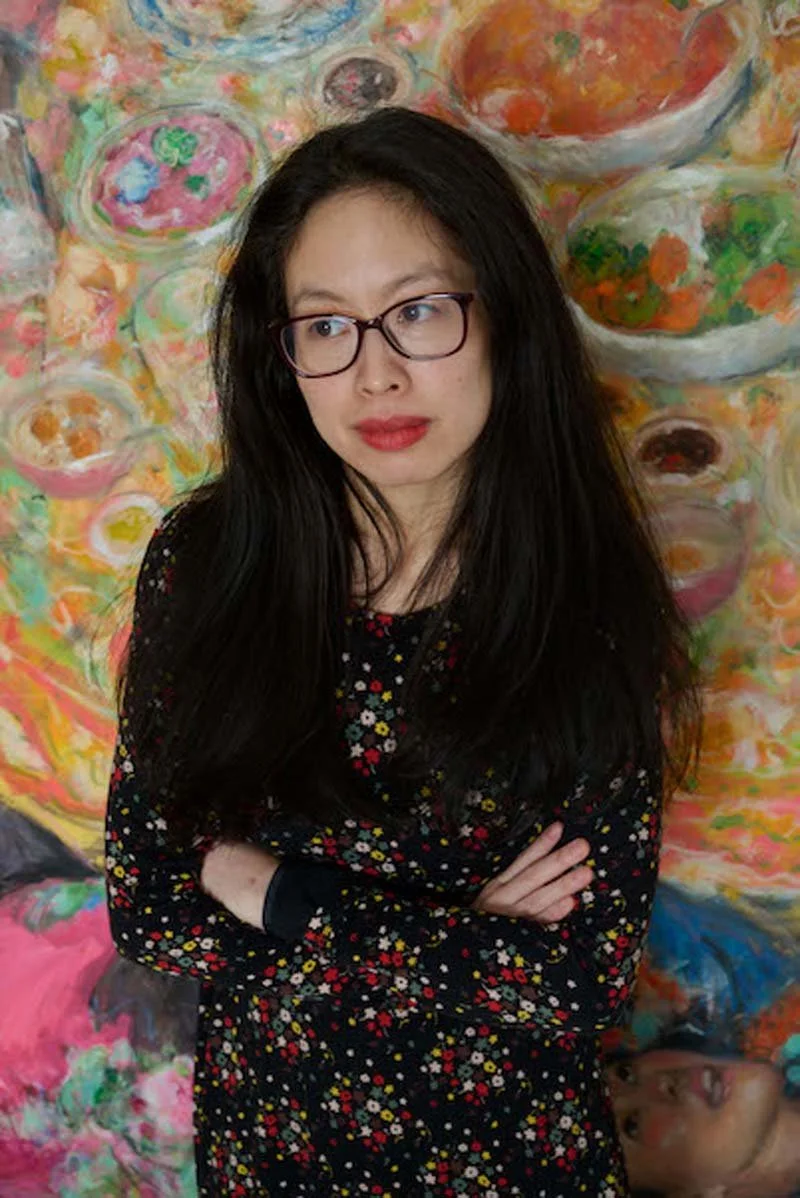
Caroline Wong (1986) is a Malaysian-Chinese artist based in London. Blending the language and materials of painting and drawing, she explores female desire through the prism of food, drink, and sometimes cats. She depicts hunger in the most literal sense, but also speaks to a more generalised, metaphorical sense of hunger in life: hunger for love, hunger for companionship, hunger for escape, hunger for oblivion, and hunger for revenge. She is represented by Soy Capitán, Berlin. @carolinewong_art
Where were you born and raised? How did it influence your art and your thinking about the world?
I was born in a small city in Malaysia called Ipoh, but moved to London when I was a baby. I have spent most of my life living in London (bar a few stints in Europe and China), and go back to Malaysia every year if possible.
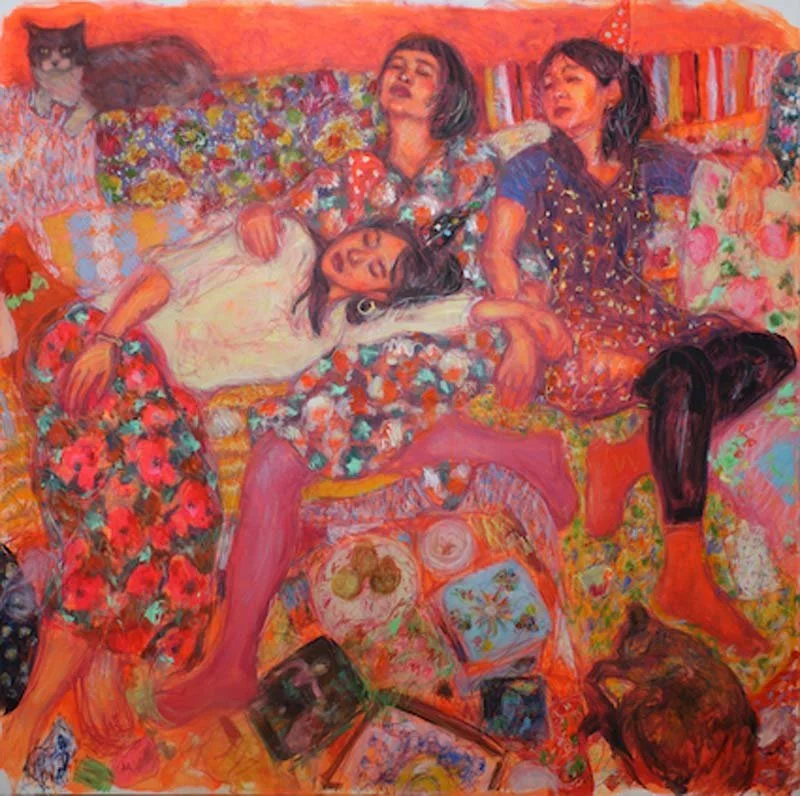
I often think about my cultural influences and whether the East or West predominates in my art. A love of food is ingrained in most Asians, and I think I apply that same obsessive quest for deliciousness in both art and in the world. Hence, pleasure and the senses are at the fore of my practice visually and materially. My aesthetic is very maximalist, and I attribute that to my personal impressions of Asia: vibrant colours and florid ornamentation, juxtaposed with crowded streets, bustling markets, neon lights, and lush vegetation. These for sure have influenced the way I build up pattern, texture, and colour in my images. Having grown up in London, I am very westernized in certain ways. The way I model form and draw figures is informed primarily by European artists such as Degas, Toulouse-Lautrec, Bonnard, and Klimt (all of whom, interestingly, were influenced by Asian aesthetics to some degree). Likewise, much of the media and literature I’ve consumed throughout my life has been from Anglo-American and European writers and thinkers, largely because English is my first language, and I have a passive knowledge of French and Spanish. That is not to say I am totally westernized in my thinking. Living in Asia has made me more geopolitically aware and culturally openminded, and I have learnt a lot from my friendships in Asia.
I do wonder what my life would have been like if I had grown up in Asia, and been brought up to speak Cantonese or Malay as my primary languages. Would I still have become an artist? And if so what would my art look like? How would my life experiences and desires shape the content and materiality of the work? Unless I have a doppelgänger on the other side of the world, I’ll never know.
When did you first fall in love with art and realize you wanted to be an artist? For you, what is the importance of the arts?
Growing up, I was extremely shy and introverted. I still am to some degree, and making art just came naturally to me, simply as I didn’t have to interact with anyone. I did have ambitions of being an artist when I was younger, though I didn’t pursue that path until I had a crisis at the age of 30. Most of my 20s was spent trying to be someone I wasn’t, which meant straightening my hair, having dysfunctional eating patterns, and denying myself the pleasure of making art. It’s cringe to think about. Art for me, I suppose, is and has been an outlet for presenting a less obvious, repressed side of myself. Through my avatars/characters, I am able to channel a lot of what I’m feeling and going through at a particular time in my life.
What does your typical day in the studio look like? Walk us through your studio and your most used materials and tools.
I’m lucky in that my studio is part of my home. I don’t spend long hours there, sometimes an hour or two suffice, and it’s usually later on in the day or evening. I put on my crocs, light a candle (usually chocolate or coffee scented), and choose something to listen to — either a podcast, audiobook, or some techno. If I’m working on paper, I use soft pastel and charcoal, though conversely, I’m currently drawn to using a single 2H pencil. For my canvases, I work with paint and pastel in a very layered, sometimes complicated and unpredictable way. There’s a lot of adding and erasing involved, so these hazy ghost marks become part of the image. The works can take months or even years to make.
What projects are you at work on at the moment? And what themes or ideas are currently driving your work?
Right now it’s quite open, though I’m currently drawn to the theme of vampirism. I think this is manifesting metaphorically rather than literally in my works, and I’m not sure how far I’ll take this theme. Basically I’ve always been interested in consumption in some form or another. It began with the consumption of food, drink, and cigarettes as proxies for love, revenge, or rebellion. Now I’m thinking of both myself and the culture more broadly as being vampiric or parasitic in some way. I’ve learnt some tough lessons about being in the art world and the structures governing it, and the vampire seemed like the most fitting image of that whole experience.
What do you hope people feel when they experience your art? What are you trying to express?
I’ve always been a believer in beauty as a subjective experience, not as an objective quality (to paraphrase Wendy Steiner). So I do hope people can find beauty in what I make and not feel robbed or starved in any way. Beauty was a dirty word at art school, but I’ve always wanted to make a case for it.
Do you draw inspiration from music, art, or other disciplines?
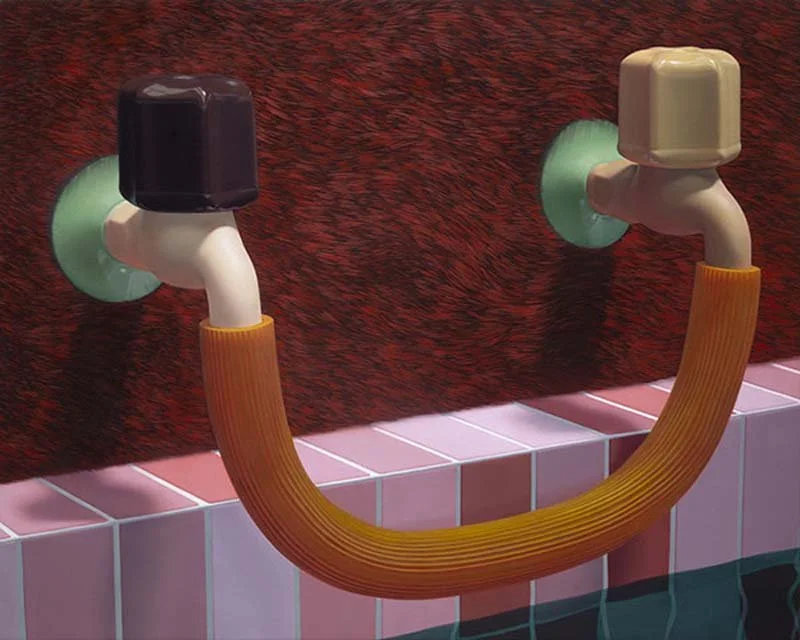
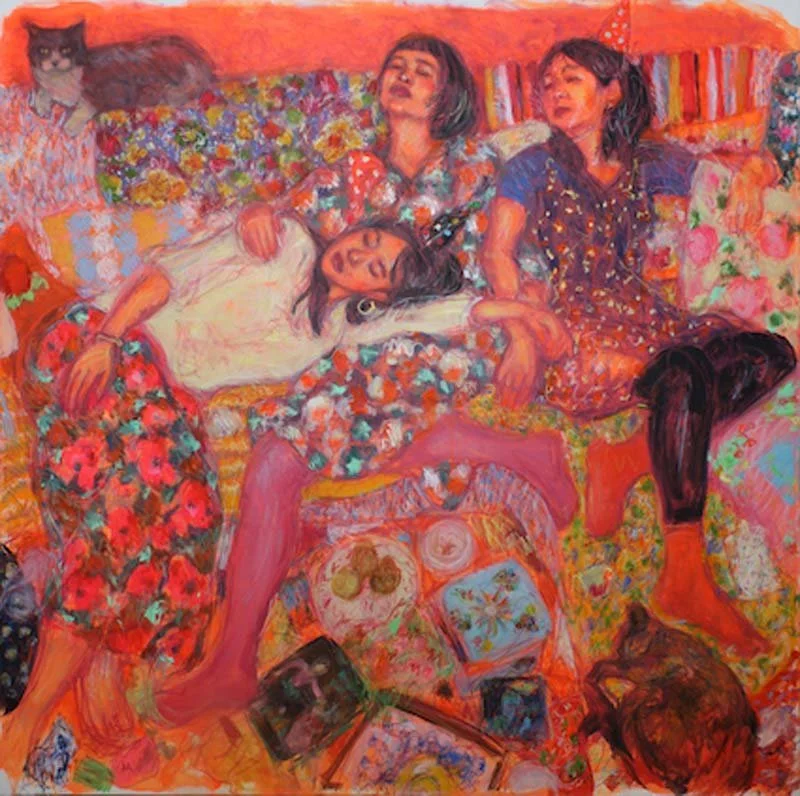
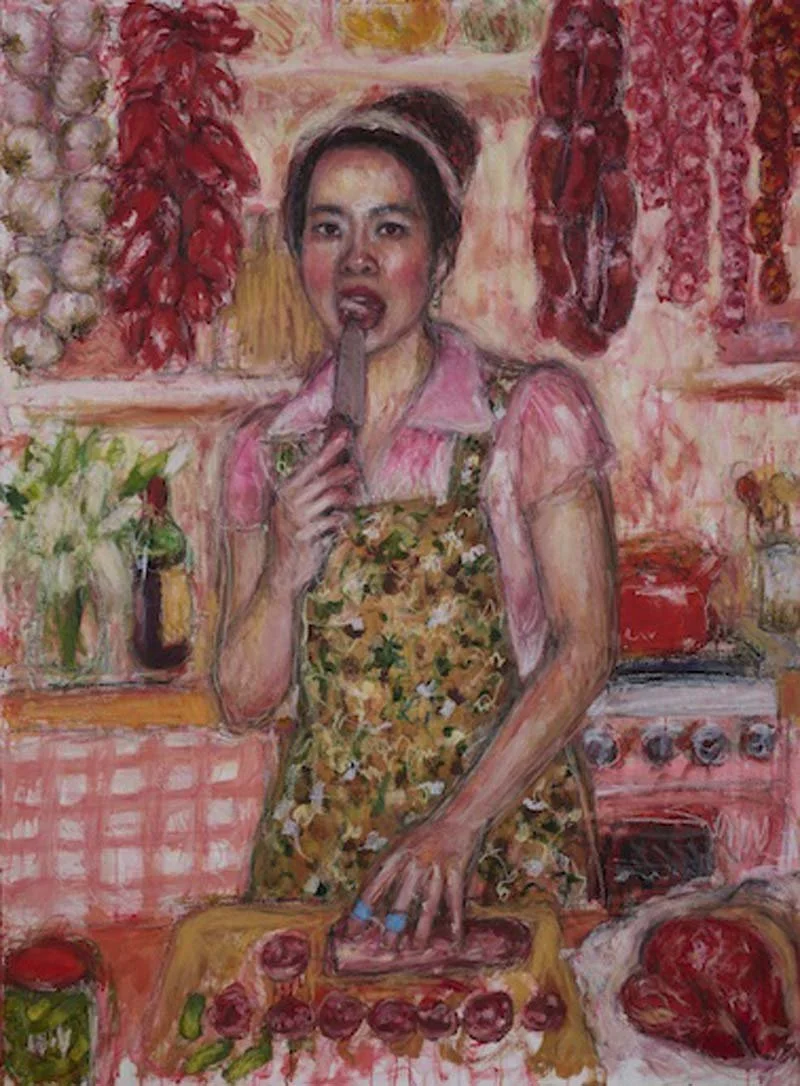
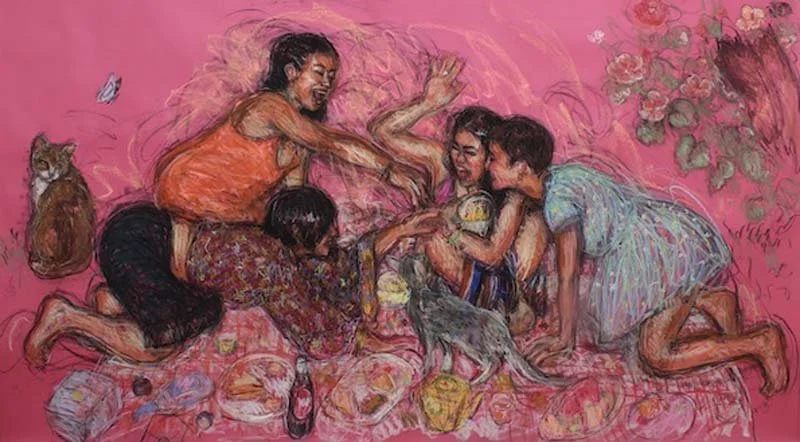
Yes, other than art, I draw inspiration from films, books, and music. I went through a whole phase of watching revenge films (particularly Park Chan-Wook) and ‘slow living’ vlogs, which inspired a series of paintings called ‘Happy Endings’ — portraits of women in the kitchen with kitchen utensils and phallic-shaped food. As for reading, I do like to delve into theory now and again, and for a while was engrossed in Naomi Schor, Rosalind Galt, and Ann Cheng who have all written on aesthetics, gender, and race, particularly with regard to the decorative — much of that shaped the Artificial Paradises and Picnics and Parties series. Now most of what I’m reading and watching is quite pessimistic in tone and political, which is why my works are starting to look a bit solemn or angry, and I can’t stop thinking about vampires.
A great thing about living in my city/town is…
it pretty much has everything you need. I think I take that for granted sometimes, which is why I sometimes fantasise about moving somewhere smaller and quieter. And for me personally, a lot of my friends and models live here, which is essential for my art!
Who have been some of your most influential mentors?
The art world is tough, and full of fake, transactional relationships if we’re being honest, therefore it’s important for me to have genuine friendships, and be around creatives who prioritise their craft and integrity over the fame game. So I really value the support and input from artists such as Barbara Walker, Sara Rossberg, Noemi Conan, Martina O’Shea, and more recently Gordon Cheung.
Sustainability in the art world is an important issue. Can you share a memory or reflection about the beauty and wonder of the natural world? Does being in nature inspire your art or your process?
I’ve always said that I draw more inspiration from city life than the natural landscape, especially when it comes to my choice of colour and the overcrowding of objects and details in my work. Yet both my homes in London and Malaysia back onto forests, and I find myself often mesmerised by their colours and forms. Although I rarely depict nature in my works, I feel that the way I use materials is very organic, fluid, and sometimes wild. Processes or artworks that seem rigid, slick, or mechanical really leave me cold.
AI is changing everything - the way we see the world, creativity, art, our ideas of beauty and the way we communicate with each other and our imaginations. What are your reflections about AI and technology? What is the importance of human art and handmade creative works over industrialized creative practices?
I try not to think too much about it if I’m honest. I still feel people, at least in this generation, will always value human art because intrinsically they know and feel that all artworks are shaped by the artist’s lived experiences and journey. I don’t know if AI can really grasp or experience the complexities and contradictions of a person. Does it really know loss or love, or what it’s physically like to be hungry or drunk?
Exploring ideas, art, and the creative process connects me to…
People. It’s strange to hear, coming from a total introvert, but without people (whether it’s their presence as models, their input as fellow artists, or ideas as writers or thinkers), I can’t create my work.