

How can static pieces of art capture active memories?
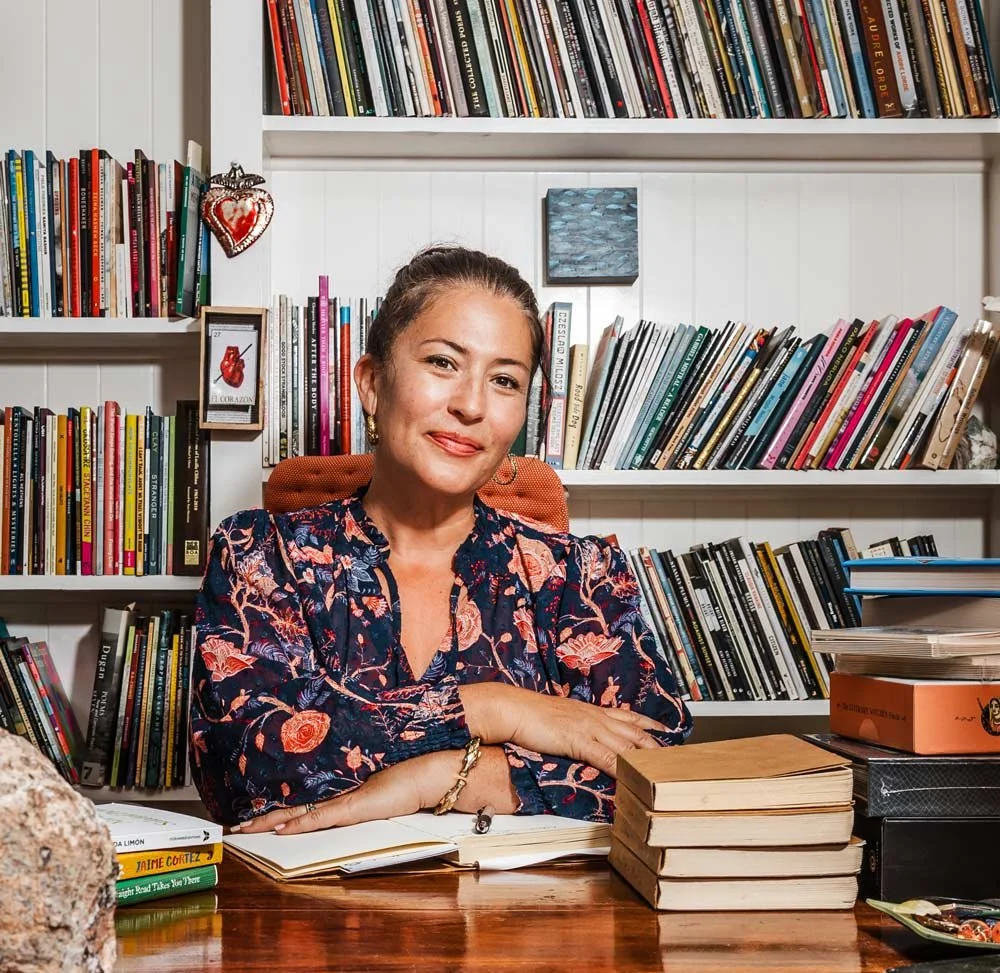
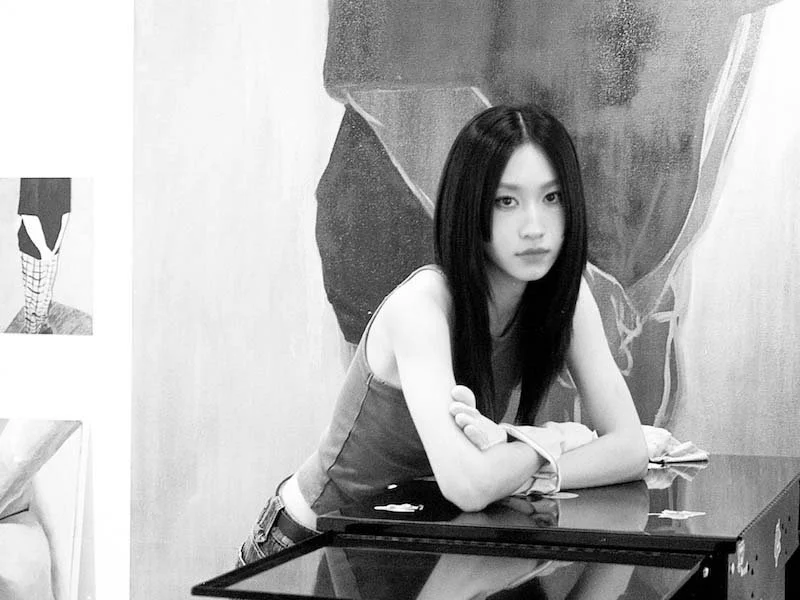
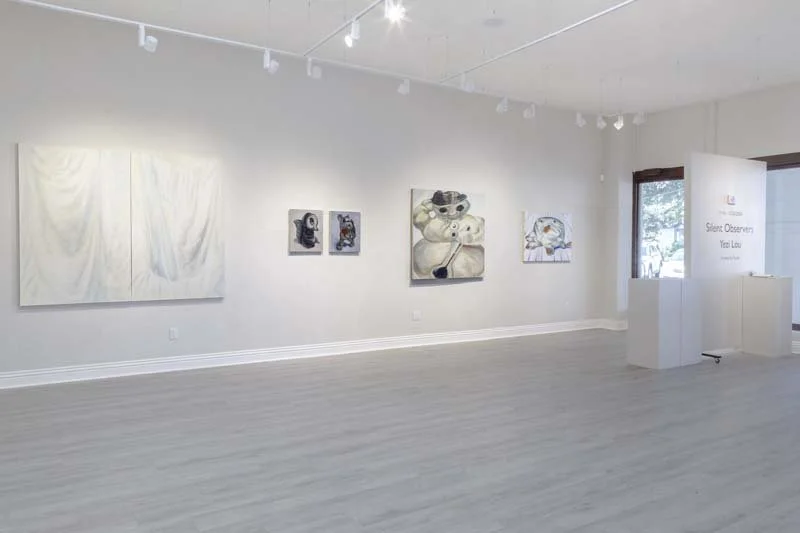
Yezi Lou is an internationally active artist recognized for her exceptional sensitivity and distinctive perspective. Through subtle shifts in color and bold choices of subject matter, she continually challenges the conventions of oil painting, transforming everyday life into visual narratives that are at once ambiguous and resonant. This distinctive artistic language has secured her an important position within contemporary painting. Her recent solo exhibitions include Silent Observers (The Scholart Selection, San Gabriel, US, 2024), Under the Surface (A/W Space, Nanjing, CN, 2024), and Corner of My Eye (Xela Institute of Art, Long Beach, US, 2024). Highlights of her group exhibitions feature Beyond the Image (Unveil Gallery, Irvine, US, 2025), New American Paintings 2025 Review (Steven Zevitas Gallery, Boston, US, 2025), and Outpost (Gene Gallery, Shanghai, CN, 2024). Collectively, these projects underscore her significant contribution to the international art landscape. @departurepoem
Where were you born and raised? How did it influence your art and your thinking about the world?
I was born and raised in Wenzhou, a city in southeast China best known for its manufacturing industry and entrepreneurial spirit. Growing up, I was surrounded by cheaply produced goods destined for export—objects that felt materially trivial yet symbolically charged. They were more than commodities; they shaped social hierarchies, mediated relationships, and carried aspirations. This environment taught me to see domestic space not simply as a refuge but as a stage where tradition and modernity, authenticity and imitation, constantly collided. Those contradictions continue to shape my practice, fueling my exploration of alienation, status, and belonging.
When did you first fall in love with art and realize you wanted to be an artist? For you, what is the importance of the arts?
Unlike many artists I know, I came to art relatively late. I didn’t fully commit to becoming an artist until I chose to pursue graduate studies in art. It took me a long time to begin to understand who I am, and that question still remains open-ended. What continues to sustain me is the process itself: questioning, observing, and reflecting. For me, the importance of the arts is not about perfect depiction or monumental ideas, but about sincerity—a truthful response to a moment, an encounter, or a feeling.
What does your typical day in the studio look like? Walk us through your studio and your most used materials and tools.
I currently work in a home-studio mode. I paint in the afternoons until sunset, when the daylight is at its most, and spend evenings with clay in a nearby pottery studio. My tools are the modest, canvas, gesso, oil medium, drawing paper—the kinds of things found in any art supply store. I often use Winsor & Newton oils, alongside mineral pigments and watercolors I’ve brought from China and Japan.
What projects are you at work on at the moment? And what themes or ideas are currently driving your work?
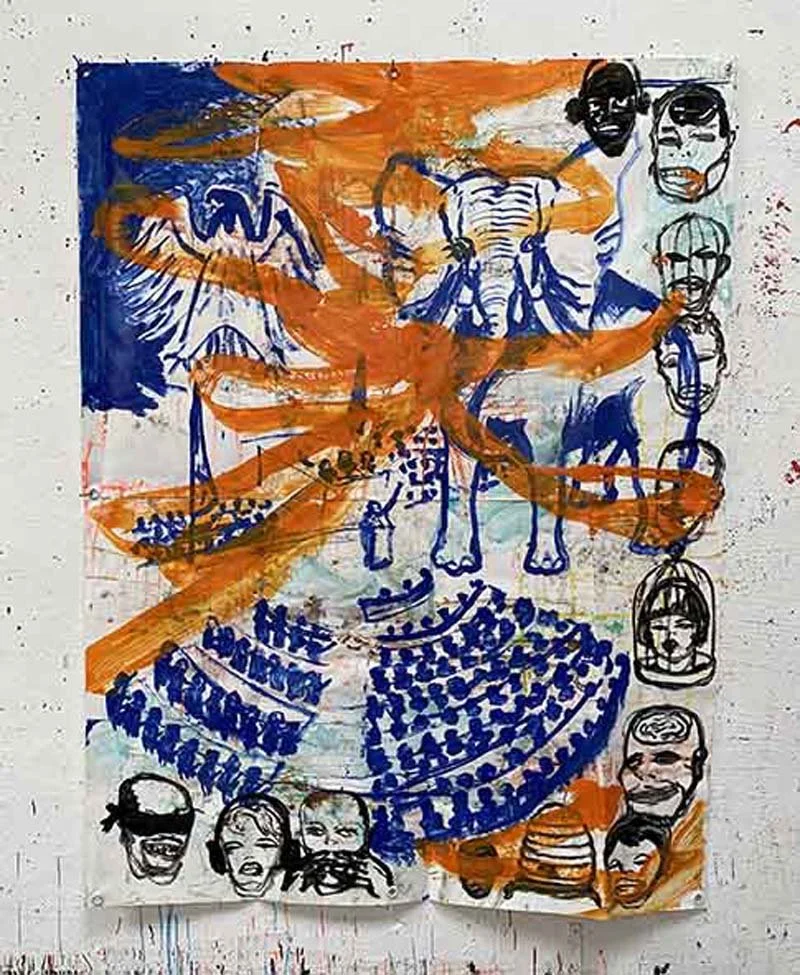
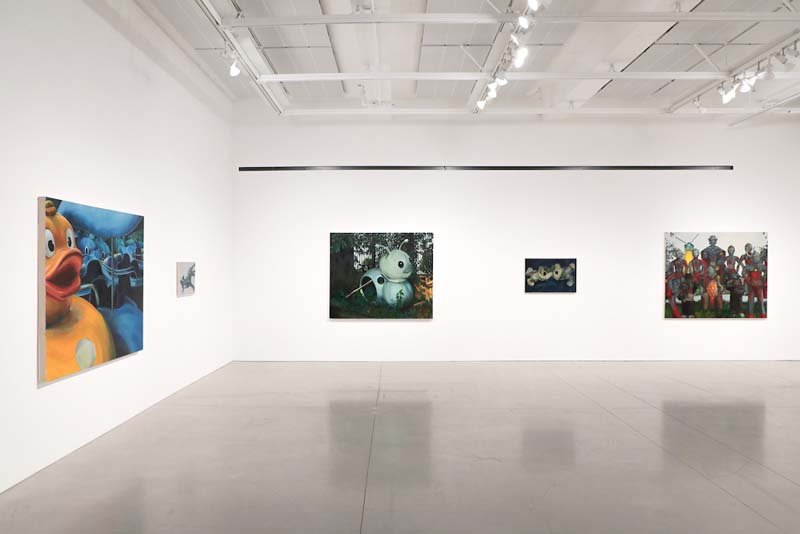
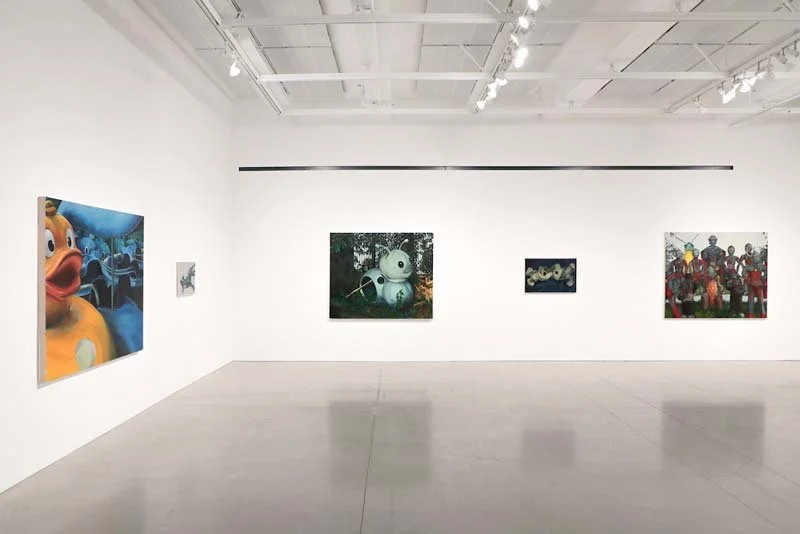
My current project, Ma’an Chi Park, is a series of paintings based on a park I often visited in childhood, known for its unlicensed anime figure replicas. Through this work, I explore China’s “Shanzhai” culture—a phenomenon that began with counterfeit goods in the early 2000s and has since grown into a broader ethos of adaptation, parody, and grassroots innovation. Situating this within today’s globalized context, I use the project to question cultural hierarchies that privilege autonomous artworks over forms of making tied to commerce, class, and survival.
What do you hope people feel when they experience your art? What are you trying to express?
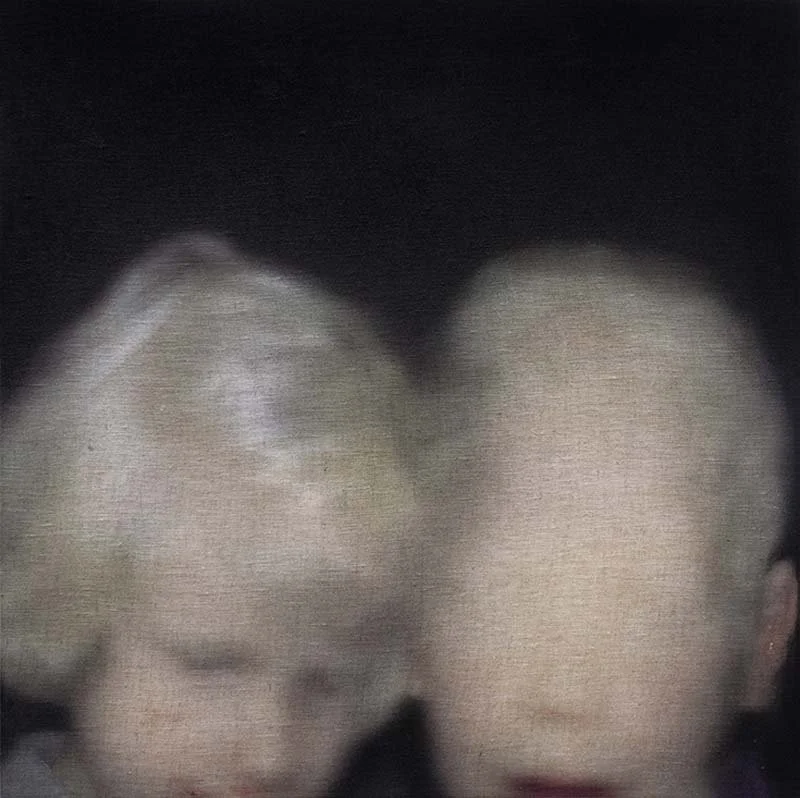
I’m interested in capturing something that lingers often tied to a group’s dilemmas or historical memory. I use playfulness and dark humor as a way to mediate the unease of subjects that cannot always be spoken about openly under cultural repression. Over time, this dissonance has become a strategy: to obscure and blur aspects of my identity, creating tension between the familiar and the unfamiliar.
I know audiences from different cultural contexts will interpret my work differently. What I hope to offer is not a fixed message but a subtle disruption—small distortions or glitches in the shared system of interpretation that destabilize certainty. Ideally, this produces a playful oddity, something that both unsettles and intrigues.
Do you draw inspiration from music, art, or other disciplines?
I see all forms of artistic expression as connected, and I draw from many of them. But films has been especially influential for me. I’m drawn to the energy of fragmented images, and to the way they generate meaning as much through rhythm and juxtaposition as through narrative. That tension between image and interpretation continues to shape how I think about painting and installation.
A great thing about living in my city/town is…
I feel supported and loved. Artists, curators, gallerists, and others in the art community uplift one another instead of competing. Rather than focusing on rivalry, we share resources, collaborate on events, and help each other build meaningful connections. Here, we see ourselves as part of a collective. Los Angeles shows its inclusive generosity to those who are new here—no matter where you come from, you will find belonging and a genuine sense of welcome.
Can you describe a project that challenged you creatively or emotionally—and how you worked through it?
In the past, I opposed revealing too much about my family, often framing my work as an exploration of broader human experiences rather than personal narratives. Yet, in retrospect, perhaps I was avoiding the discomfort of confronting these subjects directly. To some extent, I may have used objects as instruments to validate my own detachment from the intensity of personal emotions—choosing abstraction over vulnerability. Early in this year, I took a step forward by creating a model of the Wenzhou family and its underlying social structure, transforming personal issues into shared experiences that challenge cultural norms. Rather than rejecting collectivity, I came to see freedom as the ability to dismantle the cognitive barriers between private and public life. The tension between individual and societal norms became less about opposition and more about balance—allowing both to coexist in distinct yet interconnected ways, acknowledging their inseparable significance to one another.
Tell us about important teachers/mentors/collaborators in your life.
I’ve been fortunate to meet many people who have guided me along the way, and it would be impossible to thank them all. If I had to choose one to talk about, it would be my high school art teacher, Yukito Yoneyama, whom I have lost connection regretfully. At a time when I was deeply uncertain about my future while my peers already seemed to know their paths, he was the only person who asked me a simple but life-changing question: “Do you want to try art?”
Sustainability in the art world is an important issue. Can you share a memory or reflection about the beauty and wonder of the natural world? Does being in nature inspire your art or your process?
Being in nature has become a routine in my life. I’m drawn to the presence of plants, earth, air, and water—not as subjects to depict, but as an asylum from desire and materialism. My work rarely represents nature directly; it tends to dwell on the domestic and the artificial. Yet traces of it appear: a drapery over grassland, a broken swing in a bush, a fleeting view glimpsed from a train. I’m interested in how human domesticity and open natural space overlap, creating shifting identities and interpretations. Nature is my most immediate source for thinking about life and death, and it offers a meditation I cannot find in urban spaces.
AI is changing everything - the way we see the world, creativity, art, our ideas of beauty and the way we communicate with each other and our imaginations. What are your reflections about AI and technology? What is the importance of human art and handmade creative works over industrialized creative practices?
It is undeniable that the power of traditional art has been diminished by technological advancements. As images are rapidly generated and disseminated through digital tools—further accelerated by AI’s ability to simulate "reality", I find myself questioning how figurative art’s role has evolved across different eras of sociality. Today, in an age dominated by the internet and social media, the constant flood of images has conditioned a more mechanical way of seeing. For some, representational painting is now indistinguishable from photography—its subjects are perceived purely in photographic terms, directly equated with their real-world counterparts. This blurring of boundaries reduces the complexities of artistic interpretation, a shift that has profoundly influenced my approach to painting.
Exploring ideas, art and the creative process connects me to…
me.