

Madrid-based artist Monika Izdebska discusses the influence of post-capitalist Poland, the meditative nature of oil painting, and her upcoming selfie-inspired project.
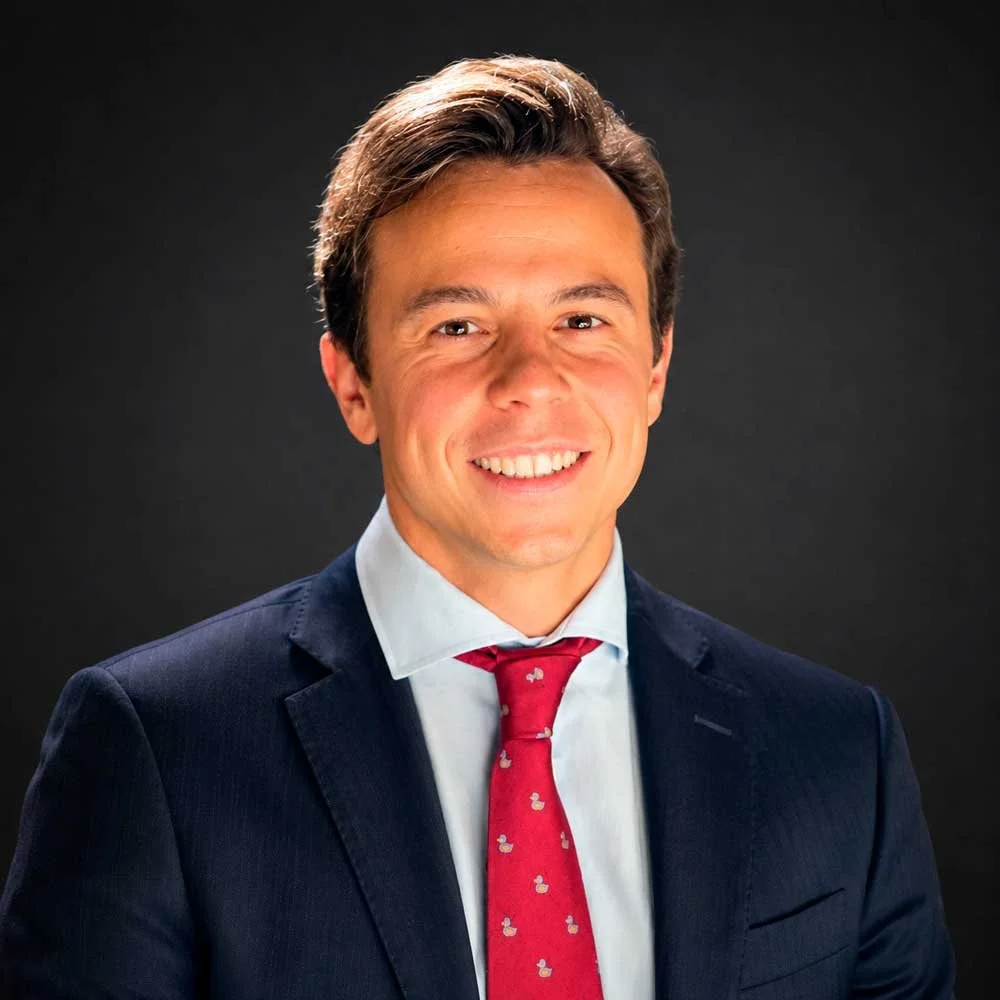
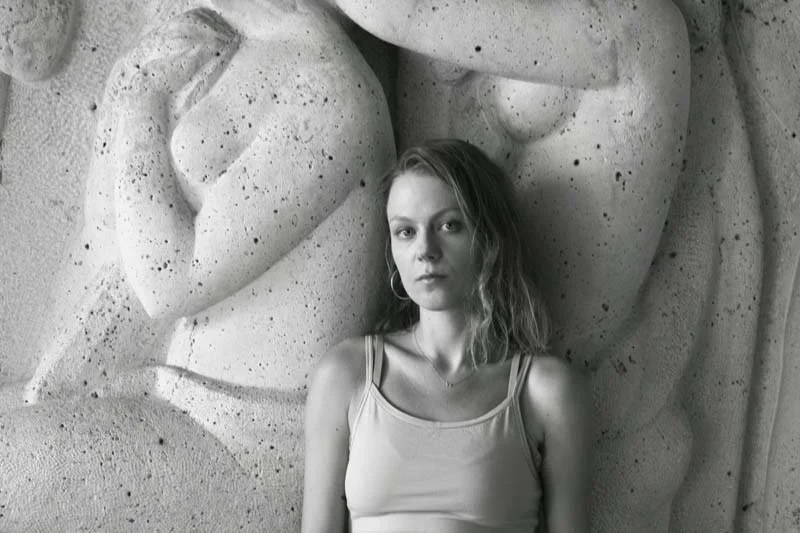
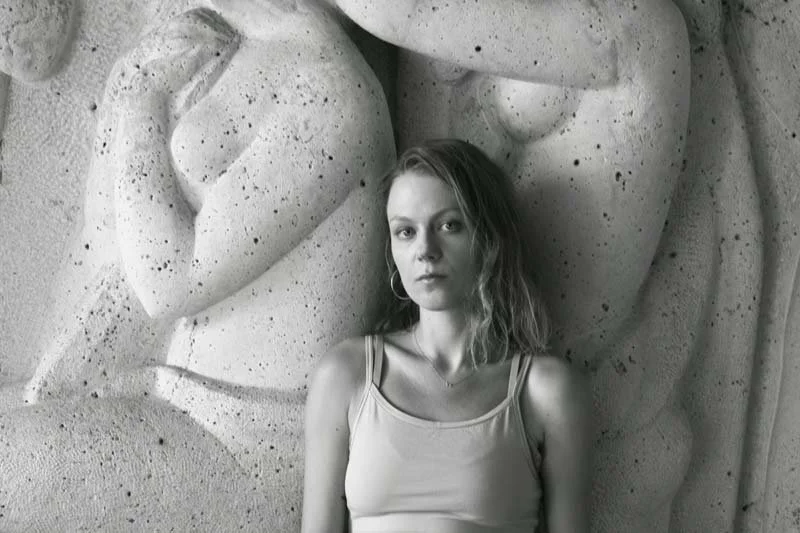
Monika Izdebska (b. 1989) is a Polish artist currently based in Madrid. A graduate of the Academy of Fine Arts in Kraków, her primary focus is painting, though her multifaceted practice has spanned stained glass, sculpture, furniture design, and photography. Currently working as a product designer, Izdebska remains deeply committed to the traditional arts, recently winning the Best Painting Award at CBA Madrid. Her work is characterized by a slow, precise process and a focus on the human figure, balancing classical aesthetics with subtle, contemporary modifications. @halobambino
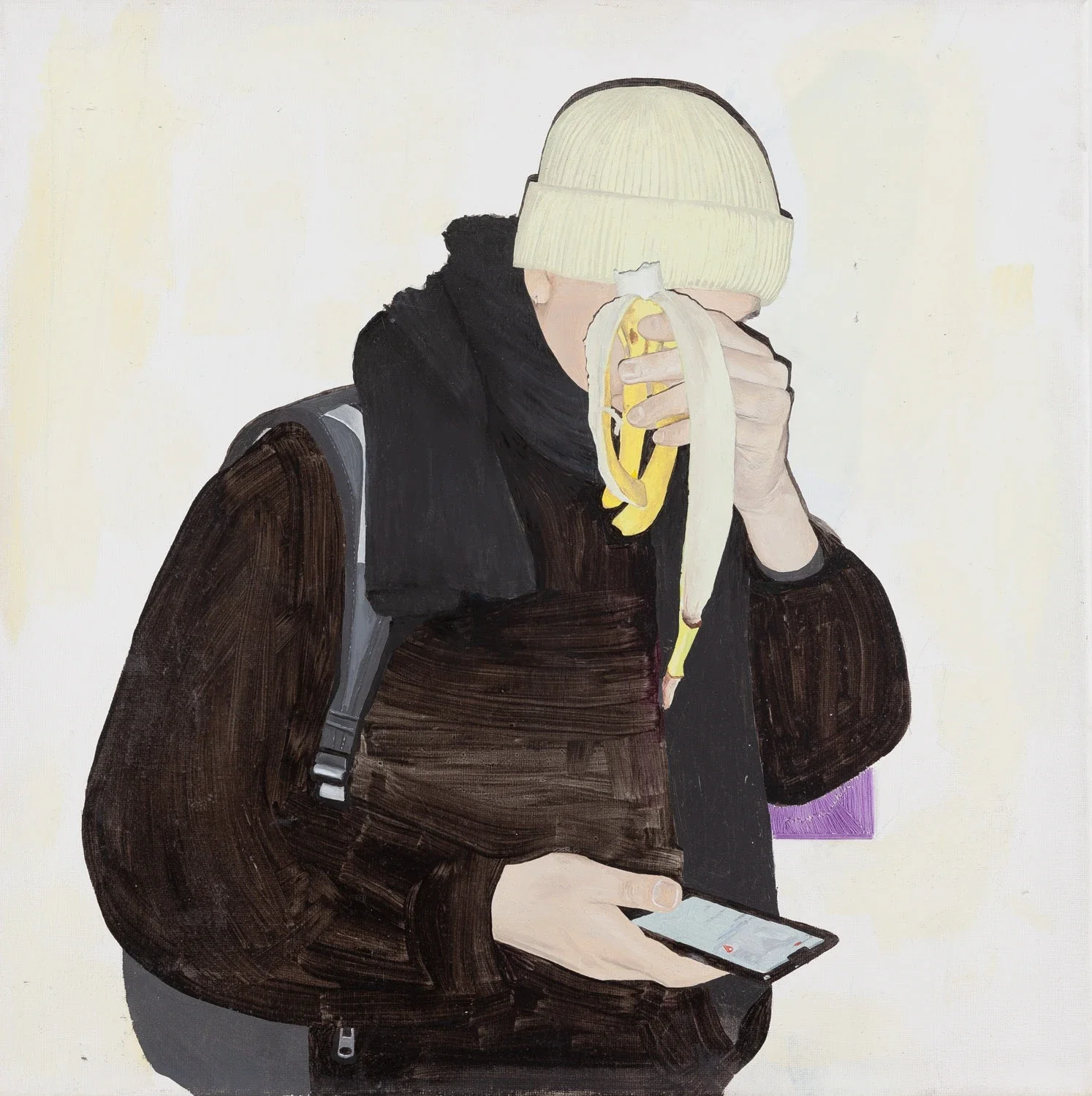
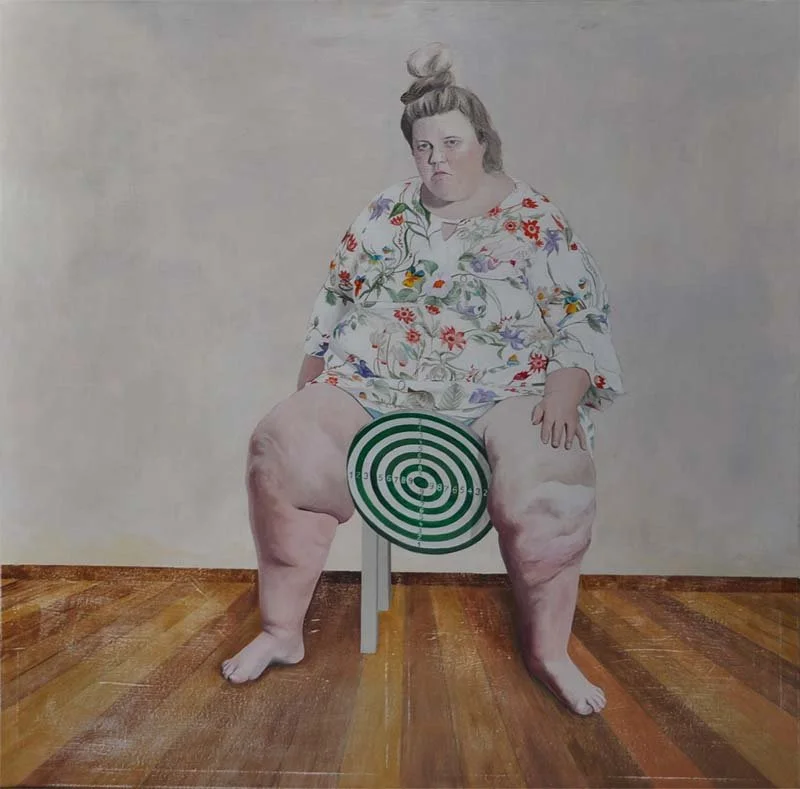
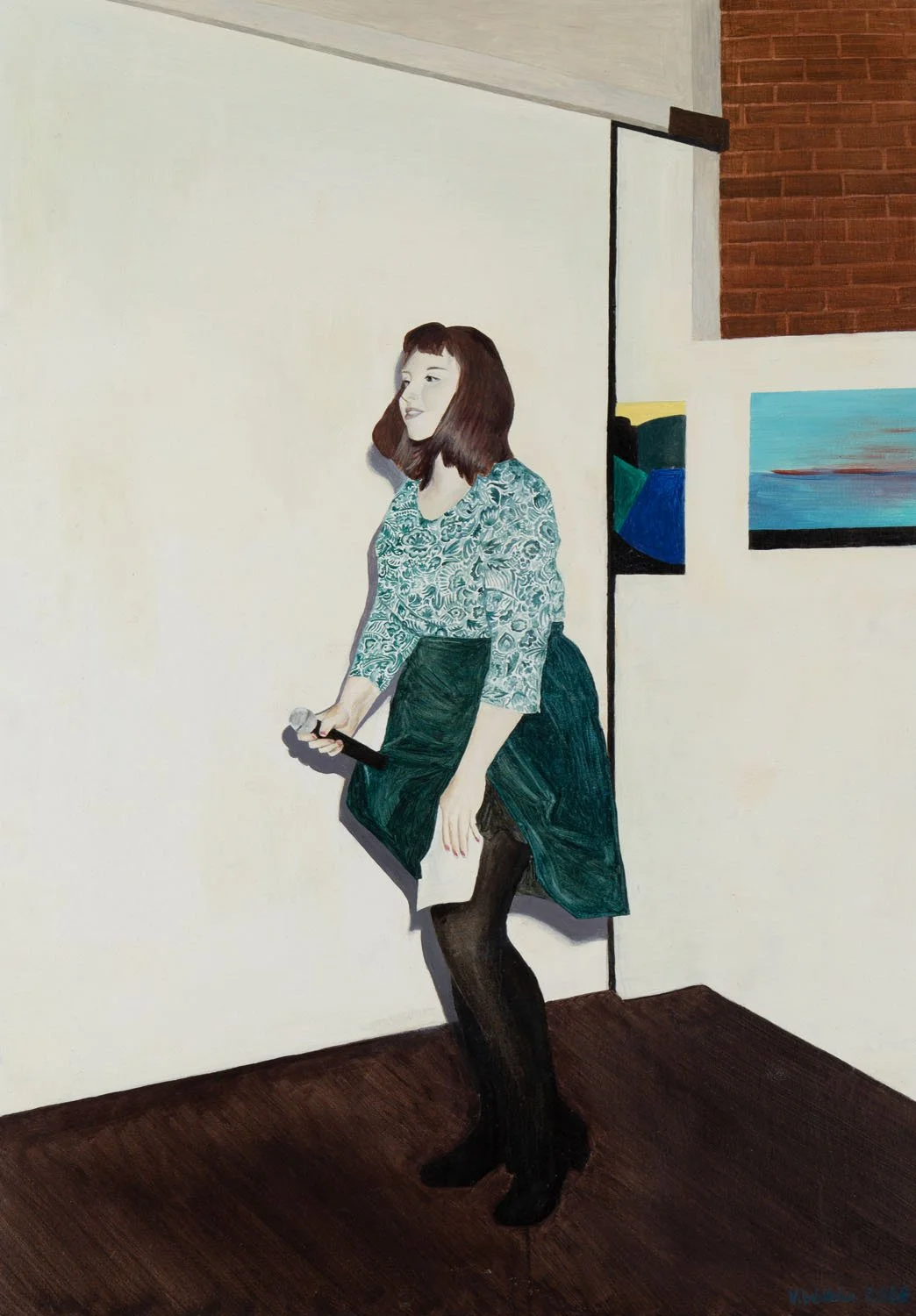
How did your upbringing in Poland shape your imagination and your thinking about the world? I was born and raised in a small city in Poland. There wasn’t much to do—grey apartment blocks, the first decade of Polish capitalism, a sense of confusion as people adjusted to their newly gained freedom. But as a child, I didn’t notice any of that. Sometimes I wonder: if I had been born in Spain, would I have ever started painting? Would I have spent my weekends working, or simply enjoying a happy, easy life with vermut and aperitivo among friends? I believe my circumstances shaped my ambition. They created a kind of inner drive—a force that pushed me to paint, even when it required effort, discipline, and persistence.
Can you recall a moment when you recognized art as your chosen path?
I think I truly fell in love with art in Kraków. There was a small art school on Floriańska Street, and I still remember my first day there. I expected to be told to draw simple lines and circles—but instead, there was a nude model standing in front of me, and I was asked to draw her. It was completely new to me, surprising and exciting at the same time. I loved it immediately, and I improved quickly. Now I still draw from life at least once or twice a week. Those sessions are my time to listen to music, focus, unwind, and feel genuinely alive. I try to paint as much as I can—even when laziness creeps in—because I know I still have so much to learn. And that dedication is one of the most important parts of how I imagine my future career.
Describe a typical day in your studio.
Currently, I paint at home, and the first thing I need to do is clean the space. I can’t start unless everything feels clear and ready—it’s part of my ritual. I set up my easel, prepare my oils, brushes, medium, turpentine, and cloths. I always put on music; it helps me focus and slip into the right mindset. I don’t do action painting or anything expressive like that. My process is slow, precise, built on tiny movements and long attention to detail. It feels almost meditative, and that state of mind is essential for me.
Tell us about your current projects and the themes driving your work.
I work on very classical portraits. Both the themes and the technique are traditional, so I look for small ways to add interest—subtle details, slight modifications, touches of embroidery—to keep the work from feeling too conventional. The next project I’m considering is a series of portraits based on people taking selfies without realizing they’re capturing their own true expressions. There’s something very honest and unguarded in those moments, and I want to explore that more.
When viewers experience your art, what emotions or ideas do you hope they connect with?
I only hope that my paintings evoke a pleasant aesthetic feeling—that’s all. I always work carefully on the color palette, composition, and balance to make the piece well-structured. The themes vary, but there is always a person, or people, at the center. Sometimes people interpret my work in deep or unexpected ways, and I find myself thinking, “Hmm… I’m not sure—I just liked this pose.”
Which artists, past or present, would you like to meet, and what would you like to discuss with them?
I would go on a date with Egon Schiele. I’d ask him to paint me—and I’d keep the painting.
Do you draw inspiration from literature, cinema, or other disciplines?
Yes! Mainly from literature and cinema, though I always use music in the background—it helps me paint. I really like Masłowska, a contemporary Polish writer. One day, I would love to paint the way she writes—observing critically, capturing weird and unsettling details, and portraying things that aren’t necessarily pretty.
What is the significance of the cultural landscape of Madrid to your creative practice?
Círculo de Bellas Artes—an amazing, yet somehow hidden place where I go to draw every week.
Tell us about the teachers or mentors who influenced the artist you are today.
There is a very special friend who, unfortunately, doesn’t speak to me anymore, but I learned so much from her sensitivity and honesty, and I deeply admire her art.
Sustainability in the art world is an important issue. Does being in nature inspire your art or your process?
I think I can compare the feeling I had seeing a palm tree forest in the jungle for the first time at sunrise to the feeling I get when looking at masterpieces in the Prado—deep admiration and amazement. Nature doesn’t inspire me directly, although, in a way, it does, because I’m inspired by people and their everyday lives—and after all, we are part of nature.
In an era where digital tools like AI are redefining reality, what is the importance of the physical, handmade act of creation?
I love AI—it makes our lives so much easier. At the same time, I think there’s currently a bubble, with everyone wanting to use AI for everything. It’s important to understand what it’s worth using AI for and what it’s not. We shouldn’t get upset about it “stealing” our creativity; instead, we should use it to stimulate and enhance our own creative potential. But most importantly, AI should be applied to solving major global and political problems—humans will be fine without AI that generates images or music.
Exploring ideas, art and the creative process connects me to the part of me that can’t stop analyzing, questioning, and playing with possibilities.